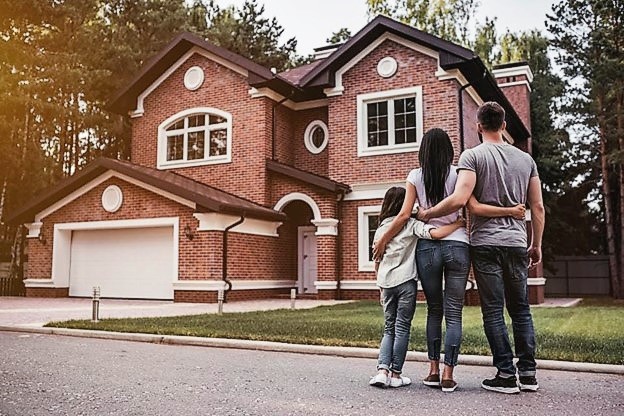
Higher rates mean borrowers pay more interest, which can reduce their buying power.
Federal Reserve officials made history on Wednesday by hiking rates by three-quarters of a percentage point for the second straight month, delivering the most aggressive tightening in more than a generation to curb surging inflation, but risking a sharp blow to the economy.
Policy makers, facing the hottest price pressures in 40 years, lifted the target range for the federal funds rate to 2.25% to 2.5%. That takes the cumulative June-July increase to 150 basis points — the steepest rise since the price-fighting era of Paul Volcker in the early 1980s.
Federal Reserve Chairman Jerome Powell said the path to avoid a recession may have narrowed, but he doesn’t believe the nation is currently in the throes of one.
That being said, Lawrence Yun, chief economist for the National Association of Realtors, believes raising short-term fed funds rate by 75 basis points is unlikely to do any further damage to mortgage rates.
“The long-term bond market, off of which mortgage rates are generally priced, has mostly priced-in all future actions by the Fed and may have already peaked with the 10-year Treasury shooting up to 3.5% in mid-June,” said Yun. “It is possible that the 30-year fixed mortgage rate may settle down at 5.5% to 6% for the remainder of the year. Still, mortgage rates are significantly higher now compared to one year ago, which is why home sales have been falling.”
The effects of higher rates are particularly evident in the housing market, where sales have slowed. But Yun sees a light at the end of the tunnel. “If mortgage rates do stabilize near the current rates, home sales will be dependent on jobs and consumer confidence,” he said. “Job creations have been ongoing to date. Therefore, home sales could soon stabilize within a few months and then steadily turn upwards from early next year.”