|
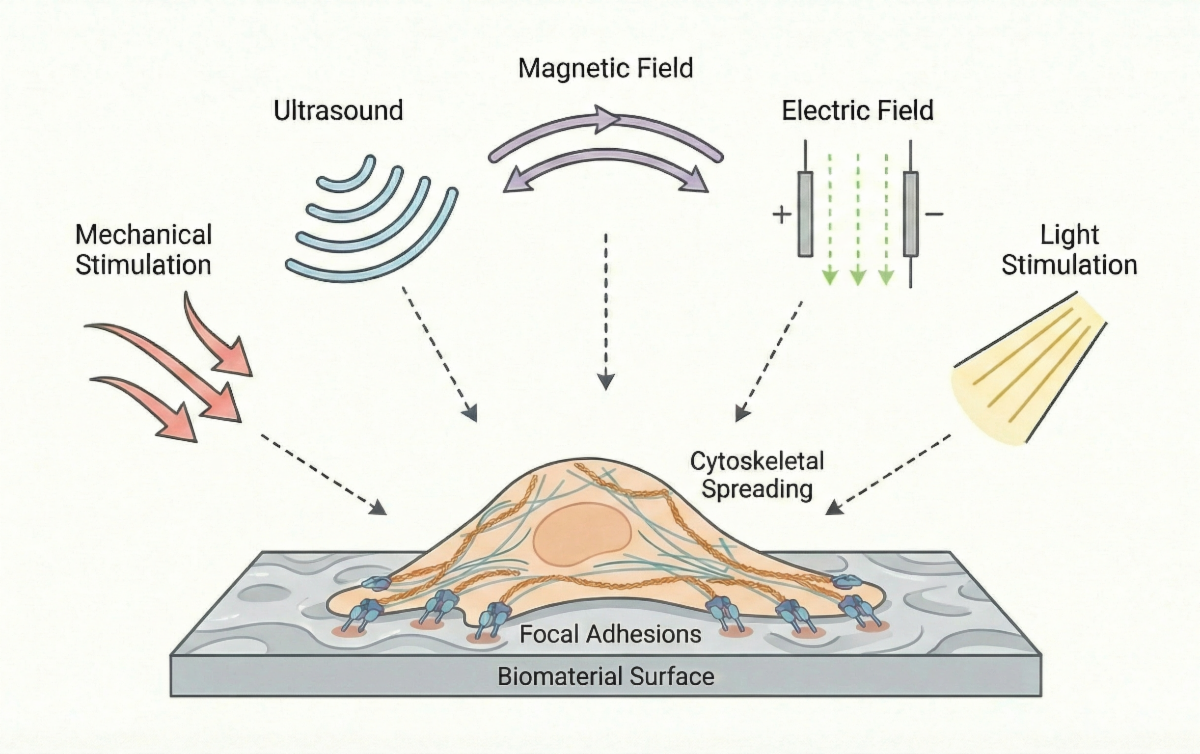
Biological systems are highly responsive to surface chemistry, topography, stiffness, dynamic mechanical stimuli, and bioactive molecular factors introduced through surface engineering strategies. These interfacial parameters operate in a coordinated manner to influence protein adsorption, cell adhesion, differentiation, immune modulation, and tissue organization. A mechanistic understanding of these coupled physicochemical and biological interactions is essential for the rational design of advanced biomaterials and biomedical devices.
This collection welcomes fundamental and application-oriented studies that provide quantitative and mechanistic insight into interface-mediated biological regulation, including diverse approaches to bioactive surface modification and functionalization.
|