|
Europe 2023
November 28
ISTANBUL - Day 2
| |
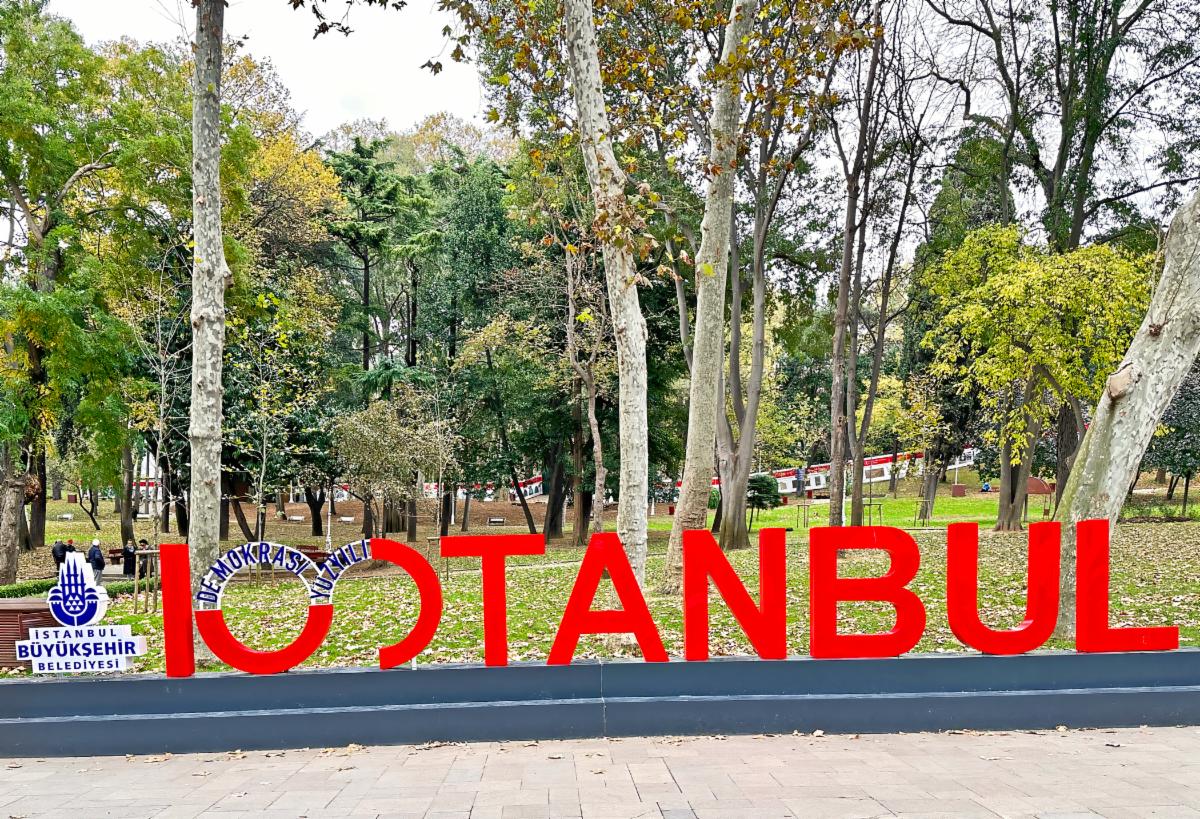
Istanbul with a sideways 'S'. | |
|
TUESDAY, NOVEMBER 28, 2023
ISTANBUL
Last night, the weather apps predicted a gorgeous morning, a cloudy afternoon, and a rainy evening. That meant hitting the streets early. We finished our breakfast buffet by 8 a.m. The desk clerk, a young lady this morning, told us the Cistern had recently been renovated, and we shouldn’t miss it. She also reinforced our plan to take the ferry to the Asian side of the harbor.
I had a perfect circle planned out. First, we were going to find that entrance to the Basilica Cistern, come hell or high water. Next, it was the tram across the harbor to the Dolmabahçe Palace and the Taksim. Then, the tram to the Galata Tower and, finally, the ferry to the Harem neighborhood on the Asian side.
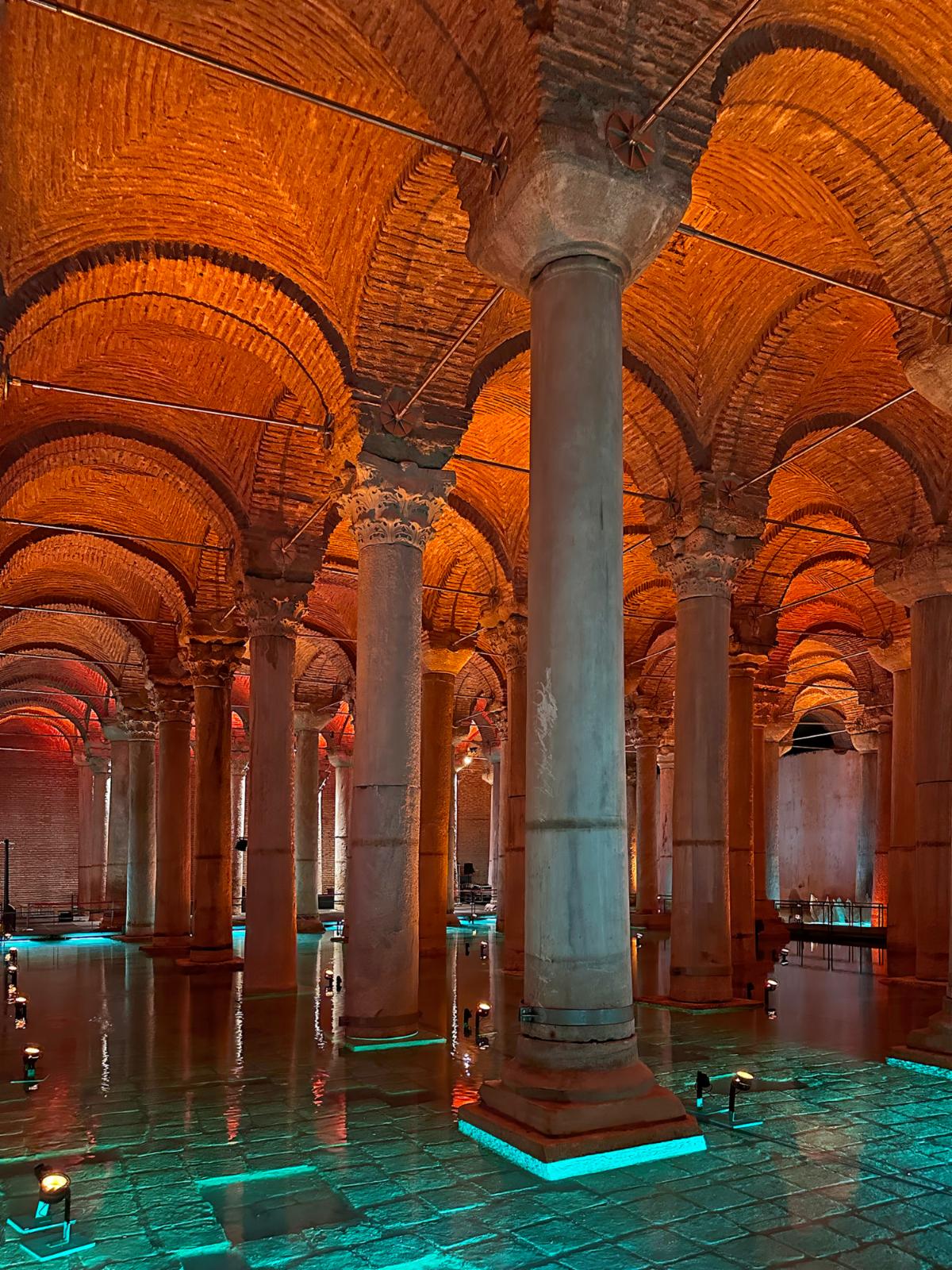
Istanbul is surrounded by water; however, it is salt water. Drinking water had to be brought in from the mountains. To that end, in the 500s CE, the Byzantine emperors commissioned the construction of a series of cisterns, including the large enclosed Basilica Cistern, to hold a vast amount of water brought to Constantinople via a network of aqueducts. (Istanbul used to be Constantinople).
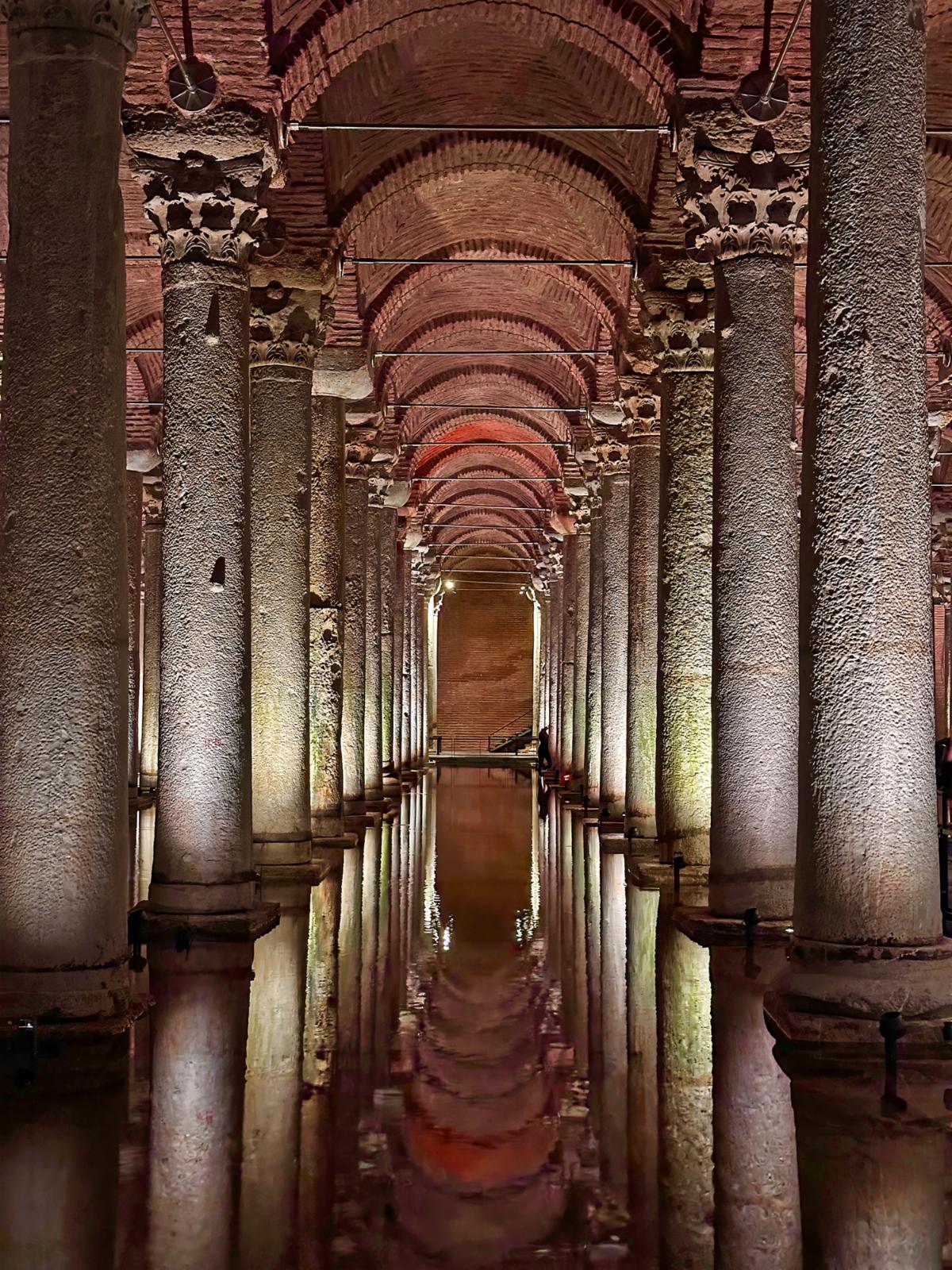
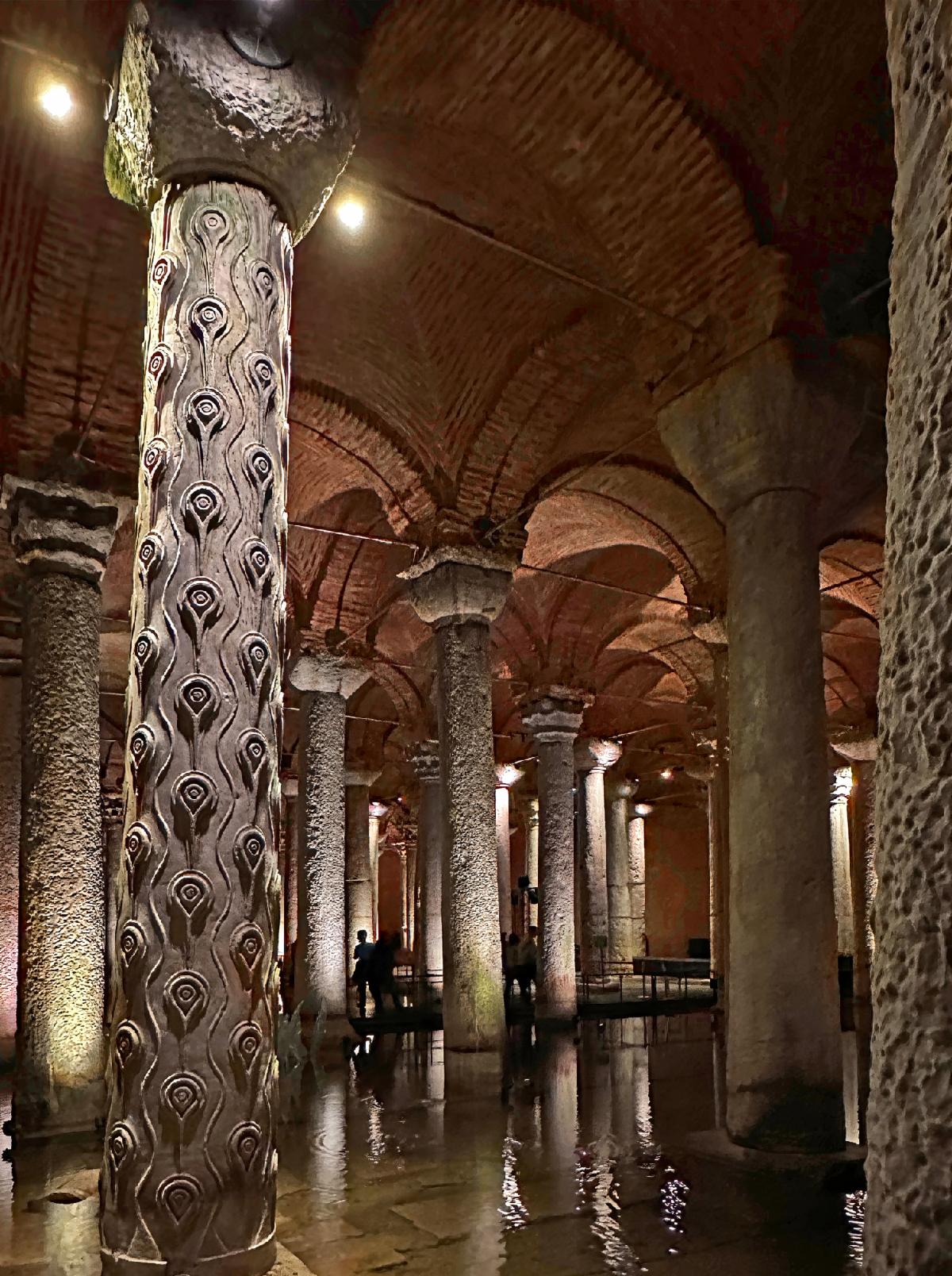
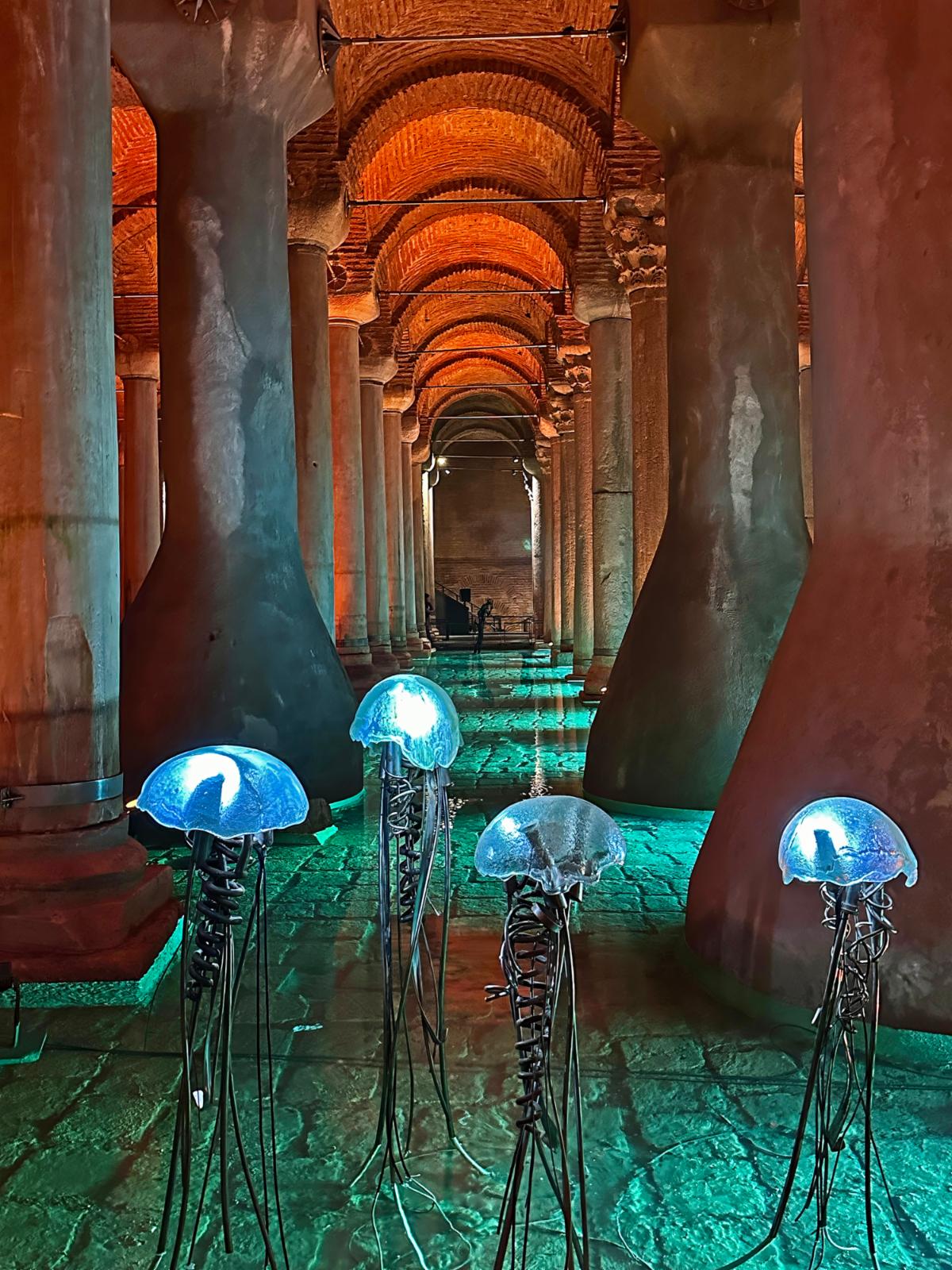
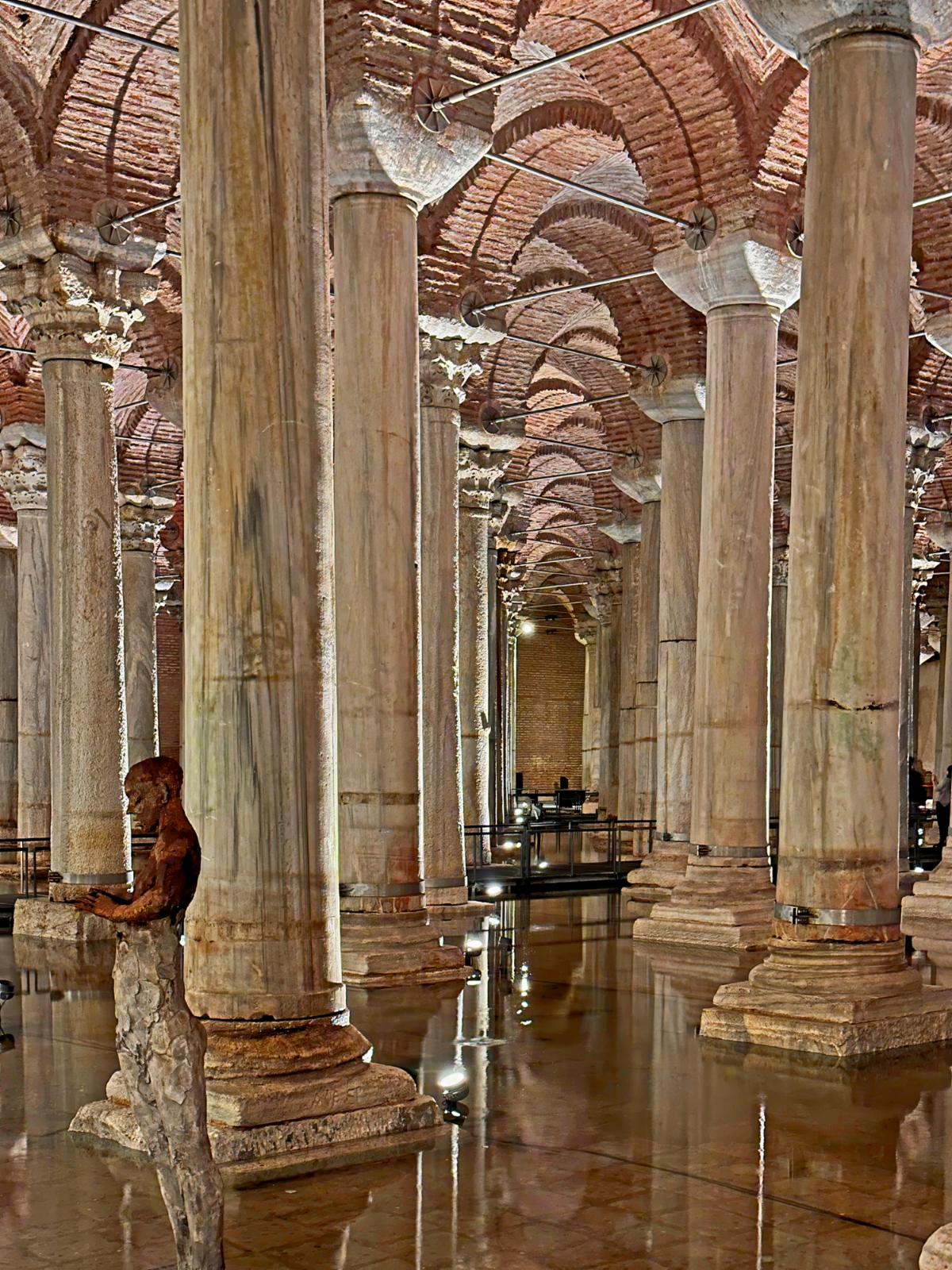
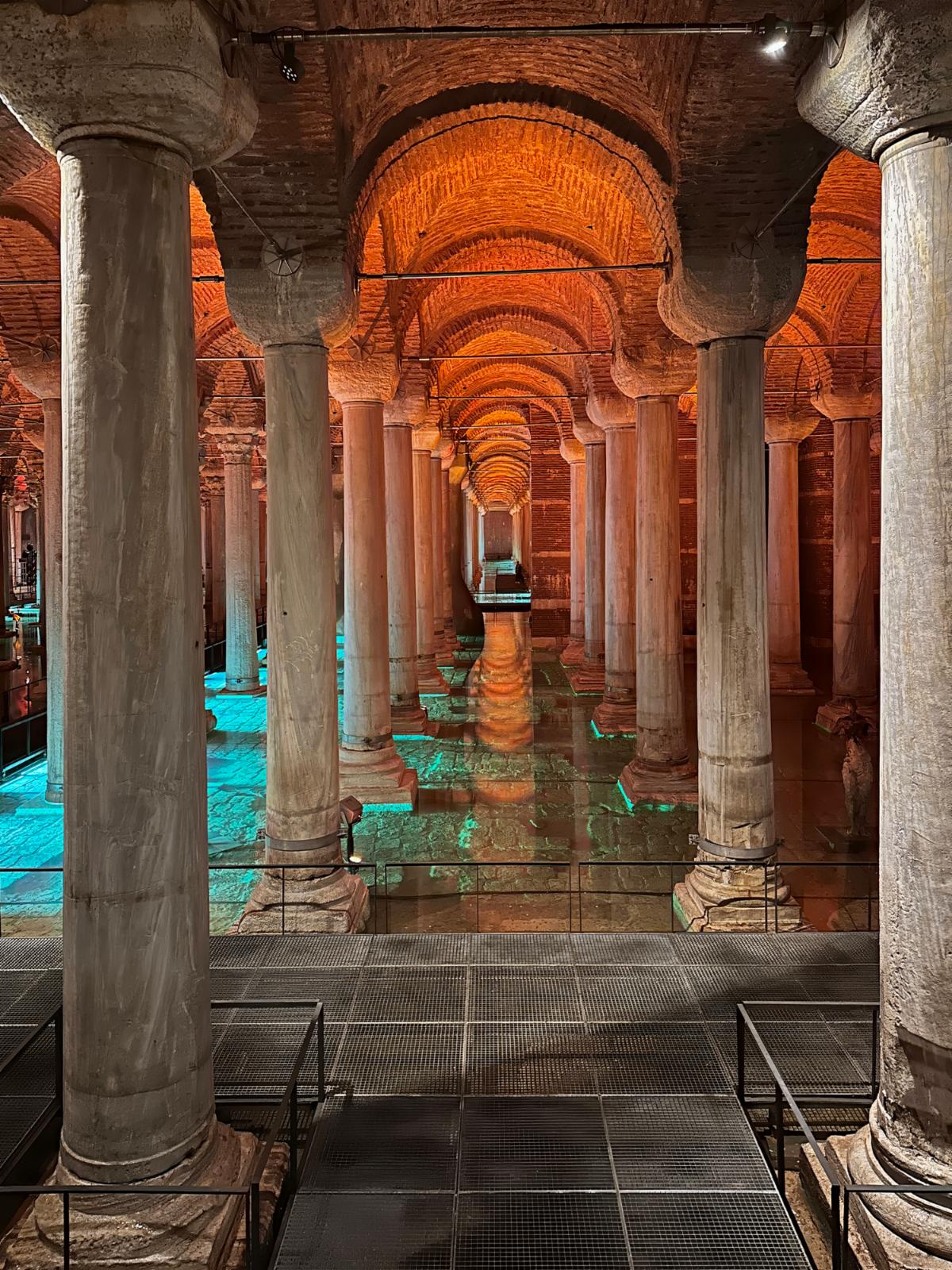
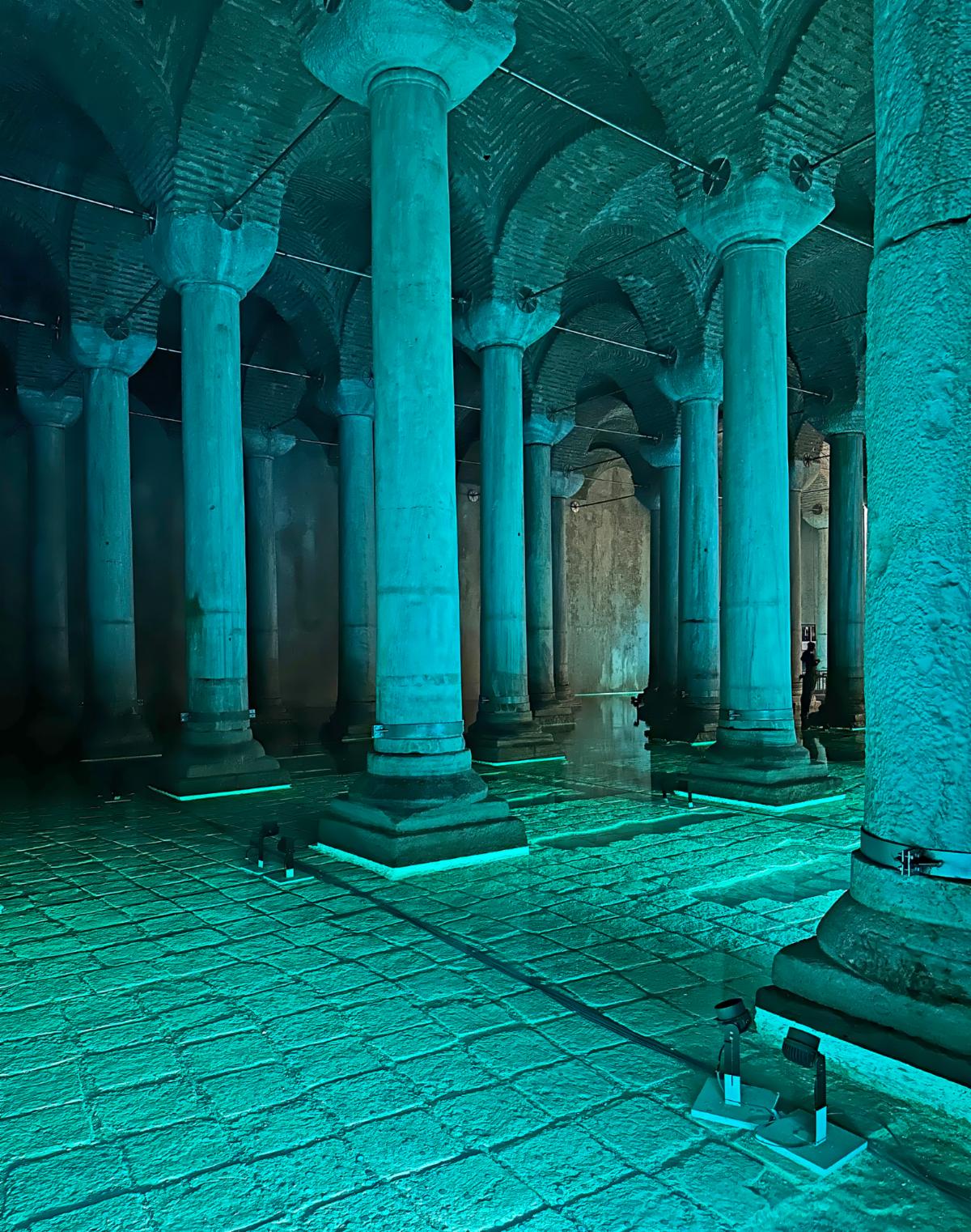
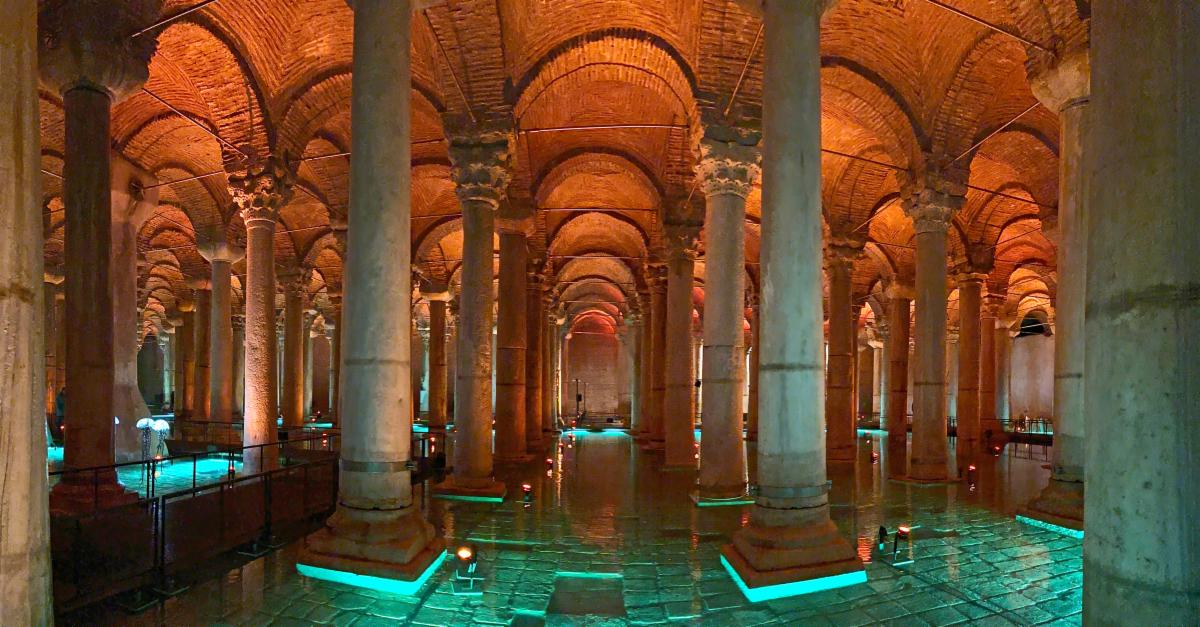
Recently, Turkey renovated the Basilica Cistern and opened it up as a tourist attraction. At first, a glorified water tank didn’t seem like it would be that big of a deal. But once we found the obscure entrance, it was a big deal. The Cistern was vast, held up by hundreds of Romanesque columns. Special lighting was installed to add to the surreal atmosphere. Many information plaques explained the workings of the elaborate aqueduct/cistern water system built 1500 years ago. It was so advanced and efficient that engineers 400 years ago were assigned to study it.
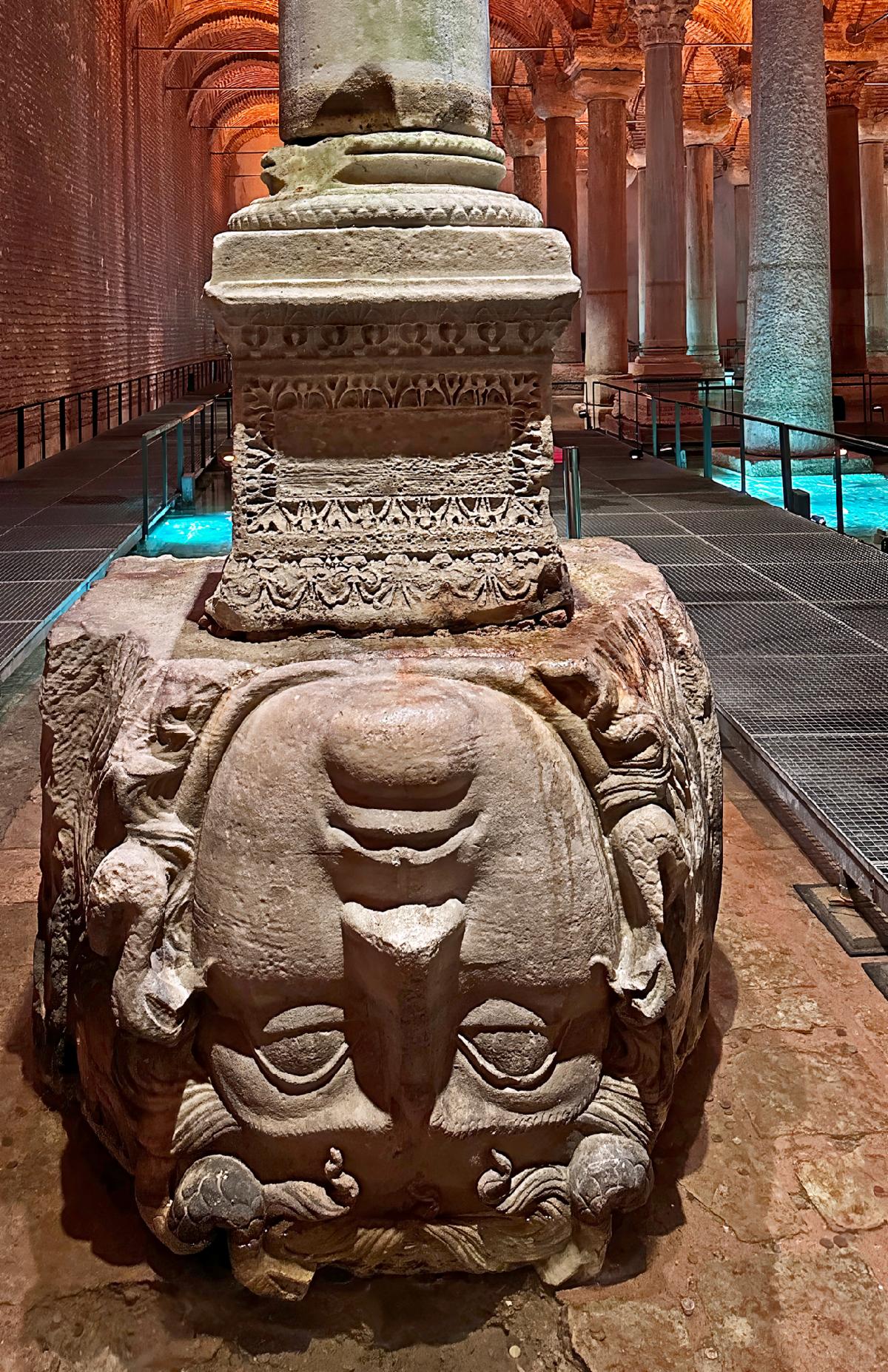
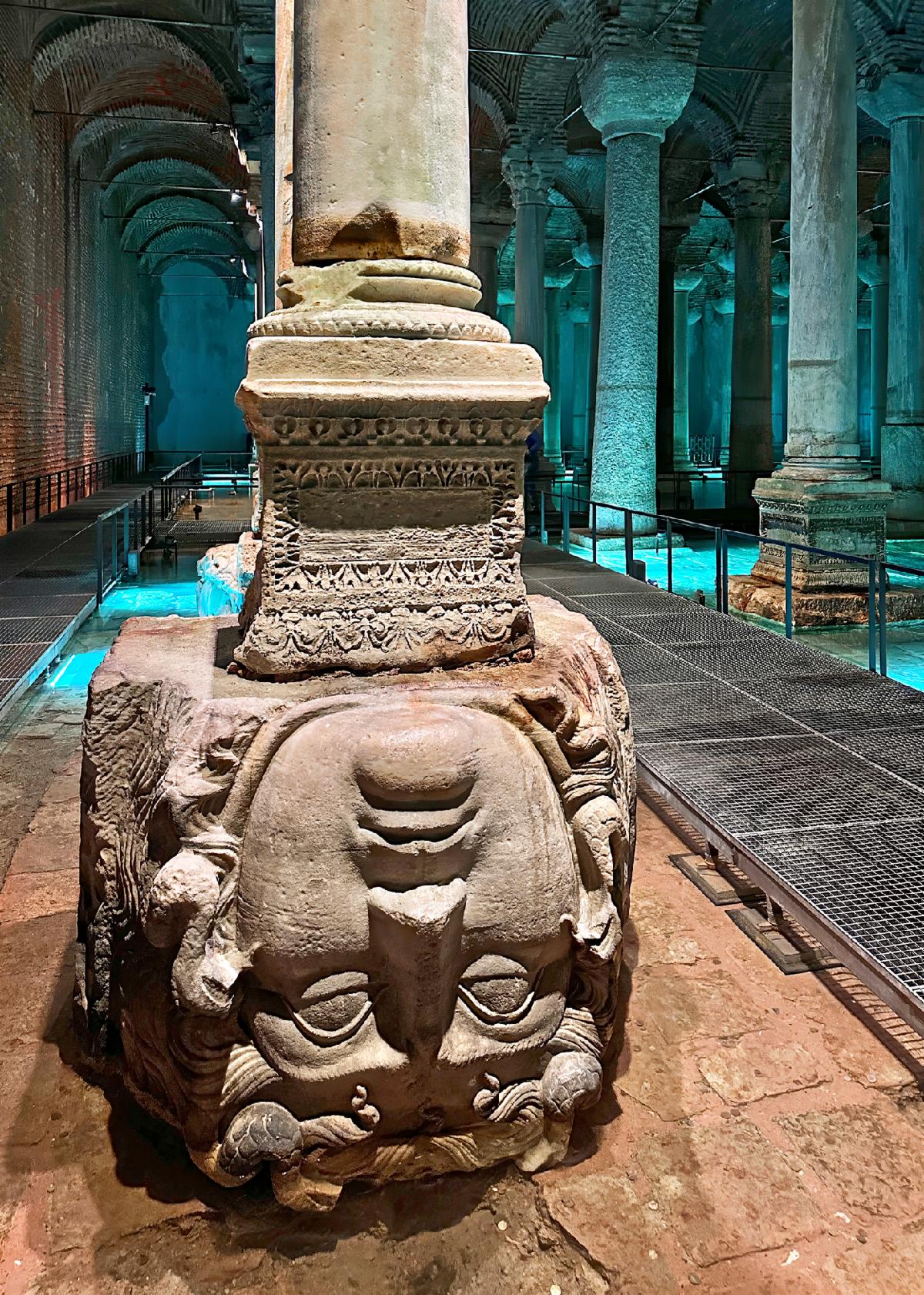
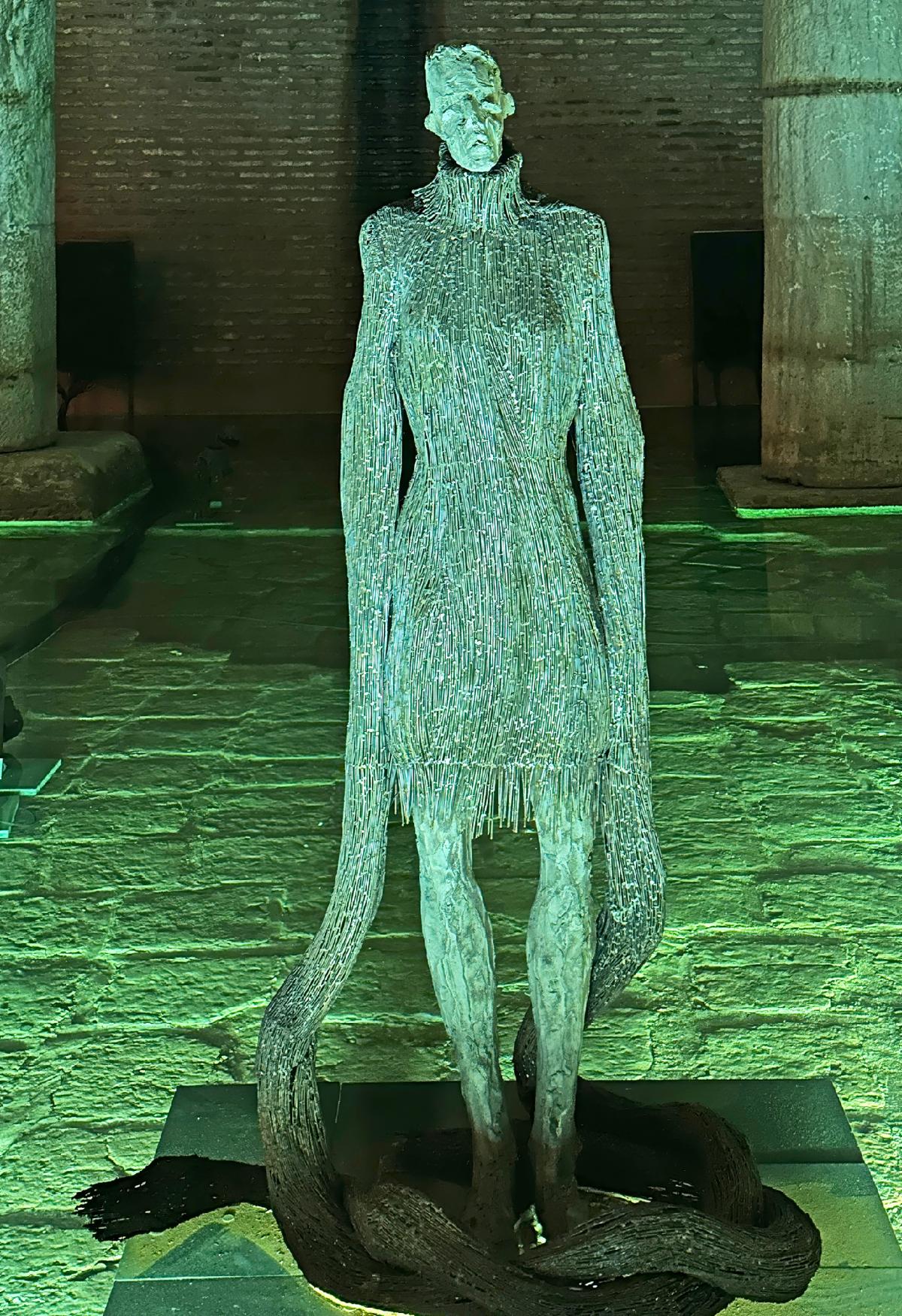
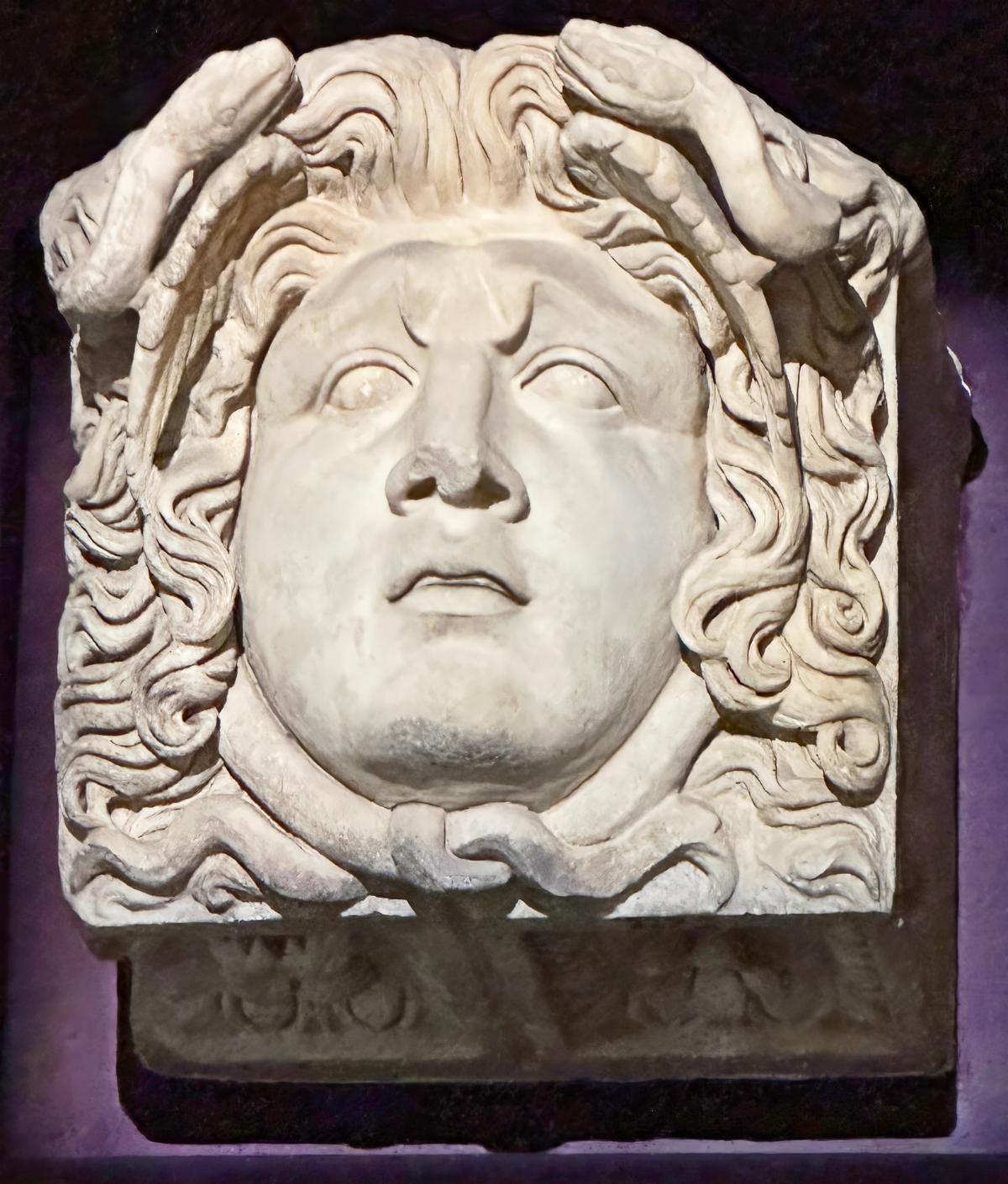
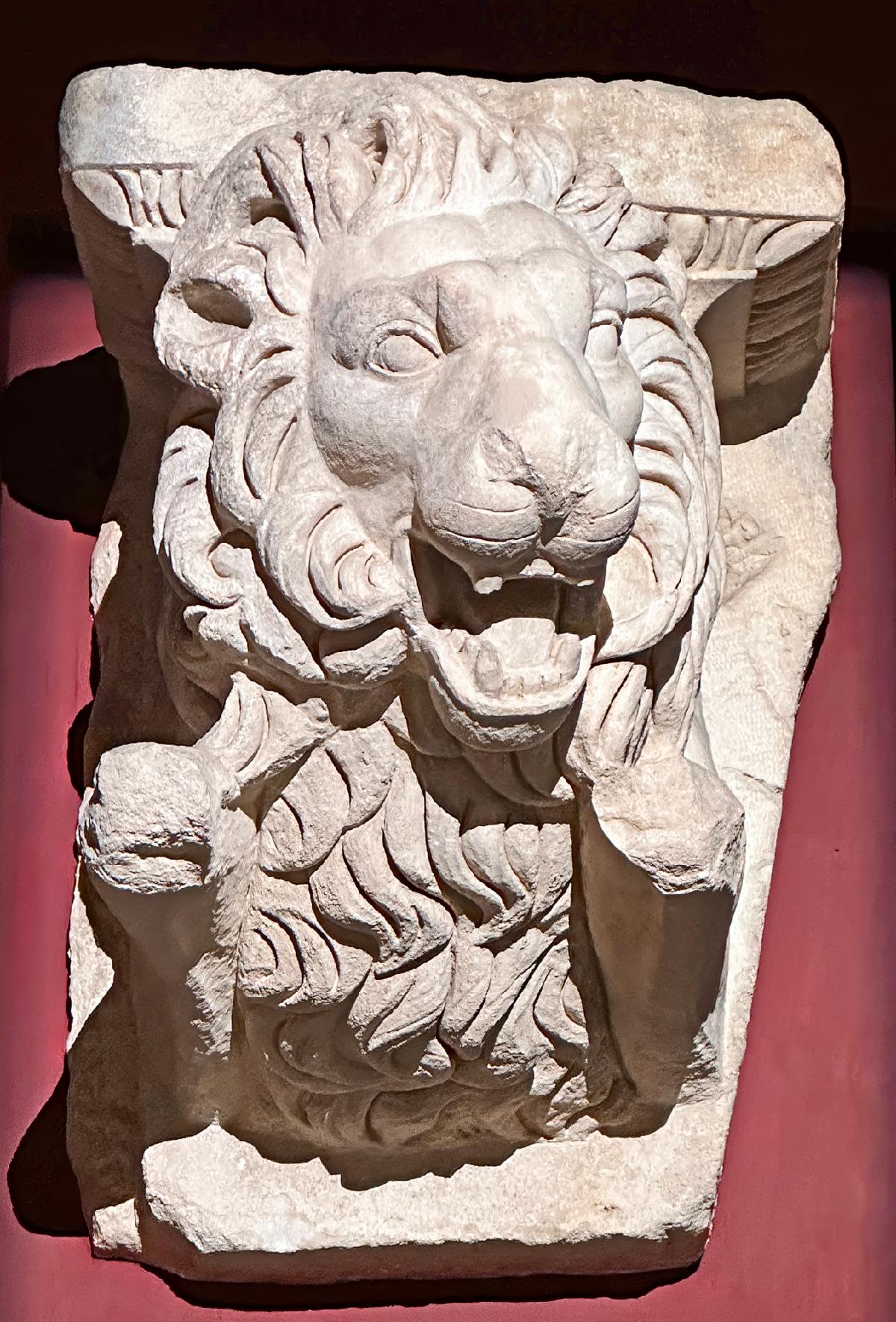
| 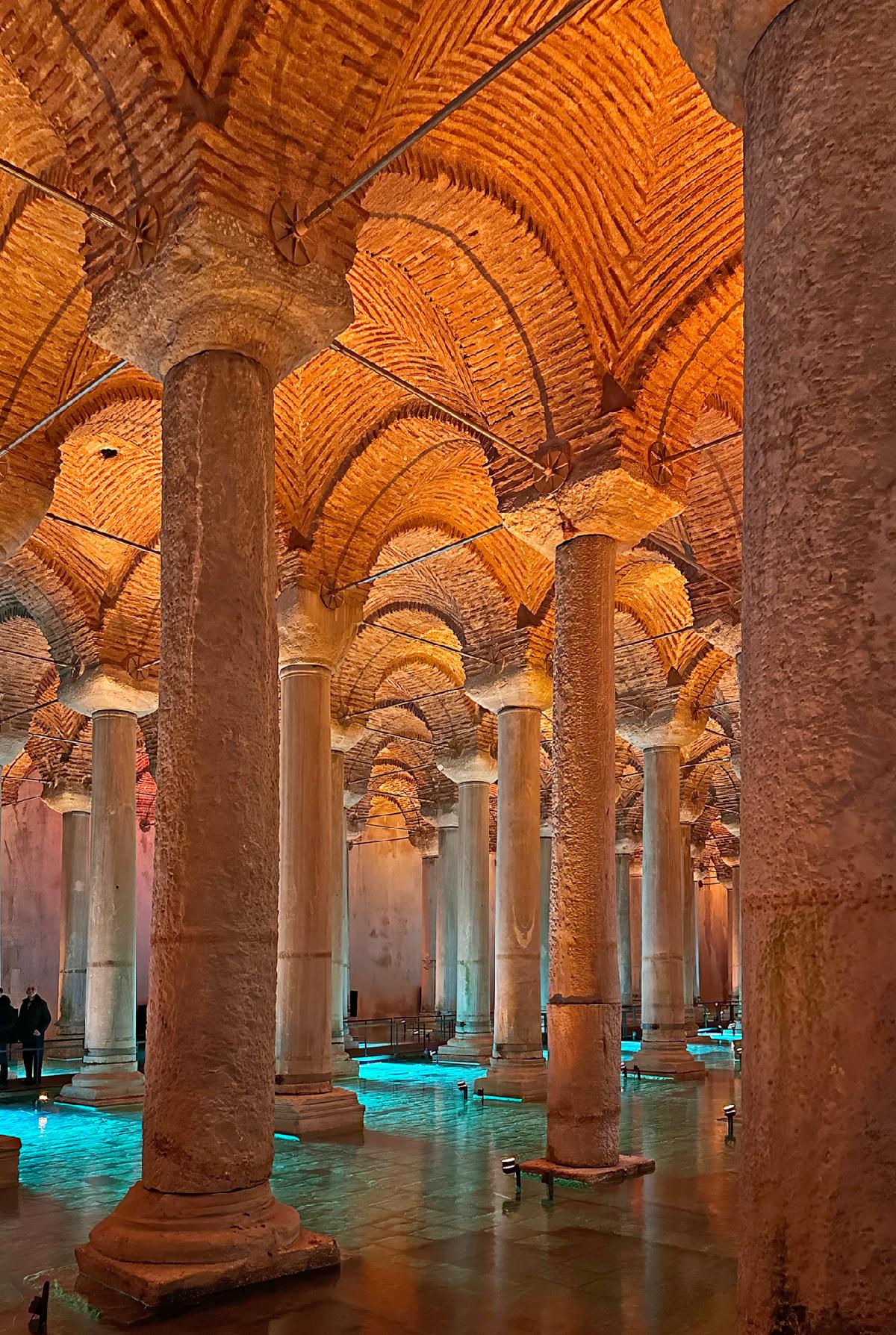 | The lighting in the Basilica Cistern oscillated among several colors. Orange and cyan were my favorite combination. | The cistern had about 30" of water in it - just enough to provide a mirror image. | We discovered one of the two Medusa heads that were thought to have been added during the Byzantine period probably reused from older Roman structures. | I called this column "Sperm swimming upstream." | When the Cistern was renovated, these sculptures were added. | A pan shot of the Cistern. | |
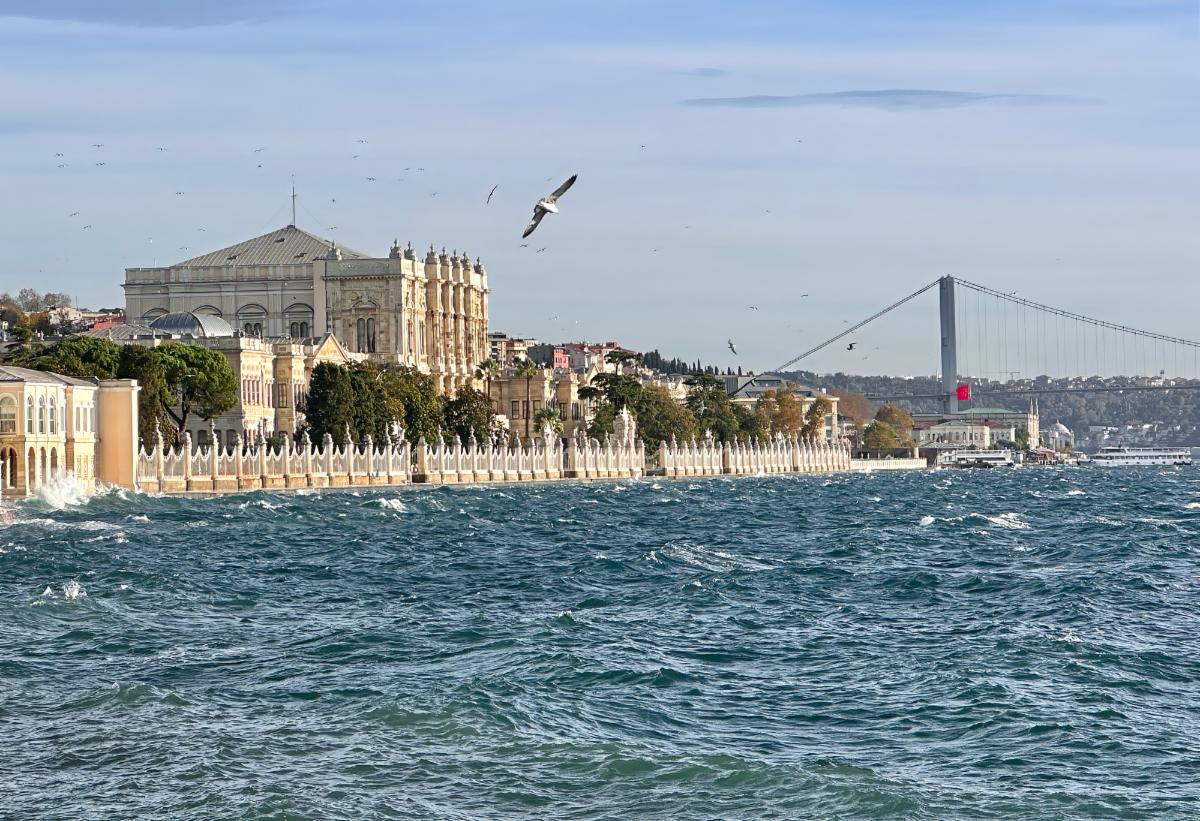
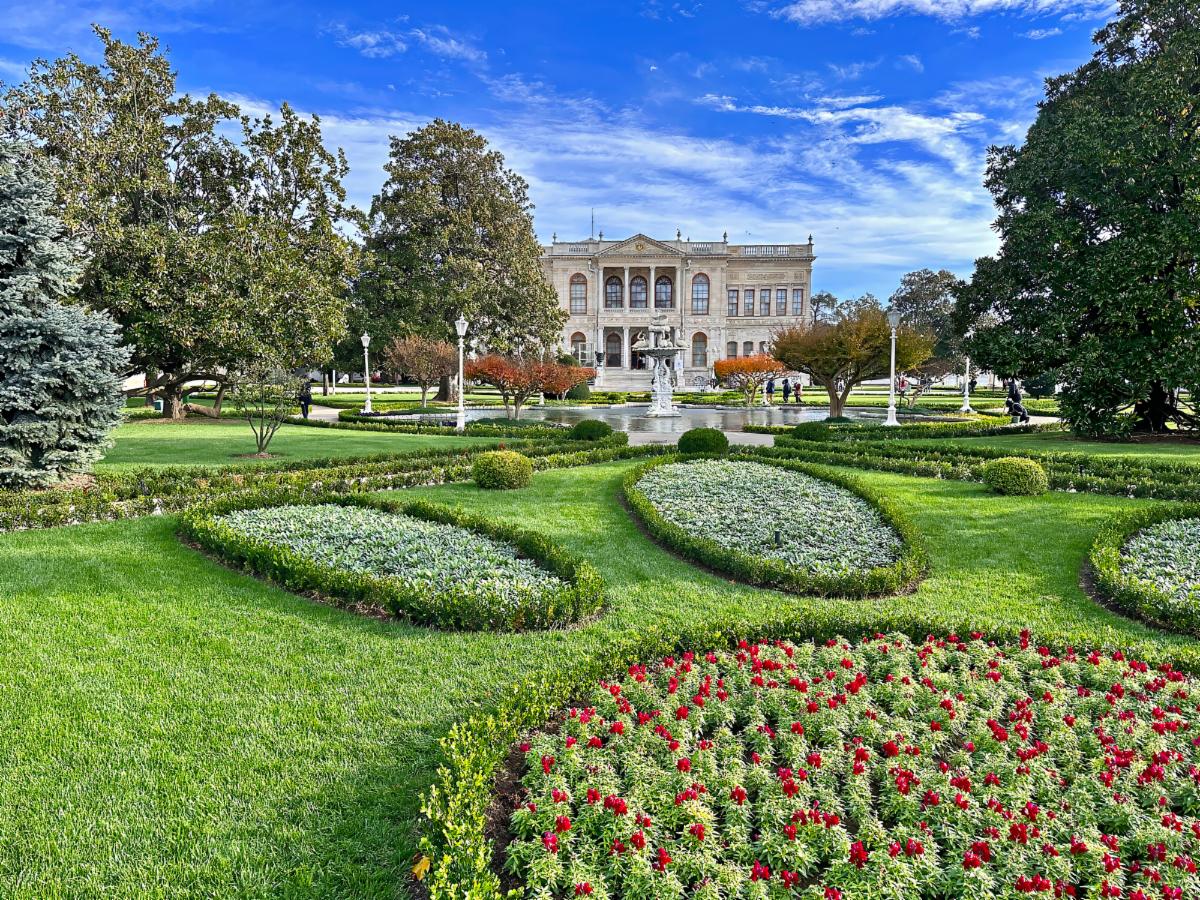
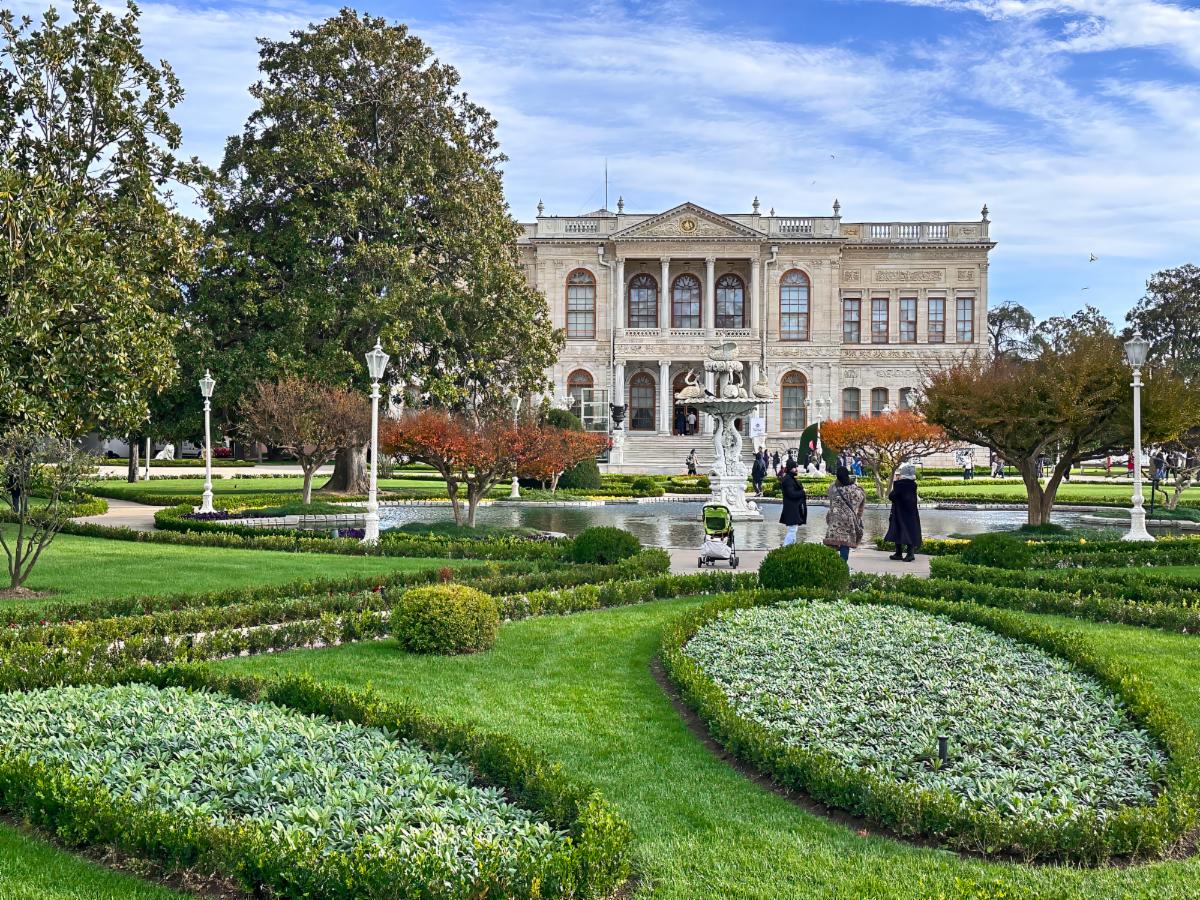
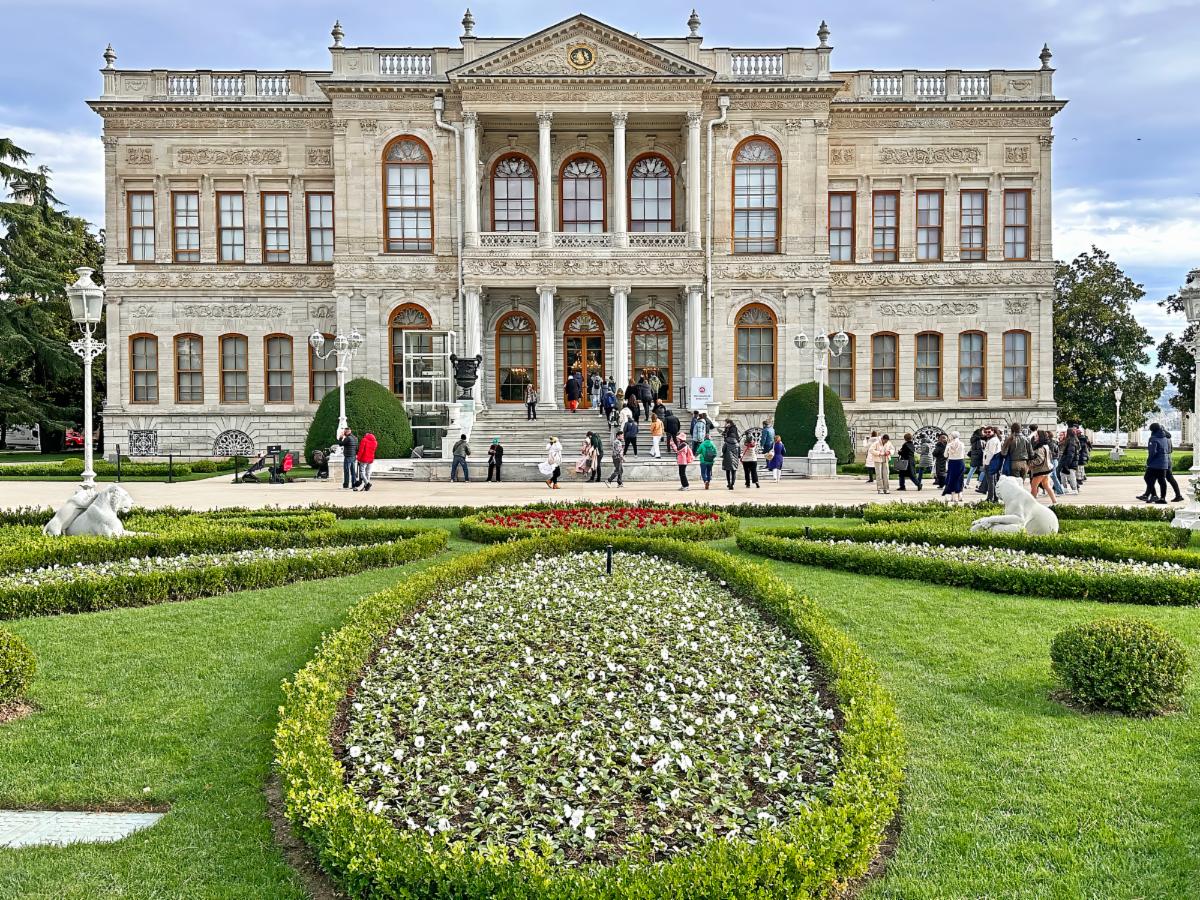
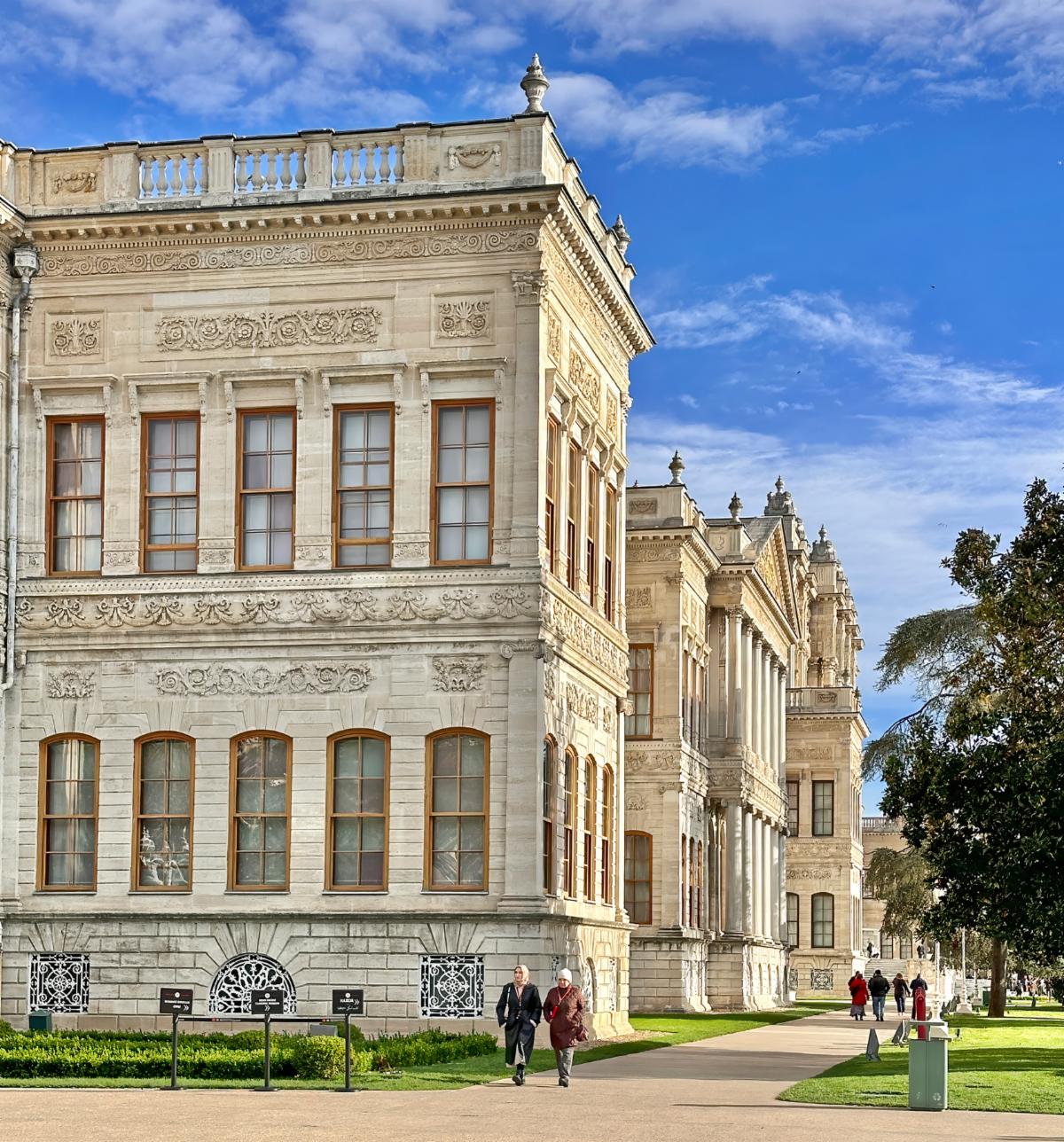
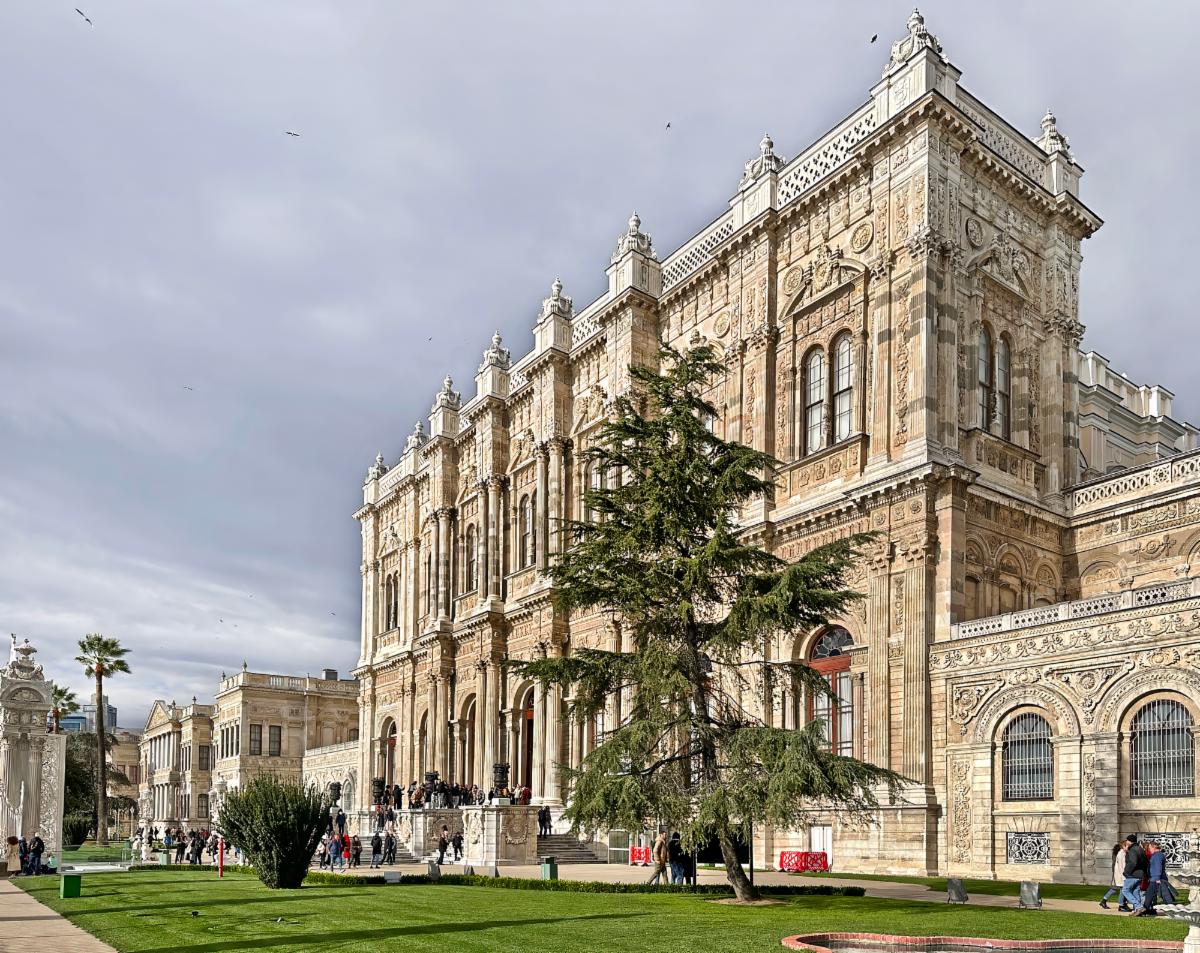
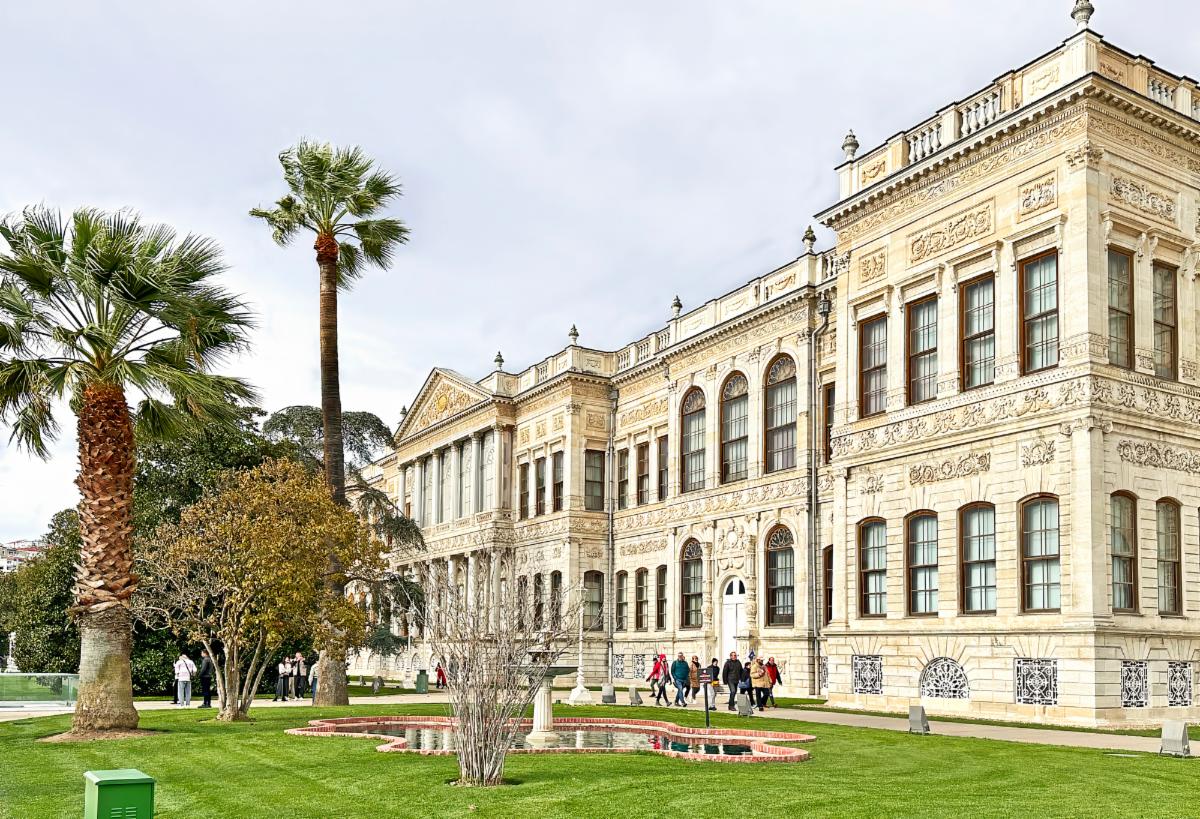
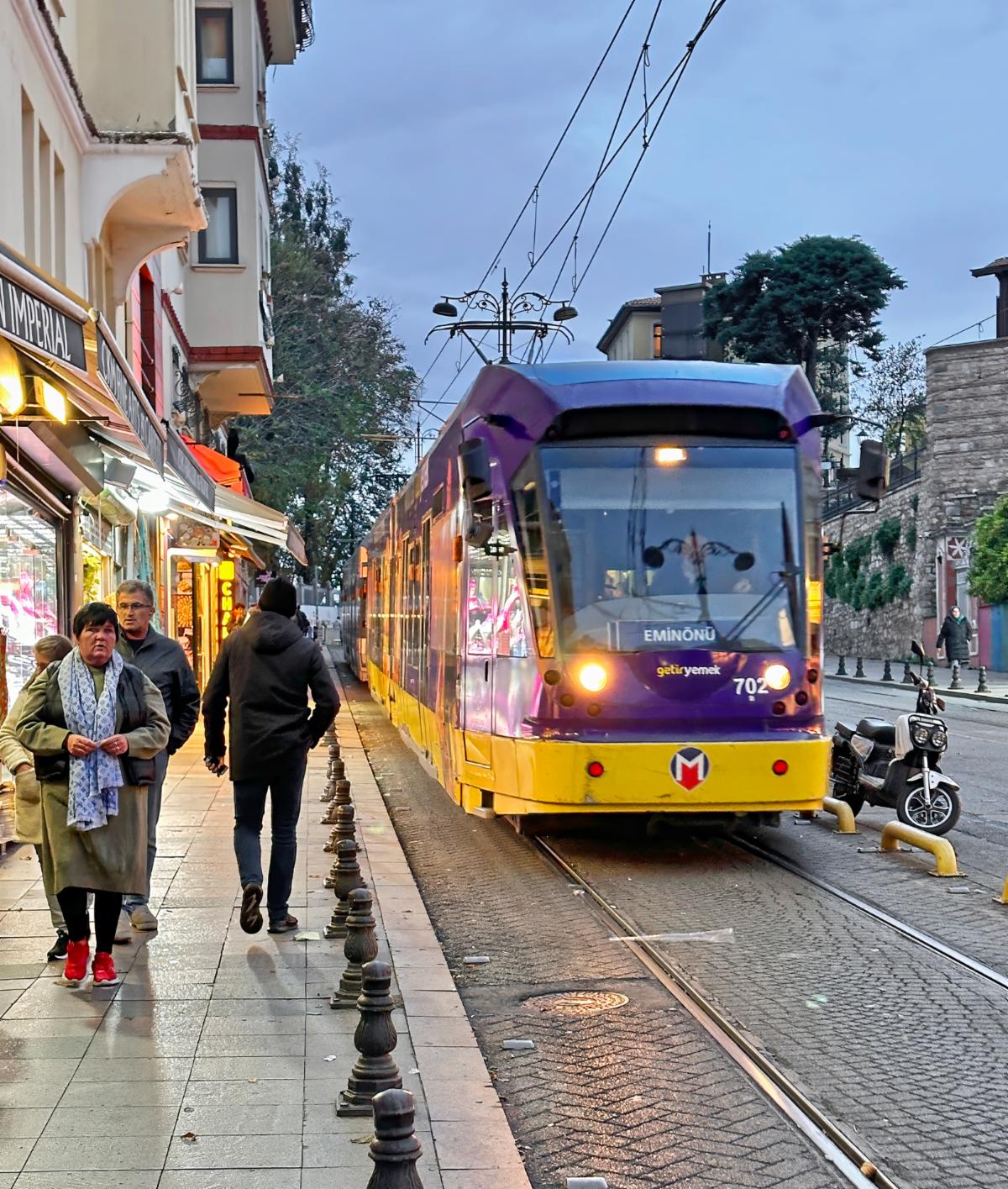
As planned, we took the tram across the harbor to the Domabahçe Palace. Completed in 1856, the massive Palace became the home of Sultan Abdülmecid. And what a home it was. Placed on the waterfront, the Palace and the gardens matched the opulence of any ruler, at any time, at any place.
The estate is now a museum, and we toured the entire building. This turned out to be an extensive tour. The Palace is massive. Unfortunately, photos were not allowed inside. Suffice it to say, the rooms were big and full of extraordinary furnishings and artifacts. The chandeliers alone were priceless monsters.
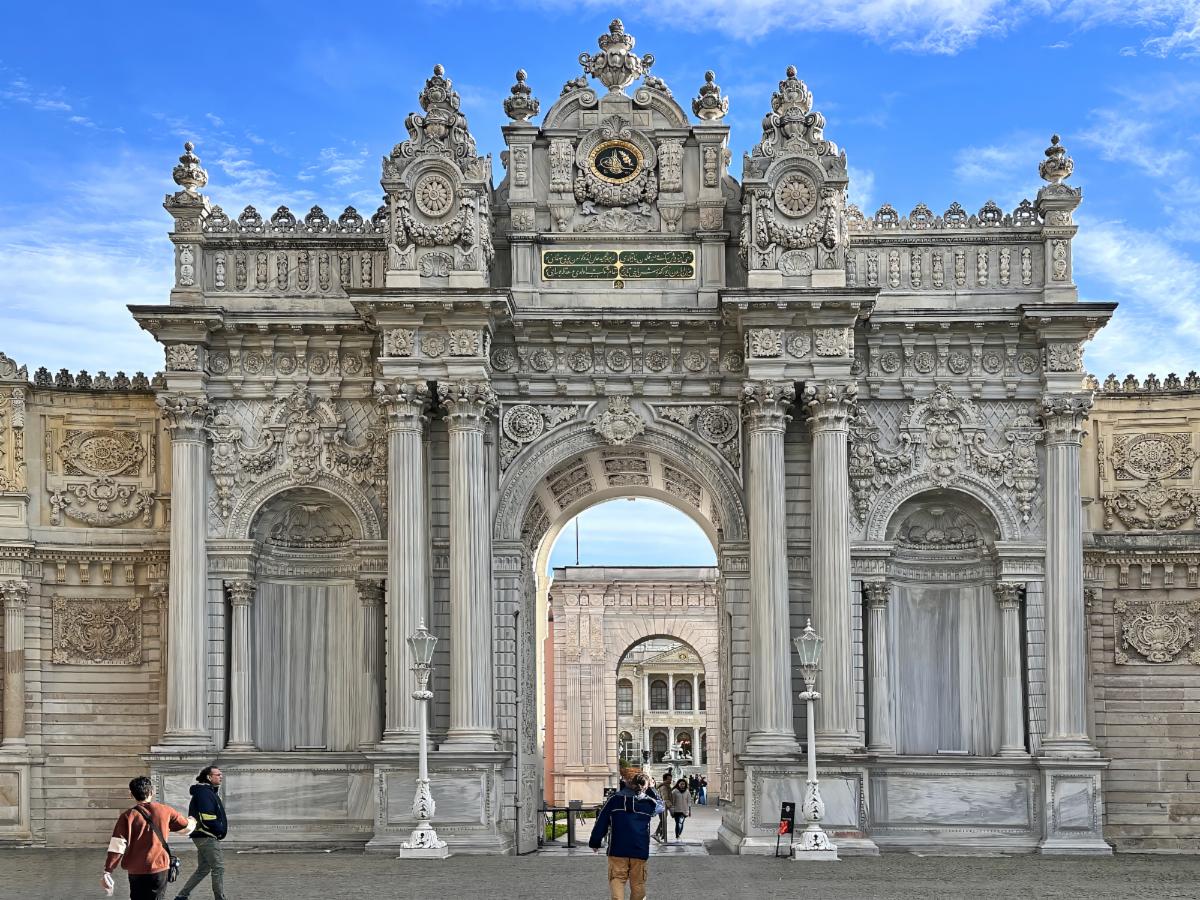
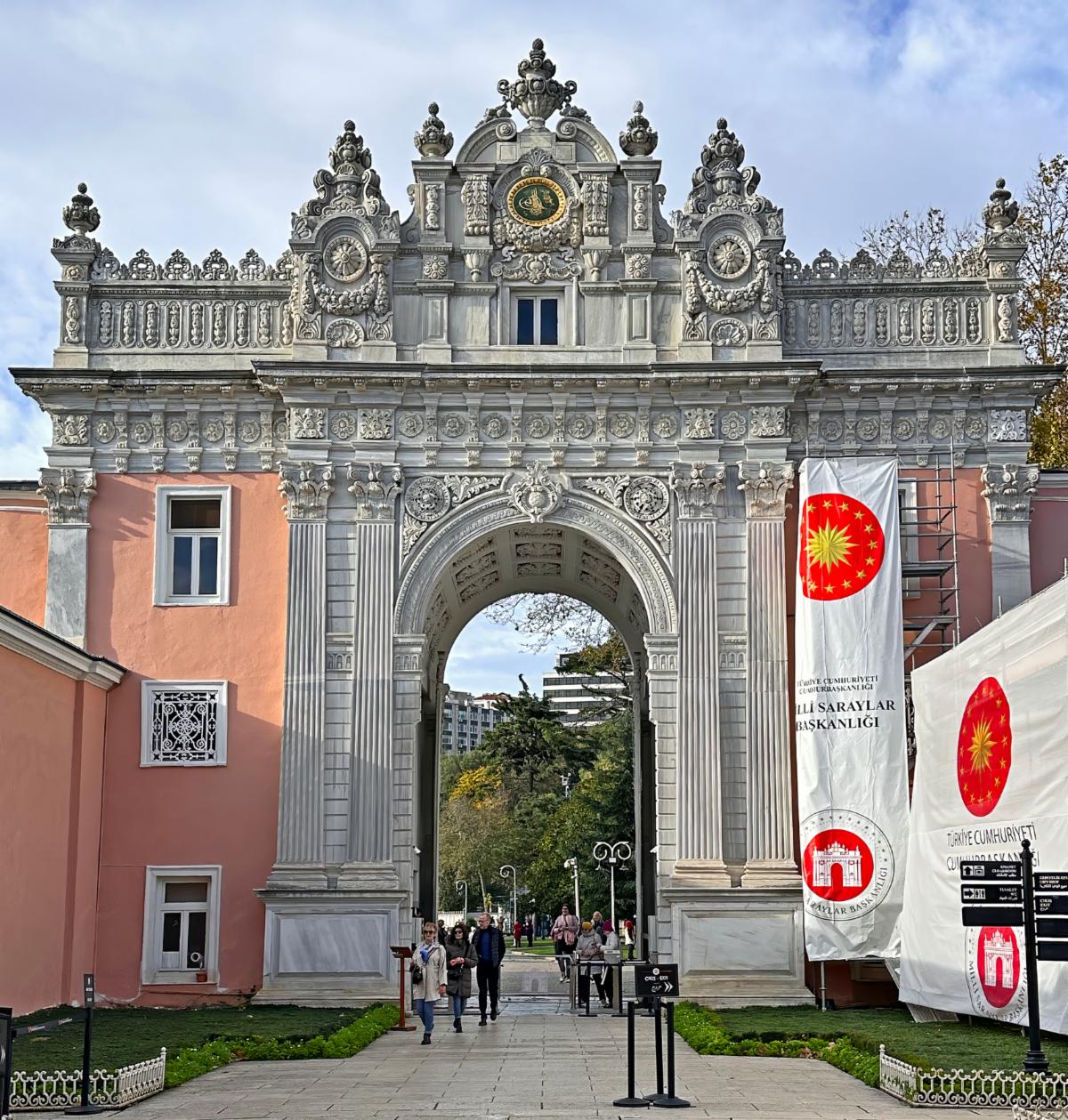
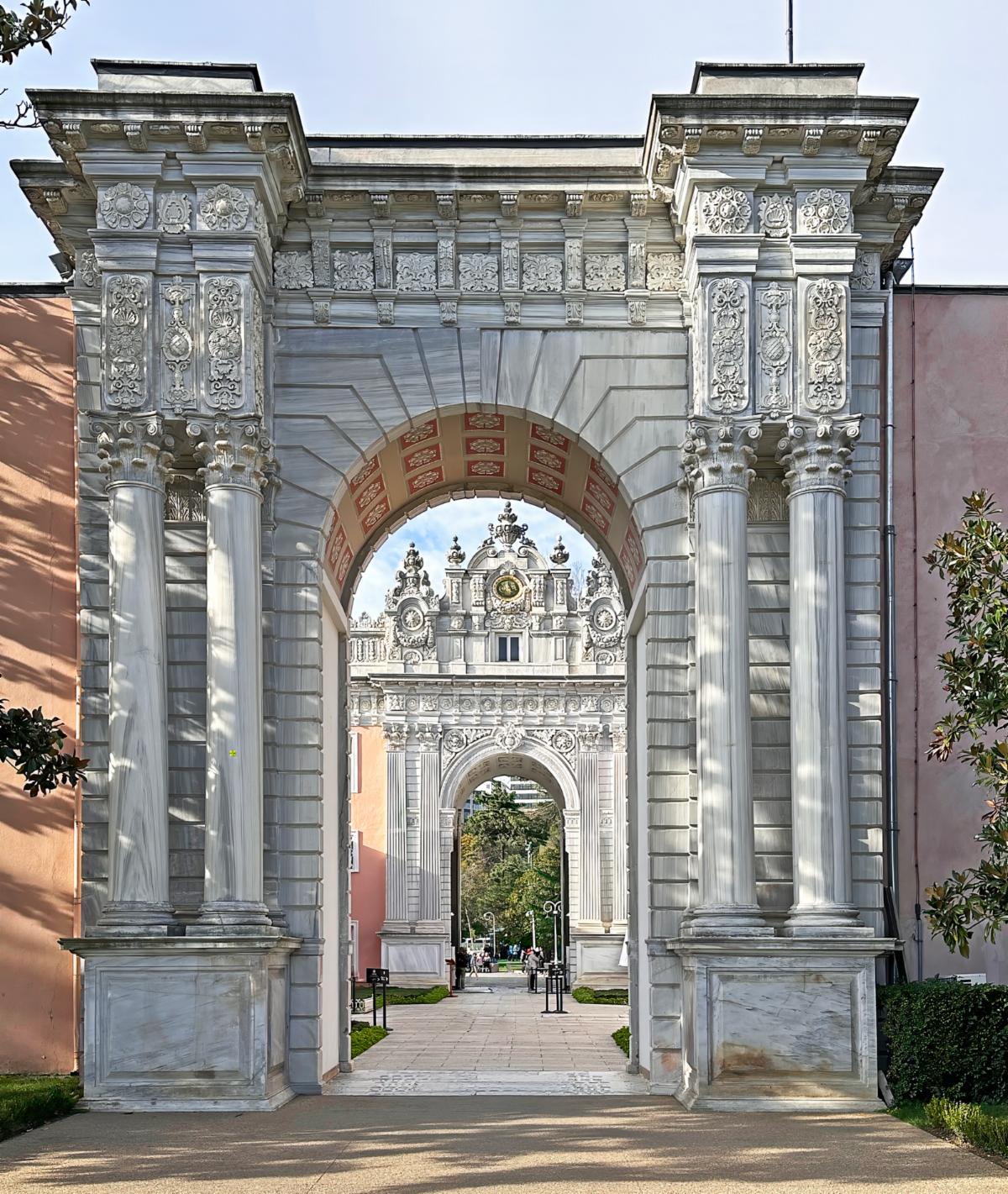
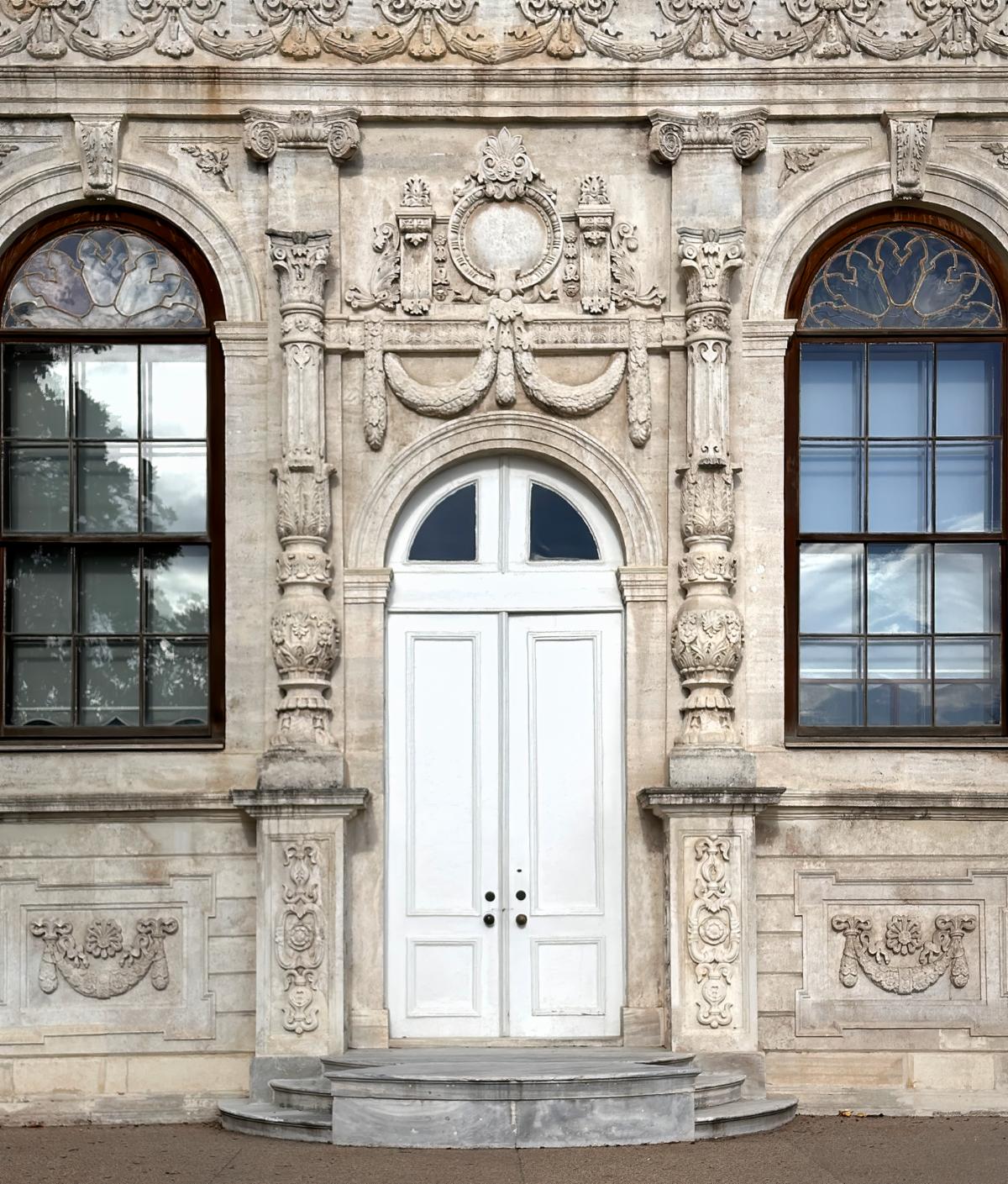
| The Domabahçe Palace seen from the waterfront. | There are two gates at the Palace. This is the outer gate looking in. | This is the outer gate looking back out. | This is the inner gate, looking back through the outer gate. | The gardens separating the gates and the Palace in the background. | The main entrance of the Palace is actually on the side of the mansion. | The next series of photos are of the front of the Palace as it faces the water. | Just one small side doorway to the Palace. | 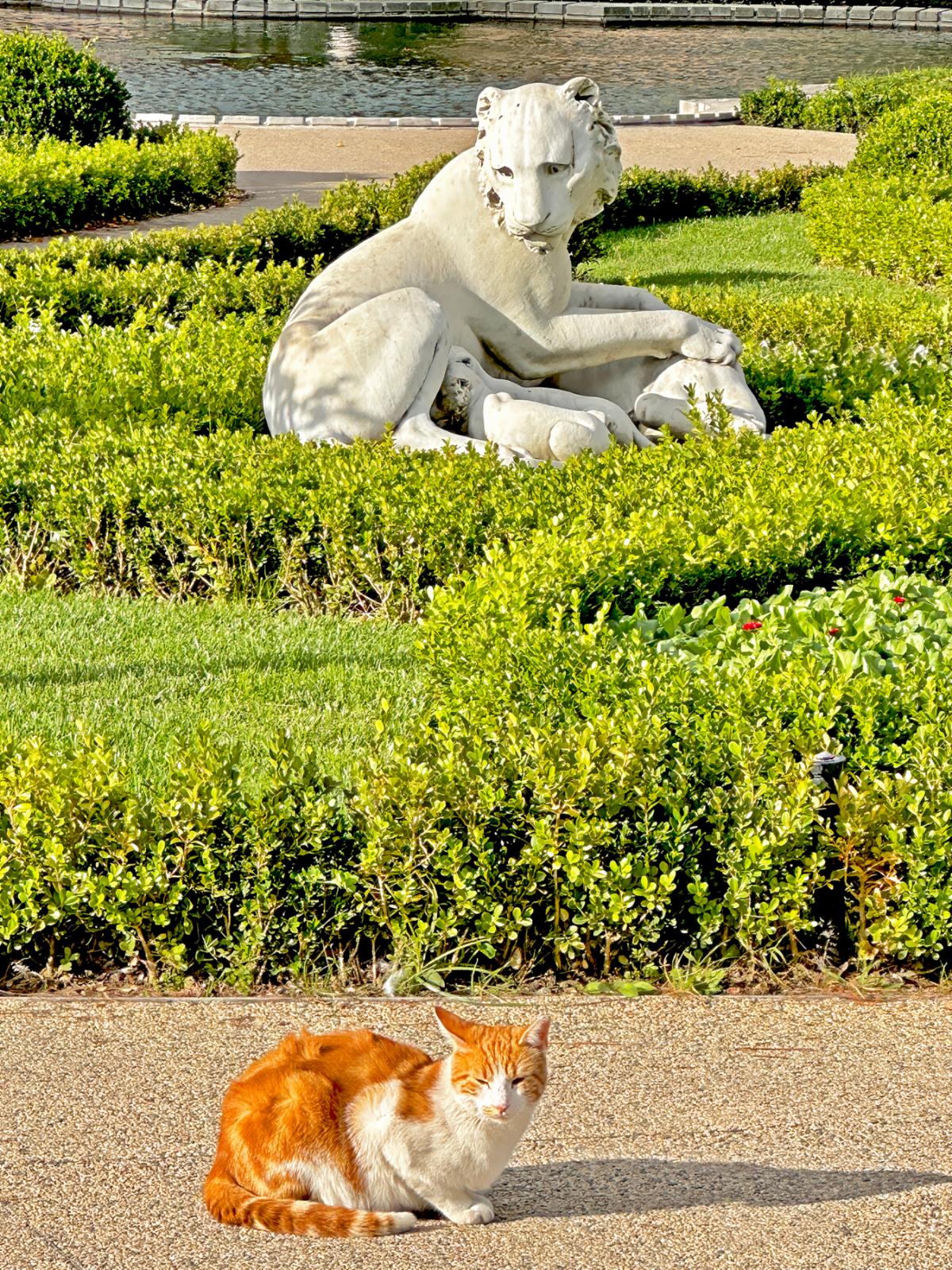 | 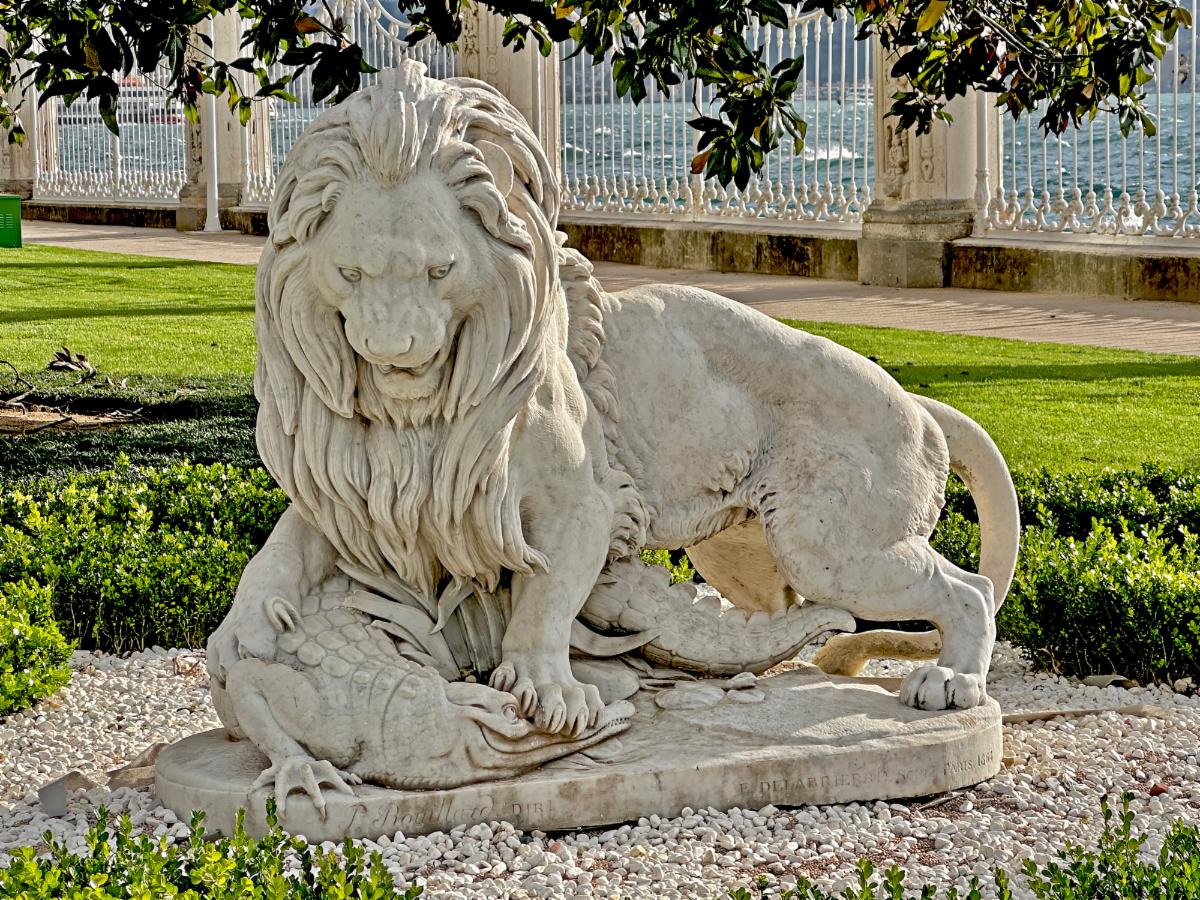 | |
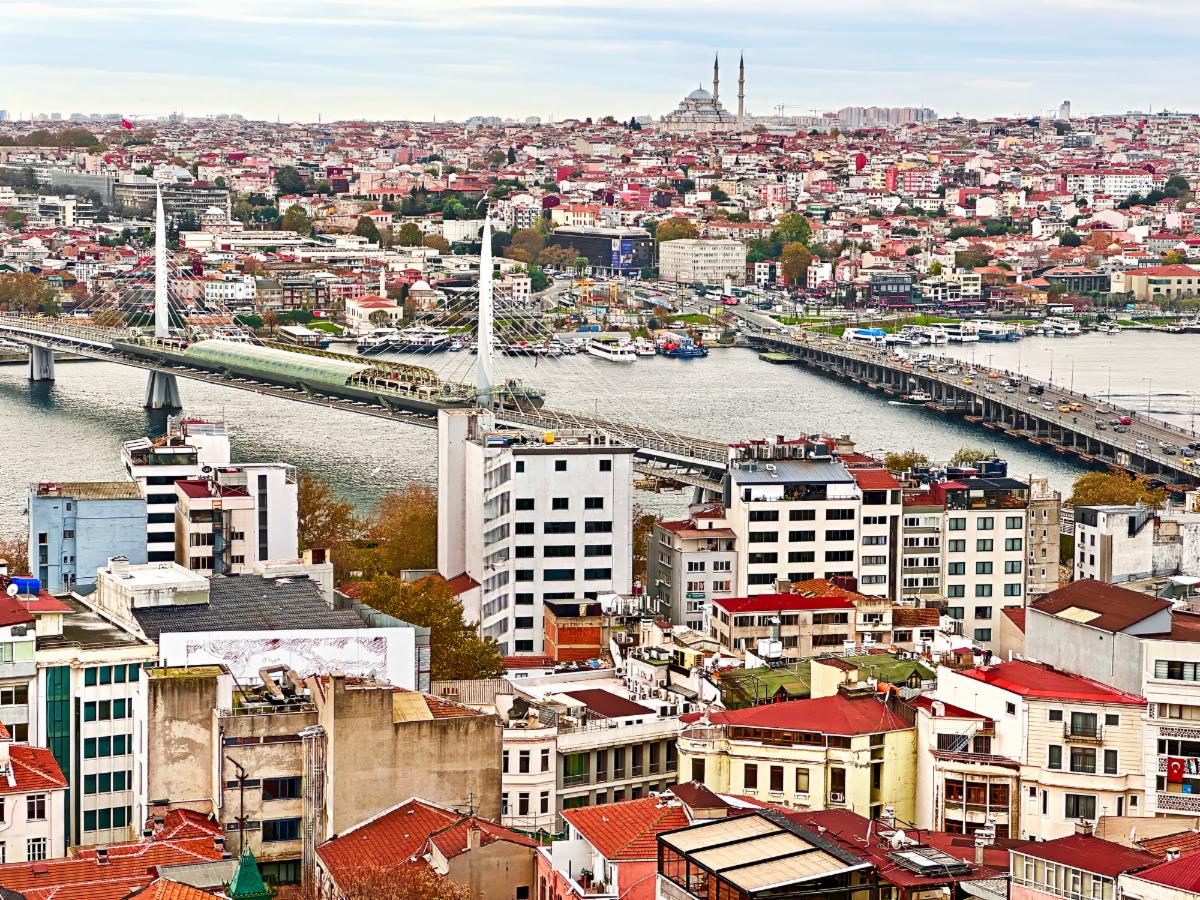
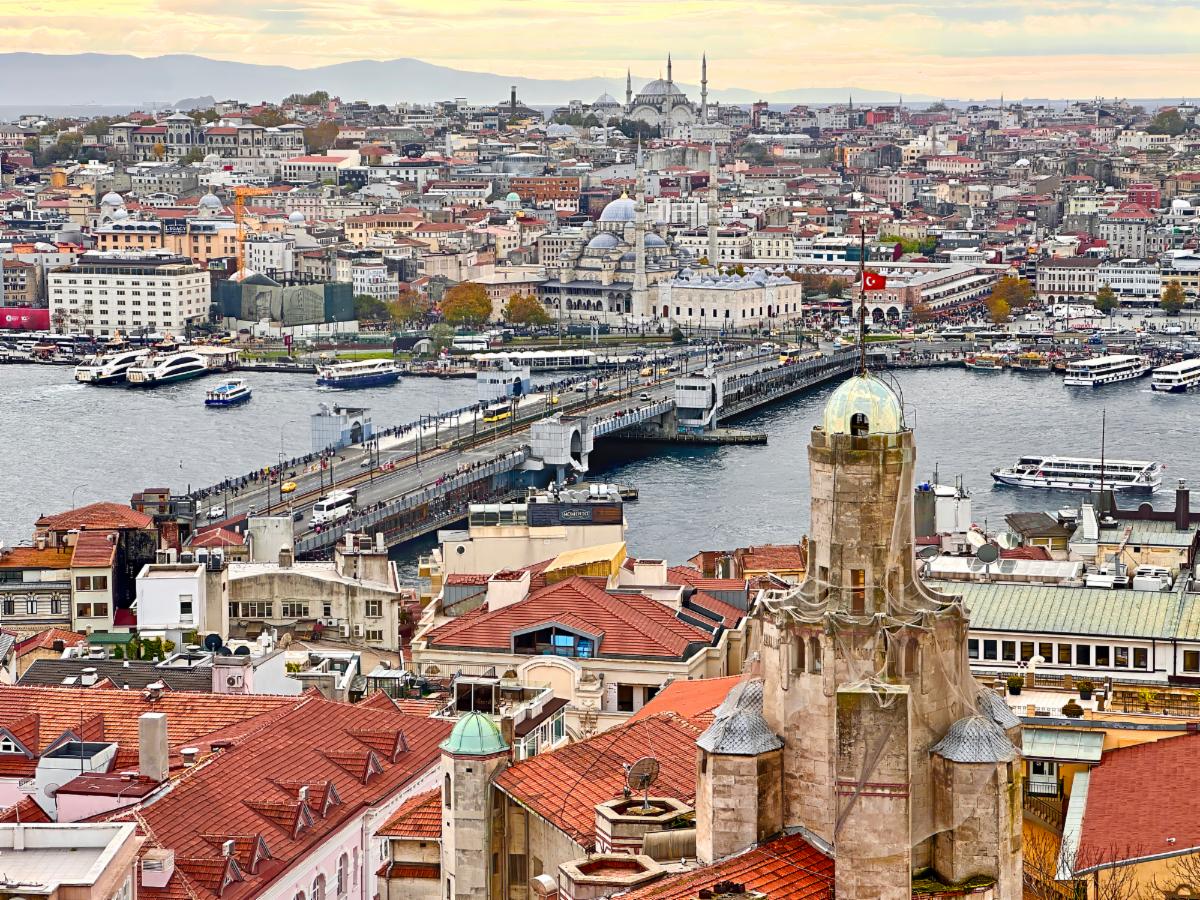
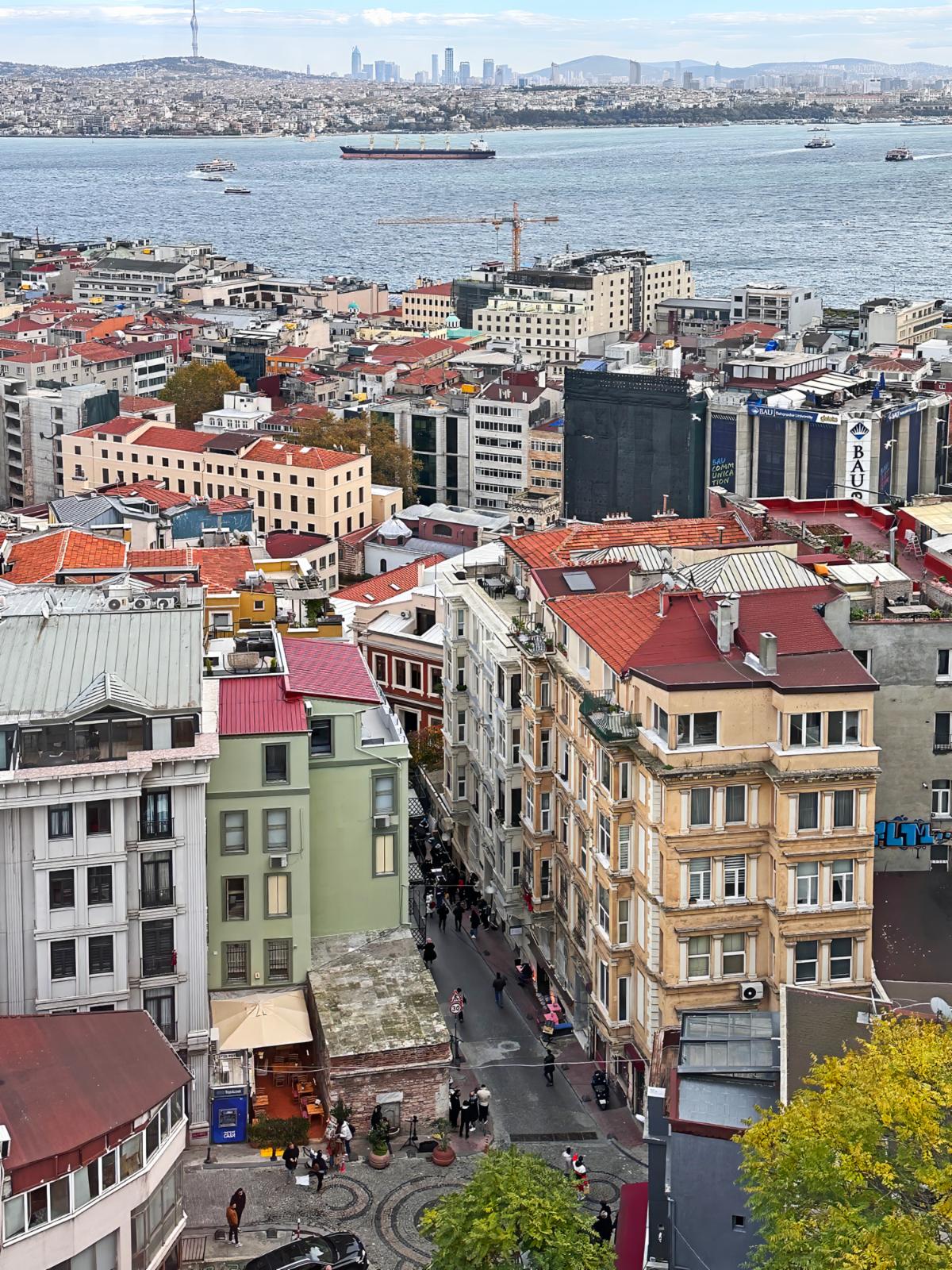
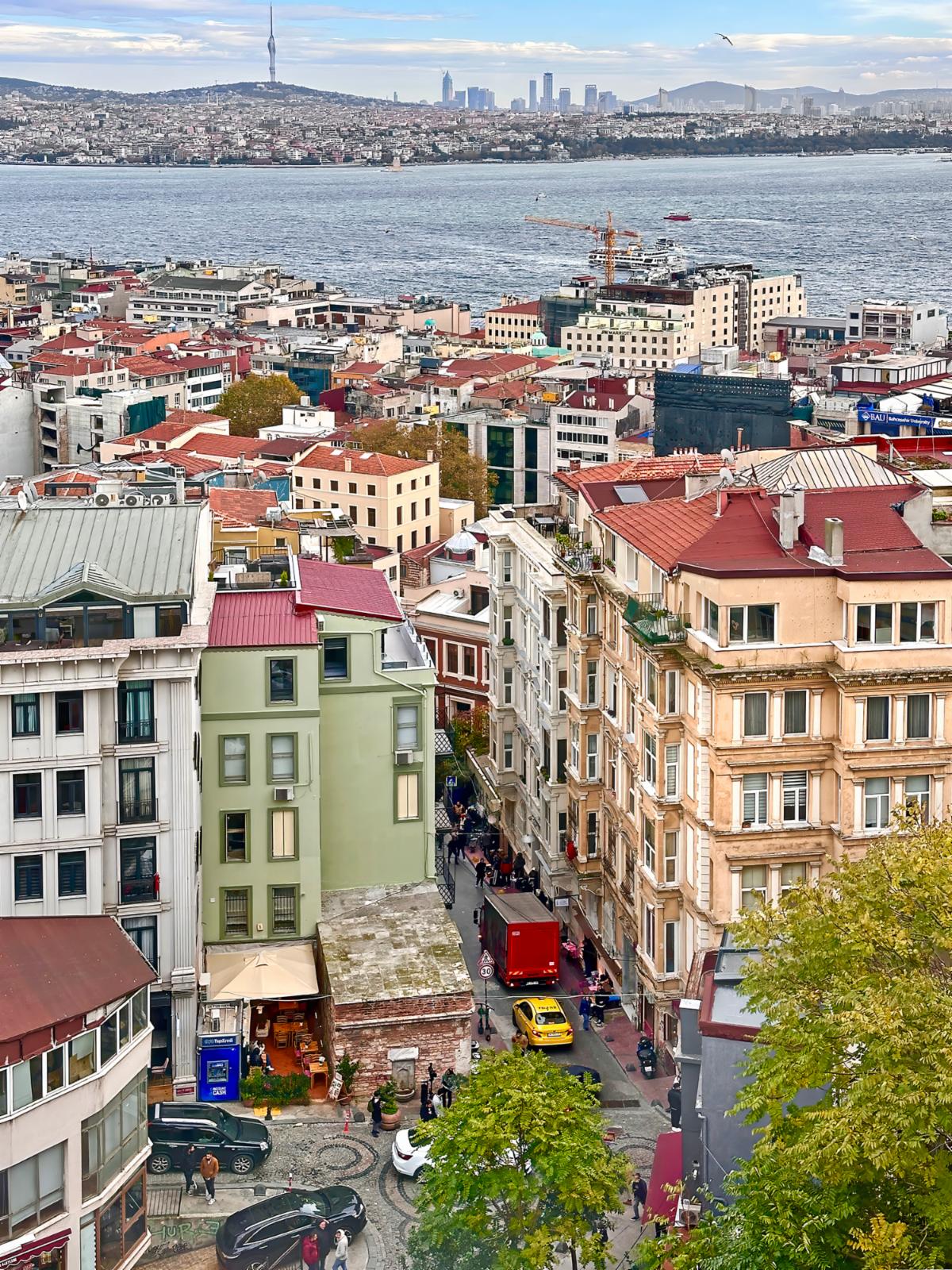
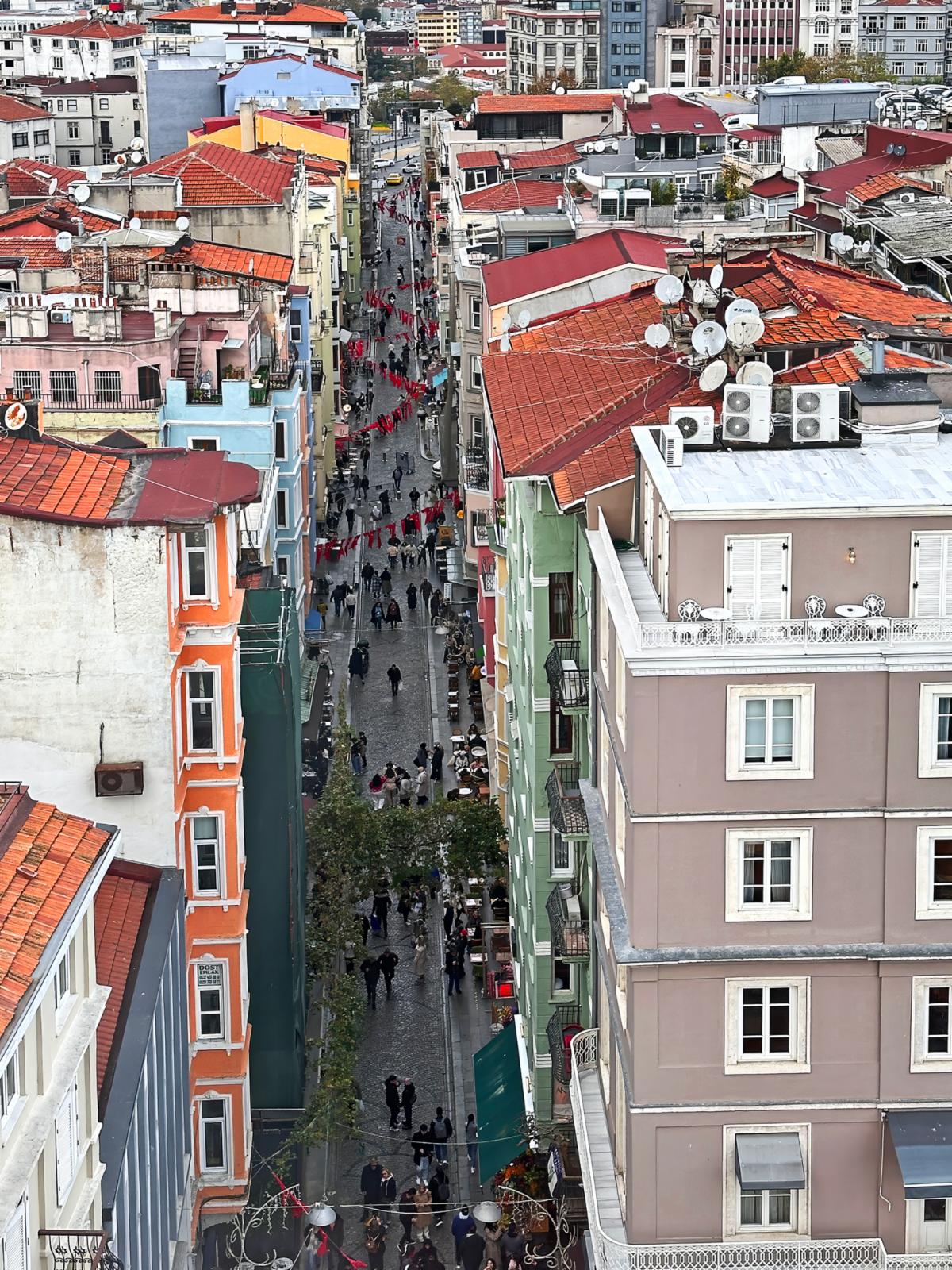
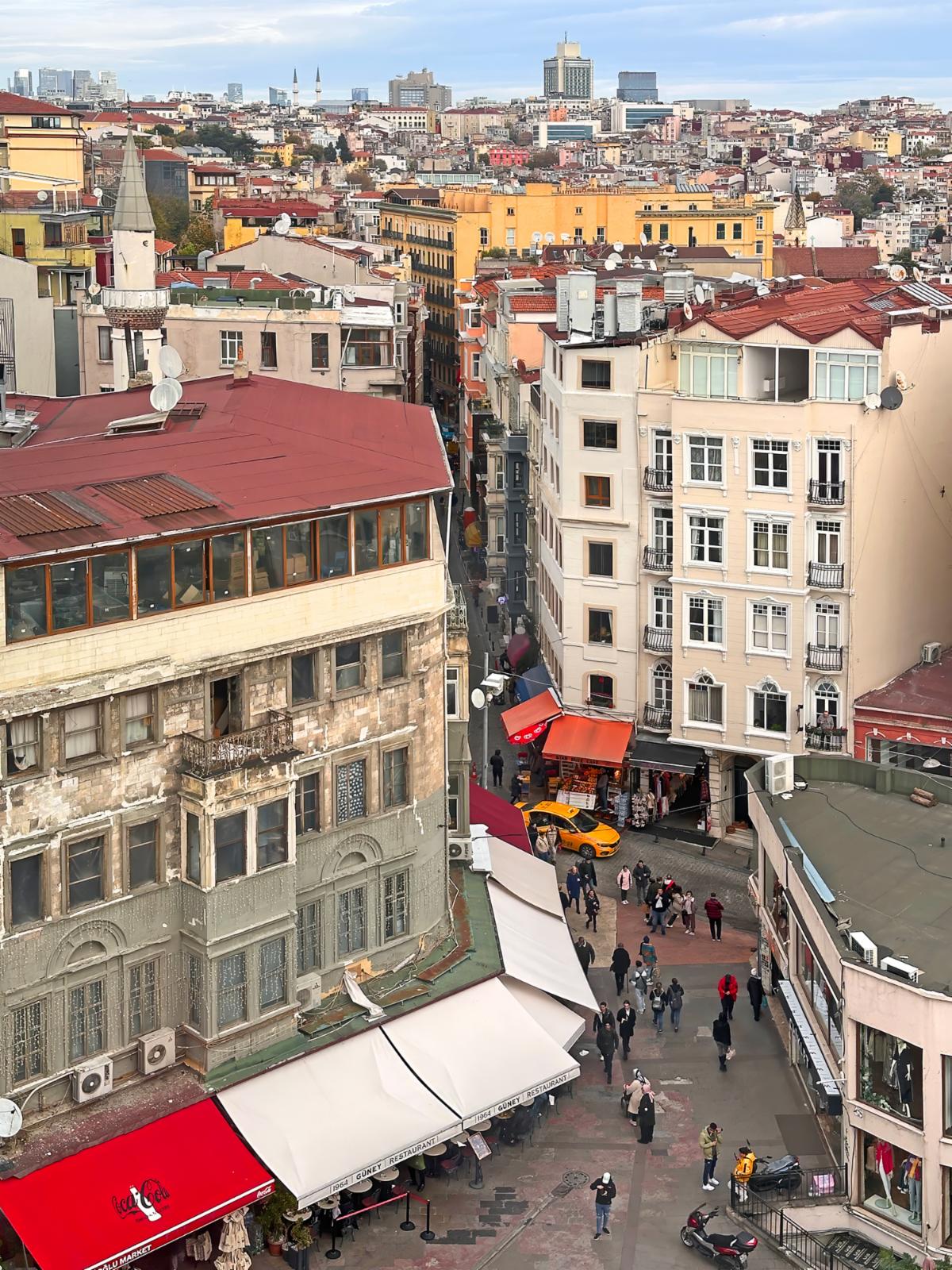
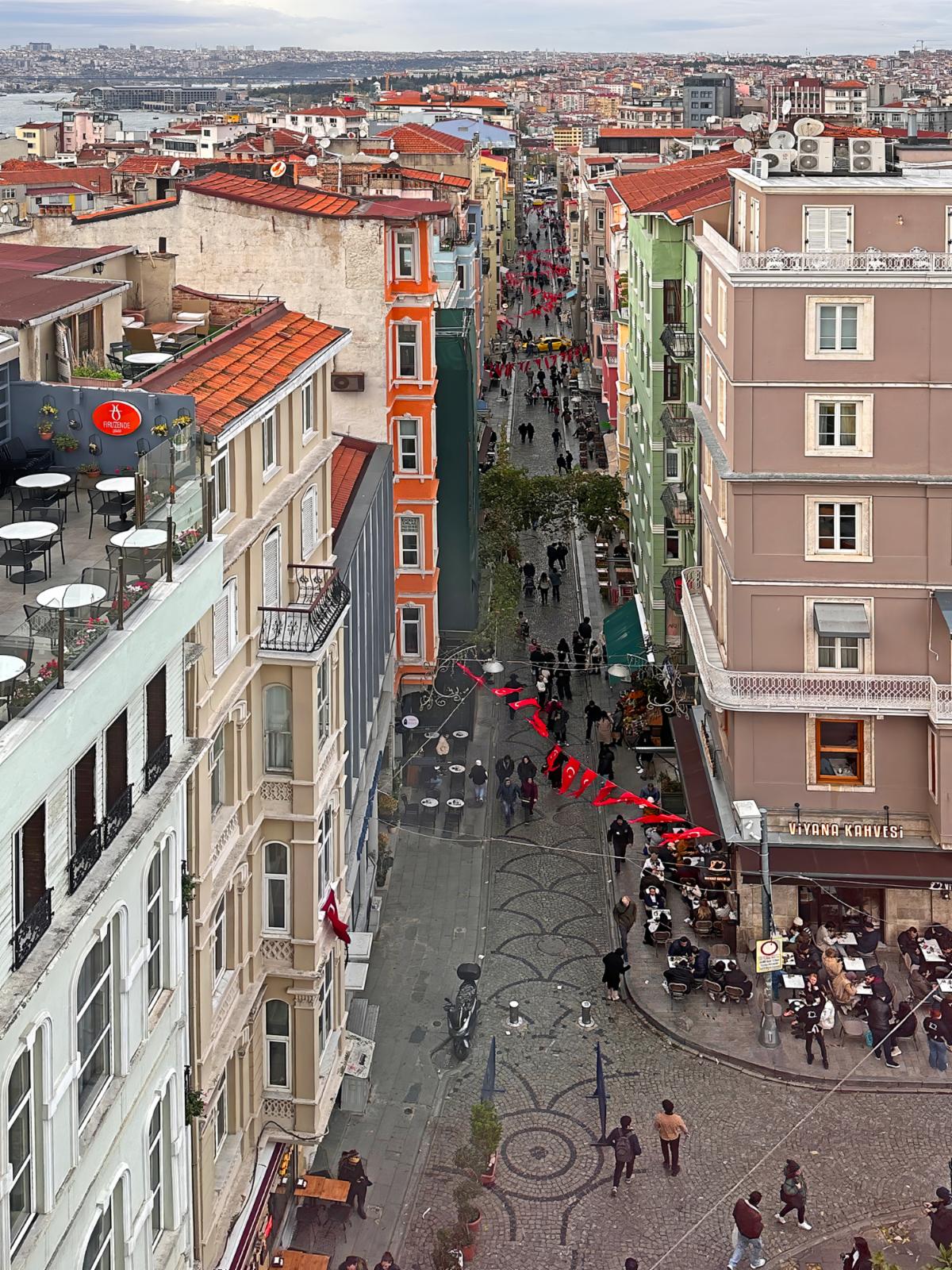
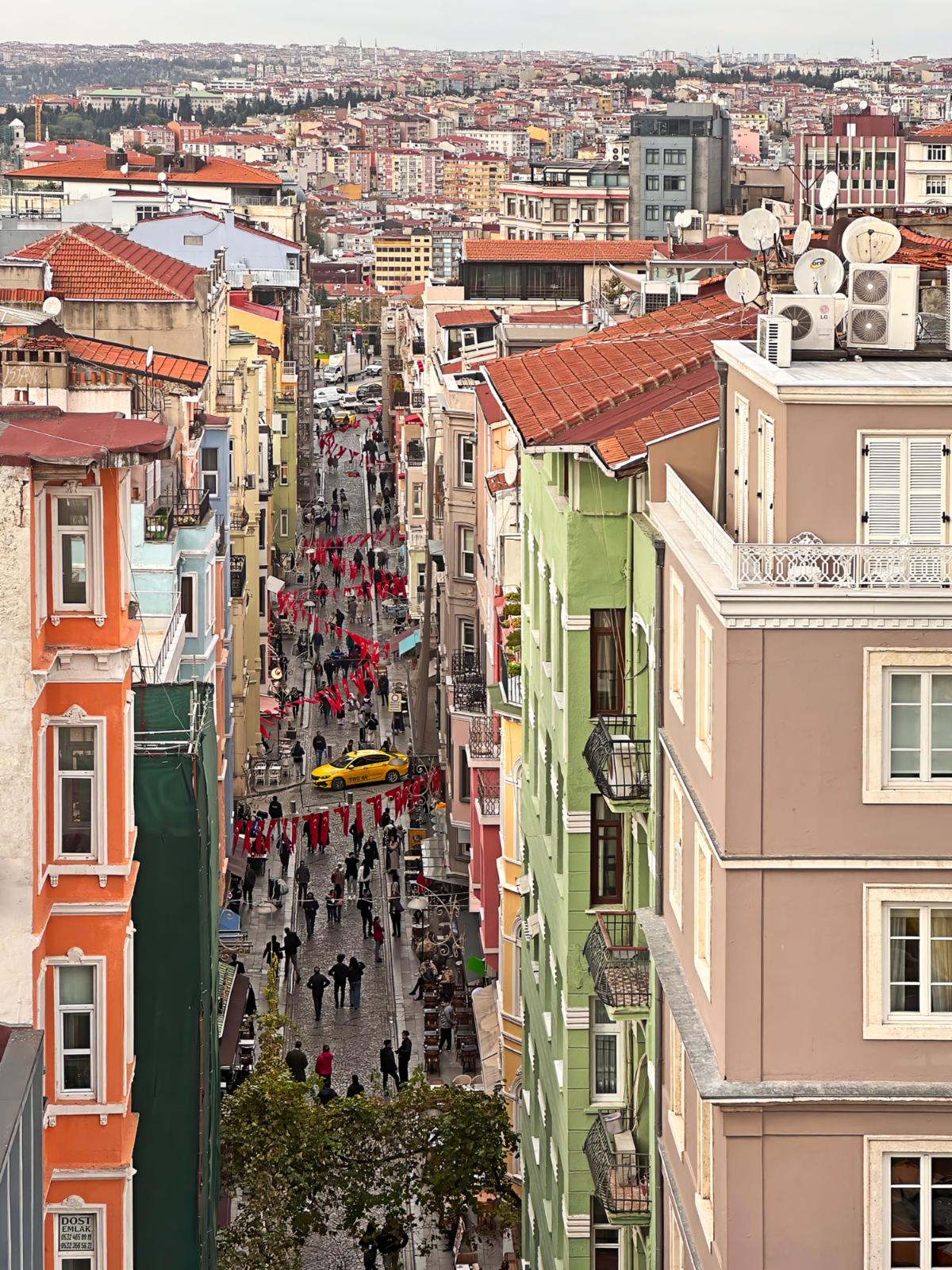
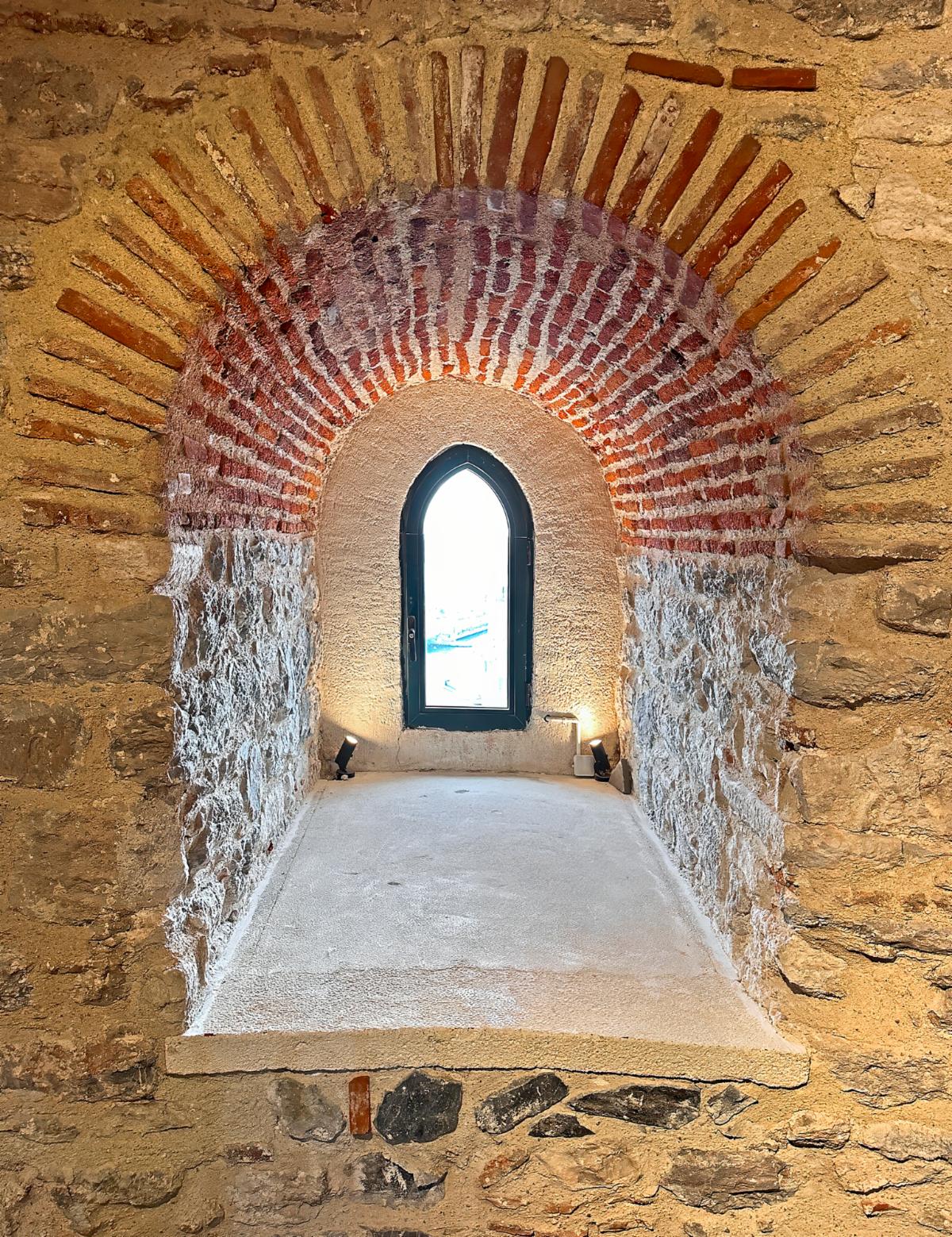
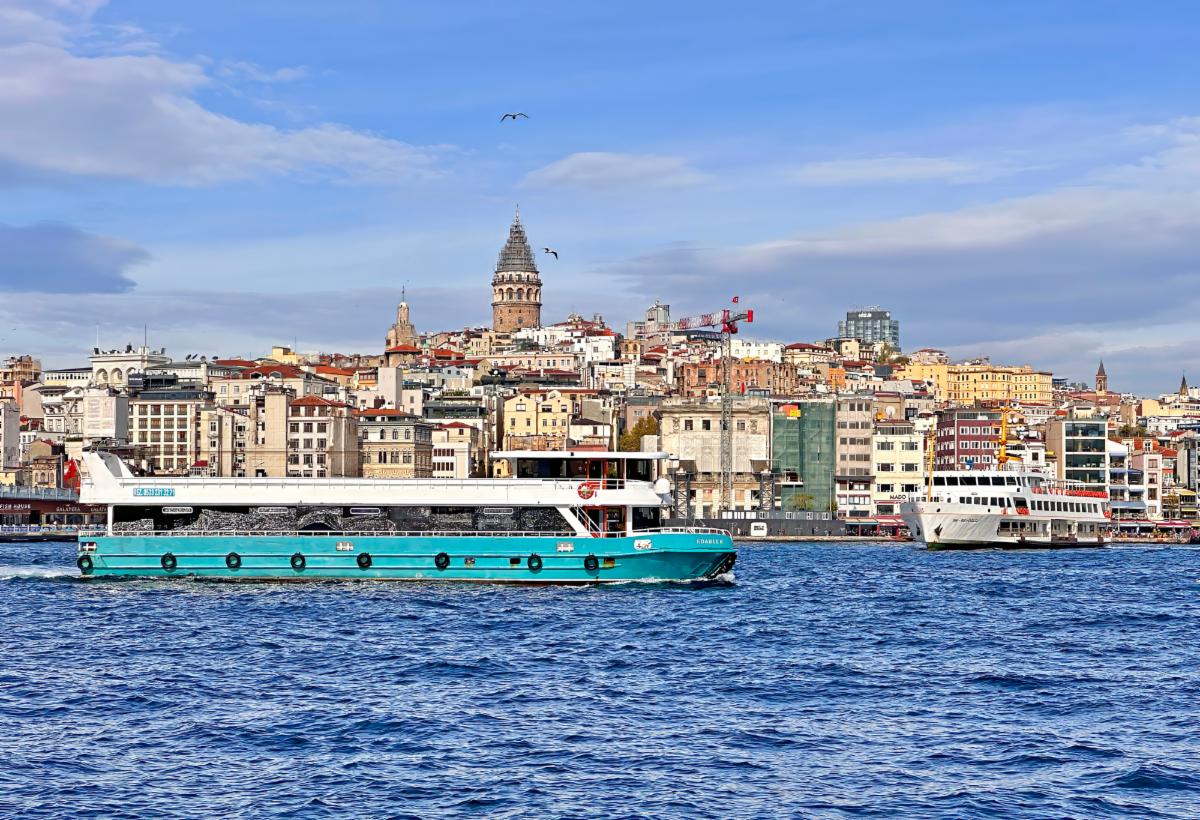
Between the giant Cistern and now the immense Palace, we were way behind schedule. Clouds were creeping in. We decided to skip the Taksim Square and Monument and ride the tram back to the Galata Tower. As with most stone European towers, the Galata Tower, built in 1349, was constructed for defensive purposes. The view over the harbor was strategic for defensive observation and is now strategic for tourist observation.
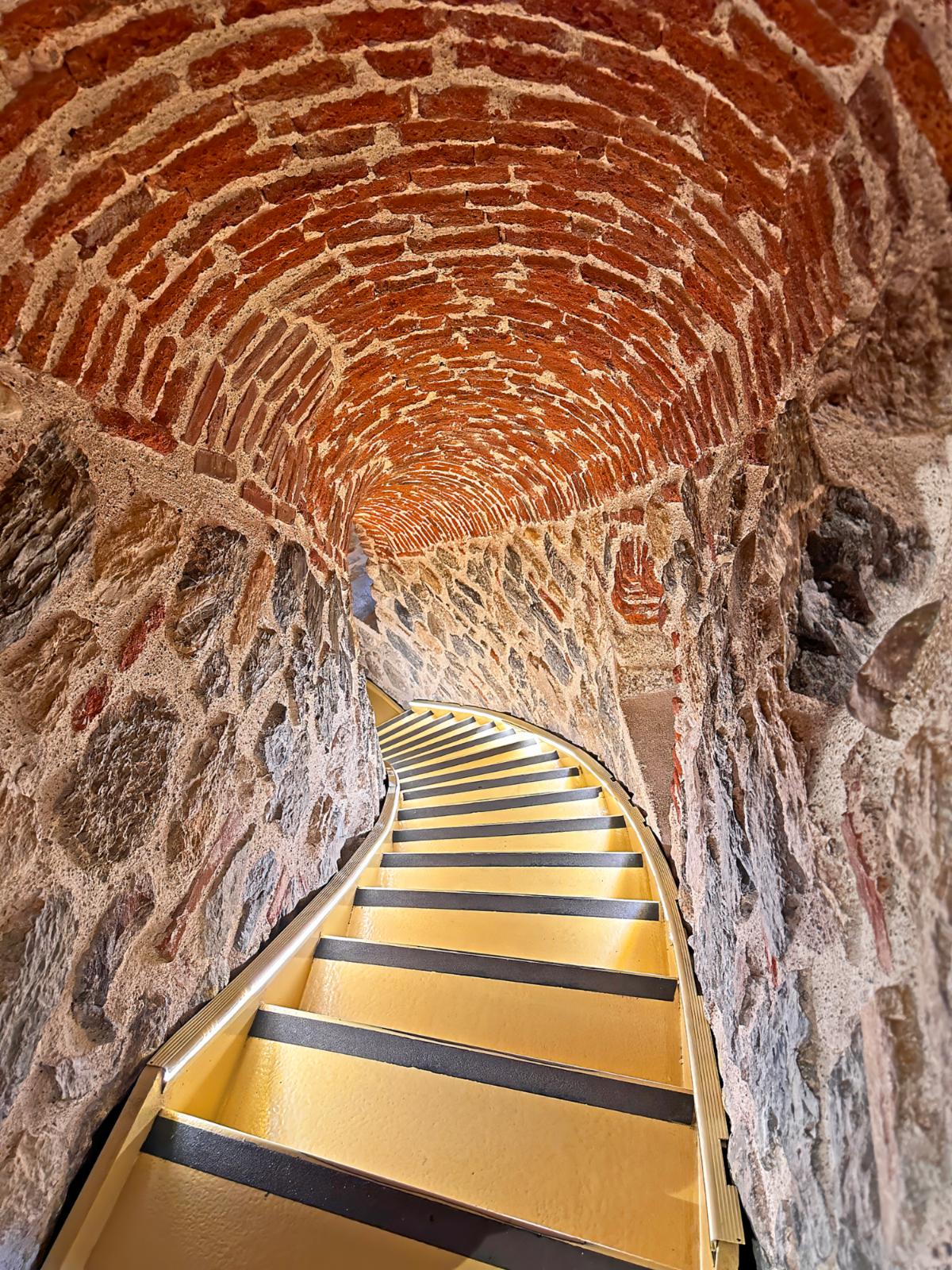
The Tower is eleven stories, counting the basement and the mezzanine. There is an elevator to the top, but the winding circular stairway is the best way to go down. Each floor has a handful of museum artifacts and a mishmash of info plaques, but the real show is the view. The top floor was being renovated when we visited, and we couldn’t access it. That didn’t hinder the view from the second-highest floor. My only complaint was that we had to shoot photos through a window. That always presents issues with glare and color tinting. I tried the best I could to compensate.
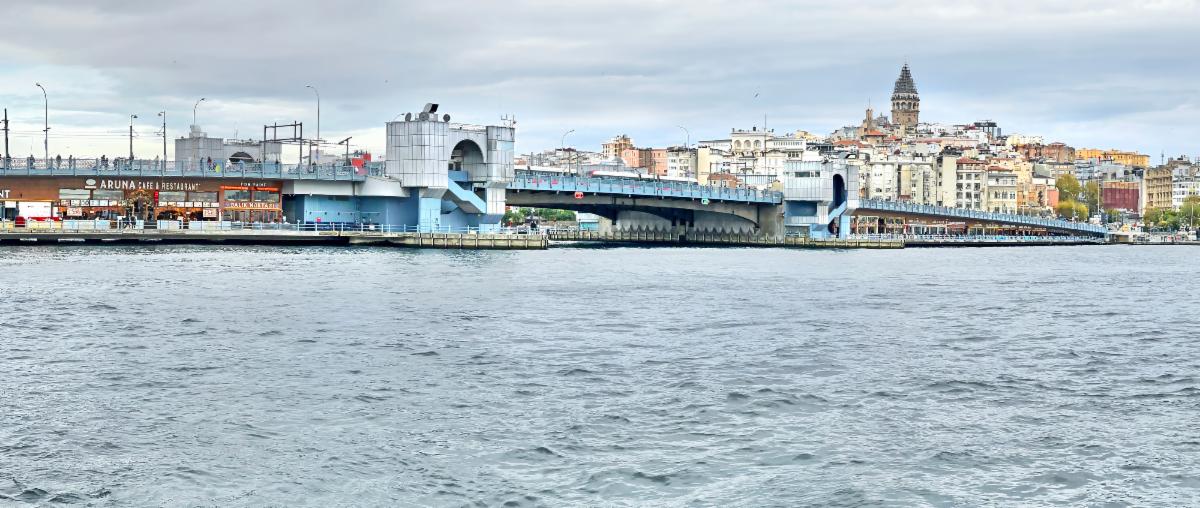
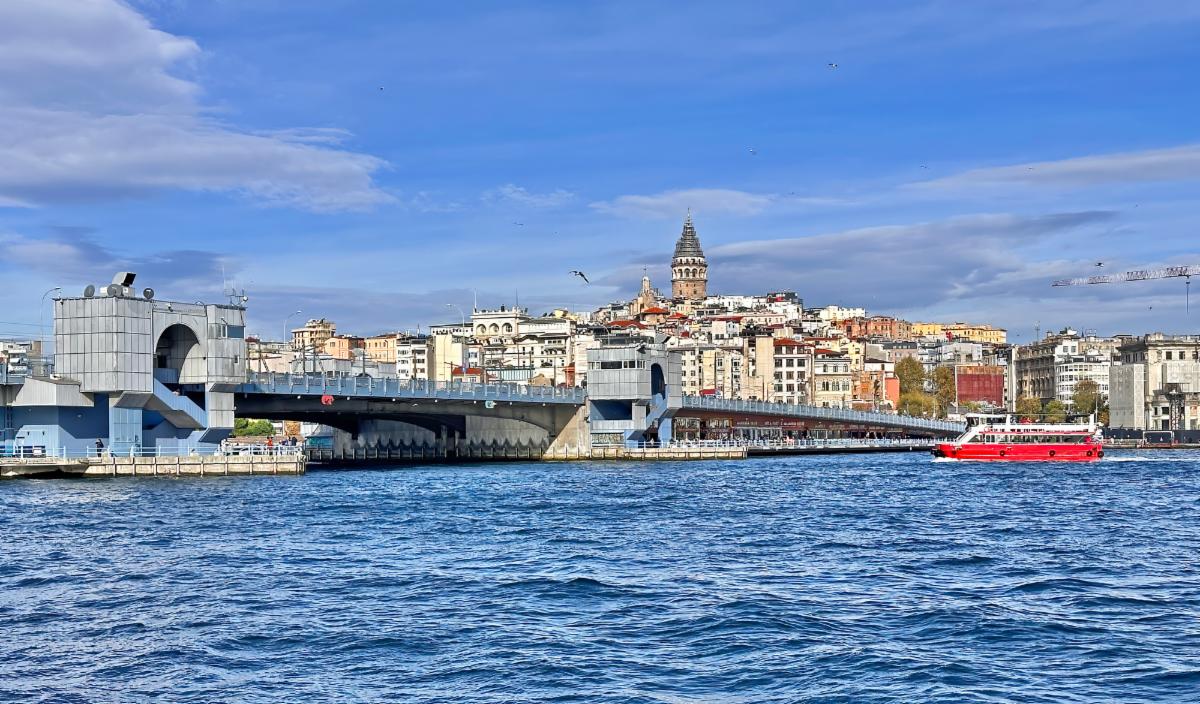
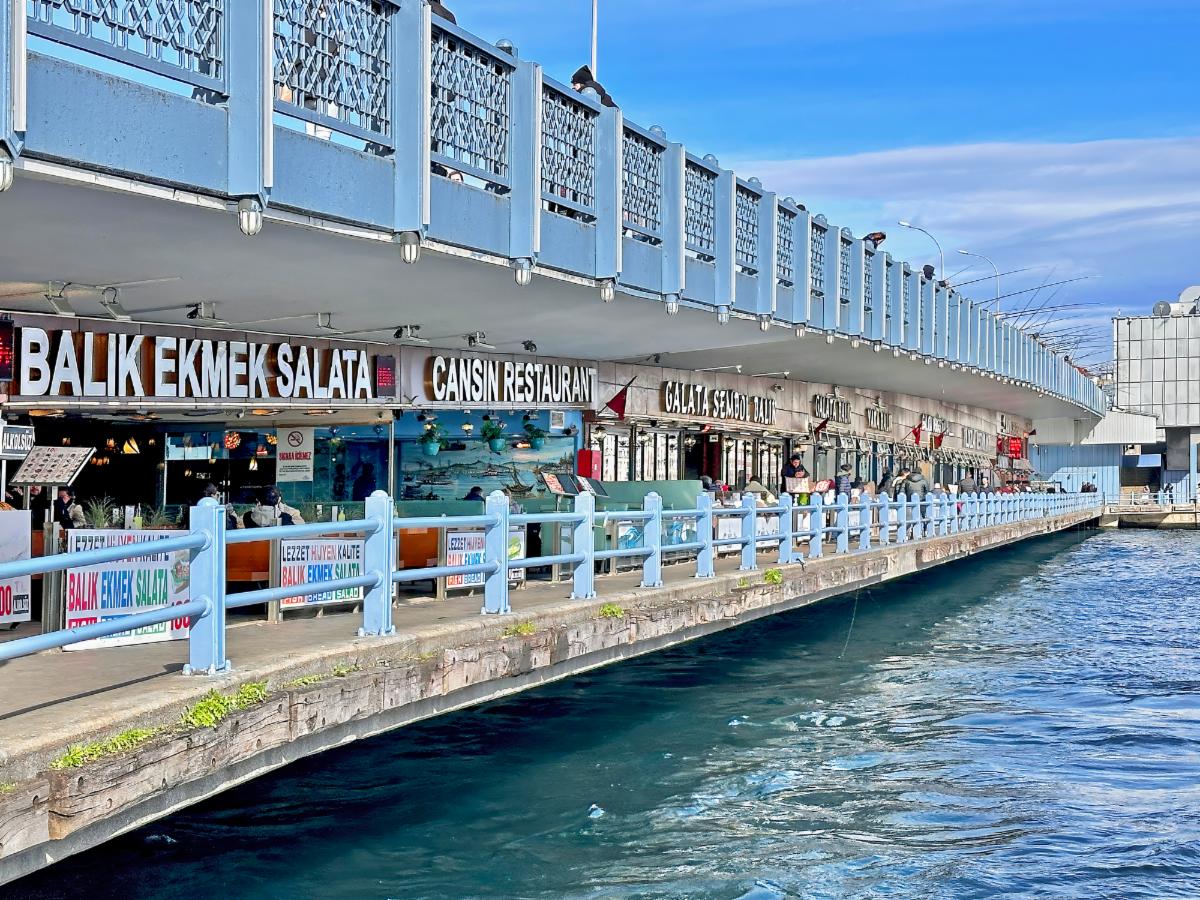
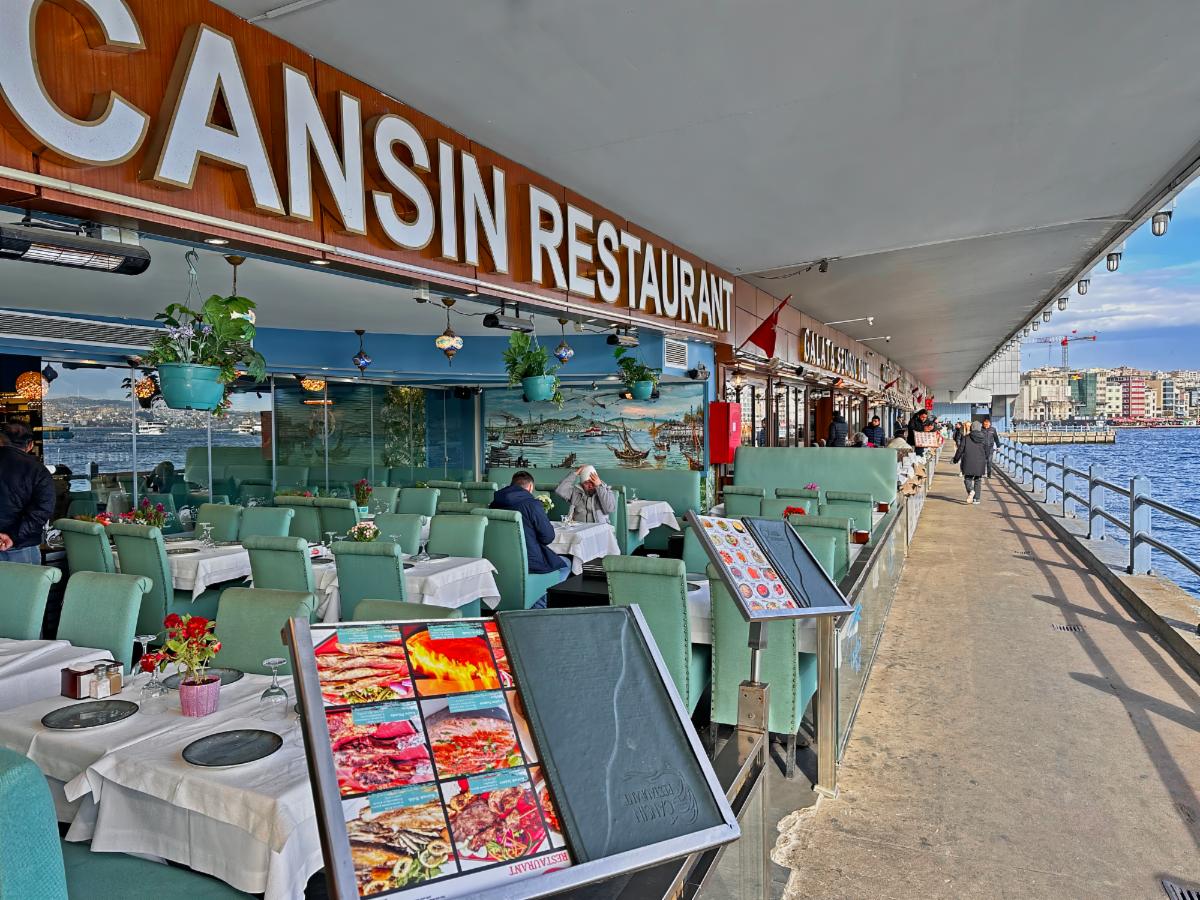
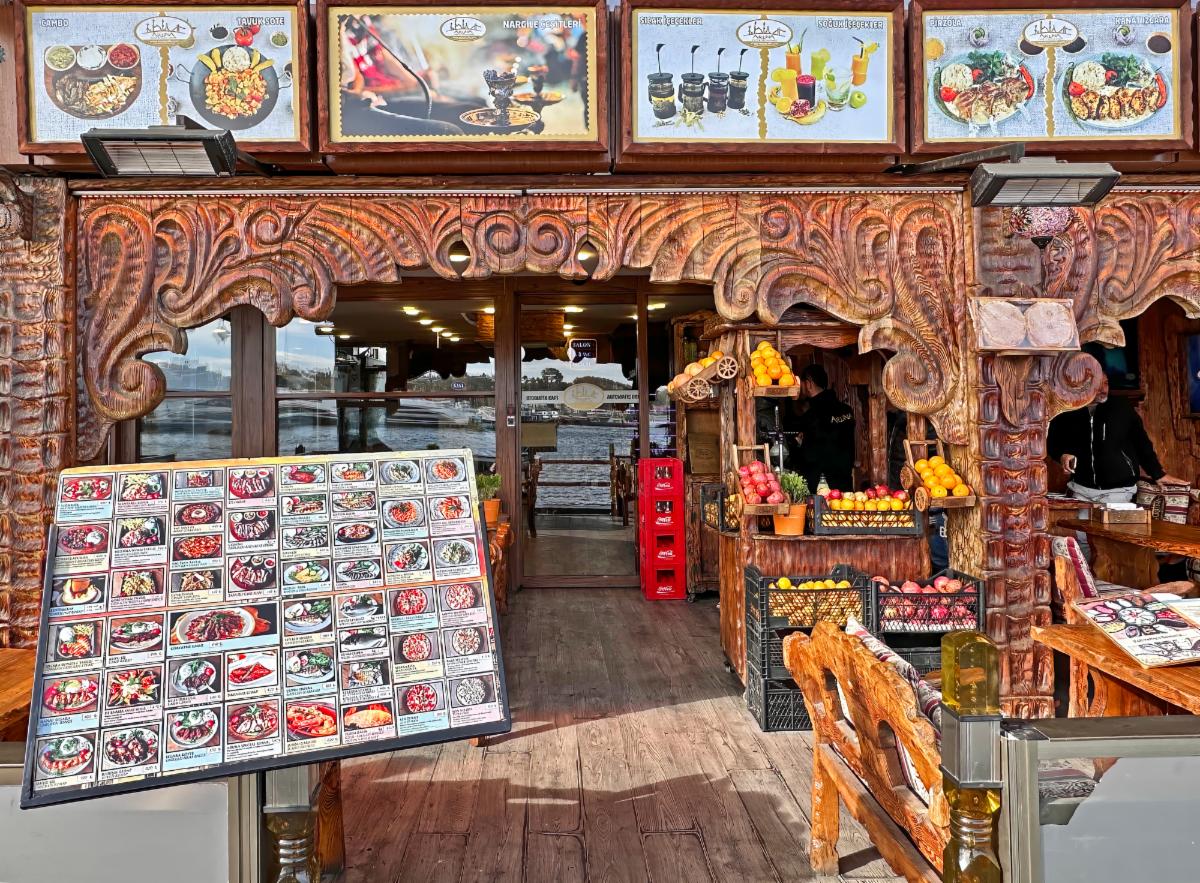
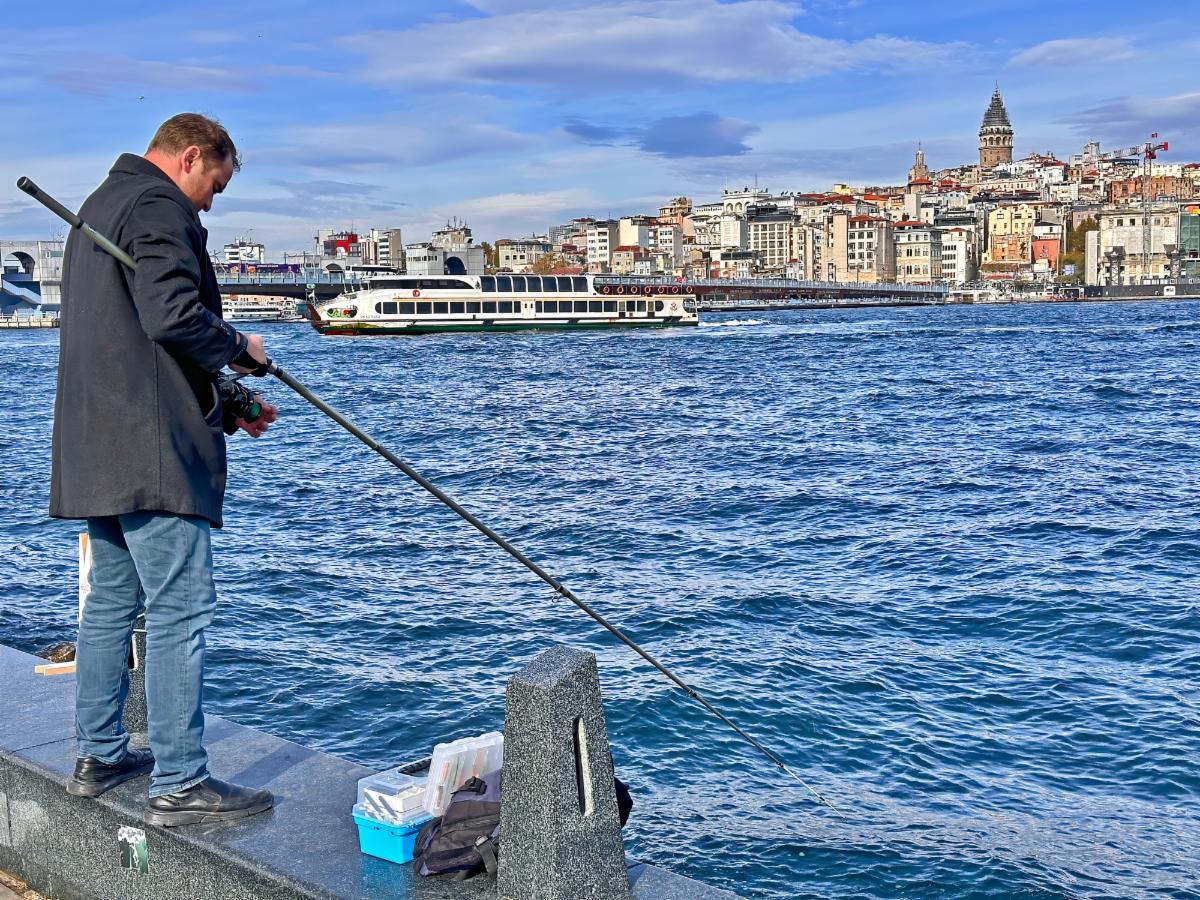
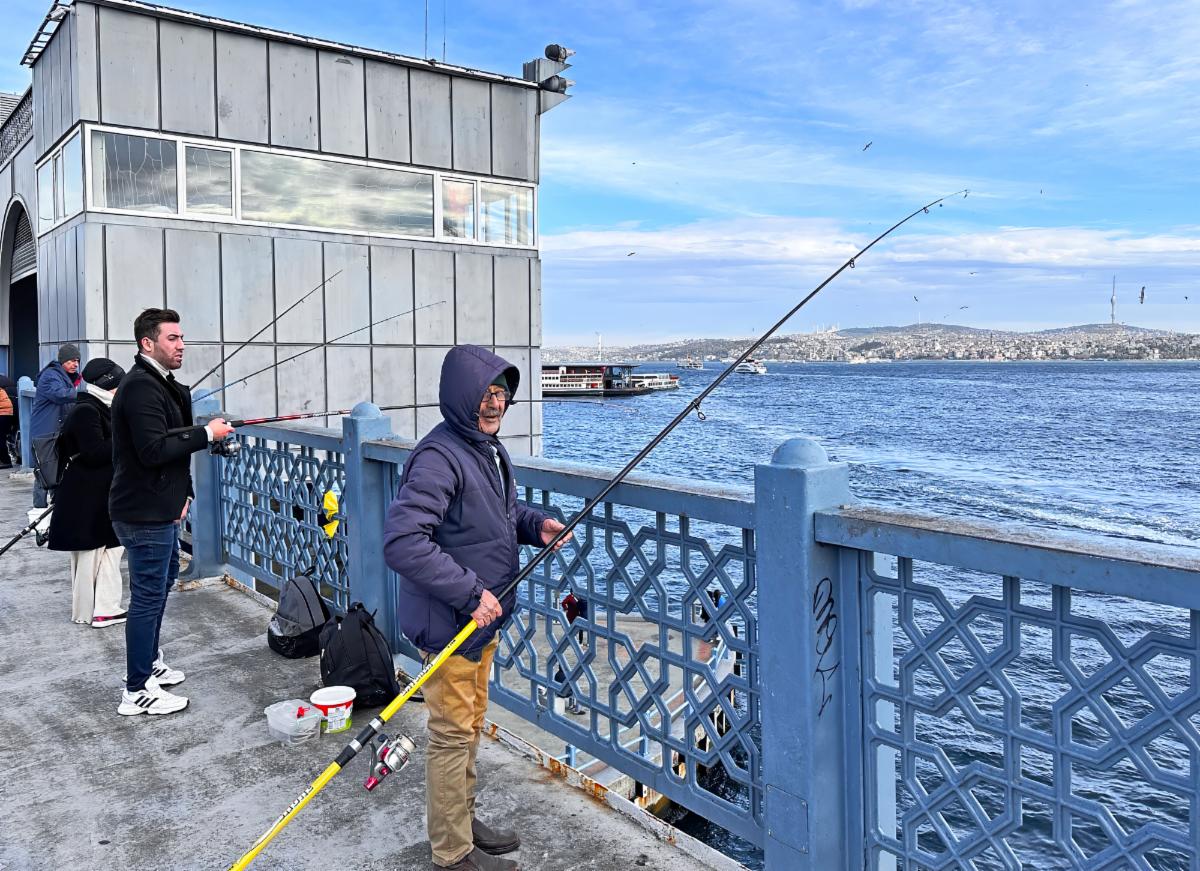
The Tower was near the bridge that connected the two European sides of the waterway with the main harbor, where we hoped to ride the ferry to Harem on the Asian side of the waterway. We chose to walk the bridge. Hundreds of fishermen lined the railing, trying their luck. Underneath the bridge's roadway was a whole other level, lined with restaurants. We had not seen restaurants lined up underneath a bridge's roadbed before. We couldn't resist and had to check them out.
| 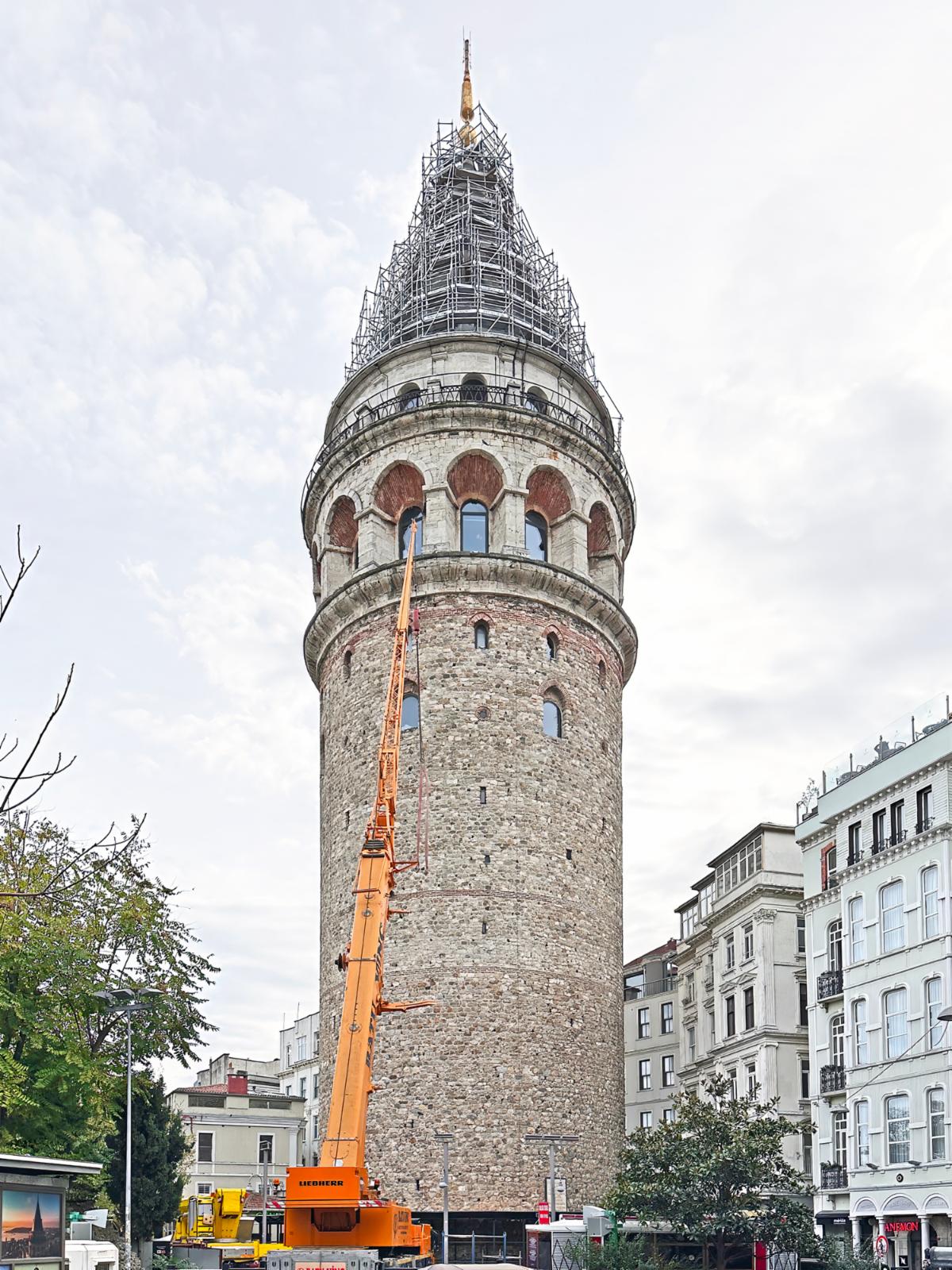 | The Galata Tower provides a bird's eye view of Istanbul. The top floor and roof are being worked on. | 360º views from the Galata Tower. Above and below: These bridges connect the two European sides of the waterway. | Above and below: The Asian side of Istanbul is the city in the distance. | The spiral staircase wraps around the Tower. | |
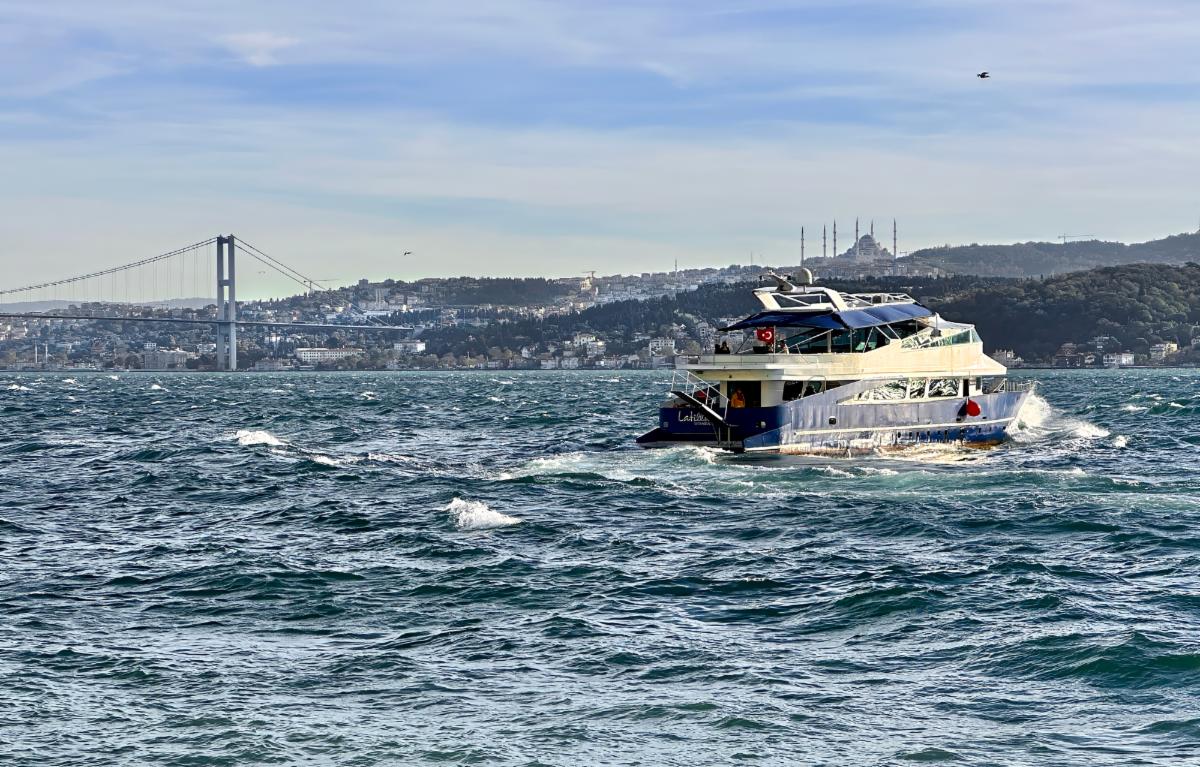
The water was choppy, and the tourist boats were out in force. We had a heck of a time finding the ferry. This was funny because three huge car ferries were docked, and we couldn’t find the entrance. Not this again!
When we finally found the entrance, we noticed the big vehicle staging area was empty. There wasn’t one car lined up waiting for the ferry. We approached the booth at the entrance gate and inquired about the ferry. We were told it was shut down for the day because of the storm. What storm? Yes, the sky was overcast by this time, but I didn’t think the entire ferry system would be closed for a bit of rain. The gatekeeper seemed to believe something akin to a hurricane was just about to hit.
| |
An important bridge that connects the European sides of Istanbul with the harbor. | |
An important bridge that connects the European sides of Istanbul with the harbor. We had not seen restaurants lined up underneath a bridge’s roadbed before. | |
Above and below: The bridge restaurants featured fine dining. | The harbor was filled with tourist boats and ferry boats. It reminded me of the Hamburg's waterfront. | Fishing from the bridge is popular. | 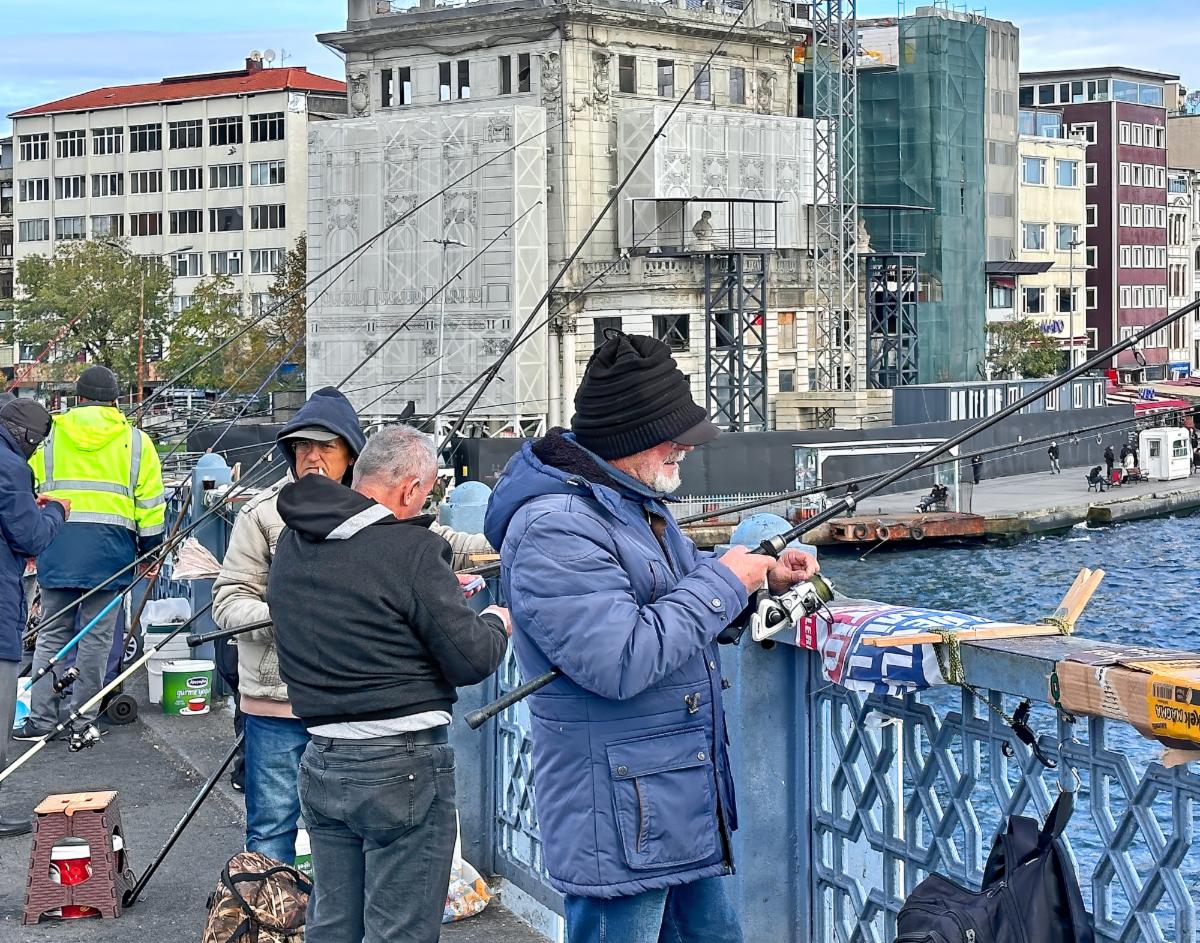 |  |  | |
Disappointed, we rode the tram back to Old Town. It started to sprinkle when we reached the old medieval wall and park where the Topkapi Palace and the Archeological Museum are located. The Topkapi Palace is the oldest and largest surviving Palace in the world. It was closed today. I wasn’t sure why. Was it a holiday of some sort, or were repairs being made? Not sure. Anyway, the grand and beautiful Domabahçe Palace replaced the Topkapi Palace once it was built in 1856. Both Palaces are now museums.
Fortunately, the Archeological Museum was open. We reached the front door just as the rain came down in earnest. Still, there wasn’t any wind, lightning, tornado, or anything scary that should have stopped a giant ferry boat. That one perplexed me.
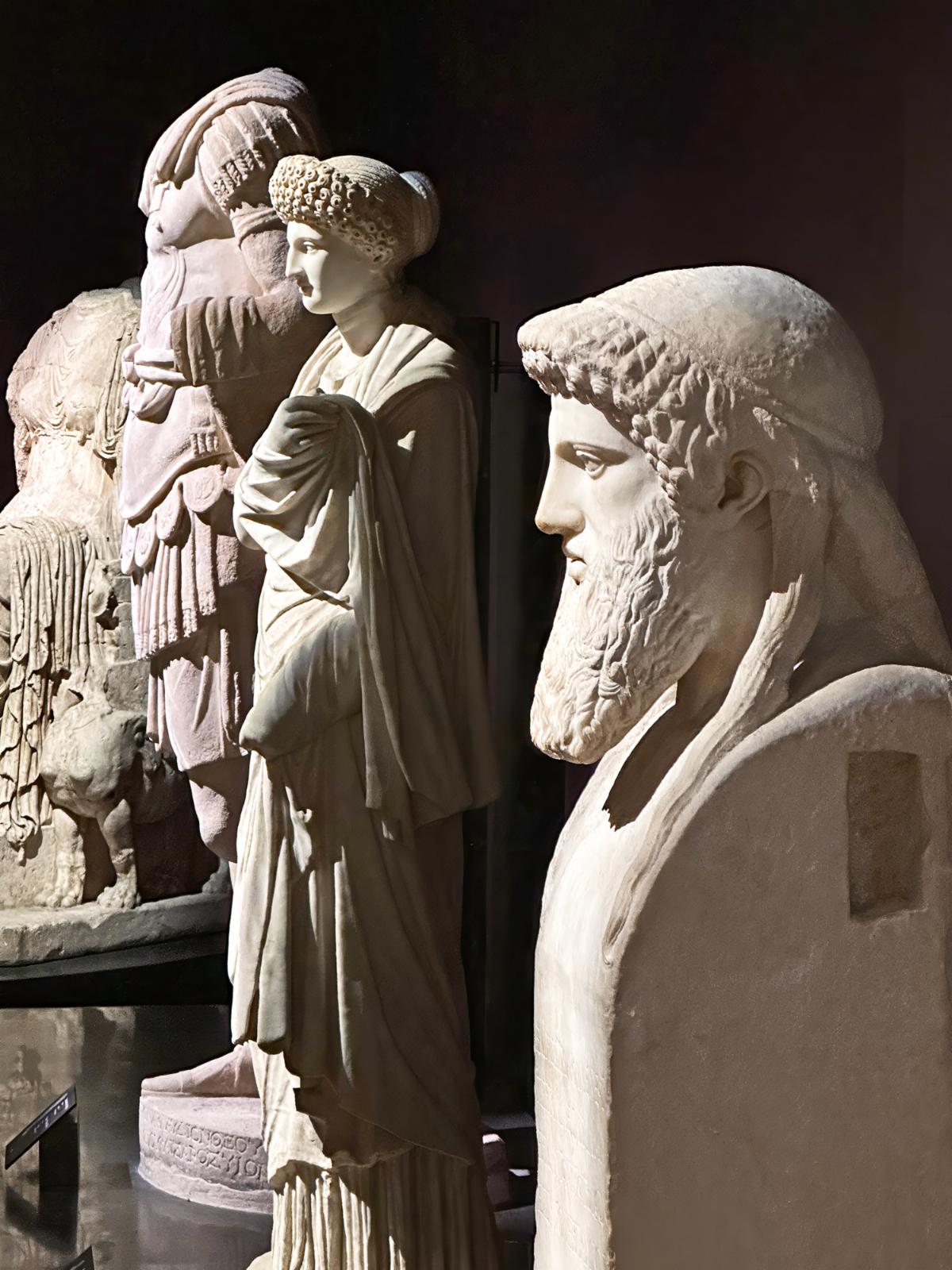
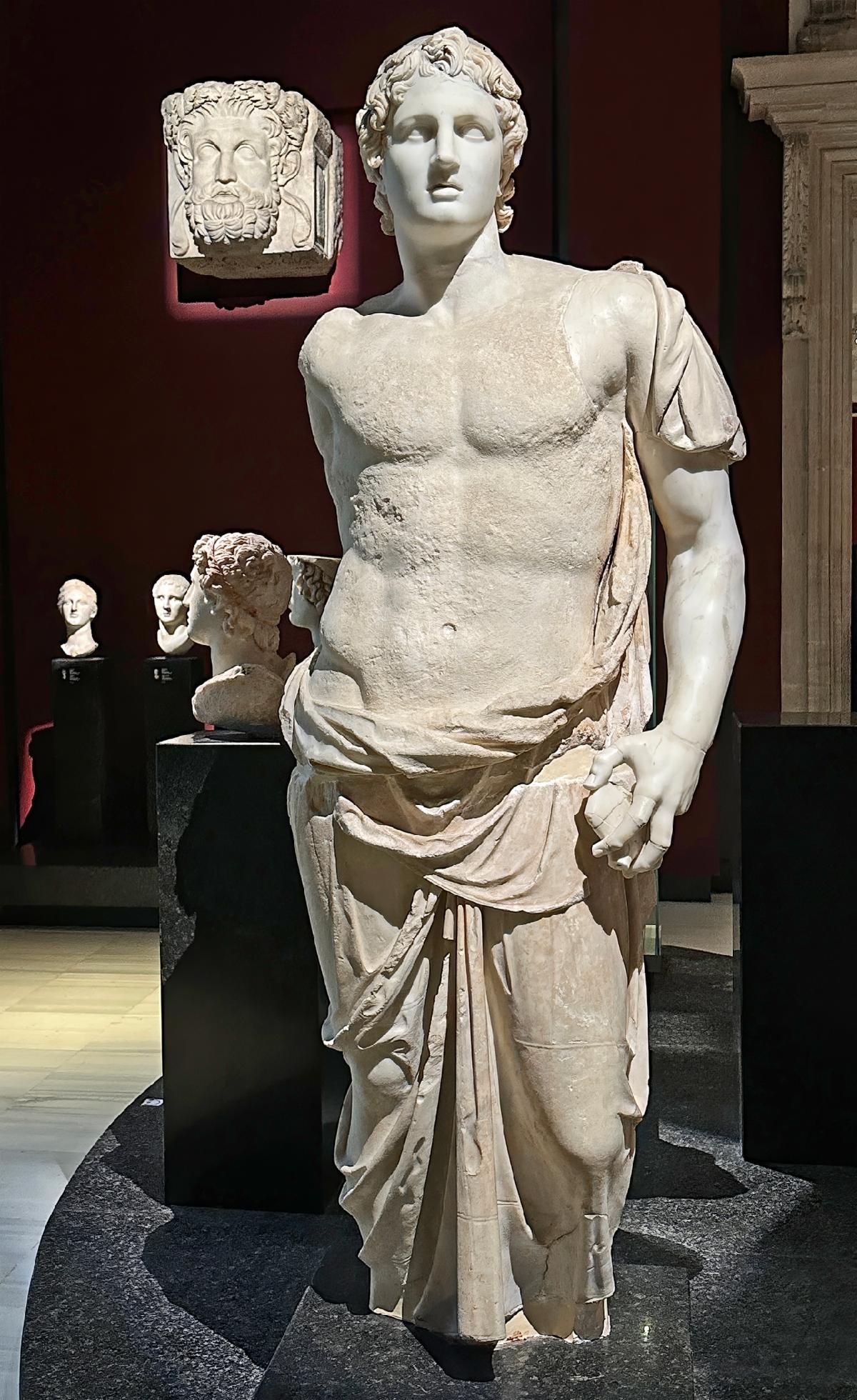
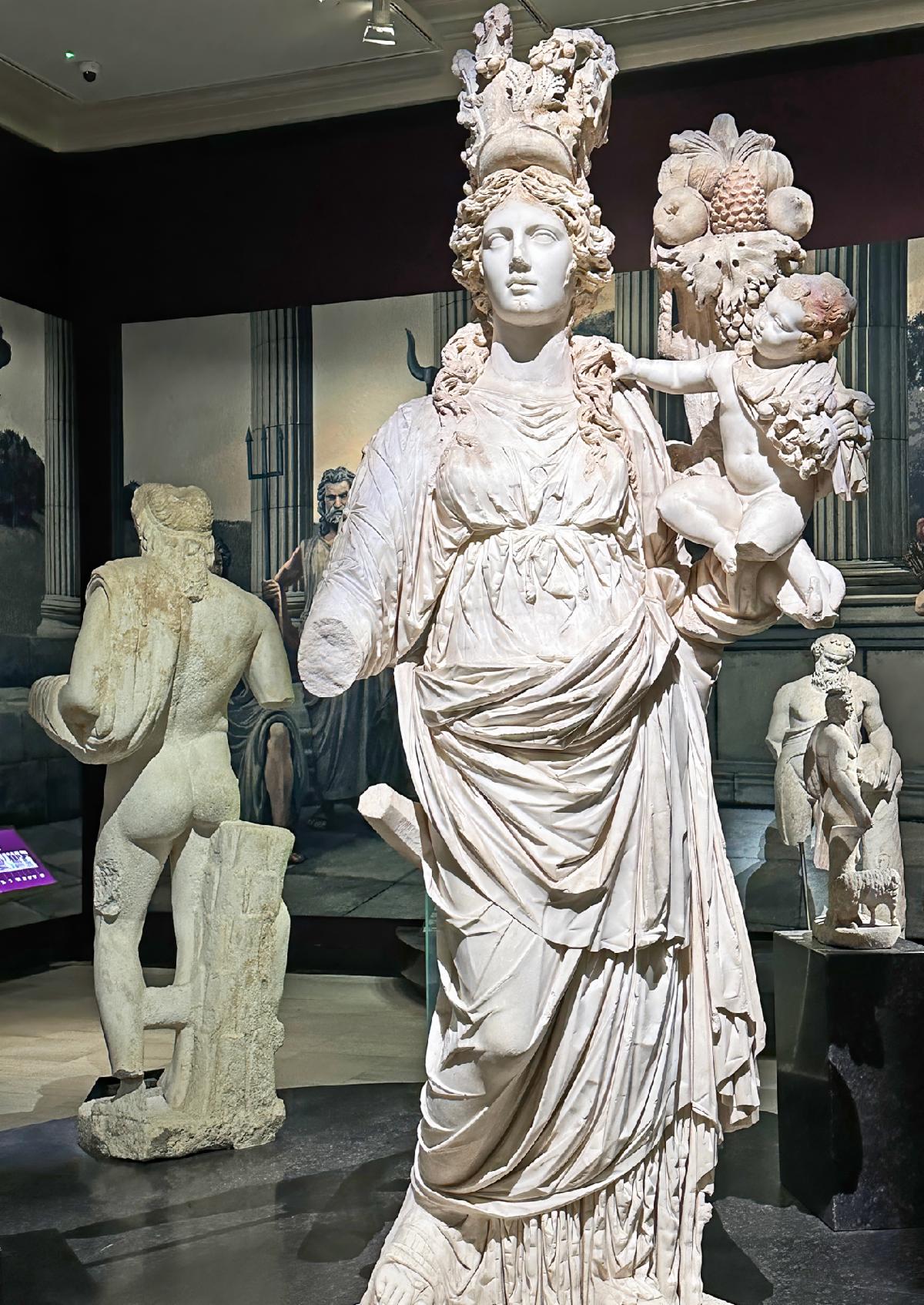
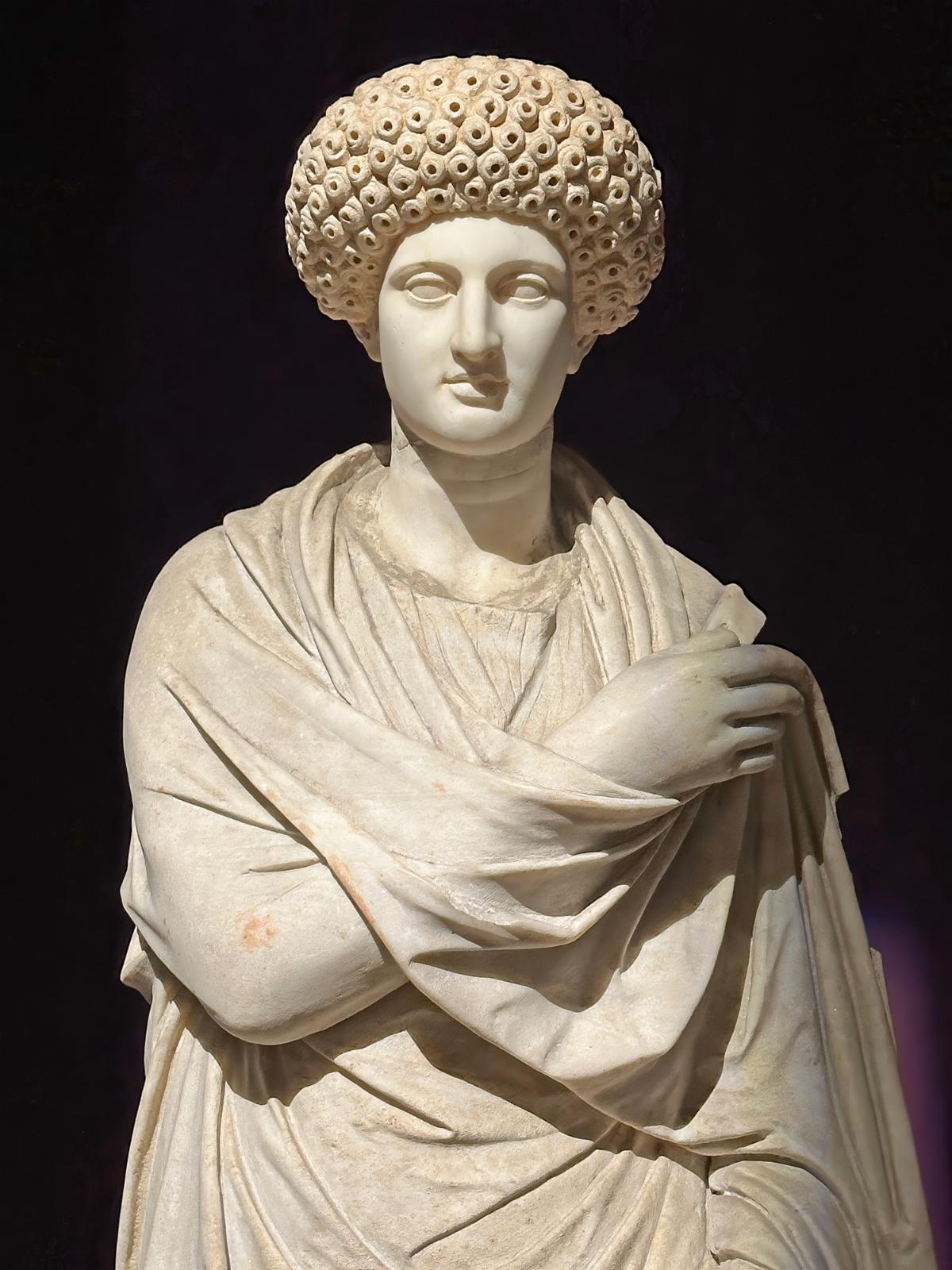
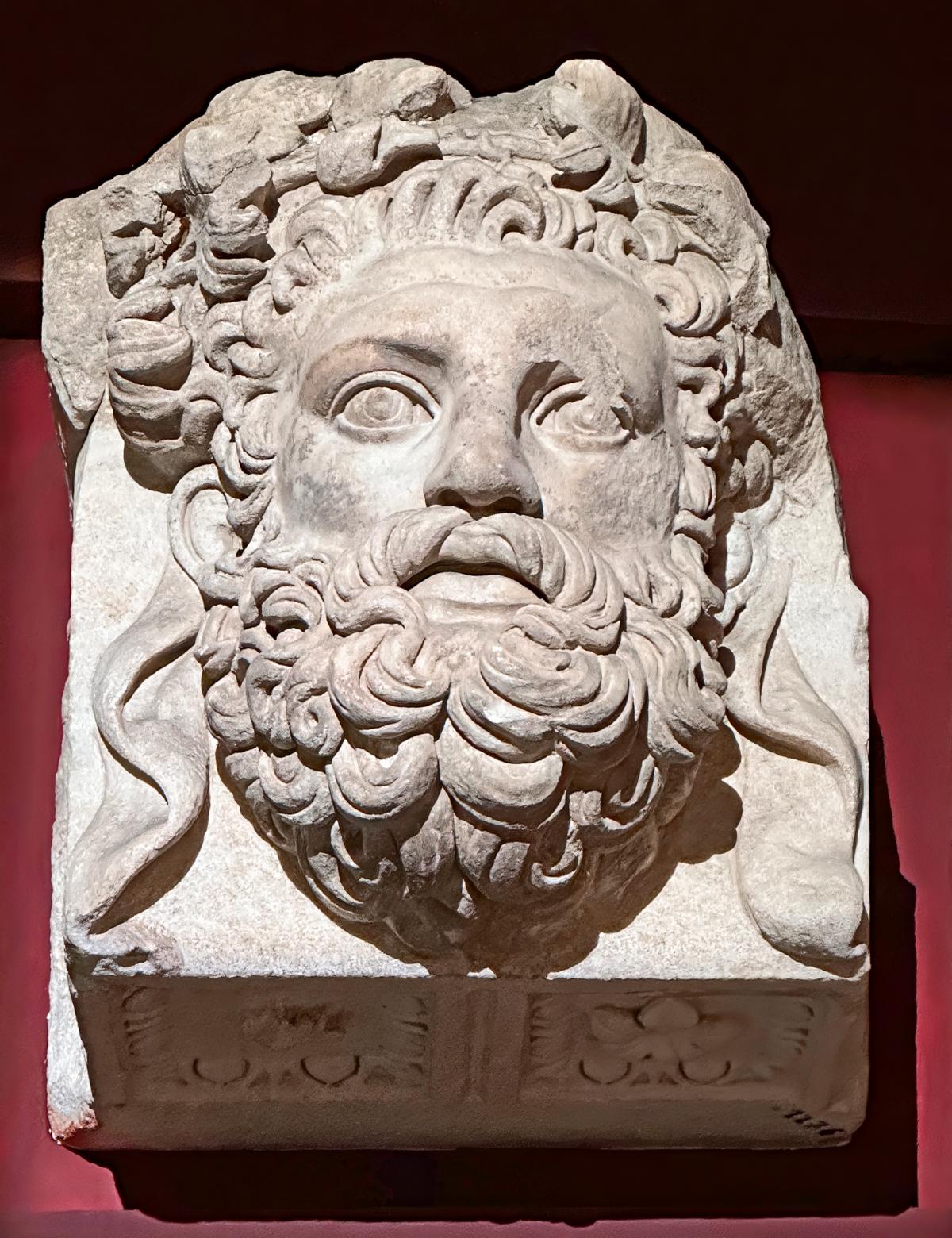
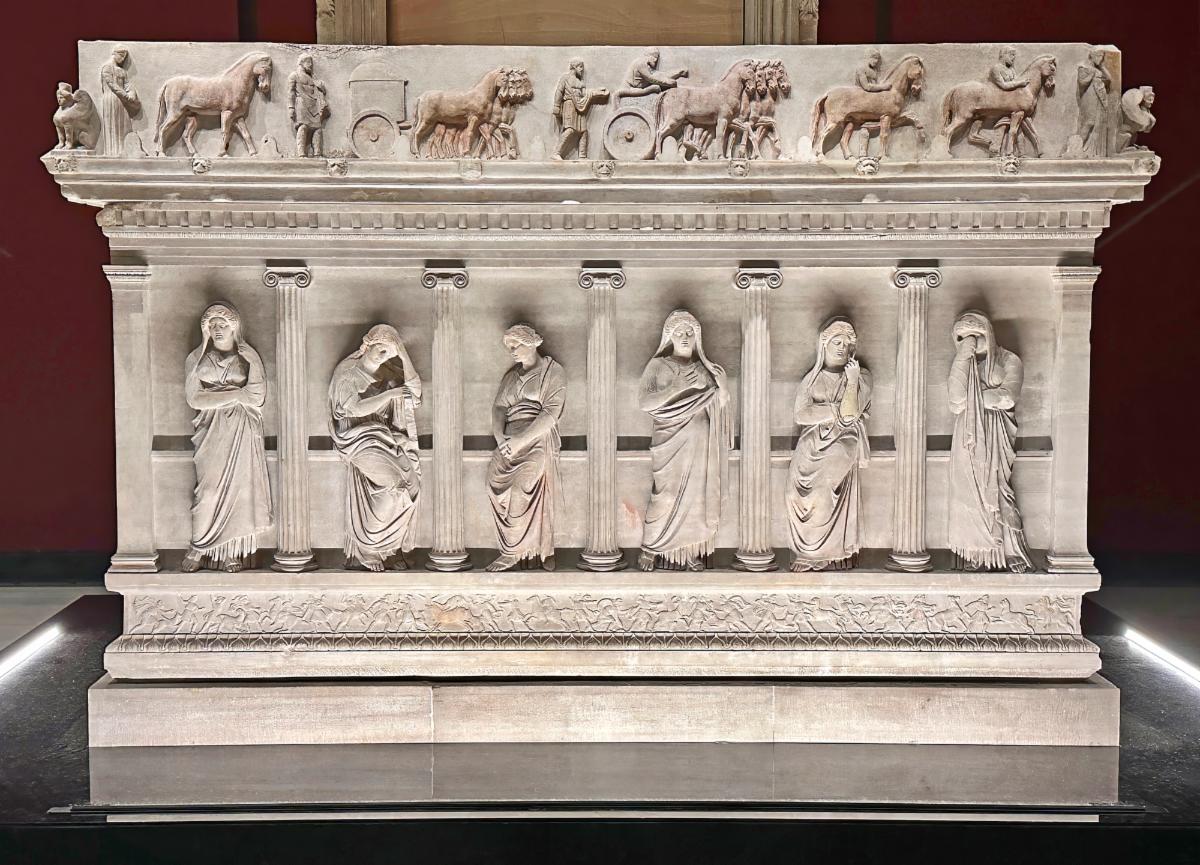
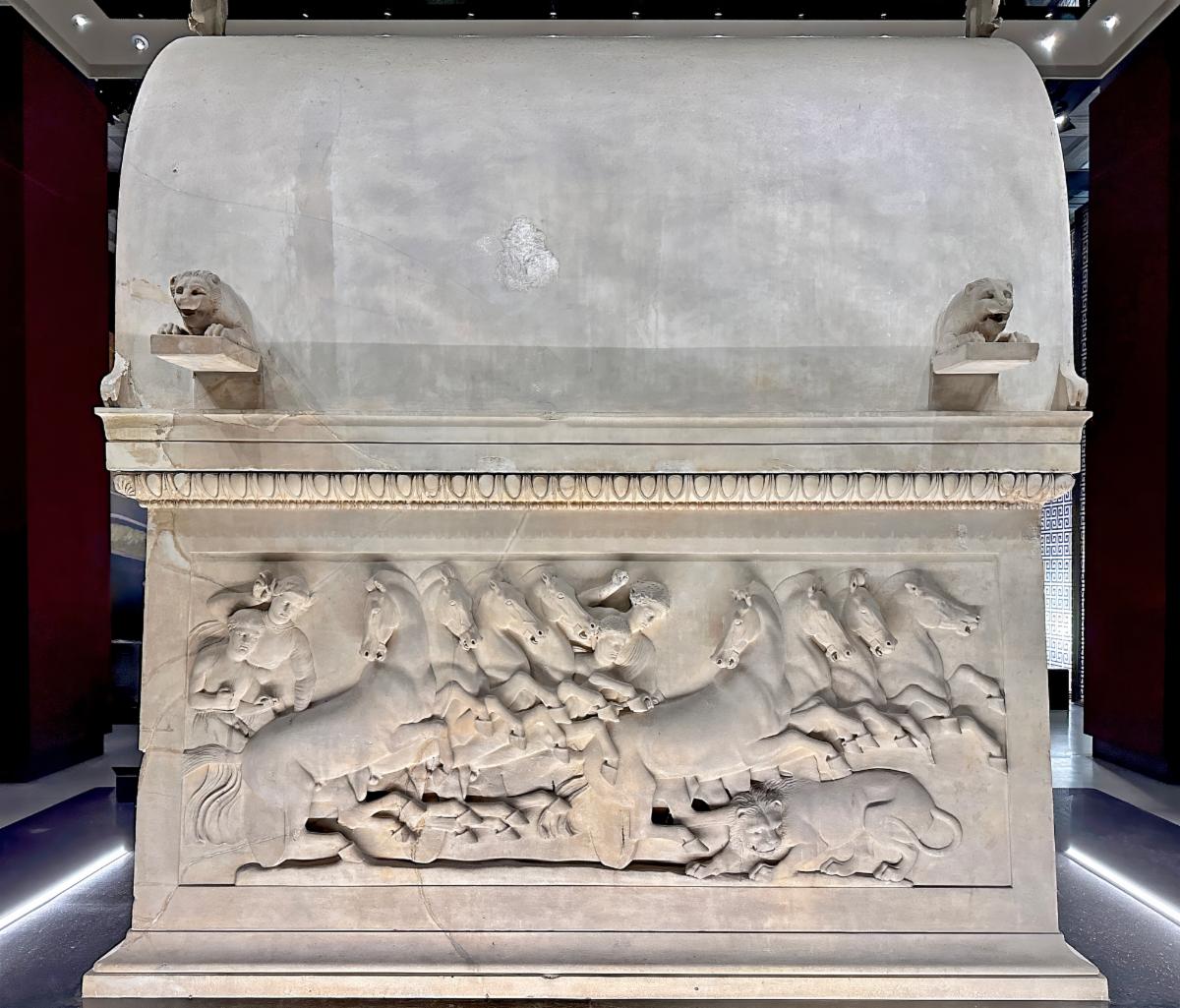
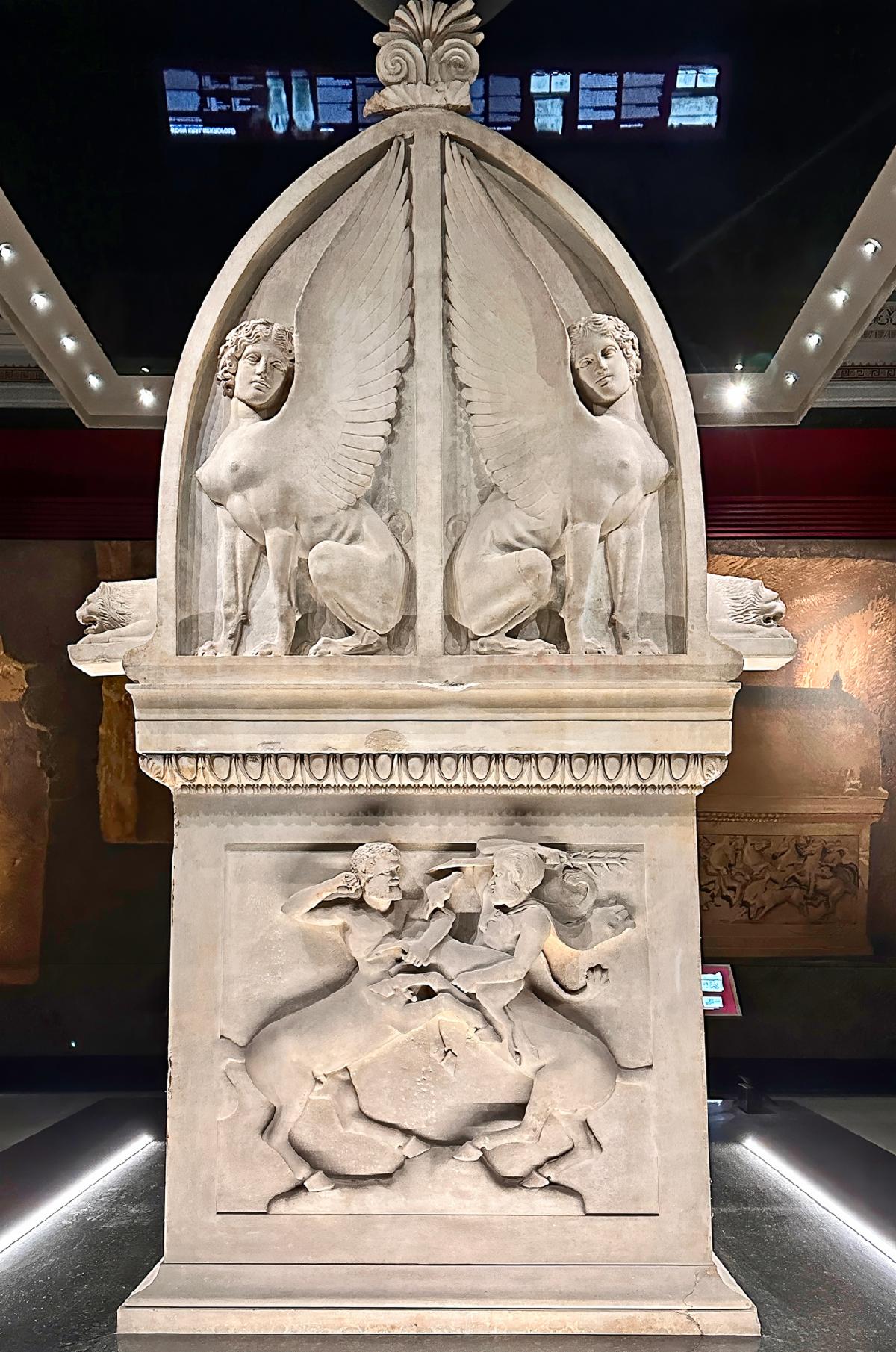
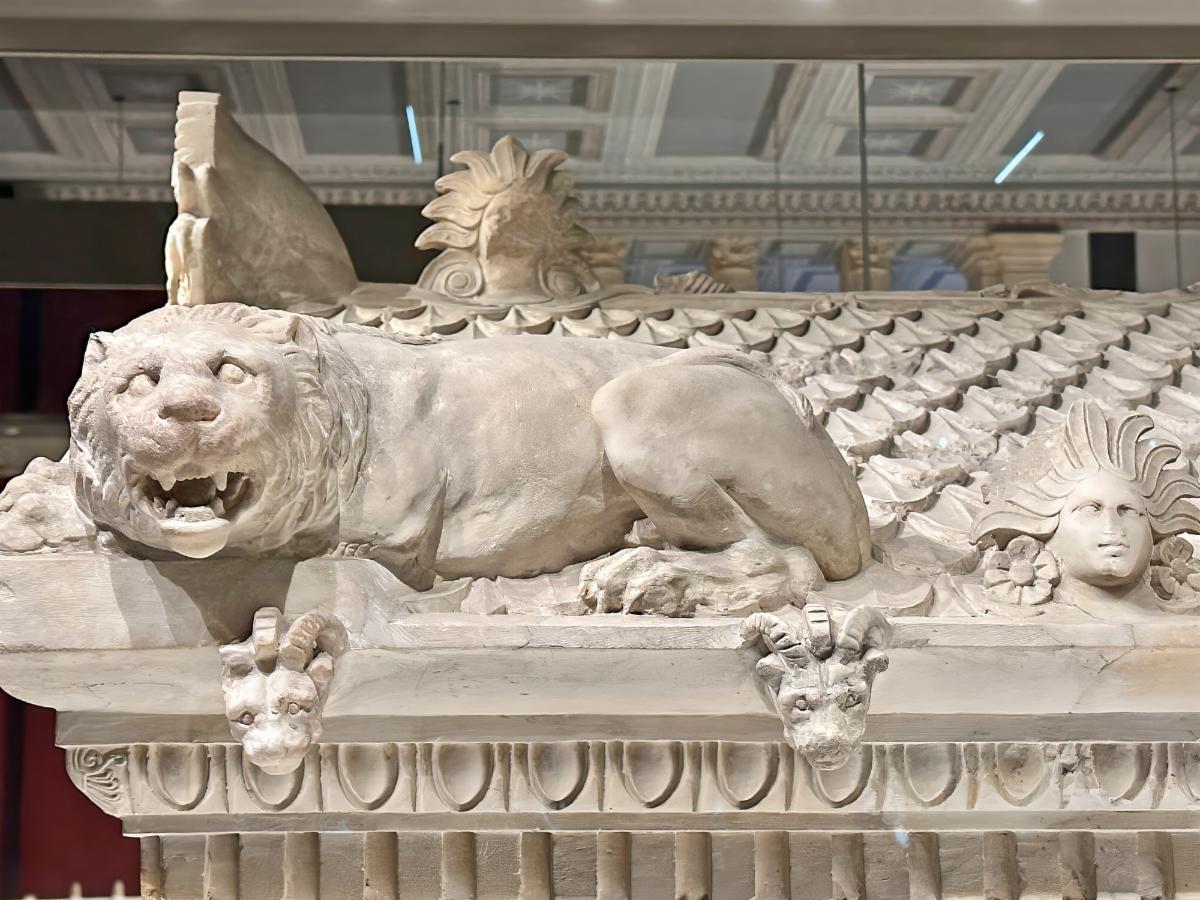
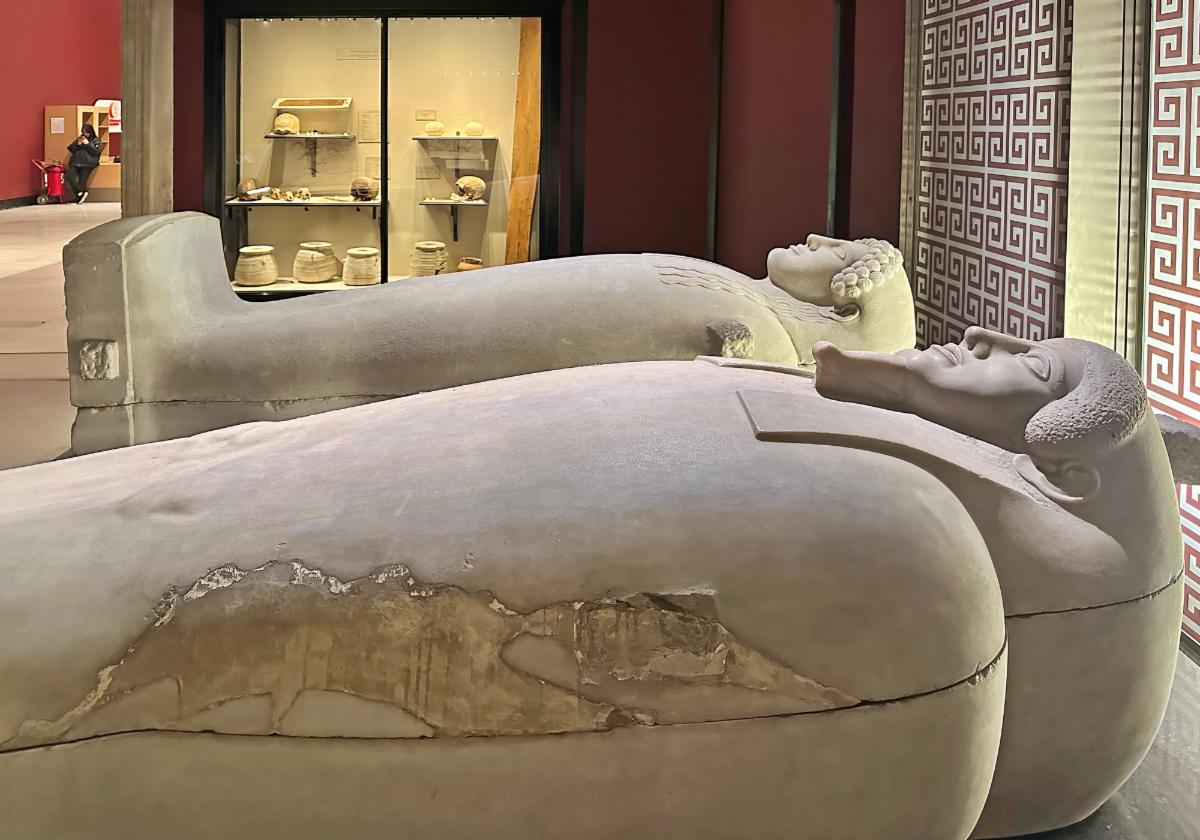
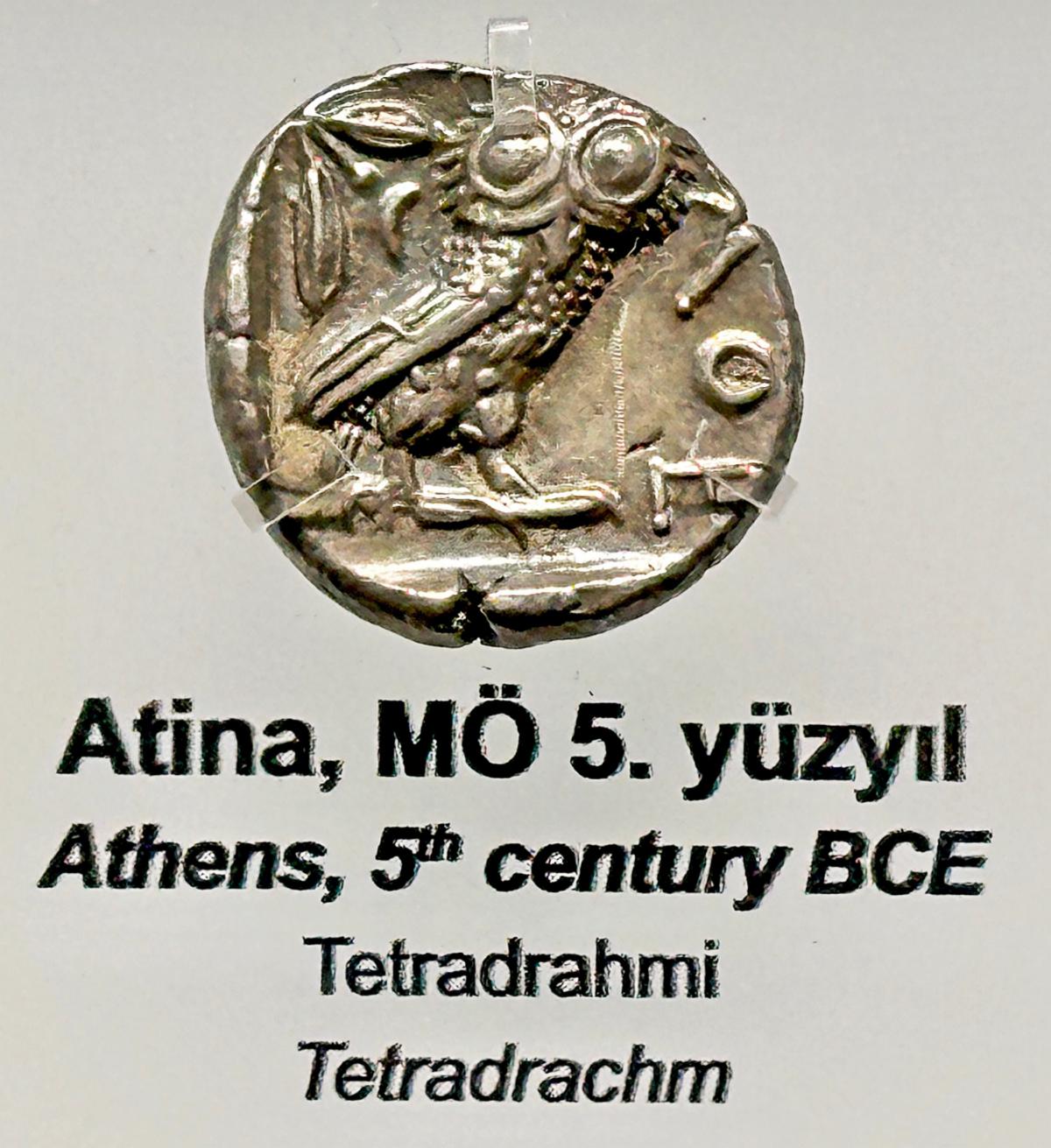
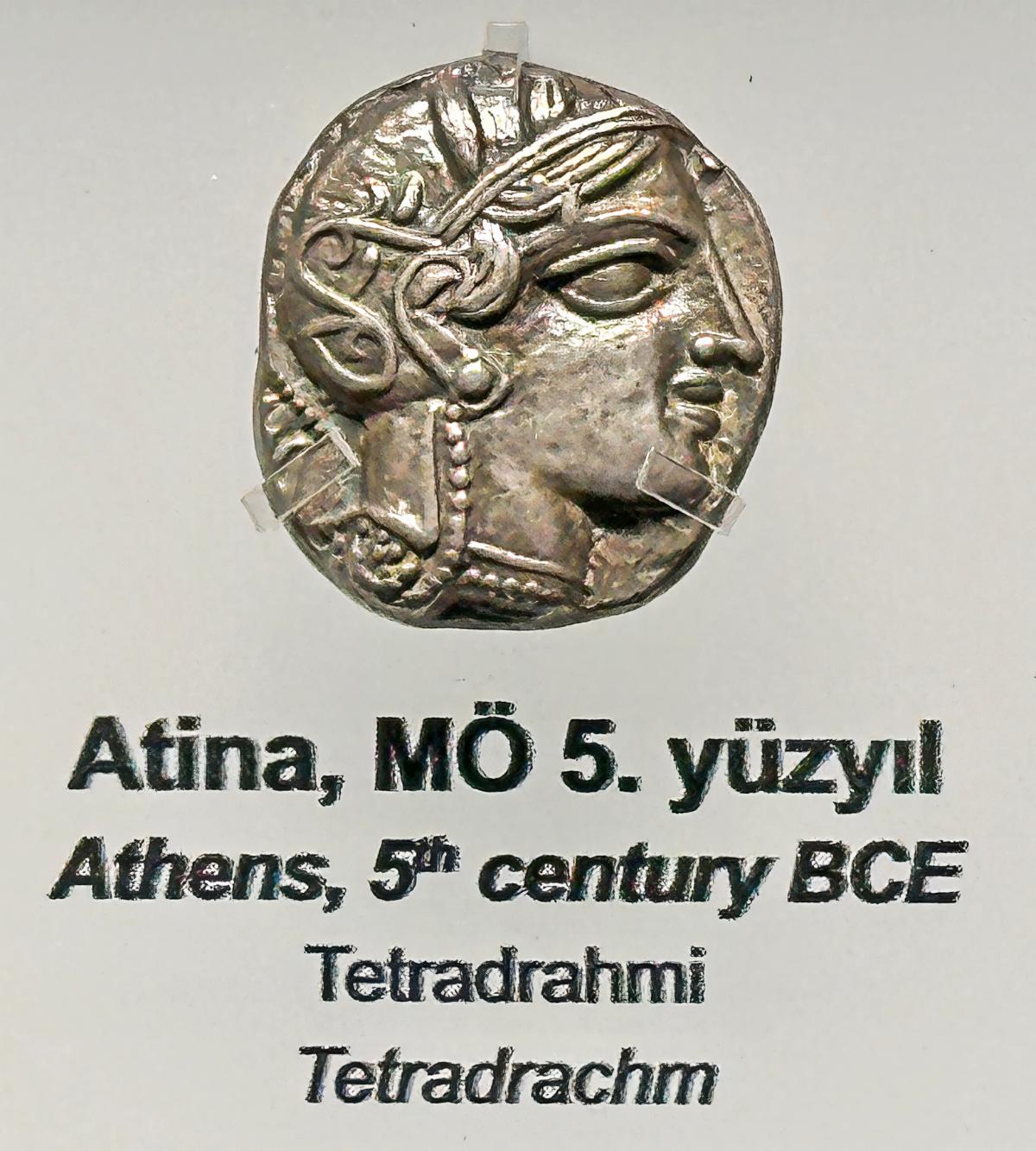
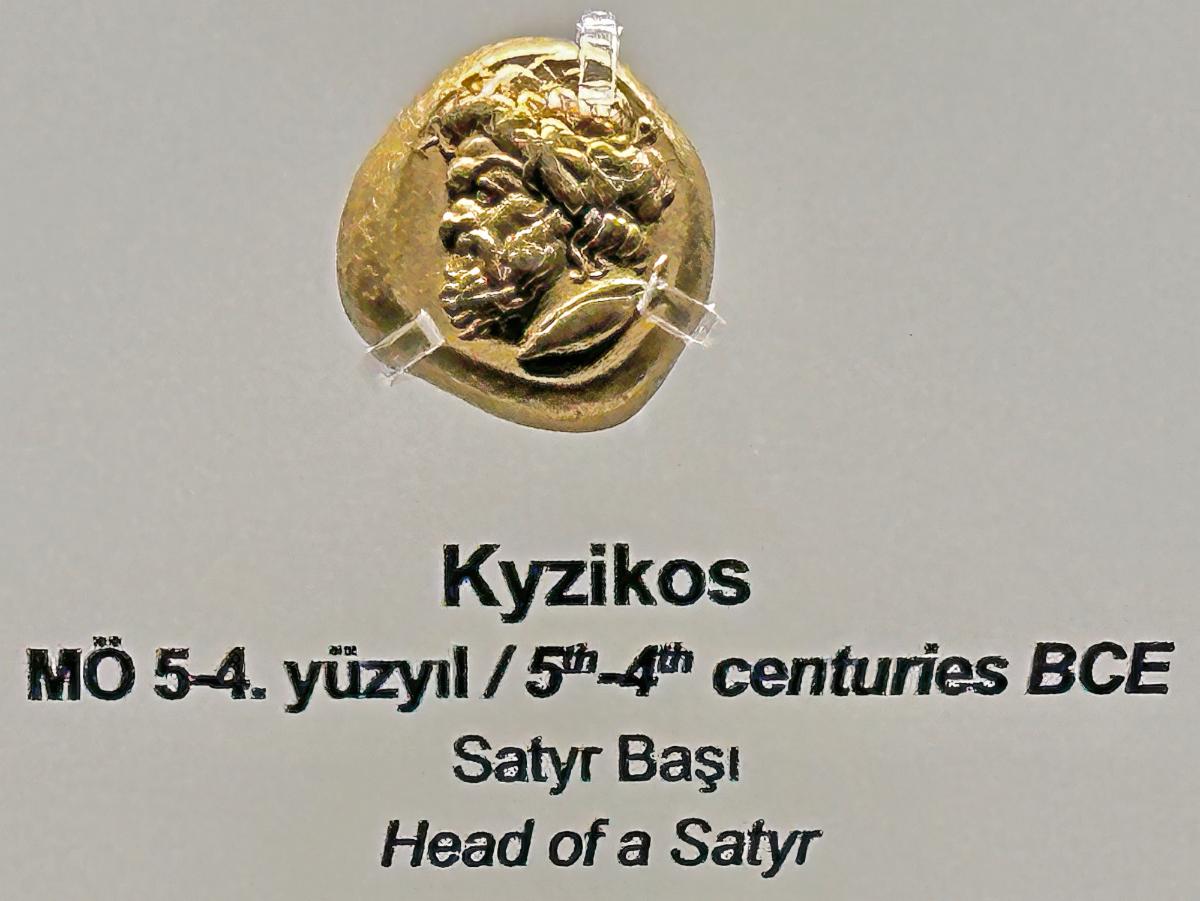
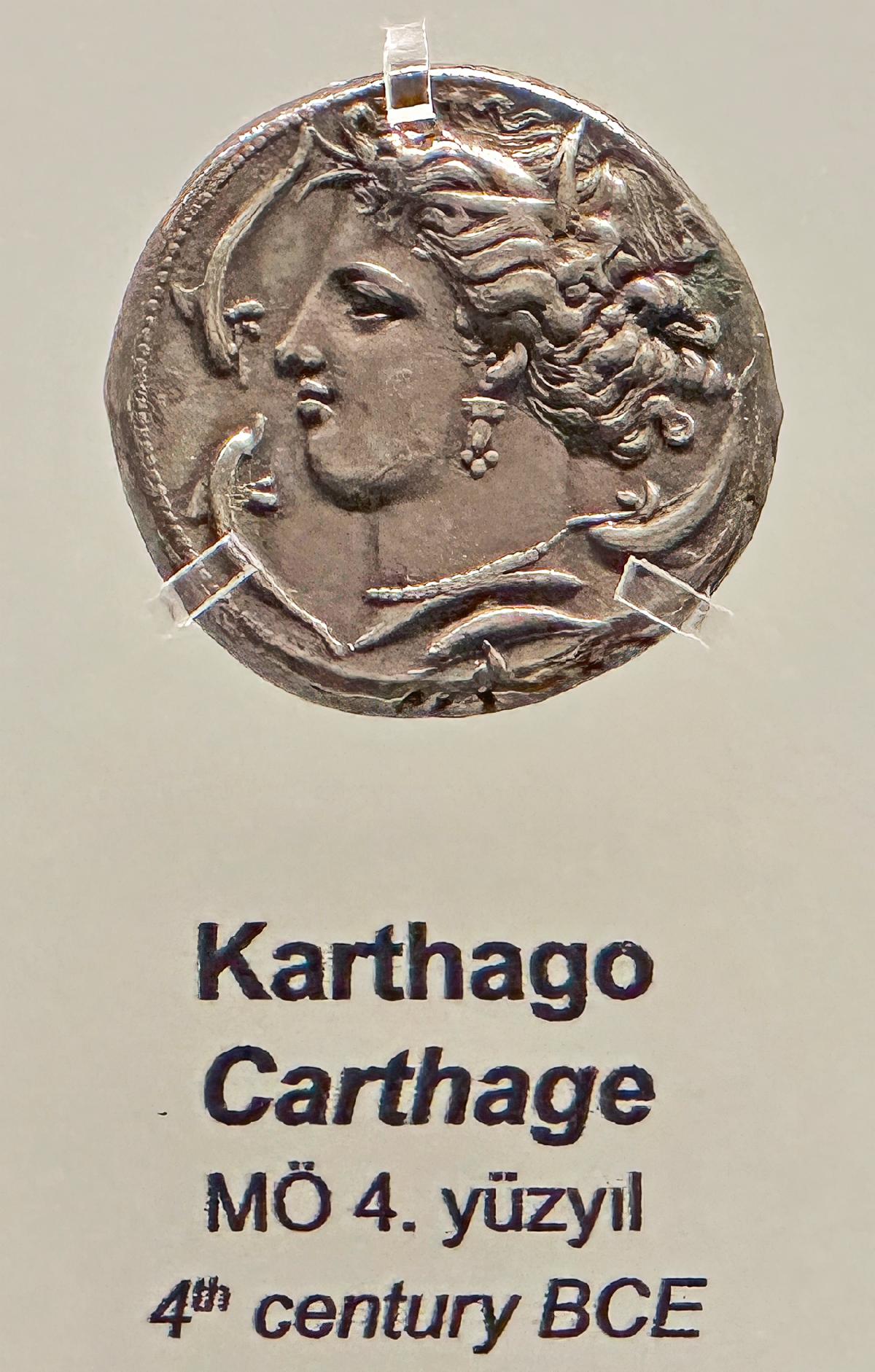
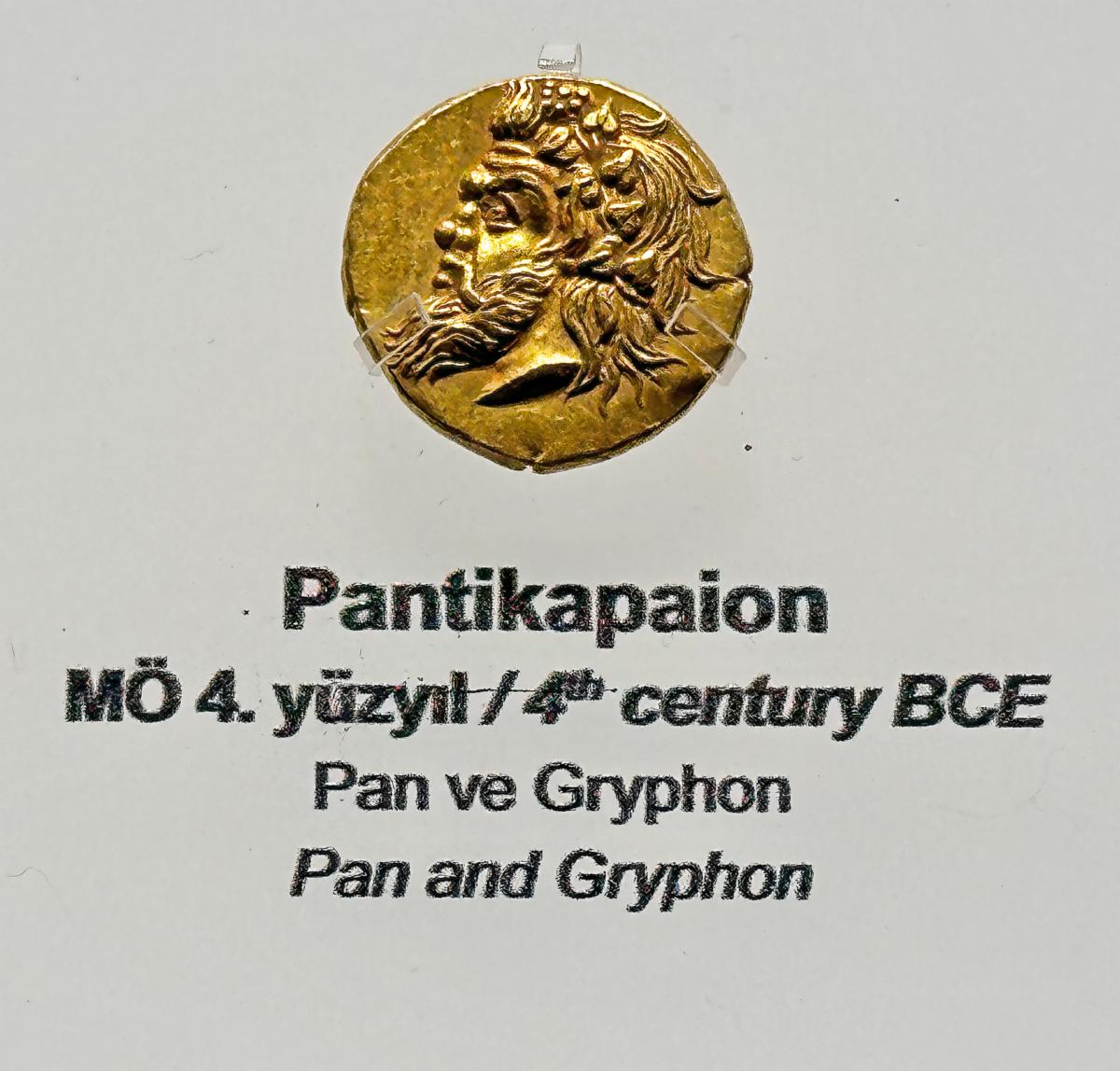
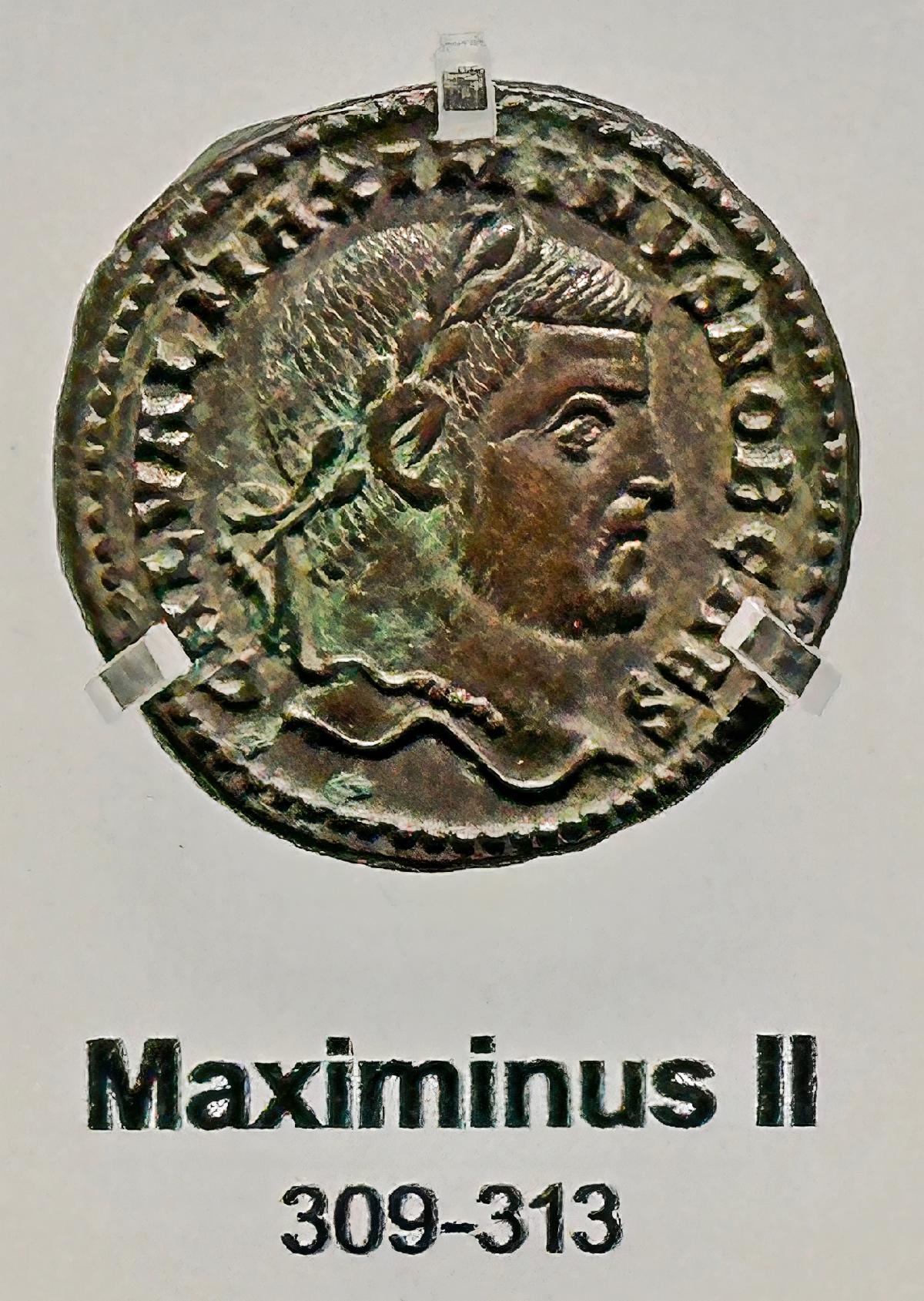
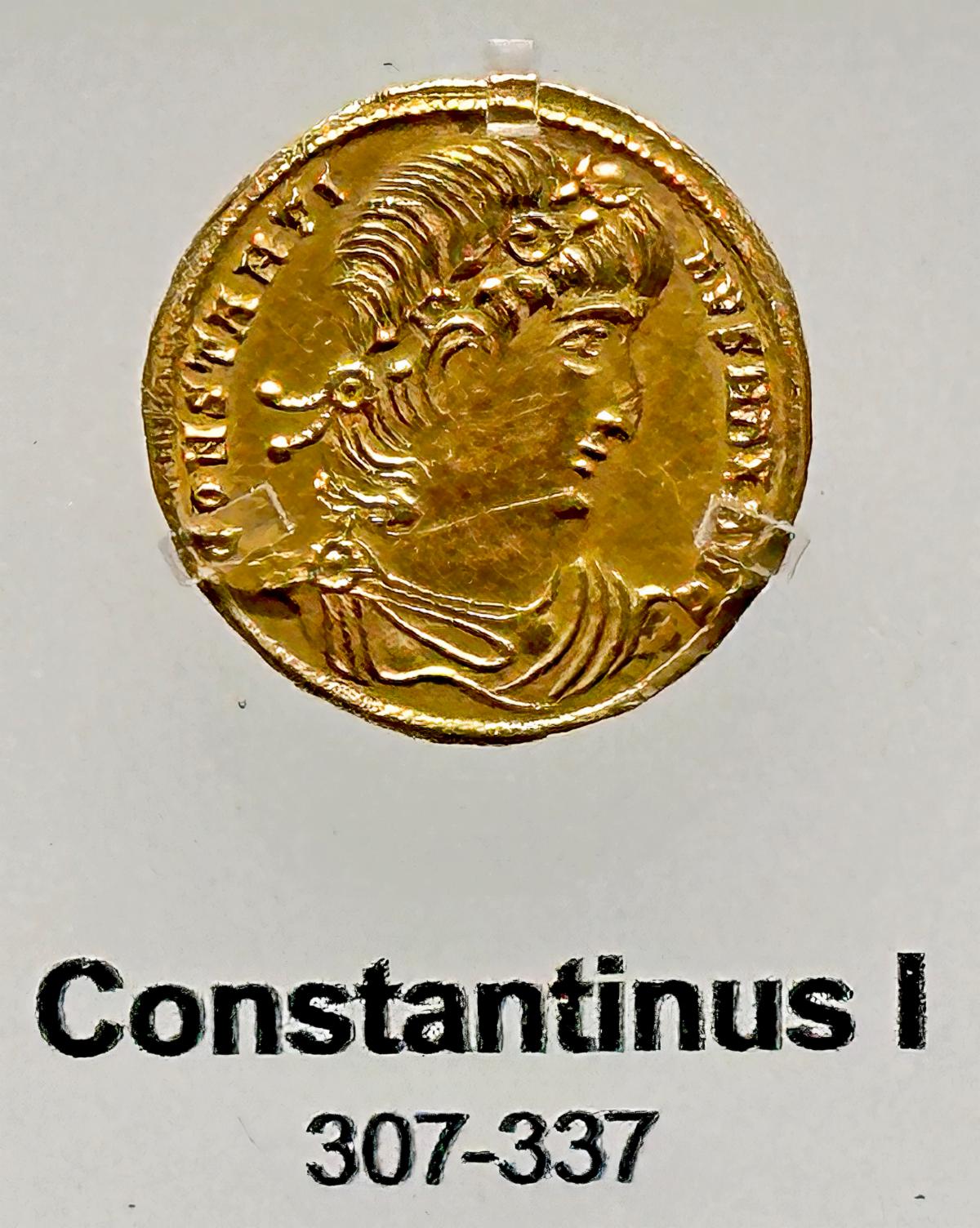
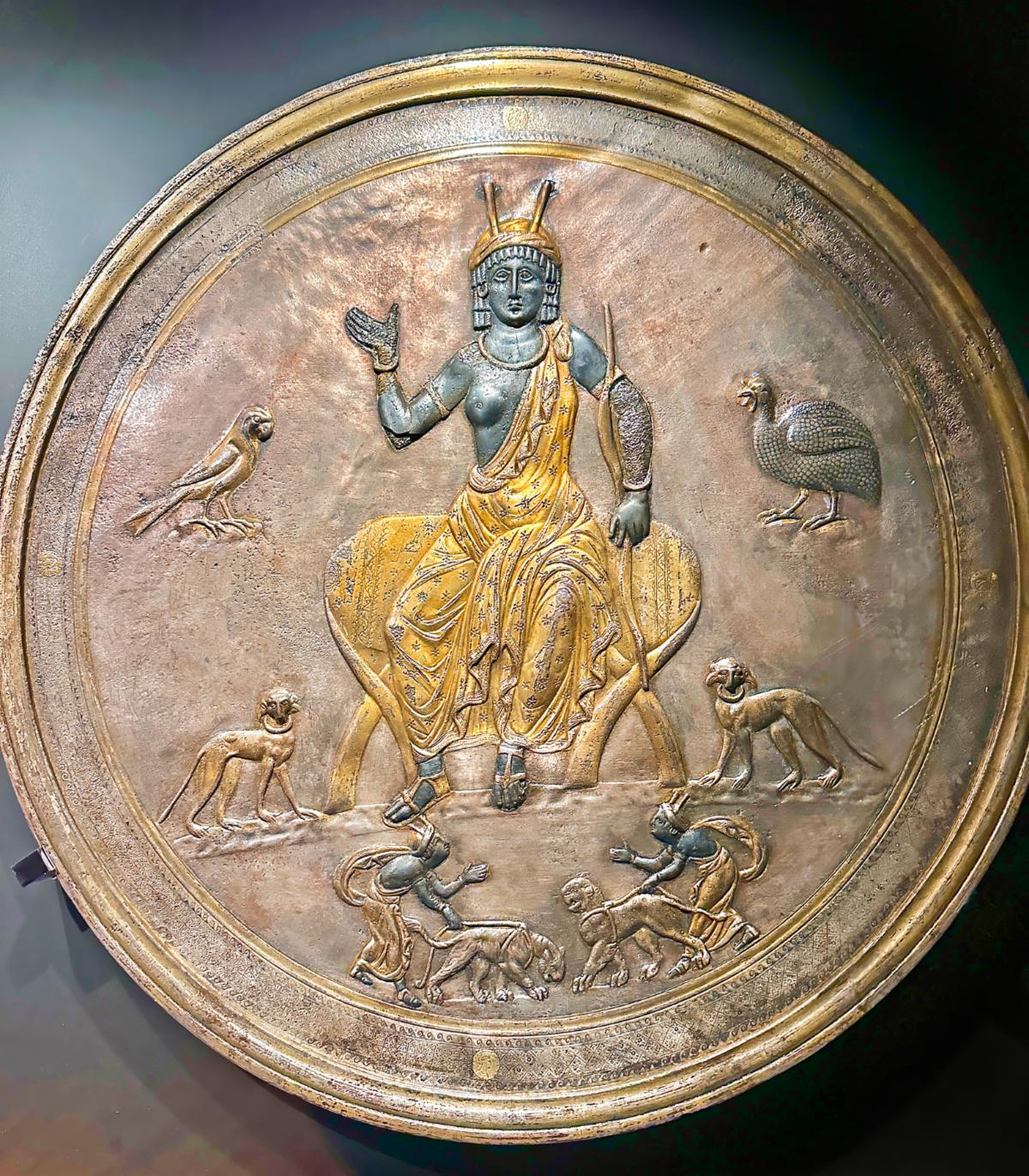
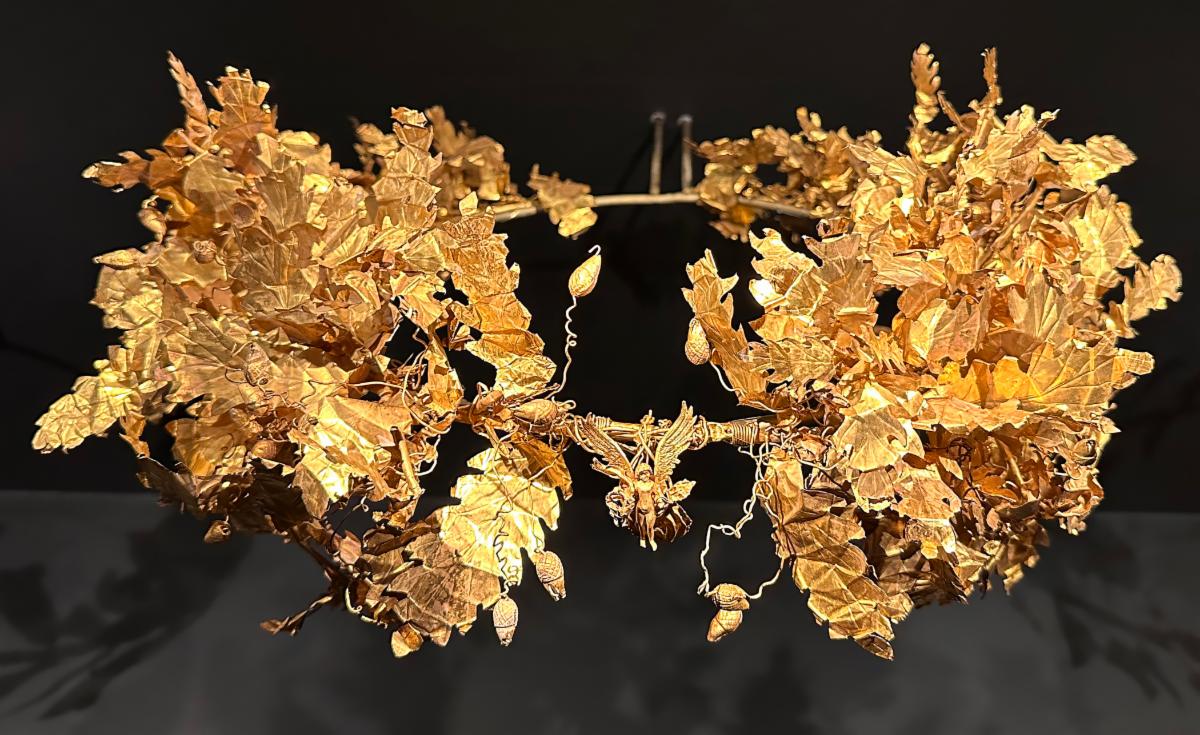
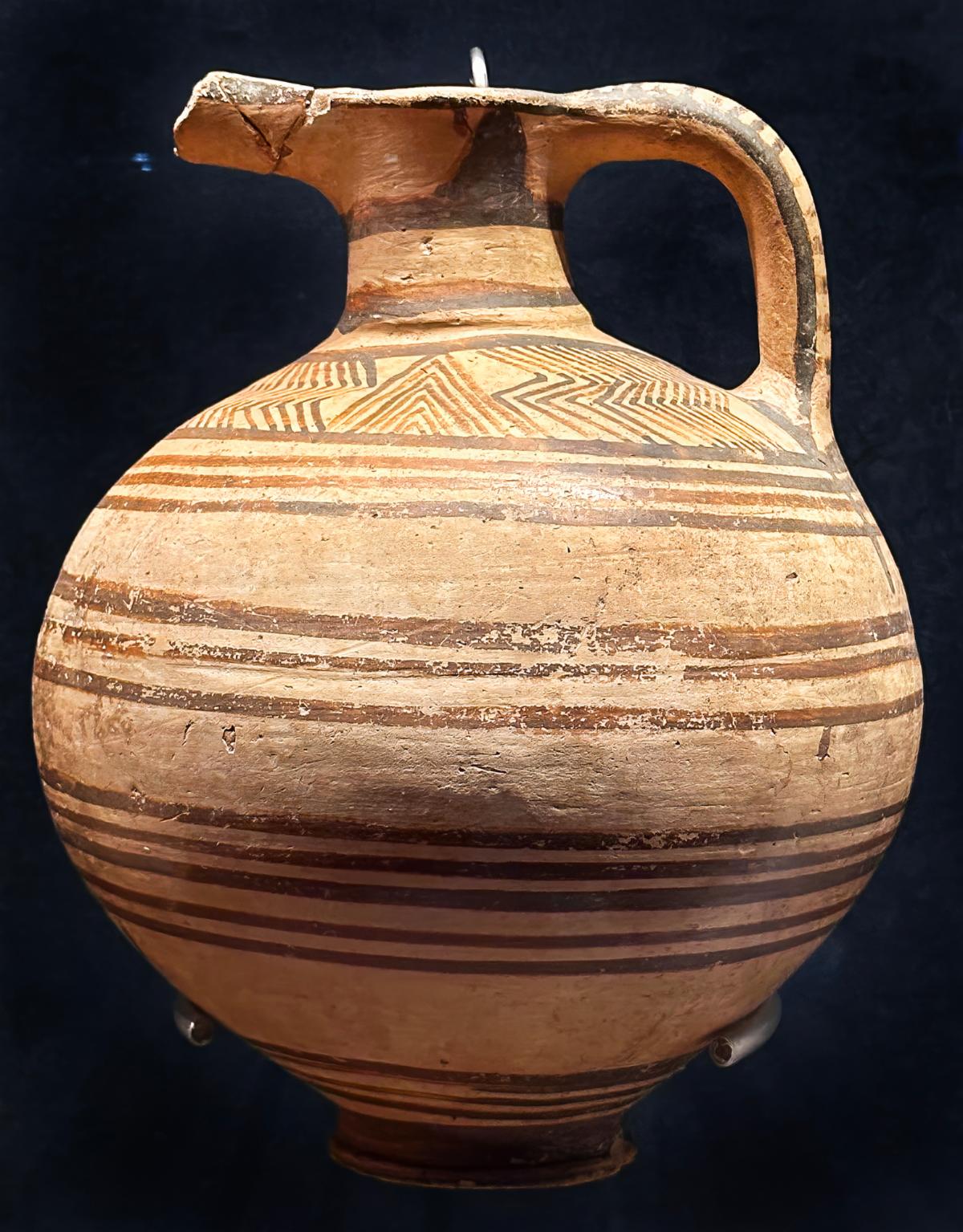
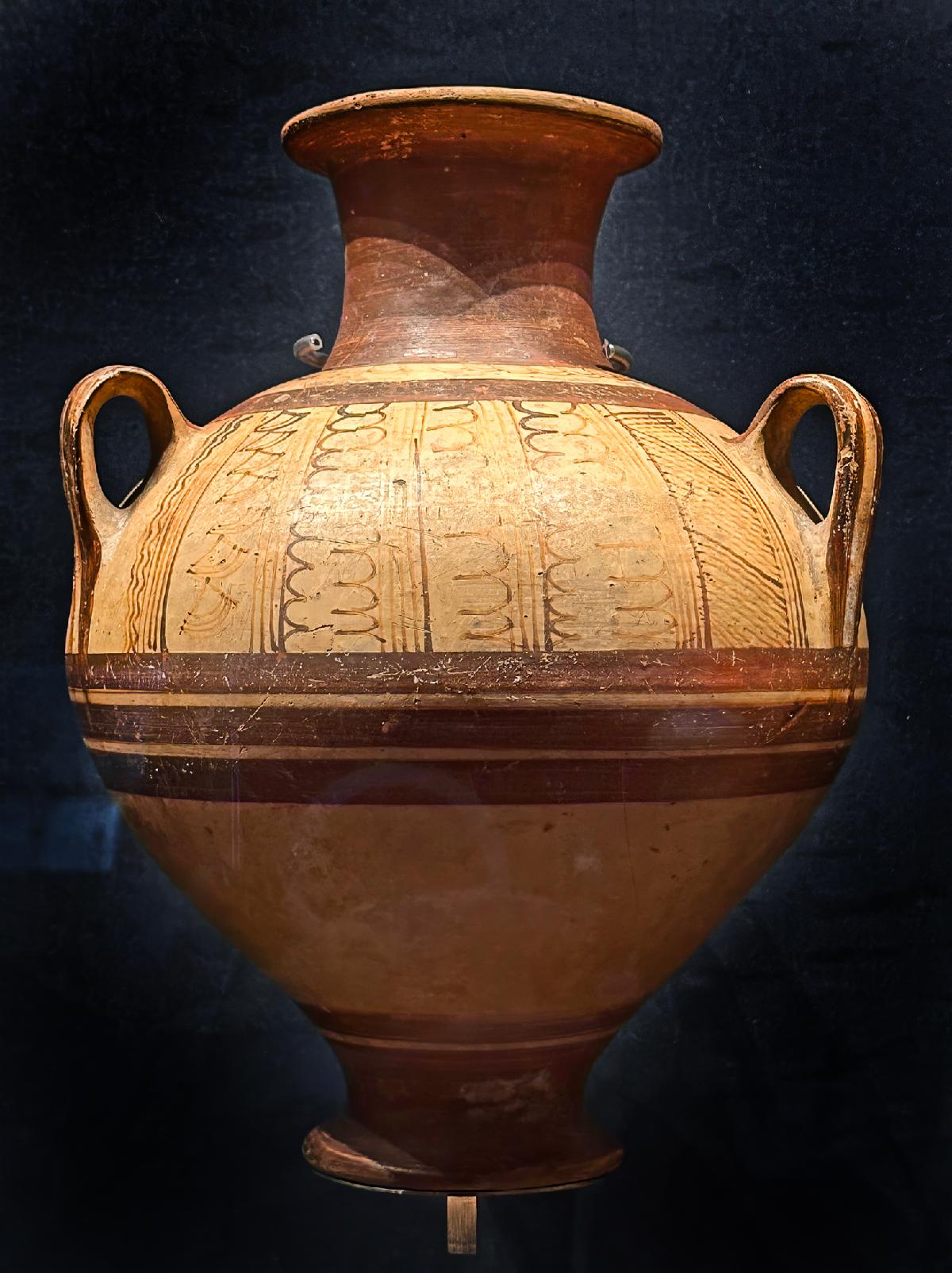
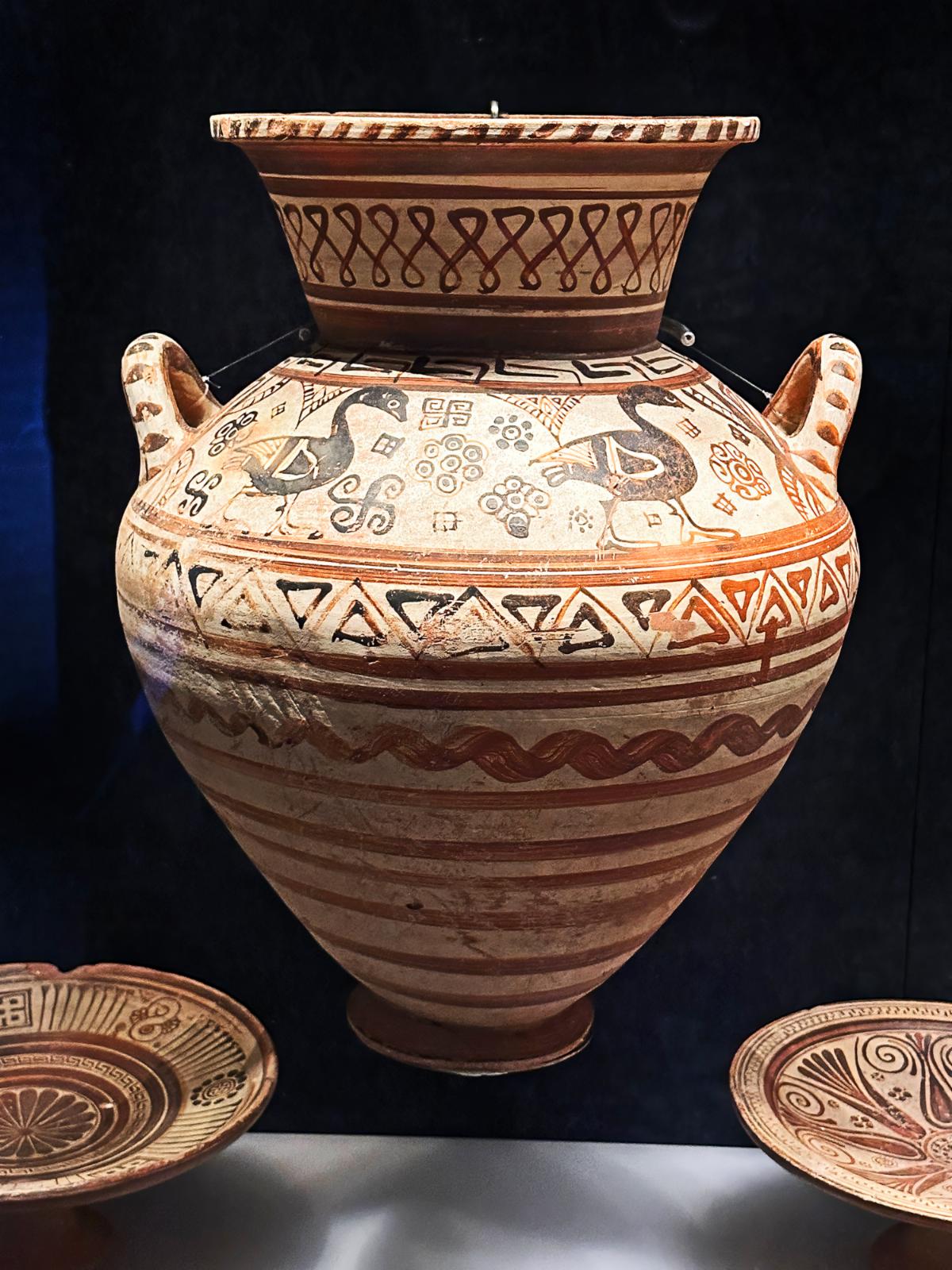
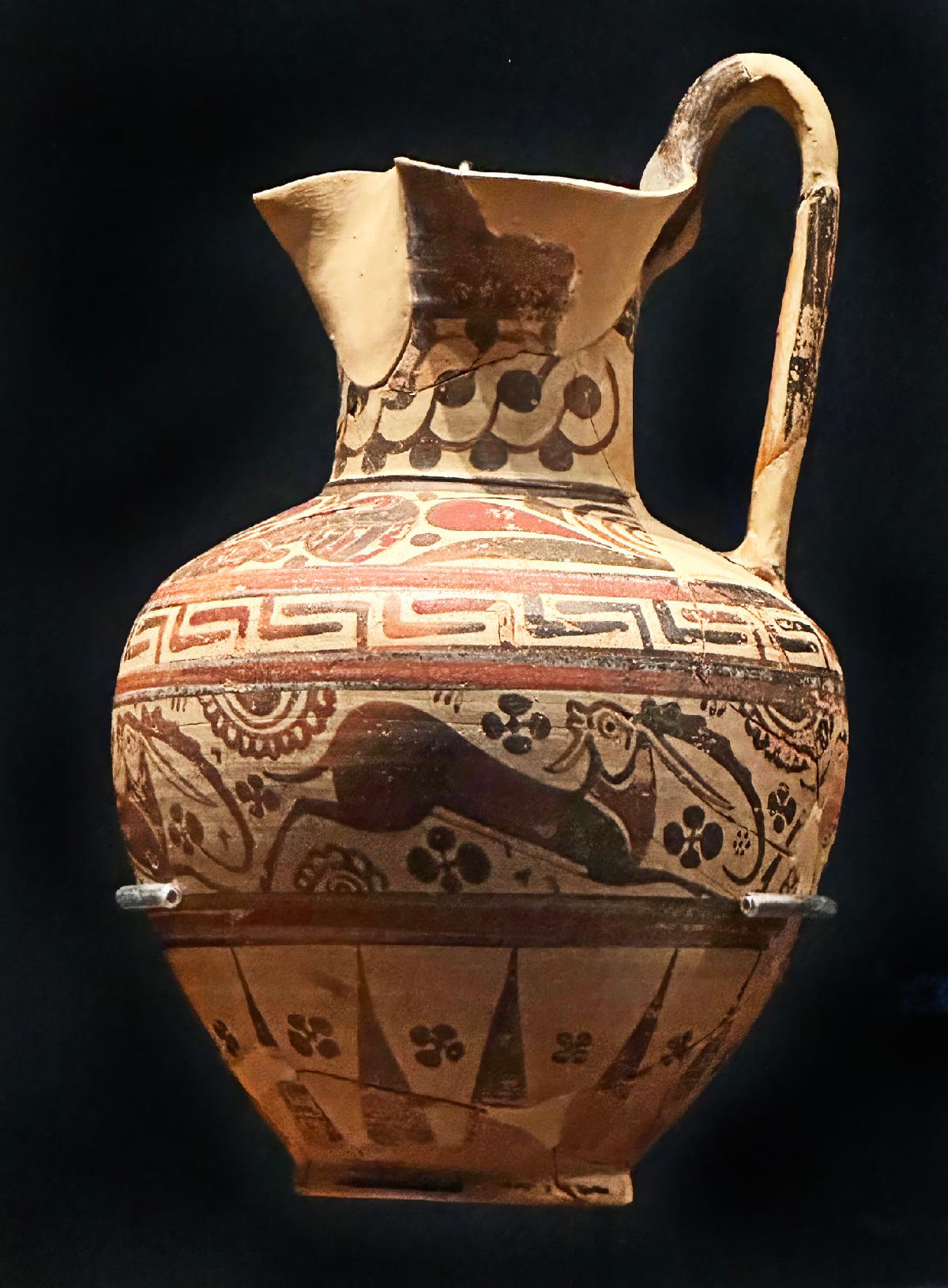
The museum was roughly divided into three areas. The first area housed Greek and Roman statues, busts, and sarcophagi. The detail and beauty of these figures were astounding. The second area was an extensive collection of coins and jewelry. Some of these items are from the 5th century BCE and are still in impressive condition. The third area housed pottery from as far back as the 15th century BCE. Thinking that humanity was firing up such beautifully painted pottery 3,500 years ago is mindblowing.
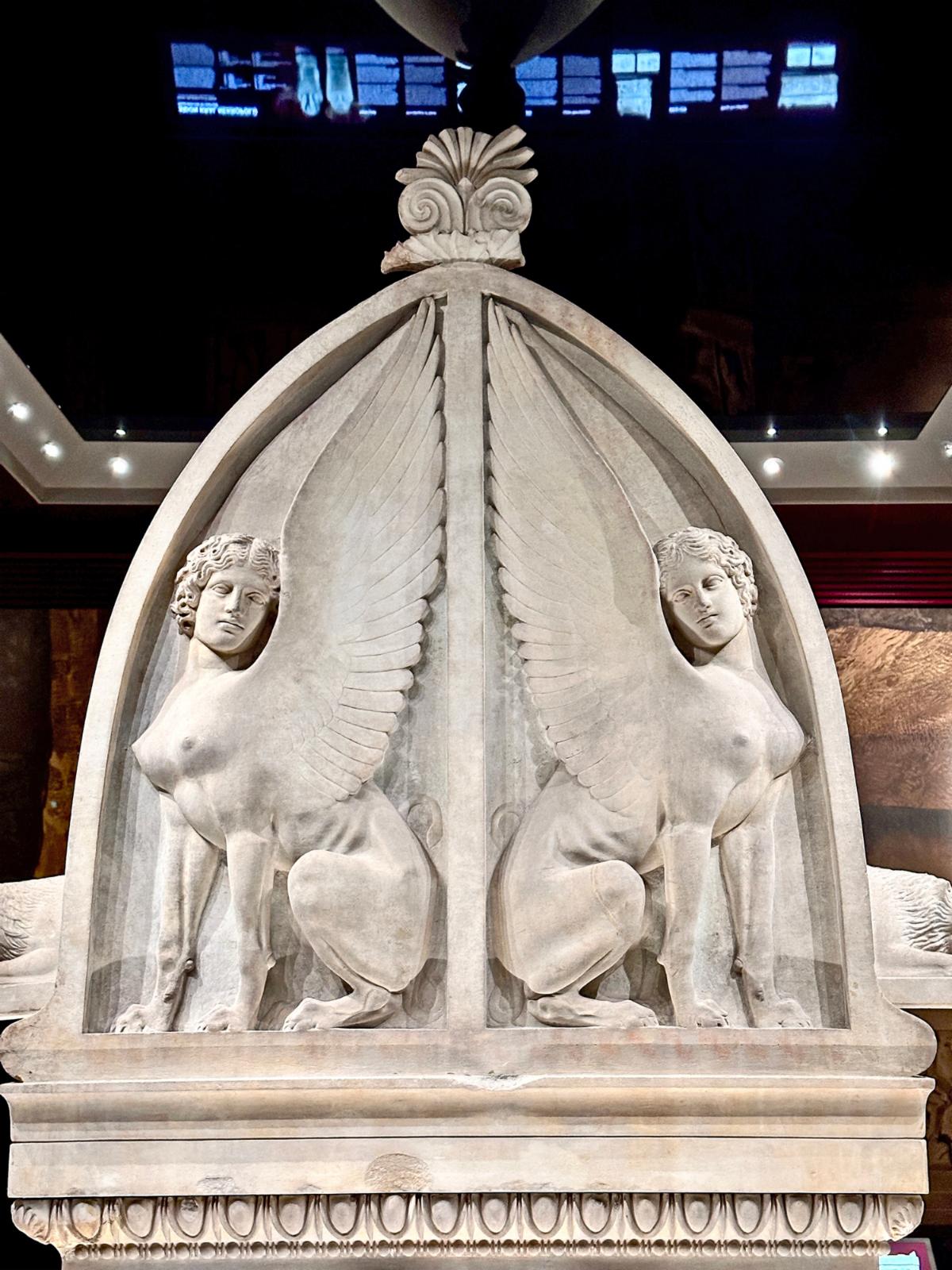
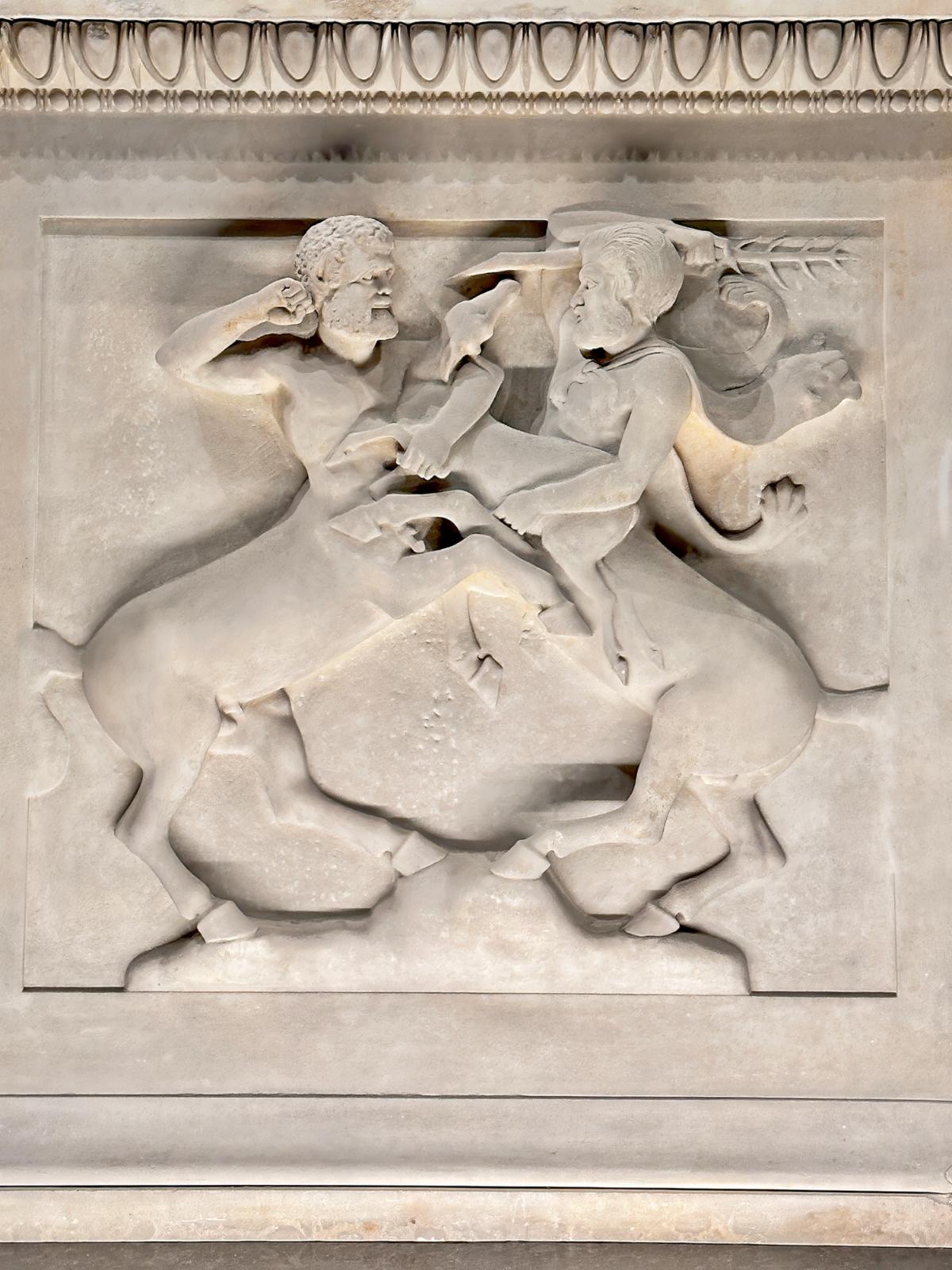
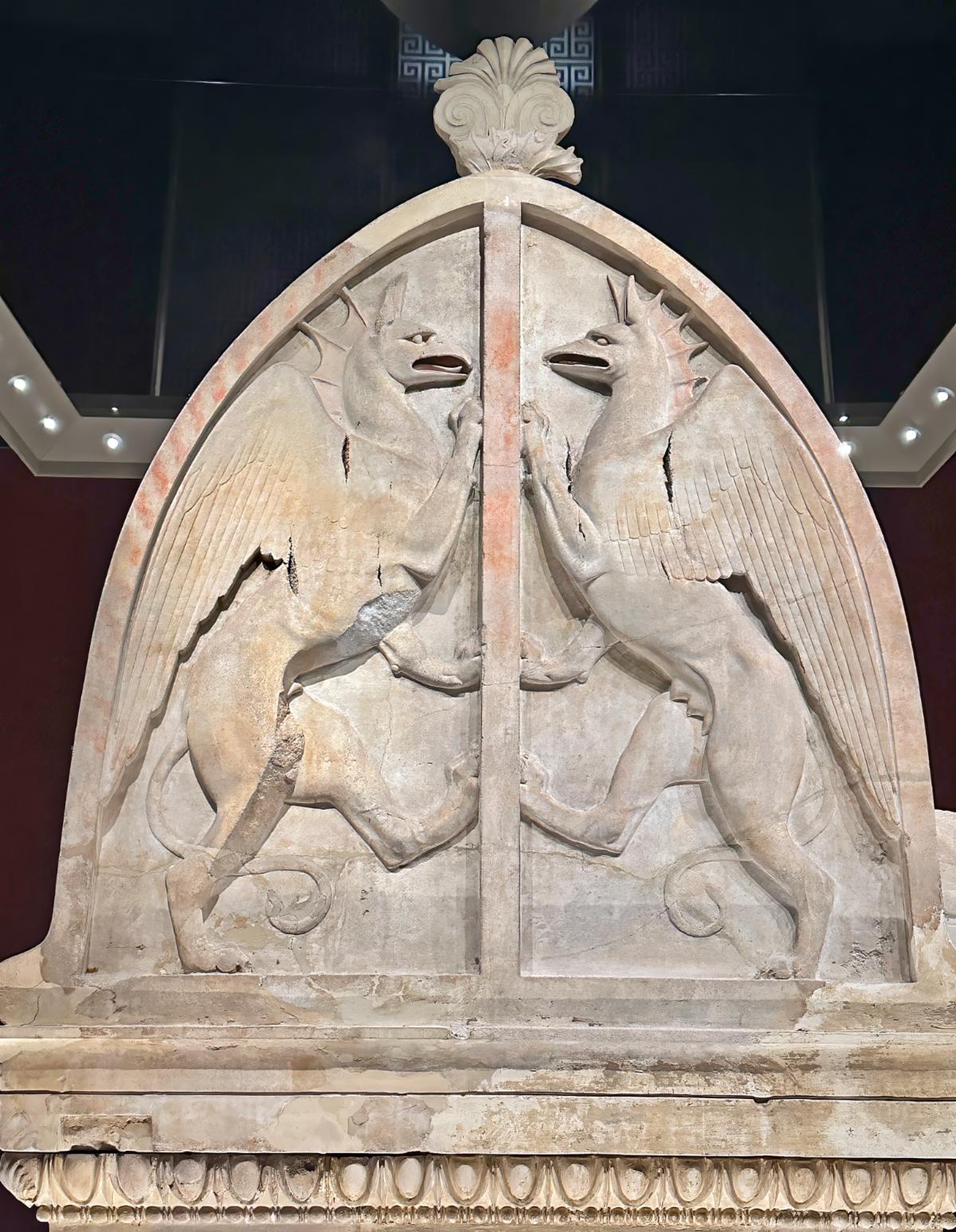
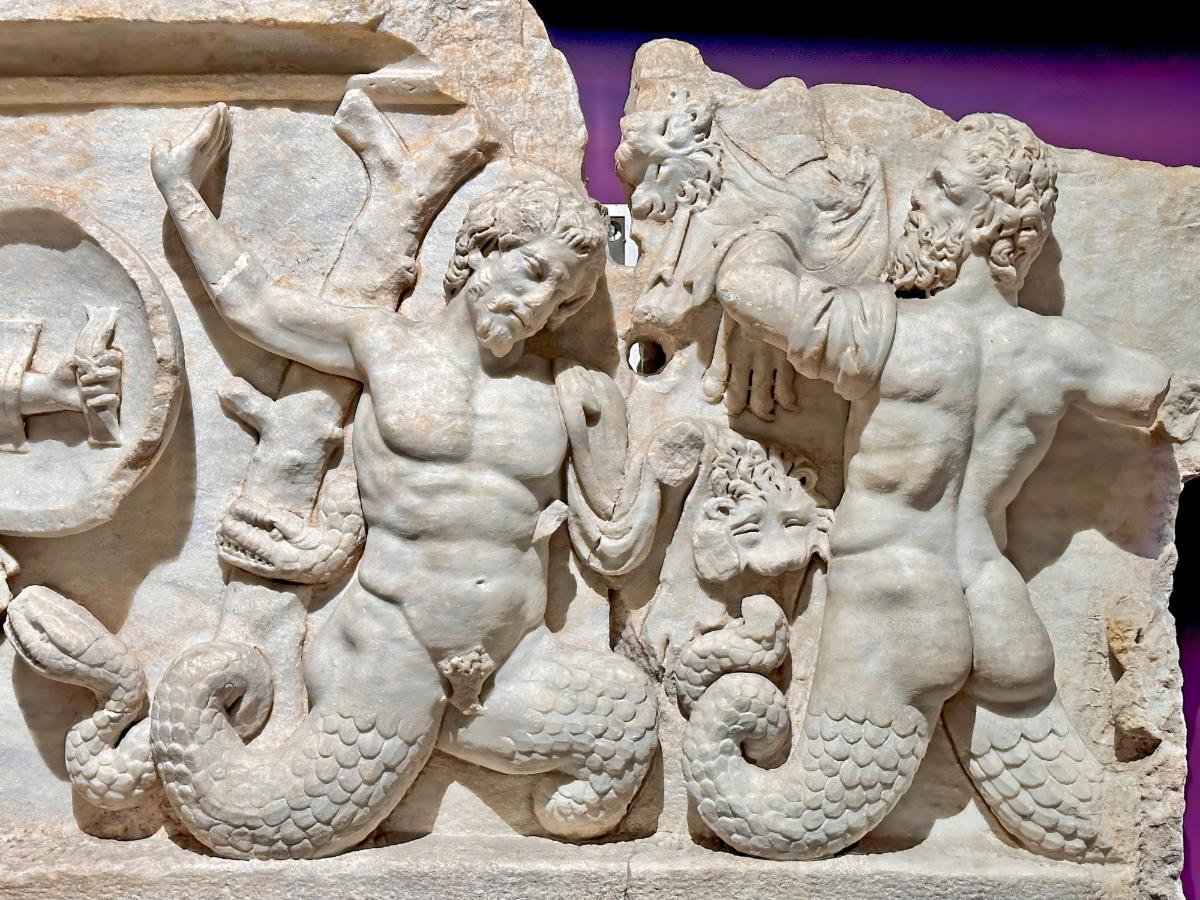
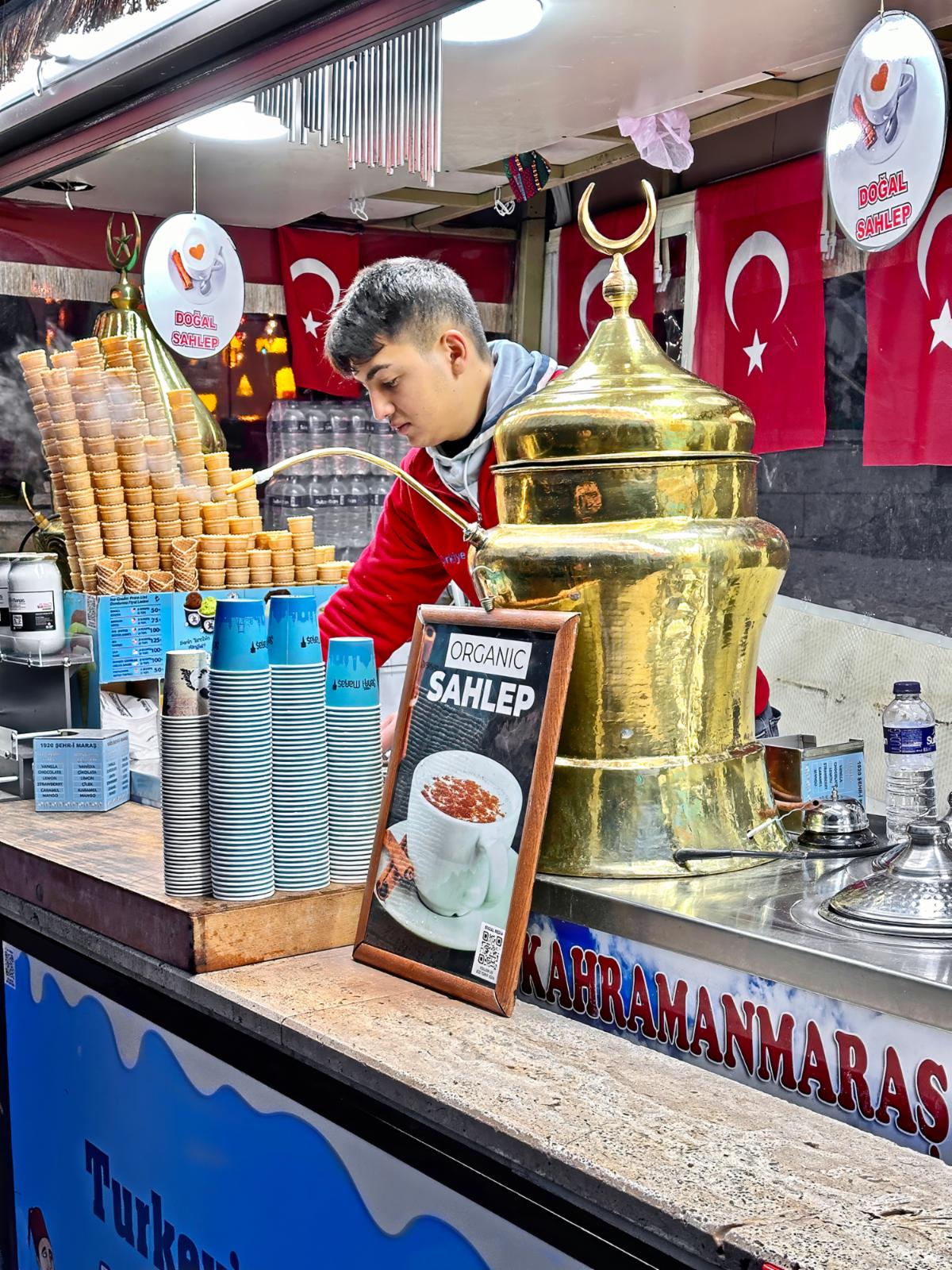
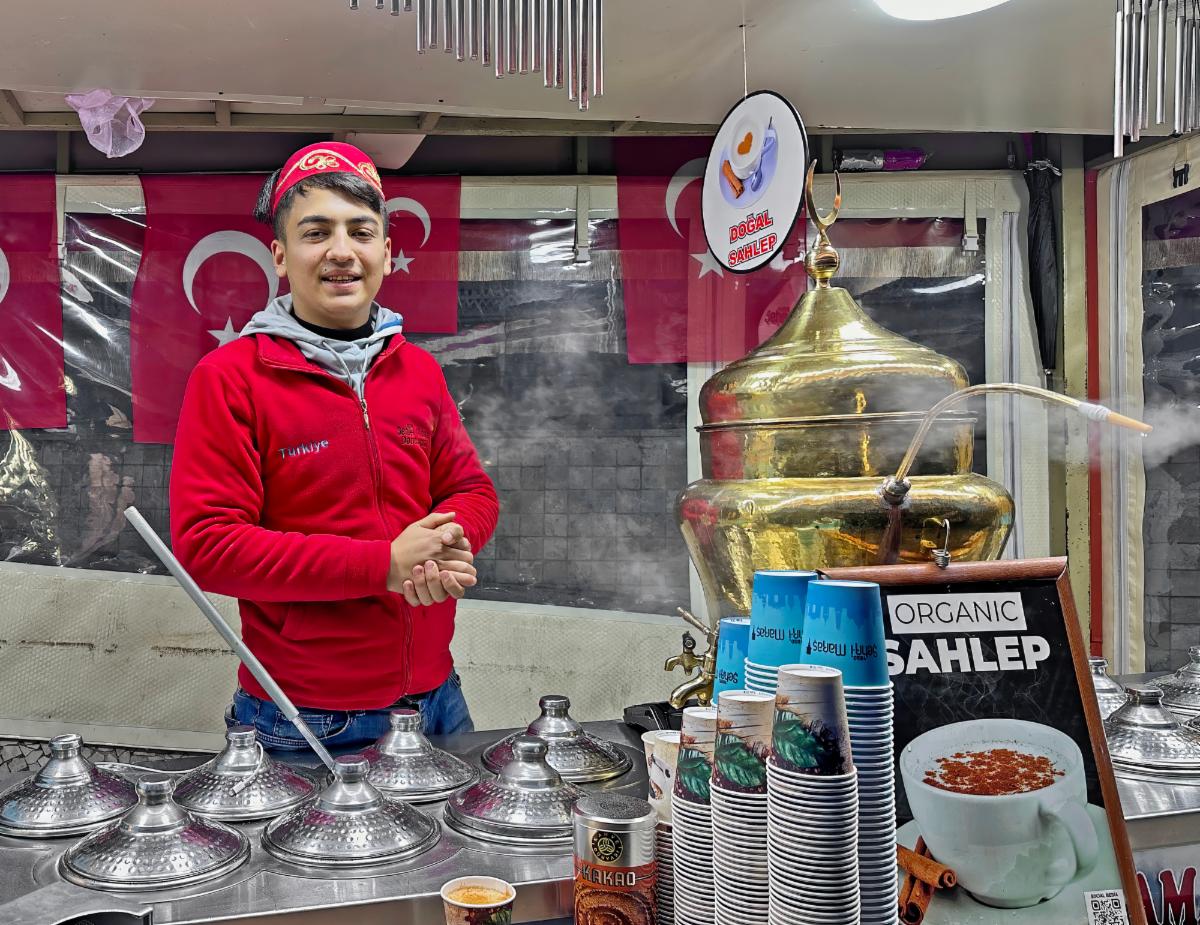
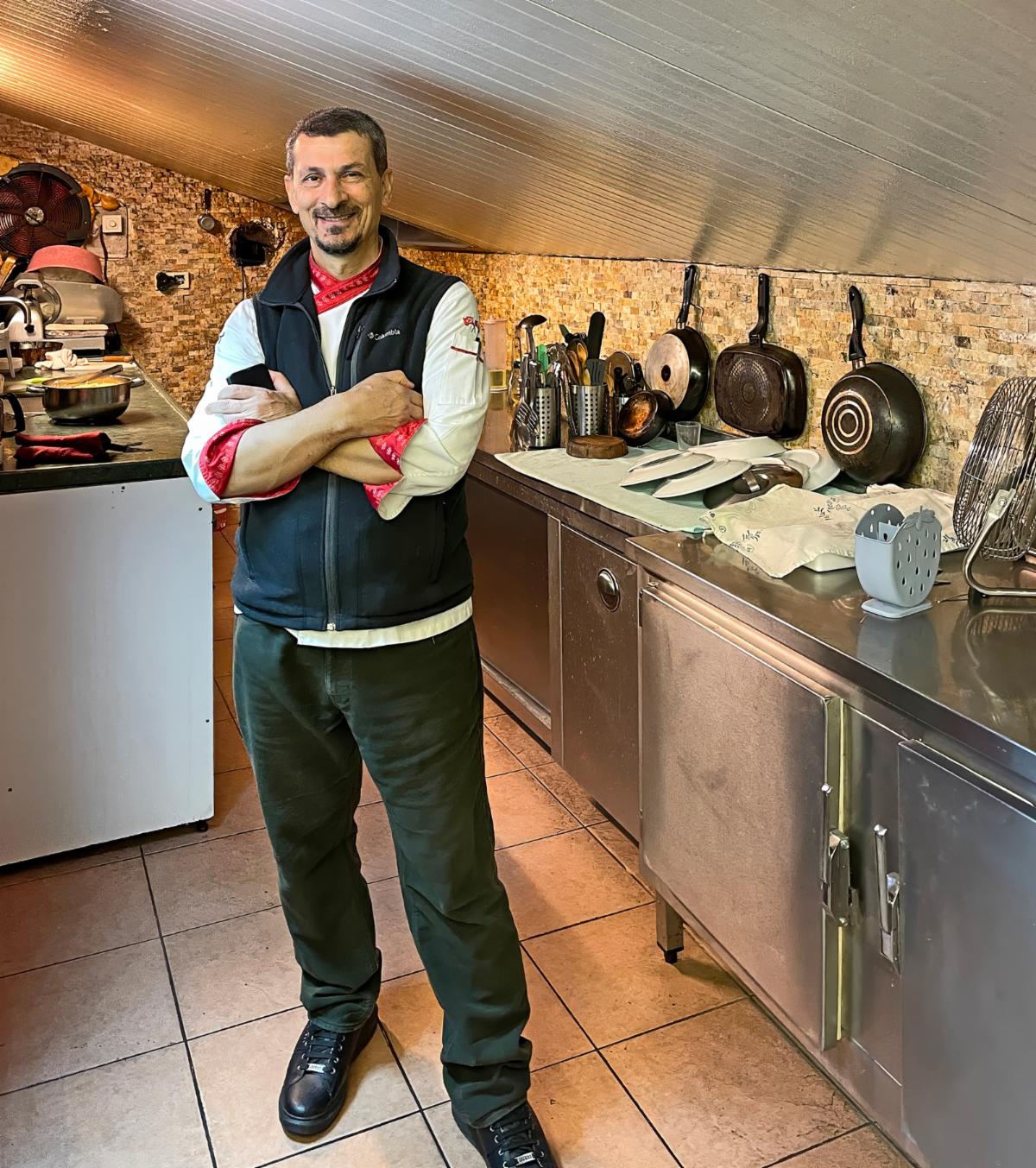
| 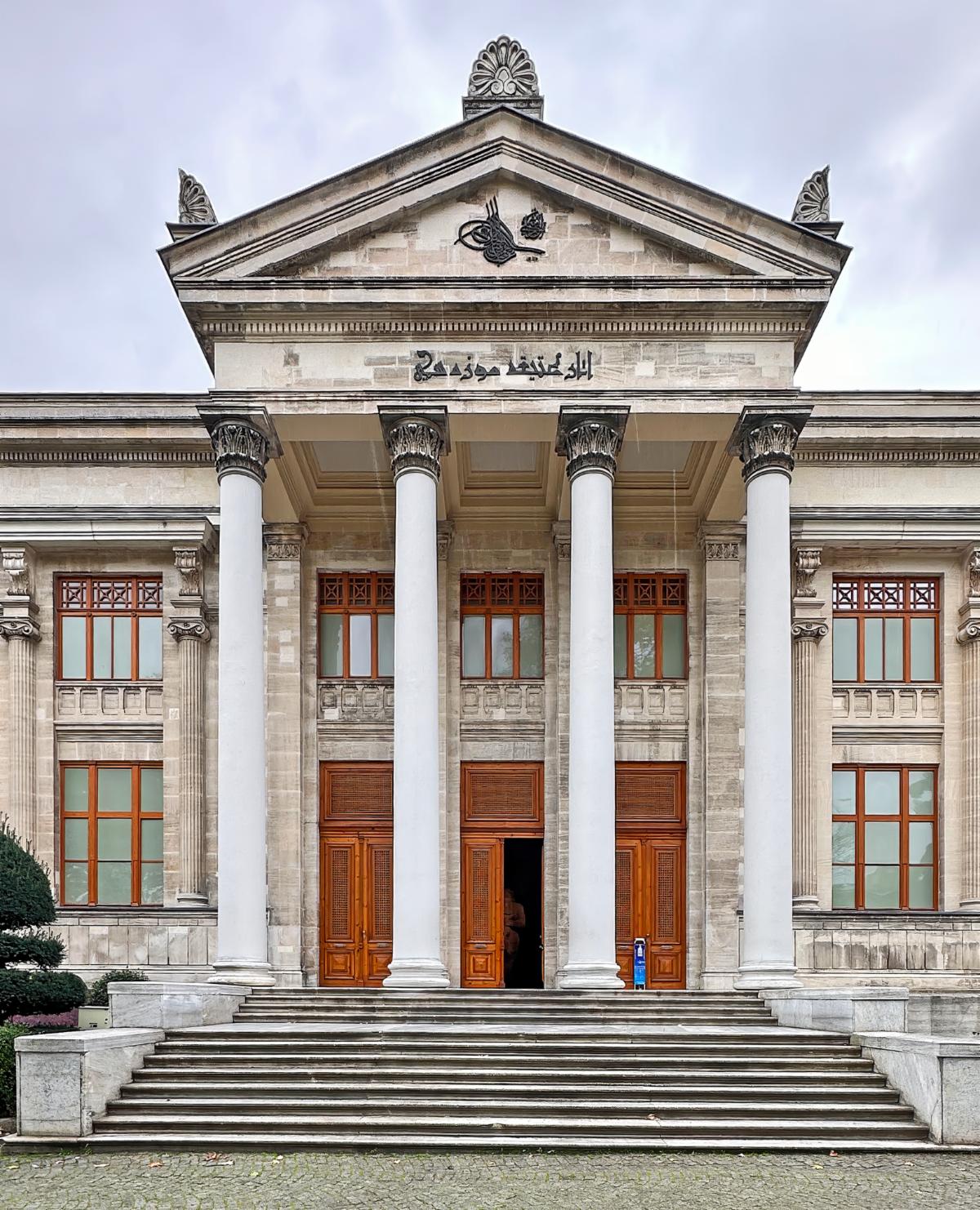 | The entrance to the Archeological Museum. | The exquisite statues and busts of the Museum. | The sarcophagi in the museum were spectacularly detailed. | How did they come up with these interesting creatures? I love the fighting horsemen. The winged lady animals were a little creepy. | Hmm, the guy on the left is lining up a punch while the guy on the right is lining up a sword thrust. I put my money on the sword guy. | Beautiful coinage up to 2,500 years ago. | A crown of golden leaves. | 15th century BCE - Greece. | 14th century BCE - Greece | We could only spend two hours in the museum before closing time. When we emerged, the rain had stopped. The streets shined as reflections of the city lighting melded together. On our way back to the hotel, we found a street vendor selling Sahlep, a hot beverage, and tried a cup. It is a milky drink with cinnamon. It is made with hot milk and sugar thickened with flour made from wild orchid tubers. It was delicious. Who would have thought of making flour from Orchid tubers? | Night scenes in Istanbul. | Above and below: We tried a cup of Sahlep (also spelled salep), a hot milky drink made from Orchids. It was delicious. | For supper, we decided to try the hotel cafeteria. We didn’t know most of the dishes offered, so we randomly, or nearly so, picked two dishes. Both were casseroles, and both were awesome. I can’t exactly say what they were, but I’d order them again if I stayed at the Agora Guesthouse again. | The chef at the Agora Guesthouse. | Even though our plane doesn’t leave tomorrow until 4 p.m., the forecast is for steady rain all day. I don’t think we’ll be able to do much more sightseeing tomorrow. | |
Dave and Wanda
Vaccines: Your ticket to safe world travels.
Virtual Business Card
North America. Europe. Mexico. Asia. Product Reviews. Books & Maps.
We are on an RVing adventure through Europe that could last as long as six months. Traveling with family, we will start in Germany and explore several countries. We are excited to explore all that Europe offers and share our travels with you through this blog.
Share if you know someone who would enjoy tagging along. Please join our email list if you haven't already done so. On the slightest whim, tap 'reply' to this email and drop us a line. We'll get back to you whether you need travel help, have ideas, or just want to say hello.
Please send us your thoughts and any errors we may have missed. We're on the road, and cellular service is intermittent in the remote areas. We are eager to read your messages as soon as we get online.
Message us: 715-252-6664 | 715-252-3326
Email: alloverthemaptravelventures@gmail.com
| | | | |