CONTROL IS AN ILLUSION...
Why do we resist that statement? I know I do.
It's because we all like to think, feel and experience having control. It gives us a sense of order & security. Control offers power and significance and keeps our fears at bay. It lessens the feelings of futility & chaos and promotes the belief that we can direct our lives and have a say in how things turn out.
Feeling in control can motivate us to take more responsibility. Such as when we get a diagnosis and change our health behaviors. It can also provide fuel to continue even when the chances of success are low. Like trying out for The Voice.
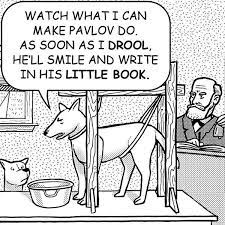
We feel better when we can do something that feels like it might have an effect - even if it doesn't. Ever push an elevator button more than once to speed up its arrival? Or throw dice harder to get better Yahtzee numbers?
Did you know that studies have shown that people tend to roll dice harder if they want a higher number and softer if they want a lower number? It's based on the urge to control a random event. Casinos bank on this false belief that human action can control the roll of the dice.
Yes, it's possible...
We absolutely can have control... some of the time...
Of 3 things...
Our thoughts, our feelings and the actions we do or do not take.
The rest? Well... not so much.
Take for example:
- other drivers, the weather, return policies
- how much homework your kids have
- other people - their attitudes, feelings, thoughts, decisions & actions
- our past results
The list goes on...
Situations where we have total control of the outcome aren’t all that common. The vast majority of situations, even the ones we think we control, we don't. We may have influence, but how often are we surprised or disappointed that the results weren't what we planned?
When this occurs, we are now under the spell of the "illusion of control". Under this spell we tend to overestimate our control and may miss important warning signals from the environment. We can also get in the habit of dwelling on past events, reliving moments and thinking about how it might have gone differently... if only we had... The truth is, we can't change what's already happened and we can't know that the outcome would have been different if we went back and changed our actions.
What we can do is learn and move forward.
Our degree of "Control Enthusiasm" is simply the level of energy we employ to control our lives and outside forces. When we are feeling a loss of control, we tend to grip tighter and try even harder to force things a certain way. The result is often frustration, alienation, stress and disappointment.
Shifting Control - Stay in Your Own Lane
If we choose to focus that energy on our own thoughts, feelings and actions, our success rate inevitably improves. We now have a way to effect real change in our lives.
When we are in emotional childhood, we believe that outside forces dictate how we feel. So, whether it's a person or a situation, we can only feel better if that person or situation changes. By giving control to this "villain", we disempower ourselves. For example, if Covid is the "villain", the only way to feel better is for the virus to go away. Pretty limiting.
What if there's another way to think about this that changes your feeling to serve you in a better way? If we change our thought, the meaning we attach, or even a belief, now the circumstance or thing doesn't need to change for us to feel better and take the action we want.
When we are in emotional adulthood, we understand how we think affects how we feel, which in turn affects how we choose to act.
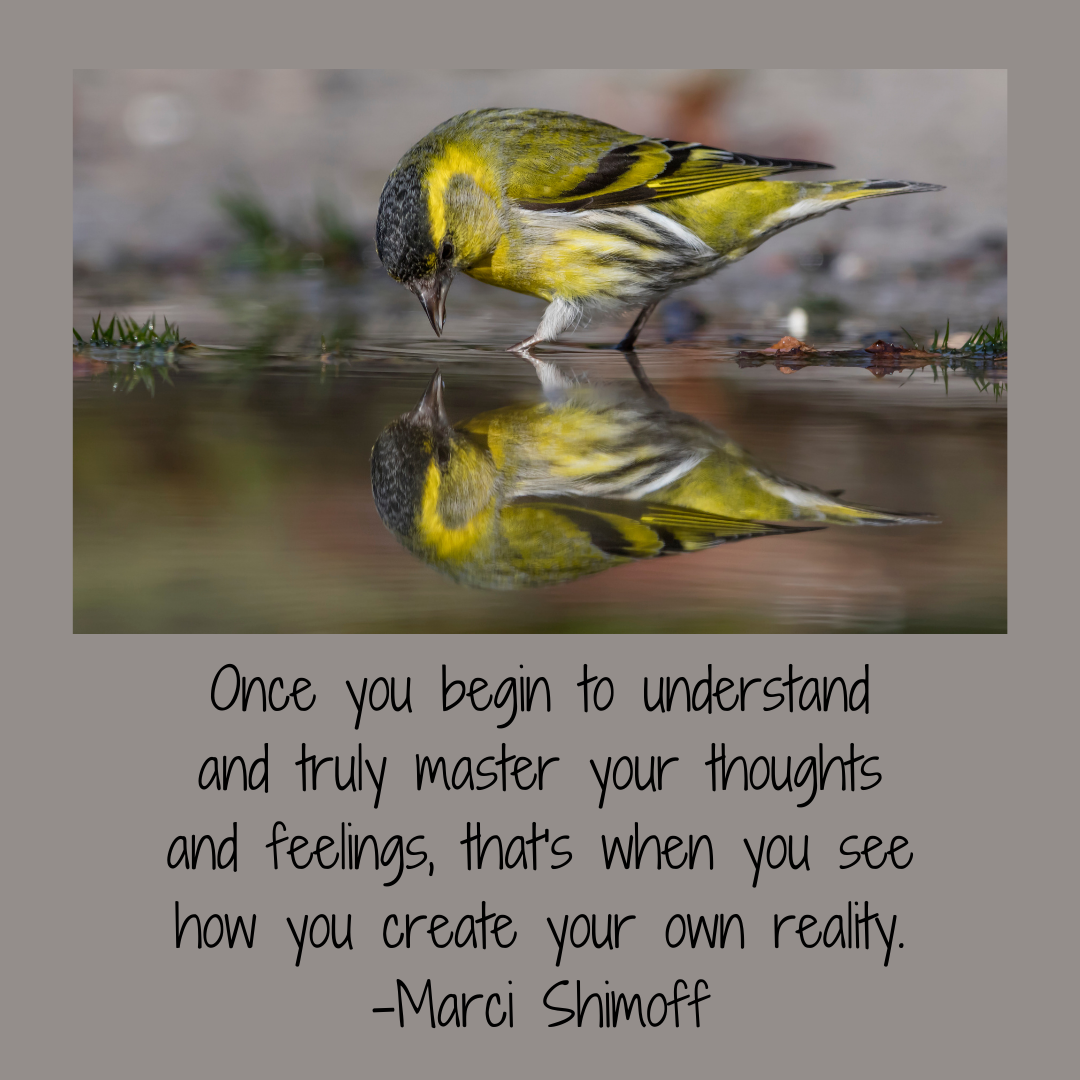
Consider this. You get to decide what you think. You decide what your interpretation is of what's going on around you.
Experiment
If...
- you want to curb your outward control
- you're feeling out of control
- you don't like how you feel
Try thinking differently:
- What am I thinking about this?
- What is in my control?
- Question what you believe to be true. Is this really true? How do I feel and how do I react when I believe this to be true?
- How else could I think about this that might also feel true?
- How do I want to be feeling?
- What thought would help me to feel that way?
- If I felt that way, what action would I choose?
Notice if this helps you to focus more on what you actually can control.
A good reminder:
If you are making an effort to take steps within your control - to try and influence a positive outcome – you have done as much as you can.
Let the rest go. Give yourself freedom. You'll be happier.