|
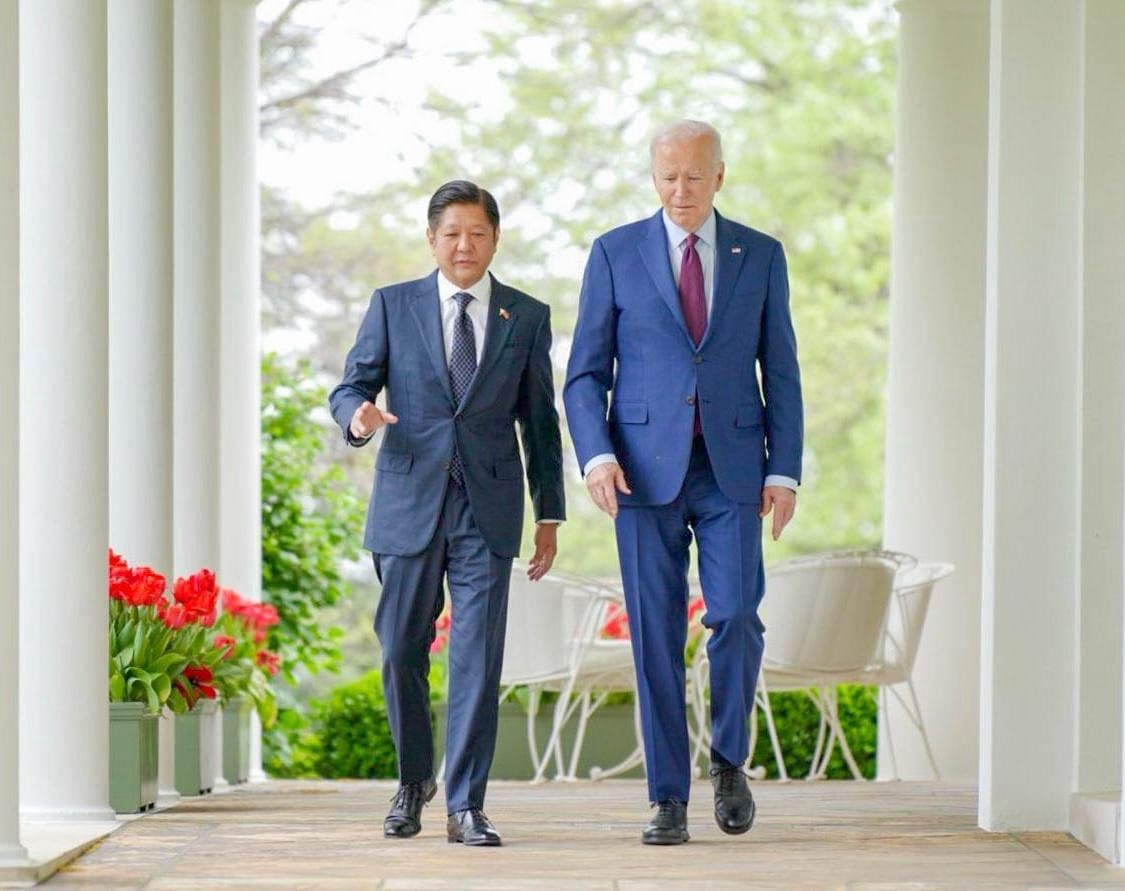
Today, President Joseph R. Biden welcomed President Ferdinand R. Marcos, Jr. of the Philippines back to the White House. The two Presidents marked the unprecedented strength of the Alliance between the United States and the Philippines and underscored the historic achievements in bilateral relations since they last met at the White House in May 2023. President Biden and President Marcos intend to continue the momentous investments into the special friendship between our two nations.
PROMOTING INCLUSIVE ECONOMIC GROWTH
The United States and the Philippines are working together to promote inclusive economic growth in both our countries, including through the Indo-Pacific Economic Framework for Prosperity (IPEF) launched in 2022. The two leaders celebrate significant achievements in our economic partnership:
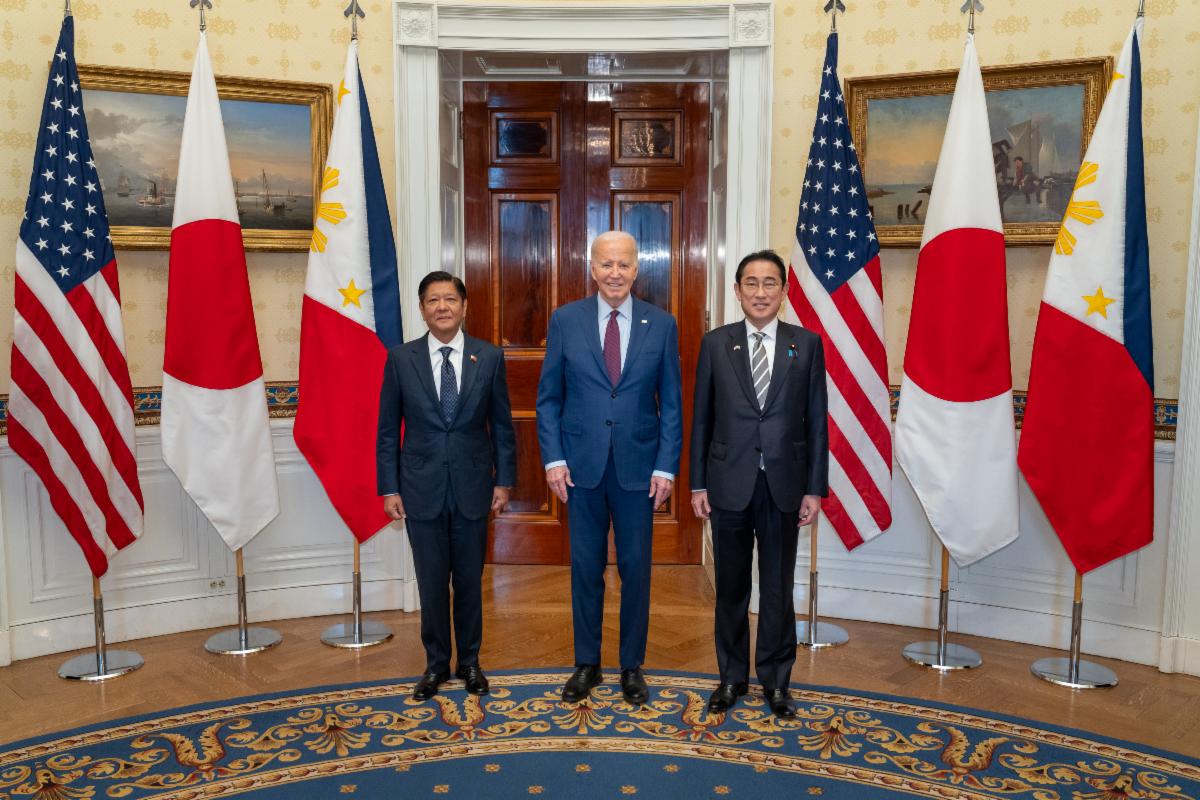
Investing in High-Quality Infrastructure: Japan, the Philippines, and the United States announced the first Partnership for Global Infrastructure and Investment (PGI) corridor in the Indo-Pacific—the Luzon Economic Corridor—which will support connectivity between Subic Bay, Clark, Manila, and Batangas in the Philippines. Through this corridor, part of the PGI-IPEF Investment Accelerator, Japan, the Philippines, and the United States commit to accelerating coordinated investments in high-impact infrastructure projects, including rail; ports modernization; clean energy and semiconductor supply chains and deployments; agribusiness; and civilian port upgrades at Subic Bay.
The U.S. Trade and Development Agency (USTDA) announced new activities that will leverage over $500 million from the public and private sector to develop high-quality infrastructure in the Philippines. These activities support renewable energy, smart grids, vessel traffic management system upgrades, customs and supply chain modernization, healthcare solutions, and aviation infrastructure. To further these and future efforts, USTDA opened a new office at the U.S. Embassy in Manila in early 2024.
The U.S. International Development Finance Corporation (DFC) is committed to mobilizing private sector investment in the Philippines, especially in priority sectors like infrastructure, critical minerals, and renewable energy. DFC to announce a new $20 million loan to promote affordable housing throughout the country, bringing DFC’s total commitments in the Philippines to $80 million. DFC also intends to open a regional office in the Philippines to facilitate further investment across the country.
Presidential Trade and Investment Mission: U.S. Secretary of Commerce Raimondo led a Presidential Trade and Investment Mission (PTIM) to Manila in March 2024. The delegation of 22 U.S. companies and organizations highlighted more than $1 billion in combined investments that promote the Philippines’ innovation economy, clean energy transition, and supply chain resilience.
Indo-Pacific Business Forum: The United States and the Philippines will co-host the Indo-Pacific Business Forum (IPBF) in Manila on May 21, 2024. The IPBF is the U.S. government’s premier business event in the Indo-Pacific region and will include over 500 senior business executives and government officials from across the region, supporting infrastructure in the region’s emerging economies and highlighting the economic ties that have contributed to prosperity and interconnectedness in the Indo-Pacific.
Semiconductors Cooperation: In November 2023, the United States began a new partnership with the Philippines to explore opportunities to grow and diversify the global semiconductor ecosystem under the International Technology Security and Innovation (ITSI) Fund, created by the CHIPS Act of 2022. The United States has since partnered with the Organization for Economic Cooperation and Development to conduct a comprehensive assessment of the Philippines’ existing semiconductor ecosystem, as well as with Arizona State University to bolster workforce capacity and create a pipeline of new talent for the semiconductor sector in the Philippines.
Critical Minerals: USTDA is supporting a grant to Eramen Minerals Inc. to develop an ore-to-nickel and cobalt processing plant for the production of critical minerals that are key elements in the supply chain for batteries and energy storage systems. The State Department, under its Energy and Mineral Governance Program, provides technical assistance on nickel sector policy considerations, copper commercialization, fiscal regime development, and environmental and data management of the Philippine critical minerals sector. In addition, $5 million in USAID programming is helping to improve the Philippine business environment and governance standards to facilitate investments in minerals processing and other downstream industries.
Support from U.S. Industry: Private sector investment is a key element to promote economic development and growth in the Philippines. Our two countries are enhancing economic and commercial ties and welcome recent private sector investments in the Philippines to include:
Meta’s announcement of its investment in the Pacific Light Cable Network international submarine cable system intends to support the Philippine government’s new National Fiber Backbone Phase 1. This project would connect the United States with locations on the Philippine island of Luzon, the most populous island and home to Manila. The National Fiber Backbone Phase 1 is estimated to be launched on April 19, 2024 and is planned to be one of the longest direct cable systems in the world, strengthening the digital connection between the United States and the Philippines.
United Parcel Service (UPS), a PTIM participant, announced in March that it had agreed with the Luzon International Premiere Airport Development Corporation to expand its operations at Clark International Airport in the Philippines. The move is expected to strengthen UPS’ portfolio of integrated express, supply chain, and healthcare logistics services, enhancing time in transit and improving service reliability. Construction of the new Clark hub is expected to begin in February 2025, and it is expected to be operational in late 2026.
GreenFire Energy, Inc., a geothermal energy systems developer and PTIM participant, is implementing a letter of intent signed in February 2024 to supply Philippine steel company SteelAsia with geothermal power from GreenFire’s projects in the Philippines.
Astranis, which builds telecommunications satellites, plans to launch a communications satellite in summer 2024. The company’s Philippines-based partner, Orbits Corp, plans to use the satellite to bring digital connectivity to rural and remote sites across the Philippines. Astranis is building, testing, and readying the satellite—named AGILA, for the Philippine national bird—for its summer launch on a SpaceX Falcon 9 rocket.
READ MORE: US-Philippines Alliance - Clean Energy, Security Cooperation, People-to-People Ties
|