Percutaneous adhesiolysis has faced multiple issues related to coverage in the past few years. Initially, Noridian issued a noncoverage decision, followed by Palmetto issuing an experimental procedure decision.
Since then, we have incorporated into discussions on epidural LCD. While it was discussed in epidural LCD, it was not issued in the final consideration. We continued our efforts for coverage of this procedure and general consensus was that they all will be covering as any other Medicare services in the absence of a particular policy. We continue to face questions with Palmetto and Noridian.
After many years of advocacy, we have finally succeeded in getting coverage for this important procedure in all states, including all Palmetto and Noridian states in the United States.
We are very grateful to the Multijurisdictional Committee that convened considering epidural injections on 2/11/2021 for considering percutaneous adhesiolysis. We are also grateful to the Medical Directors of Palmetto and Noridian MACs for their prompt response.
It is crucial to perform these procedures based on appropriate indications and medical necessity. ASIPP epidural guidelines show the evidence basis, as well as indications and medical necessity, in addition to numerous other systematic reviews and randomized controlled trials.
|
|
ASIPP is preparing a letter requesting changes in inclusion criteria, assessment, number of procedures.
We have tried about 3 procedures per year, but it’s getting tighter!
Let’s hope we will prevail!
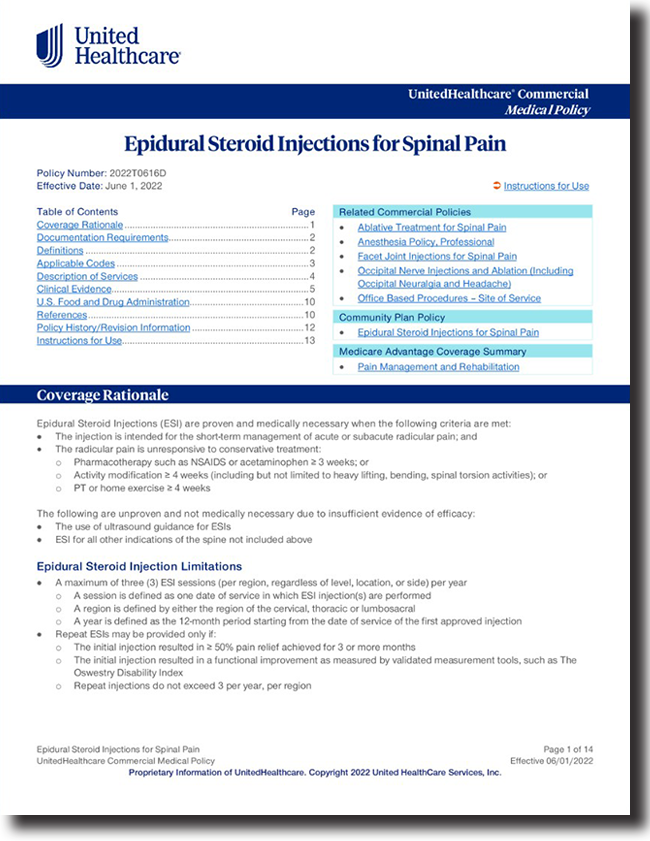
Effective date 06/01/2022: United Health care Epidural injection policy has been updated as follows
Frequency: A maximum of three (3) ESI sessions (per region, regardless of level, location, or side) per year
- A session is defined as one date of service in which ESI injection(s) are performed
- A region is defined by either the region of the cervical, thoracic or lumbosacral
- A year is defined as the 12-month period starting from the date of service of the first approved injection
|
|
Scientists from the University of Michigan found that around the world, 43 percent of those infected with COVID-19 experienced post-COVID conditions.
The research is published in the Journal of Infectious Disease and was conducted by Bhramar Mukherjee et al.
The World Health Organization offered a clinical case definition of post-COVID conditions in October 2021 as mid-and long-term symptoms occurring in individuals after COVID-19 infection, also known as long COVID.
|
|
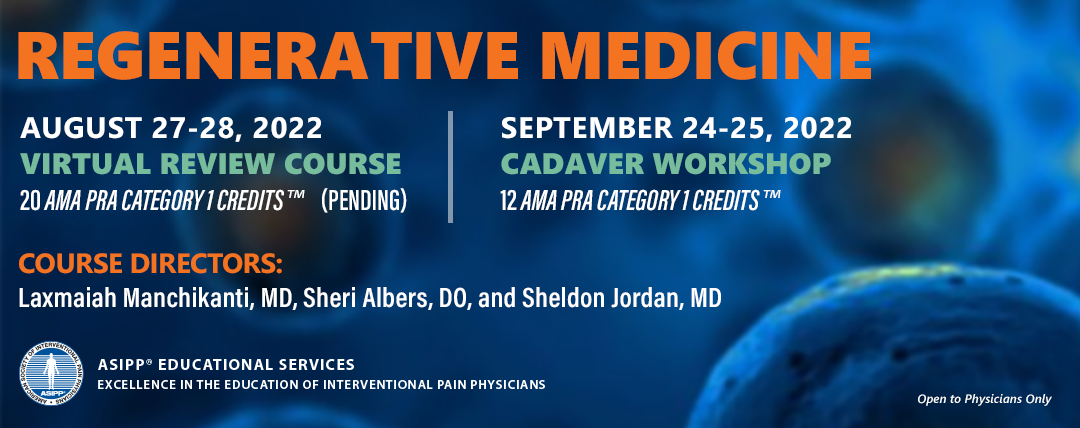
NEXT EXAM DATES:
Part I
June 18, July 30, August 27, September 17, October 22, November 19 & December 17
Part II
September 23
|
|
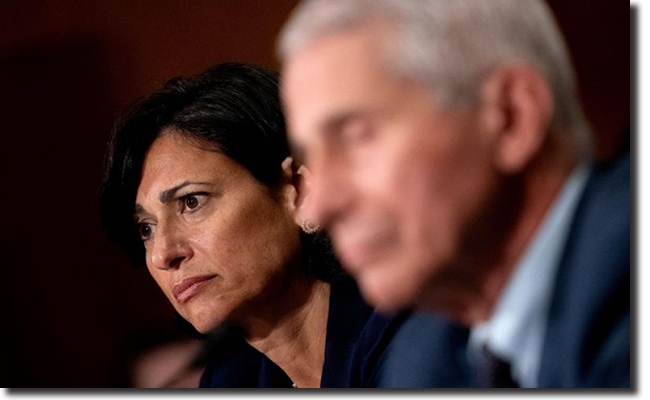
People don't trust the CDC. Here's one example illustrating why. Two weeks ago, with no outcomes data on COVID-19 booster shots for 5-to-11-year-olds, the Centers for Disease Control (CDC) vigorously recommended the booster for all 24 million American children in that age group. The CDC cited a small Pfizer study of 140 children that showed boosters elevated their antibody levels—an outcome known to be transitory.
When that study concluded, a Pfizer spokesperson said it did not determine the efficacy of the booster in the 5-to-11-year-olds. But that didn't matter to the CDC. Seemingly hoping for a different answer, the agency put the matter before its own kangaroo court of curated experts, the Advisory Committee on Immunization Practices (ACIP).
I listened to the meeting, and couldn't believe what I heard. At times, the committee members sounded like a group of marketing executives. Dr. Beth Bell of the University of Washington said "what we really need to do is to be as consistent and clear and simple as possible," pointing out that the committee needed "a consistent recommendation which is simple."
|
|
Clinicians must be open to reversing tapers that fail, editorialists argue
For patients receiving long-term opioid therapy, dose tapering was linked with higher rates of overdose, withdrawal, and mental health crises out to 2 years, a claims-based study found.
In the analysis of nearly 20,000 patients who experienced opioid tapering from 2008 to 2017, these dose reductions were associated with a 57% higher rate of overdose or withdrawal in the 1 to 2 years following the start of tapering (adjusted incidence rate ratio [aIRR] 1.57, 95% CI 1.42-1.74) versus the pre-taper period, according to researchers led by Joshua Fenton, MD, MPH, of the University of California Davis in Sacramento.
The team also found a 40% higher rate of overdose specifically during the tapering or so-called postinduction period (aIRR 1.40, 95% CI 1.22-1.61) and a 52% higher rate of mental health crisis (aIRR 1.52, 95% CI 1.35-1.71).
|
|
Independent experts say benefits of vaccination outweigh the risks
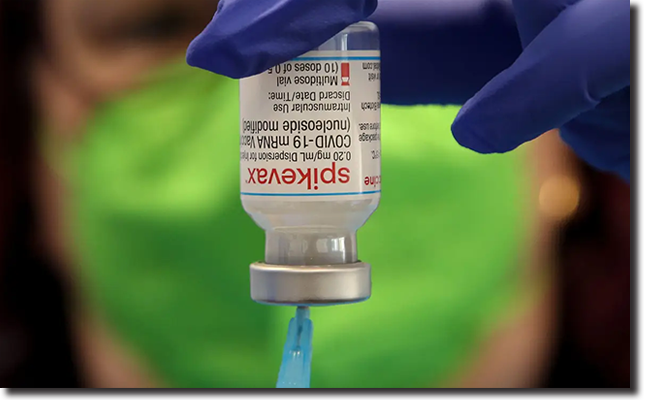
A committee of independent vaccine experts recommended that the FDA grant an emergency use authorization (EUA) for the two-dose Moderna COVID-19 vaccine for kids ages 6 to 17 years.
The Vaccines and Related Biological Products Advisory Committee (VRBPAC) voted 22-0, agreeing unanimously that the benefits of vaccination outweigh the risks in two age groups: kids ages 6 to 11 years and teens ages 12 to 17. They recommended two 50-mcg doses for the younger kids and two 100-mcg doses for teens.
The Pfizer/BioNTech vaccine is already authorized for kids and teens ages 5 to 15 years (and approved in those 16 and up), but FDA authorization of the Moderna vaccine would give this group an additional option. Roughly 18 million kids ages 5 to 11 remain unvaccinated in the U.S., compared with 8.5 million youths ages 12 to 17, presenters at the VRBPAC meeting noted.
|
|
Controversial opioid guidance for chronic pain had its intended effect, study suggests
Non-opioid pain medication prescribing increased after the CDC published guidelines on opioids for chronic pain in 2016, according to a cohort study using insurance claims data.
Among over 15 million individuals, logistic regression models showed that the odds of non-opioid pain prescriptions were higher following the release of the "Guideline for Prescribing Opioids for Chronic Pain" compared with pre-guideline pattern-based estimates:
- 3% higher in the first year (95% CI 2.6-3.3)
- 8.7% higher in the second year (95% CI 8.3-9.2)
- 9.7% higher in the third year (95% CI 9.2-10.3)
|
|
REGISTRATION BEGINS OCTOBER 2022 |
|
- ASIPP Members Only Site Information - |
|
-
To log in for the first time you will need to click “forgot password” at the bottom of the login window.
- Check your email and then log in as directed.
-
If you have problems logging into your account, click here.
|
|
Pain Medicine Case Reports (PMCR) and Editor-in-Chief Alaa Abd-Elsayed, MD, PhD would like to invite you to submit case reports and case series to the PMCR journal. Your article will be published free of charge.
Open access journals are freely available online for immediate worldwide open access to the full text of published articles. There is no subscription fee for open access journals. Open access journals are no different from traditional subscription-based journals: they undergo the same peer-review and quality control as any other scholarly journal.
Interested in becoming a member of the PMCR Editorial Board?
Editorial board members are asked to review 2-6 manuscripts per year. Please submit your most up-to-date CV to sgold@asipp.org for consideration.
For more information or to submit your articles, click here.
|
|
New edition now available! |
|
| CASE REPORT |
Paula Mofor, BS, Mark N. Pernik, BA, Emmanuel Adeyemo, BS, and Russell Payne, MD
Abstract
BACKGROUND: Lumbar transforaminal epidural steroid injection (TFESI) is a common procedure for management of obstinate lower back pain.
CASE REPORT: We present a case of a conus medullaris infarction after TFESI and contrast it with previously reported cases to evaluate potential risk factors for this rare complication. The patient underwent a fluoroscopically guided TFESI using methylprednisolone for refractory back pain. Following the procedure, the patient lost sensation and strength in the lower extremities and experienced neurogenic bladder and bowel dysfunction. These deficits have persisted for a year with no improvement. Previous cases describe similar symptoms with minimal neurological improvement; however, the timing of radiological presentation on MRI were sometimes delayed.
CONCLUSIONS: The mechanism of infarction remains ambiguous, and while this complication is rare, the pattern observed for the timeline of deficits indicates they are often permanent and should be contemplated when pursuing TFESI.
KEY WORDS: Conus medullaris syndrome, infarction, lumbar spine, steroid injection
|
|
New edition now available! |
|
| SYSTEMATIC REVIEW |
Michael Suer, MD, Sayed Emal Wahezi, MD, Alaa Abd-Elsayed, MD, and Nalini Sehgal, MD
Abstract
Background: Chronic neck pain is often multifactorial and is a leading cause of pain and disability. Cervical facet joint pain is a common cause of neck pain and, in addition to more conservative modalities, can be treated with radiofrequency ablation (RFA) of the respective medial branch nerves. Cervicogenic headaches are a frequent complaint in pain clinics in the United States and can be targeted via a similar procedural approach.
Objectives: We evaluated randomized controlled trials of cervical facet joint pain and cervicogenic headaches with the goal of establishing a current level of evidence for treating these etiologies of pain with RFA.
Study design: Systematic review.
Methods: Database search, from inception through July 2021, was performed identifying randomized controlled trials for cervical medial branch RFA. Two reviewers independently evaluated the studies to identify those meeting criteria. Primary outcome measures included pain relief and duration of pain relief. Secondary outcome measures included function, sleep, mood, return to work, additional treatments, and complications.
Results: Four randomized controlled studies met inclusion criteria and were selected for this review, each demonstrated low risk of bias. Of these studies, 3 were unique with the fourth being a subgroup analysis. Primary outcome measures of pain relief and duration of relief were variable with successful relief ranging from 30% to 50% and median duration of pain relief also demonstrating a wide variety. Function and psychological distress were also variably reported and found variable relief to treatment with no difference between groups in 2 of the studies.
Limitations: Primary limitations of the review are the paucity of randomized controlled trials and the variability in measured outcome measures.
Conclusions: Based on this systematic review, efficacy of cervical facet RFA in treatment of chronic neck pain has Level II evidence.
Keywords: RFA; cervical facet; cervicogenic headache; neck pain; radiofrequency ablation; Cervicalgia
|
|
| SYSTEMATIC REVIEW |
Sung Huang Laurent Tsai, MD, MPH, Chia-Wei Chang, MD, Wei-Cheng Chen, MD, Tung-Yi Lin, MD, Ying-Chih Wang, MD, Chak-Bor Wong, MD, Yagiz Ugur Yolcu, MD, Mohammed Ali Alvi, MBBS, Mohamad Bydon, MD, and Tsai-Sheng Fu, MD
Abstract
Background: Promising results have been shown in previous studies from direct pars interarticularis repair. These include Scott wiring, Buck repair, pedicle screw repair, and Morscher techniques. In addition, several minimally invasive techniques have been reported to show high union rates, low rates of implant failure and wound complications, shorter length of stay, a lower postoperative pain score with faster recovery, and minimal blood loss.
Objectives: To compare the evidence on techniques for direct pars interarticularis repair.
Study design: Systematic review and meta-analysis.
Setting: Review article.
Methods: We conducted a comprehensive search of databases to identify studies assessing outcomes of direct pars interarticularis defect repair. Two authors independently screened electronic search results, performed study selection, and extracted data for meta-analysis. Sensitivity and subgroup analyses were performed to assess risk of bias.
Results: Forty studies were included in the final analysis. Union rate was higher in the pedicle screw repair group (effect size [ES] 95%; 95% CI, 86% to 100%), followed by the Buck repair group (ES 93%; 95% CI, 86% to 98%), Scott wiring (ES 85%; 95% CI, 63% to 99%), and Morscher method group (ES 63%; 95% CI, 2% to 100%). Positive functional outcome was higher for the Morscher method (ES 91%; 95% CI, 86% to 96%), followed by the Buck repair group (ES 85%; 95% CI, 68% to 97%), pedicle screw repair (ES 84%; 95% CI, 59% to 99%) and Scott repair group (ES 80%; 95% CI, 60% to 95%). Complication rates were highest among the Scott repair group (ES 12%; 95% CI, 4% to 22%) and Morscher method group (ES 12%; 95% CI, 0% to 34%).
Limitations: Heterogeneity of the included studies were noted. However, we performed sensitivity analyses from the available data to address this issue.
Conclusion: Our results indicate that pedicle screw repair and Buck repair may be associated with a higher union rate and lower complication rates compared to the Scott repair and Morscher method. Ultimately, the choice of technique should be based on the surgeon's preference and experience.
Keywords: Buck repair; Morscher method; Scott repair; direct repair; minimally invasive pars repair; pars fracture; pedicle screw repair; review; Pars interarticularis.
|
|
Since this malpractice insurance program officially launched in November 2018, ASIPP has signed up hundreds of providers with an average savings of 30%. This is professional liability insurance tailored to our specialty and will stand up for us and defend our practices.
Norcal Mutual is A-Rated by AM best and is licensed in all 50 states. To read a few important points to keep in mind about the program, including discounts, administrative defense, cyber coverage, aggressive claims handling, and complimentary award-winning risk management CME activities, click here.
|
|
ASIPP® has formed a partnership with Henry Schein and PedsPal, a national GPO that has a successful history of negotiating better prices on medical supplies and creating value-added services for independent physicians. Working with MedAssets, PedsPal provides excellent pricing on products like contrast media that alleviate some of the financial pressures you experience today.
|
|
ASIPP® is now offering our members the benefit of a unique revenue cycle management/ billing service.
We have received a tremendous amount of interest in the ASIPP® billing and coding program.
Click here to learn more about the negotiated rate for practices and more!
|
|
|
up-to-date news related to you, your practice, and your patients!
|
|
|
|
|
|
|