|
Alcohol continues to have a significant impact on public health. It is associated with more than 178,000 deaths in the U.S. each year and linked to over 200 diseases and injury-related conditions, including several cancers. Nearly one in ten Americans experienced AUD last year.
DMH/DD/SUS supports multiple initiatives that offer resources for people who need them including:
- Youth treatments, such as:
-
Seeking Safety: Evidence-based treatment that helps people with trauma, posttraumatic stress disorder, and substance misuse.
-
Seven Challenges: Comprehensive counseling for adolescents and adults that focuses on alcohol and other substance use.
-
Talkspace: Free online therapy for justice-involved youth.
-
Talk it Up. Lock it Up.: Gives adults guidance on how and why to talk to teens and lock up alcohol in their home in order to prevent underage drinking.
-
Alcohol Drug Council of NC (ADCNC) Recovery Helpline offers connection to treatment, education, advocacy and support resources, including a recovery hotline (1-800-688-4232).
-
Oxford House recovery residences, where people in recovery from substance use disorder live together in democratically-run communities.
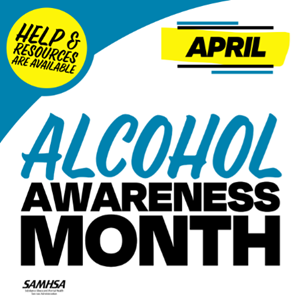
Alcohol Awareness Month is a time to highlight the importance of honest conversation about how alcohol affects individuals, families, and communities.
Some people should consider avoiding drinking altogether, including:
- People who are pregnant
- Anyone under the legal drinking age
- Individuals taking medications that interact negatively with alcohol
- People with medical conditions that alcohol can worsen
Among adults who drink, alcohol’s effects vary widely based on genetics, mental health, medications, and drinking patterns such as binge use. Understanding these differences helps individuals recognize risk and make informed decisions.
To support awareness and informed decision making, the National Institute on Alcohol Abuse and Alcoholism (NIAAA) offers a variety of free, research-based tools. Resources such as Facts About Teen Drinking, NIAAA for Middle School, Rethinking Drinking, and the Alcohol Treatment Navigator support youth education, self-assessment, and access to quality care. Throughout April, the Addiction Policy Forum also highlights evidence-based videos, guides, and online courses and directs communities to trusted information from NIAAA and SAMHSA.
A few simple actions recommended by the Ness Center can make this month meaningful:
- Learn more about alcohol’s health effects.
- Check in on personal or family drinking patterns.
- Share accurate information to reduce stigma.
- Support those who may be considering treatment.
Alcohol Awareness Month offers a focused moment to understand risks, promote prevention, and strengthen community well-being through informed, compassionate engagement.
|