|
Diaper Need in Ohio: A Century-Long Story of an
Often Forgotten Crisis
When most people hear the phrase diaper need, they think of a modern problem brought on by inflation and rising costs. In reality, families in Ohio have struggled to provide clean diapers for their babies for more than a century. While the nature of the problem has changed dramatically since 1900, one heartbreaking truth has remained constant: when families face financial hardship, babies often suffer first.
Ohio in the Early 1900s
At the turn of the twentieth century, nearly every Ohio baby wore cloth diapers. Mothers typically fashioned diapers from worn-out cotton sheets, flour sacks, or other household fabrics. Disposable diapers did not yet exist, and diapering required countless hours of washing, boiling, drying, and repairing cloth.
Life was difficult for many Ohio families. Industrial workers in cities like Cleveland, Cincinnati, Columbus, Toledo, and Youngstown often lived on modest wages. Large families were common, indoor plumbing was far from universal, and many mothers spent a significant portion of every day simply keeping diapers clean.
Poor families often owned only a handful of cloth diapers, forcing them to wash and reuse them repeatedly. During harsh Ohio winters, drying diapers could take days. Babies frequently remained in damp diapers longer than was healthy, contributing to skin infections and discomfort.
The Great Depression
The economic collapse of the 1930s made caring for babies even more difficult. Thousands of Ohio families lost jobs, homes, and farms. Every household item became precious, including cloth diapers.
Parents patched worn diapers until they literally fell apart. Many relied on homemade alternatives because purchasing new cloth was beyond their means. Churches, neighbors, and charitable organizations stepped in to help struggling mothers, although organized diaper assistance did not yet exist.
Even during the Depression, communities understood something we still know today: babies cannot wait for the economy to improve.
World War II and the Baby Boom
During World War II, many Ohio women entered the workforce while fathers served overseas or worked in defense industries. Time became increasingly scarce, and innovations in diapering slowly emerged. The first disposable diaper concepts appeared during the 1940s, although they were expensive, difficult to find, and far beyond the reach of most working-class families.
After the war, millions of babies were born nationwide, including hundreds of thousands in Ohio. Although disposable diapers gradually became available, most families continued relying on cloth because it remained far less expensive.
The Disposable Diaper Revolution
Everything changed during the 1960s and 1970s.
Companies such as Pampers transformed infant care by introducing highly absorbent disposable diapers that were cleaner, more convenient, and healthier for babies than the cloth diapers commonly used for generations. As disposable diapers became the norm, rates of severe diaper rash declined and childcare became easier for working families.
But there was an unintended consequence.
Families could no longer simply wash and reuse what they had. Disposable diapers had to be purchased again and again. What had once required labor now required cash.
For families living paycheck to paycheck, this created an entirely new financial burden.
The Hidden Crisis Emerges
By the 1980s and 1990s, disposable diapers had become the standard across Ohio. Yet unlike food assistance, diapers were excluded from major public assistance programs.
SNAP could help purchase groceries.
WIC could provide infant formula.
Medicaid could pay medical bills.
But none of them paid for diapers.
As more mothers entered the workforce, another challenge emerged. Childcare centers required parents to provide disposable diapers every day. Families without enough diapers often found themselves unable to access childcare, making it difficult for parents to maintain employment.
For the first time, a shortage of diapers wasn't simply a hygiene issue. It became an economic barrier.
The Twenty-First Century
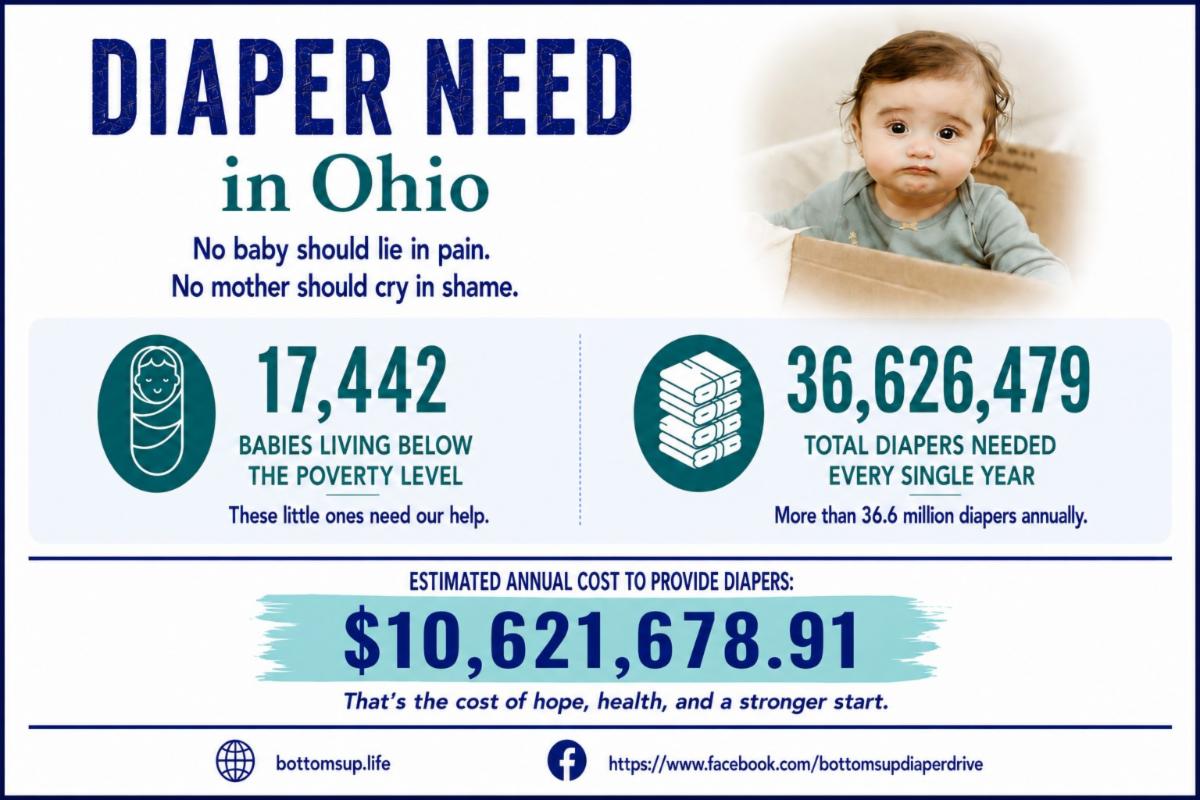
Today, studies estimate that approximately one in two U.S. families with young children experience diaper need, a dramatic increase from estimates made just a decade ago. Ohio mirrors these national trends as rising housing costs, inflation, childcare expenses, and stagnant wages continue placing extraordinary pressure on young families.
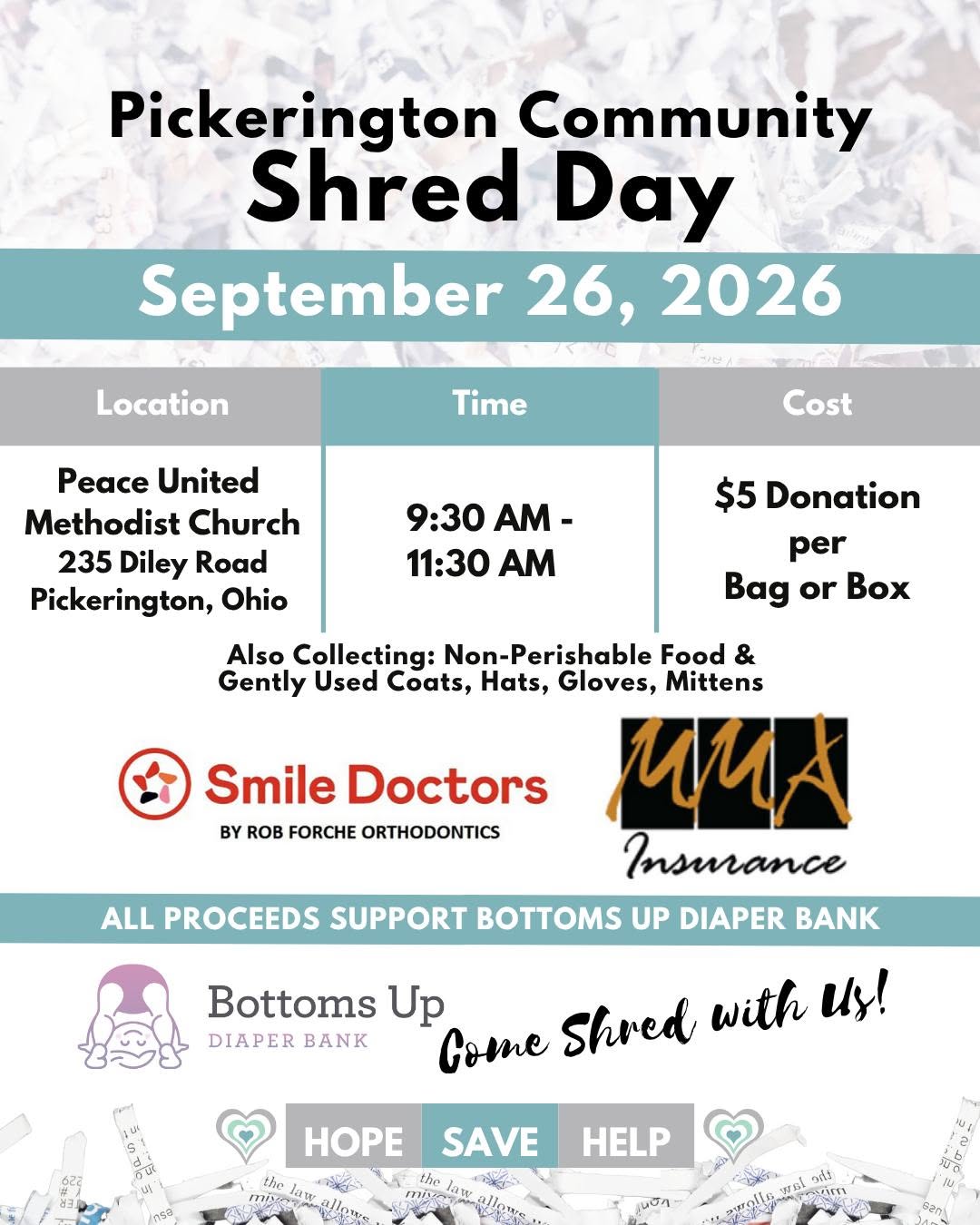
Bottoms Up Diaper Bank emerged because this need has become impossible to ignore.
Every month, thousands of Ohio parents seek help simply to keep their babies clean, healthy, and comfortable. Many are working families. Others are grandparents raising grandchildren, single parents, or families facing unexpected illness or job loss.
What unites them is not poor parenting.
It’s pure economics.
Looking Forward
The history of diaper need in Ohio tells a remarkable story. For more than 125 years, the methods have changed, from homemade cloth diapers hanging on clotheslines to high-performance disposable diapers,but the vulnerability of infants has not.
Babies remain completely dependent upon the adults around them.
When families thrive, babies thrive.
When families struggle, babies feel the consequences first.
The encouraging news is that diaper need is one of the few social problems that can be solved quickly. Every donation, every diaper drive, every volunteer hour, and every community partnership provides immediate relief to families who desperately need help.
History reminds us that Ohio has always cared for its youngest citizens through the compassion of neighbors helping neighbors.
The question for our generation is whether we will continue that legacy.
Will you?
|