|
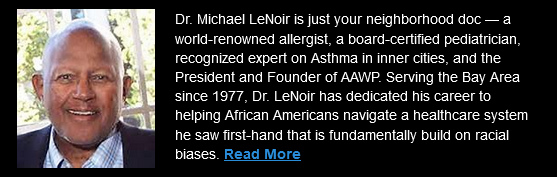
Systemic Mistrust: A Reflection from Dr. Mike |
| | |
Why are so many African Americans hesitant about vaccines? It’s a question often asked, and the answer goes beyond just history. A recent UCLA study found that mistrust in the medical system isn’t only rooted in events like the Tuskegee Syphilis Study — it also stems from real, negative experiences many Black patients still face today.
The research showed that Black participants reported significantly lower trust in medical professionals and more negative interactions with healthcare compared to white participants. These aren’t isolated cases — they reflect a pattern of unequal treatment that’s been allowed to persist for generations.
While the media often focuses on historical injustices, we can’t ignore what’s happening in the present. Real change means more than just acknowledging the past. It means creating a healthcare system that truly respects and serves Black patients today.
Stay Healthy,
Dr. Mike
If you find our Ethnic Health Reports informative and useful, please forward and share this email with your friends and family. #TogetherInThis
| |
AND BLACK AMERICA
When we talk about health in America, we cannot ignore the specific challenges facing Black communities. From fewer doctors of color to higher disease rates and lower access to care, the numbers speak for themselves. This section breaks down the facts, and the hope, for a healthier Black future.
| |
| |
BLACK MEN AND THE SILENT CRISIS IN PREVENTATIVE CARE
Too many Black men are still not getting regular checkups, and it is costing lives. Colon cancer, high blood pressure, and prostate disease often go undetected until it is too late. Part of the problem is access. Another part is trust.
Black men are two times more likely to die from prostate cancer than white men. They are also less likely to have a regular doctor. Community solutions include barbershop health checks, fraternity-run health fairs, and more Black male physicians building trust in the exam room.
| | | |
|
THE BLOOD PRESSURE BURDEN: STILL RISING IN BLACK AMERICA
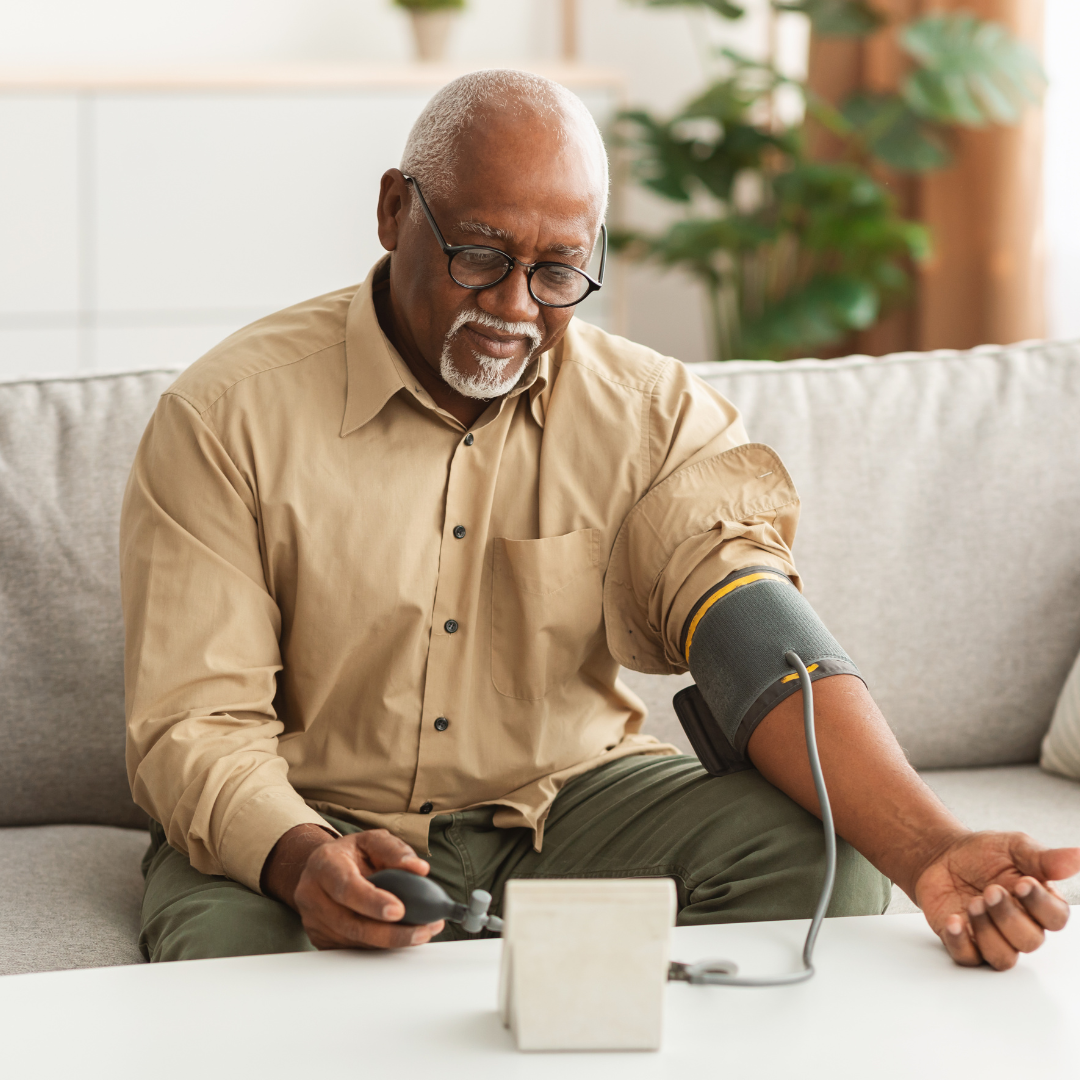
Hypertension is called the “silent killer,” and in Black communities, it is an epidemic. It often starts young and goes unnoticed until damage is done, to the heart, kidneys, and brain.
Fifty-six percent (56%) of Black adults have high blood pressure. It leads to higher stroke and heart failure rates. Salt-heavy diets and stress contribute, but so do social factors like redlining and food deserts.
Prevention: Get screened early (age 20+), switch to low-sodium, high-potassium foods, and walk 30 minutes daily, even light movement helps.
| | | | |
| |
BLACK WOMEN AND BREAST CANCER: TIME TO CHANGE THE NARRATIVE
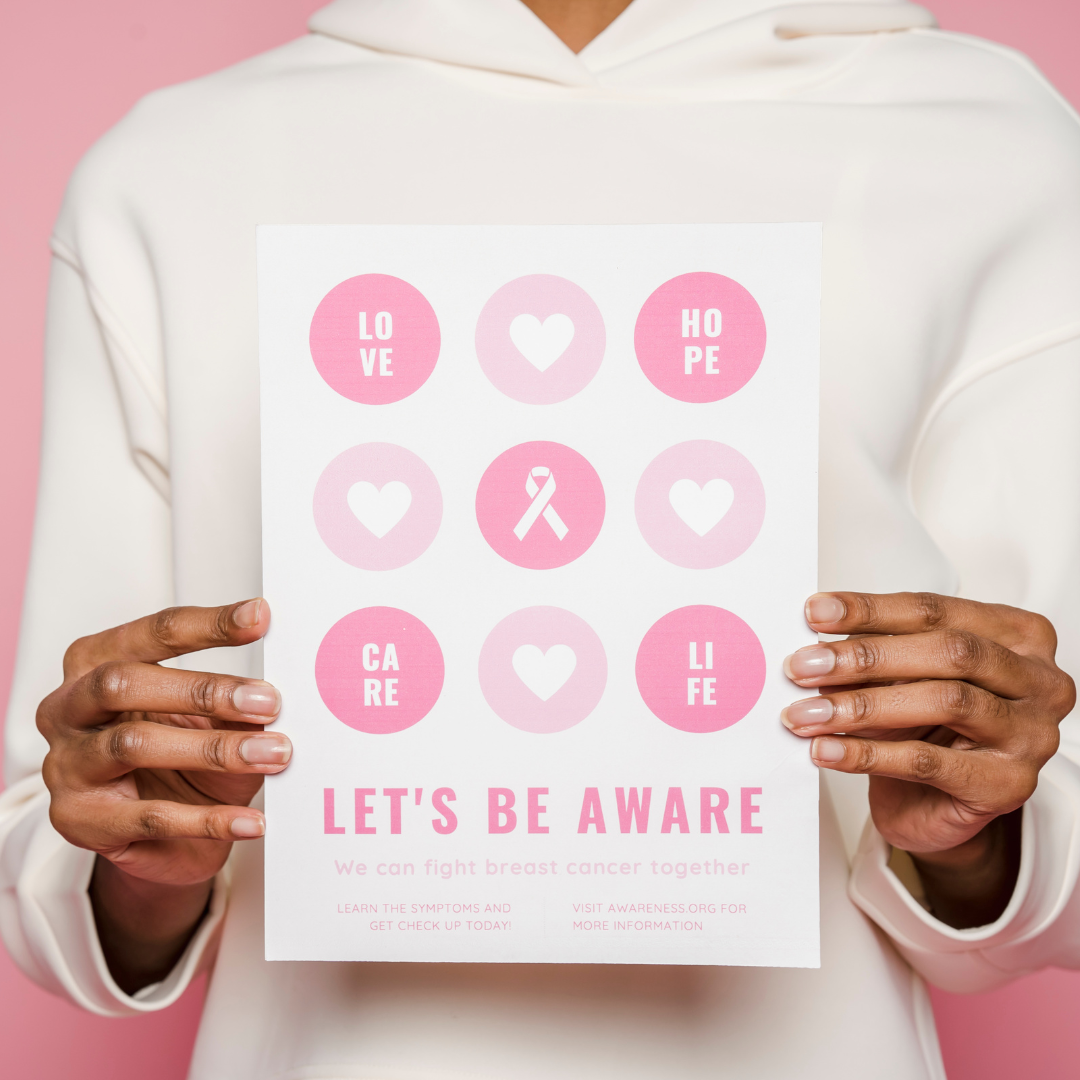
Black women are just as likely to get breast cancer, but far more likely to die from it. Not because of biology alone, but because of barriers to early detection and treatment.
Black women are 40% more likely to die from breast cancer than white women. They are often diagnosed with more aggressive types. Follow-up care gaps worsen outcomes.
Empowerment tools: Request mammograms starting at age 40, advocate for 3D imaging, follow up fast, and join or support Black survivor networks.
| | | |
STAYING HEALTHY ON VACATION
Vacation is a time to relax, explore, and recharge, but staying healthy while you're away doesn’t have to take a vacation. Here are a few easy tips to help you feel your best, wherever your travels take you:
- Bring a travel health kit: medications, sanitizer, water bottle, insect repellent
- Stay active: morning walks, hotel stairs, beach yoga
- Eat mindfully: enjoy the local food, but watch sodium, alcohol, and portions
- If abroad: check CDC travel vaccine info
Bonus Tip: Don’t forget sunscreen, yes, even for darker skin.
| | | | |
| |
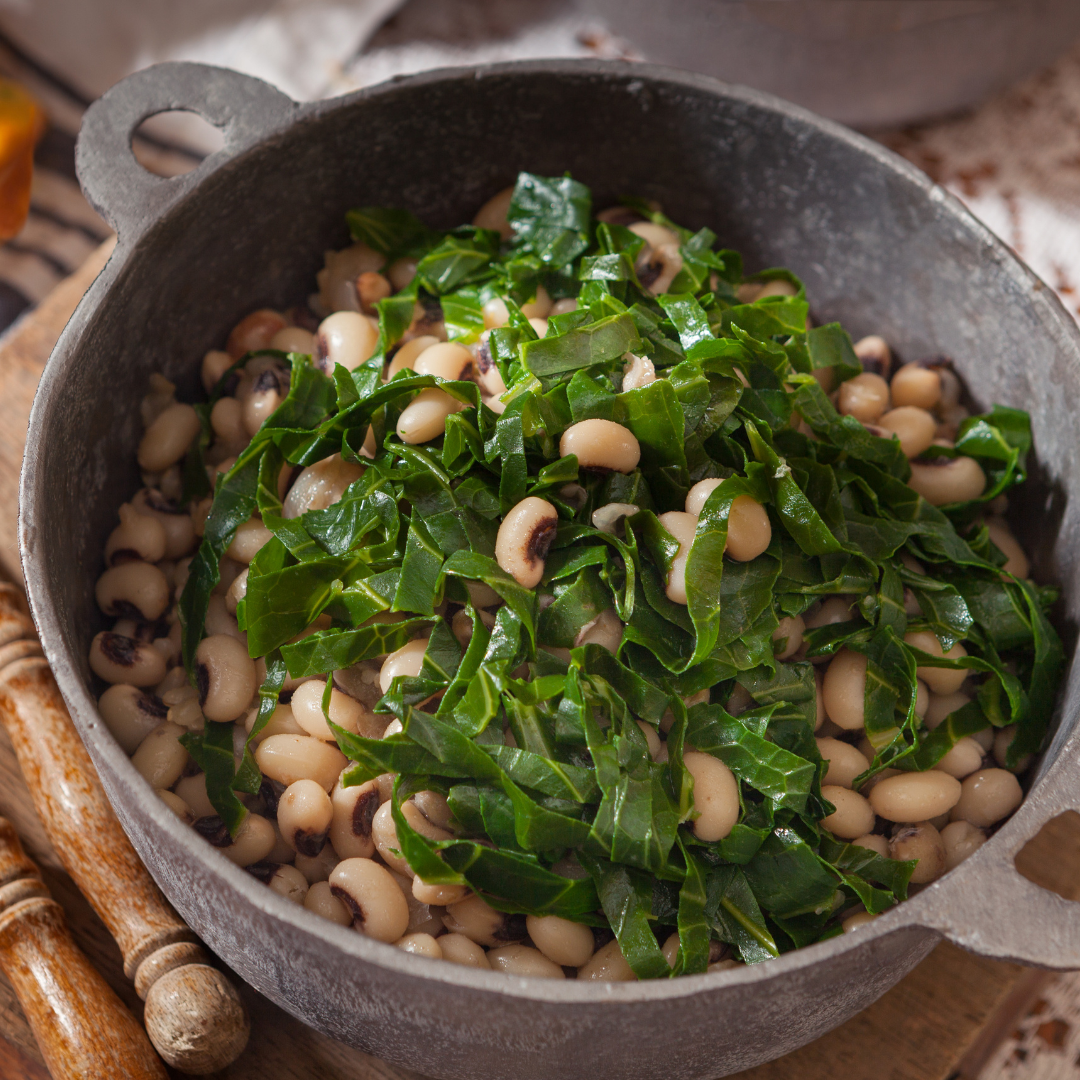
RECIPE OF THE MONTH: BLACK-EYED PEAS AND KALE POWER BOWL
Looking for a simple, nourishing dish that’s packed with flavor and fiber? This warm black-eyed pea and kale salad is a delicious way to bring comfort food and nutrition together. With hearty sweet potatoes, vibrant greens, and a zesty finish, it’s perfect as a main or a side, and it comes together in under 30 minutes. Here’s how to make it:
Ingredients:
- 1 can black-eyed peas (rinsed)
- 1 bunch kale, chopped
- 1 sweet potato, cubed and roasted
- 1/2 red onion, diced
- Olive oil, garlic, lemon juice, sea salt
Instructions:
- Roast sweet potatoes at 400°F for 25 minutes
- Sauté kale with garlic and olive oil
- Toss peas, kale, onion, and potatoes together
- Drizzle with lemon juice and sea salt
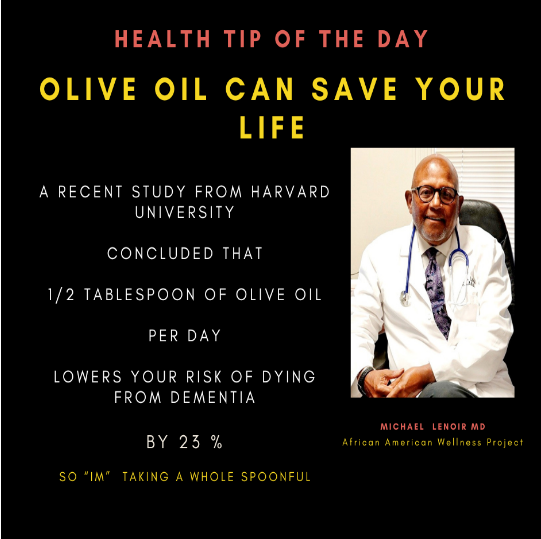
| | | | DR. MIKE'S HEALTH TIP OF THE DAY | | |
|
Please consider donating to help fund programs like the Ethnic Health Report, the Black Doctors Speak Podcast, and the FB Lives & panels.
$31.25 = 1 EHR Email | $500 = 1 BDS Podcast | $5,000 = 1 FB Live/Panel
|
| | Dr. MIKE'S ETHNIC HEALTH REPORT | | | | |