|
Dear members, friends and supporters,
It’s been an exciting season for the NNDC! We’ve wrapped up two successful conferences, bringing our community together to advance innovation, share knowledge, and strengthen connections in depression and bipolar disorder care.
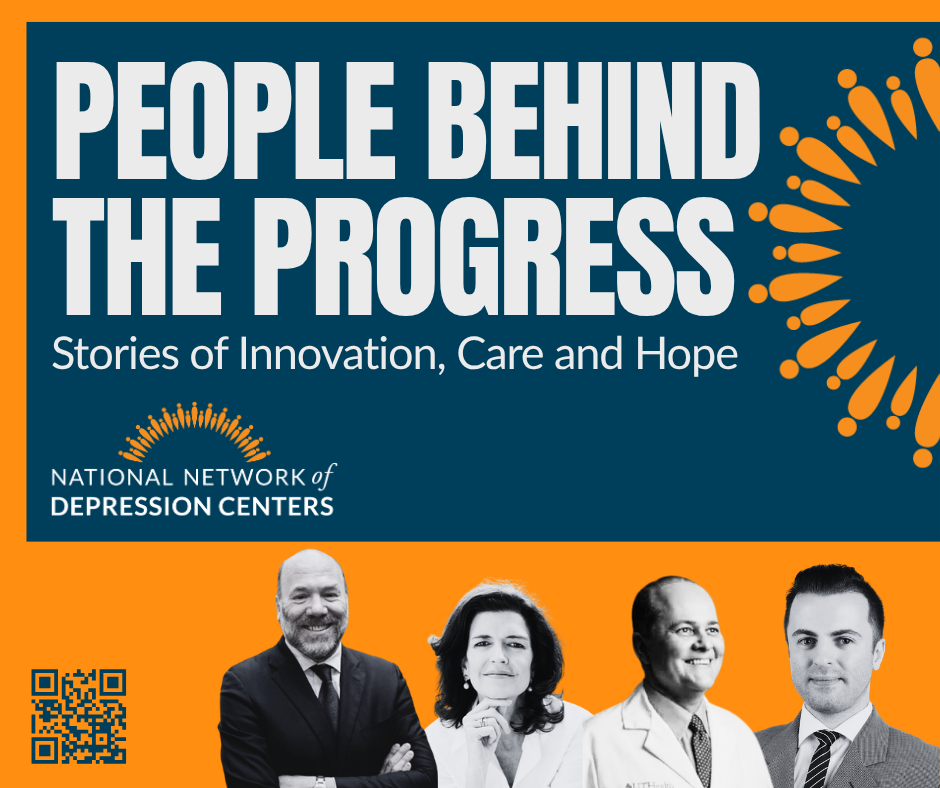
As we celebrate this momentum, we’ve also launched our annual fundraiser, People Behind the Progress: Stories of Innovation, Care and Hope. This campaign honors the people who make our mission possible and invites you to help fuel the collaboration, research, and care that move our field forward. Because behind every breakthrough, there are people making it possible. Find a new story each week here.
We look forward to an exciting fall together—and to celebrating the people behind the progress happening throughout our network.
Thank you for being a valued member and follower of the National Network of Depression Centers. Let's make this month one of growth, resilience, and above all, kindness toward ourselves and one another.
| | Join us! 2026 Best Practices for Mood Disorders in Collaboration with Mayo Clinic, supported by CU Anschutz | | |
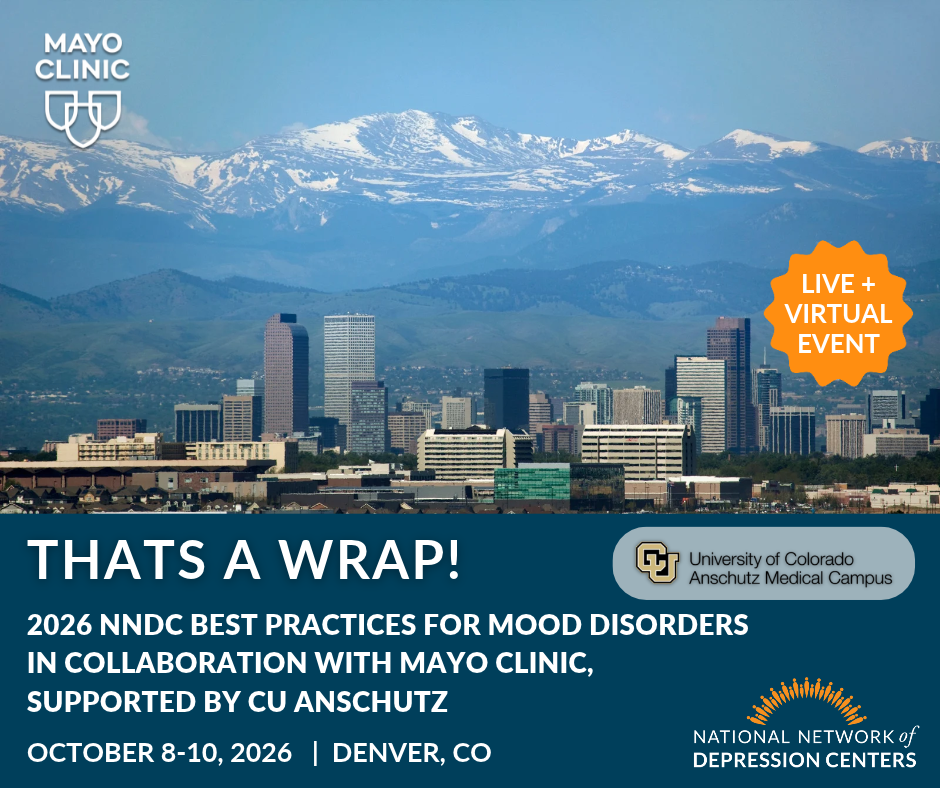
2026 Best Practices for Mood Disorders Conference — Denver, Colorado
Thank you to everyone who joined us for the 2026 Best Practices for Mood Disorders conference, presented in collaboration with Mayo Clinic and supported by CU Anschutz. We’re grateful to our attendees, speakers, and partners for making this such a meaningful opportunity to share knowledge, strengthen connections, and advance evidence-based care for depression and bipolar disorders. We look forward to continuing this important work together and we'll be returning to Denver for 2027! Look out for more information soon!
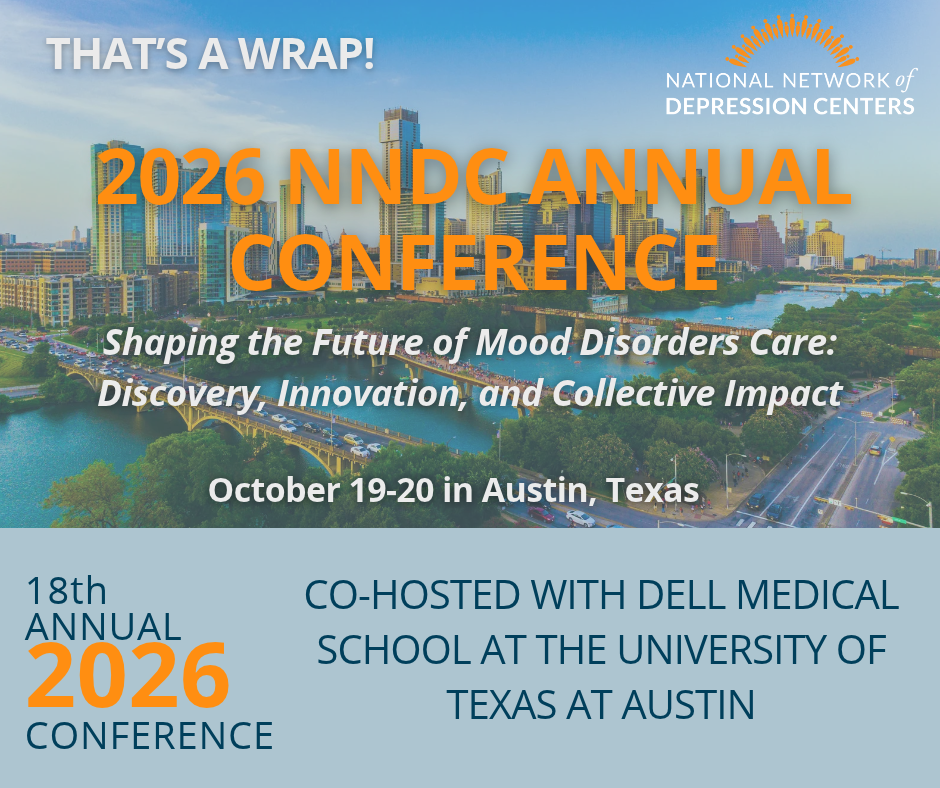
| | Thank you for joining us at the 2026 NNDC Annual Conference hosted by Dell Medical School at the University of Texas at Austin | | |
2026 NNDC Annual Conference — Austin, Texas
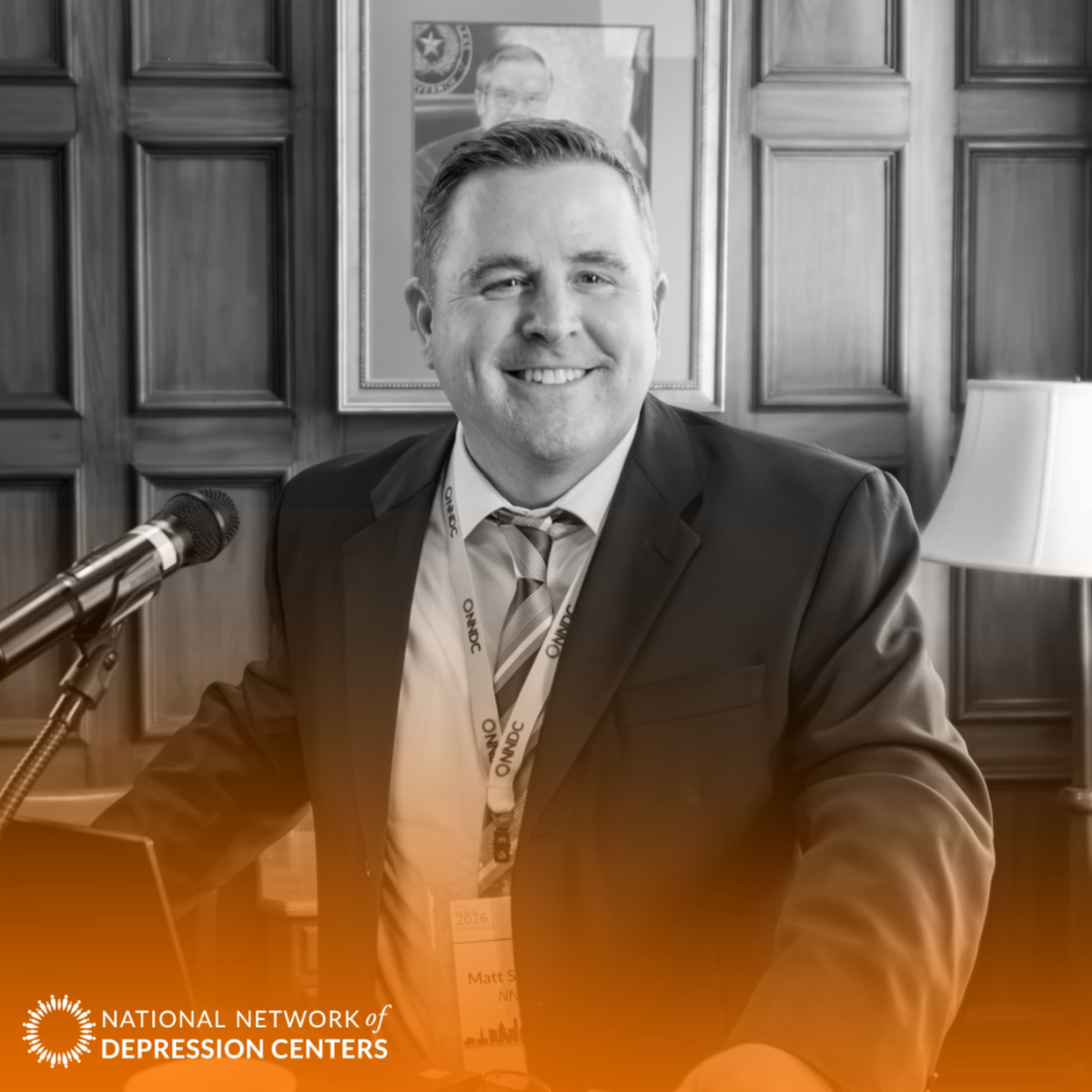
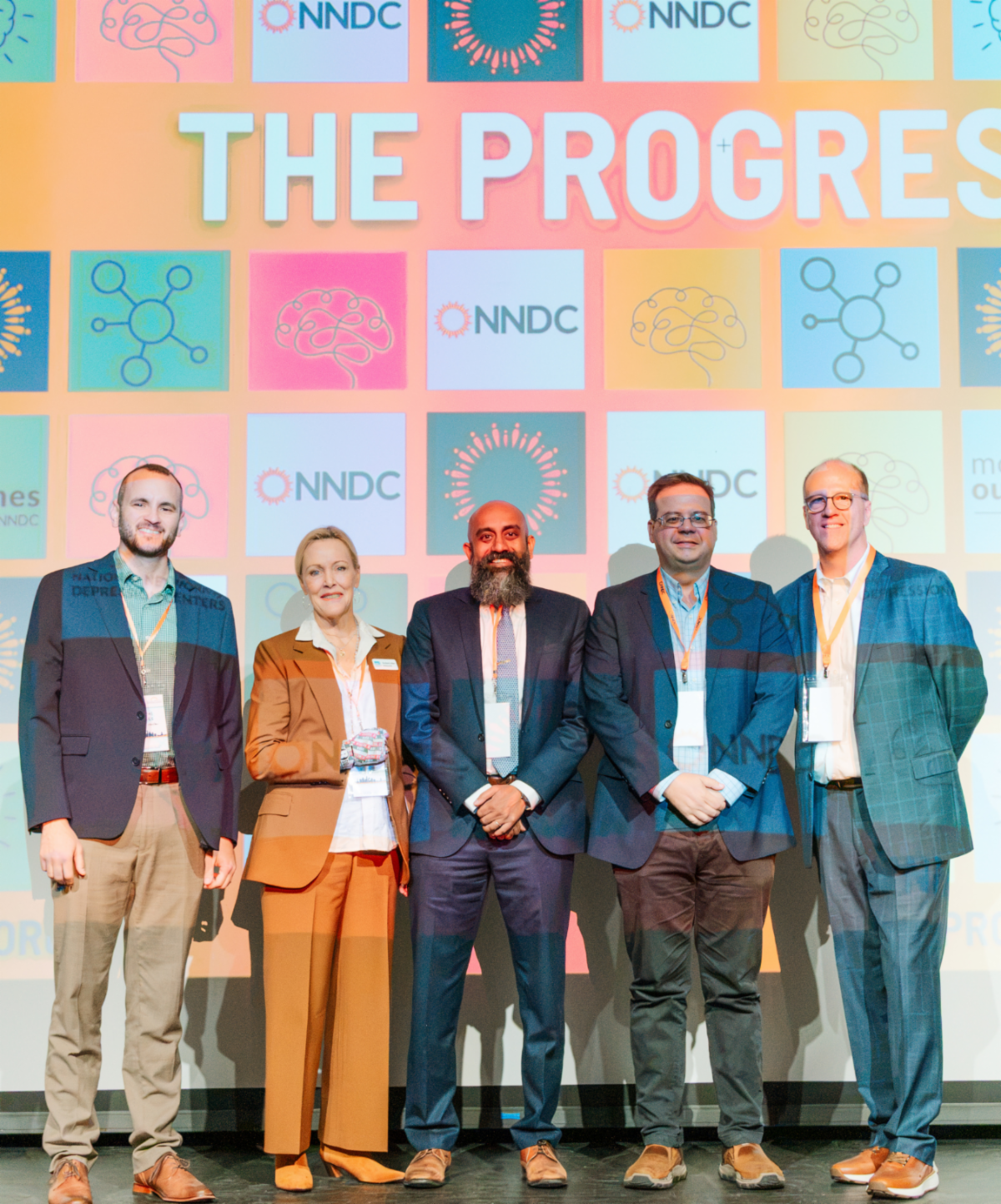
Thank you to everyone who joined us for the NNDC Annual Conference in Austin, Texas, hosted by Dell Medical School at The University of Texas at Austin. This year’s conference welcomed a record number of attendees and poster submissions, reflecting the growing momentum and collaboration across our network.
We’re grateful to our host, speakers, members, and attendees for coming together to share new ideas, showcase innovative research, and advance depression and bipolar disorder care, research, and education. Together, we’re building a future where everyone has access to effective, evidence-based mental health care.
| |
Celebrating Dr. John Greden: 2026 NNDC Distinguished Service Award
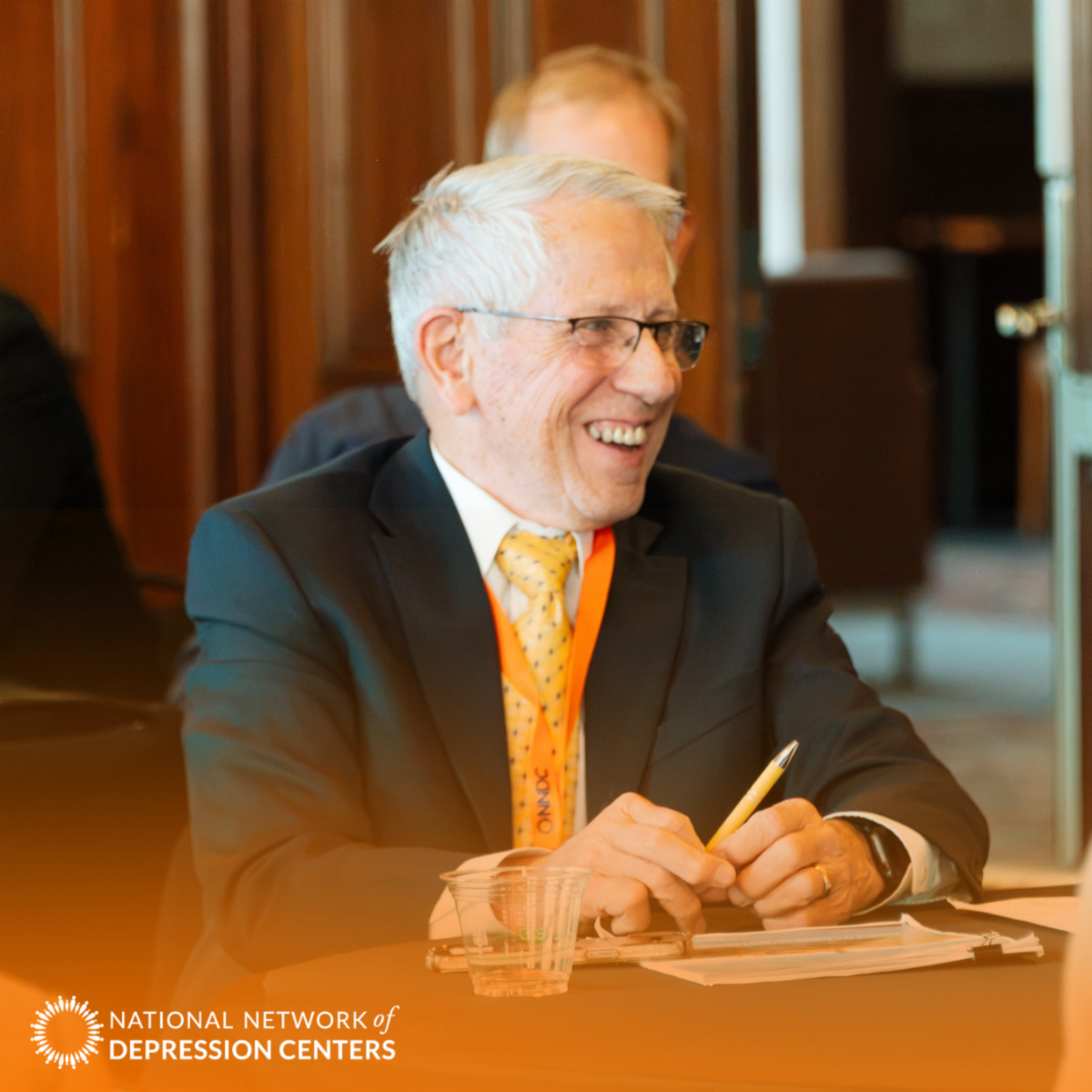
The National Network of Depression Centers is proud to recognize Dr. John Greden as the recipient of the 2026 Distinguished Service Award. We are deeply grateful for his extraordinary leadership, vision, and unwavering commitment to advancing the understanding and treatment of depression and bipolar disorders. His dedication to bringing together leaders in research, clinical care, and education has helped shape the field and strengthen the collaborative spirit at the heart of the NNDC.
This award honors not only his remarkable contributions as the founder of the NNDC, but also the lasting impact he has made on our network and the countless lives touched by this work. Thank you, Dr. Greden, for your enduring commitment to a future where everyone has access to effective, evidence-based mental health care.
| |
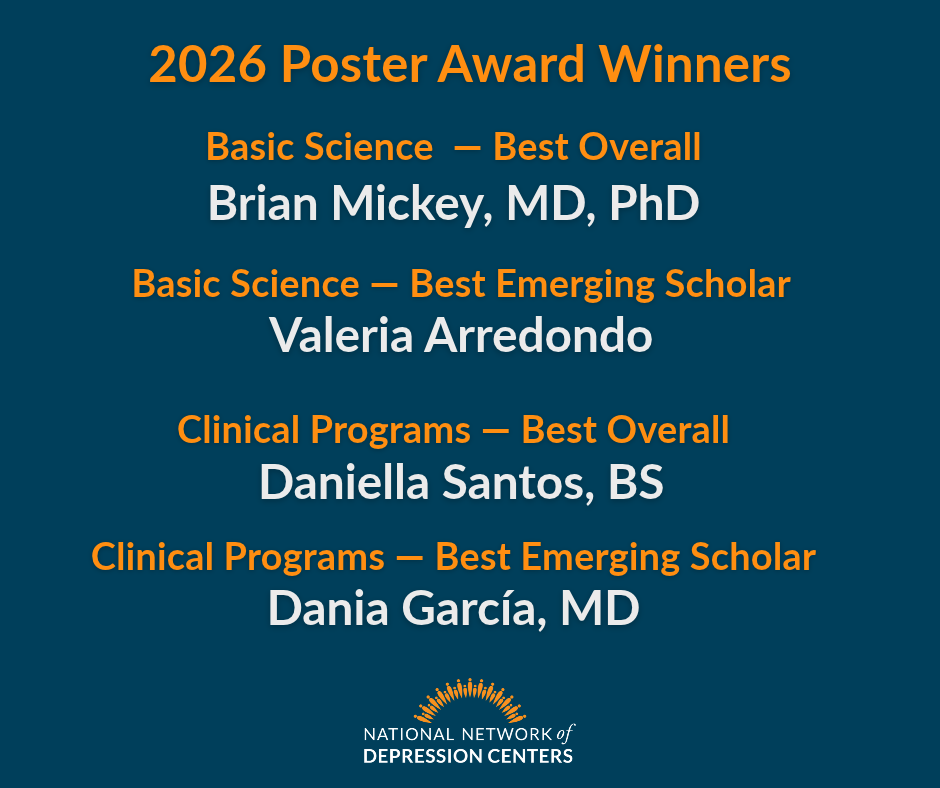
2026 Poster Award Winners
Congratulations to the winners of the NNDC Annual Conference Poster Awards! We’re proud to recognize the outstanding research, innovation, and dedication demonstrated by this year’s award recipients. Thank you to all who submitted posters and contributed to the exchange of ideas advancing the understanding and treatment of depression and bipolar disorders.
Basic Science — Best Emerging Scholar: Valeria Arredondo, for Methylomic and Transcriptomic Signatures of Suicide Death in Postmortem Brains of Individuals with Bipolar Disorder
Basic Science — Best Overall: Brian Mickey, MD, PhD for Engagement of the Subcallosal Cingulate Cortex with Low-Intensity Focused Ultrasound: Dependence on Target and Intensity
Clinical Programs — Best Emerging Scholar: Dania García, MD for Clinical phenotype, metabolic profile and treatment response among women with bipolar disorder and polycystic ovary syndrome (only awardee present during award presentation)
Clinical Programs — Best Overall: Daniella Santos, BS for Tracking depressive symptoms following accelerated intermittent theta burst stimulation in treatment-naive adolescents
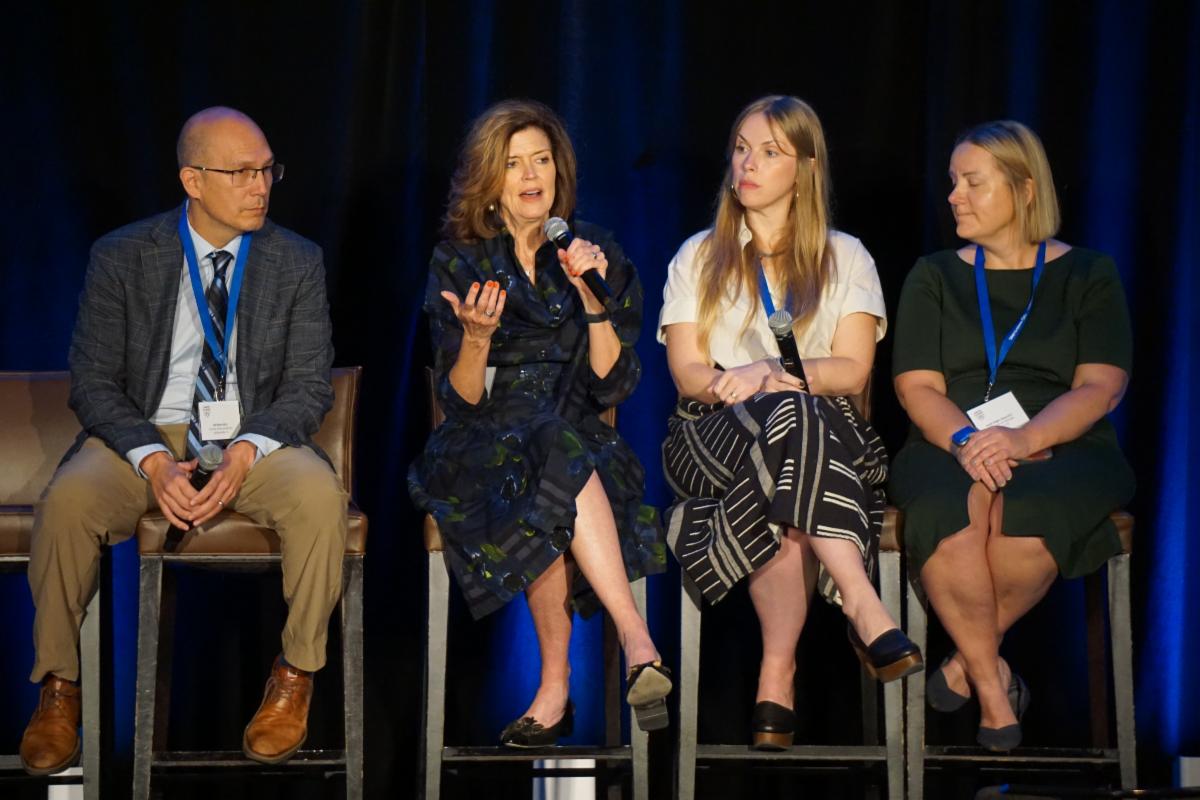
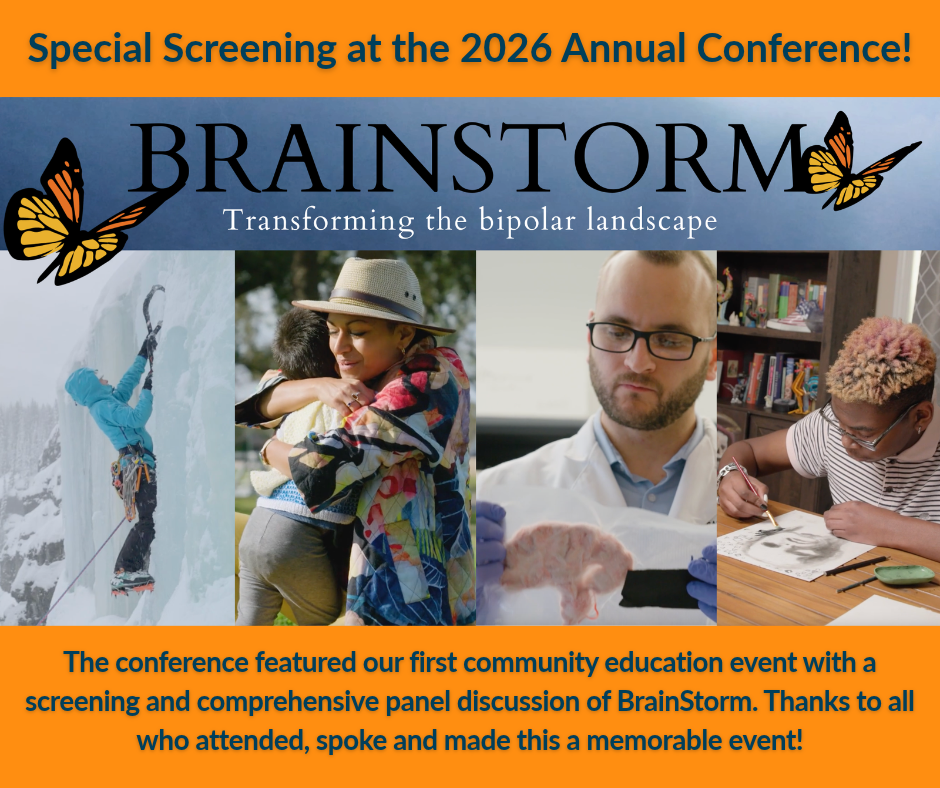
| | Film Screening + Panel at the 2026 NNDC Annual Conference | | Thank you to everyone who joined us for the NNDC Annual Conference and the screening of BrainStorm, followed by a powerful lived experience panel. Your participation, openness, and commitment to advancing depression and bipolar disorder care help foster meaningful conversations, reduce stigma, and remind us why this work matters. We’re grateful to be part of a community dedicated to advancing research, innovation, and hope. | | Grant Funding — Mood Disorders & Substance Use Task Group | | |
The University of Michigan is part of the National Network of Depression Centers (NNDC), an organization developed to transform lives through research and innovations in the treatment and prevention of depression and bipolar disorders.
The foundation of the NNDC is its Task Groups, which bring together experts from member centers and Centers of Excellence — leading academic medical institutions that integrate clinical care, research, and education to improve outcomes for mood disorders — to tackle critical priorities head on. In 2025, Sarah Sperry, Ph.D., the Richard Tam Early Career Professor of Translational Bipolar Research and associate director of the Prechter Program, and Elizabeth Lippard, Ph.D., associate professor in the Department of Psychiatry and Behavioral Sciences at the University of Texas at Austin Dell Medical School, started a new NNDC Task Group, the Mood Disorders and Substance Use Task Group. They started the group based on a critical gap in research and clinical care of those with co-occurring mood and substance use disorders.
| | Stanford Medicine | INSPIRE Program | | |
INSPIRE is a person-centered program providing interdisciplinary, evidence-based care for people experiencing psychosis, working with individuals and their families to achieve meaningful recovery.
A cornerstone of this approach is the clinic’s Advisory Council, a collaborative group of providers, individuals with lived experience who have participated in INSPIRE clinical services, and their loved ones. By providing expertise through experience, the council includes multiple perspectives to guide the clinic, ensuring our programs are responsive to both individual and collective needs. The council has provided input on research studies, development of resources and feedback measures for the clinic, the design and function of the inpatient psychiatry units, clinic communications, social events, and more, all of which benefit from their direct perspectives and experiences.
Another crucial component of the INSPIRE program are Peer Support Specialists — individuals with lived experience of mental health challenges who understand firsthand what it's like to navigate the mental health system. By sharing their own recovery journeys, they offer genuine support, validation, and hope, serving as living proof that recovery is possible. At INSPIRE 360, Peer Support Specialists provide encouragement, help individuals feel truly understood, and remind them that they are not alone. Beyond providing direct client care, they play a vital role in team meetings and coordination of care, ensuring the client's voice is heard, and their support needs remain front and center.
| | Penn State — Project ECHO helps PCPs with treating TRD | | |
Primary care providers prescribe 79% of all antidepressant medications in the United States, according to the New England Journal of Medicine, effectively serving as the frontline to the nation’s mental health system. As clinics face a growing number of patients whose depression resists standard treatments, medical leaders are increasingly turning to a data-driven approach known as measurement-based care (MBC) to improve outcomes. To equip doctors and clinical staff with these advanced strategies, Project ECHO (Extension for Community Healthcare Outcomes) at Penn State College of Medicine and the National Network of Depression Centers (NNDC) are launching a no-cost, virtual MBC training series. The program runs monthly on Tuesdays from 8 to 9 a.m. ET, starting Oct. 20, and registration is required.
In the span of a standard 15-minute primary care visit, managing treatment-resistant depression can feel overwhelming. A patient comes in with symptoms; a first-line antidepressant is prescribed, and weeks later, they return with little to no improvement. The dose is adjusted, or a second medication is tried. Despite the provider’s best efforts, the patient just isn’t getting better.
“Primary care providers face the challenge of seeing many patients quickly, often with limited access to mental health experts,” said Mark Williams, professor of psychiatry at the Mayo Clinic and a faculty lead for the new Project ECHO at Penn State initiative. “In a short visit, prescribing medication is the most efficient option and helps many people. But, like any chronic health issue, there will always be patients who simply don’t respond to routine treatments.
| |
|
OBJECTIVE: To provide expert recommendations for the safe and effective application of repetitive transcranial magnetic stimulation (rTMS) in the treatment of major depressive disorder (MDD).
PARTICIPANTS: Participants included a group of 17 expert clinicians and researchers with expertise in the clinical application of rTMS, representing both the National Network of Depression Centers (NNDC) rTMS Task Group and the American Psychiatric Association Council on Research (APA CoR) Task Force on Novel Biomarkers and Treatments.
EVIDENCE: The consensus statement is based on a review of extensive literature from 2 databases (OvidSP MEDLINE and PsycINFO) searched from 1990 through 2016. The search terms included variants of major depressive disorder and transcranial magnetic stimulation. The results were limited to articles written in English that focused on adult populations. Of the approximately 1,500 retrieved studies, a total of 118 publications were included in the consensus statement and were supplemented with expert opinion to achieve consensus recommendations on key issues surrounding the administration of rTMS for MDD in clinical practice settings.
CONSENSUS PROCESS: In cases in which the research evidence was equivocal or unclear, a consensus decision on how rTMS should be administered was reached by the authors of this article and is denoted in the article as "expert opinion."
CONCLUSIONS: Multiple randomized controlled trials and published literature have supported the safety and efficacy of rTMS antidepressant therapy. These consensus recommendations, developed by the NNDC rTMS Task Group and APA CoR Task Force on Novel Biomarkers and Treatments, provide comprehensive information for the safe and effective clinical application of rTMS in the treatment of MDD.
| | Policy — Reintroduction of the 988 Implementation Act | | |
Congressman Dan Goldman (NY-10), Congresswoman Doris Matsui (CA-07) and Congressman Brian Fitzpatrick (PA-01) reintroduced the 988 Implementation Act with Congressmembers Nanette Barragán (CA-44), Troy Carter (LA-02), Lori Trahan (MA-03), Seth Moulton (MA-06), Jamie Raskin (MD-08), Don Beyer (VA-08), Jennifer McClellan (VA-04), Becca Balint (VT-AL), and Kim Schrier (WA-08). The comprehensive legislative package will provide states with federal resources to strengthen the crisis response infrastructure behind the 988 Suicide & Crisis Lifeline.
The bill includes Rep. Goldman's Supporting 988 Crisis Stabilization Act to ensure that individuals in need of trauma-informed, clinically appropriate, and patient-centered care are not hindered by Medicaid, specifically when seeking short-term crisis receiving and stabilization services. These services can reduce psychiatric hospitalization, ensure referrals to community-based treatment, and avert arrest and incarceration for individuals experiencing a mental health crisis.
Specifically, the bill would clarify that Medicaid's longstanding payment prohibition on long term inpatient care does not apply to short-term crisis receiving and stabilization facilities run by community-based programs. The bill institutes guardrails to protect patients and requires the Center for Medicare and Medicaid Services to issue guidance and collect data on crisis stabilization programs, including length of stay, facility size, diversion from law enforcement and incarceration, and other relevant categories.
| | |
|  |
| |
| | | |