Greetings!
Thanks to everyone who joined us at Bult Field at the beginning of the month for our annual meeting. It was a wonderful day to catch up with old (ahem, long-time) friends and make new ones.
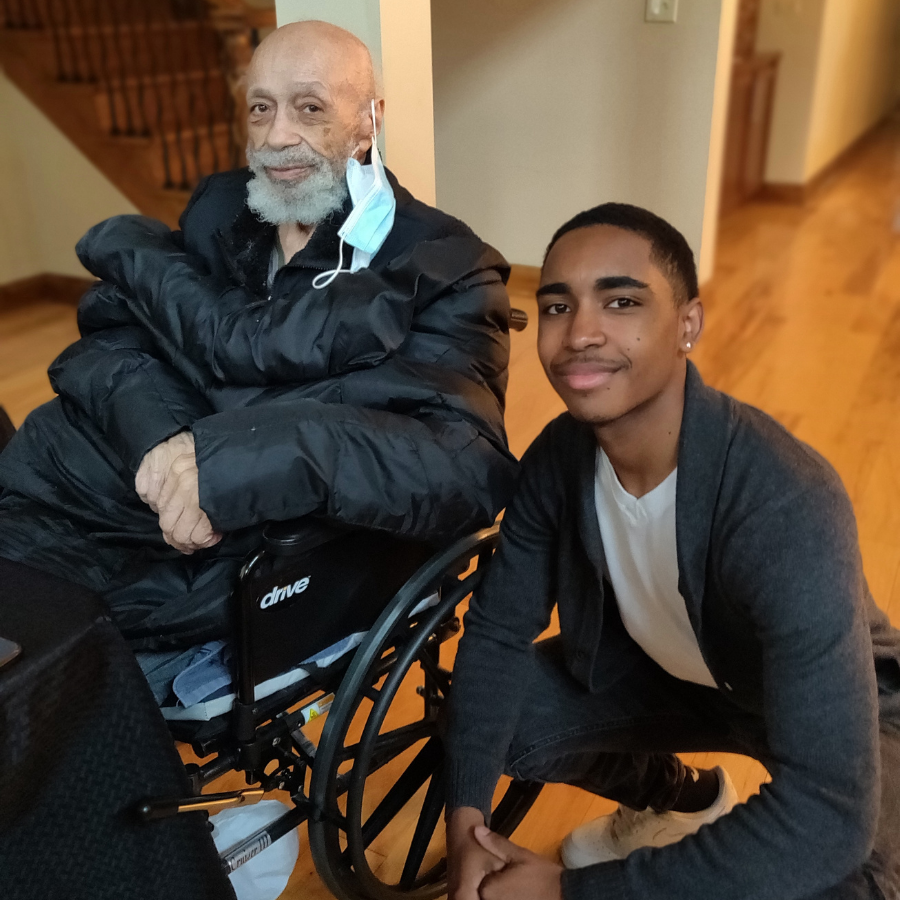
It's moments like the one captured here that remind us of how important the work we do is to keep the heroism and legacy of the Tuskegee Airmen alive and inspire and support the next generation of aviators.
I'm not sure which person was more impressed here: Sean Littleton, meeting O. Lawton Wilkerson, one of the original Tuskegee Airmen. Or Mr. Wilkerson, congratulating Sean, a High School Senior, Eagle Scout, aspiring pilot, and recipient of a $10K scholarship for college in the fall.
These are the moments and dreams we make happen. Thank you for being a part.
|
President
Chicago "DODO" Chapter
Tuskegee Airmen
|
|
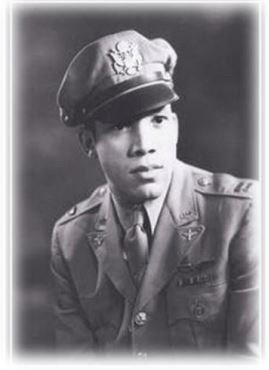
Celebrating Local Legend John Rogers
332nd Fighter Group's 99th Fighter Squadron and was one of the first contingents of 332FG pilots to be deployed overseas.
|
|
Aviator, Community Leader, Legal Scholar, Role Model, Mentor and Gentleman |
|
September 3, 1918 – January 21, 2014
John W. Rogers, Sr., was a Chicago area Attorney, Judge and an original Tuskegee Airman. He was born in Knoxville, Tenn. while the Great War waged in Europe. And he grew up there during a time of segregated water fountains and Jim Crow rules that barred people who looked like him from using whites-only restaurants or drinking fountains.
John’s mother died of pneumonia when he was only 4 and later when he was 12, his father, a barber and minister, died of kidney problems.
He and his sisters then moved to Chicago to live with an uncle, Henry Turner.
Mr. Rogers graduated from Tilden Technical High School and earned a bachelor’s degree in education from what is now Chicago State University in 1941.
Chicago Public Schools Teacher
After graduating from Tilden High School, Mr. Rogers attended community college and earned a teaching certificate from Chicago Teachers College. He taught in the Chicago Public Schools until war broke out, then he volunteered, his wife said.
|
|
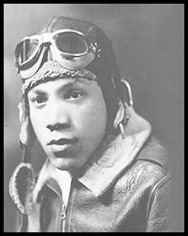
“He always wanted to be a pilot, from when he was a little boy,” she said. “He used to make little airplanes from matchboxes.” From a young age, Rogers dreamed of flying planes and attended the Civilian Pilot Training Program at the former Harlem Airport on the South Side of Chicago. He earned his pilot’s license before enlisting in the U.S. Army Air Corps., and in 1941, became part of the famed 99th Pursuit Squadron of the Tuskegee Airmen.
The 99th Pursuit Squadron
Before World War II, African-Americans had been barred from flying for the U.S. military. Civil rights groups and black newspapers persuaded the government to create an African-American flight program based in Tuskegee, Ala., and Mr. Rogers became part of the Tuskegee Airmen’s 99th Pursuit Squadron. He was one of the original 28 airmen in the first group to go overseas.
|
|
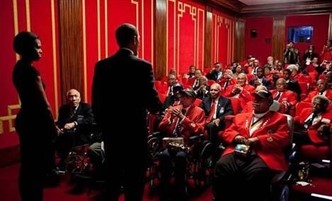
Mr. Rogers was promoted to captain and flew 120 missions in Europe. Years later he was part of a group of about 300 Tuskegee Airmen to be honored with the Congressional Gold Medal. And in January 2012, Mr. Rogers was one of a group of Tuskegee Airmen who came to the White House as a special guest of President Barack Obama to view the movie “Red Tails,” which is a dramatized depiction about the pioneering African-American aviators who served their country with courage and daring despite racism in the military and at home.
Mr. Rogers returned from flying 120 often-dangerous missions for his country to be turned down for admission to the University of Chicago Law School, relatives said. Instead of taking no for an answer, he returned the next day decked out in his captain’s uniform and offered to take any test to get in.
|
|
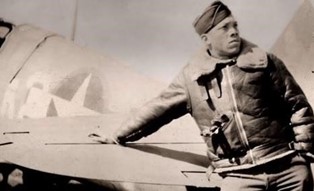
As a member of the 99th Pursuit Squadron, he was one of the first Tuskegee Airmen to go overseas, said Mark Hanson, curator of the Chanute Air Museum in Rantoul, where the 99th Squadron was activated. Based in North Africa, members of the 99th flew over Italy, he said, performing bomb missions and escorting white pilots.
With keen eyesight and steady nerves, Mr. Rogers had a reputation for meticulous preparation and precision. “He was one of the best dive-bomber pilots in that squadron,” Hanson said. Others said, “He could drop a 500-pound bomb through the window of a building.”
He viewed “Red Tails” a few times. His grand-daughter, Victoria Rogers, remembers that when he watched, he moved his hands like he was still flying. “He said he could remember the tension,” she said.
|
|
From EAA Young Eagles First Flight to Women's History Month Icon |
|
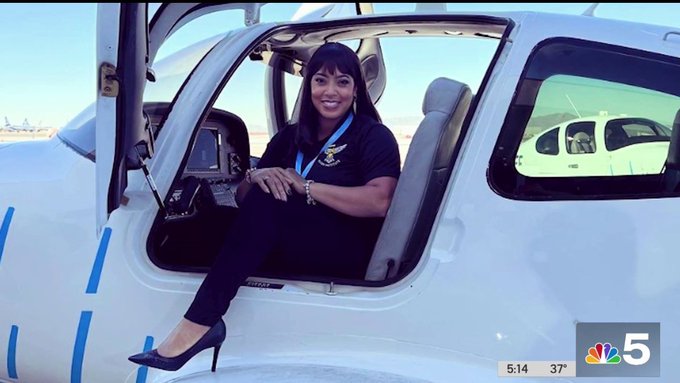
Tammera Holmes is proud to draw a straight line from her very first taste of flight with the EAA Young Eagles Program and volunteer pilots from the Tuskegee Airmen Chicago "DODO" Chapter, to where she is today. Tammera is the Founder of the Aerostar Avion Institute where she provides educational programs to youth to expose and connect them to careers in Aviation. And she was recently named a Federal Appointee to the FAA Youth Access to American Jobs in Aviation Task Force
NBC 5’s Stefan Holt interviewedTammera in honor of Women's History Month, as a local hero making inspiring positive change in the world. (Watch now.)
You make us proud, Tammera. Congratulations!
|
|
LAST CALL: Educational Assistance Program (EAP) Applications Due April 25, 2022
|
|
There's still time to submit applications for the Educational Assistance Program (EAP). Applications must be postmarked by April 25, 2022.
The Chicago Chapter of the Tuskegee Airmen, Inc. grants scholarship awards to deserving young men and women for whom the Chicago Chapter is the applicant's closest chapter. The number of annual scholarship awards each year is directly related to donations to the Chicago Chapter.
|
|
|
|
|
|
|