Product Design | Audio Electronics | Acoustics | DIY | Audio Innovations
|
|
New 1" Annular Compression Drivers and HF/LF Magnet Coaxials from Lavoce |
At ISE 2023, Lavoce Italiana announced the launch of its first 1" exit annular diaphragm design compression drivers, DN10.143 and DF10.143. During the Barcelona show the company also presented its new 6.5" ferrite common HF/LF magnet coaxial, CSF061.71K. In 2022, the company with a 35-year heritage of designing and manufacturing loudspeakers reported the highest growth rates since its inception, and 2023 is already looking even stronger. Read More
|
|
|
|
|
New EQset Microphone Technology from GRAS Sound & Vibration |
GRAS introduced a new technology aimed at increasing efficiency and improving test accuracy in the consumer audio and telecom space. The new GRAS EQset Microphone technology is an advancement that guarantees fixed sensitivity and a flat response curve across all frequencies in every EQset-enabled microphone. Essentially the new EQset technology introduces an equalized microphone, with a flat response curve and uniform fixed gain out of the box, vastly reducing the risk of measurement errors . Read More
|
|
Powersoft UNICA Next-Generation Cloud-Based Amplifier Platform Unveiled at ISE 2023 |
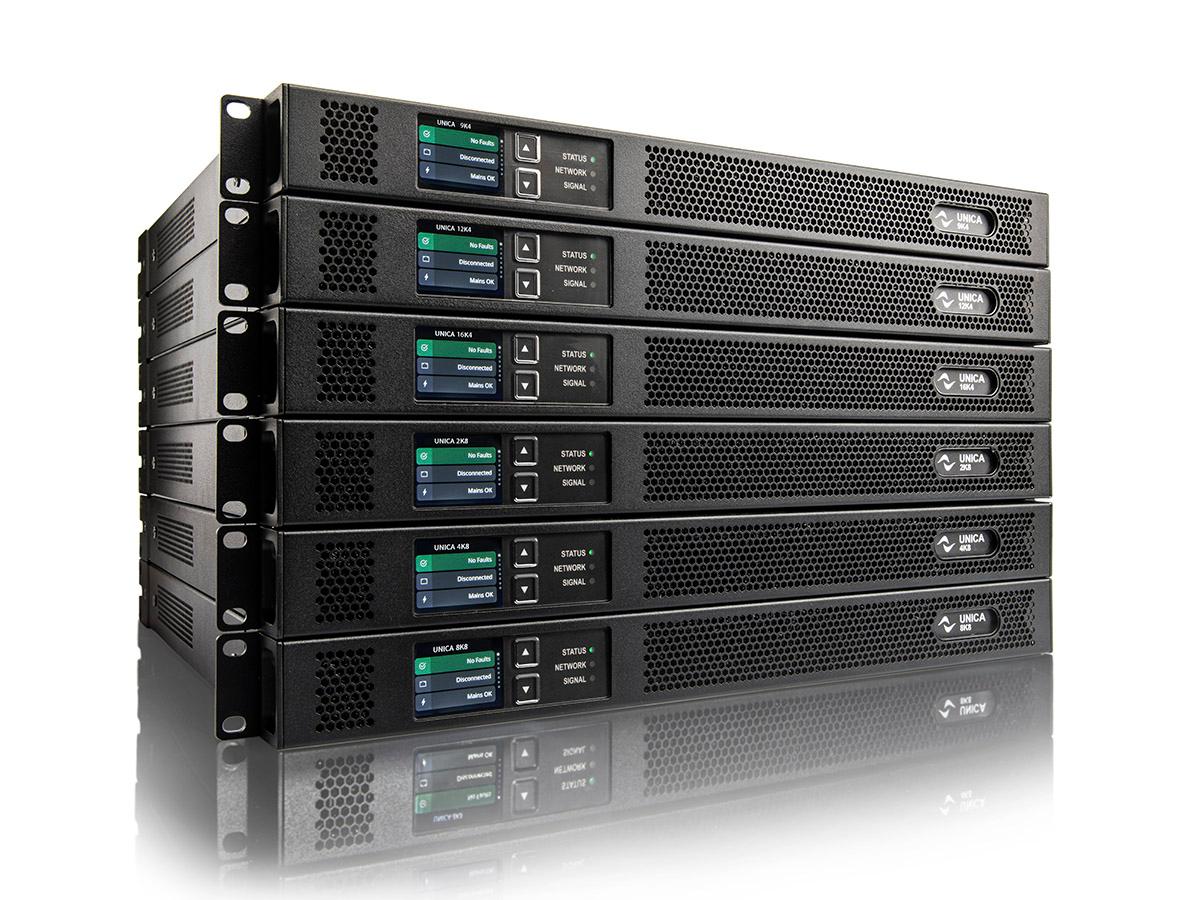
Several years in the making, answering all the core industry requirements and feedback from users, and creating a next-generation, advanced audio amplifier platform that reinforces Powersoft's leading role in the industry, UNICA is the new market reference. Introduced at ISE 2023 in Barcelona, the future-facing, cloud-based UNICA platform offers simple integration, straightforward configuration and low maintenance costs in one easily upgradable, future-proof package. Read More
|
|
|
|
|
STMicroelectronics Unveils World’s First MCU Edge-AI Developer Cloud |
STMicroelectronics continues to expand its solutions for embedded AI developers and data scientists with a new, industry-first set of tools and services to get edge AI technology on the market faster and with less complexity by aiding hardware and software decision-making. The STM32Cube.AI Developer Cloud opens access to an extensive suite of online development tools built around the industry-leading STM32 family of microcontrollers (MCUs). Benefits include access to online service to benchmark edge-AI models on STM32 boards. Read More
|
|
Creative Introduces High-Performance Sound Blaster X5 USB DAC and Amplifier |
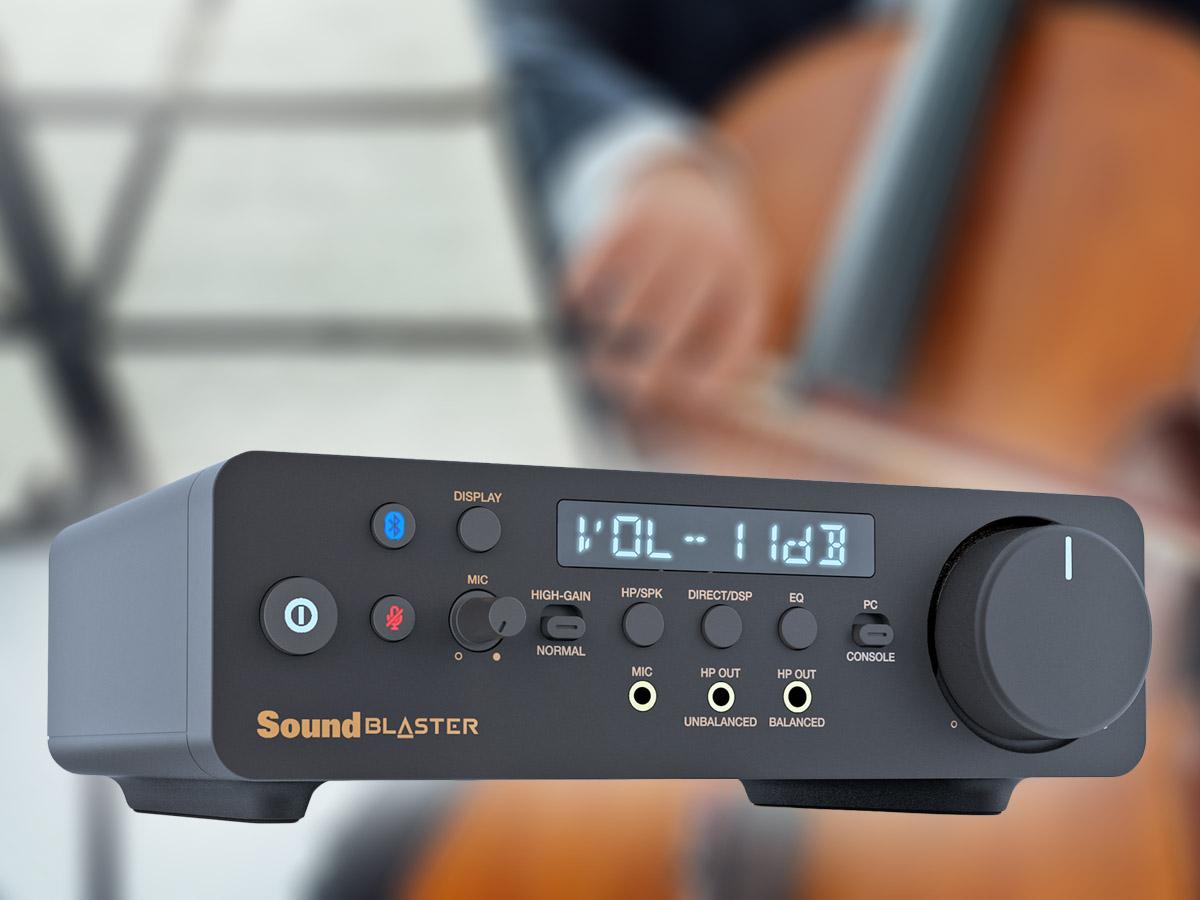
With the launch of the new Sound Blaster X5, a desktop USB DAC and amplifier design, Creative targets the more demanding requirements of music enthusiasts looking for a companion interface to their music streaming sources, with enough power to match the most demanding headphones. Using class-leading components, the latest audio technologies, and comprehensive connectivity options, the Creative Sound Blaster X5 is a compelling audio solution that sets a new standard in the range. Read More
|
|
|
|
|
CODA Audio Introduces 70mm Deep SPACE Loudspeaker Panels |
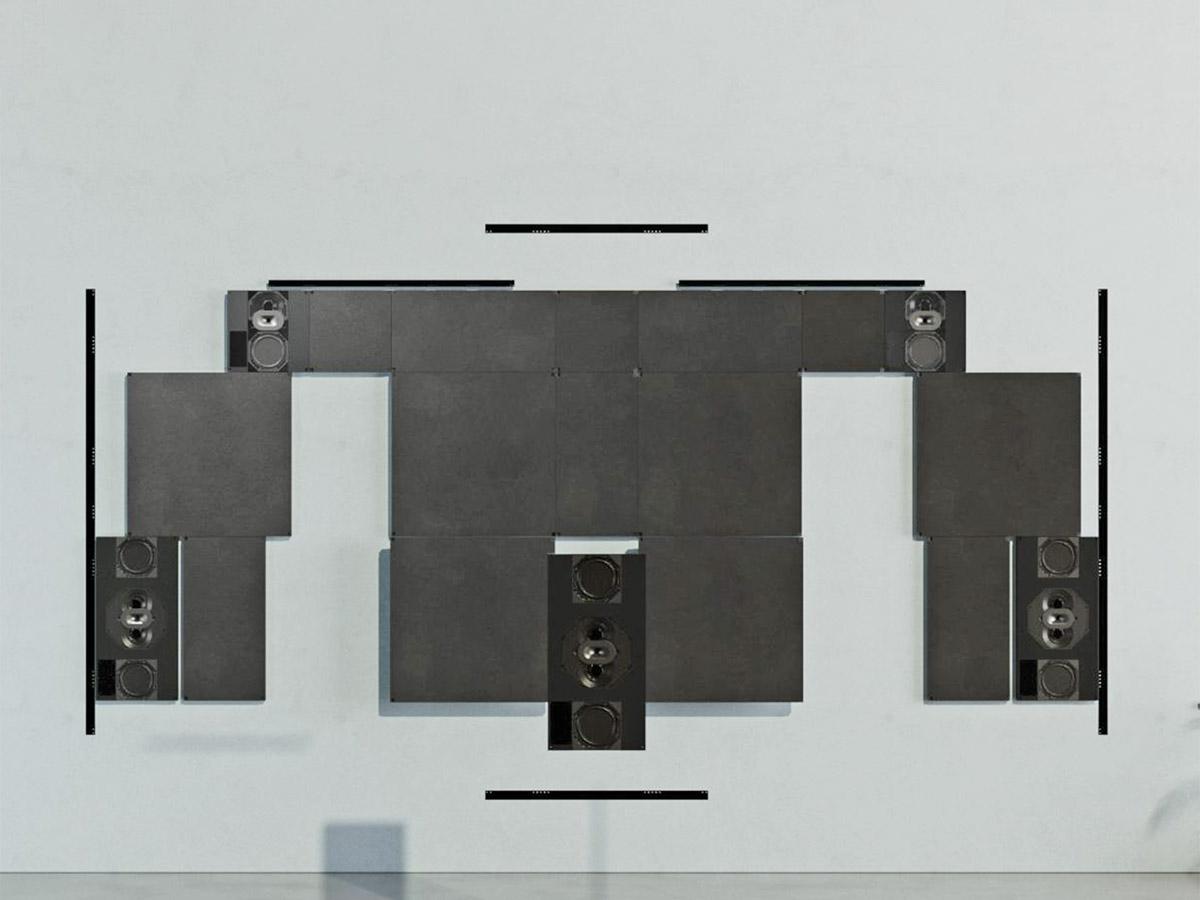
In what promised to be one of the most exciting launches at ISE 2023, iconic electronic musician and composer, Jean-Michel Jarre, and contemporary French artist Eric Decastro have teamed up with German-based CODA Audio to unveil the new SPACE by CODA system concept. As the company describes it, "Art & Music Meets Technology." The really interesting part of the integrated concept is the new 70mm deep, SPACE Panels, which can offer sound quality and performance that rival conventional PA cabinets. Read More
|
|
Amadeus Unveils New Holophonix Immersive Processors at ISE 2023 |
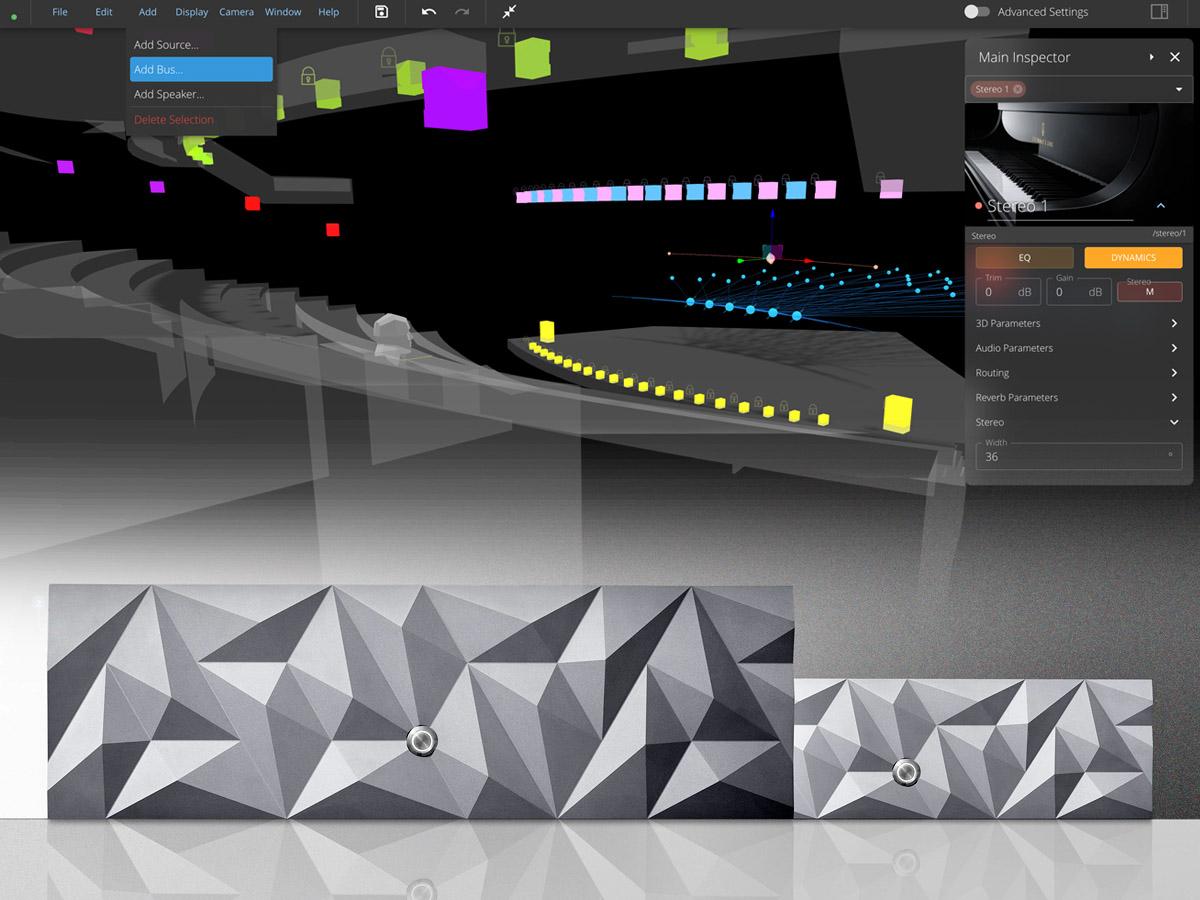
Immersive and spatial applications dominate the conversations and are predominantly featured inside the sound demo rooms at ISE 2023 in Barcelona. Appropriately, Amadeus has debuted a new 2.1 software version for its immersive platforms – Holophonix Servers, and the Holophonix Native app for macOS – plus two new configurations for its hardware processor offering 128 outputs and 64 outputs. The new 2.1 software update version is free for all users. Read More
|
|
|
Guest Editorial
Andrew Bellavia
(AuraFuturity)
|
The Future of Hearables
Uncovered at CES 2023
|
|
|
Anyone visiting CES 2023 and expecting to see groundbreaking innovations in hearables and hearing devices may very well have been disappointed. It did not help that some of the more interesting products were in private suites or off-site. Two hearing device companies, Eargo and Nuheara, did have a presence on the show floor but the products on display were either previously announced or evolutionary in nature. That is not to say they are unimportant, but the "wow" factor of something truly new was not there. And yet, if one looked under the hood, some interesting developments were announced or available to demo. |
|
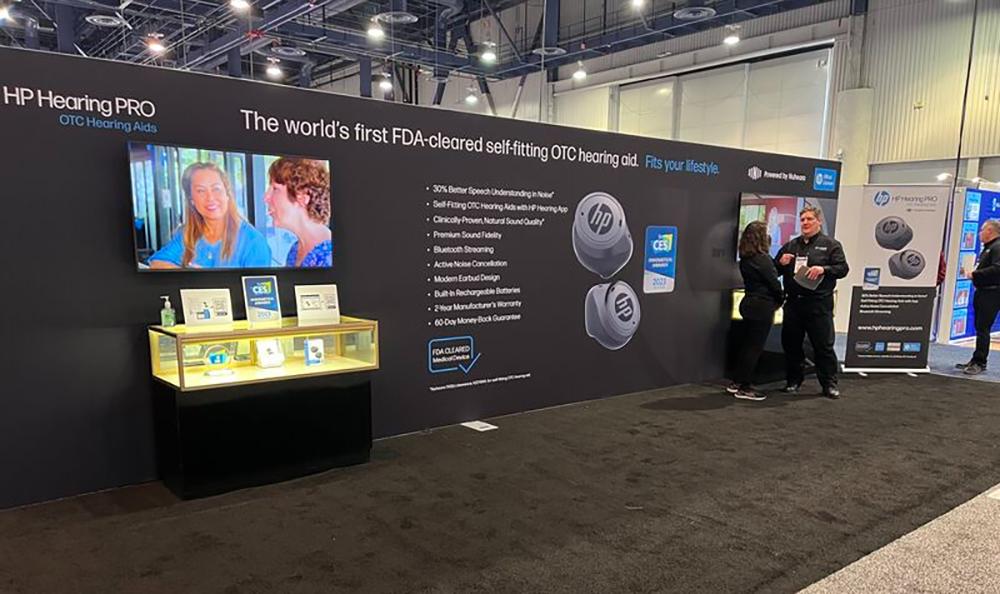
Australian hearable pioneers Nuheara received the "historic and first of its kind" FDA 510(k) premarket clearance for both an 874.3325 Self-fitting Hearing Aid and the 800.30 Over the Counter (OTC) hearing aid classification. The product was launched in the US market as the HP Hearing PRO. |
|
Of all the hearable companies making announcements at CES, none touched on as many trends as JLab. A top-10 TWS earphone brand in terms of unit shipments, JLab has the potential to influence a market’s direction. With earbuds at price points as low as $30, it is telling that at their private suite they announced the new Epic Air Lab Edition with a focus on audio quality.
Sporting a hybrid setup with a 10mm dynamic woofer paired with a Knowles balanced armature tweeter, premium sound in TWS may finally gain mainstream appreciation. Most intriguing is its support for LE Audio in addition to Bluetooth Classic. Since few phones offer LE Audio today, a small USB type-C dongle is also provided. While it remains to be seen if Auracast is already supported or will become available via an OTA update, broader adoption of LE Audio may very well get a boost by JLab’s announcement.
On the other end of the spectrum, JLab also announced the JBuds Mini, a TWS earphone so small the charger can be attached to a key ring. Even without ANC, their tiny size is sure to appeal to those with smaller ears or who otherwise have a hard time finding a comfortable fit. One could also see people routinely carrying them around purely for convenience since they are small enough to go almost anywhere, even if one chooses to wear earbuds with ANC or premium sound at other times. The JBuds Mini might be on the forefront of a trend toward owning multiple TWS earphones: Tiny ones for everyday use, ANC and premium sound for the commute, and a hearing device in the restaurant.
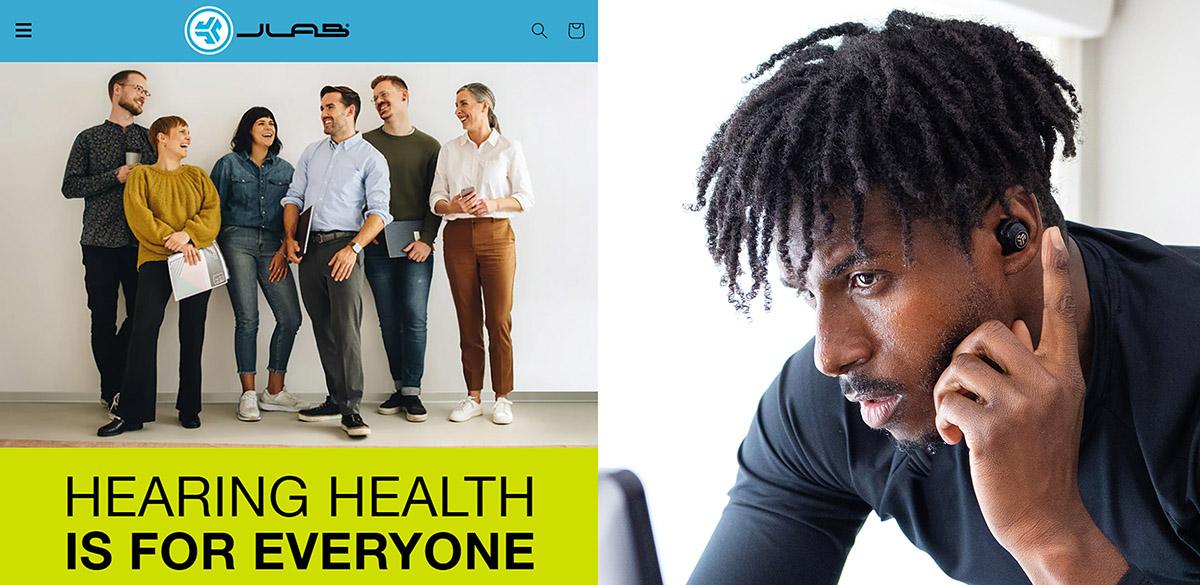
Speaking of hearing devices, even more exciting is JLab’s launch of its rather comprehensive focus on hearing health. This includes announcing a new line of hearing protection devices for both adults and children, two OTC hearing aids at consumer price points, and a commitment that all products released in 2023 and beyond will have a “hearing safe mode.” Up until now there has, with limited exceptions, been almost no serious public attention paid to hearing conservation and hearing health by mainstream audio brands. It is encouraging to see JLab taking this approach since it reaches a younger demographic who can take steps to protect their hearing before it is too late.
|
|
JLab's Smart ANC technology and the JLab Air ANC app already offer three noise control modes, the ability to fine tune the sound by adjusting equalizer settings, adjustable ANC, and pass-through audio with Be Aware. Taking that expertise to the hearing health space is the next step for JLab. |
|
Another intriguing announcement in the hearing health space was Sennheiser’s release of its Conversation Clear Plus earbuds. As described by J. Martins in an earlier audioXpress article, these are not OTC hearing aids. Their focus is on improving speech clarity in noise rather than selective amplification to counter hearing loss. I have myself written about employing speech enhancement techniques to improve people’s ability to hear better in social settings without the stigma associated with buying hearing aids. [https://audioxpress.com/article/hearables-in-2023-comfort-must-come-first] While I envision popular music earphones incorporating this feature as an extension of adaptive ANC by adding “rrestaurant mode,” Sennheiser had released a dedicated hearing device at a price point of $850.
Positioned in the price range of current OTC hearing aids, I expect Sennheiser will see some success within that category. But this is not a consumer TWS earphone. And yet, with a good marketing campaign, they may penetrate the stigma barrier and reach a mainstream audience. Sennheiser’s release of an online commercial featuring Dee Snider, lead singer of the heavy metal band Twisted Sister, is a good start.
|
|
Lead singer of metal band Twisted Sister touts Sennheiser’s innovative speech-enhanced Conversation Clear Plus technology. |
|
While classic techniques such as directional mics and acoustic filtering can offer some improvement in speech in noise understanding, there is a limit to the possible gains. Because restaurant noise is primarily composed of other voices, one cannot apply aggressive acoustic filtering without also affecting the voices one wants to hear. In consumer products, directional mics typically operate independently in each earbud. The close positioning of the two mics limits the amount of possible directionality. It has been demonstrated that useful improvement can be obtained with these techniques, but it will take a different approach to really have an impact. At CES 2023, a possible answer was hiding in plain sight.
I was especially keen to see the state of machine learning-based speech from noise extraction techniques as it applies to in-ear devices. You may have been using this advanced form of noise reduction without even knowing it. For example, it has been available in Microsoft Teams for a couple of years. They describe it as "specially trained deep neural networks to filter out noise and only retain speech." The problem to date has been that the software is too large and resource-intensive to fit into in-ear processor chips. One of my CES goals was to see how quickly this would be solved.
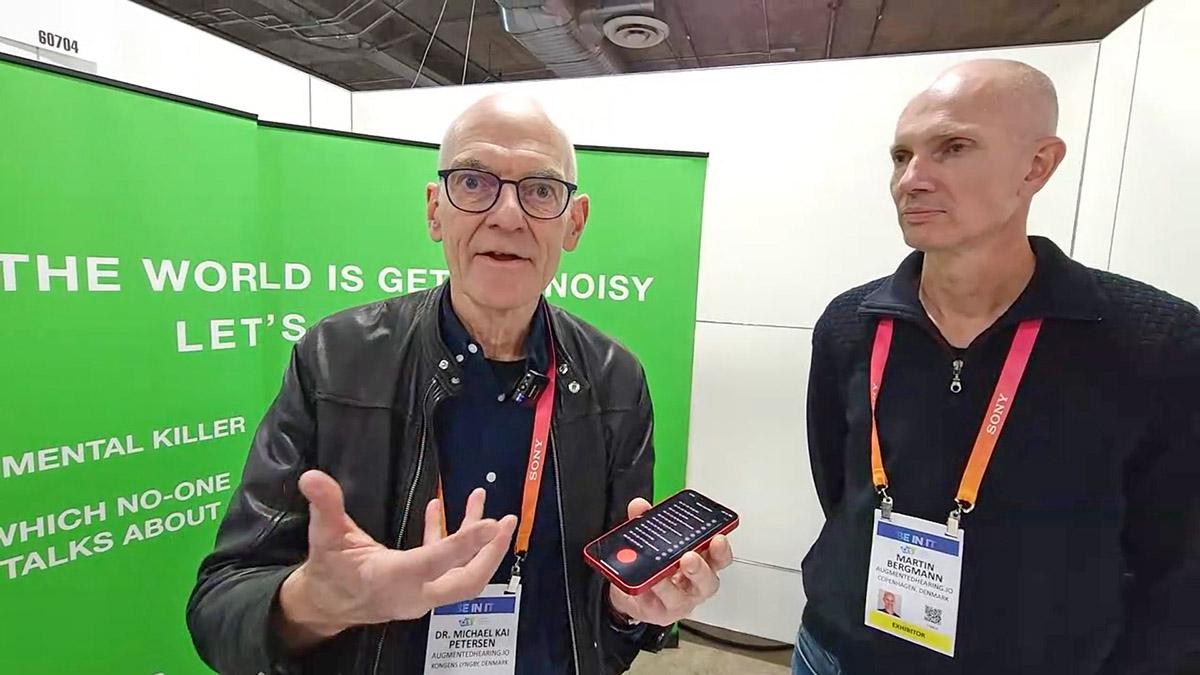
One company working on ML denoising software for earbuds is the Danish startup Augmented Hearing. At Eureka Park, the section of the Venetian Expo devoted to startups, they demonstrated their software running on a smartphone. Dr. Michael Kai Petersen, one of the three co-founders, explained that this is essentially the same model they will incorporate into hearables. Their efforts had been concentrated on reducing the number of training parameters to fit into earbuds while maintaining performance across different voice types. Eureka Park is a very noisy place, ideal for a demo of this kind. What I heard had a high degree of noise reduction with no loss of voice quality. If the same level of performance can be delivered in a comfortable earbud, it will offer a major improvement in speech clarity in noise. The first trials in hearables will begin soon and I, for one, will be most interested to follow their progress.
|
|
Augmented Hearing demonstrating its denoising algorithm running on a smartphone. |
|
In exchange for an algorithm of smaller size, they will need more than one version depending on the languages supported. The demo I tried was trained on English and worked with equal facility on Danish speakers. The same version will likely serve for all or most Western languages, but Michael Kai Petersen explained that for tonal languages such as Chinese, a version trained with Chinese speakers would be needed. They can also tailor the software for specific circumstances.
Trials are now running for critical communications microphones and push-to-talk switches where higher-power processors can be supported and current consumption is less of a problem. The software for these applications is trained with the kinds of noises encountered by police and firefighters to optimize performance for those use cases.
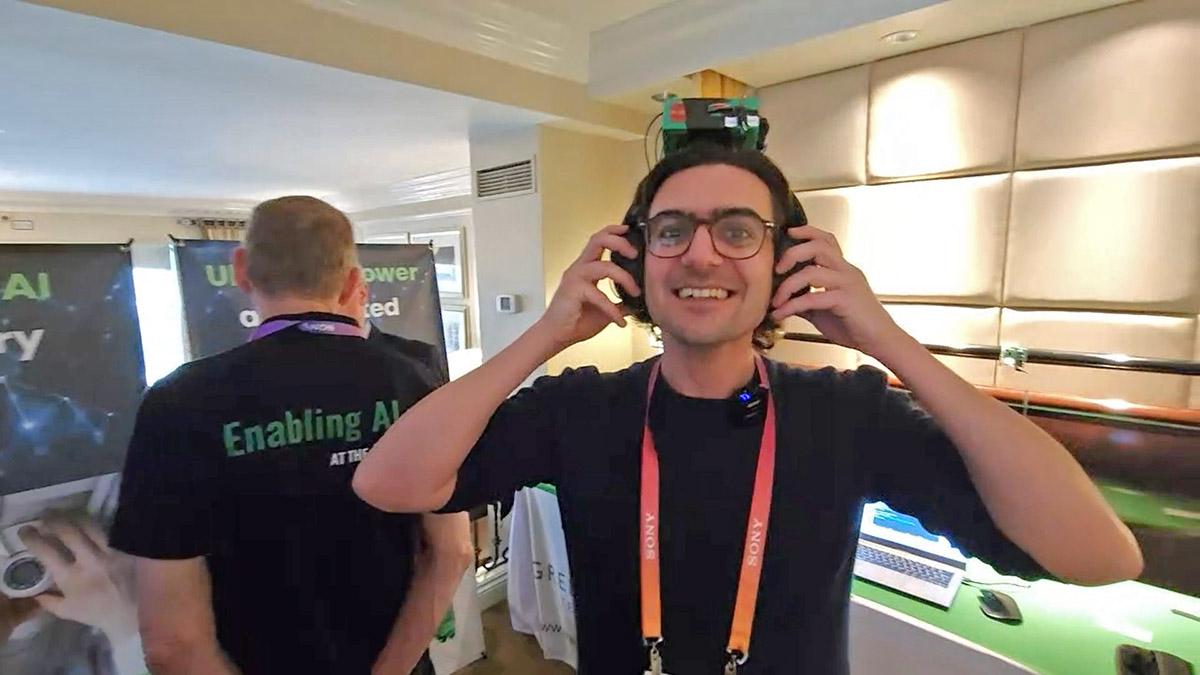
Processors capable of running neural networks with small enough size and power consumption are key to running ML speech from noise extraction algorithms in hearables or hearing aids. I visited two of the companies sampling such chips. At the French company Greenwaves’ suite, the headphone company Orosound, also based in France, had its software running on Greenwaves’ GAP9 processor development board attached to the microphones of an over-ear headphone. The denoised audio was then transmitted to a second headphone, demonstrating how one’s own voice on calls can be cleaned even in very loud environments. Pierre Guiu, CEO of Orosound, explained that the same software could be used for listening as well as for calls.
When I tried the system, Pierre Guiu stood within the bustling and loud Greenwaves suite while I stood just outside to minimize the amount of babble noise passing directly through the headphone body to my ears. It also performed very well, and Pierre Guiu explained that the first Orosound headphone using this system will be introduced in the summer of this year.
|
|
Only at CES would one be seen in public wearing a headphone like this one having the Greenwaves development board mounted on top, running Orosound’s speech separation software. |
|
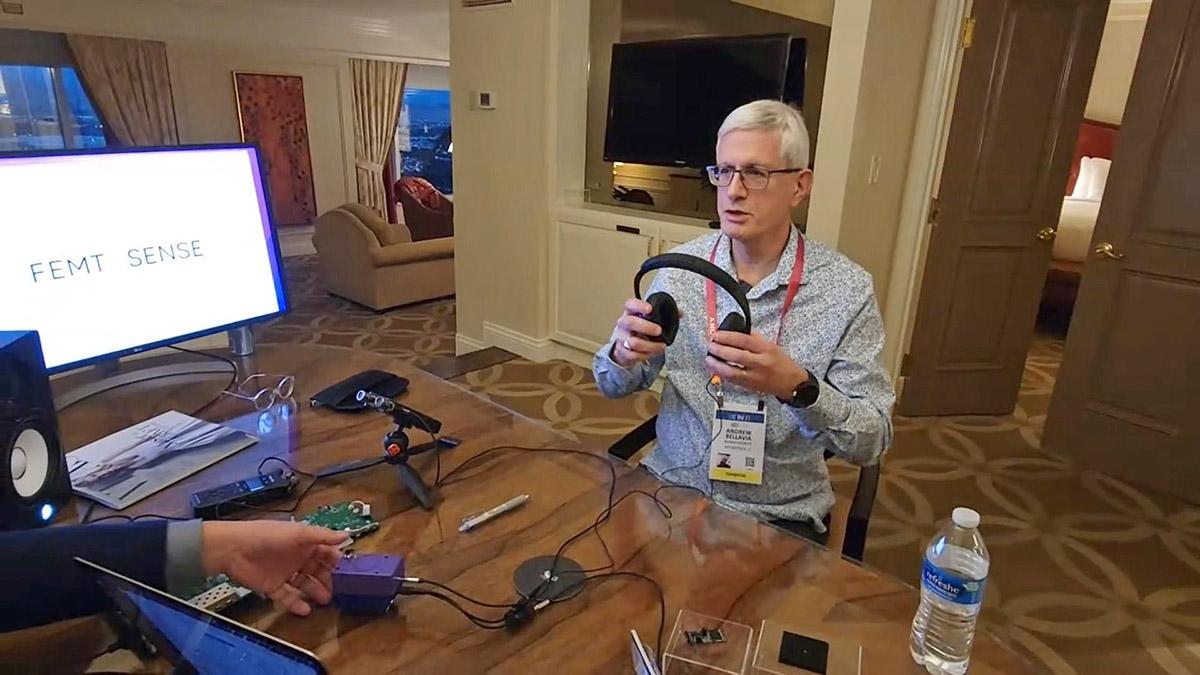
California-based Femtosense had a similar demo running its own noise extraction algorithm on its SPU-001 processor chip. According to CEO Sam Fok, the chip consumes about half a milliwatt in this application, low enough to run in hearables without a major impact on overall battery life. Listening to both an idling truck and coffee shop noise, the performance was quite good. A small amount of truck noise was still passed through with the system on, similar to a good ANC system. The difference is that when Sam Fok spoke, his voice came through loud and clear. Femtosense is actively engaged with hearable partners and targeting the first products to appear by “either Christmas or next CES.” |
|
Femtosense was also running its speech from noise extraction demo using headphones in a private suite. |
|
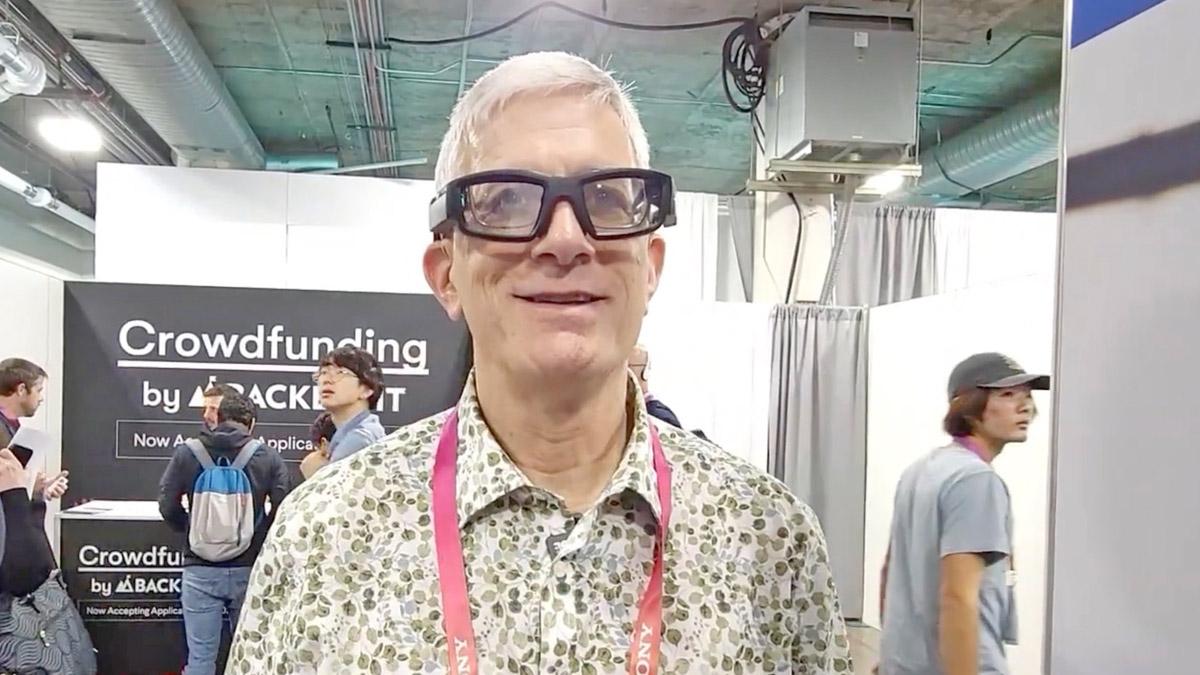
A video on the AuraFuturity YouTube page includes the author's visits to some of the companies working on noise extraction and other technologies. |
|
About the Author
Prior to founding AuraFuturity, a marketing consulting company focusing on in-ear and hearing, Andrew Bellavia had experience in international sales, marketing, product management, and general management. Audio has been both an abiding interest and a market he served professionally in these roles. Andrew has been deeply embedded in the hearables space since the beginning and is recognized as a thought leader in the convergence of hearables and hearing health. He has also been a strong advocate for hearing care innovation and accessibility.
|
|
Replacing IEC 60268-5 (Part 2) - The Importance of Measurements
By Geoff Hill
|
|
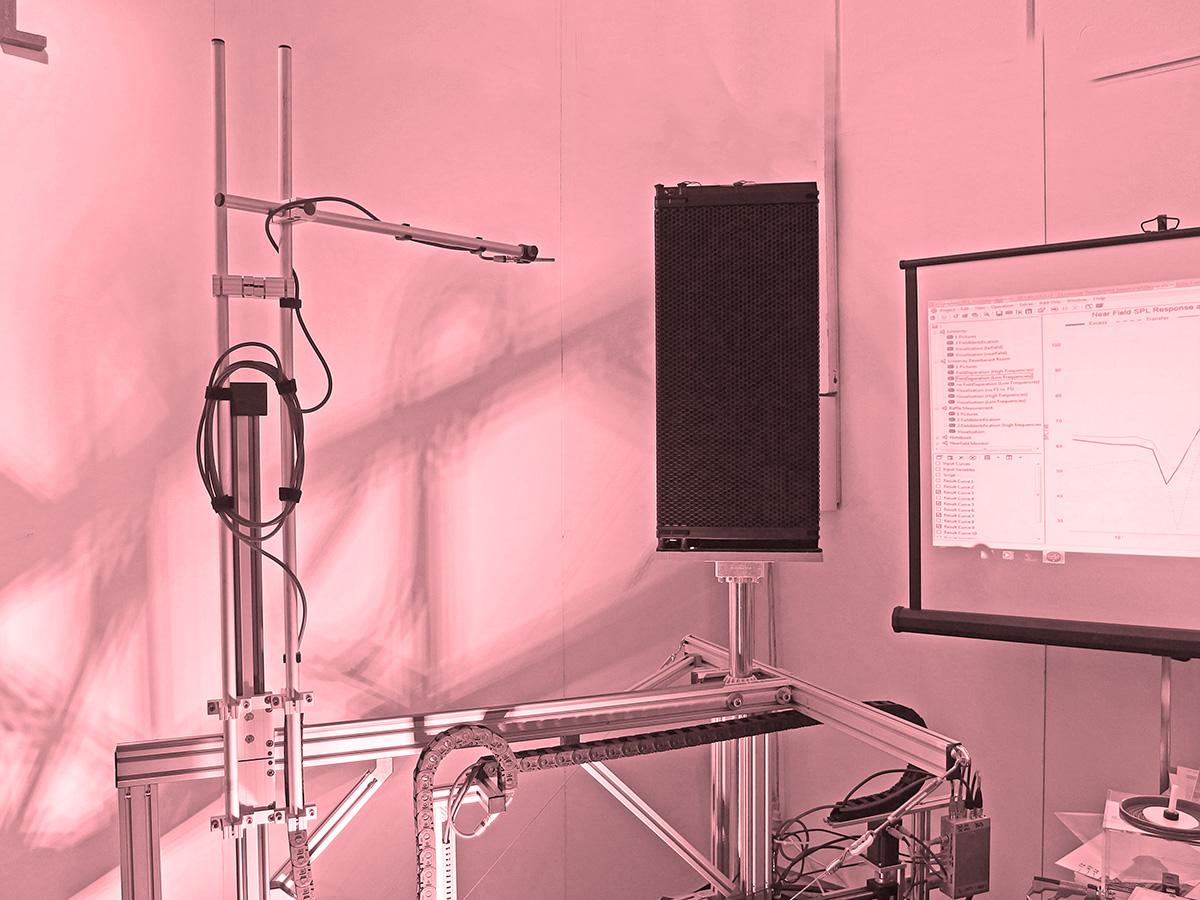
This article concludes the examination by Geoff Hill of the work taking place on loudspeaker measurement standards, and the progress the International Electrotechnical Commission (IEC) has made with its update efforts, also resulting from the work of the Audio Engineering Society's Standards Committee. In this article we learn how these new standards apply to measurements of sound in 3D space and in production environments, measurement of SPL using voltage sensitivity, and the measurements of microspeakers. This article was originally published in audioXpress, October 2022. Read the Full Article Now Available Here
|
|
The 6CXN36 Coaxial 6.5" Pro Sound Driver from B&C Speakers
By Vance Dickason
|
|
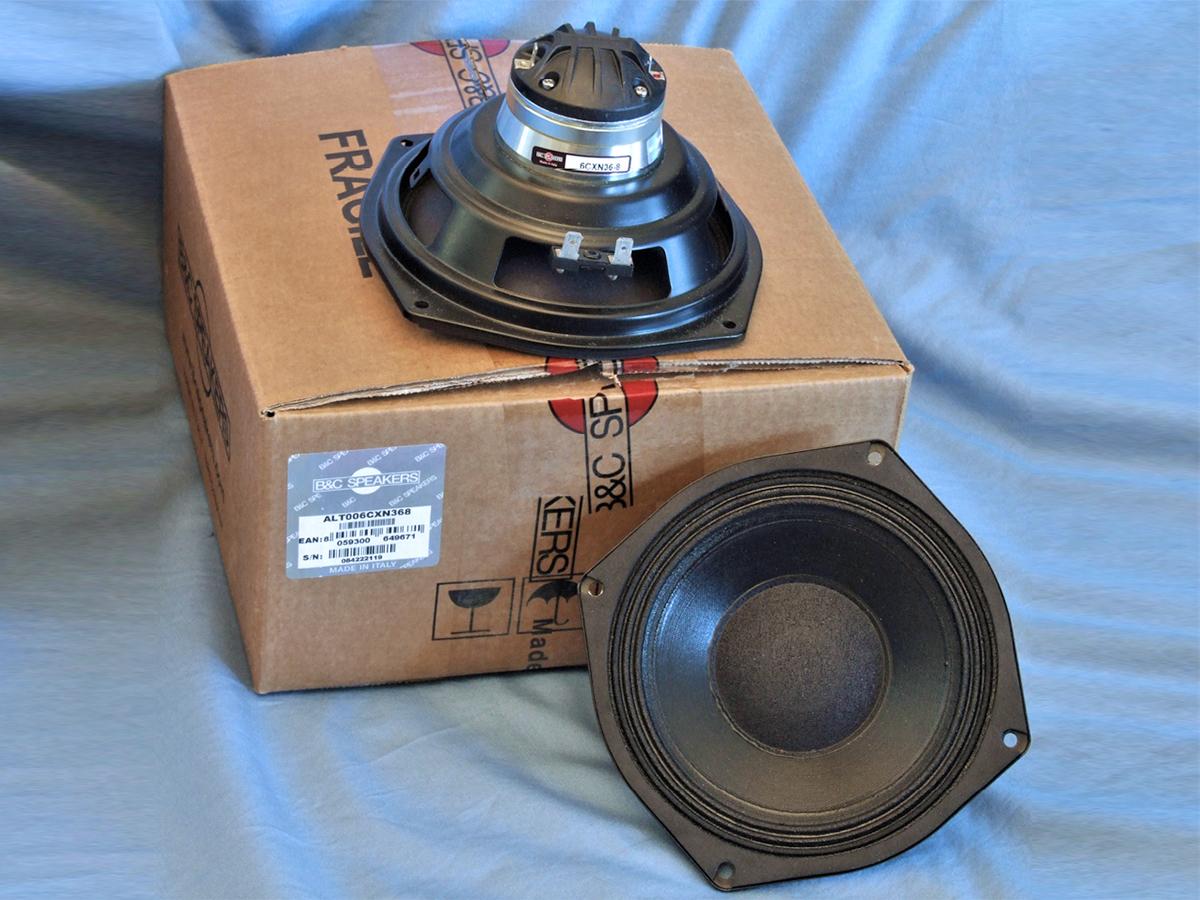
This Test Bench characterizes the 6CXN36 6.5" coincident coax transducer from Italian manufacturer B&C Speakers. This model is fairly similar to the company's 5.25” 5CXN44 reviewed in Voice Coil, August 2021, which uses a nearly identical compression driver. The cooling for the 6CXN36 is exclusively provided by the motor mass, which is substantial given the large 80mm diameter (8mm thick) neodymium ring magnet that powers both the high-frequency and low-frequency units. No vents are required for the 200W continuous power handling rating given by B&C Speakers, which is impressive for a small diameter driver such as this.
Diaphragm materials for the 6CXN36 include a curvilinear paper cone with a front side waterproof coating for the woofer, and a high temperature (HT)) polymer for the compression driver diaphragm. Driving the cone assembly is a 34mm (1.3") diameter voice coil with glass fiber former wound with round copper wire. The compression driver has a 36mm (1.4”) diameter voice coil wound on a Kapton former, but wound with aluminum wire. The short 90° aluminum conical-shaped horn on the 6CXN36 makes it very suitable as a PA fill driver, or as a personal stage monitor. This article was originally published in Voice Coil, November 2022. Read the Full Article Now Available Here
|
|
Audio Product Design | DIY Audio Projects | Audio Electronics | Audio Show Reports | Interviews | And More
Don't Have a Subscription?
|
|
Industry News & Developments | Products & Services | Test Bench | Acoustic Patents | Industry Watch | And More
|
|
Advancing the Evolution
of Audio Technology
audioXpress provides unique articles on new audio developments, R&D Stories, valuable market updates, the most complete objective reviews on innovative products and software, and the best DIY audio projects from worldwide experts. The Leading Global Audio Engineering & Development Magazine and Website.
Voice Coil, the periodical for the loudspeaker industry, delivers product reviews, company profiles, industry news, and design tips straight to professional audio engineers and manufacturers who have the authority to make powerful purchasing decisions.
The Loudspeaker Industry Sourcebook is the most comprehensive collection of listings on loudspeaker material in the industry. Purchasers and decision makers refer to the guide for an entire year when making selections on drivers, finished systems, adhesives, domes, crossovers, voice coils, and everything in between.
© 2023 KCK Media Corp. All Rights Reserved.
|
|
|
|
|
|
|