REMINDER: YOUR SUBMISSIONS ARE ENCOURAGED | |
|
1. It's National Bird Feeding Month; and it's time to put out a bird feeder to help our feathered friends get through the rest of winter. If you are in the Southwest, it 's just the right time to hang a hummingbird feeder stocked with sugary nectar.
2. In Around Town, the Tucson Botanical Gardens have been nominated for the USA Today 10 Best Readers' Choice Awards for the third consecutive year!
3. I love history, and I love trivia. This week, I have an article about five incredible historical coincidences.
4. In The Environment, I have an article outlining international efforts to promote sustainable ocean management that benefits people, nature, and the climate.
5. In Nature, This Sunday, we celebrate World Whale Day. Originally created in Hawaii to celebrate the islands' Humpback Whale population, it is now observed around the world to celebrate and raise awareness for all of the oceans' whales.
6. I have a Reader Submission this week from Flock reader Megan Reilly. She shares her recovery story from a 2003 car accident and how she applies her experience to helping others on their paths to recovery.
7. In Wellness, I have new information from a scientific study about meditation's positive effects on memory and emotional control.
8. In the Pet's Corner, my favorite mouser Fern checks in.
| |
Now, to this week's Flock. | |
1. National Birdfeeding Month: February 2025 | |
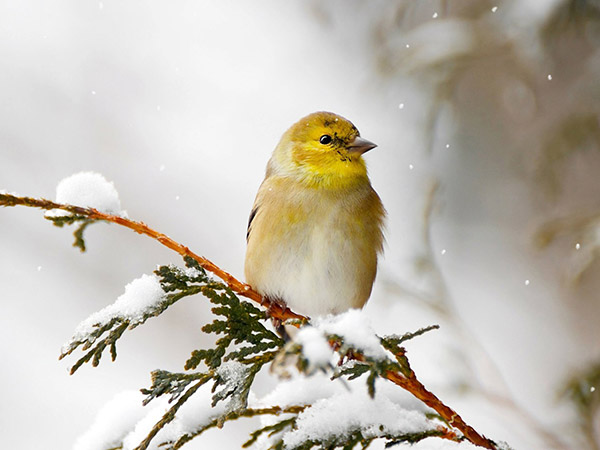
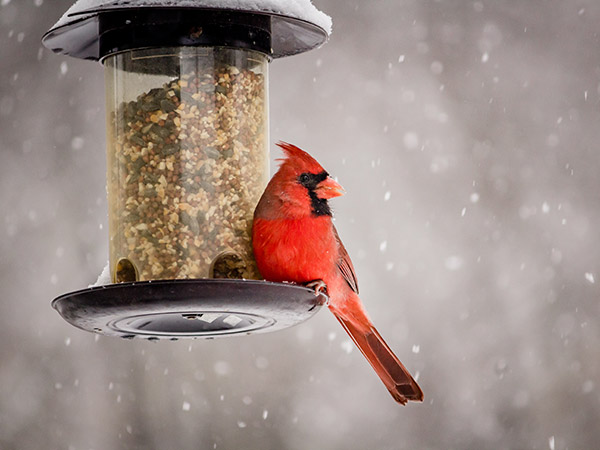
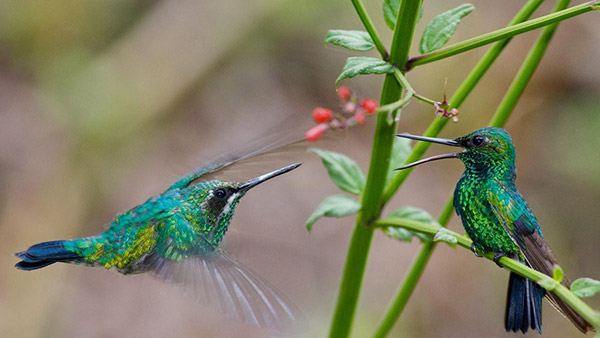
February is National Bird Feeding Month. Help our feathered friends make it through the final days of winter by stocking a bird feeder with seeds, nuts, and suet to give them the energy to stay warm. If you're in a warmer climate like the Southwest, spring is almost here, and it's time to hang a hummingbird feeder loaded with a nectar of one part sugar to four parts water. If you really want to attract hummingbirds, I have a simple DIY project for making a hummingbird fountain to give them a place to wash off and drink a little water. | |
4 Ways to Celebrate National Bird Feeding Month | |
|
Feed Wild Birds all Winter Long with our Expert Outdoor Birding Advice.
February became National Bird Feeding month in 1994 by Congressman John Porter. Being one of the toughest months of the year for birds to survive, he was determined to help feed birds during this time. The month encourages people to provide food, water, and shelter to wild birds in areas with cold temperatures and limited natural resources like plants and berries. Participating in National Bird Feeding month will help populations survive winter and provide you some entertainment in your yard. Where should you get started celebrating this month?
1. Add Another Feeder to Your Yard
Or get your first feeder if you don’t have any! Adding new feeders to your yard can attract new types of birds. Different birds prefer different feeders. Similarly, certain feeders are made for different types of feed.
Target new species and attract multiple types of feathered friends to your backyard for more entertainment this winter. The birds will appreciate the extra food available to them on snowy days.
2. Add Heated Water to your Yard
Birds are surrounded by frozen water in the winter. They need drinking water and an area to clean up, which is where you come in. This February, add a heated birdbath or fountain to your yard. This will not only provide an essential resource to your feathered friends, but you will likely attract more birds to your yard. Birds gather in areas where they can find reliable food, shelter, and water.
3. Participate in the Annual Bird Count
During National Bird Feeding Month each February, the National Audubon Society coordinates the Great Backyard Bird Count. Birders from around the world count birds to help gather data online. This data is used to create an online citizen-science project. And it’s free for participants!
This year is the 20th anniversary of the four-day count on February 17-20, 2017. To participate, Register Online Here, then take 15 minutes or more to count the number of birds and any kind of birds you see.
4. Learn a New Species
Everyone has a favorite bird. The beautiful red cardinal that stops by your feeder every morning, or the sparrow that sings songs when you’re on a hike. But there are so many birds to see! Learn a new species this month and figure out how to attract them to your yard.
Could you identify a Dark-Eyed Junco? How many types of woodpeckers can you name? Explore the many varieties of birds and learn a new species this month. This Guide from the Cornell Lab of Ornithology is a great place to start.
| |
Hummingbird DIY Solar Powered Water Fountain | |
Did you know that you can make your own bird bath for your hummingbirds to enjoy? This video will show you how to build your own solar powered bird bath fountain. It will not run out of water by the end of the day and it will stay clean. It'll look great in your yard or patio! | |
Endless Water Hummingbird Bird Bath-CHEAP DIY Attracts Birds Solar Powered Water Fountain in Garden | |
2. Around Town: Tucson Botanical Gardens
| |
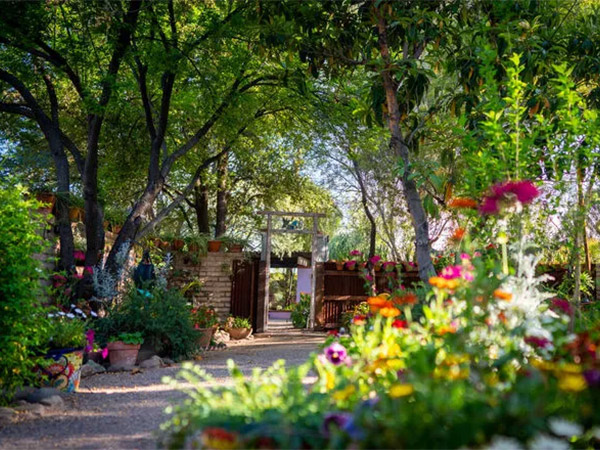
For the third year in a row, Tucson Botanical Gardens has been nominated by a panel of experts for the USA Today 10 Best Readers' Choice Awards, along with nineteen other botanical gardens around the U.S. Follow the link below to view the list of nominees and cast your vote. | |
Which botanical garden is the best? Vote now! | |
|
From desert climates to Japanese gardens, these 20 stunning venues — nominated by an expert panel as the best botanical gardens in the U.S. — showcase vast collections of plant life, helping to promote and conserve the plant diversity of our planet.
Which botanical garden would you most like to visit? Vote once per day for your top pick until voting ends on Monday, March 10 at noon ET. The 10 winners will be announced on Wednesday, March 19.
| |
3. History: History Trivia | |
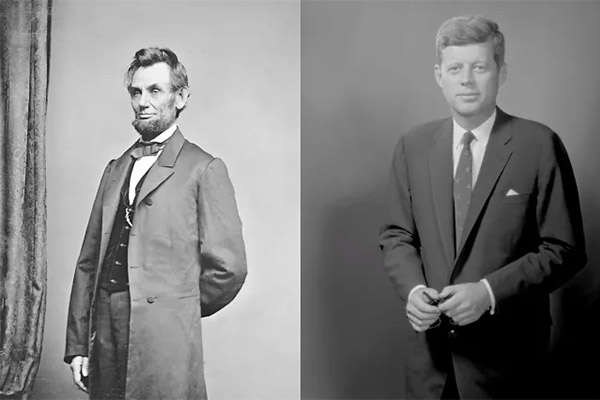
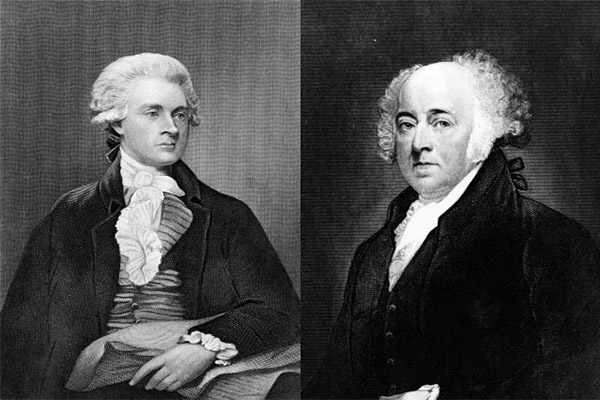
I ran across an article on the History Facts website with some great history trivia this week. The article features five increadible historical coincidences. In honor of Presidents Day coming up this Monday, I'm going to include two items from the article that involve U.S. presidents. | |
5 Historical Coincidences That Blow Our Minds | |
|
Call coincidence what you’d like: luck, karma, fate, or just random happenstance. In any case, when similar events occur, it’s fascinating and, sometimes, downright eerie. Some coincidences have so many layers that they take on a second role in the form of conspiracy theory or prophecy. Coincidences, by nature, require zero planning; all we need to do is wait for them to happen. Here’s a look back at five strange coincidences throughout history.
The Lincoln and Kennedy Assassinations Share Many Strange Similarities
Abraham Lincoln and John F. Kennedy are widely considered two of the greatest Presidents in U.S. history, and the coincidences surrounding their assassinations further link the two leaders. In fact, books have been written about them, and members of Congress have even discussed the topic. Both Presidents were killed on a Friday with their wives by their sides. Both were succeeded by men whose last name was Johnson (Andrew Johnson and Lyndon B. Johnson). There are also some parallels in the assassins: John Wilkes Booth shot Lincoln in a theater and was caught in a warehouse; Lee Harvey Oswald shot Kennedy from a window in a book warehouse and was apprehended in a movie theater. What’s more, both Booth and Oswald were themselves killed before they could face justice. Not everyone agrees as to whether these similarities have a deeper meaning or no meaning at all, but at the end of the day, the sheer number of coincidences is quite surprising.
| |
|
John Adams and Thomas Jefferson Died on the Exact Same Day
It’s unlikely enough that two of America’s Founding Fathers would die on the very same day, but this story gets even stranger. First, these two political rivals died within hours of each other. Even weirder? The date of their passing was July 4, 1826 — 50 years to the day after the Declaration of Independence was adopted. John Adams and Thomas Jefferson weren’t the same age when they died, though — Adams was 90 and Jefferson was 83. There are multiple theories on why this happened, and sheer coincidence is certainly one. To add another eerie layer, founding father James Monroe also died on the Fourth of July, five years later.
| |
4. The Environment: The World's Oceans | |
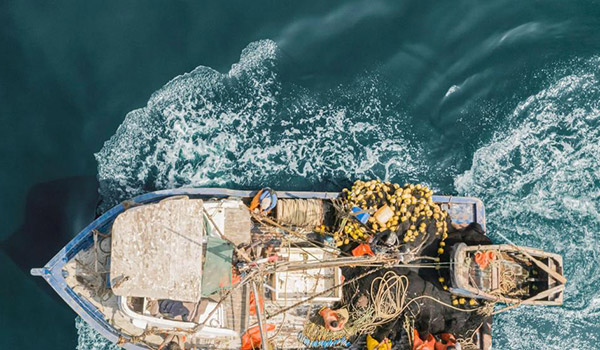
2025 is an important year for the world's oceans, with several international agreements and treaties approaching their deadlines to reach sustainability goals. Throughout the year, several conferences involving the United Nations, the World Trade Organization, the European Union, and other state and trade organizations are scheduled to work together to develop future regulations and treaties to ensure sustainable ocean management for both the environment and the economy. | |
Why 2025 Is a Critical Year for the Ocean | |
|
The ocean’s alarm bells are ringing.
Sea surface temperatures are at record highs due to climate change, marine pollution is pervasive, and ecosystem decline and biodiversity loss are rife. With just five years left to achieve the UN Sustainable Development Goals (SDGs), SDG14 — the target to “conserve and sustainably use the oceans” — has seen slow progress and received the least funding of all the SDGs. And President Trump’s return to office has delivered yet another blow, suspending offshore wind energy projects and emphasizing resource extraction.
All this stands in the way of building a sustainable ocean economy that supports people’s needs and protects the ocean. But at the same time, our ocean challenges and commitments are coming to a head. Over the past decade, the world made a number of important international ocean agreements and treaties that require swift implementation this year to ensure they are effective.
That’s why 2025 is a bellwether year for the ocean.
It’s one of deadlines and milestones. It brings both the pressure and the potential to be transformative for ocean governance, conservation and sustainable development. With a packed calendar of high-profile events, critical milestones, and major international agreements in the making — the ocean will, finally, take center stage.
| |
5. Nature: World Whale Day
| |
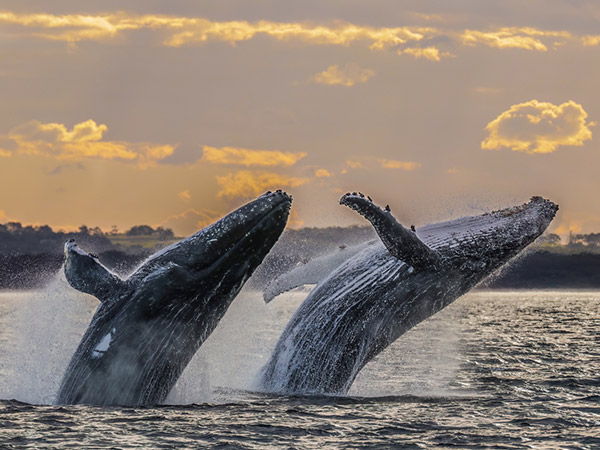
This Sunday, February 16th, is World Whale Day, an annual event where people worldwide raise awareness of the risks to the oceans' whales. As a special bonus, I'm reposting a video of Flock reader Tara Fulgenzi snorkeling with humpback whales that she shared with us in January. | |
|
Held in February, World Whale Day is a special day set aside to celebrate all whale species from oceans across the world.
What is World Whale Day?
World Whale Day was initially created in Hawaii to celebrate the native humpback whales. Over the last 40 years, it has become an international day to celebrate all whales and to raise awareness of the risks they face. It’s a great chance to learn what you can do to help.
8 facts about whales
1. There are two different types of whales. Baleen whales filter krill and plankton from the water while toothed whales eat larger animals such as fish and squid.
2. Whales can pass on ‘culture’ to other whales in the form of behaviours and songs.
3. Whales are highly agile in water. The Beluga whale can even swim backwards.
4. Whales need to surface to breathe. They can drown if they get caught in fishing nets or plastic waste in the ocean.
5. Some whales, such as the Bowhead whale, can live for over 200 years.
6. Whales play an essential role in keeping the oceans healthy and mitigating the effects of climate change.
7. While commercial whaling used to be the biggest danger to whales, entanglement, pollution, and ship strikes pose the largest threats in modern times.
8. Visiting a whale world heritage site is the best way to responsibly and sustainably watch whales in the wild.
| |
Swimming with Humpback Whales | |
6. Reader Submission: Megan Reilly's Story
| |
|
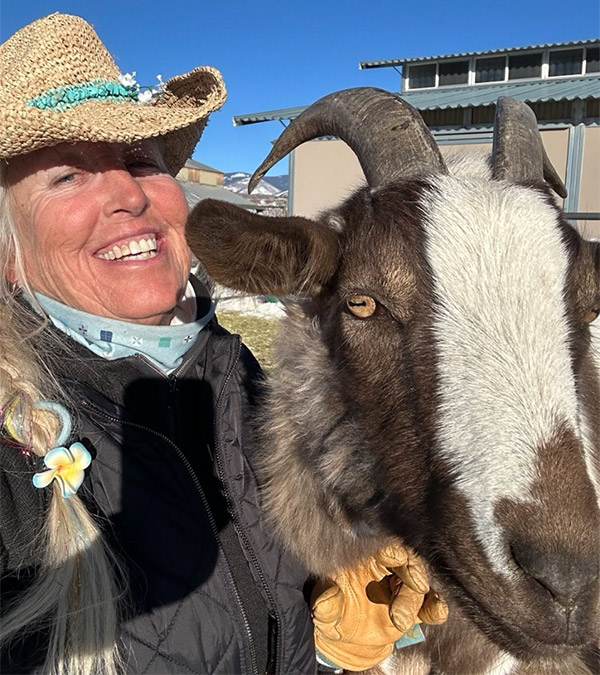
Flock reader Megan Reilly shares her story of recovery from a 2003 car accident on a high pass in the Colorado Rockies and how she applies her personal recovery experience to help others with their own physical, mental, and spiritual recovery. Megan and her therapy goats partner with Wind Walkers Equine Therapy and Learning Center to help her clients achieve an emotional recovery as impactful as their physical recovery. Megan is one great warrior woman!
Please share your stories. Stories build character through caring and sharing.
| |
My car accident 8/18/2003 | |
|
My story is a testament to resilience, determination, and the power of purposeful healing.
By Surviving such a catastrophic accident on Independence Pass in 2003- I had to relearn the most fundamental aspects of life—breathing, talking, and walking—and it has been an incredibly humbling and challenging experience.
Yet, through unwavering commitment and hard work, I not only regained my strength but also transformed that hardship into a mission to help others.
My approach to Recovery is profound because it demands Physical , Mental and Spiritual dedication.
The idea that my clients must be willing to do the work, honestly assess their progress, and push through discomfort to truly thrive reflects the very path I walked in my own healing.
It's not just about regaining movement or health—it's about regaining life, adventure, and the freedom to fully engage with the world again.
What makes my work even more powerful is my collaboration with WIND WALKERS Equine Therapy and Learning Center.
The emotional challenges that come with severe injury and recovery are just as significant as the physical ones.
By integrating Equine Therapy we are offering a holistic approach—one that nurtures not only the body but also the spirit.
Our THERAPY Horses, and our THERAPY goats, have a unique ability to connect with people on a deeper level, helping them process trauma, rebuild confidence, and rediscover joy.
MY personal experience has given ME an unparalleled perspective—one that allows me to challenge and inspire my clients while offering deep empathy for their struggles.
If someone hesitates or resists the hard work required for recovery, I don't just push them—we engage in honest conversations about their commitment to healing, ensuring they are truly ready to take charge of their journey.
What I do is more than rehabilitation; it's transformation.
I help people move beyond survival into a state of thriving, where they can reclaim not just their health but their passion for life.
My work is a gift to those who have suffered severe injury, guiding them toward a future where their spirit shines brightly, they develop their physical strength and their mental toughness to continue to improve today and everyday.
| |
7. Wellness: The Effect of Meditation on the Brain | |
New medical research from the Icahn School of Medicine at Mount Sinai has provided new scientific data bolstering meditation to improve memory and emotional regulation. | |
Meditation found to induce changes in deep brain areas associated with memory and emotional regulation | |
From: Medical Press, By: The Mount Sinai Hospital, February 4, 2025 | |
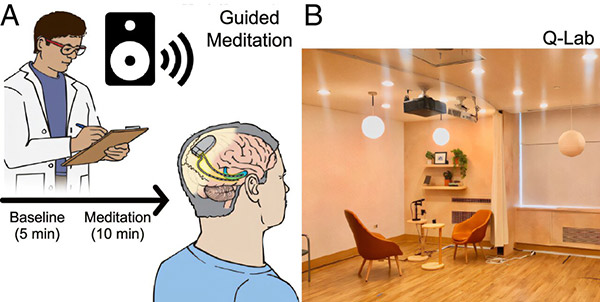
Researchers using intracranial electroencephalogram (EEG) recordings from deep within the brain found that meditation led to changes in activity in the amygdala and hippocampus, key brain regions involved in emotional regulation and memory.
Researchers using intracranial electroencephalogram (EEG) recordings from deep within the brain found that meditation led to changes in activity in the amygdala and hippocampus, key brain regions involved in emotional regulation and memory.
Previous research has shown that meditation—a set of mental techniques to focus attention and awareness—can improve mental well-being and potentially help improve psychiatric diseases like anxiety and depression. In combination with its beneficial clinical effect, previous brain research has shown a connection between meditative practice and brain activity. Yet the specific neural activity underlying meditative practices and their positive effects is still not well understood.
| |
Behavioral methods. (A) Experimental design. Subjects (n = 8) | |
"Traditionally, it has been challenging to study these deep limbic brain regions in humans using standard methods like scalp EEG. Our team was able to overcome this challenge by leveraging data collected from a unique patient population: epilepsy patients with surgically implanted devices that allow for chronic EEG recording from electrodes implanted deep in the amygdala and hippocampus," said Christina Maher, a neuroscience Ph.D. student in the Graduate School of Biomedical Sciences at the Icahn School of Medicine and first author of the paper. | |
7. Pet's Corner: Fern Checks in | |
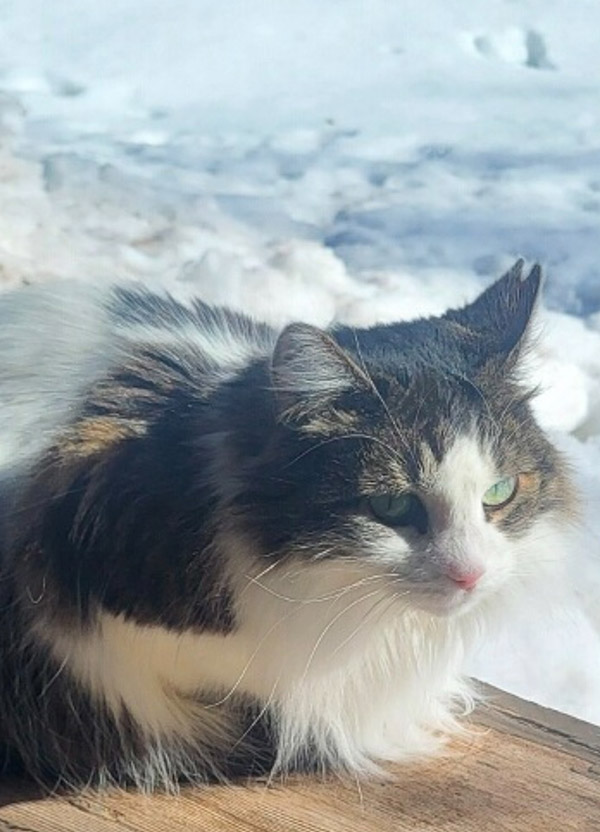
Fern doing some winter mousing. | |
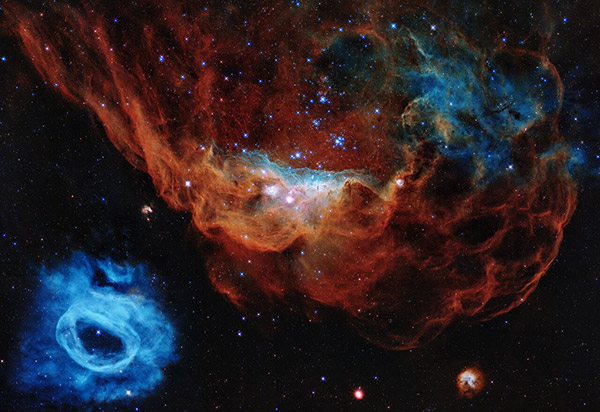
credit: NASA, ESA, STScI,and Hubble Space Telescope | |
Tapestry of Blazing Starbirth | |
These Flock regulars are always here for you: | |
Don't Be Shy: Share Your Stories! | |
I'm looking forward to sharing more of your personal stories - oral, written, or otherwise, as we enter our third year. I'd so love to present them to The Flock, hit a mailbox below to share your story. | |
Subscriptions & Idea Submissions
Reminder: Your submissions are always welcomed. | |
|
Feel free to forward this email to a friend. If this was forwarded to you and you would like to receive your very own Flock Newsletter, you can sign up here. If you have any questions or suggestions for future Flock resources, don't hesitate to contact me.
Your fan and friend,
Beth
| | |
The information and materials contained or referenced in this newsletter are for informational purposes only and not intended to be a substitute for professional medical advice, diagnosis, or treatment. Always consult a physician or other qualified medical professional with any questions you may have regarding a medical condition or treatment and before beginning a new health care regimen. Do not disregard professional medical advice or delay seeking medical advice or care based on anything contained in this newsletter. | | | | |