Faulkner County Agriculture Update
September 18, 2026
| | |
Weather
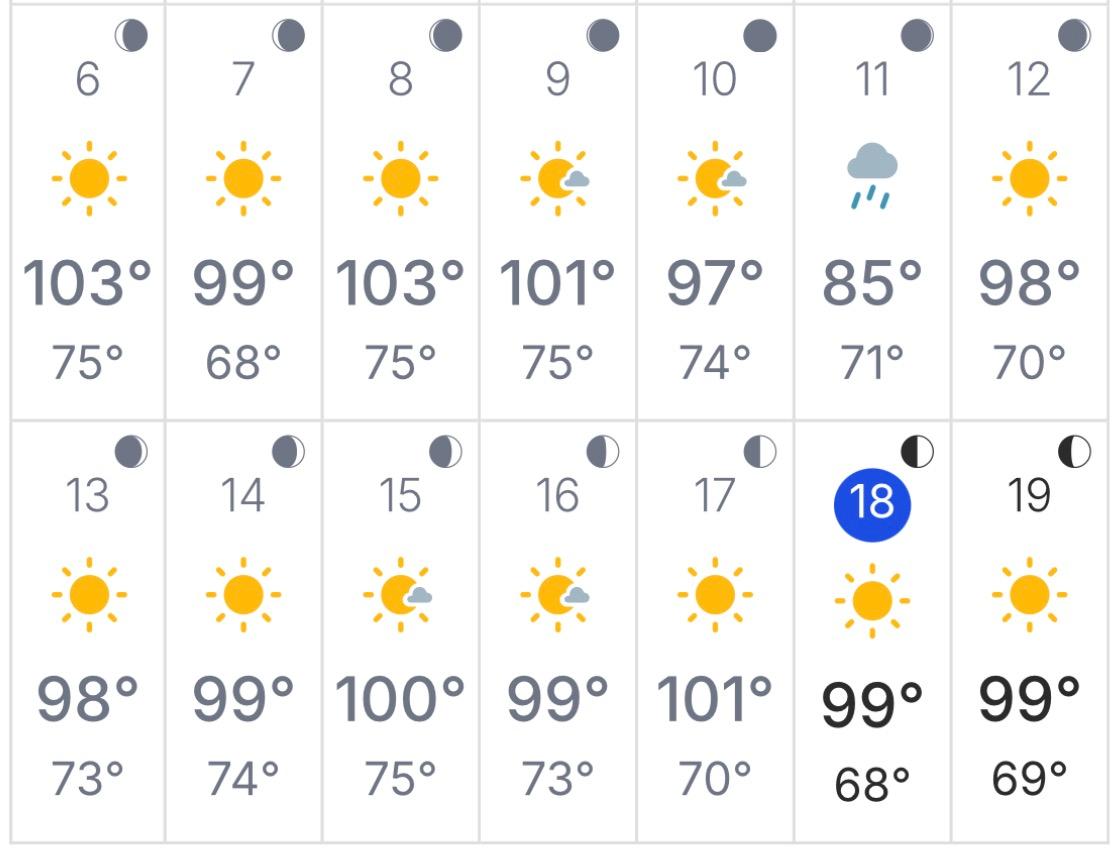
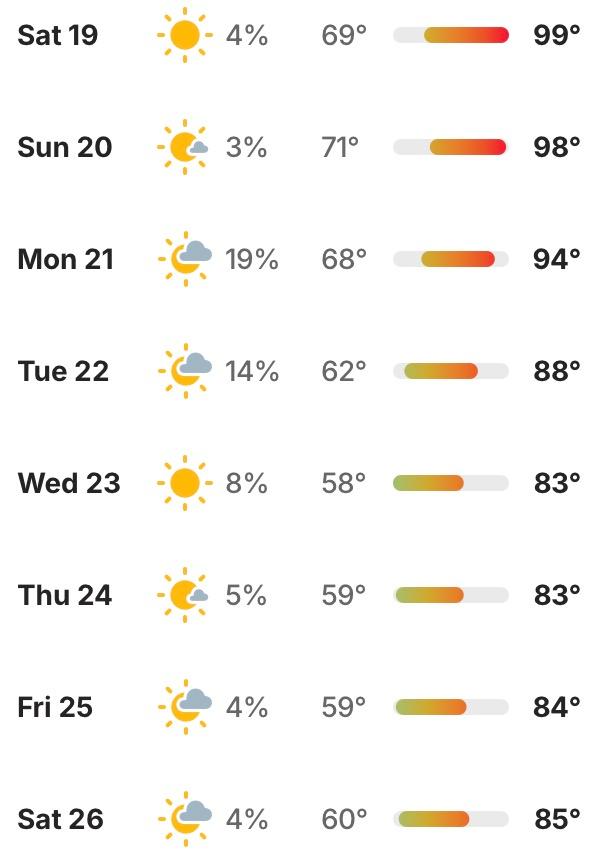
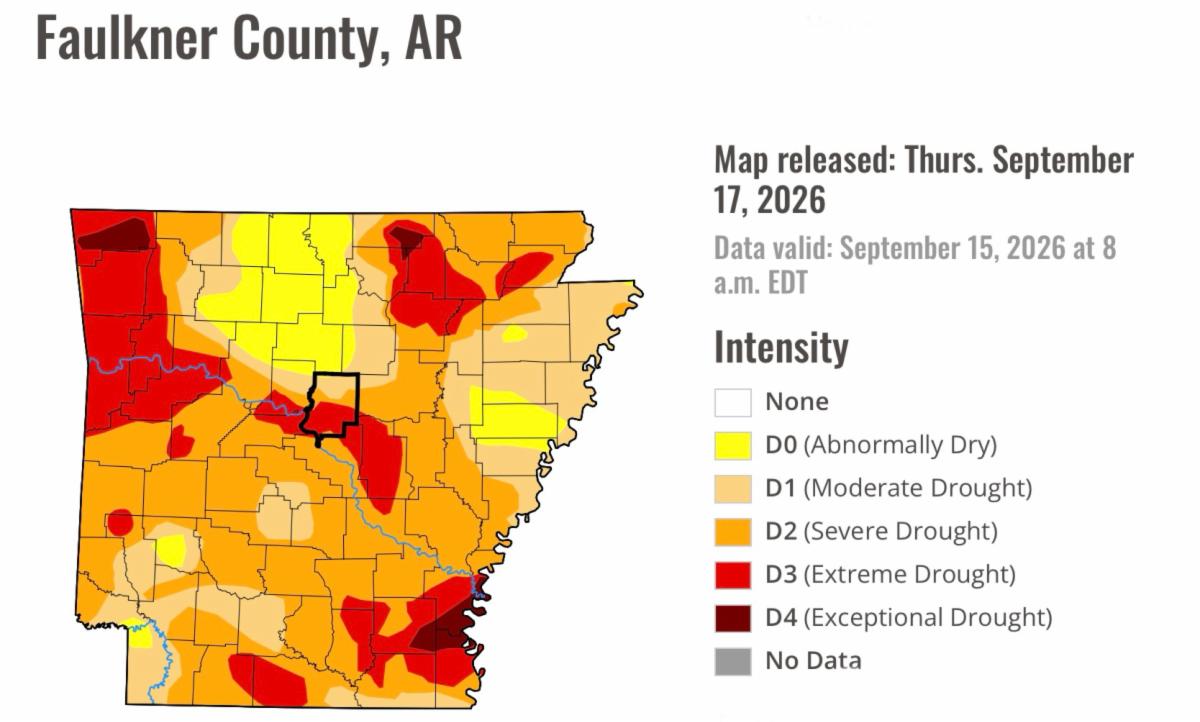
The heat was the story this week. It was super hot and humid all week. Hopefully next week brings a break to this heat. The rain chances aren't high, but I will take a cooler week, especially with the fair going on next week.
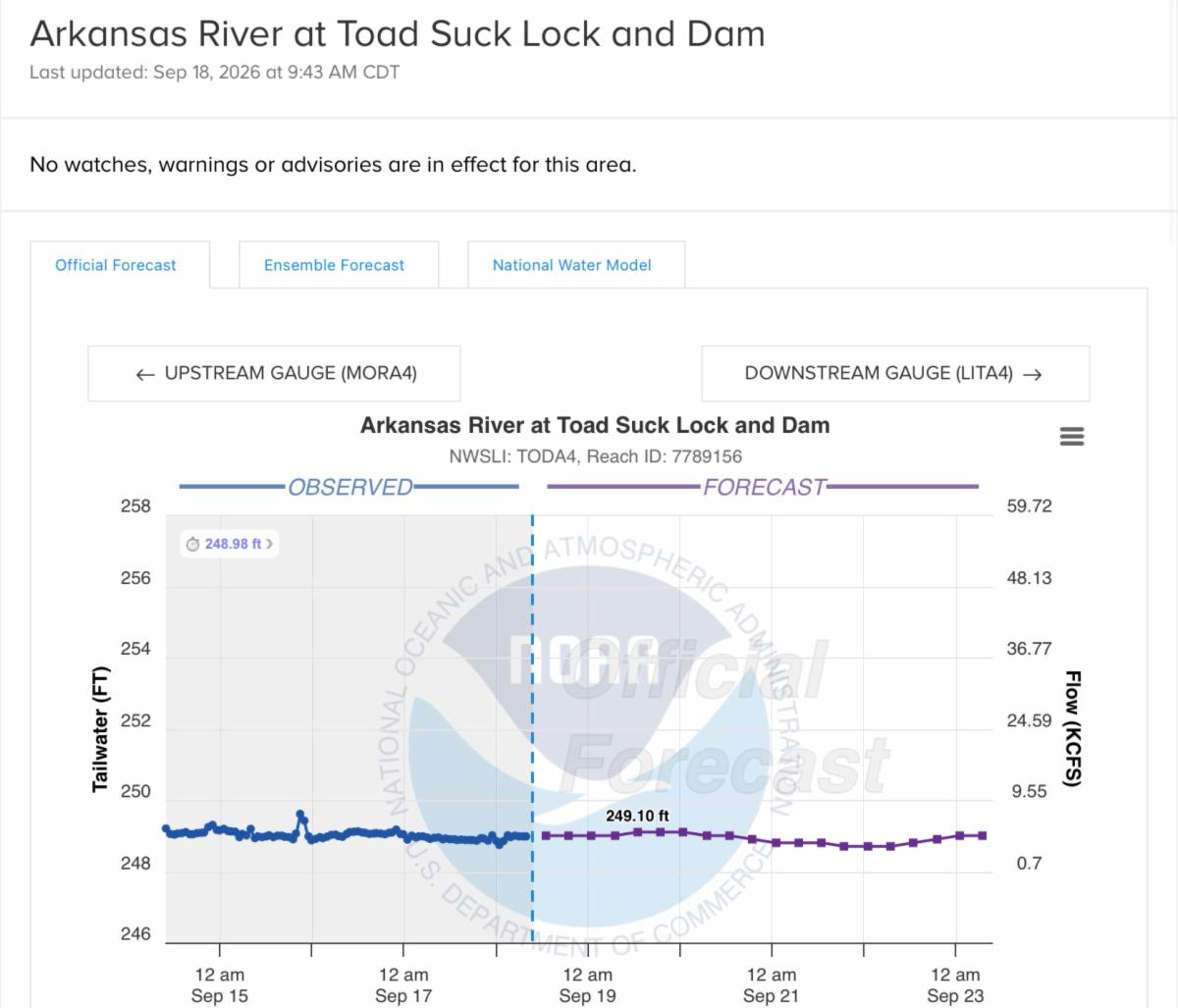
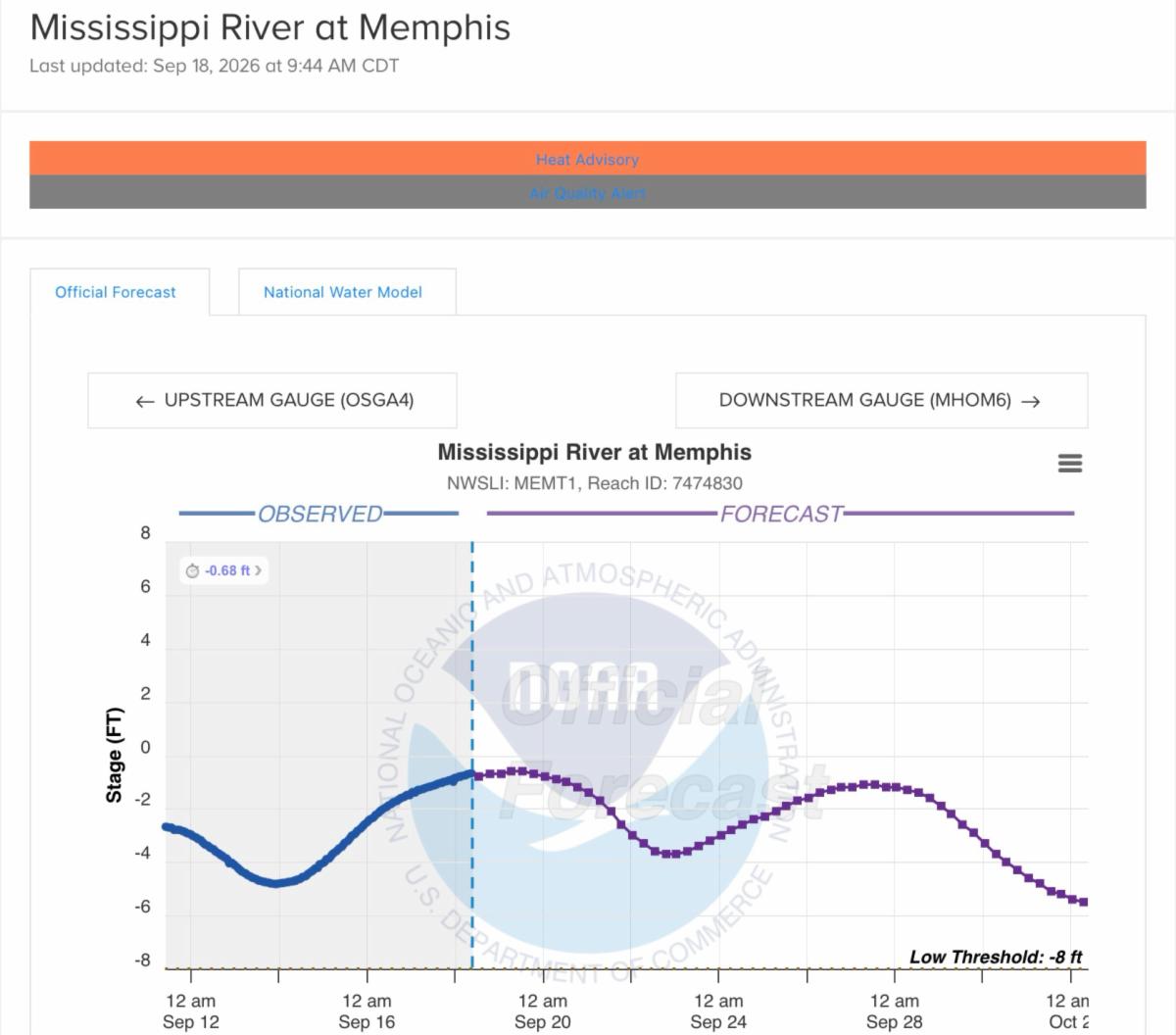
| | Arkansas and Mississippi River | |
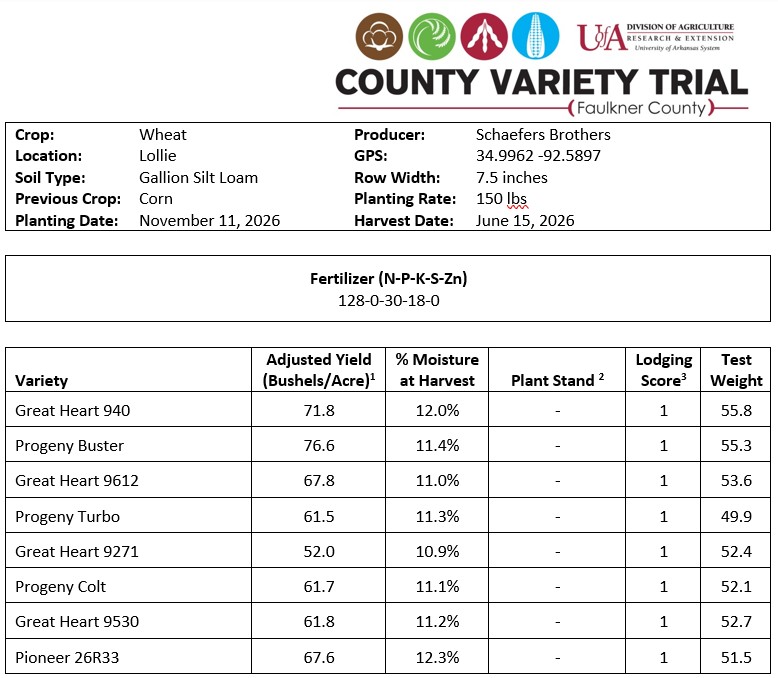
Wheat Crop Insurance Sales Closing Date is September 30
Scott Stiles - September 15, 2026
The USDA’s Risk Management Agency (RMA) reminds Arkansas producers that the final date to apply for crop insurance coverage on wheat is September 30th for the 2027 crop year.
Current policyholders who wish to make changes to their existing coverage also have until the September 30th sales closing date to do so.
Click the link to learn more.
| | Dr. Jarrod Hardke's Rice Update | | |
Soybeans
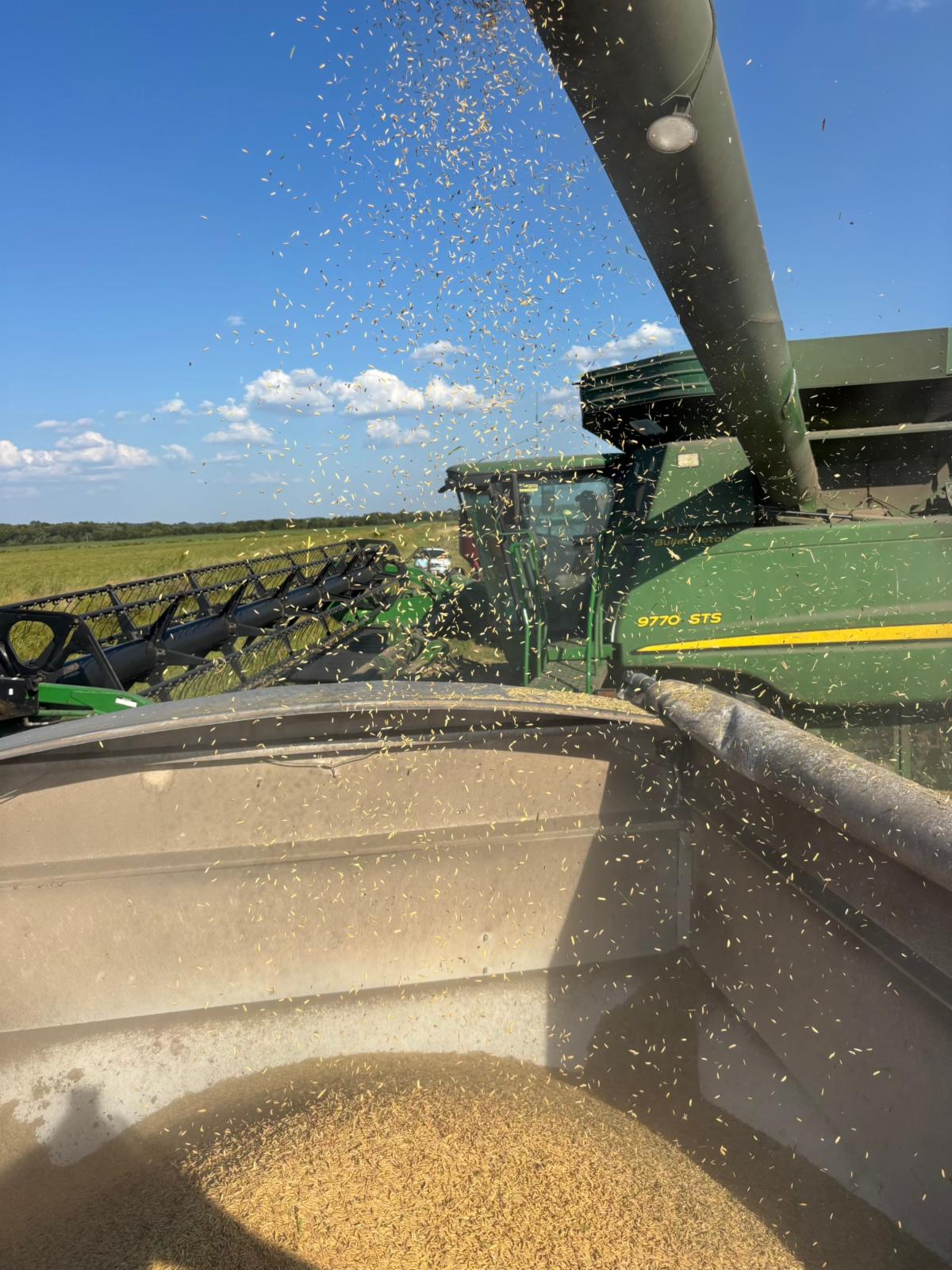
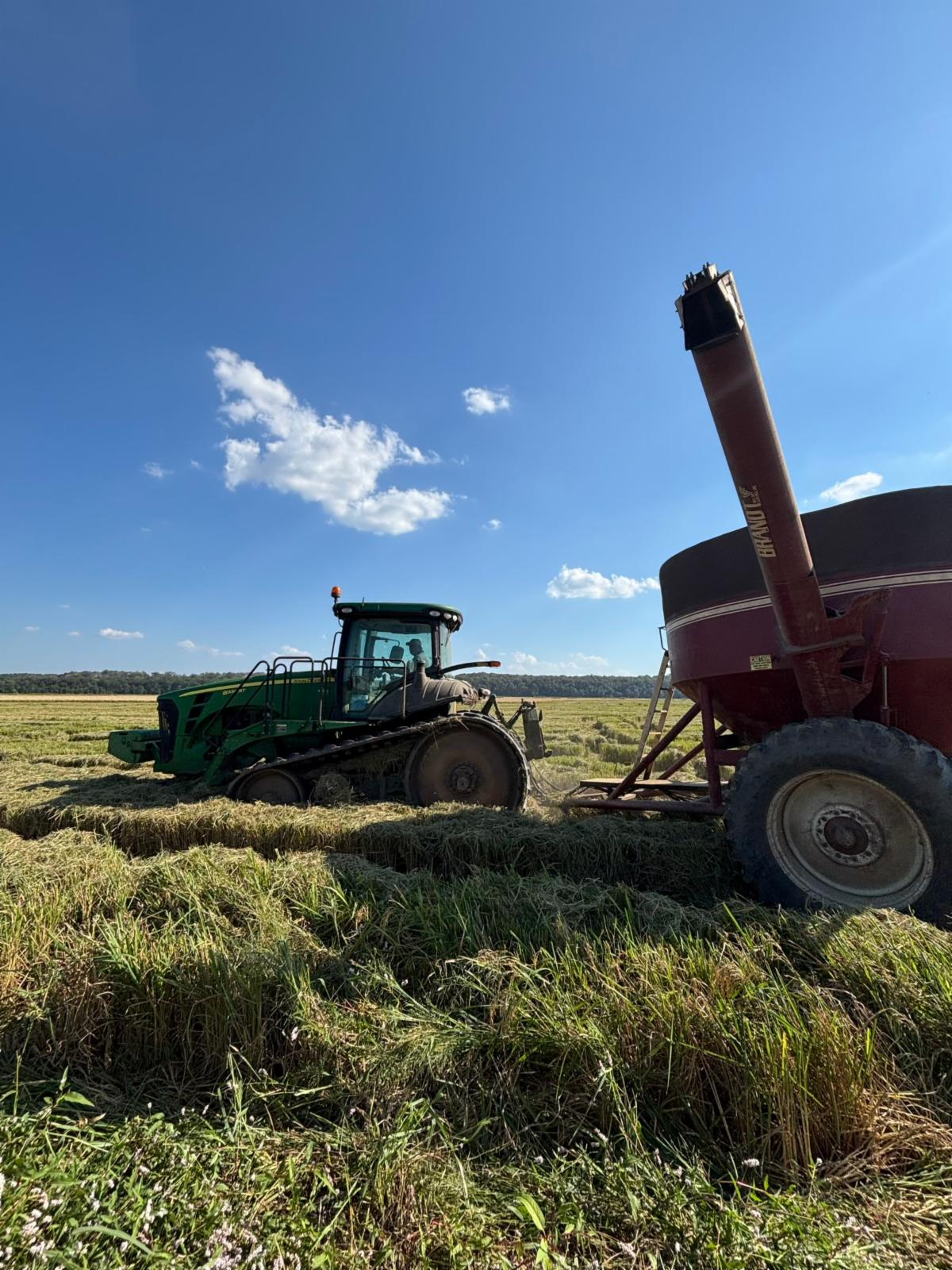
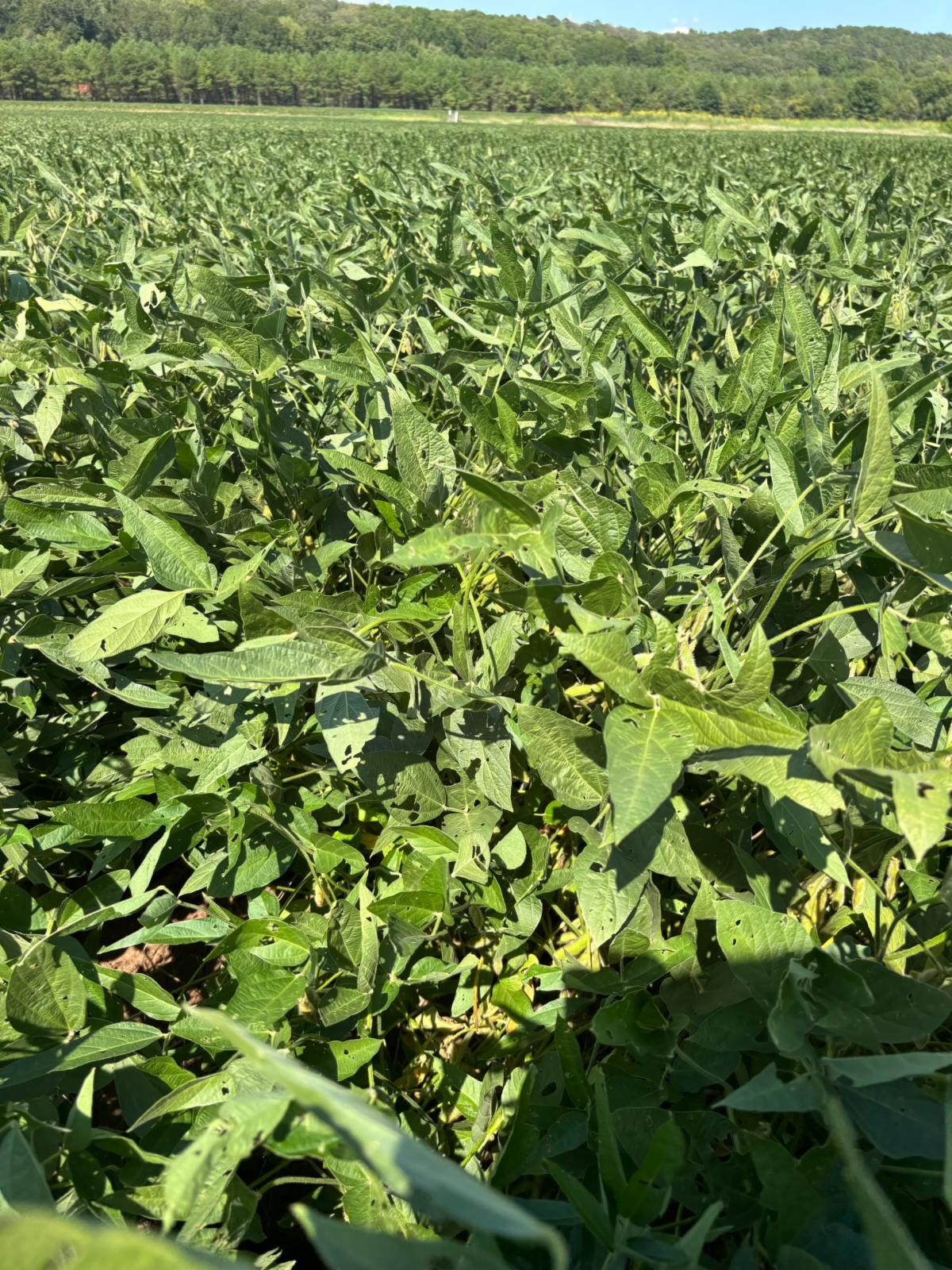
Soybeans are starting to move towards maturity. Several fields are starting to turn and we are getting ready to start harvest. A few fields have already been harvested, but next week we start seeing the final drive towards the end of the 2026 crop year. Hopefully we will have great yields.
| | |
Corn
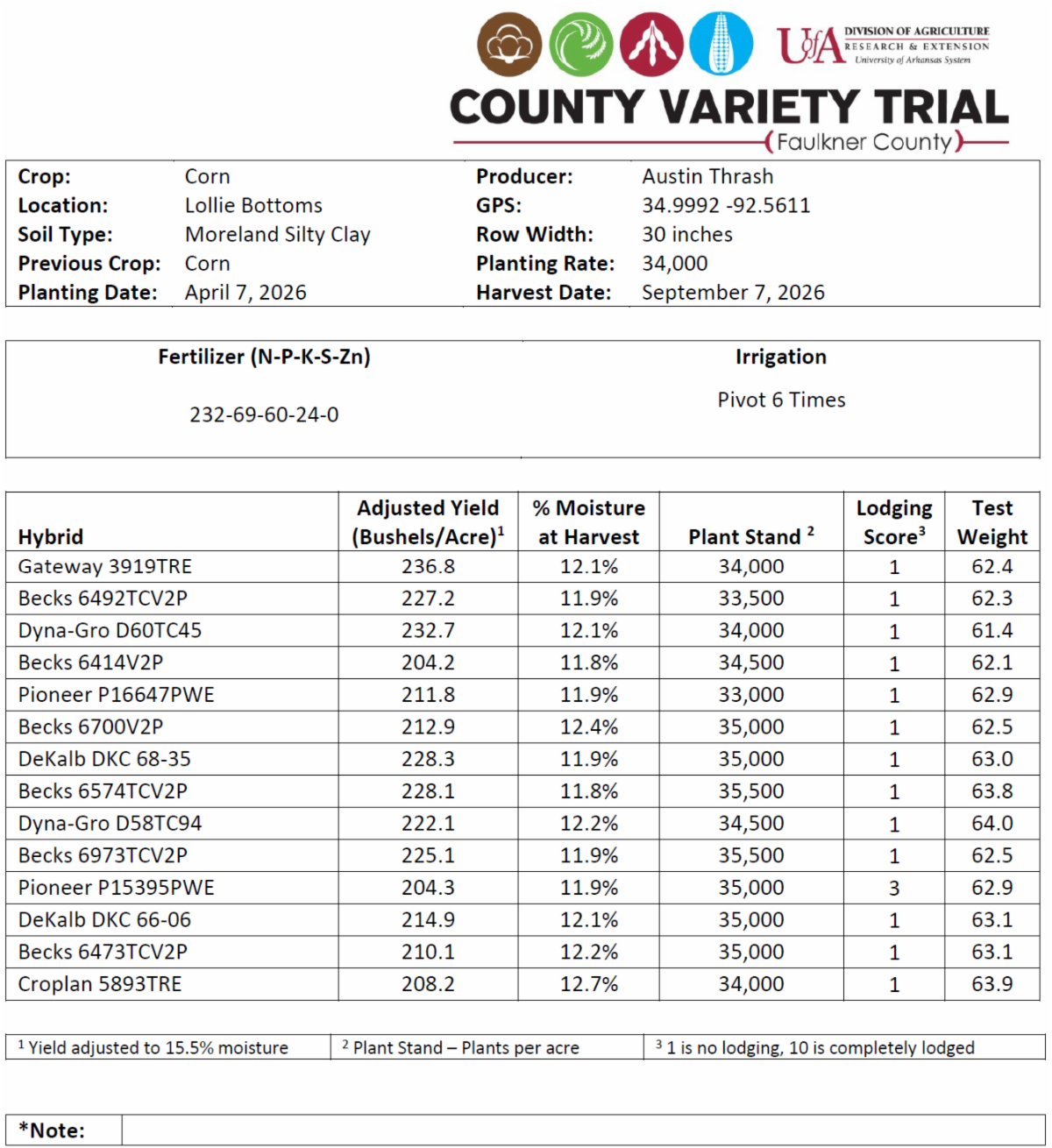
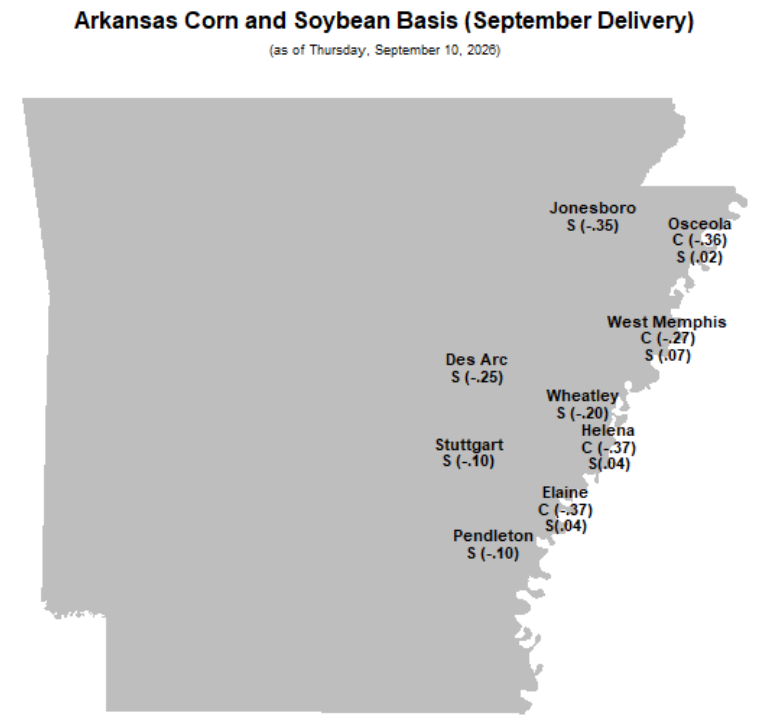
I will keep this up a couple more weeks for producers that are starting to book seed.
| | |
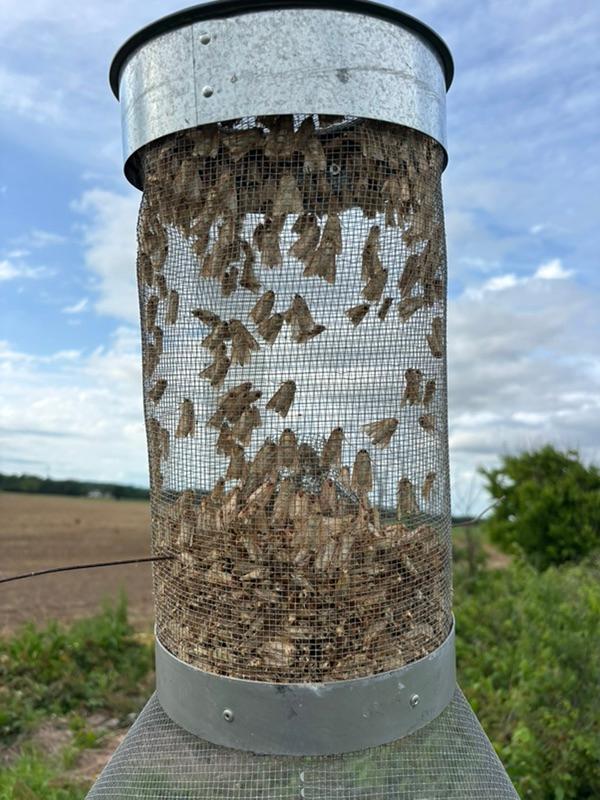
Corn Earworm Moth Traps
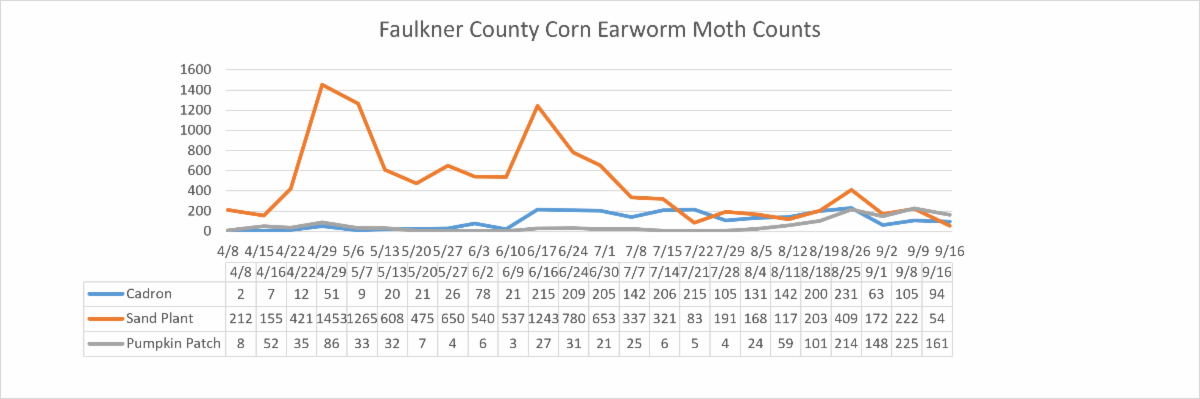
Corn Earworm Moth Counts for September 16, 2026
Cadron - 94
Sand Plant - 54
Pumpkin Patch - 161
| |
Crop Insurance: Basic Producer Considerations
Dr. Hunter D. Biram, Assistant Professor and Extension Economist, University of Arkansas
Note: The following newsletter is a summary of a chapter on crop insurance from a recent publication addressing the current agricultural economic downturn. For a more complete explanation of basic considerations in crop insurance, as well as information on other sources of risk management, please consult the full publication which is found here. This effort was jointly led by the Southern Risk Management Education Center (SRMEC) and the Agricultural Food and Policy Center.
Chapter 14 provides an overview of the Federal Crop Insurance Program and the major choices producers face when selecting coverage. Individual plans, such as Yield Protection (YP) and Revenue Protection (RP), use a farm’s Actual Production History to protect against farm-level losses. Area-based plans and endorsements—including Area Risk Protection, Supplemental Coverage Option (SCO), and Enhanced Coverage Option (ECO)—base payments on county or index outcomes. Although area coverage can provide affordable supplemental protection, it creates basis risk because a producer may experience a farm-level loss without a corresponding county-level payment. Recent changes under the One Big Beautiful Bill Act make combining individual and area coverage more affordable by increasing SCO and ECO premium subsidies to 80% and allowing producers to enroll the same acreage in both ARC-CO and SCO.
The chapter also explains how unit structure affects premiums and the likelihood of receiving an indemnity. Optional units insure smaller parcels separately and provide greater protection from localized losses, but they generally have higher premiums. Basic, enterprise, and whole-farm units progressively combine more acreage, ownership arrangements, crops, or counties. Greater aggregation typically reduces premiums through increased risk pooling, but losses on one field may be offset by stronger production elsewhere. Producers must therefore balance premium savings against the possibility that localized losses will be averaged out and fail to trigger a payment.
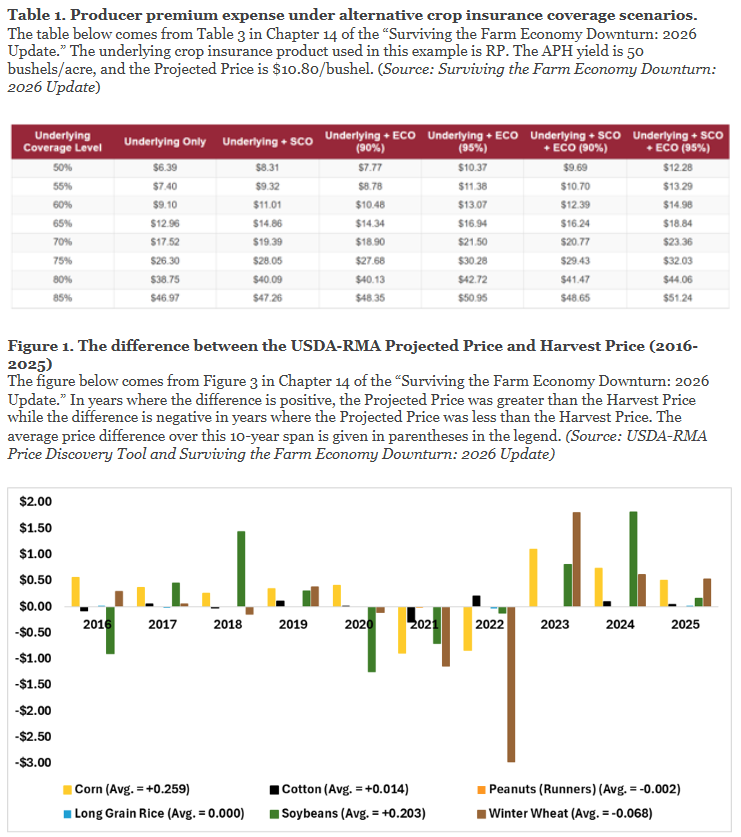
The chapter compares YP, RP, and Revenue Protection with Harvest Price Exclusion (RP-HPE). YP protects against yield losses using the projected price, while RP protects against both yield and price risk and increases its guarantee when the harvest price exceeds the projected price. RP-HPE generally costs less but does not include this upward adjustment, making it less protective when prices rise and yields decline. SCO and ECO can supplement an individual policy by covering portions of its deductible at the county level. To obtain coverage, producers must also maintain accurate acreage and production records, satisfy conservation-compliance requirements, and coordinate with crop insurance agents and lenders when insurance is connected to operating credit. A comparison between the producer premium expenses for different crop insurance risk management portfolios including both underlying buy-up insurance (i.e, YP, RP, and RP-HPE) and area insurance (i.e., SCO and ECO) is also given (see Table 1 below).
Finally, the chapter provides a look at the change in historical futures price estimates between planting and harvest (i.e., RMA Projected and Harvest Prices). Over the last 10 years, the futures prices for corn, cotton, and soybeans have tended to increase between planting and harvest while futures prices for long grain rice, peanuts, and winter wheat have either exhibited no change or a decrease in price between planting and harvest (see Figure 1 below). Studying these relationships allows a farmer to make a well-informed decision on which revenue insurance product is better suited for their operation since RP provides price upside risk protection and RP-HPE does not.
| | Beef, Small Ruminants, & Forages | | |
Forages
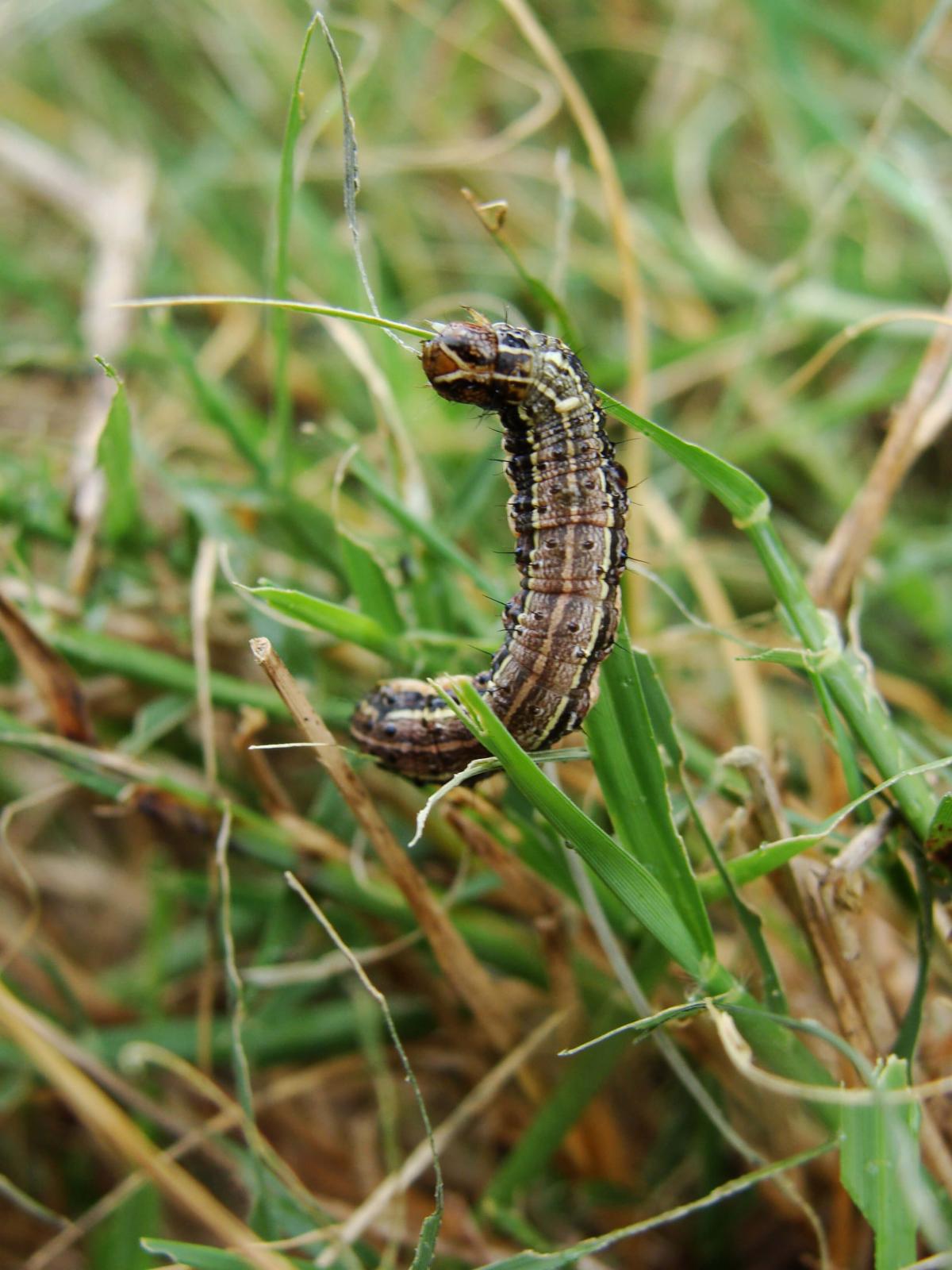
We harvested our cutting height trial in Blackwell this week and after we finished the harvest, the ground started moving. It was covered up in armyworms. We had a good conversation about what will the armyworms do on the different cutting heights. The plots cut 1 and 2 inches high didn't have a lot of green for the worms to eat on, but 3 and 4 inches still had green. But watching the worms, it looked like they still wanted to go somewhere else. It is something we will re-evaluate next week and see what the worms have done.
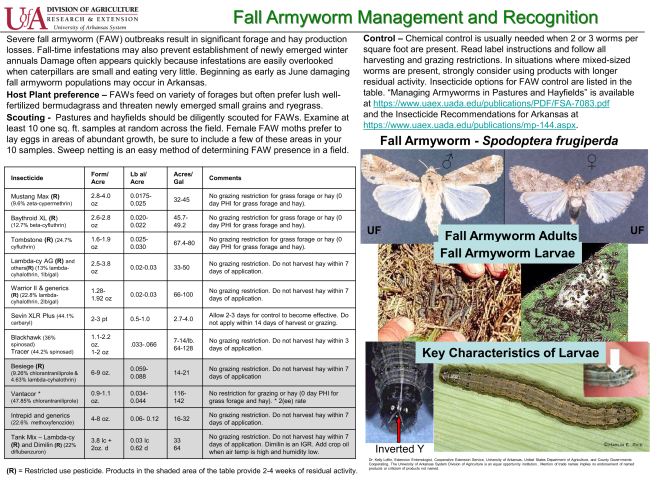
Here are some options for controlling armyworms.
chlorantraniliprole = Vantacor - 1.2 oz, OR Shenzi/Exceliprole 1.8 oz
chlorantraniliprole + lambda cy = Besiege 6 oz
diflubenzuron + 2lb lambda cy = Dimilin 2 oz + 2lb lambda cy 2 oz
diflubenzuron + 1lb lambda cy = Dimilin 2 oz + 1lb lambda cy 4 oz
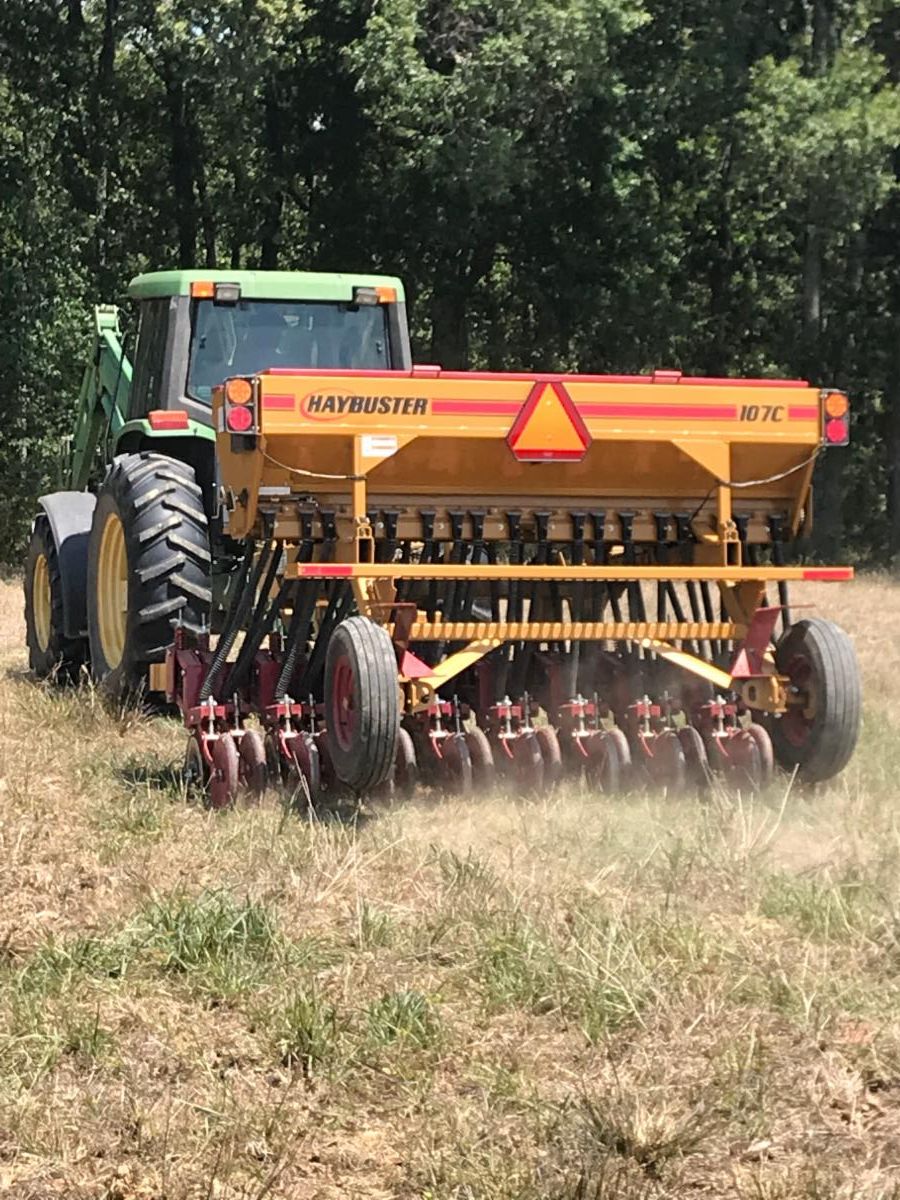
I have had several questions this week about what do I think about planting winter annuals right now. The answer to that question is, the risk planting now is higher because we have armyworms and the low chance of rain and high heat could mean that the grass will not grow much. But the reward if we do get a rain and miss the armyworms could be huge with some winter grazing. I really think if you wanted to plant just a few acres now, I wouldn't have a problem with that, but don't plant the whole farm right now.
| |
Cattle Reproductive Workshop
We will have a shoot side cattle reproductive workshop on October 7 starting at 9 am at the Kenny Simon Farm. Dr. Ramiro Oliveira, Assistant Professor - Beef Cattle Production will discuss the different ways to check to see if your cattle are pregnant and also go over evaluating heifers for reproduction. We only have room for 15 participants so please call the Extension Office asap at 501-329-8344 to get on the list.
| |
Winter Annuals
I will leave this winter annual section in for a few weeks as we get ready to plant. The links below are some good information if you think you want to plant some annuals for fall and winter grazing.
| | |
Arkansas Shepherds Association Field Day
Tomorrow is the day!
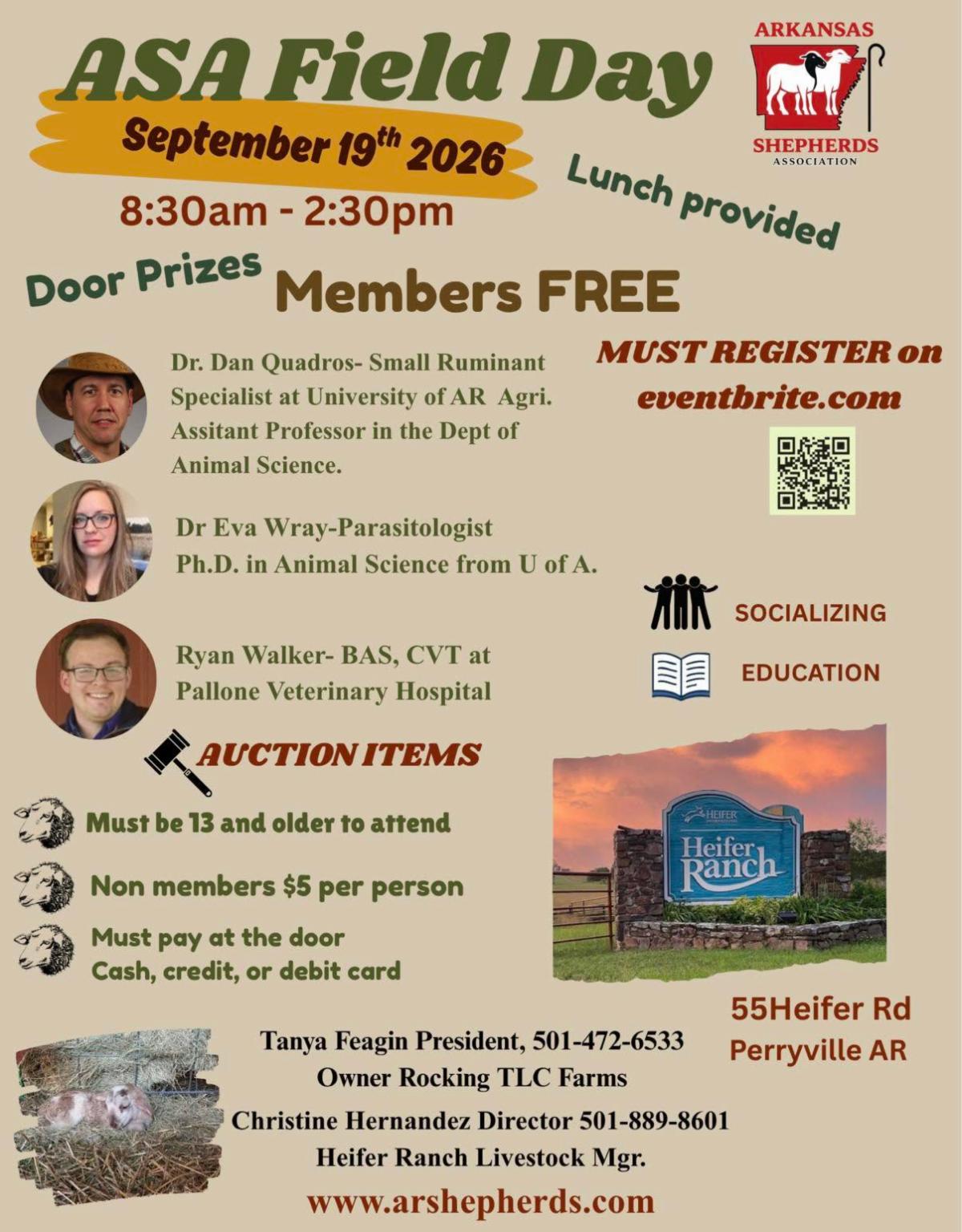
ASA Field Day — Saturday, September 19, 2026
8:30am - 2:30pm
Heifer Ranch, 55 Heifer Road Perryville, AR
Join us for a full day of hands‑on learning, great speakers, door prizes, and silent auction items benefiting the Arkansas Shepherds Association.
Members attend FREE.
Non‑members: $5 per person, paid at the door.
Must be 13 and older to attend.
Everyone must register on Eventbrite to attend.
Topics include:
Nutrition
Hoof care and trimming
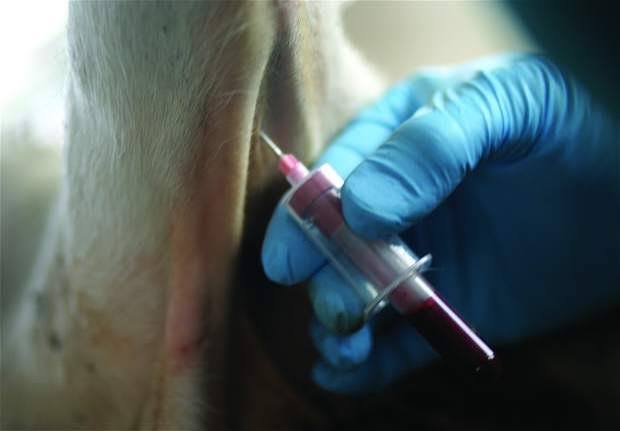
How to draw blood
How to give shots
Parasites
Signs/Symptoms
Identifying
Treatment
We’re excited to see producers from across Arkansas and surrounding states come together for education, community, and a great day at Heifer Ranch.
| | |
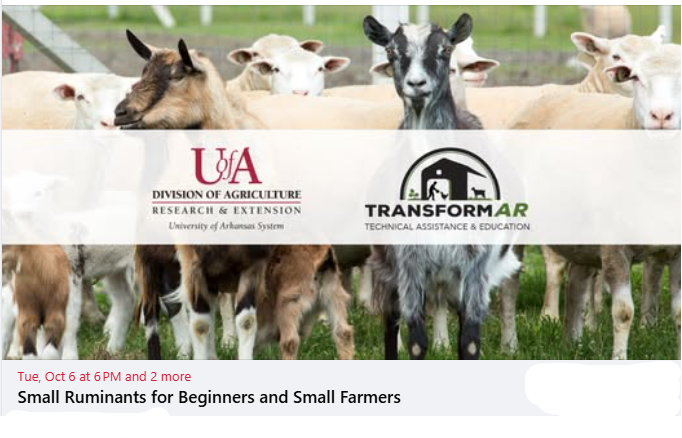
Small Ruminants for Beginners and Small Farmers
Join us for an introduction to small ruminant production for beginning and small-scale farmers. Topics include an overview of the industry, breed and genetic improvement, reproduction, health management, facilities, pasture management, nutrition, marketing, and the production of meat, milk, and fiber. October 6, 13, and 20, 2026, 06:00 PM (Central Time).
Registration: https://uada.zoom.us/.../register/WN_rOqHFbpXTbmII6X3u-KPSQ
Speakers:
Dr. Dan Quadros, University of Arkansas, Small Ruminant Specialist, Department Of Animal Science - UA
Dr. Kirsten Midkiff
University of Arkansas, Animal Health & Wellbeing Specialist, Department Of Animal Science - UA
Dr. Ian Daniel
University of Arkansas Pine Bluff, Livestock Specialist, School of Agriculture, Fisheries and Human Sciences
Tanya Feagin
President of the Arkansas Shepherds Association - Sheep Community (www.arshepherds.com)/Owner of Rocking TLC Farms LLC (https://rockingtlcfarms.com/).
Leigh Brandon
President of the Arkansas Goat Producers Association (www.argoatproducers.com)/Owner of Happy Bottoms Farm (www.happybottomsfarm.com).
Dr. Sibtain Ahmad
Fulbright Research Scholar, University of Arkansas/Associate Professor at the University of Agriculture, Faisalabad, Pakistan.
Dr. Andrew Milsom
Former Postdoctoral Research Associate, University of Arkansas/PhD Lincoln University, New Zealand.
Emily Reynolds
Master's Degree candidate, University of Arkansas, Animal Science.
| |
Mixer Demonstration
4M Equipment and Vermeer will have a feeder mixer demonstration on October 2 starting at 10:00 am at Flying "C" Ranch. They will demonstrate one of their mixers and our Extension Specialist Dr. Ally Krumsiek will discuss total mix rations.
| |
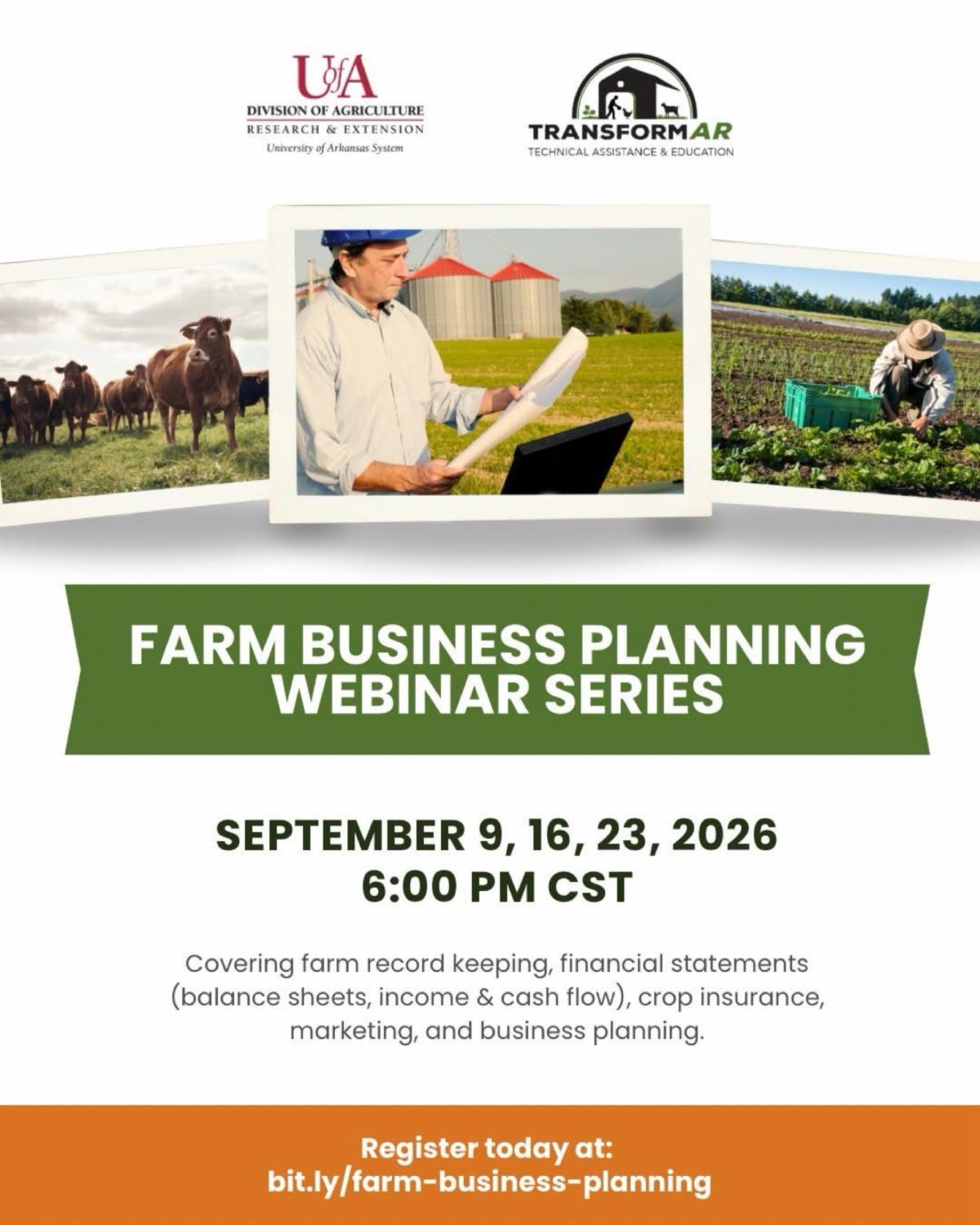
TransformAR Farm business planning
With Dr. Ryan Loy, Assistant Professor UADA | CES | Agricultural Economics & Agribusiness
-September 9, 2026 06:00 PM
-September 16, 2026 06:00 PM
-September 23, 2026 06:00 PM
Central Time (US and Canada)
Learn the fundamentals of farm record keeping, balance sheets, income statements, cash flow statements, crop insurance (microfarm/wholefarm & loan readiness), crop & livestock marketing, breakeven points, and business plan basics.
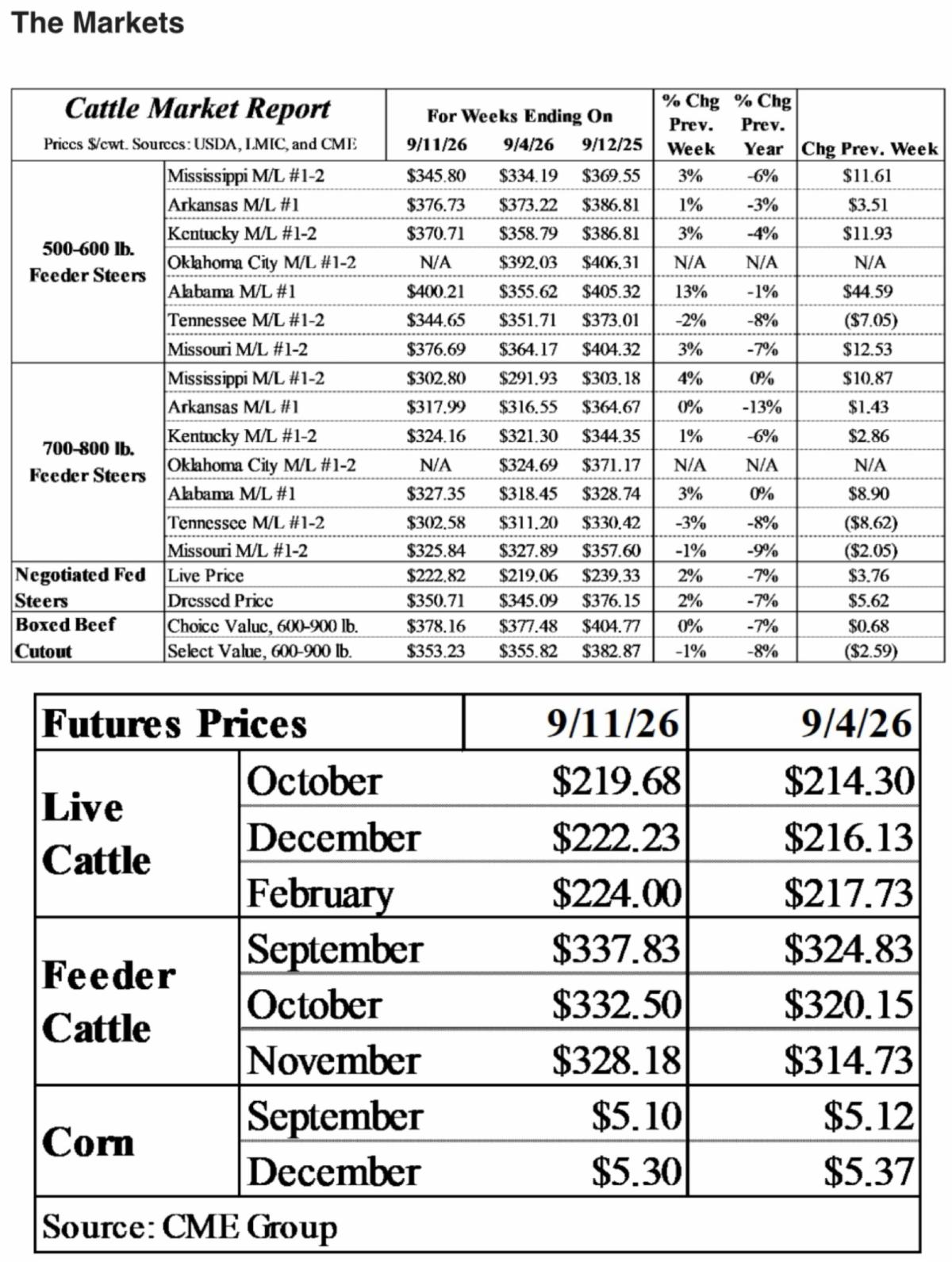
| Here is this weeks Cattle Market Notes Weekly | | |
Pesticide Applicator Trainings
There will be no more in person Pesticide Applicator Trainings until this winter. If you need a license you can still do the training online. There is a link below for the online training and a link to check your license status.
| | |
Livestock Market Report
The following links are for the weekly livestock market report from the Arkansas Department of Agriculture website and the Livestock Auction Dashboard from USDA. Both sites have marketing data for all livestock sold at Arkansas Sale Barns.
| | |
2025 Faulkner County Agriculture Demonstration Summary
The 2025 Faulkner County Agriculture Demonstration Summary is now available at the link below.
The 2025 Faulkner County Demonstration Summary is a collection of on-site demonstration results conducted in Faulkner County by local County Agents. Demonstrations are the cornerstone of the University of Arkansas System Division of Agriculture Cooperative Extension Service’s mission which is:
“We strengthen agriculture, communities, and families by connecting trusted research to the adoption of best practices.”
On-site demonstrations allow producers and homeowners to see firsthand how Extension recommended varieties and best management practices work in their counties and surrounding area.
| | |
Sign up for Text Alerts
You can now sign up for text alerts from me throughout the year. I have two areas you can sign up for which includes Faulkner Livestock or Faulkner Ag (Row Crop Updates). To sign up you can follow one of these links or use the QR Codes below.
| | Pursuant to 7 CFR § 15.3, the University of Arkansas System Division of Agriculture offers all its Extension and Research programs and services (including employment) without regard to race, color, sex, national origin, religion, age, disability, marital or veteran status, genetic information, sexual preference, pregnancy or any other legally protected status, and is an equal opportunity institution. | | | | |