|
Fueling the Future
Newsletter
| |
Welcome to the TVCCC Newsletter | |
Welcome to the TVCCC's newsletter. Your continued engagement and support are crucial as we collectively work to foster economic, environmental, and energy security through partnerships and outreach that advances affordable, domestic transportation fuels, energy efficient mobility systems, and other fuel-saving technologies and practices. | |
|
Interested in contributing further to TVCCC and its mission in advancing alternative fuels within the Treasure Valley?
As a member of the Treasure Valley Clean Cities Coalition, you’ll have access to valuable resources, networking opportunities, and support to help you achieve your alternative fuel goals. Help us work towards a cleaner Treasure Valley and play a role in the growth of our coalition. Press the link below to learn more and become a member:
| |
|
Clean Heavy Duty Vehicle Program (CHDV)
The EPA will offer funding to eligible recipients to replace existing non-zero-emission Class 6 and 7 heavy-duty vehicles with eligible Class 6 and 7 zero-emission vehicles. To support zero-emission vehicle adoption and deployment, funding may also be used for:
- zero-emission vehicle refueling infrastructure
- workforce development and training
- project implementation costs
The EPA has announced a new Notice of Funding Opportunity, which offers up to $932 million in funding for eligible clean heavy-duty vehicles. The application deadline is 11:59PM (ET) on July 25, 2024. The EPA anticipates notifying selectees by November 2024 and awarding the grants by February 2025.
Eligible Applicants
- States, including U.S. territories
- Municipalities, including public school districts
- Indian tribes
- Nonprofit schools transportation associations
| |
|
Charging and Fueling Infrastructure (CFI) Grant
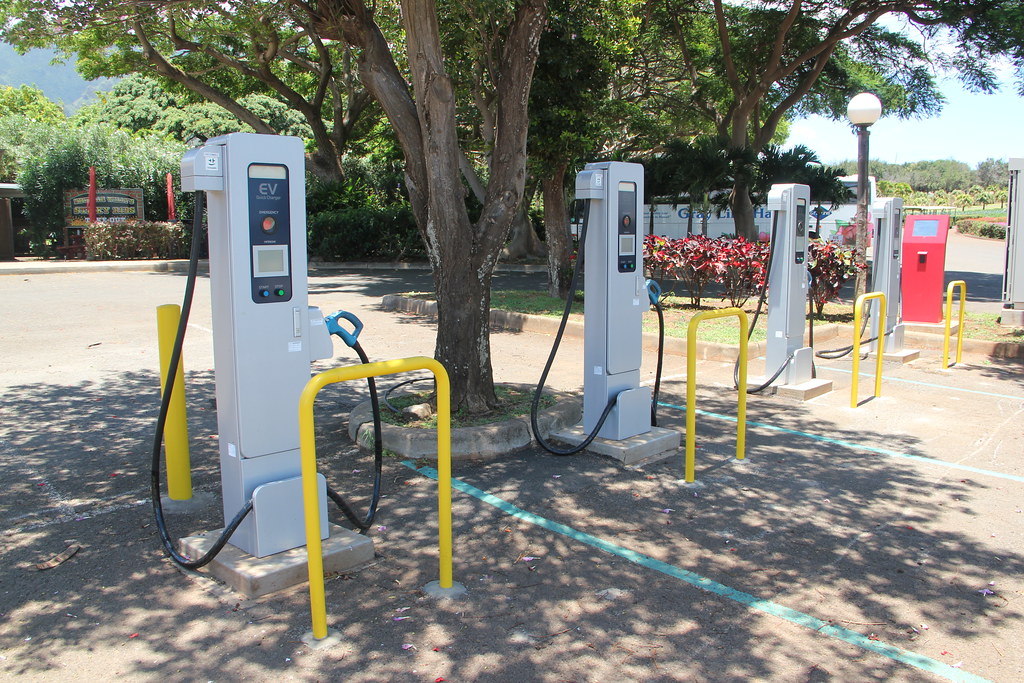
CFI Program investments will make modern and sustainable infrastructure accessible to all drivers of electric, hydrogen, propane, and natural gas vehicles. This program provides two funding categories of grants: (1) Community Charging and Alternative Fueling Grants (Community Program); and (2) Charging and Alternative Fuel Corridor Grants (Corridor Program). The Bipartisan Infrastructure Law provides $2.5 billion over five years for this program to strategically deploy electric vehicle (EV) charging infrastructure and other alternative fueling infrastructure projects in urban and rural communities in publicly accessible locations, including downtown areas and local neighborhoods, particularly in underserved and disadvantaged communities.
Eligible Applicants:
- States or political subdivision of states
- Metropolitan planning organizations
- Unit of local governments
- Special purpose districts or public authorities with a transportation function, including port authorities
- Group of entities listed above
- State or local authorities with ownership of publicly accessible transportation facilities (applies community program only)
| |
|
WASTE: Waste and Analysis and Strategies for Transportation and End-Uses
The Department of Energy Bioenergy Technologies Office and Vehicle Technologies Office announced up to $17.5 million to develop cost-effective strategies for communities to sustainably manage and recover potential clean energy sources from their waste streams. This funding opportunity will support municipalities and transit authorities with their waste-to-energy solutions for converting organic waste into feedstocks for various clean transportation fuel products that can benefit local energy economies.
Organic waste streams from food waste, wastewater sludge, and industrial operations represent major sources of greenhouse gas (GHG) emissions and contribute to air and water quality degradation. Significant costs are associated with the management of these waste streams, including treatment, stabilization, hauling and disposal or tipping costs. This funding will also benefit communities by reducing other impacts associated with waste collection and landfilling of these wastes, including reducing heavy vehicle traffic, odors, and litter.
The full application is due August 14, 2024 at 3:00 (MST).
Eligible Applicants:
- States can be prime or sub-recipient
- Local, Tribal, and Intrastate government entities
- Certain Nonprofit Organizations
- Transit Authorities
- For-profit Organization other than Transit Authorities can only be sub-recipients
- Institutions of Higher Education can only be sub-recipients
- Federal Agencies, Instrumentalities, and Foreign Entities can only be sub-recipients
| |
|
Inflation Reduction Act Community Change Grants Program
EPA's new Environmental and Climate Justice Community Change Grants program has announced a Notice of Funding for approximately $2 billion dollars in Inflation Reduction Act (IRA ) funds in environmental and climate justice activities to benefit disadvantaged communities through projects that reduce pollution, increase community climate resilience, and build community capacity to address environmental and justice challenges. These place-based investments will be focused on community-driven initiatives to be responsive to community and stakeholder input. They are designed to deliver on the transformative potential of the IRA for communities most adversely and disproportionately impacted by climate change, legacy pollution, and historical disinvestments.
The full application is due November 21, 2024.
Eligible Applicants:
- Partnerships between two community-based non-profit organizations (CBOs)
- Partnerships between a CBO and one of the following:
- Federally-recognized tribe
- Local government
- Institution of higher education
| |
Michigan's Department of Energy (MDOT) has a new Wireless Charging Roadway. Along with their partner, Electreon, MDOT is piloting the first public in-road charging station in the United States. The project is for a 1 mile section of a road in Detroit where Electreon is going to develop, design, evaluate and test it. The way it works is that the system connects energy provided by the unit to the in-road wireless charging coil segments when an authorized vehicle is directly above the segment. As of November 2023, Michigan has the opened the first 1/4 mile stretch to the public and it plans to start construction to complete it by 2025. | |
|
The State of Idaho's Energy and Mineral Resources website contains information on National Electric Vehicle Infrastructure Program and specifically Idaho's plan. The aim of this plan is to establish a strong charging system nationwide on major highways, this site includes all the major Alternative Fuel Corridors that were nominated as one. The plan also highlights all activities and accomplishments that have been reached since the program started.
Check out the website by pressing the button below!
| |
News and Updates From the TVCCC | |
|
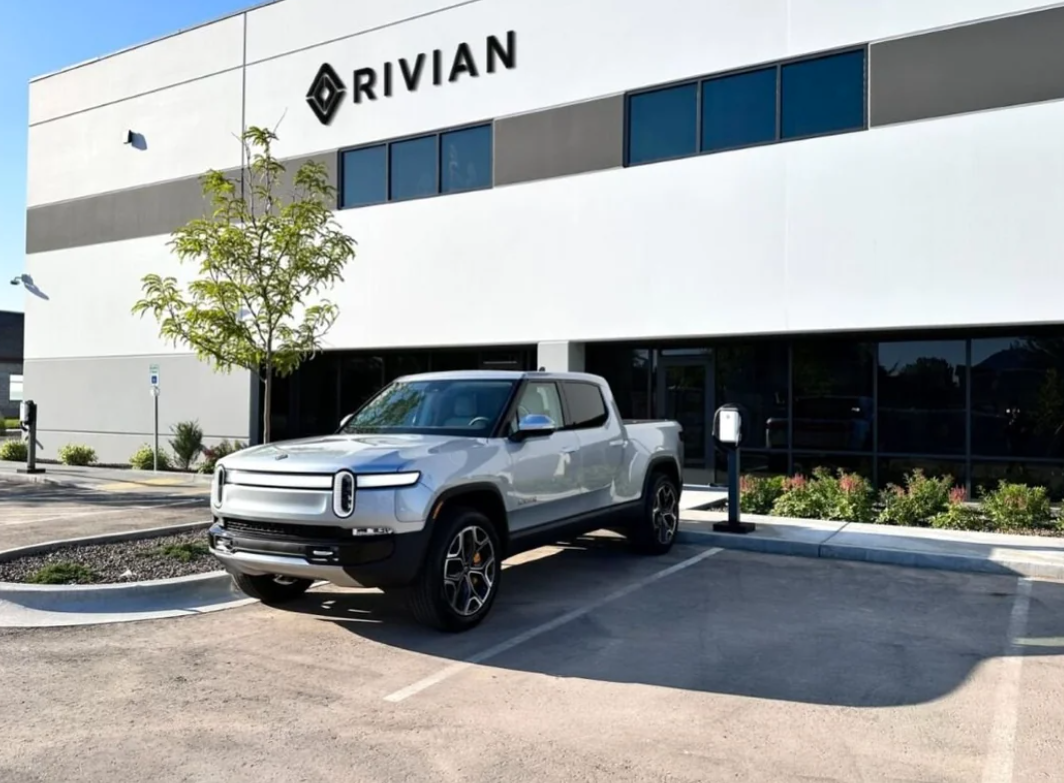
August 9th - Rivian Ride and Drive
Join us at the ride and drive event with Rivian on Monday, August 9th from 9:00-11:00 AM. It'll be located at 740 N Five Mile Rd, Boise, ID 83713.
| |
|
August 26th - Stakeholder Meeting and Idaho Power Presentation
Please join us Monday, August 26th from 9:30-11:00 AM at 33 E Broadway Ave, Meridian ID 83642 for a stakeholder meeting and a presentation from Idaho Power about workplace charging.
| |
Visit Our Website for More | |
Visit TVCCC's website for more resources, information, and updates about the coalition and our community. | | | | |