Guilt After My Mother's Passing


Guilt I Have Around My Mother's Passing

With Dr. Robert Neimeyer


Dear Dr. Neimeyer,


I didn’t want to post this because I don’t want my loved ones to know the guilt I feel about my mother’s passing. But before my mom passed last year I avoided her calls as my sister said she was drinking a lot. We lived in different states. And she was drunk a lot when I talked to her. It was hard seeing her this way. We had a difficult relationship to start with. She was a teenager when she had me. Anyway I have so much guilt and regret for doing this and not seeing why now.


Turns out she had a painful cancer. No wonder she drank! I was able to say I’m sorry but she really didn’t know why. And I broke down to her. She wanted to be as close to me as I did her, but we let the world get in the way and now I can’t ever get that back. I just am having a hard time forgiving myself. And feeling I wasted so much precious time with her. How do I get over this and will I ever get over this? —Amy


Dear Amy,


Your final questions are a good place to start, because I suspect that the question of whether you can move beyond this difficult and guilty place in which you feel stuck will have a great deal to do with how you attempt to do so. In other words, time alone is not likely to heal the relational wounds in your relationship with your mother, which you seem to have suffered long before her death. And sadly, death itself does not resolve the hard feelings that accumulate across a lifetime; it just makes their resolution something we have to pursue more consciously. Let me suggest a few ideas about how you might do so.


First, it helps to recognize that your guilt persists because your relationship with your mother persists, even beyond her dying. While this is a problem, it also suggests a solution, as you can seek resolution through working to make amends to her, just as you would have in life. You might start by talking about your feelings with her, perhaps through an AfterTalk letter, expressing some of what needs to be said about how the relationship was hard for you, and also about how you wish you had been able to respond to its challenges better. You might also have questions to ask her that still require answers. Then wait a day or two, re-read the letter as if through her eyes, and access her inner voice that you carry inside you to write a response as you expect or hope she would. Focusing lovingly on the mother who was striving to reach out to you, however imperfectly, may help you find this voice. What would she say to this daughter who also responded imperfectly to her overtures?


Second, consider how you might seek to grow closer to her over time, rather than only more distant. How might you invite further positive “inner conversations” with her, whether through AfterTalk exchanges, or in the privacy of your own thoughts? What sorts of memories of her of a healing kind might you access and share with others? How might you take her with you into the world, perhaps by visiting places special to you both, that help restore a connection? How might you live in a way that would make your mother’s heart proud of the daughter she bore, and who has a chance to live a life with less pain and struggle than her own? All of these things are based on the idea that even though a person dies, a relationship doesn’t die–it just changes how it is expressed. And great healing can come with living it well.


Finally, bear in mind that psychotherapy evolved, in large part, to help us sort out complicated relationships with our parents, even though the history of our troubled bonds might now be remote, or the parent might no longer be living. This implies that you might readily find professional assistance in coming to better terms with a complicated life with your mother, both before and after her death. Time alone won’t transform your connection with her, but working on your own or with others, you certainly can do so.

—Dr. Neimeyer


Thanks to our friends and colleagues at After Talk.


About Dr. Robert Neimeyer

Dr. Neimeyer

Robert A. Neimeyer, PhD, is Professor Emeritus of the Department of Psychology, University of Memphis, and maintains an active consulting and coaching practice. He also directs the Portland Institute for Loss and Transition, which provides both onsite and online training internationally in grief therapy. Neimeyer has published 35 books, including New Techniques of Grief Therapy: Bereavement and Beyond and The Handbook of Grief Therapies, and serves as Editor of the journal Death Studies. The author of over 600 articles and book chapters, and a frequent workshop presenter he is currently working to advance a more adequate theory of grieving as a meaning-making process. In recognition of his scholarly contributions, he has been granted the Eminent Faculty Award by the University of Memphis, made a Fellow of the Clinical Psychology Division of the American Psychological Association, and given Lifetime Achievement.

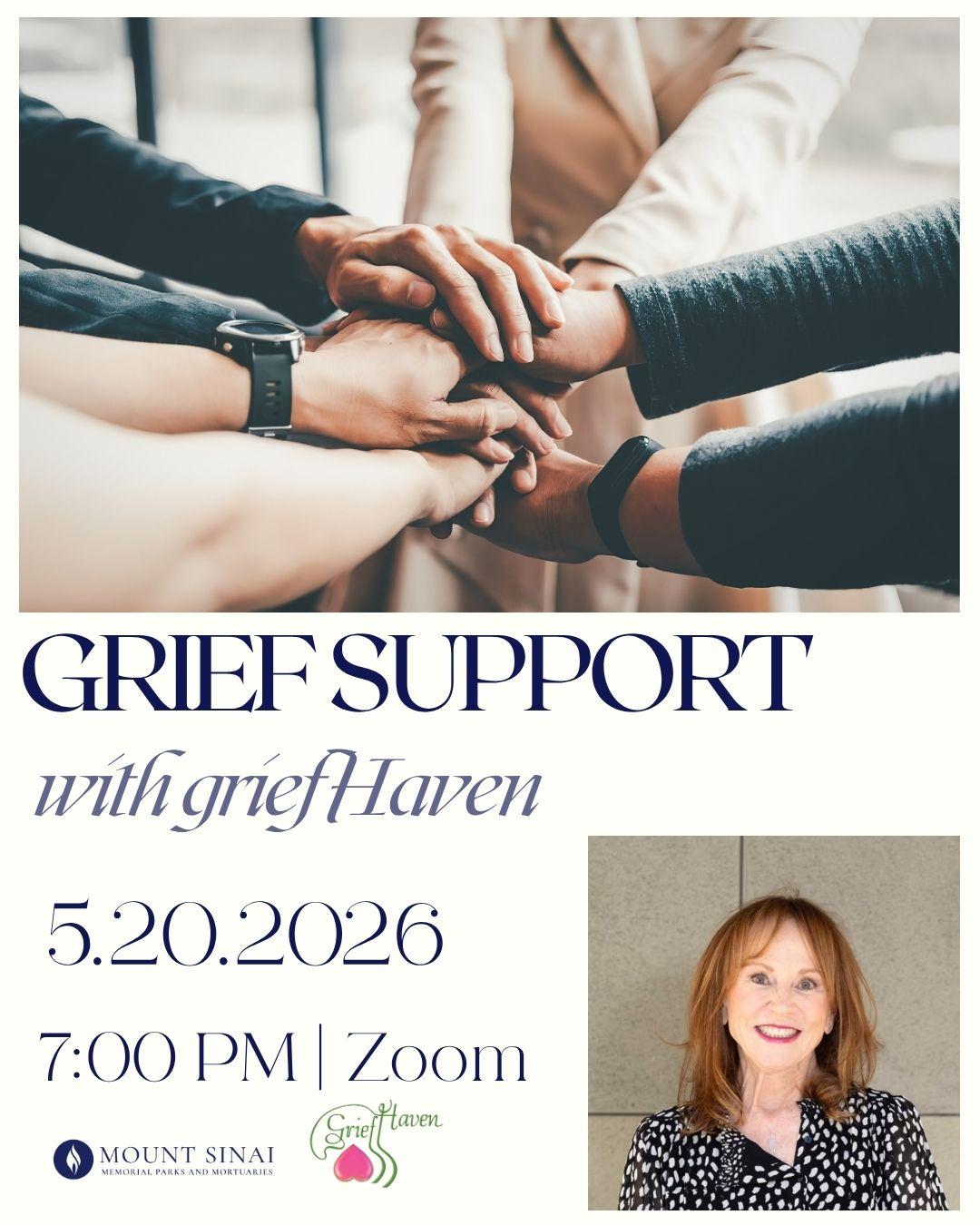
IN LOVING PARTNERSHIP


GRIEFHAVEN JOINS

HANDS WITH


MOUNT SINAI

MEMORIAL PARKS AND MORTUARIES


TO PROVIDE GRIEF SUPPORT

AND TRAINING


For MOUNT SINAI PATRONS: please register here - Register


The griefHaven Method™


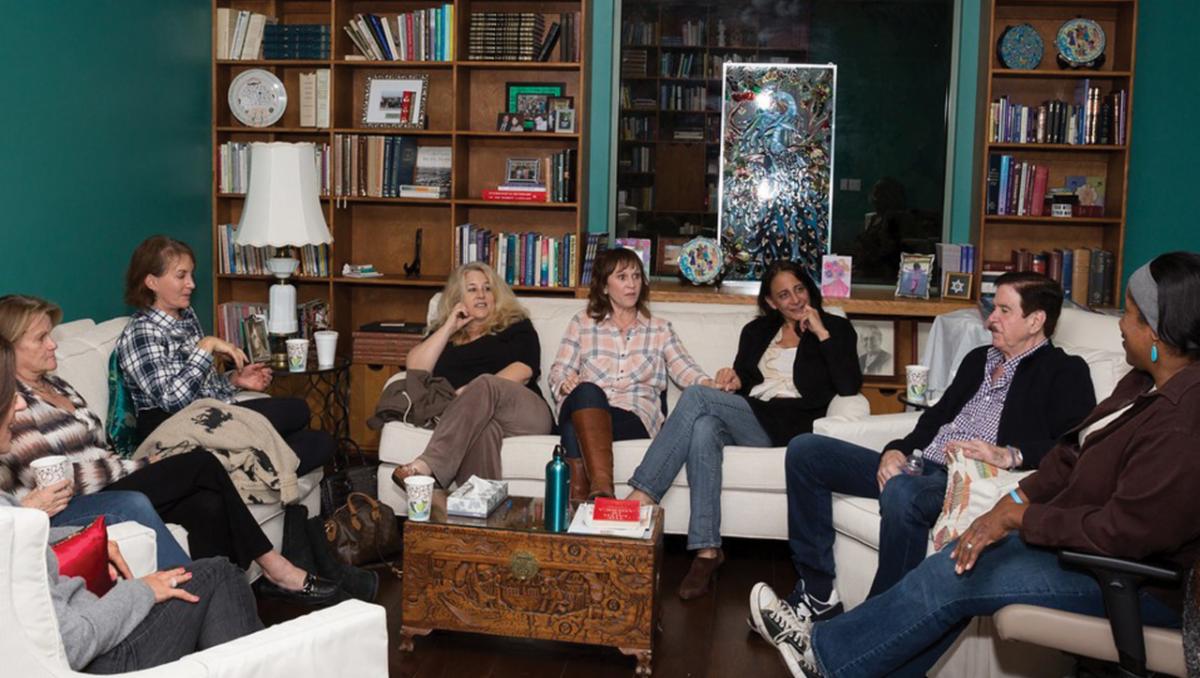
Our support groups are more than talk groups—they are loving, educational, and safe communities. Each meeting is part of a carefully designed, integrative grief program that supports every part of you that has been impacted by your loss. As you walk alongside others who truly understand—because they have experienced the same loss—you will learn how to live life now. All groups are facilitated by licensed and/or trained professionals who personally understand what it takes to rebuild life without your beloved.


Donate to griefHaven

Without donations, griefHaven simply would not exist. Everything we do—every support group, every person we walk beside, every life we help steady in the darkest moment—exists only because of the generosity of those who give. We rely completely on that kindness to continue offering love, education, and hope to those who might otherwise face their grief alone.

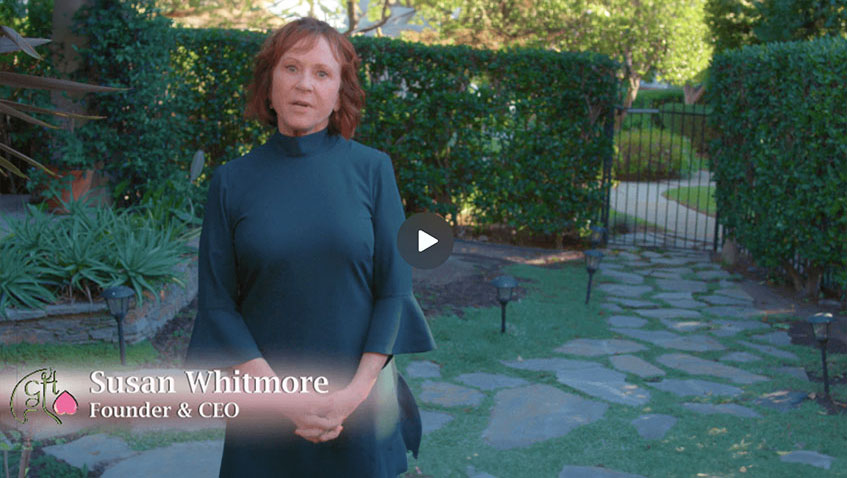
This is griefHaven Video

In this short, heartfelt video, you’ll see the people, the purpose, and the compassion behind our work — how griefHaven was born from loss over 20 years ago and how it has become a place of hope, understanding, and healing for those who need us.


Support Groups

Our support groups are safe, healing, and informative places to be. It doesn’t matter where you live. We provide in-person groups (Los Angeles only) and Zoom groups around the world. Private/closed groups by losses include: CHILD LOSS, SPOUSAL LOSS, SIBLING LOSS, PARENT LOSS, AND FIRE LOSS.


Bulletin Board


For those interested in joining either an in-person or Zoom group, please contact us to learn more.


Newest Groups


New In-Person Child Loss Couples Group:

Space for 2 couples


In-Person Child Loss Group


In-Person Spousal Loss Group


Zoom Child Loss Group: Group closed. Call to be placed on waitlist by.


Zoom Parent Loss Group (for adults): Call to be placed on waitlist.


Waitlist for New Groups:

Call or email to be placed on waitlist.


To inquire about any of the above groups, new groups, to be on our group waitlist, or other information, please contact us at (310) 459-1789 or hope@griefHaven.org.


Packet of Hope

Order a free Packet of Hope for yourself or someone you care about. Packet includes information for the griever and the supporter.

Portraits of Hope Documentary Film

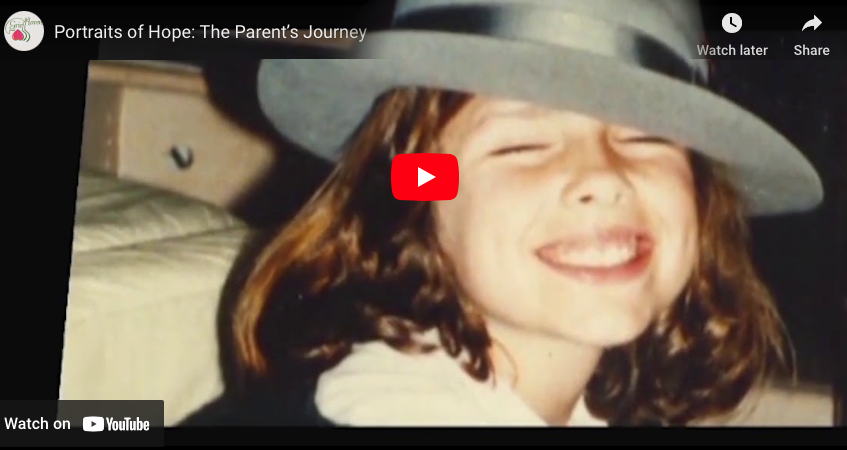
Losing a child changes everything—and yet, somehow, some parents find a way to keep living, loving, and even laughing again. Portraits of Hope: The Parent’s Journey is a deeply moving documentary film that brings together courageous parents, including well-known public figures, who share their honest stories of heartbreak, survival, and the slow, brave return to joy. This film is not about forgetting—it’s about learning how to live again. If you or someone you love needs hope, this is for you.

Grief Pins

For the person who is grieving, a grief pin makes a loving gift. Or just get one for yourself. For volume discounts, email hope@griefHaven.org or call (310) 459-1789

What to Say; What Not to Say Video

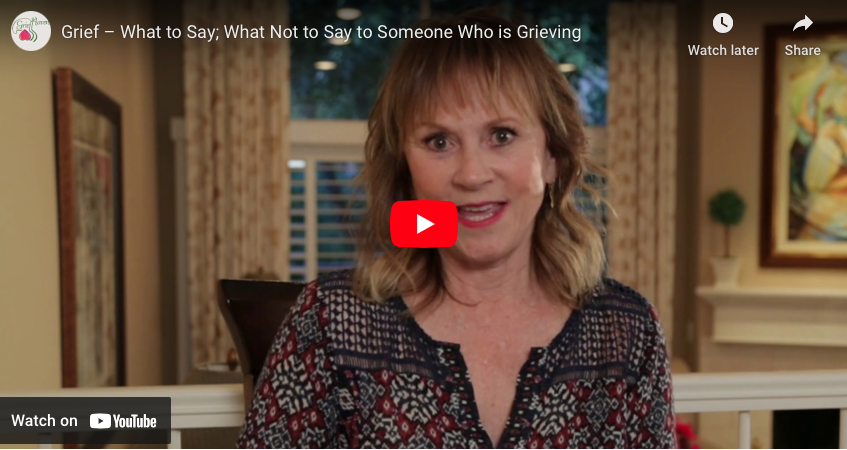
What to Say; What Not to Say to Someone Who is Grieving.


Not sure what to say to someone who is grieving? That's okay. We've got you covered. Watch this for some guidelines.

Now You Know™ Videos

Here we provide brief, thought-provoking and useful educational information videos regarding loss, life, and ideas we feel will help you live a better life. New shows added regularly.

In Loving Memory Room 

Visit our “In Loving Memory” room dedicated to sharing your loved one with others and keeping their memory alive. Contact us if you would like griefHaven to create a special area for your loved one.

Love Wall

Visit the "Love Wall” that honors all those who have generously supported us either in loving memory of someone or in honor of that special person; you pick and create it exactly as you want it.


All griefHaven donors receive a tile. THANK YOU TO ALL OUR DONORS!

Newsletter Archive

Visit our archive of all past newsletters. We know you will discover new ways of understanding life’s ups and downs, as well as coping strategies to help you as you journey along.

Please Donate Here

Web
 
Facebook  YouTube  Email