|
Stronger Together: How Collaboration Fuels Rural Success
If there’s one thing I’ve learned working alongside rural colleges across the country, it’s that partnerships make everything possible. When we share ideas, pool resources, and work together toward a common goal, we can accomplish things that would be out of reach for any one institution alone. Whether it’s creating new workforce opportunities, supporting students through challenges, or strengthening our rural economies, collaboration multiplies impact. It’s how rural schools achieve big things.
That’s why partnerships are at the heart of RCCA’s mission. They allow us to connect expertise from across sectors, education, business, and community development to create real solutions for rural communities. Each new partner brings fresh perspective and energy, reminding us that innovation often comes from unexpected places. Together, we form a network of people and organizations committed to ensuring rural students have every opportunity to thrive.
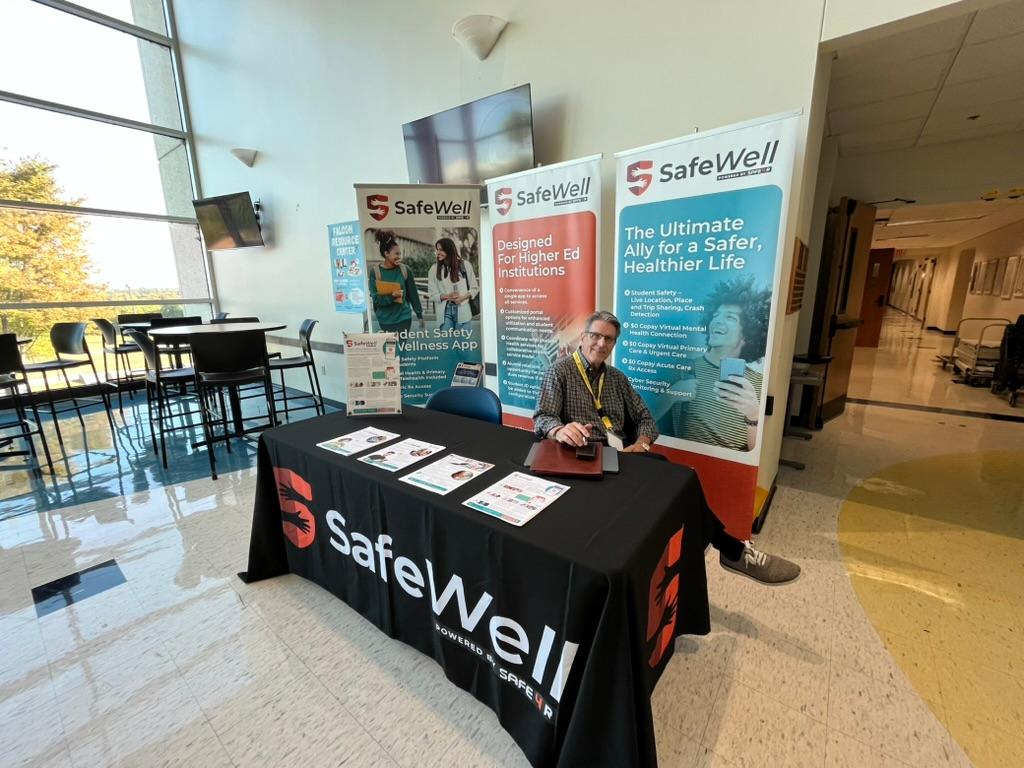
This month, I’m especially pleased to welcome SafeWell as RCCA’s newest Education Partner. SafeWell provides innovative digital tools that help campuses foster safety, well-being, and belonging essentials for student success. Their work reflects the same values that drive our Alliance: care for students, commitment to community, and the belief that safety and support are the foundations of learning. We’re excited to have them join us in this shared mission and look forward to what we’ll accomplish together.
When we collaborate, our impact grows. The success of rural America depends on strong partnerships like these and I’m confident that, working together, we’ll continue to open new doors for our students and the communities we serve. Share some of your partnerships with us so that we can highlight the good work going on at our member institutions.
| | Partner Spotlight: Safewell | |
|
SafeWell – Protecting & Caring for Community College Students
Rural community colleges today serve an incredible role for the education of students in a changing world. That changing world is full of challenges; it’s hard to remember a time when concern over student safety was more in the news, and the mental health needs of college students may be at an all-time high as college students grapple with how to manage their pursuit of a higher education, while facing all of the challenges that life throws at them.
With this perspective in mind, SafeWell’s personal safety, health, and wellness app is designed to be a single source solution for community colleges and their student population – a real game-changer.
As we focused on market needs, we quickly realized that community colleges, and specifically rural community colleges, faced a market dynamic that needed a solution. Historically, the small-town community feel of a rural community college provided students with safety and less big-city drama. At the same time, access to healthcare services was becoming increasingly challenging, with limited rural healthcare provider options, especially in the areas of mental health support. As a kid growing up in a small Kansas town, and attending community college himself, Dan Whitney, President of SafeWell, was keenly aware of the need to offer a product to help address the dynamics facing rural community colleges.
When research led to the discovery of RCCA, and the valuable role they play in supporting rural community colleges, SafeWell knew that they needed to be a partner and offer its student safety, health and wellness solution to the rural community college marketplace.
Read the full article here.
You can learn more about SafeWell and schedule your personal demo at www.safewellapp.com
| | | | College Spotlight: South Florida State College | | |
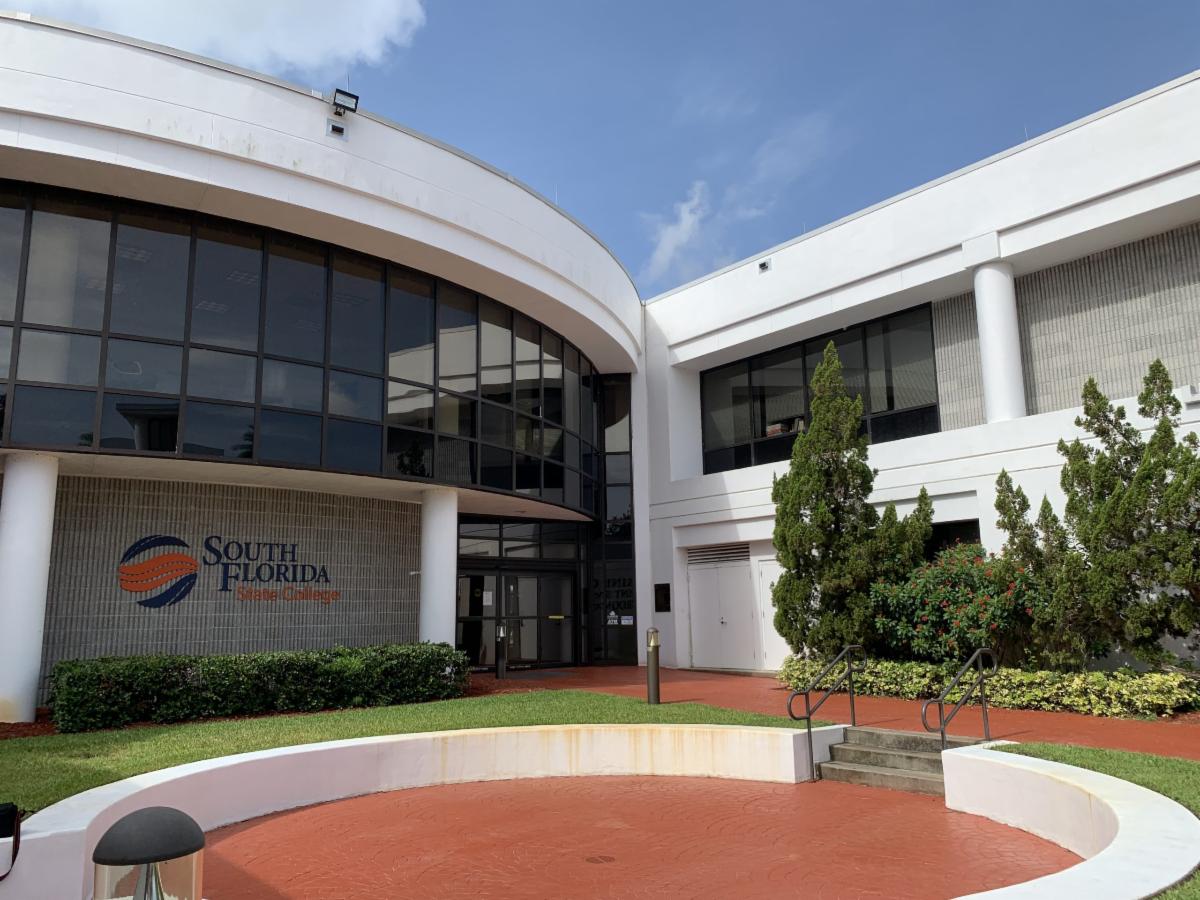
South Florida State College (SFSC) is a comprehensive, open-access, higher education institution dedicated to providing a student-centered environment focused on learning and personal enrichment through quality programs and services. Serving the rural heartland of South-Central Florida, SFSC delivers accessible, affordable, education that meets the needs of its learners and employers across DeSoto, Hardee, and Highlands counties. At its campuses in these communities and through its online presence, the College offers certificates, associate degrees, and bachelor’s degrees that lead to the continued success of its graduates and a variety of opportunities for the educational, cultural, and economic advancement of the region.
The College offers three bachelor’s degrees: Elementary Teacher Education, Supervision and Management, and Nursing. The Bachelor of Science in Nursing is offered fully online, as well as the Bachelor of Applied Science in Supervision and Management, which recently added a concentration in Criminal Justice. The Bachelor of Science in Elementary Teacher Education gives students hands-on experience in the classroom and graduates teachers who work in the local K-12 system.
Through its Adult Education Department, the College offers developmental courses to learn English, obtain a high school diploma, or strengthen skills in math, reading, and writing. SFSC provides customized training for the workforce at its campus locations and off-site at local businesses through its Corporate and Community Education Department. Non-credit courses are also available for leisure and enrichment. The annual Lifetime Learners Institute and Leadership Highlands allow the community to participate both physically and intellectually in areas of interest.
SFSC is one of the 28 institutions of the Florida College System, and it has articulation agreements with several Florida universities to provide a seamless transition for SFSC graduates who obtain an associate degree to transfer to a bachelor’s degree program within the state.
As the higher education hub of Florida’s Heartland, SFSC remains committed to removing barriers to education, fostering workforce development, and strengthening the vitality of rural communities through learning and partnership. For more information about South Florida State College and its variety of programs and services, visit southflorida.edu or call 863-453-6661.
| |
Community College Leaders Ask Carnegie to Pull Its New Classification
Carnegie’s new Student Access and Earnings Classification has stirred up controversy among community college advocates. Carnegie is standing by its approach.
Leaders from community colleges are pushing back on how the Carnegie Classification of Institutions of Higher Education defines “access” and “earnings” in its new classification system, arguing the metrics don’t fairly reflect how their institutions serve local students and lift up communities.
Read the full article to dive into the debate and see why this is drawing national attention in higher ed.
View the Carnegie rankings.
| | In Case You Missed It, from our Friends at ACCT | |
FIPSE Funding Under the Second Trump Administration
"Earlier this week, the Department of Education announced that it was opening up a FIPSE grant competition, with a quick deadline of December 3, 2025. The Trump administration reformatted this program from the over 10 competitions normally scheduled throughout the year to meet four areas of national need that align with the administration’s postsecondary education agenda."
Read the full article here.
| | Resources and Opportunities | | |
U.S. Department of Education Releases Seven Priorities Under the Fund for the Improvement of Postsecondary Education
The U.S. Department of Education has announced new priorities to improve higher education through the FY 2025 Fund for the Improvement of Postsecondary Education. Focus areas include leveraging AI to boost student success and expand computer science access, promoting respectful civil discourse on campuses, reforming accreditation to increase options and reduce costs, and strengthening high-quality short-term workforce programs. These initiatives aim to create more innovative and workforce-ready opportunities students.
There is an explicit mention to “deliver AI and computer science credentials in rural communities” through teacher preparation.
| |  |
Funding Rural Futures:
A Call to Action
Check out the report from the Aspen Institute Community Strategies Group titled “Funding Rural Futures: A Call to Action.”
It digs into how today’s grant-making and funding models are falling short in rural and Native communities—and lays out four principles for how philanthropy and public agencies can shift toward more flexible, equitable investments. It’s a solid read if you work in rural higher-ed outreach or community development.
| | | |
The Teagle Foundation invites applications for the Cornerstone: Learning for Living initiative, a grant program designed to revitalize the role of the humanities in general education, and in doing so, expose a broad array of students to the power of the humanities; help students of all backgrounds build a sense of belonging and community; strengthen the coherence and cohesiveness of general education; and increase teaching opportunities for humanities faculty.
This initiative is dedicated to the proposition that transformative texts—regardless of authorship, geography, or the era that produced them—give students the analytical tools and historical awareness to interrogate themselves as well as the culture and society by which we are all partially formed. Such texts give students access to a wide range of lived experiences and form the basis for creating a common intellectual experience that fosters a sense of community.
Read more about this opportunity here.
| |
|
Guam Community College Presidential Search
Guam Community College is seeking its next President — a visionary leader committed to access, innovation, and student success. This is an opportunity to guide the College’s vital role in Guam’s workforce and economic development, strengthen partnerships across the Pacific, and lead a diverse, dynamic campus community.
🗓️ Applications close December 2, 2025.
👉 View the position profile and application details
| | | |
Important Dates From ACCT
| | Follow the RCCA Facebook Page | | | | |