All Humanity Newsletter | June 2021 |
|
Greetings...
Exploring the human potential
|
|
Do you know how to think with your body? Do you concentrate only with your mind? Do such questions make you curious? They should. They hint as to how yoga helps us fire on all cylinders. Such questions are explored and answered every day by our adaptive yoga students.
Think about it. Our students live on a frontier of the mind-body relationship, especially if they live with neurological deficits, such as cerebral palsy, brain injury, spinal cord injury, or multiple sclerosis. Their bodies do not typically or easily respond to their minds’ commands. If they try to imitate how more traditional ‘able-bodied” yoga students do poses, they run into a brick wall. Imagine being a paraplegic, completely paralyzed from the chest down, and being told to push down through your feet into your wheelchair foot pedals. How would you do it?
Our adaptive yoga students do such things in our classes. They are explorers within our human potential. They cannot default to simply doing the yoga poses physically or only imagining them in their minds. They succeed by remaining curious and receptive to their own experience. They explore. They must let go of a particular outcome that fits neatly into the yoga mainstream; and yet, they must close the gap between their thinking, willful minds, and their seemingly less responsive bodies. They must learn to think and concentrate with their bodies. This means they transform their limitations into insights, not simply overcome them. There is nothing more yogic than that!
Hmmm, sounds like we could learn from our adaptive students.
|
|
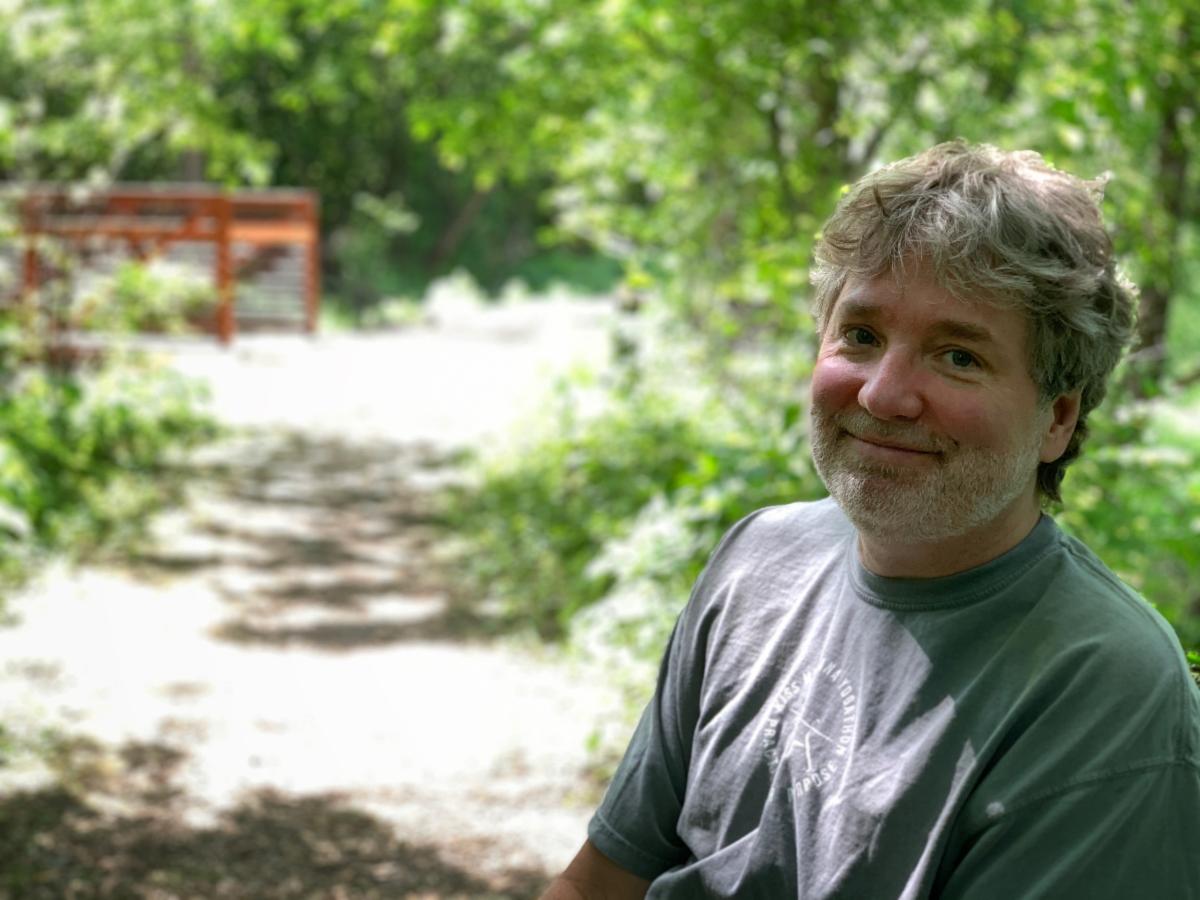
Matthew Sanford | Founder, Mind Body Solutions |
|
MBS in action ...
Boston Trauma Conference, RPS Learning Series, Move United, and more!
|
|
It's been a busy and wonderful start to the summer at the (virtual) MBS mothership. Over Memorial Day weekend, MBS founder Matthew Sanford presented to a global audience at the 32nd Annual Boston International Trauma Conference. The theme for this year's conference was Psychological Trauma: Neuroscience, embodiment, and restoration of the self.
Just a week earlier, Matthew and MN's favorite storyteller and playwright Kevin Kling shared insights on Equity & Disabilities with more than 150 public school teachers (Rochester 535). Together, they laughed, practiced a little yoga, and explored ideas on how to confidently look disabilities - both visible and invisible - straight in the eye. |
|
June is already jumping! In our ongoing partnership with Move United, Matthew Sanford, and Program Director Amy Samson-Burke, delivered the first in a series of 2-day workshops to caregivers at Veterans Administration Centers throughout the country. The aim of the workshops - to share the healing benefits of yoga with disabled veterans!
And this past week, we welcomed back some familiar faces during our 3-day Continuing Studies Workshop. It's a deeper dive into teaching adaptive yoga with plenty of noodle-baking subjects, insights from MBS students and staff, daily asana practice, and more. |
|
Pose of the month...
Exploring with curiosity
|
|
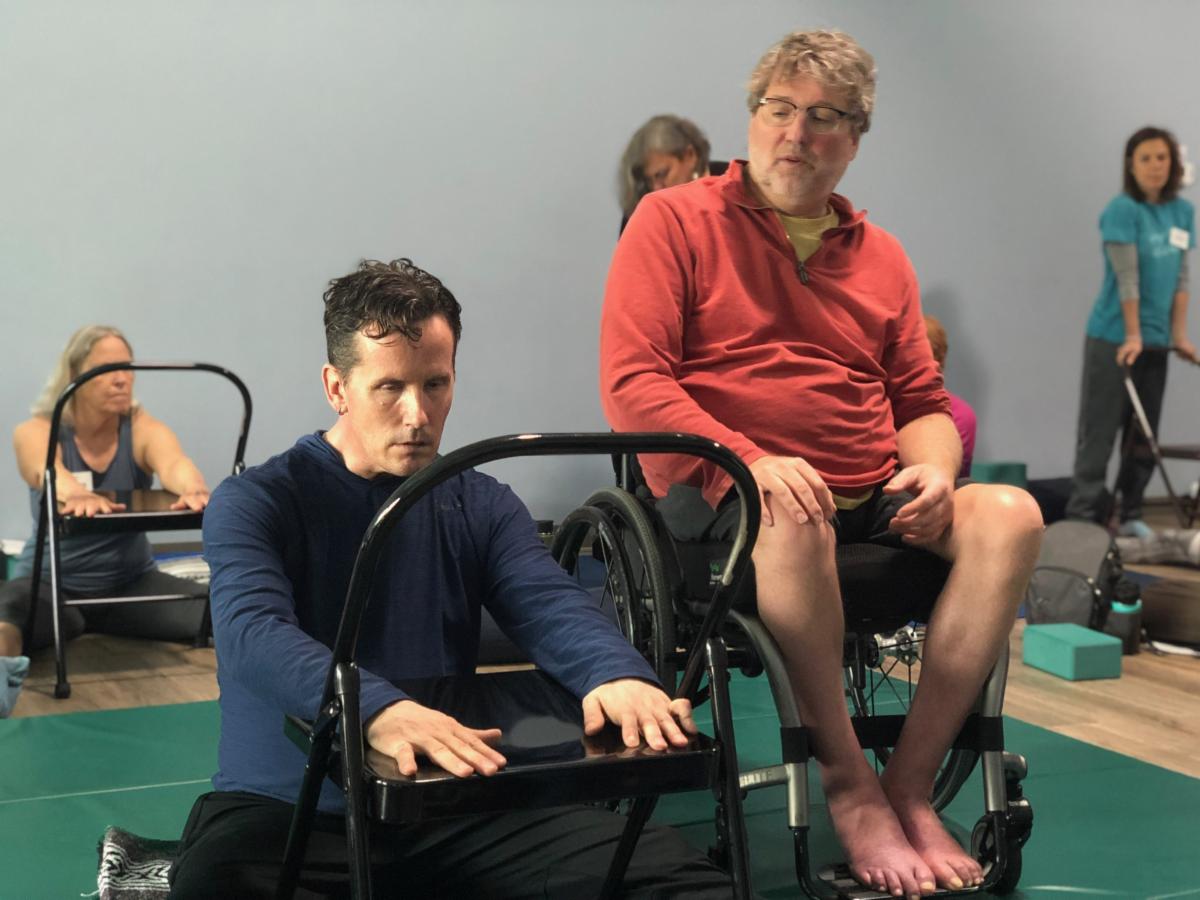
Sit comfortably and tall in front of a flat firm surface. Breathe naturally and ground through the feet and sit bones. Slightly extend forward, bending at the hips to place the hands on the surface or on thighs above the knees. Lengthen the spine, lifting the chest and broadening across the collar bones. Keep the shoulders back and the hands shoulder-distance apart. Lengthen the triceps and open the elbow pits. Spread and extend the fingers and place them down. Moderately push through the heels of the hands, broadening the palms and lifting up out of the wrists. Use the support of the base to draw up through the core. Receive the pose as a precious offering. Allow a sense of buoyancy between the hands, sit bones, feet, and their base. Translate and distribute this lightness into action throughout the body.
While repeating the above, keep the fingers and thumbs directly connected to each other. Pay attention to the differences: with balance and the sensation of support, does the pose feel heavy or light? Is there a change in directionality? Is the throat relaxed or constricted? Is there a change in the perception of the surrounding space?
|
|
Options - with hands and fingers:
- To your ability, while walking or sitting in a chair, allow the arms to swing freely. Alternate positioning the fingers and thumbs close to one another and further away. In particular, be aware of the sensations in the fingers, wrists, elbows, shoulders, chest, and feet. Is there an overall sensation of rigidity or fluidity?
- While practicing any variation of downward-facing dog, triangle pose, handstand, or other arm balances, notice the effects of carefully positioning the fingers and thumbs close to one another or further away. Does either finger positioning reveal contraction or expansion?
Benefits:
|
|
- While repositioning in or out of chairs, car seats, beds, etc., use the base, extend and spread the fingers, and lift the chest. Be aware of balance and the distribution of presence throughout the body.
- With everyday use of fingers and hands, notice how awareness of positioning may transform the experience of touch, grounding, grabbing, lifting, etc. Do the interactions reveal sensations of “taking” or “receiving”?
- As in osmosis, take in and appreciate the surrounding space. Be aware of the effect is calming or creates tension.
|
|
- Broadens base, increases balance and stability
- Allows for space and well-being in the joints
- Improves ability to absorb/receive the pose and translate it into action
- Encourages clarity along the spine
|
|
- Softening and synergy occur throughout the body
- Increased awareness, agility, and receptivity with daily activities
- Enhances awareness and appreciation of tangible and intangible surroundings
|
|
From the Bookshelf...
For your reading pleasure
|
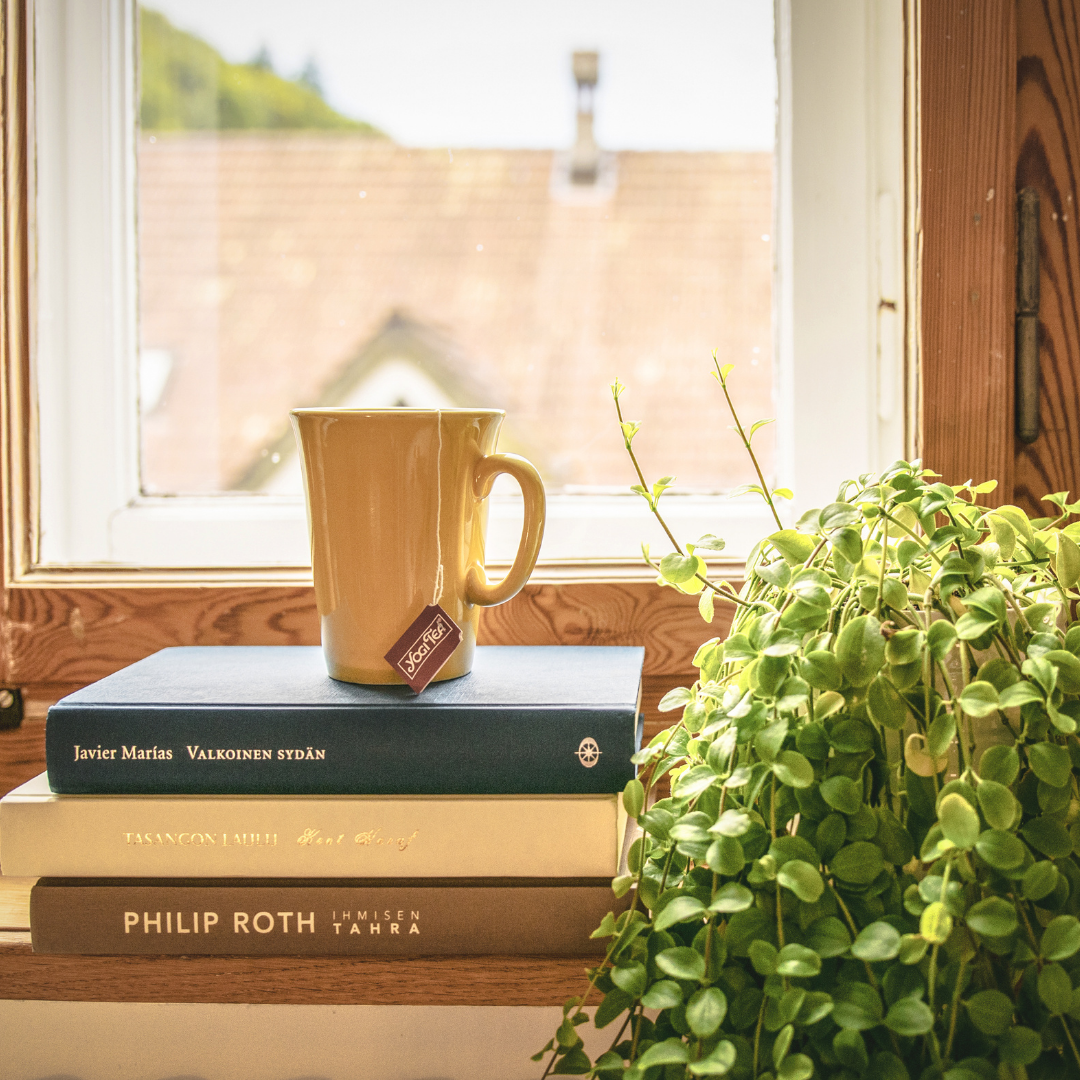
This summer, we thought it would be fun to share a few of our beloved bibliophile Kathy Dahl's favorite picks. Enjoy!
|
|
|
Your Turn: How to be an Adult ~ Julie Lythcott-Haims Former Stanford dean of freshmen and undergraduate advising compassionately reminds young adults that being an adult is not checking off a checklist of accomplishments but rather a process and one that you can get progressively better at.
Fail Fail Again, Fail Better: Wise advise for Leaning into the Unknown ~ Pema Chodron / Speaking at her granddaughter’s commencement at Naropa University, Pema begins her speech with “What do we do when life doesn’t go the way we hoped? We say, I’m a failure. But what if failing wasn’t just okay but the most direct way to becoming a more complete, loving, and fulfilled human being?”
|
|
How the Word is Passed ~ Clint Smith / Written firsthand from Confederate Army cemeteries, former plantations, modern-day prisons, and other historical sites, Smith gives us a new lens to understand how slavery is remembered and misremembered. America's past and the history of slavery are humbly narrated in reflective prose.
World of Wonders ~Aimee Nezhukumatathill / Aimee is the author of four collections of poems and beautifully description language shows in this exploration of the wonders of this world and that it requires we are curious enough to set aside life’s distractions to fully appreciate its gifts.
|
|
|
Yoga, Disability, & Transformation July 14, 2:00 PM - 3:30 PM CDT
|
|
|
LOCATION
Online via Zoom
DATE AND TIME
07/14/21 2:00pm
-
07/14/21 3:30pm
The Difference Between Allowing and Accepting: This is an experiential workshop designed specifically for people living with a disability.
|
|
|
|
|
|
|
|
|
|
|
|
|