AAF logo
 

July, 2025

Action Alliance Foundation (AAF) provides safe residences for the homeless population recovering from substance abuse, including those struggling with mental health issues. We teach our residents how to create sober lives leading to futures full of hope and promise.


Action Alliance Foundation (AAF) Surpasses 2,000 Nights of Rent Assistance for Members of the Recovery Community


One of the major ways AAF fulfills its mission is by providing rent assistance to community members in recovery who may need a bit of help while establishing a solid track record of sobriety and securing employment. AAF was able to begin providing these rent assistance "scholarships" in May, 2023 through our Project Hope program.


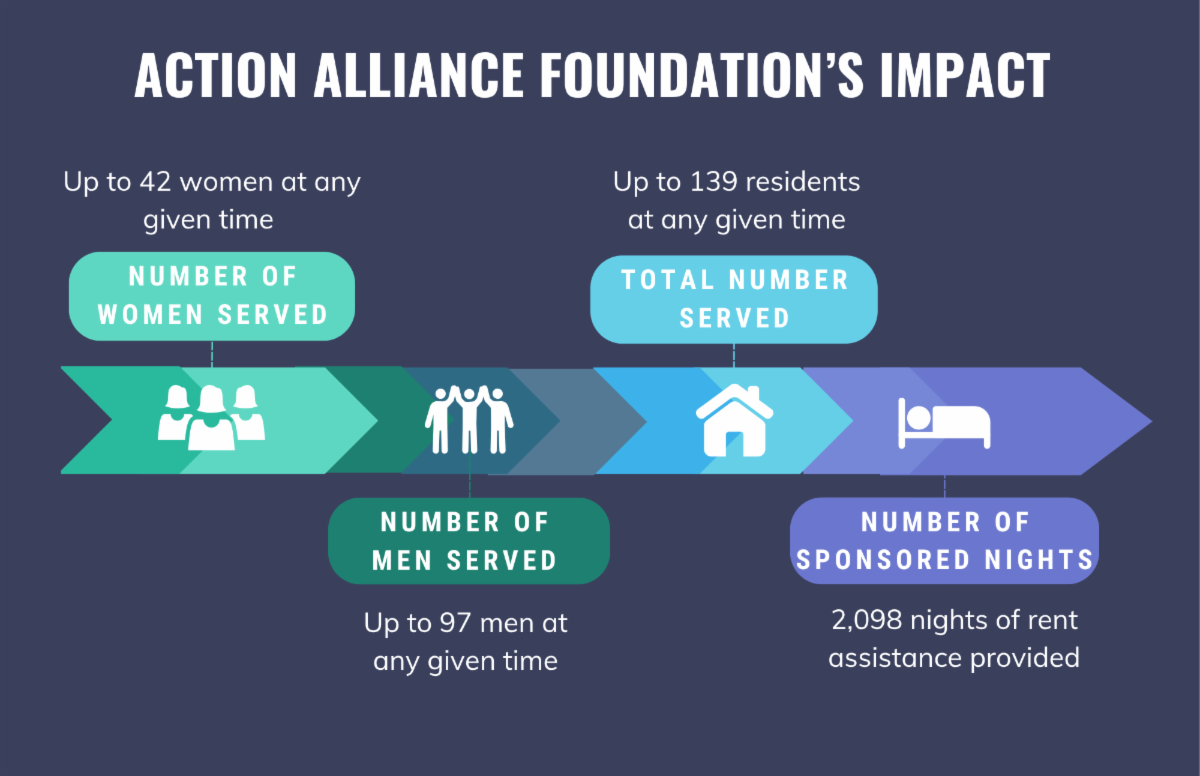
Thanks to the generosity of our donors, AAF recently surpassed 2,000 nights of rent assistance for those who had no where else to turn. That's an average of 77 nights sponsored each month, or more than two resident scholarships at any given time.


"When Action Alliance Foundation was formed in 2021, one of our primary goals was to find ways to assist the homeless alcoholic or addict, no matter what their financial circumstances," says Joe Melican, Vice President of Operations for AAF. "While it's easy to look at the numbers, it's most important to remember the people who have benefited from Project Hope who, in most cases, have gone on to create sober lives filled with hope and promise."


Calling All Octsoberfest Sponsors and Vendors


Are you interested in shining a light on your business, company or organization while supporting Action Alliance Foundation's mission? Then consider signing up as a sponsor or vendor for this year's Octsoberfest!


Two sponsor levels are available - Premium Sponsors at $500 and Major Sponsors at $250 - and include a variety of recognition and benefits, including a vendor table. Vendors are $100 or $50 plus a raffle prize.


All options and benefits - along with a registration form - can be viewed here.


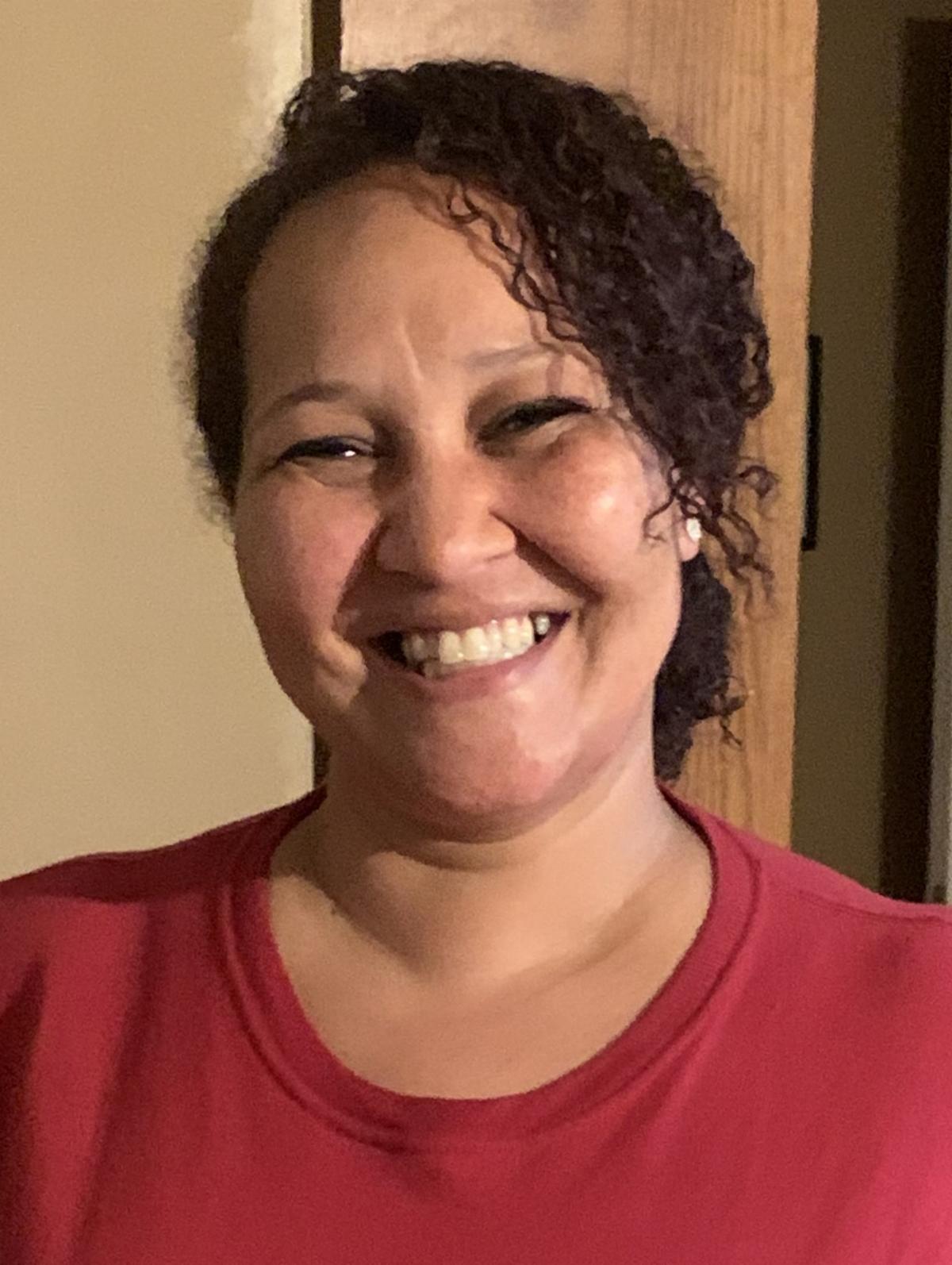
Meet Action Alliance Resident Heather


During her teens, Heather went through a major identity crisis, brought on by unexpected family drama. That crisis led her to not only using, but also selling dope. She served a three year juvenile detention sentence, but continued to “rant and rave, rip and run” as both a dealer and user.


By the age of 19, Heather was married with two kids, but it was a bad marriage and she eventually got a divorce. She lost her kids, started drinking, and her girls were adopted out. She achieved an eight year period of sobriety and had four more children, but then started selling and using dope again while working a traditional job. “I considered myself a functioning addict,” she states.


Read Heather's complete story here

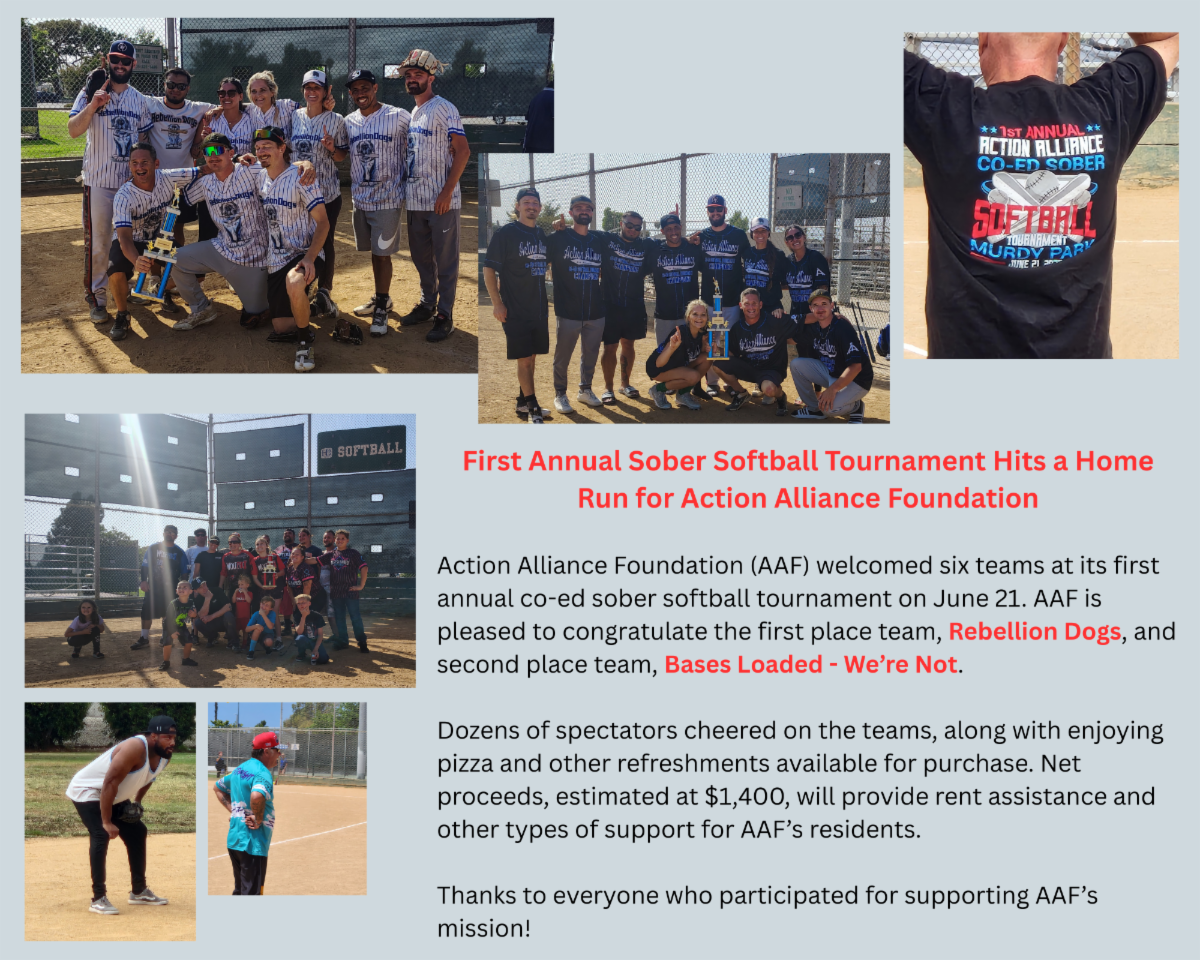
To see additional photos from the softball tournament, please click here.