|
If you’ve seen the home price headlines lately, you’ve probably noticed they can’t agree with each other. One says prices are falling, the next says they’re still climbing.
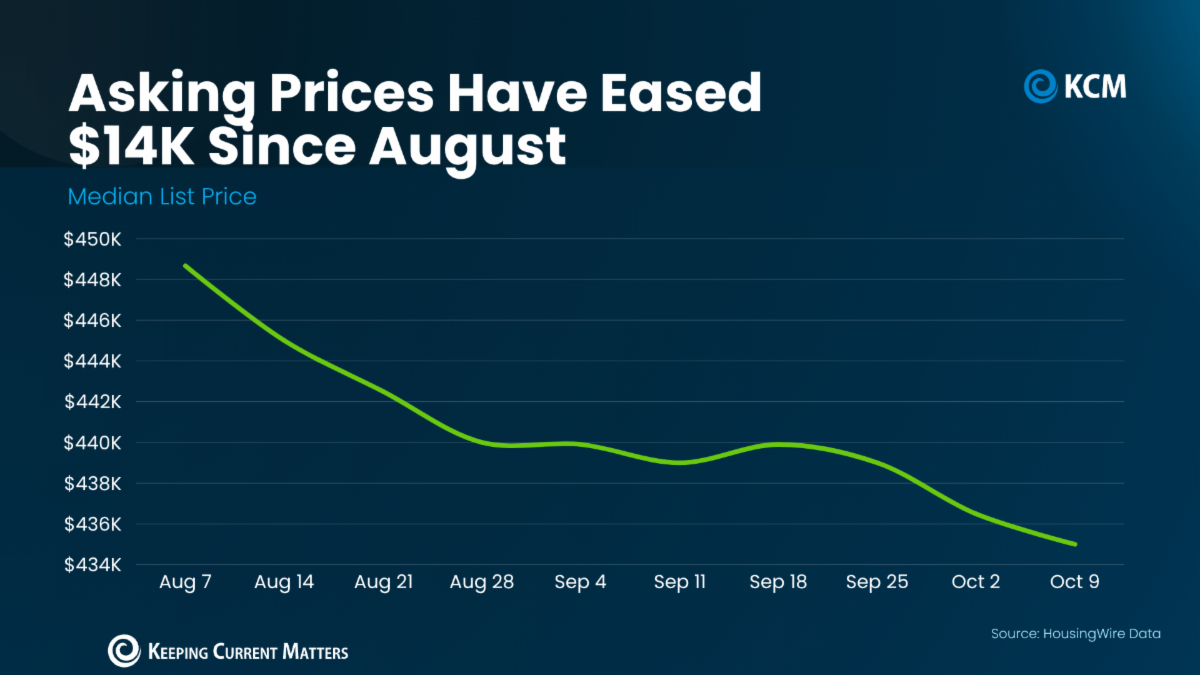
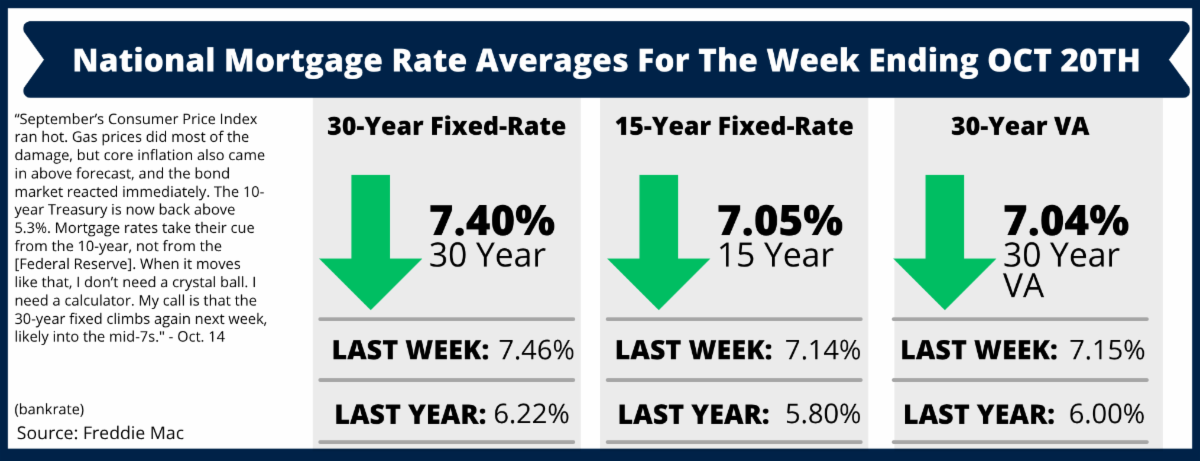
The “falling” version is mostly about national asking prices, which slid from around $449K in early August to about $435K two months later. That’s roughly 3%, and a lot of it is just fall. Summer wraps up, fewer buyers are out shopping, and sellers sharpen their pricing. Rates creeping up since spring don’t hurt that trend either. It’s also a national number, and nobody buys a national house.
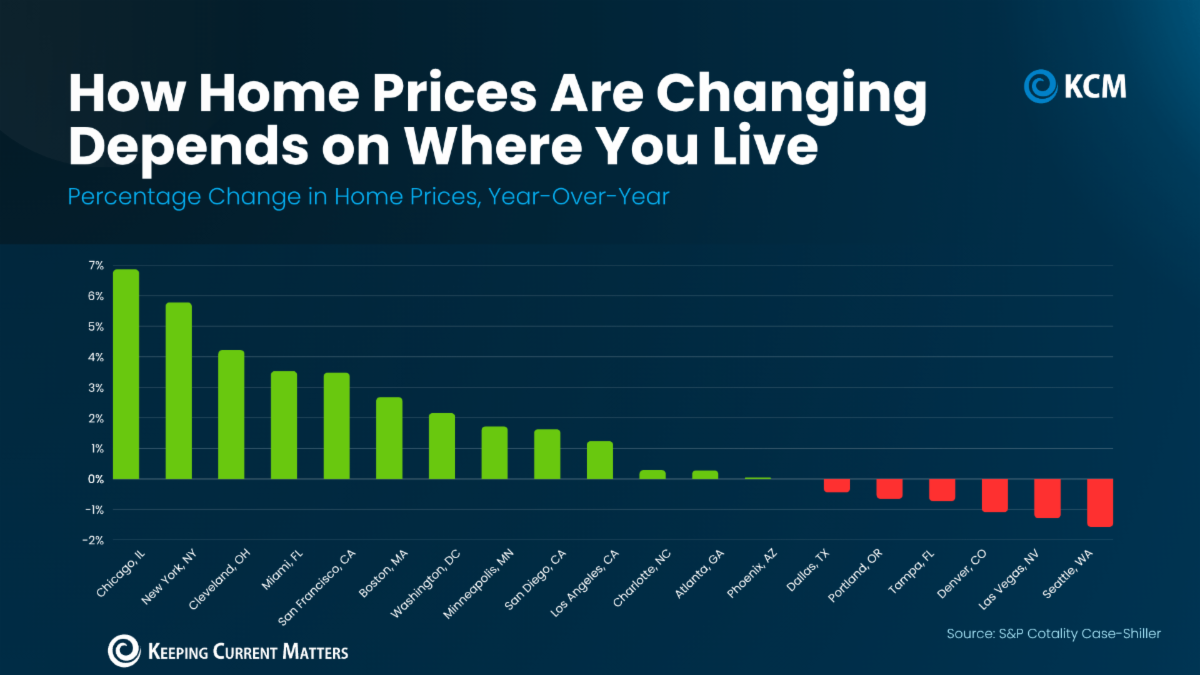
Nationally, the gap between markets is huge. Over the past year, Chicago prices climbed almost 7% while Seattle slipped about 1.6%. Same country, totally different markets.
So what does Michigan look like? I pulled the latest MLS numbers, and here’s the short version: we’re still on the green side, but the market is loosening up.
The median sales price is sitting at $284,900, up 4.7% from last year. Zero crash energy there. But look at what’s happening around that number. There are about 24,900 homes for sale, up 12% from a year ago, and months of supply has crept up to 2.7. Homes are taking a bit longer to sell too, with a median of 19 days on market, up from 12 back in early 2023. And buyers are doing less wandering. Showings per listing are down 13% to 5.3, and the median home now goes pending after about 10 showings.
What I take from that is this: buyers have more choices and less urgency, but homes that are priced right are still moving. 2.7 months of supply is still well under what’s typically considered a balanced market, so this isn’t a buyer’s market either. It’s a market that’s normalizing after a few wild years.
What does that mean for you?
If you’re selling, the “price it aggressively and hope for chaos” strategy is getting riskier. The sellers winning right now price accurately from day one.
If you’re buying, you’ve got more options and a little more room to negotiate than you did a year or two ago, but waiting for a crash isn’t a strategy the data supports.
And if you’re moving to Michigan, it varies a lot by area. Statewide numbers are the starting point, but a $285K median means very different things in different parts of the state, and what’s happening in Oakland County isn’t what’s happening up north or out west.
|