|
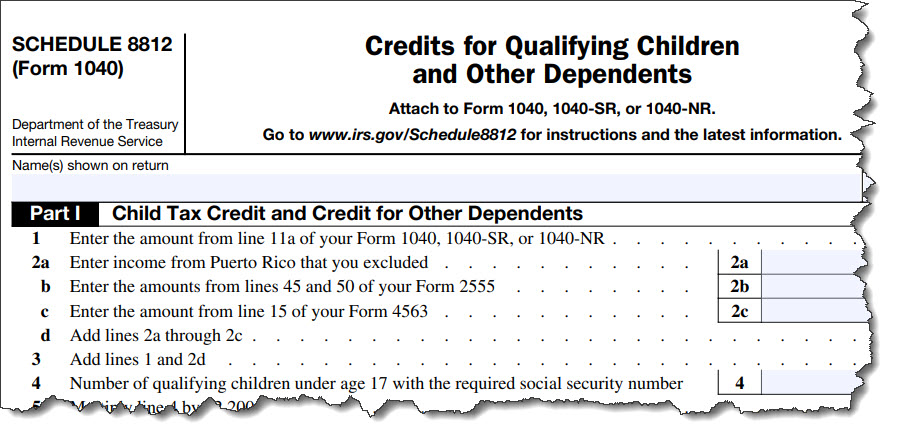
Schedule 8812, Credits for Qualifying Children and Other Dependents
Not all dependents are children. Those not eligible for the Child Tax Credit may be able to be claimed by the taxpayer through the credit for other dependents.
If a taxpayer paid someone to care for their child, spouse, or dependent so they could work, be a full-time student, or look for work, they might be eligible for the Child and Dependent Care Credit.
American Opportunity Tax Credit
This credit is partially refundable. It applies to qualified education expenses paid by or on behalf of an eligible student during the first four years of higher education. To be eligible for the full credit, the taxpayer's income must be $80,000 or less ($160,000 or less for married filing jointly). It phases out completely if the taxpayer has an income over $90,000 ($180,000 for joint filers). Partial refunds are available depending on the taxpayer’s total obligation. Publication 970 covers this in detail.
Retirement Savings Contributions Credit (Saver’s Credit)
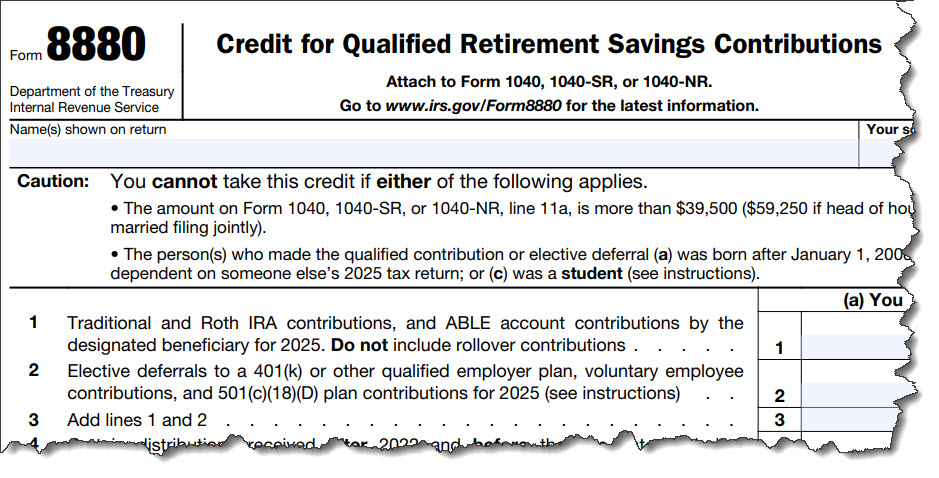
Are you saving for retirement? This credit has many rules, but you should definitely see if you’re eligible. You must be 18 or older, not claimed as a dependent on anyone’s return, and not a student. Depending on the AGI you report on your Form 1040, the amount of the credit can be 50%, 20%, or 10% of contributions you make. It applies to traditional or Roth IRAs and numerous other types of contributions, like elective salary deferral contributions to a 401(k), 403(b), governmental 457(b), SARSEP, or SIMPLE plan. You would fill out a Form 8880, Credit for Qualified Retirement Savings Contributions.
|