|
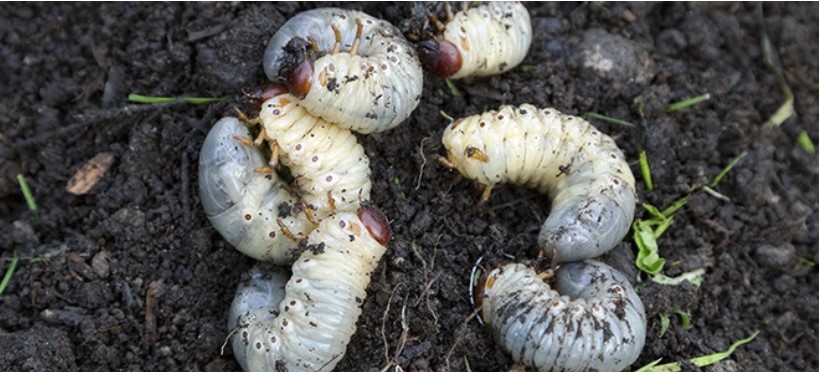
October is the time when grub damage often becomes most noticeable across Connecticut lawns. While the grubs themselves have been feeding on grass roots since late summer, the stress they cause can become more apparent as cooler temperatures arrive.
Areas of turf may feel spongy underfoot, appear drought-stressed despite adequate moisture, or begin to peel back easily like a loose carpet. In many cases, homeowners first notice the activity of skunks, raccoons, and birds digging for a tasty grub meal before they spot the actual lawn damage.
For properties experiencing grub damage this fall, the best approach is treatment as soon as possible.Early intervention can help protect your lawn's health and keep it looking its best throughout the growing season.
Proper watering during dry spells, fall aeration, and overseeding can help damaged turf regenerate and strengthen root systems before winter. Healthy, well-maintained lawns are generally more resilient and better able to tolerate small grub populations without noticeable injury.
|