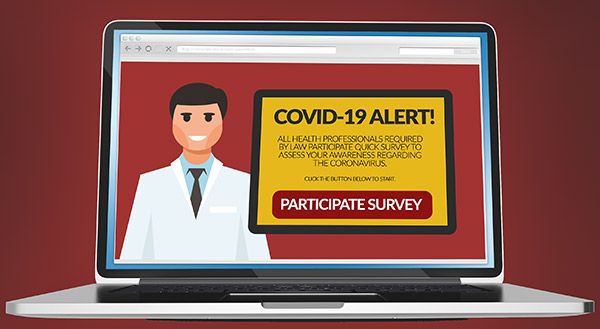
Be cautious. It’s understandable that you’re anxious, but don’t let that stop you from taking cyber precautions. You should still:
·
be wary of anything that tries to play on your emotions and urges immediate action;
·
question where emails are coming from – remain vigilant even if the communication appears to come from a reliable source;
·
hover over links before clicking them to see where they will take you – for example, in the WSJ example, the Web address was for the “worldstreetjournal”;
·
avoid downloading anything you didn’t ask for;
·
doubt any deals that sound too good to be true (“a mask that stops the virus 99.7% of the time!”);
·
ignore any communications requesting your personal information;
·
don’t be suckered by fraudulent pleas for charity.
Global health organizations generally do not send out emails with advice. Instead, navigate directly to that reputable health institution for real news.
If you’re still not sure about the validity of the communication, check it out. Do so by calling or using another medium to get in touch with the “source” of the received message.
While there is not yet a vaccine for COVID-19, you can put anti-virus protection on your computer. Also, make sure that you’ve applied all available security updates to keep your software safe.
We hope you’ll take care and stay healthy both physically and online in these tough times.