the BREAKWATER 
A newsletter from the Prince William Sound Science Center
December 2019
CELEBRATING 30 YEARS AND BEYOND
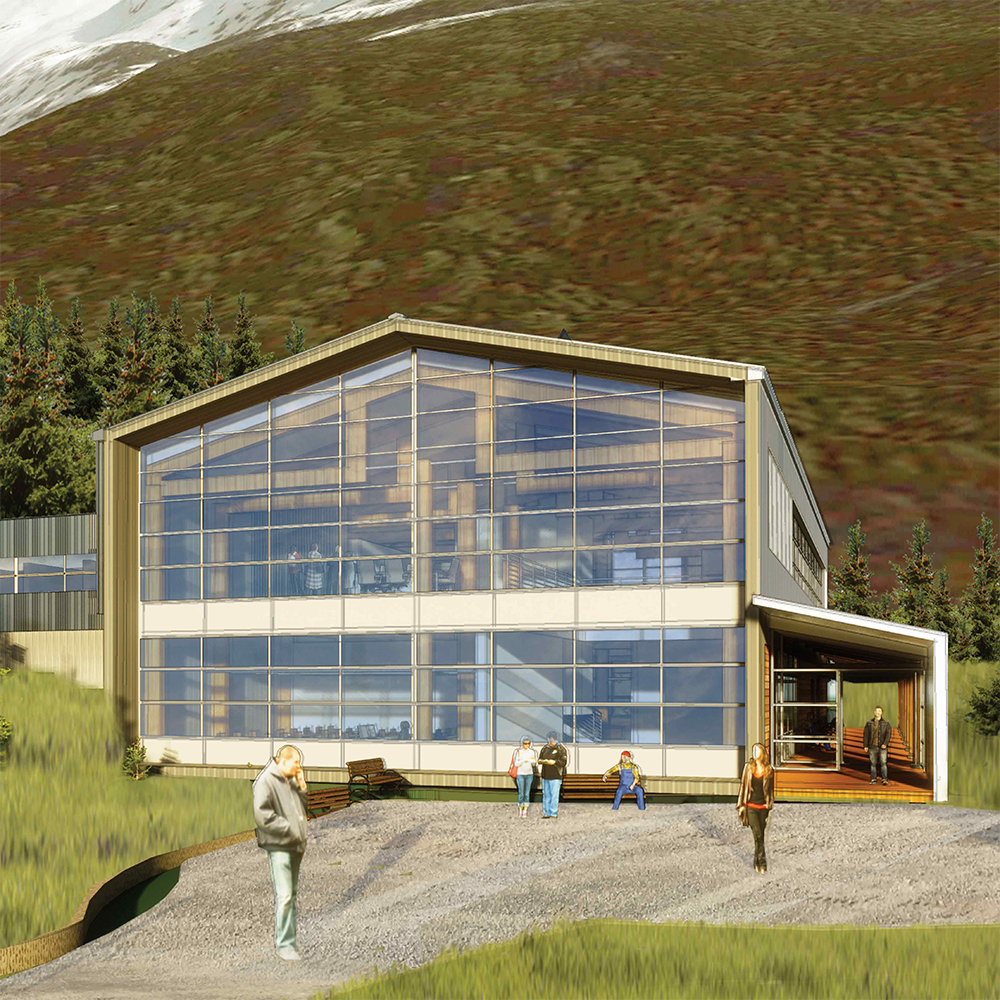
Image: RIM Conceptual Rendering
Good facilities are important to good work. After 30 years, we've outgrown our facilities and are ready to build a new home for the Science Center. Our region is one of the most remote and wonderful living laboratories where a conveyor belt of seawater that has traveled for 1,000 years from Antarctica to the Gulf of Alaska upwells to create the world's richest waters. Research and education efforts here give us a unique vantage point to understand critical changes affecting our planet and communities.

Imagine exhibits that kids and adults will enjoy. A dormitory that will support visiting students and scholars. Labs that have running seawater to support research in service to economic development in Prince William Sound, like mariculture and aquaculture. Continued positive results for the things that matter most: a sound environment, a strong economy, and thriving communities.

You can play an important role in our expansion. Recently, we received a local match challenge of $40,000 from two generous donors - John Garner and Meera Kohler. Their goal: have as many people as possible support the project no matter the size of the gift. What happens here matters globally. Donate now  to help ensure a resilient future for the world's richest waters and beyond.
HERRING SYNTHESIS
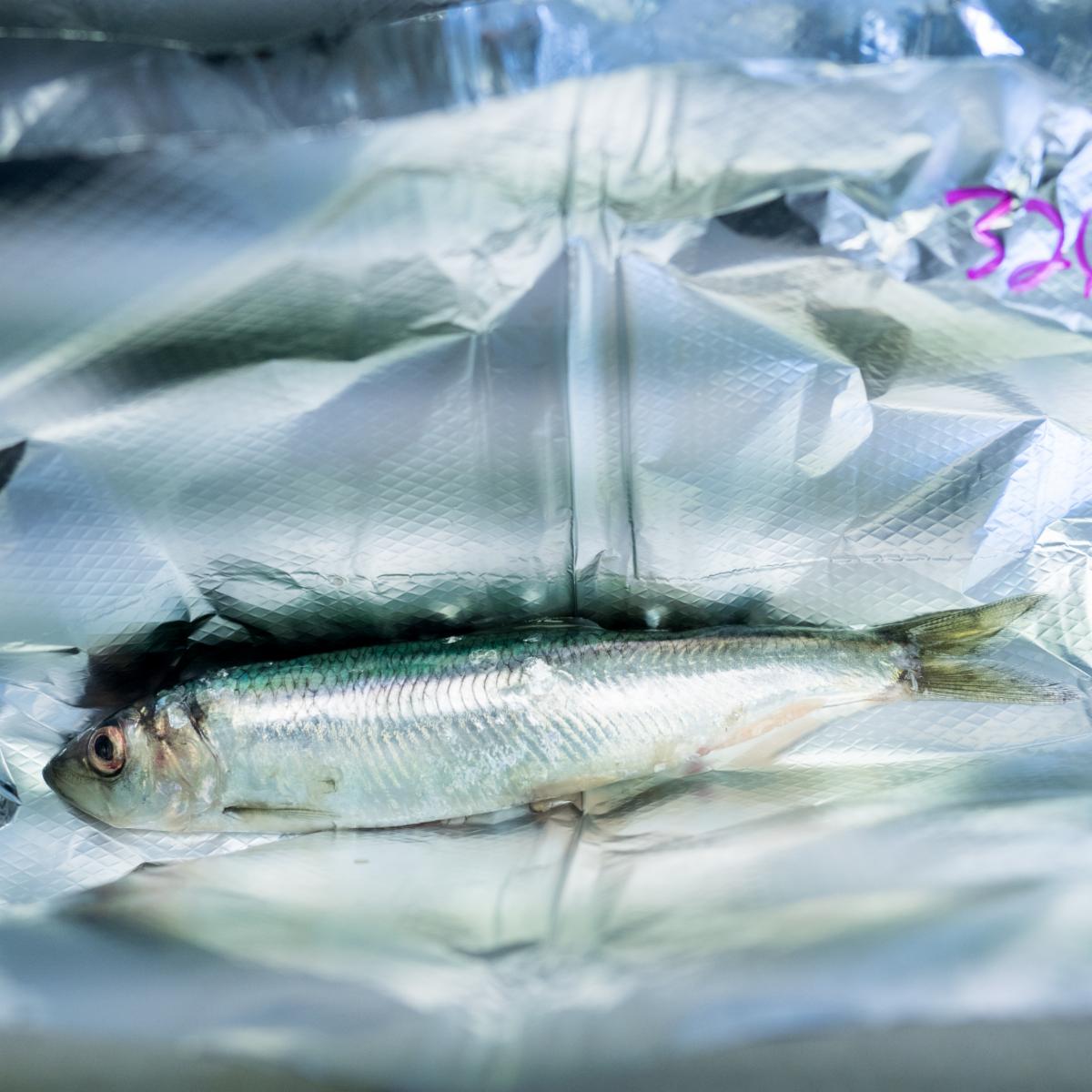
Prince William Sound herring. Photo: Teal Barmore
The Prince William Sound Science Center's herring researchers have been hard at work compiling a synthesis of existing information about Prince William Sound herring for the Exxon Valdez Oil Spill Trustee Council (EVOSTC). The synthesis, mandated by the council midway through their five-year funding period,  will be used to judge whether or not EVOSTC wants to continue funding this work.

Along with major disease tracking breakthroughs and interesting environmental correlations, a lot of the herring synthesis is devoted to putting together the bits and pieces of nearly a decade of research to improve the population model. Read more about the synthesis and the current status of herring in Prince William Sound here.
ROV PROGRAM TRAVELS TO YAKUTAT
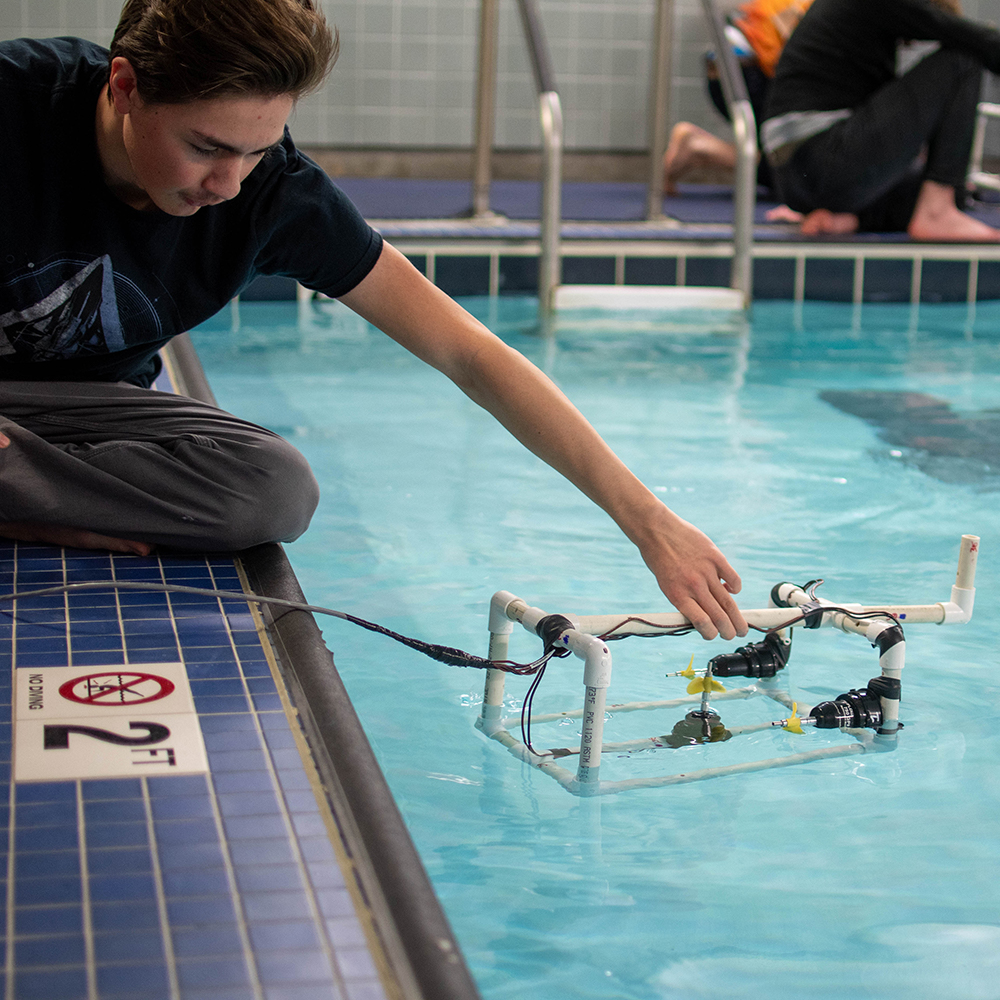
Yakutat students testing their ROVs. Photo: Nicole Webster
Earlier this month, t he Science Center education team visited our southern neighbors in Yakutat. High school and middle school students got the chance to build ROVs (Remotely Operated Vehicles, aka "underwater robots") and run them through a submerged obstacle course. Afterwards, the first and second graders had a blast driving our mini ROVs, learning about oil spills, and testing cleanup techniques (read more about our ROV program here). 

PWSSC strives to bring these types of STEM activities to rural and remote communities in Alaska, and has done so for the past decade. If you think your community might qualify to host one of our Discovery Outreach programs, feel free to drop us a line!
HYDROPONICS IN OUR SCHOOLS
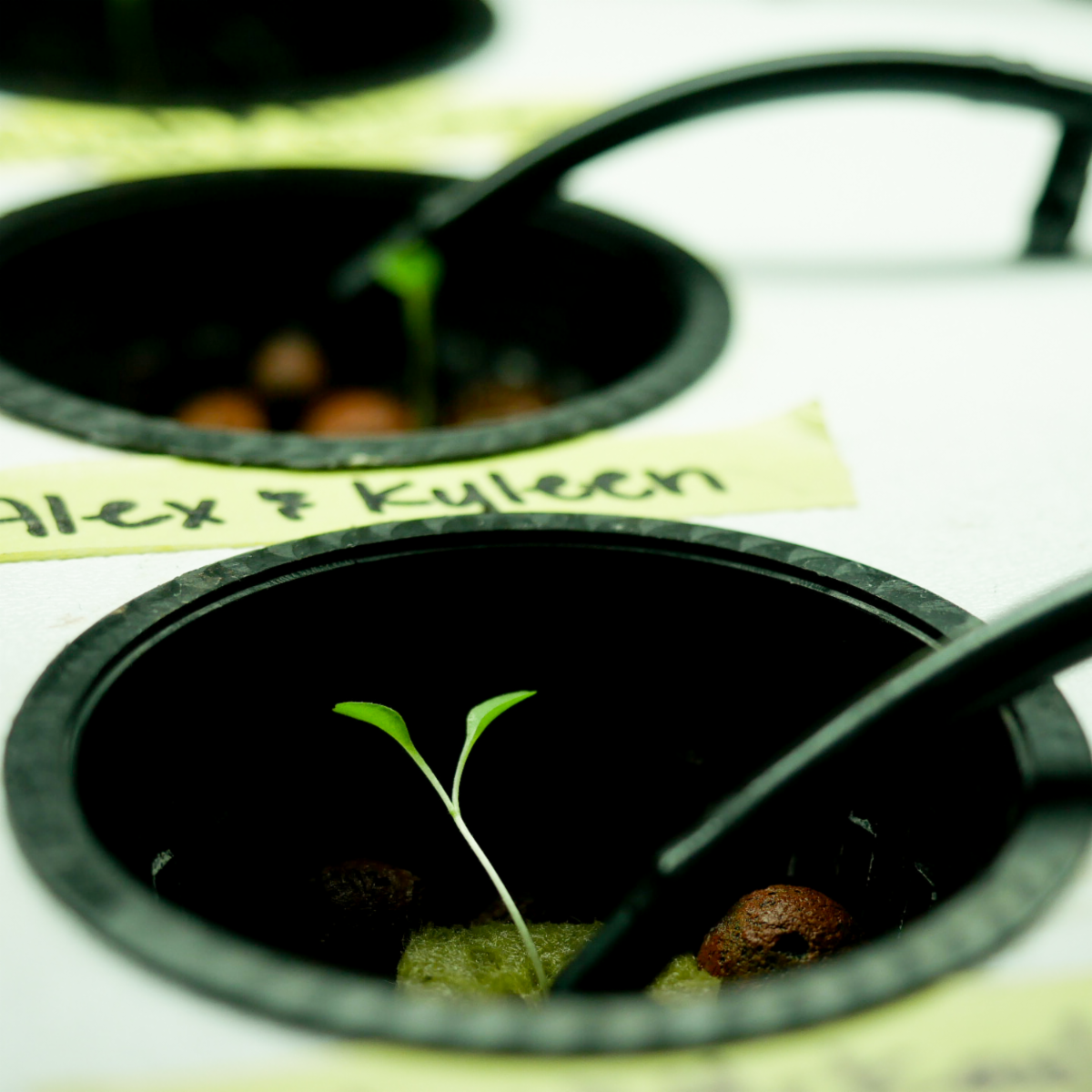
Second grade students partnered up to grow leaf lettuce with hydroponics. Photo: Teal Barmore
AmeriCorps educator Chris Iannazzone and his colleagues from the Science Center's education department introduced Mt. Eccles' second grade students to the concept of growing plants without soil. The new theme for the Discovery Room program  'Plants and Hydroponics' was inspired by the Science Center's mission of resilience in a changing world and Chris' experience working on farms before he moved to Cordova.

After a lesson on the life cycle of plants and what plants need to survive, Chris explained how plants in a hydroponics system can photosynthesize with artificial light and be fed the nutrients they need to survive through liquid nutrients added to their water. Best of all, with specialized equipment the size of a large Rubbermaid tote, they got to grow 16 heads of lettuce right in the school!

Read more about the plants and hydroponics program here.
The Science Center is committed to understanding how one place on earth can maintain a reliable economy and natural environment for the long term. 
 
We invite you-- donors, researchers, partners, funders, elected officials, citizens--to join us in better understanding one of the world's last, great natural regions, home of the world's richest waters.

Join Our List