|
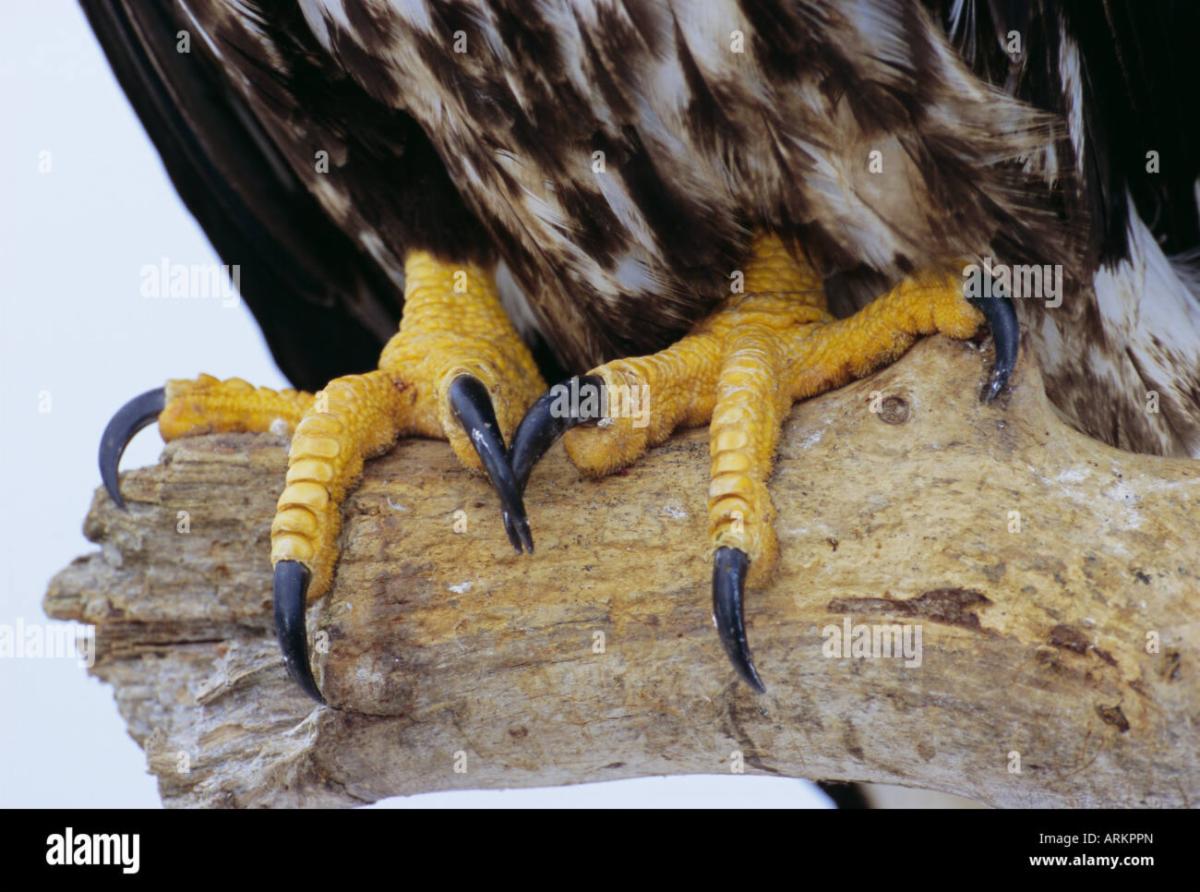
There's a very good reason why even the coldest of winters aren't much of a problem for most birds: Their feet are ingeniously designed so that they're already cold to begin with. Thanks to a network of arteries—called rete mirabile or "wonderful net"—a bird's heart is wired to its feet in such a way that by the time the tiny amount of blood gets down there, it's cooled. And when blood flows back up, it's warm. This heat exchange system ensures warm blood stays close to the bird's heart, while the cool stuff dribbles down to its toes. The bird feels very little down there, and, most importantly, doesn't experience any heat loss.
A couple of biological tweaks make this system even more efficient. For one thing, a bird's arteries actually sink deeper into their bodies during winter, leaving them less exposed to the elements. And then there's the ace up the bird's feathered sleeve: no muscles at all on its lower legs and feet. That means they hardly need more than a pitter-patter of blood to do what they need to do.
That's not to say a bird's foot couldn't use a tiny mitten now and then.
In serious cold, birds use their whole feathered bodies as a mitten—explaining why you'll often see them bunched up on the ground, keeping those little extremities toasty.
Source: "Why Don't Birds' Feet Freeze in the Cold?" by Christian Cotroneo, treehugger.com
|