narrow header w white type
Exploring new Approaches
Robert V. Lange
Greetings!

I am so happy to announce a new demonstration farm project in Selela.

Our focus on adaptation to climate change continues. A while back, we started working with the livestock keepers to develop and demonstrate creative ways to manage cattle. The aim was to eliminate the herders’ complete dependence on open grazing, which exposed them to the most serious impacts of drought.

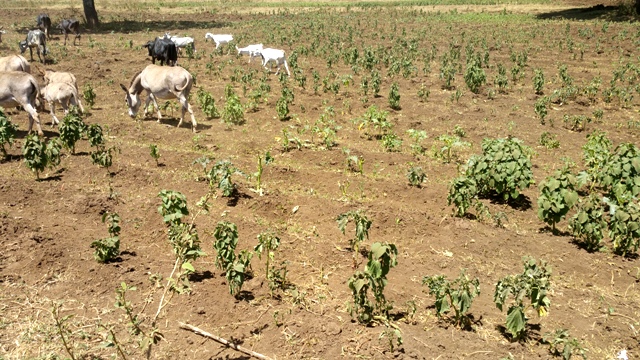
And then we opened our eyes to the other severe climate change impact and had to be confronted:  rain-dependent farming.

As with grazing, the problem is too widespread for the International Collaborative to bring a solution to each farmer, but we can again create and demonstrate new ways to farm successfully in the face of climate change.

And we have started! With the creation of the new International Collaborative Demonstration Farm, we are exploring and demonstrating ways to adapt to climate change and lessen dependence on the undependable.

Enjoy the good news and the launch of this exciting exploration. As always, thank you for your interest and support.

Twende!

August, 2023
The aim of the new Project
With the new demonstration farm we are testing investment advisability for Maasai farmers.

There is no question that climate change is threatening the success of farming in the Rift Valley and nearby areas.

Just depending on rain is not likely to work out in the future. 

But moving to solar-powered pumping of groundwater requires a significant investment.

We hope to be able to show that reliable water, and the possibility of several rain-independent crops a year will make this investment practical, The ability to return the investment within the first few years of operation will demonstrate this.

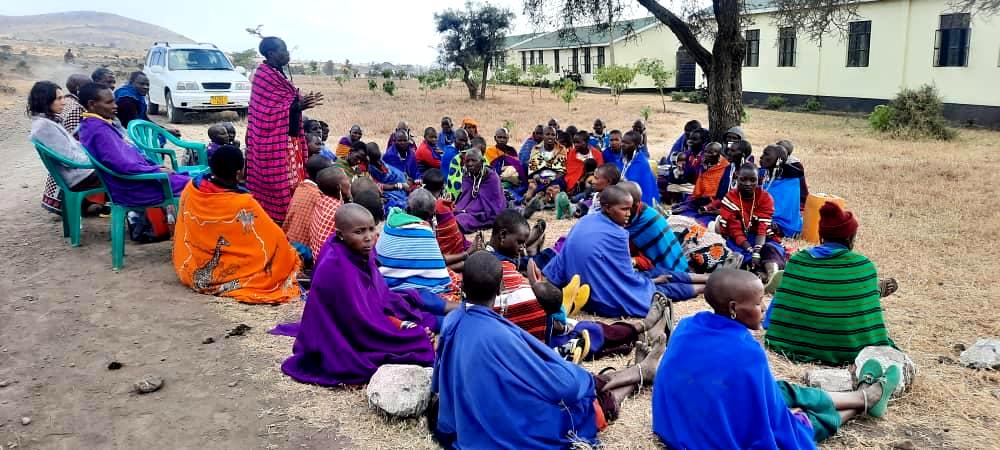
Our innovations will be noticed by the communities near the demonstration farm. As we share these explorations with the local people, we will learn from them and gain experience.

We will publicize our work and keep the people living in the Valley and district and regional government officials well informed. These include the agricultural officers we will invite to come explore and collaborate.
With climate change, we can no longer depend on rain alone
Land
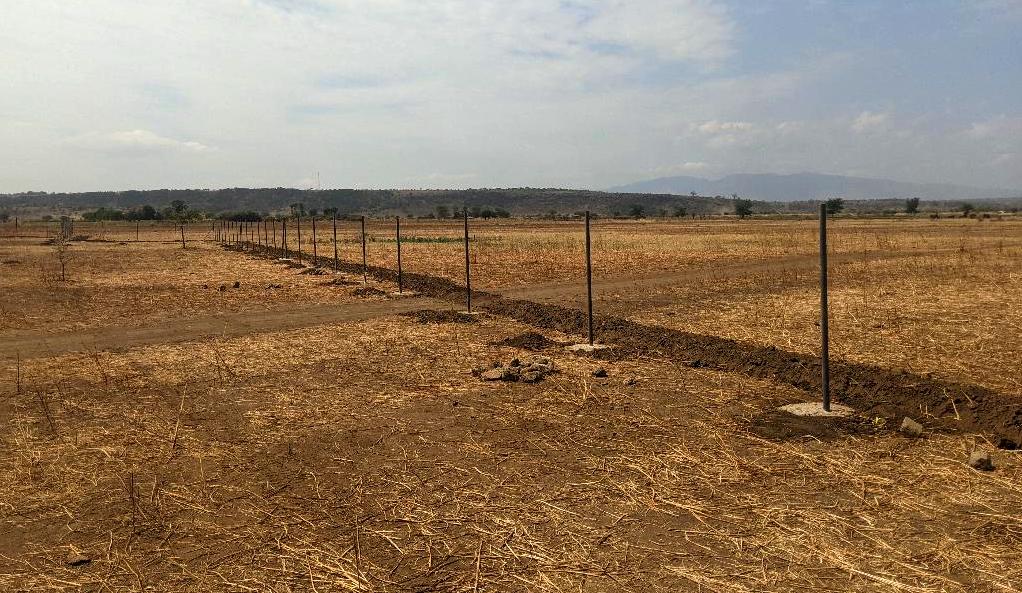
To ensure complete control and freedom to design, experiment, and learn, the International Collaborative bought a six and a half acre plot next to the Selela Forest.

It is just south of Selela Village Center and next to banana farms and the escarpment of the Rift Valley.

We have fenced it and will soon level. the land and divide it into small plots of typically 800 square meters.

We will be growing different crops and crop combinations in each plot to aid our experimentation with multiple approaches.
Groundwater with solar-powered pumping--the important step forward
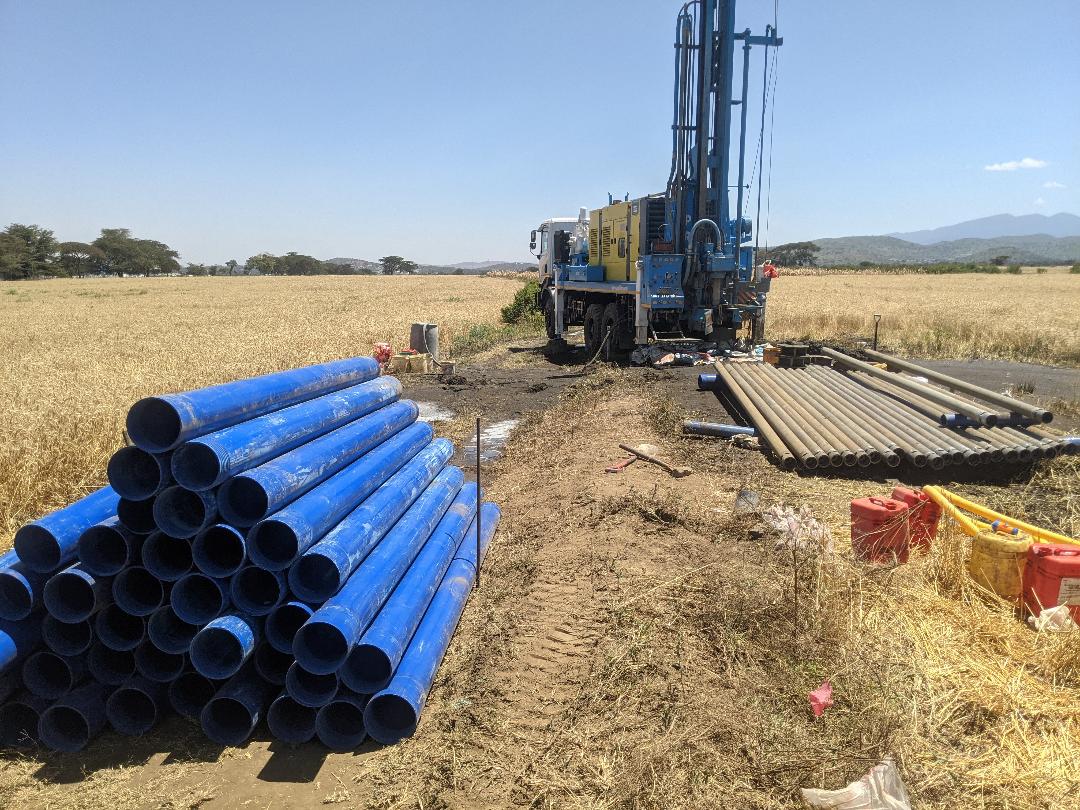
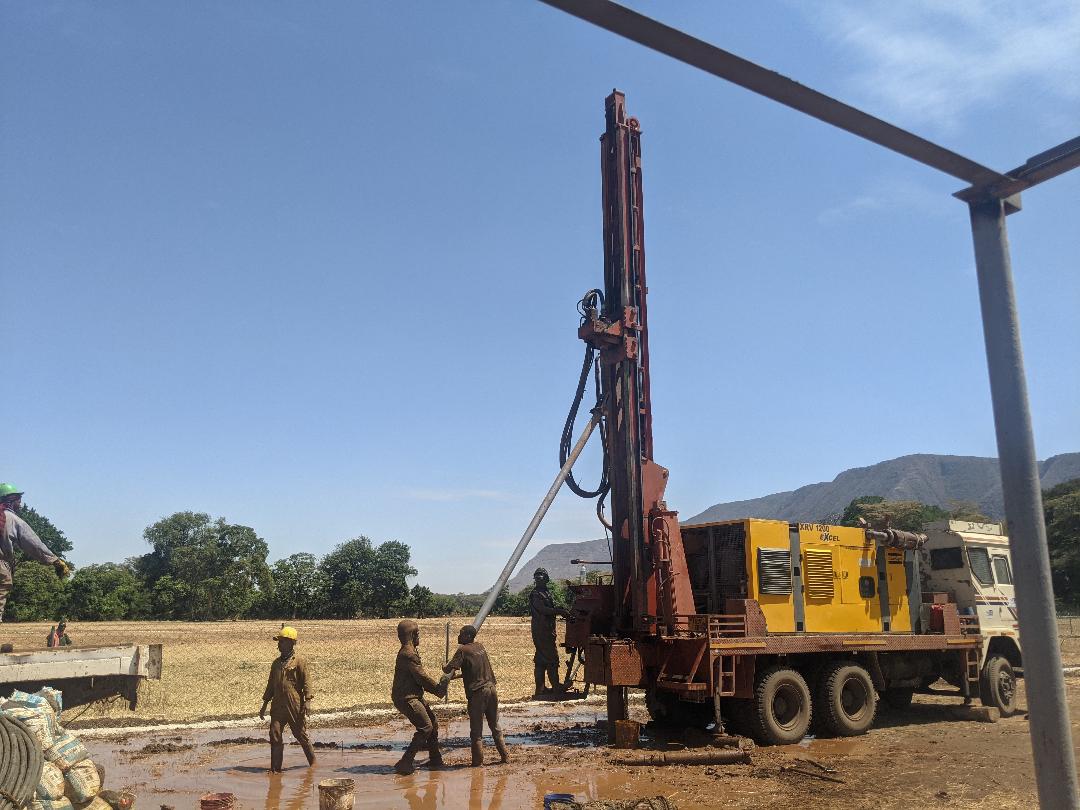
We had the land surveyed for water and are now drilling a borehole that will be 80 meters deep. The survey indicated good water at that depth.

 The electrical groundwater surveying equipment is not expensive. I will soon be traveling back to America where I plan to buy the equipment and gain expertise in using it.

That way, we can do the surveying ourselves for projects that the region's farmers will want to initiate.
Power
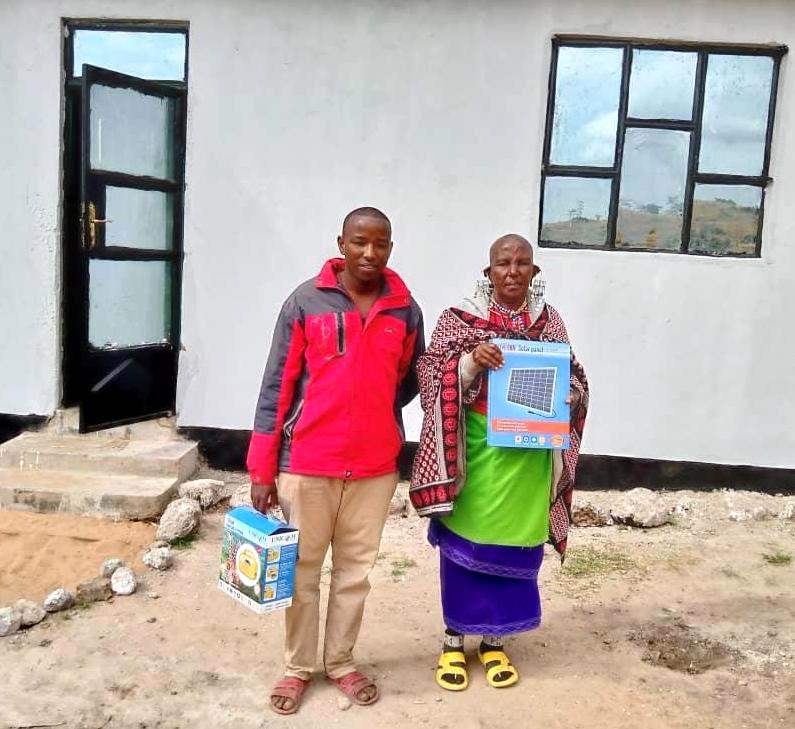
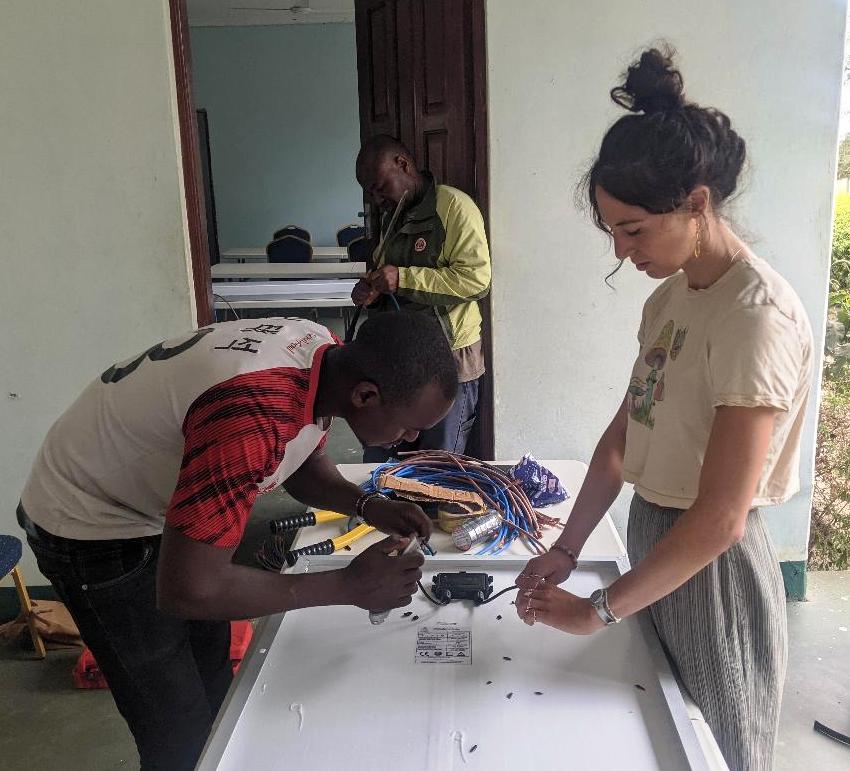
We are experienced in solar power for homes and some commercial sites, such as clinics and sewing centers.

For all of these, we import panels directly from China, keeping the cost down.

Even so, for this Project, we are challenged in the solar application, since the pump needed for bringing up the water in the borehole will be as big as ten horsepower.

That would require 15 or 20 kilowatts of power, a higher DC voltage to the controlling inverter, and a lot more current than we are used to generating.

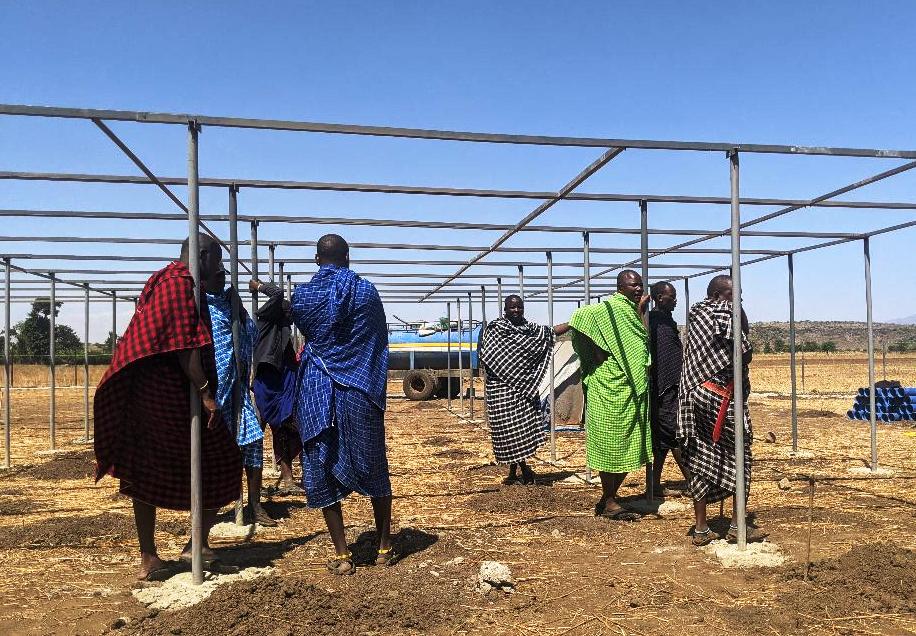
To address this, we are preparing a safe high-power installation using large pure copper cables to link the panels, controller ,and pump. The 100 panels will be mounted with spaces between them on a support over a15 by 15 meter square area. This will produce the power needed, while providing a partial shade area for plants that thrive under these growing conditions.
Security
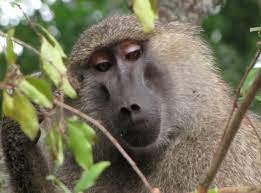
The strong chain-link fence will keep out livestock, and zebras. However, the baboons that emerge from the forest every morning and night won’t be deterred by a fence.

Our plan is to nurture a pack of friendly, helpful dogs to live on the farm and frighten the baboons away.

Elephants are around and never hesitate to demolish a fence when crops are available on the other side. But they don’t like lights at night. We will use a tiny fraction of our solar electric power to light up the fence to discourage them.
Funding
We are thrilled to announce that a visitor to our Project immediately joined in for conceptualizing and funding this essential climate change adaptation work.

With her help, joined by her family, we are able to mount this demonstration development without having to divert any funds from their regular uses.


So full speed ahead...and we hope you enjoy this exciting journey!