Driving Innovation through Disability Inclusion
Commitment in uncertain times.
Disability Inclusion is business critical for employee engagement, innovation, positive culture and organizational success.
| | |
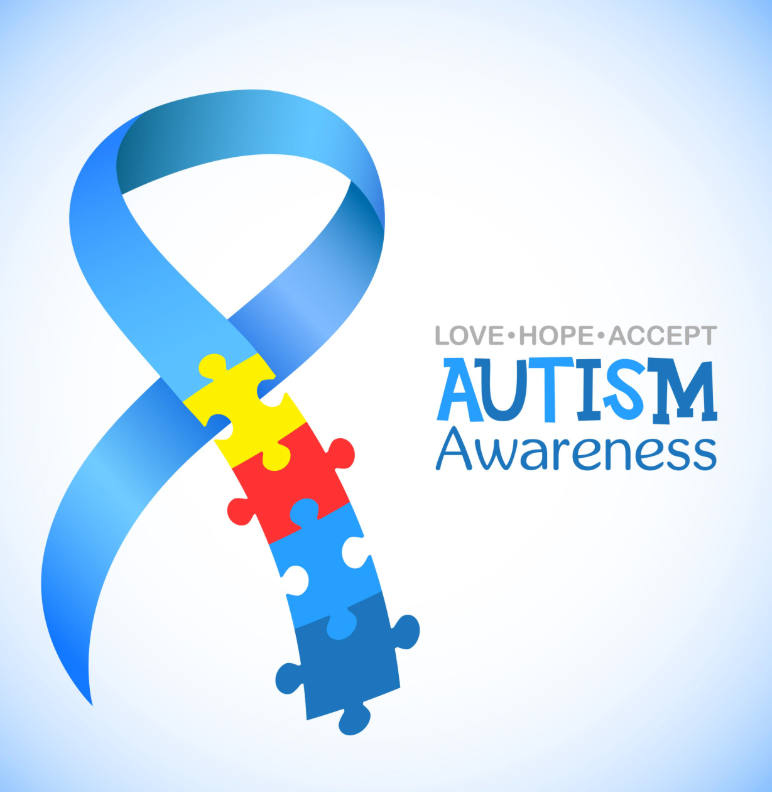
World Autism Autism Awareness Day starts on April 2 and continues throughout April. The theme for World Autism Acceptance Month in 2025 is “Celebrate Differences.” It encourages us to see that each person is unique and their differences are a normal part of life.
| |
Disability Inclusion Roundtable Luncheon
Baltimore April 23
Washington DC April 24
Are you New to Disability Inclusion? Are you looking for a way to engage with others on a similar journey?
DC Metro and Peak Performers, a non-profit staffing firm, are co-hosting two Disability Inclusion Roundtables to provide opportunity for you to meet other organizations and begin your journey.
Meet Ryan Walters, DC Metro Chair in Baltimore; Meet Carolyn Jeppsen, BroadFutures in DC to learn how disability inclusion is a priority for their organizations.
Contact Katherine McCary by April 15 to learn more and attend.
| | What Our Community is Saying | |
Staying Committed: Our Path Forward
In recent months, we have witnessed significant challenges to DEIA nationwide. Despite these obstacles, BroadFutures remains committed to our mission to create meaningful opportunities for neurodivergent young people and employers recognizing their exceptional skills and talents.
Our commitment is not just a statement—it is a lived practice. Diversity is a fundamental strength that drives innovation, understanding, and potential - not a trend to debate. While the current climate can marginalize and divide, we choose action, education, and unwavering commitment and support.
Protections for people with disabilities, especially the neurodivergent young people we serve, are under threat. Restrictions on individualized education plans, accommodations, and support services are increasing significantly, limiting opportunities and inclusive learning environments.In response, we are strengthening our programs and amplifying the voices of our community. Our work proves that true inclusion and collaboration benefit everyone. Talent knows no single neurological pathway.
To our supporters, partners, and community: Stay engaged. Stay committed. Together, we will continue building bridges of understanding and opportunity.
With determination,
Carolyn Jeppsen
Co-founder and CEO
| |
Explaining the Impact of the Educational Executive Order on People with Disabilities
What is Happening at the Department of Education? On March 20, President Trump issued an Executive Order entitled “Improving Education by Empowering Parents, States, and Communities”. The Executive Order directs the Department of Education to “take all necessary steps to facilitate the closure of the Department of Education and return authority over education to the States and local communities while ensuring the effective and uninterrupted delivery of services, programs, and benefits on which Americans rely.” Prior to today’s Executive Order, President Trump and Education Secretary Linda McMahon had taken action over the last few weeks to dismantle the Department, including firing approximately 50% of the employees. To date, the biggest losses in staff are in the offices handling student financial aid and civil rights enforcement. The Department of Education is already the smallest cabinet-level department in terms of the number of employees.
Read AAPD’s statement on the staff reductions. The Executive Order DOES NOT eliminate disability civil rights laws such as Section 504 of the Rehabilitation Act of 1973 or the Individuals with Disabilities Education Act (IDEA), which protect the educational rights of students with disabilities. Nor does it impact students’ Individualized Education Programs (IEPs), 504 plans, or other accommodations at school. However, today’s Executive Order and the staff reductions will severely diminish the ability of the Department to enforce those rights.
Learn more about the AAPD article.
| |
The Future of QA: Why Test Case Automation Matters
In today's fast-paced software development landscape, quality expectations are higher than ever, and development cycles are getting shorter. To meet these increasingly rigorous needs, test case automation is becoming essential for balancing speed and quality.
Key Benefits of Automation
- Enhanced Testing Capacity
- Automation scales your testing efforts without adding headcount, ensuring broader coverage across multiple platforms.
- Faster Release Cycles
- By integrating automation into continuous integration and continuous delivery (CI/CD) workflows, you reduce bottlenecks and accelerate time-to-market.
- Higher Accuracy
- Automated testing minimizes human error, providing consistent and reliable results.
- Cost Efficiency
- Automation optimizes resources, reduces testing costs, and delivers a quicker return on your investment.
Why Automation Is Key
These days, users expect flawless digital experiences, which means that traditional manual testing often can't keep up with the demand. By embracing automation, you can:
- Balance speed with quality in development cycles.
- Deliver high-performing software that meets user expectations.
- Stay competitive by leveraging cutting-edge quality assurance (QA) technologies.
Automation is not just a trend—it's a necessity for the future of QA. It offers scalability, efficiency, and innovation to meet today's software development challenges.
To help you on your automation journey, we've put together a free guide comparing top automation testing tools for improving software reliability. Check it out and let us know what you think!
Get the Guide
|
450+ Organizations Join AAPD In Letter to Congress
re: HHS Restructuring
by Jess Davidson | Mar 29, 2025 | Blog, Community Integration, Health, News
On Friday, March 28, AAPD and more than 450 disability, civil rights, aging, mental health, and patient organizations sent a letter to majority, minority, and committee leadership in Congress expressing dismay and significant concern about reported plans to reorganize and close significant departments within the Department of Health and Human Services (HHS). The letter expressed our strong opposition to plans to eliminate the Administration for Community Living (ACL) and split its functions across three other agencies, as well as the consolidation of the Office for Civil Rights (OCR) and Substance Abuse and Mental Health Services Agency (SAMHSA).
What Does the Administration for Community Living (ACL) Do?
The Administration for Community Living (ACL) was created in 2012 to advance the idea that older adults and people of all ages with disabilities should be able to live where they choose, with the people they choose, and with the ability to participate fully in their communities. ACL does this by funding services and supports provided primarily by networks of community-based organizations and by investing in research, education, and innovation.
ACL brings together aging and disability programs from across the federal government to efficiently administer similar programs that promote similar goals. Through its programs, grants, regulations, and policy advocacy, ACL makes community living possible for more disabled people and upholds our civil rights, including those rights defined by the 1999 Olmstead v. L.C. Supreme Court decision.
What Does the Office for Civil Rights Do?
HHS’ Office for Civil Rights (OCR) investigates violations of, and enforces federal civil rights law related to HHS’ work, like civil rights violations made by a healthcare provider or hospital. Federal civil rights protect people from discrimination based on gender, race, disability, nation of origin, and religion.
At HHS, OCR also enforces the Health Insurance Portability and Accountability Act (HIPAA) Privacy, Security, and Breach Notification Rules, and the Patient Safety Act and Rule. HIPAA’s Privacy, Security, and Breach Notification Rules protect your private health information and make sure you know if your private health information was given to any person or organization who doesn’t have your permission to have that information. The Patient Safety Act and Rule created a voluntary reporting system to make complaints if you have a concern about your safety as a patient or the quality of your healthcare.
You do not have to be a lawyer to file a complaint with OCR, which makes it more accessible than lawsuits or other legal processes.
What Does SAMHSA Do?
HHS’ Substance Abuse and Mental Health Services Agency (SAMHSA) promotes mental health, prevents substance misuse, and provides treatments and supports to foster recovery while ensuring access and better health outcomes for all. SAMHSA provides information, resources, and guidance for providers as well as advocates for policies that help make SAMHSA’s vision a reality.
SAMHSA’s mission and vision state that SAMHSA envisions a world where “people with, affected by, or at risk for mental health and substance use conditions receive care, achieve well-being, and thrive.” This is very important because many people with mental health disabilities and/or substance misuse disorders often face stigma in their communities. Stigma makes it harder to receive proper care, and isolates people with these conditions.
This timely letter demonstrates strong, broad support for the critical work of ACL, OCR, and SAMHSA. You can learn more and read the full letter
|
Helping Employees Stay on the Job and Thrive
Each year, more than 2 million workers in the U.S. leave their jobs because of a serious illness or medical condition. For many of these workers, this is the end of their careers, placing a strain on their families, communities, and employers. In partnership with the U.S. Department of Labor and the Social Security Administration, AIR works with five states to strengthen return-to-work programs that keep employees on the job and thriving. This is one of many ways AIR's work is making a difference in our communities.
| | Thank You to Our Sponsor Partners! | | Save the Date for these Signature Events! | |
Technology and the Disability Experience
Fall 2025 | New York, New York
Learn More
An exploration of artificial intelligence, extended reality, smart devices, and their impact on accessibility, disability inclusion, and the future of workforce innovation.
The National Organization on Disability proudly welcomes a diverse group of advocates and professionals to an exploration of the advantages and limitations of advancing technology in the workforce. Disability advocates, human resource and technology professionals, leaders, and others are invited to join us in examining how technological innovations are impacting individuals with disabilities.
Guests will enjoy...
- A showcase demonstrating cutting-edge, tech-driven products for people with disabilities from trailblazing brands
- An engaging panel discussion with industry experts exploring their emerging tech products and strategies for driving advancement for marginalized identities
- Networking opportunities with passionate, like-minded individuals
- An award ceremony recognizing leading disability employers
- Captivating entertainment
| | MEET OUR COLLABORATIVE PARTNERS | |
Learn More About DC Metro
| | |
Disability:IN DC Metro
“Think Globally, Act Locally”
Patrick Geedes
Join Today!
| |
Promoting Inclusion
Expanding Disability Education and Awareness
Our focus is on Culture Change!
Founded in 2006
Twice honored as Disability:IN Affiliate of the Year
Led by The Hon. Katherine McCary
Founding Chair of Disability:IN National and
CEO, Executive Director of Disability:IN DC Metro
Disability:IN DC Metro (DC Metro) is an employer-led membership-based business association that creates business to business connections, dialogue, and learning within our geographic region of Washington, DC, Virginia, and Maryland, an area known as the National Capital Region. Our offerings, however, are not limited to geographic location. All DC Metro corporate member employees enjoy member benefits regardless of their physical geography. You don't have to live in the National Capital Region to engage and enjoy DC Metro's Professional Development Courses and topical Hybrid Programming!
| | |
Our Members and Guests have access to resources, programs and partners to strengthen the disability inclusion efforts and outcomes.
- Thought leadership
- Professional Development courses
- Business to business networking
- Introductions to community partners
- Access to talent
- Hot topic programming led by Subject Matter Experts
- Webinars
Join our
LinkedIn Page
Follow us on
Facebook
Twitter
YouTube
Our Board
Board Members:
- Jessica Lee Aiello, TCS Teams
- Jennifer Bassett, Immediate Past Chair, JBG SMITH Companies
- Meghan Cadigan, Vice Chair, KPMG
- Tashi Carper, Leidos
- Tom Downs, Booz Allen Hamilton
- Jenn Gauvreau, Secretary, CGI Federal
- Andrea Hall, General Dynamics Mission Systems and DC Metro Chief Strategy Officer
- Susan Morgan, General Dynamics IT
- Eduardo Meza-Etienne, Level Access and DC Metro Chief Accessibility Officer
- Ryan Walters, Chair, Deloitte
- Myra Wilder, BAE Systems
Strategy Advisors Board Members:
-
Josh Basile, Jack H. Olender & Associates
-
Michelle Crabtree, Town of Vienna
-
Crosby Cromwell, Cephable
-
Lori Daly, Diversifi Consulting Group and Chair, Community Outreach PRG
-
Ron Drach, Drach Consulting, LLC and Chair, Veteran PRG
- Diane Monnig, The Arc of Northern VA
- Melody Goodspeed, The American Foundation for the Blind
- Karen Herson, Concepts, Inc.
- Carolyn Jeppsen, BroadFutures
- Craig Leen, K&L Gates, Former OFCCP Director
- Carrie Martin
- Rick Rodgers, The Resource Network and Chair, Disability Supplier Diversity PRG
The Hon. Katherine McCary, CEO, Disability:IN DC Metro
| | |
Our Vision
“Cultivate workforces and workplaces where talent with disabilities are recruited, included, promoted, retained and valued as both internal talent and innovative vendors.”
Follow Us on LinkedIN and YouTube
| | | | |