|
|
Quarterly Newsletter
ISSUE 2 • March 2025
| | |
|
What will it take to build an equitable community birth workforce?
Building an equitable community birth workforce is about more than increasing the number of providers. It is also about making sure doulas, midwives, and community-based perinatal care providers can access training, build sustainable careers, and feel supported in staying in this work regardless of race, gender, age, nationality, and area. Across Massachusetts, doulas, midwives, advocates, birth centers, public health agencies, and health system partners are working in different ways to strengthen the path into community birth work, increase diversity and representation, prevent burnout, and help more providers thrive.
This issue highlights several of those efforts—from scholarships and training programs to clinical teaching opportunities that support the next generation of community birth workers.
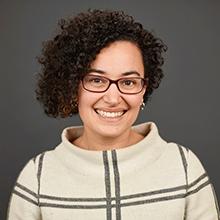
| | Rebecca Herman, MPH, CPM, NHCM | |
|
When an Act to Improve Access to Midwifery Care and Out-of-Hospital Birth options was signed into law in 2024, we already knew that Massachusetts desperately needed more birth workers, greater diversity in our community midwifery rolls, and access for families to a wider range of places and people with whom to seek perinatal and reproductive health care. Today, this is more urgent than ever.
According to mass.gov, “health care providers have been reporting that more immigrant families are skipping medical appointments, delaying care, or canceling their health insurance because they fear being detained by ICE. In Massachusetts, no one should have to hesitate to seek essential or life-saving medical treatment because they fear detention, deportation or being separated from their families.” Governor Healy has signed an executive order “directing Health and Human Services to work with both public and private entities engaged in providing services to the public, including but not limited to…entities led by medical providers, and hospitals to ensure that those entities have guidance and policies in place (i) for staff interacting with federal immigration officers; and (ii) requiring a judicial warrant or judicial order for entry into nonpublic areas.”
While we at CBDI are grateful to our leadership in Massachusetts for doing what they can to protect the rights of all Bay State residents, we also recognize that current events present impossible choices to many families who are simply trying to keep themselves and their loved ones safe. Community-based, in-home, and high-quality clinical care from independent providers who are able to bring services to those whose mobility may be constrained is becoming a civil right as much as it has always been a right of bodily autonomy and reproductive choice. We need to break down all barriers to access, from a robust workforce to fair, full reimbursement for care by all payer types, regardless of the location of service.
In honor of all those serving families where they live, with respect, dignity, confidentiality, and safety, I am proud to share this issue of the MA CBDI newsletter showcasing the many efforts taking place to expand, diversify, and support community midwives, doulas, and aspiring birth workers.
| | |
Uplifting the Doula Workforce: Scholarships and Certification
On January 16, 2026, the Massachusetts Department of Public Health opened applications for its first-ever Doula Training Scholarship. The scholarship was available to both current doulas seeking continuing education and individuals interested in becoming a doula.
In just five weeks, 289 applications were received from across the Commonwealth.
- 77% of applicants are people of color
- Applicants speak more than 15 different languages in total
The depth and diversity of this applicant pool reflect both the strength of community-rooted birth work in Massachusetts and the clear need for continued investment in building a strong, culturally responsive doula workforce.
On March 9, 29 scholarship awardees were announced. These recipients represent a wide range of lived and professional experiences, supporting families from Springfield to Yarmouth. Many bring backgrounds in substance use recovery counseling, home visiting, lactation support, community health work, and social work.
Congratulations to the scholarship awardees!
| |
What is DPH Doula Certification? | |
Answer: Doula certification is a formal credentialing process through the Massachusetts Department of Public Health that establishes minimum standards for training, knowledge, and professional conduct for DPH-certified doulas. It is voluntary and free. Certification is not required to practice as a doula in Massachusetts. DPH doula certification is separate from the MassHealth Doula Services Program. Apply now!
For more questions on eligibility, application requirements, and how to apply, visit mass.gov/info-details/doula-initiative.
Send us your questions! We’ll feature frequently asked questions in a future newsletter.
Subject line: CBDI Questions;
Direct to: schang@edc.org
| | |
Public Comment Period for Certified Professional Midwife Licensure Announced!
The midwifery temporary licensure regulation - 274 CMR 3.00: Licensed Certified Professional Midwife Licensure Requirements - has been approved for public comment on Thursday April 23rd, 2 pm via moderated conference call. This regulation will allow the Board to begin issuing temporary licenses for Licensed Certified Professional Midwives.
Date: April 23, 2026
Time: 2:00 PM ET (Virtual)
Dial-in: 1-888-982-4493
Participant Code: 5561604
For more information, visit Mass.gov
| |
Building the Next Generation of Midwives through Community-Based Clinical Teaching
Q&A with Rachel Blessington, CNM
Midwife, Founder, Executive Director of Worcester Community Midwifery
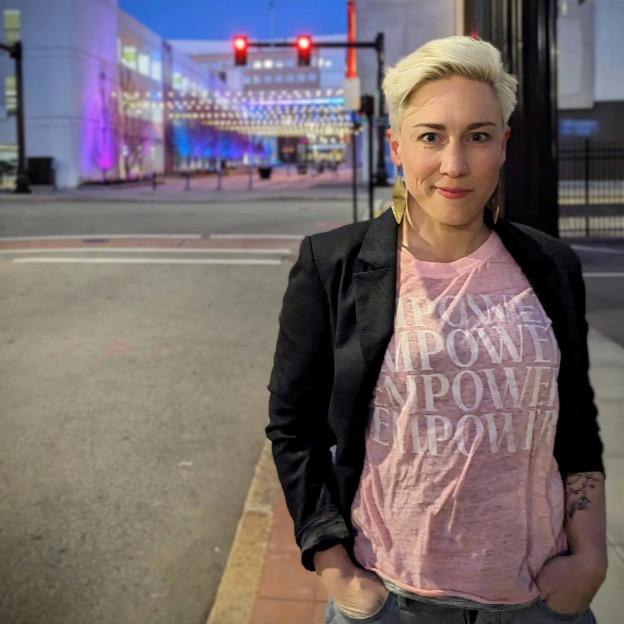
| | | This month, our Provider Spotlight takes us to Worcester, where Worcester Community Midwifery (WCM) is working to expand access to community-based midwifery care while investing in the future workforce. Founded by Rachel Blessington, CNM, WCM is planning to become Central Massachusetts’ first freestanding birth center and a midwifery clinical teaching site—advancing both access to care for birthing families and training opportunities for midwives. | | Q: In what ways are community-based clinical teaching sites important for the future of midwifery? | | | "The hands-on learning dynamic between students, preceptors and clients that occurs during clinical rotations is invaluable. This is where midwives in training learn to listen, observe, touch, communicate, plan and deliver care. Comprehensive midwifery training should include learning to provide care in various settings, including birth centers, mobile clinics, and clients homes. In these settings, students learn how to spend more time with clients and families, how to build relationships and maintain continuity, how to step into individualized care and meet clients where they feel most comfortable. " | | | Q: What gaps do you see in current training or clinical placement opportunities for midwives in Central Massachusetts? | | | "Robust, safe and varied clinical learning experiences are vital for the training of new midwives, and the lack thereof is one of the major obstacles in development of a skilled, diverse midwifery workforce. Unfortunately, clinical opportunities are limited throughout the region, especially those in a community setting. Our local hospitals do not offer 24/7 full-scope midwifery care, homebirth volume remains relatively low, and we do not have a birth center (yet!) at which to train. Limited midwifery care means limited midwifery training opportunities, so students are pushed to travel in order to train, to compete for positions and to take hours at sites that are not an appropriate fit. How can we expect midwives to provide options for evidence-based, individualized care if they are not able to train in a variety of settings and styles? If you can’t see it, you can’t be it." | | | Q: How can birth centers support both high-quality care and meaningful training experiences at the same time? | | | "Birth centers can plan to meet both of these goals by incorporating students in the care team relationship with clients throughout the care cycle, and by hiring and supporting staff midwives who are passionate about precepting When students and sites can plan committed integration experiences, students can develop appropriate rapport with clients. This results in strong learning experiences for students and preceptors, and satisfying care for clients who feel the benefits of a cohesive care team. " | | | Q: Looking ahead, what role do you hope Worcester Community Midwifery will play in strengthening the midwifery workforce and access to care in Worcester? | | | "Our midwifery center will grow a culture of learning, where local students can experience safe, high-quality training by serving their neighbors alongside skilled midwives who also love to teach. Our facility is being designed with learning in mind, creating spaces intended to welcome and support learners who join our team for a season in their journey. From places to store their bags to places to confer in private with preceptors and other students, even ensuring there are enough seats in each room to provide comfort for the whole team. We also plan to build a care team of midwives from various training routes, so students will be able to work alongside a diverse team of mentors." | | | WORKFORCE PROGRAM SPOTLIGHT | |
Building Midwifery Education Pathways at Greenfield Community College
Q&A with Alexandra Carley
Dean of Workforce Development, Greenfield Community College
For any further inquiries, please contact carleya@gcc.mass.edu
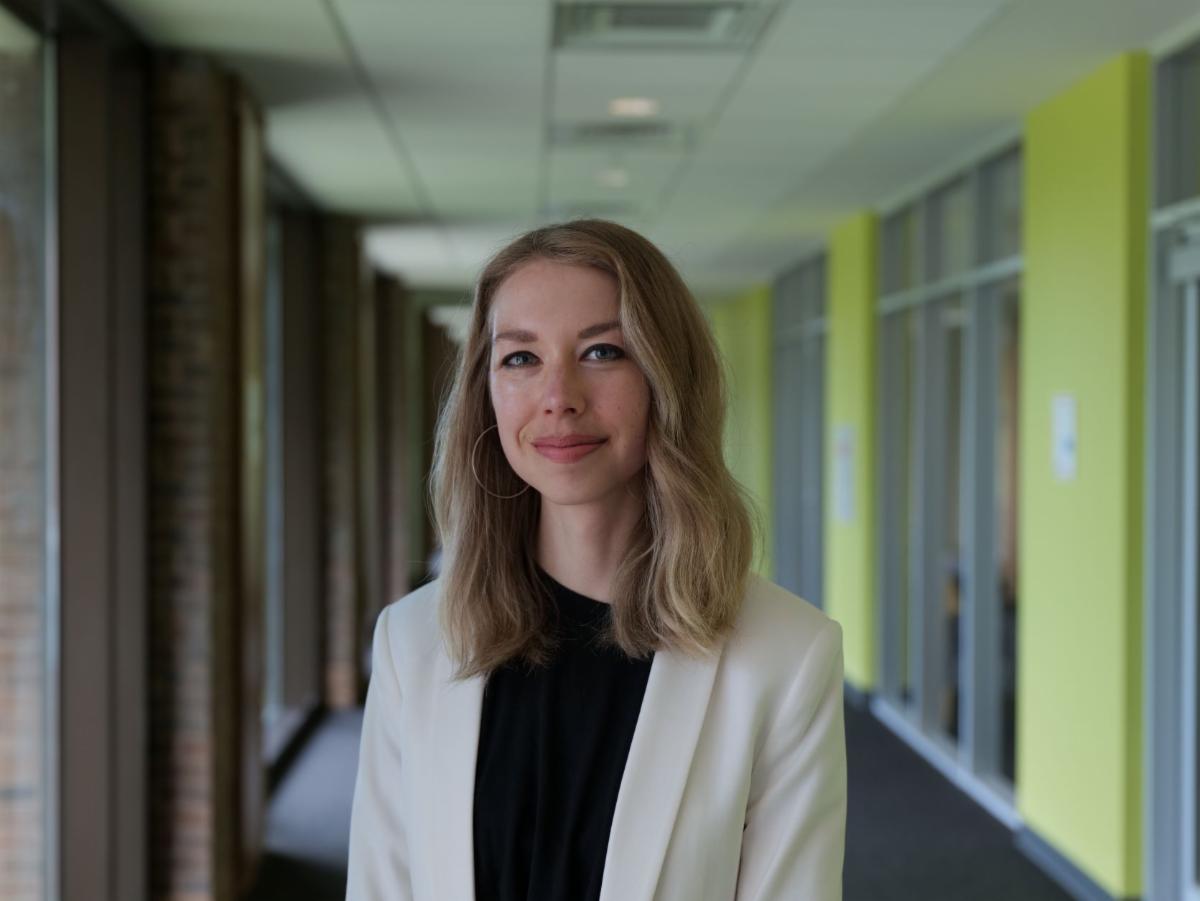
| | | What type of midwifery training program is Greenfield Community College (GCC) developing? | "GCC is currently developing two education and training pathways for certified professional midwives (CPMs) in Massachusetts: 1) a menu of non-credit continuing education courses (CEUs) for currently practicing CPMs to hone essential emergency care skills that will ensure safe and equitable care for birthing people, and 2) a full Associate of Applied Science (AAS) degree program in midwifery for those seeking to earn the national CPM credential. GCC is seeking Midwifery Education Accreditation Council (MEAC) accreditation for both pathways." | | | Why did GCC begin developing training programs for professional midwives at this time? | "In 2024, several deeply connected CPMs, who also serve as midwifery educators, approached GCC leadership regarding the Commonwealth’s ongoing efforts to create clear pathways to state licensure for CPMs. They saw the need for increased access to training and education pathways for new and practicing midwives, and their observations aligned with our findings when we began to explore this gap in our region. Increasing access to a strong pipeline of trained, licensed midwives is among the goals of the MA DPH's new Maternal Health Access and Birthing Safety Task Force. Chapter 186 of the Acts of 2024 promotes access to midwifery care and community birth options, which in turn will grow the demand for midwife-assisted births in MA, reinforcing the need for more in-state MEAC-accredited training options, especially those that prioritize opportunities for hands-on skill building. Graduates of GCC’s program will be able to apply for licensure in MA." | | | Who is the program designed for? How are prior learning, experience, or community-based practice recognized as part of program development? | |
"These two pathways are designed to meet the needs of every current and future professional midwife across the Commonwealth: those currently practicing and in need of professional development and/or a pathway to state licensure when the time comes, as well as those interested in exploring the field for the first time through an AAS degree program. Hands-on experience through the clinic courses, which require attending and eventually assisting births with practicing midwives throughout the region, will be a key element of the AAS degree, making community-based practice at the core of the program.
This program has been in development since 2024, and collaborators have included practicing and retired midwives, GCC faculty members, maternal health advocates, doulas, healthcare professionals, and so many more collaborators from nearly every corner of this vital field. This broad tapestry of contributors has ensured that GCC’s curriculum builds the required knowledge and addresses the highest-need skill gaps that the regional midwife community has observed in recent years. These programs wouldn’t be possible without the collective experience and expertise of so many different voices and perspectives."
| | | Where is the program currently at, and where can people go to learn more as this work moves forward? | "The continuing education workshops have been developed, and nearly all have been approved by the accrediting body, MEAC. We are awaiting updates at the state level before launching those professional development courses. Our goal is that these CEUs will stack into a Bridge Certificate for practicing midwives seeking state licensure in addition to their national certification. The full degree program is likely at least a year and a half away from implementation, if not more, given the many layers of rigorous review and approval required of new degree programs. GCC will continue to offer updates via our website and typical communication channels, and I’m always available to field questions." | | | |
Looking to learn more or get involved with strengthening community birth and doula access? Here are a few places to start:
MA Department of Public Health – News, updates, and information on Doula Initiative and Community Birth Integration.
MassHealth Doula Services Program: Information for Doulas – For more information about the MassHealth Doula Services Program, including the enrollment process, covered services, and important resources.
MassHealth Doula Enrollment Toolkit by Tufts - Step-by-step toolkit for Doulas to become Medicaid Reimbursable Doula in MA.
Massachusetts Chapter of the National Association for Certified Professional Midwives (MA-NACPM) – Education, regulations, and professional development resources.
MA Doula Coalition- Learn more about the community-led coalition working to increase access to doula services for all birthing people in Massachusetts, with a focus on low-income clients.
My Choices in Childbirth – A library of short videos and resources to help educate providers, policymakers, and consumers on the range of birth care choices and how each model ensures safety and quality.
Step Up Together – Transfer drill toolkit and information on collaboration and focused action cycles.
28-Day Anti-Racism Challenge (Institute for Perinatal Quality) – A self-driven annual challenge beginning February 1, 2026; open to all, especially valuable for non-BIPOC allies committed to advancing anti-racist perinatal care.
Intermittent auscultation training- An on-demand, self-paced course for skilled birth attendants wanting to implement intermittent auscultation for fetal monitoring.
Health Leads’ Toolkit for Expanding Doula- Friendly Hospitals- A co-design guide for integrating doulas into inclusive, team-based maternity care.
ACOG Position Statement on Transfer Protocols for Out-of-Hospital Births- Recommendations on hospital policies and protocols to support safe out-of-hospital births to hospital transfers.
| |  | |
Opportunity: Birth Center Clinical Co-Director Position Opening for CPMs and CNMs
Neighborhood Birth Center (NBC) seeks two qualified midwives to collaborate on the launch of clinical operations for a community birth center in Boston, MA. NBC aims to build a co-directorship model whereby two Clinical Directors share power, leadership, and vision for the organization with the Executive Director. Apply now!
| |
Event: Community Birth Drop In Hour
- Thursday, April 2 from 12:00 PM to 1:00 PM ET
- Online
- Education Development Center
A monthly space where midwives, doulas, hospital partners, and public health leaders connect and problem-solve. Join to connect, bring questions, share updates, and explore current implementation efforts in real time. Join via this link.
| |
Event: Black Maternal Health Conference
- April 10 to 11th, 2026
- Online
- Tufts University
Every year, BMHC brings Black birthers and their families, birthworkers, health experts, researchers, students, community members, and change agents to learn about the current work to improve the Black maternal health crisis in the United States. Register here now!
| |
Event: Midwife Advocacy Day
- April 14th, 2026, from 9:00 AM to 1:30 PM ET
- Beacon Hill, Boston, MA
- Baystate Birth Coalition, NACPM, ACNM, AABC, BEE
A statewide gathering where CPM and CNM students stand alongside practicing midwives to understand how licensure, reimbursement, and workforce policy shape daily care. More information and register here!
| |
Opportunity: DPH Doula Community of Practice
- April 22, May 6, June 3, 2026, from 11:00 AM to 12:30 PM ET
- Virtual
- Massachusetts Department of Public Health, Education Development Center, Health Leads
The Doula Community of Practice is a space for all doulas to connect, share knowledge, and receive support on topics ranging from navigating MassHealth to building relationships with hospitals and sustaining our work. Register here!
| |
Event: Doula Certification Launch Celebration
- April 30, 2026, from 5:00 PM to 7:00 PM ET
- Dayspace Boston (594 Columbia Road, Suite 210, Boston)
- Massachusetts Department of Public Health
Join us as we celebrate the launch of the DPH Doula Certification Program and celebrate the doulas, partners, community champions, advocates, legislators, and public health leaders who make this work possible across Massachusetts. Live music and evening bites provided. RSVP here now!
| |
Event: International Day of the Midwife Celebration
- May 5th, 2026, from 5:30 PM to 8:00 PM ET
- Suffolk University
- Bay State Birth Coalition, Our Bodies Ourselves at Suffolk University, Birth Equity and Justice Massachusetts, Community Birth and Doula Initiative
Save the Date! Join us for a party to recognize the hard work of midwives across Massachusetts.
| |
Event: PNQIN Summit
- May 13th, 2026, from 9:00 AM to 4:30 PM ET
- Four Points by Sheraton Norwood
- Massachusetts Department of Public Health, Perinatal-Neonatel Quality Improvement Network
Join the Perinatal-Neonatel Quality Improvement Network's annual summit on Mary 13th! The theme of this summit is Healthy Beginnings, Equitable Futures: Policy, Data& Action. Register now!
| |
Event: 2026 Midwifery Retreat
- May 16th, 2026, from 9:00 AM to 4:30 PM ET
- Connors Center, Dover, MA
- BEE Collaborative
The BEE Collaborative is thrilled to invite you to our second Massachusetts Midwifery Retreat. A chance for midwives to step away, be in community with one another, and practice self-care. More details coming soon! RSVP here. Check out their website (www.beecollab.org) for more information.
| |
Quality Improvement: Prenatal Breastfeeding Education
- Application closes April 17, 2026
- Online
- Education Development Center, Massachusetts Department of Public Health
This 90-day sprint is a fantastic professional development opportunity for doulas, midwives, lactation consultants, and other prenatal care providers looking to strengthen consistency, equity, and impact in prenatal breastfeeding education. Participants will receive coaching, practical tools, and peer learning opportunities across Massachusetts. Applications close on April 17. Fill out this interest form or click here to apply!
| |
Community Birth Transfers: Quarterly Community Debrief
- June 1, September 14 from 12:00 to 1:00 PM ET
- Online
- Step Up Together, Primary Maternity Care
Step Up Together offers free, Quarterly Community Debriefs—open, virtual sessions where anyone in the perinatal ecosystem can learn directly from real-world emergency drill experiences across community, EMS, and hospital settings. Register here now!
| |
Ongoing Opportunity: CBDI Support for Community–Hospital Transfer Drills
- Facilitated year-round
- In-person
- Facilitated by the CBDI team and Step-Up Together
CBDI offers ongoing support to community birth providers, hospitals, EMS teams, and partners interested in organizing a planned and attended community birth transfer-of-care drills. If your team is interested in hosting a drill or learning more, please visit Step Up Together or reach out to schang@edc.org.
| | |
Subscribe to our mailing list to receive email updates on the Community Birth and Doula Initiative, birth worker spotlights, workforce development opportunities, state certification and licensure, and more! Contact us at schang@edc.org with any questions or inquiries. |
| | |
Community Birth and Doula Initiative (CBDI) is a statewide effort funded by and led in partnership with the Massachusetts Department of Public Health (Bureau of Family Health and Nutrition). We work with perinatal care providers, hospitals, community organizations, and EMS to make sure families receive safe, respectful, community birth access across Massachusetts.
We acknowledge the Massachusetts Department of Public Health — and in particular the Bureau of Family Health and Nutrition — for their ongoing commitment to birth equity and capacity building across the Commonwealth. Their leadership, funding, and partnership have been essential in strengthening the systems, workforce, and community support that help families access community birth care.
| | | | |