It's International Overdose Awareness Day | |
 |  | |
Dear Reader,
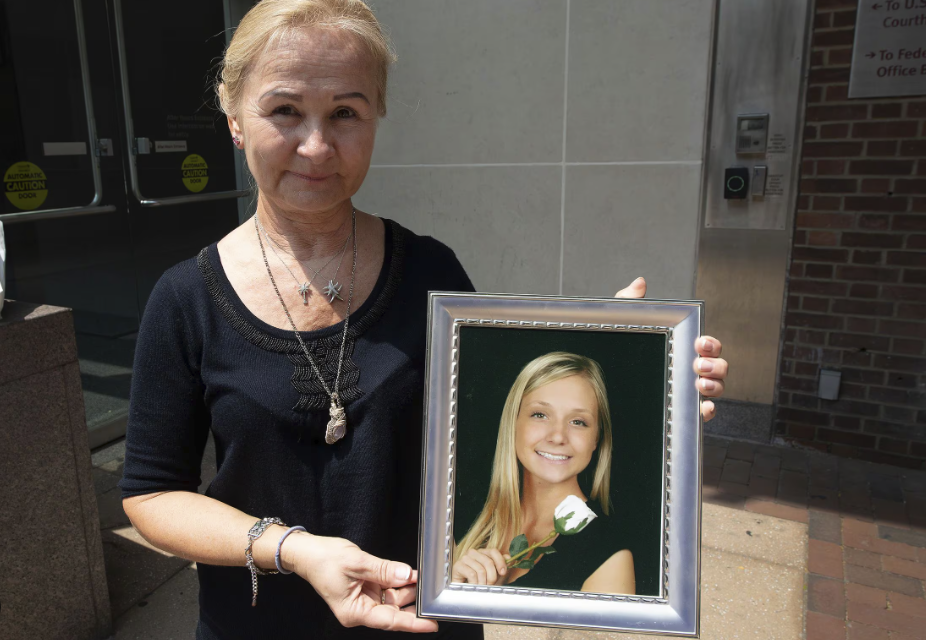
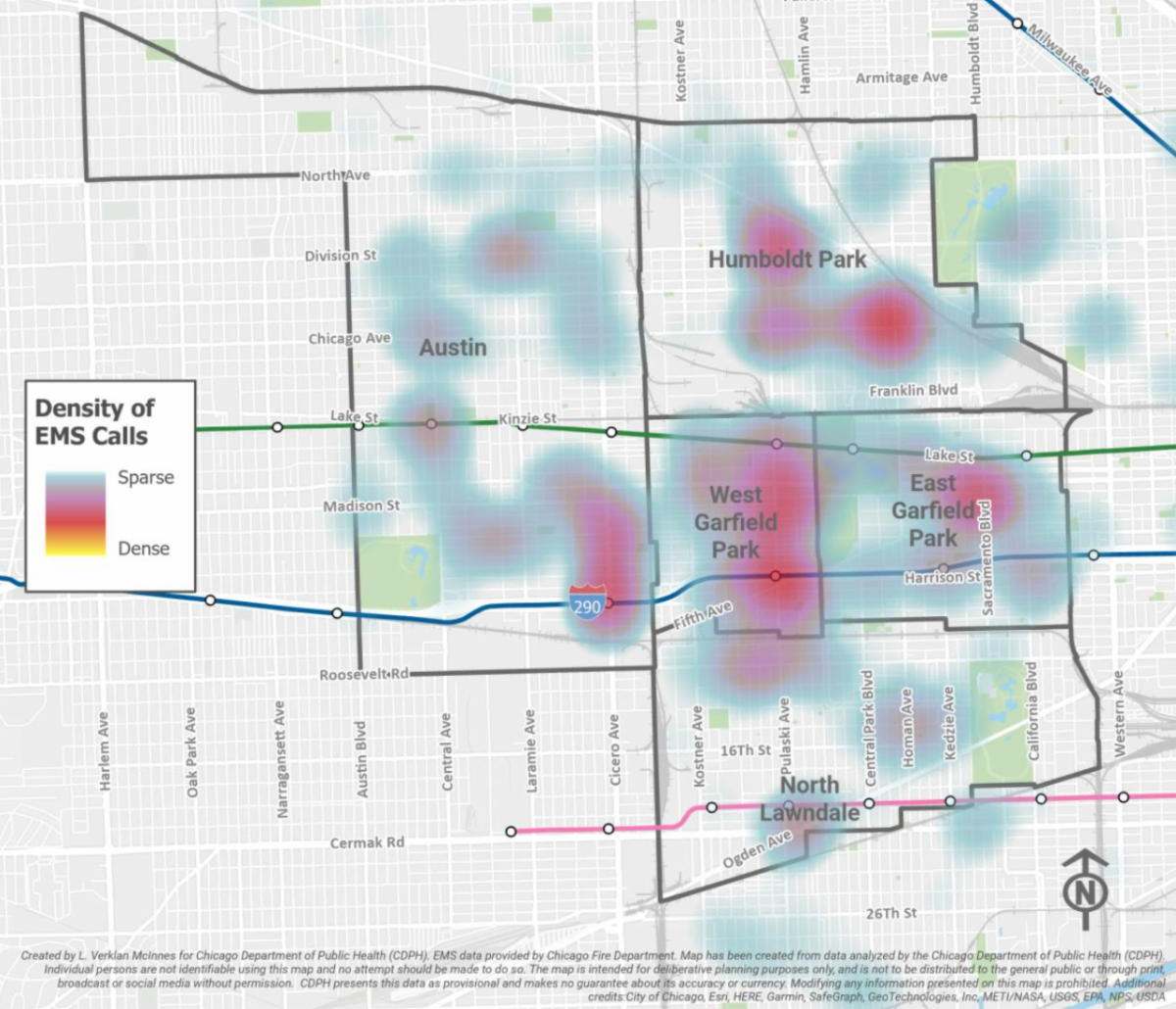
On this International Overdose Awareness Day, August 31, 2024, we honor those lost to the opioid crisis. This day hits close to home for Chicago’s West Side residents like myself. In neighborhoods such as Austin, Lawndale, and West Garfield, open-air drug markets have made recovery difficult for those with substance use disorders. My family has experienced the tragic loss of loved ones to heroin and opioids—losses that should not be inevitable.
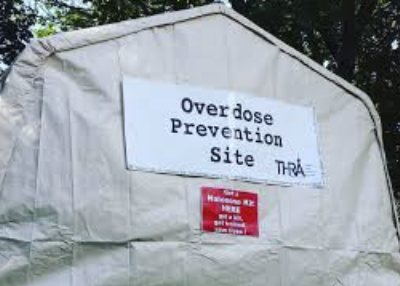
Mourning alone isn’t enough. It’s time to act. I’m calling on Mayor Brandon Johnson and Governor JB Pritzker to support Illinois House Bill 2 and its vital amendments. This bipartisan bill would establish a pilot overdose prevention site on the West Side of Chicago, where medically supervised drug use can save lives and connect individuals to treatment and recovery services. This site would be a crucial step forward, demonstrating that overdose prevention facilities are our best harm reduction tools. They should not be seen as radical but as a courageous and necessary measure.
Overdose prevention sites are already saving lives in cities worldwide. Vancouver’s Insite, North America’s first legal supervised consumption site, opened in 2003 and is credited with reducing overdose deaths and providing thousands of referrals to treatment. In Europe, cities like Zurich, Copenhagen, and Barcelona have implemented similar facilities, preventing fatalities and helping people regain control of their lives.
The benefits extend beyond saving lives. Environmentally, these sites reduce discarded needles and drug paraphernalia in public spaces, making communities cleaner and safer. They also reduce public drug use and alleviate pressure on sanitation services.
Financially, overdose prevention sites make sense. They reduce the need for emergency services, such as ambulance and emergency room visits, and help prevent the spread of diseases like HIV and hepatitis C, saving millions in healthcare costs. Tracking treatment referrals and recovery success also helps improve responses to the opioid crisis.
This epidemic is not just a local issue—it’s an international problem. Solutions must start with leadership at home. Today, we mourn those lost, but we must also act. Chicago has the chance to lead by establishing a pilot overdose prevention site on the West Side that saves lives and offers hope to communities affected by addiction.
Some may call this a radical bill, but we call it a righteous, bipartisan bill.
Solidarity,
La Shawn K. Ford
IL State Representative, Eighth District
| |
Recognizing the Importance of International Overdose Awareness Day
A Time to Reflect and Act
| |
|
National Today Reports
August 31, 2024
| |
International Overdose
Awareness Day
| |
|
International Overdose Awareness Day on August 31 is a stark reminder of the harm that drugs inflict on our society. It is a day to remember those who have fallen victims to overdose as well as those who have come out of the dark hole victorious with the help of loved ones and ask whether the War on Drugs has been effective. International Overdose Awareness Day also aims to reduce the stigma attached to the issue, most of which is faced by the families of the victims. Many who are not aware of the factors behind overdose unfairly blame victims. Such an attitude only works to flair the negativities surrounding the topic, suppressing any efforts to raise awareness. August 31 is the day to come out and stand in solidarity in order to reduce future overdose deaths.
| |
Rep. Ford's Track Record in Supporting Overdose Awareness Day | |
|
The Weekly Citizen Reports
March 18, 2017
| |
State Rep. La Shawn Ford Host Town Hall Meeting to Discuss Opioid Crisis | |
|
“The West Side Heroin Task Force held a town hall meeting on March 18, 2017, to discuss the opioid crisis. Elected officials, state agencies and
Chicago organizations invited the public to Malcom X College, located on 1900 W. Blvd., to learn more about drug use, prevention, response, treatment, and recovery,” according to a Illinois e-News Release.
Congressman Danny Davis said he plans for Representative La Shawn Ford to be one of the leaders that will help him deal with the issues and questions of substance abuse and opioid abuse.
| |
|
Forest Park Review Reports
September 6, 2022
| Leaders unite for International Overdose Awareness Day | |
|
State Rep. La Shawn K. Ford (8th), the West Side Heroin Task Force founder, said he lost two close relatives to overdoses.
“The thing about this disease is that it’s international,” he said. “So no matter what color you are or what community you’re from, we are united today because it’s attacking all of our communities and families. I lost my favorite uncle, who used to take me to the racetrack and taught me how to bet on the horses. I also lost my favorite cousin, who allowed me to cut his hair even though I had no clue what I was doing. Those are two dear people I’ve lost to the heroin opioid crisis.”
| |
|
ABC 7 News Reports
August 31, 2023
| |
International Overdose Awareness Day organizers hope to reduce opioid-related fatalities
| |
|
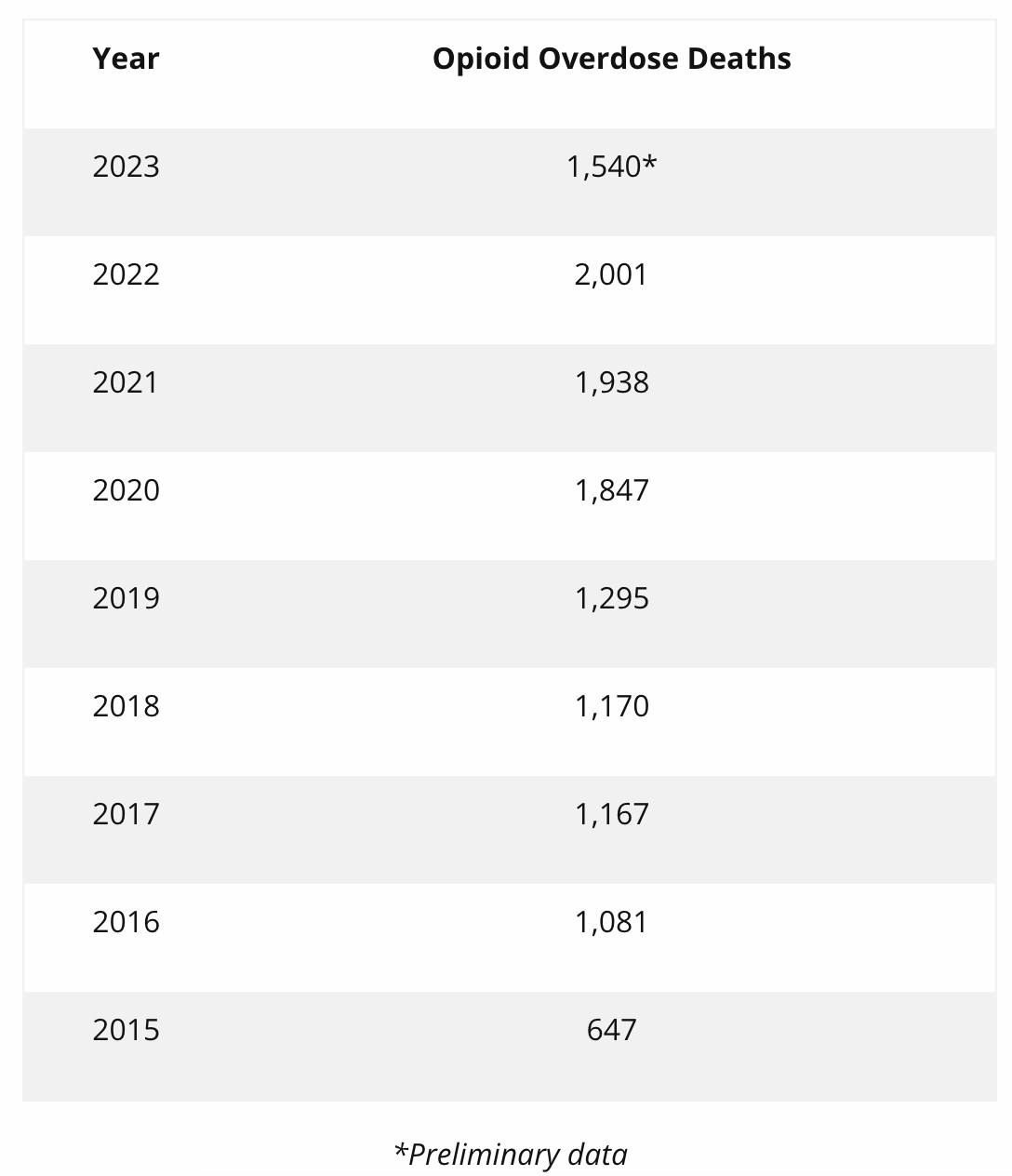
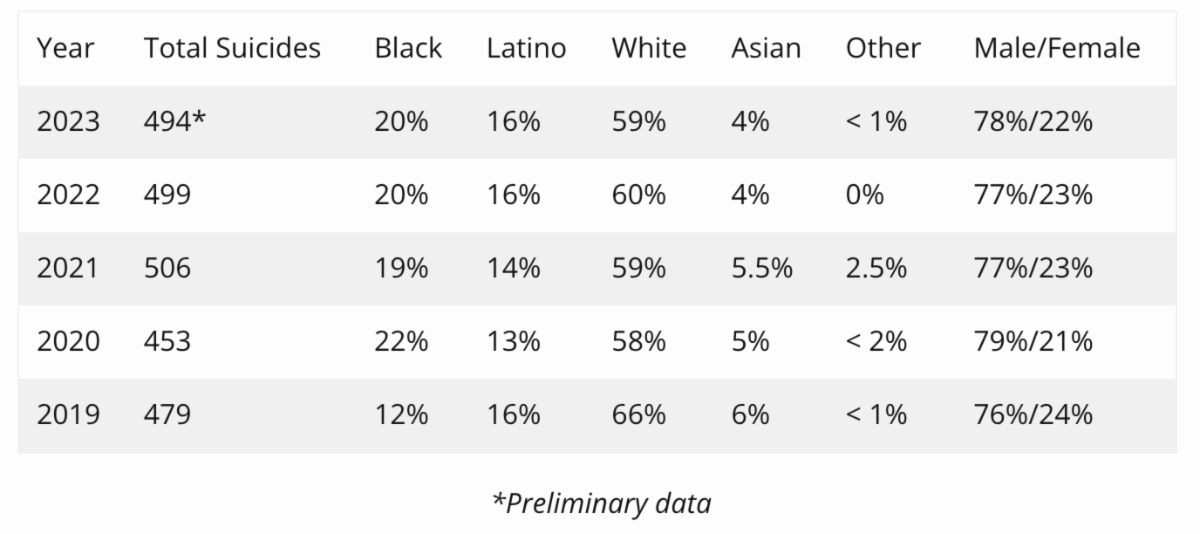
According to the Cook County Medical Examiner's Office, there were a record 2,000 opioid overdose deaths in 2022. They reported that more than half of the victims are African American and more than 91% of opioid overdose deaths involve fentanyl, which is up to 50 times more potent than heroin and 100 times stronger than morphine.
State Rep. Lashawn Ford is supporting the community of drug treatment advocates.
"More people die on the West Side of Chicago than any location in the state of Illinois," Ford said.
| |
|
Illinois Democratic Caucus News Reports
August 29, 202
| |
Ford to Join Round Table Panel on Overdose Awareness | |
|
–In advance of International Overdose Awareness Day, state Rep. La Shawn K. Ford, D- Chicago, will join the Illinois Harm Reduction and Recovery Coalition for a round table panel discussion Wednesday, Aug. 28 from 1 to 3 p.m. at the Healthcare Alternative Systems Community Room, located at 4734 W. Chicago Ave. on Chicago’s West Side.
“Overdose deaths continue to take a significant toll on families across our community, but there is hope,” Ford said. “Together we can make a real impact that values every life with the respect and
support that everyone deserves. As we mark International Overdose Awareness Day, I’m excited to join leaders on this panel who are working hard every day to make a difference with evidence-based solutions.”
Wednesday’s round table will feature Dr. Tanya Sorrell of Rush University Medical Center, Sam Rivera of OnPoint NYC and Dr. Jenny Hua from the Chicago Department of Public Health. The event will also include a mock overdose prevention site and harm reduction resources.
| |
|
Lawndale Nes Reports
August 29, 2024
|
Ford, West Side Heroin/Opioid Task Force to Host 5th International Overdose Awareness Day on Chicago’s West Side
| |
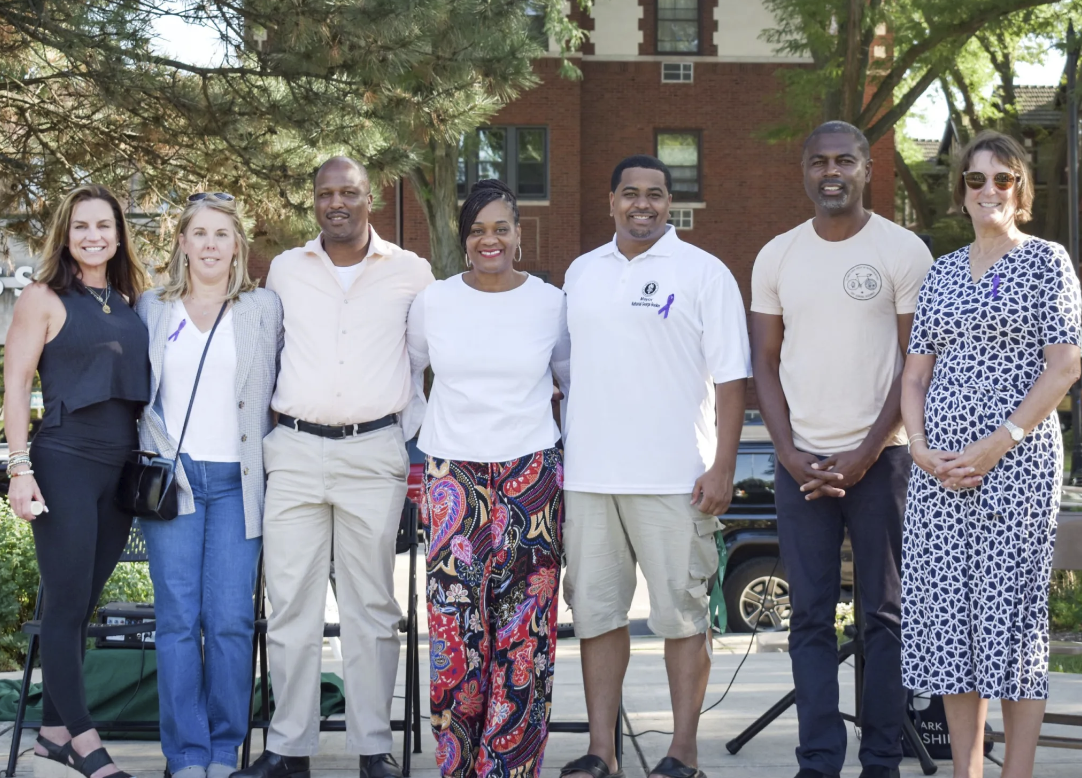
This Friday, the West Side Heroin/Opioid Task Force and their convener state Rep. La Shawn K. Ford, D-Chicago, will be hosting their 5th Annual International Overdose Awareness Day Community Resource Fair and Outreach Event. The event will bring together over 50 members of the Task Force from Chicago and beyond to call for harm reduction services and programs aimed at reducing overdose deaths.
| |
Harm Reduction Solidarity Week | |
|
Forest Park Review Reports
April 22, 2024
| |
Rep. La Shawn Ford spotlights opioid crisis with Harm Reduction Solidarity Week
| |
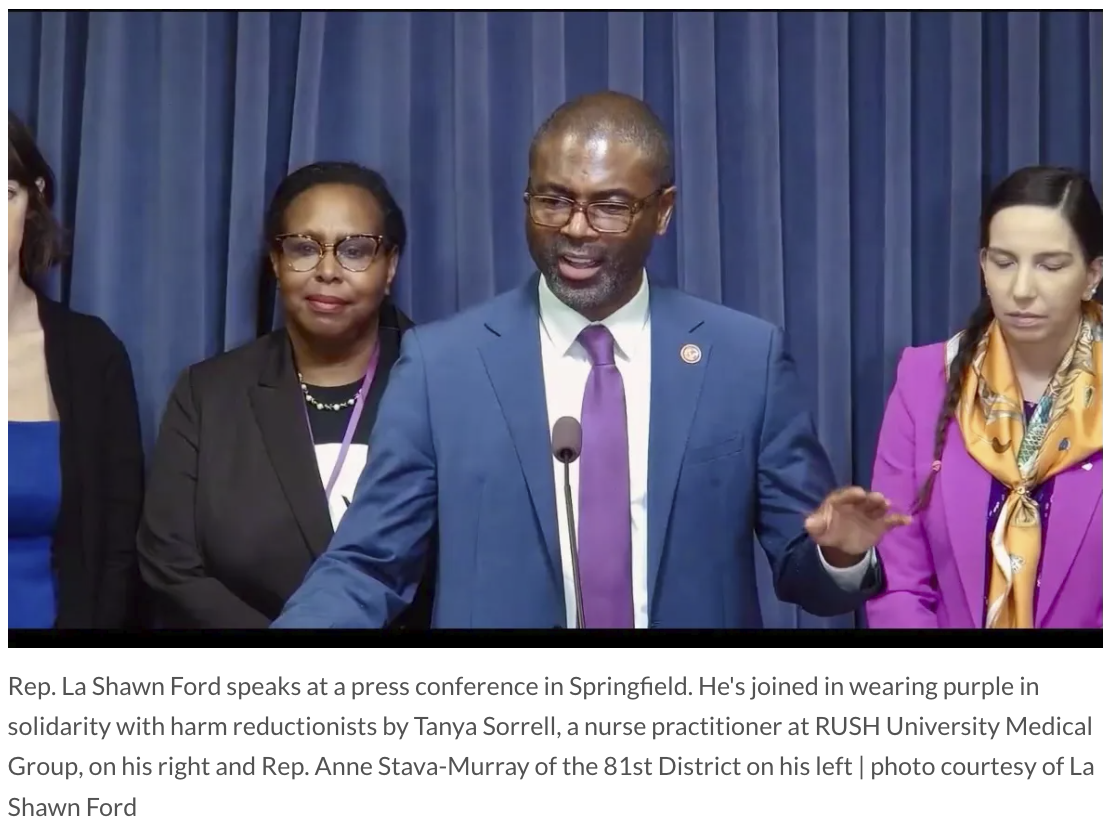
At a news conference in Springfield April 17, Ford was joined by the director of the Illinois Department of Public Health, Sameer Vohra, and the Illinois Harm Reduction and Recovery Coalition, along with other advocates, to spotlight the crisis and efforts to stop it and to save lives.
“We were educating the Springfield members, and all those that listen, about how important it is to have what you call harm reduction tools in our community,” Ford said.
| |
|
Click Image Below to Read
Rep. Ford's Bill on Harm Reduction Week, HR665.
| |
|
Remembering Prince
(1958-2015)
| |
|
History Reports
April 20, 2024
|
Legendary musician and megawatt star Prince dies at 57
| |
|
On the morning of April 21, 2016, Prince, the virtuosic musician who created more than 30 albums and won seven Grammy Awards over a 40-year career, is found dead in Paisley Park, his Minnesota home and recording studio. The cause of death was an accidental overdose of the opioid fentanyl. He was 57 years old.
In the hours and days after the news broke, fans around the world mourned his death with massive memorials. In a statement, President Obama said, “Few artists have influenced the sound and trajectory of popular music more distinctly, or touched quite so many people with their talent.”
| |
|
"The lion cannot protect himself from traps, and the fox cannot defend himself from wolves. One must therefore be a fox to recognize traps, and a lion to frighten wolves."
-Prince, American singer and multi-instrumentalist
| Prince - Purple Rain (Official Video) | |
|
The Overdose Crisis
Worldwide Impact and Numbers
| |
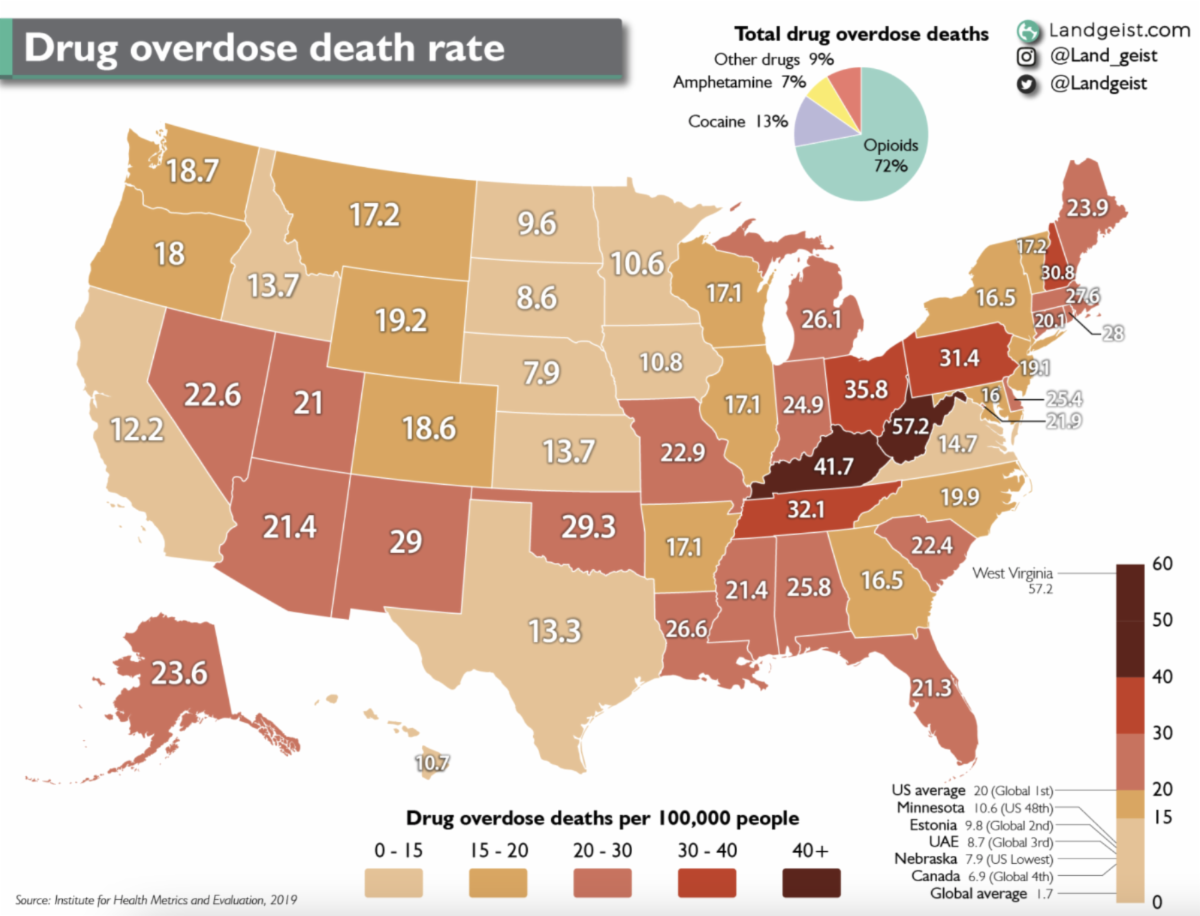
Drug Overdose Death in the U.S.
Click Image Below to Learn More
| |
The National Institute on Drug Abuse
Drug Overdose: Facts and Figures
| |
Click Images Below to Learn More | |
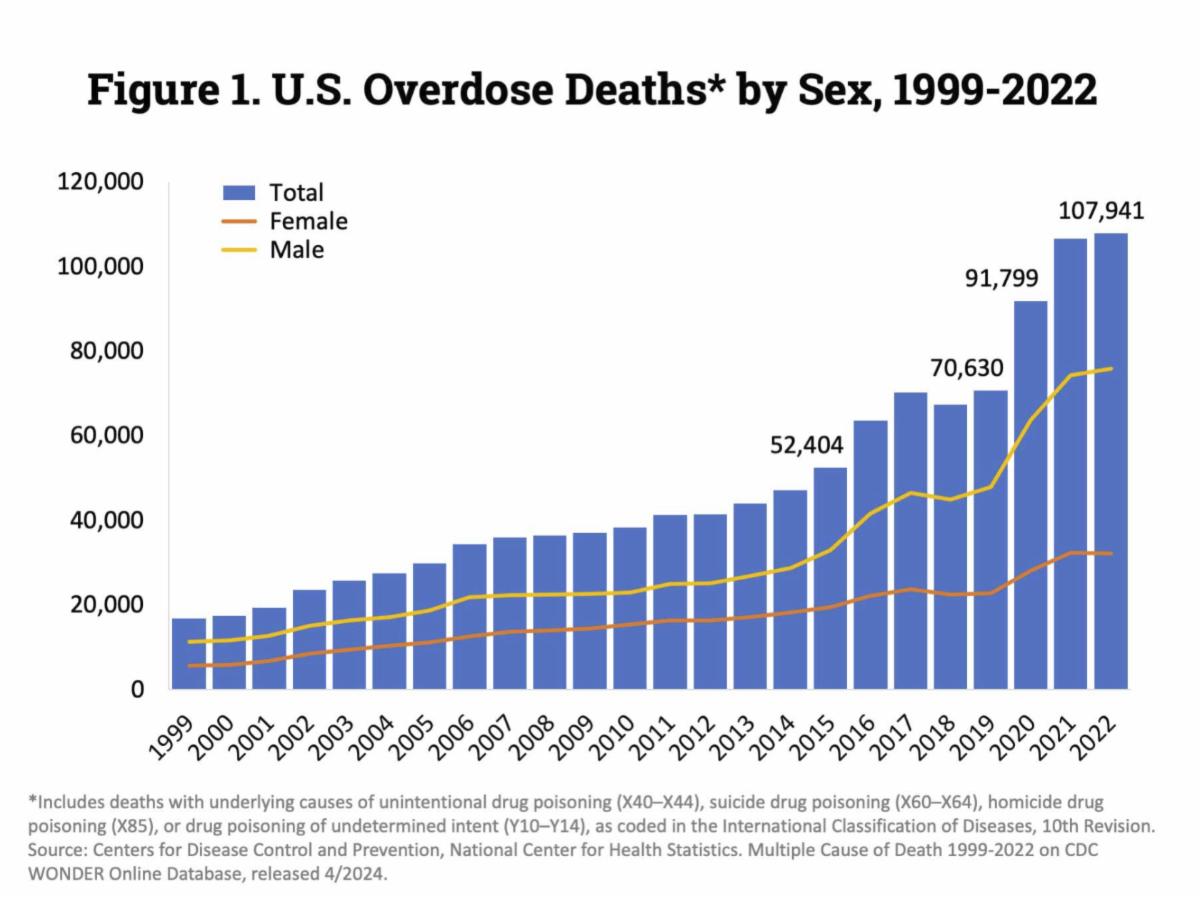
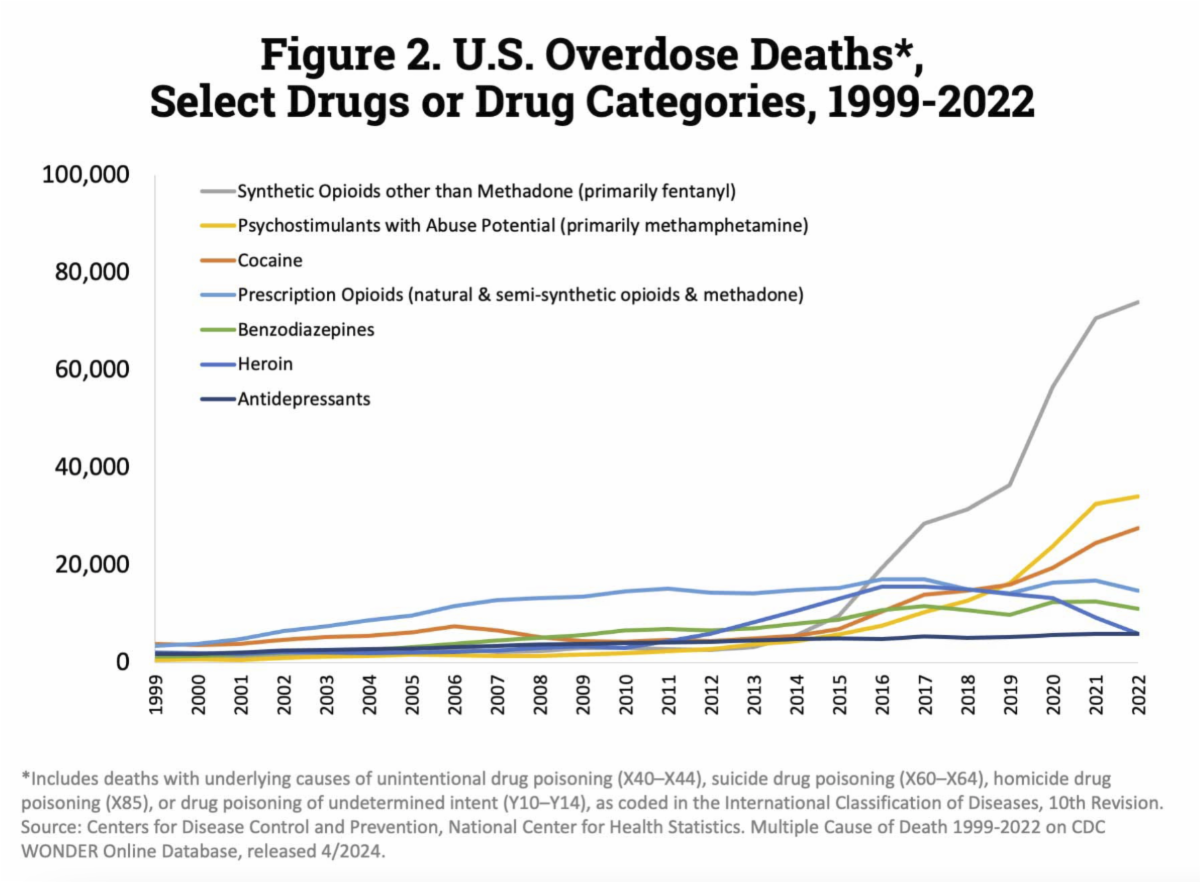
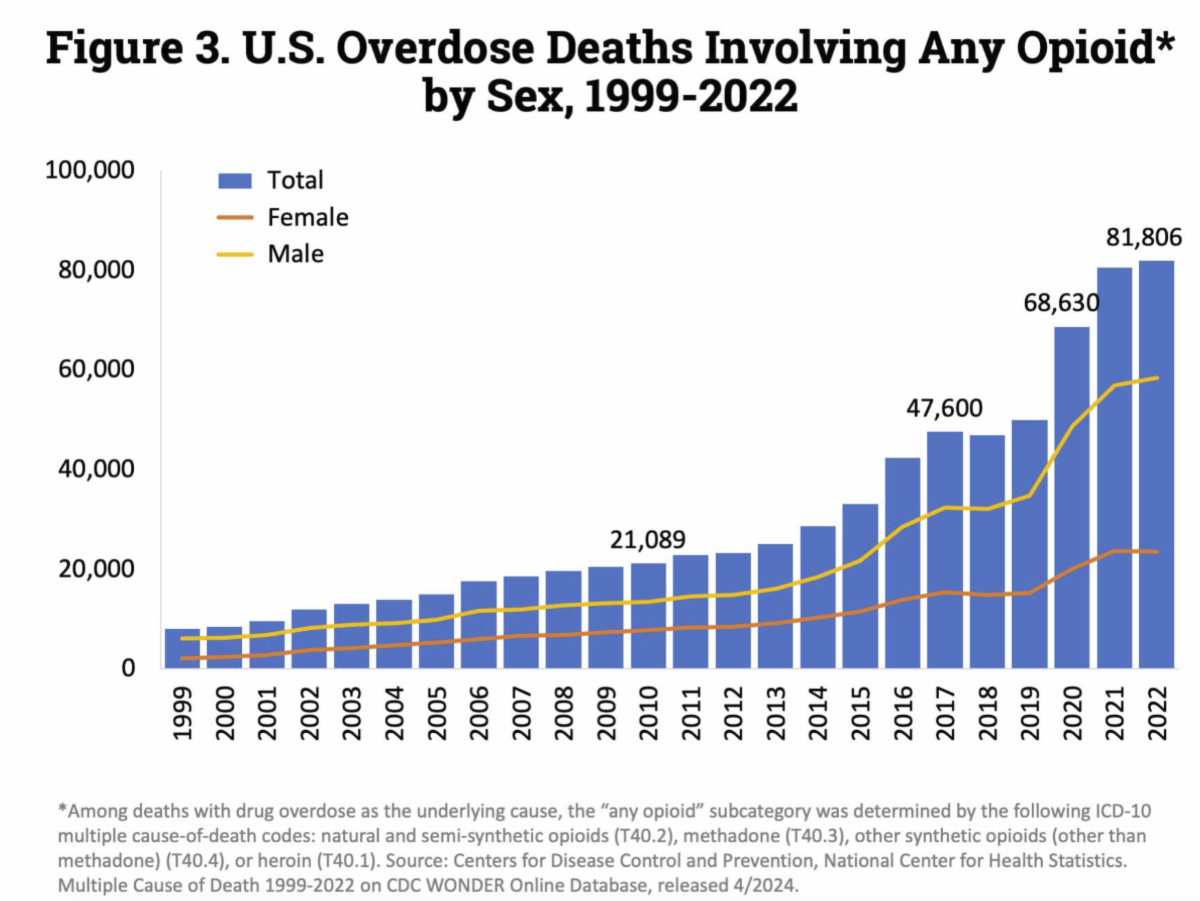
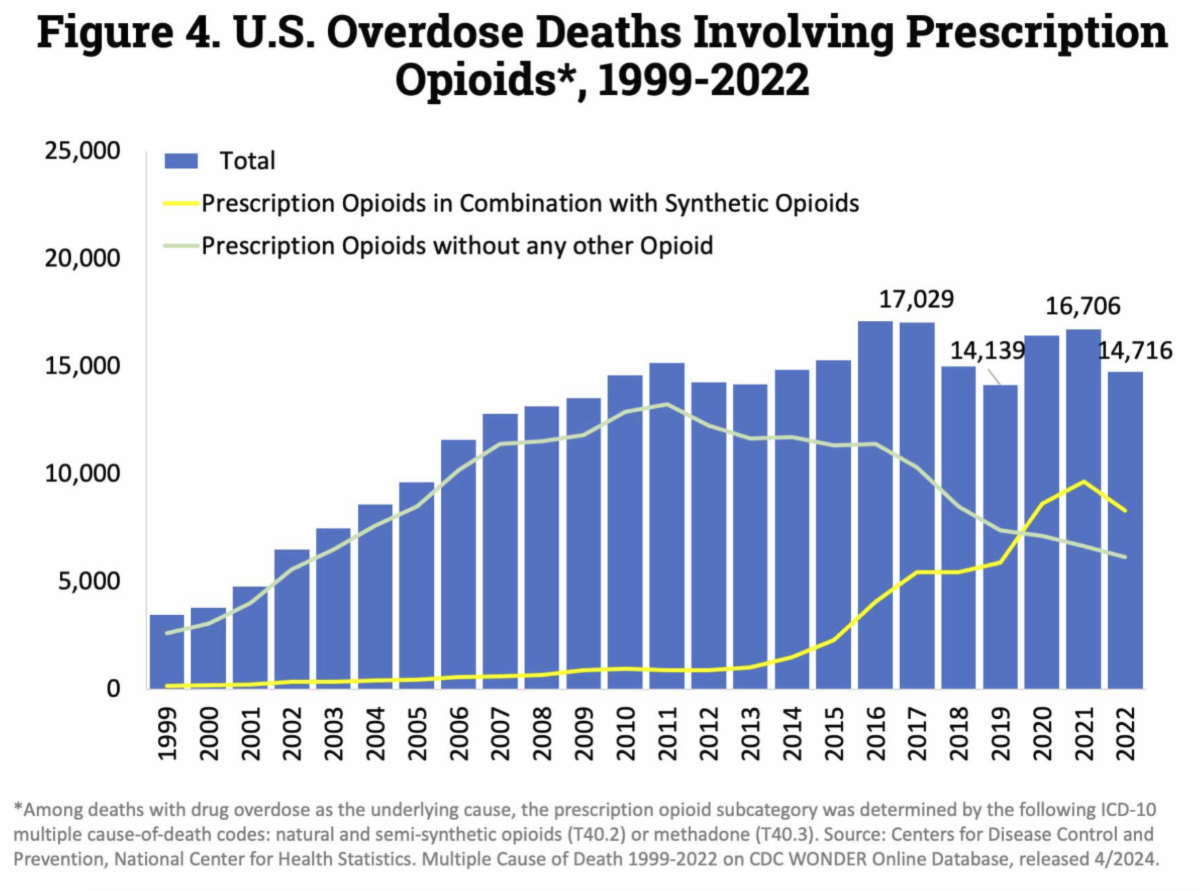
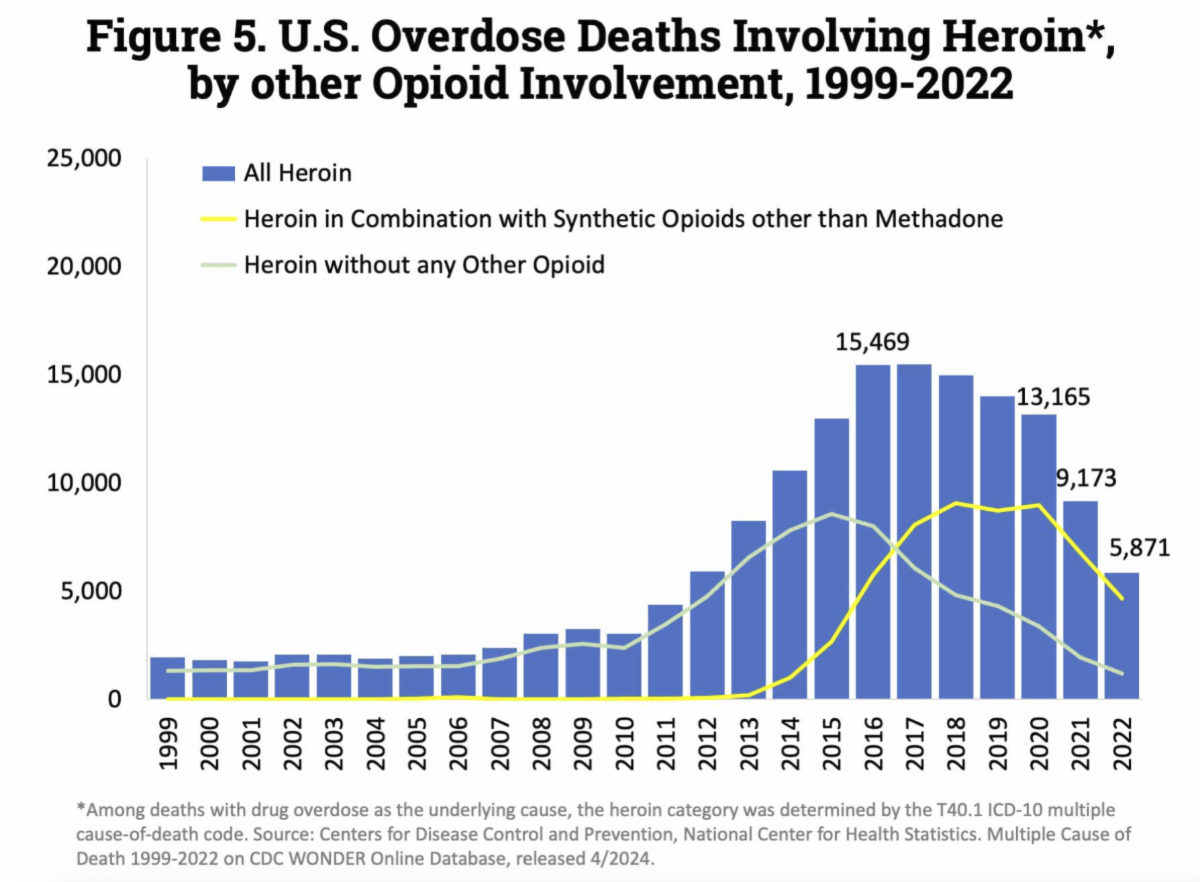
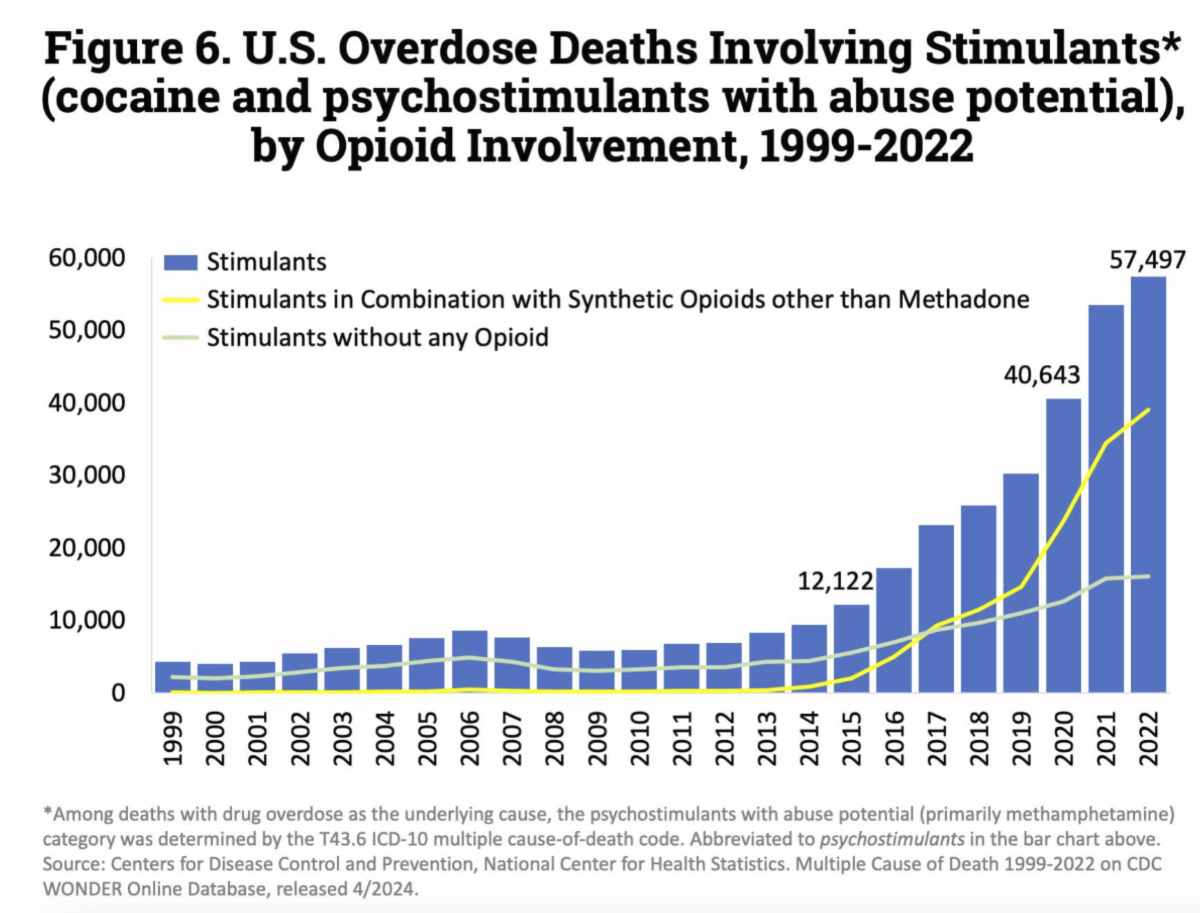
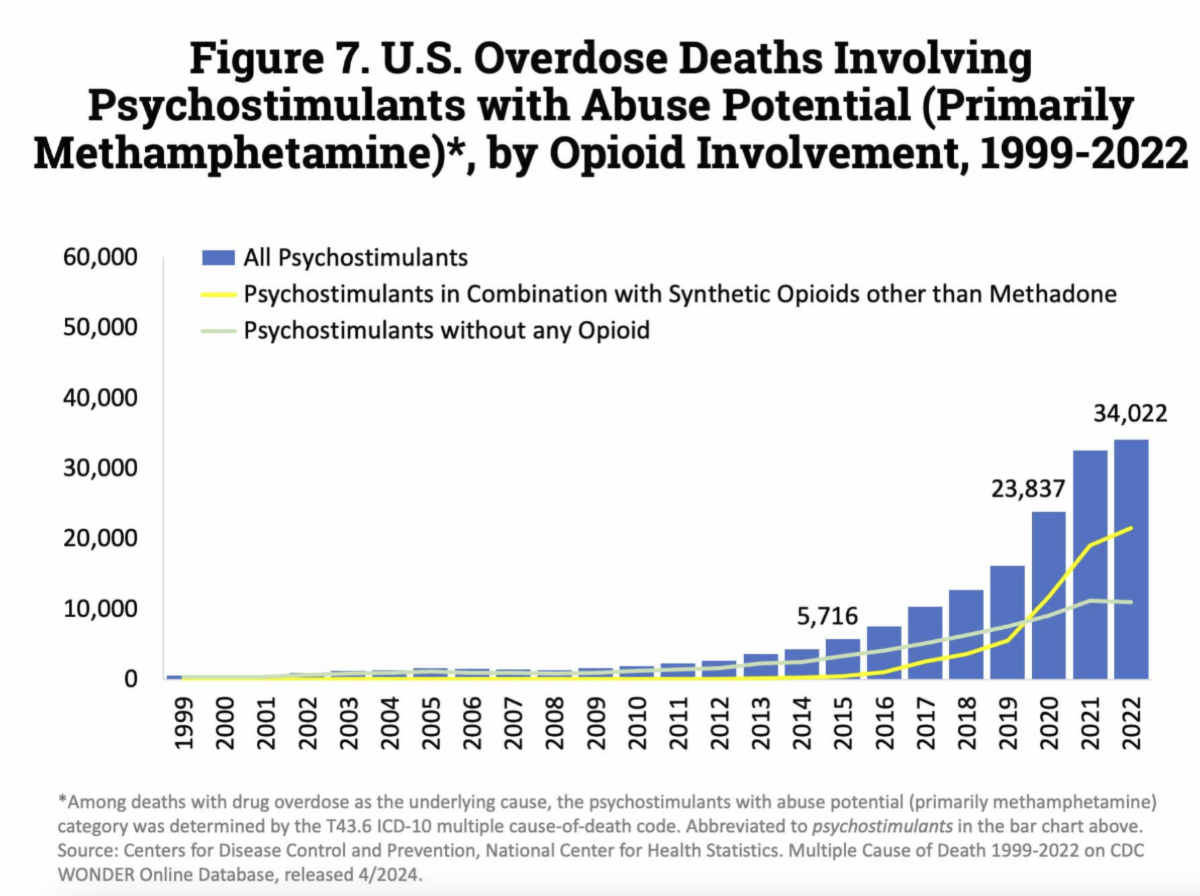
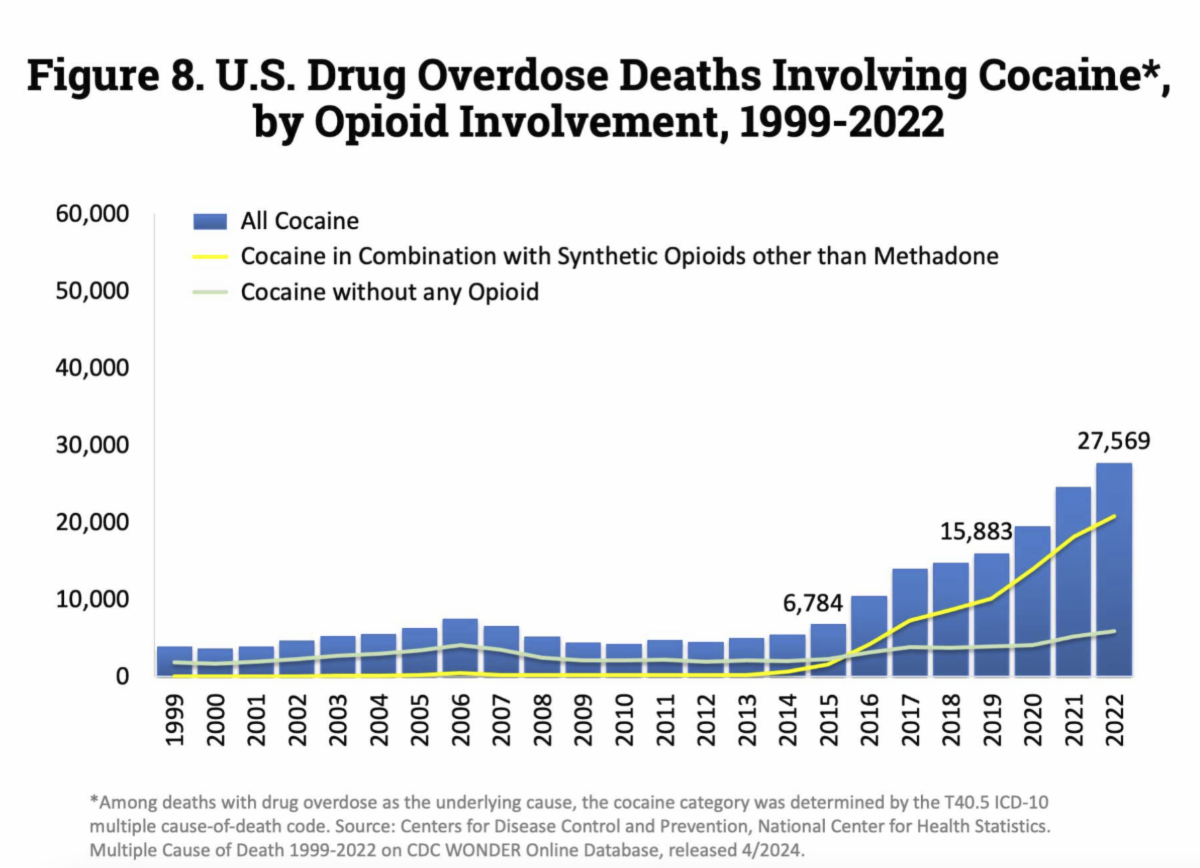
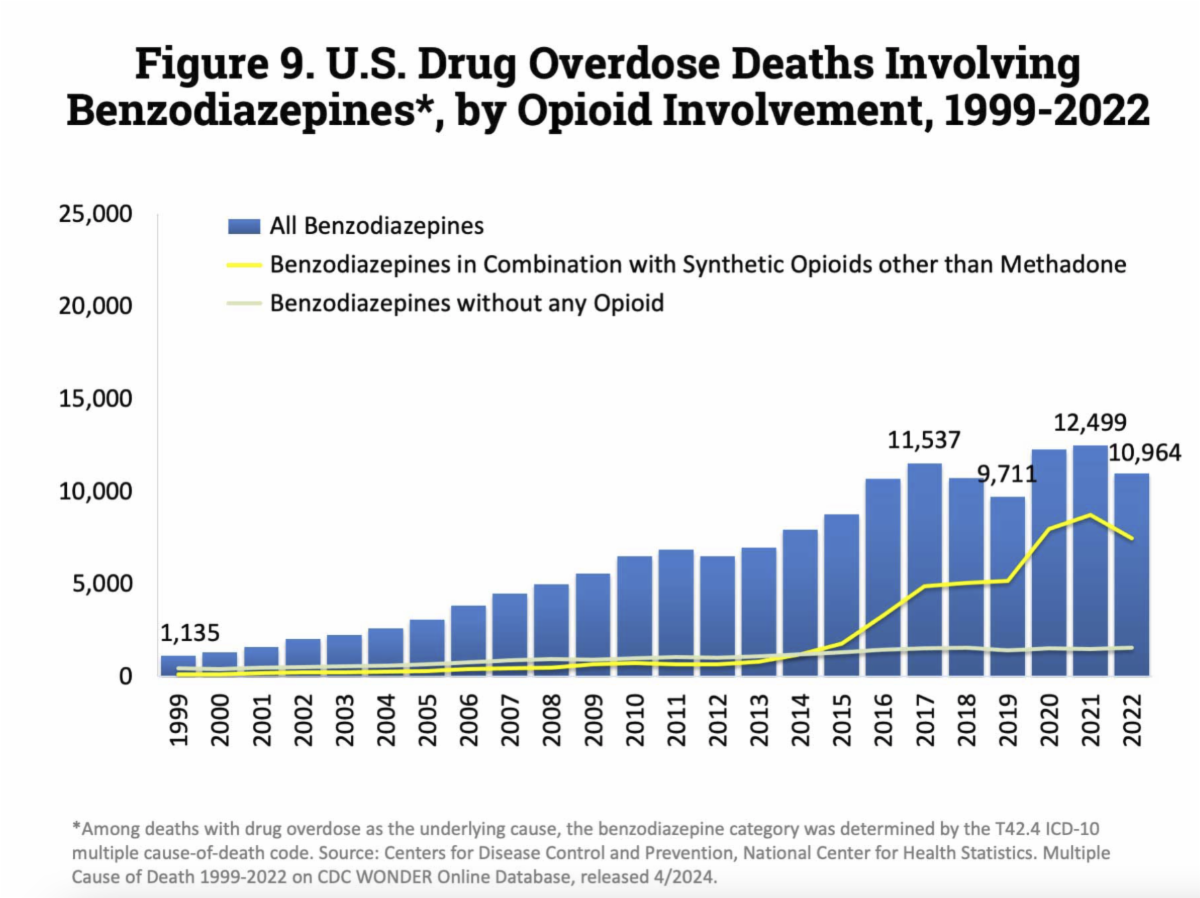
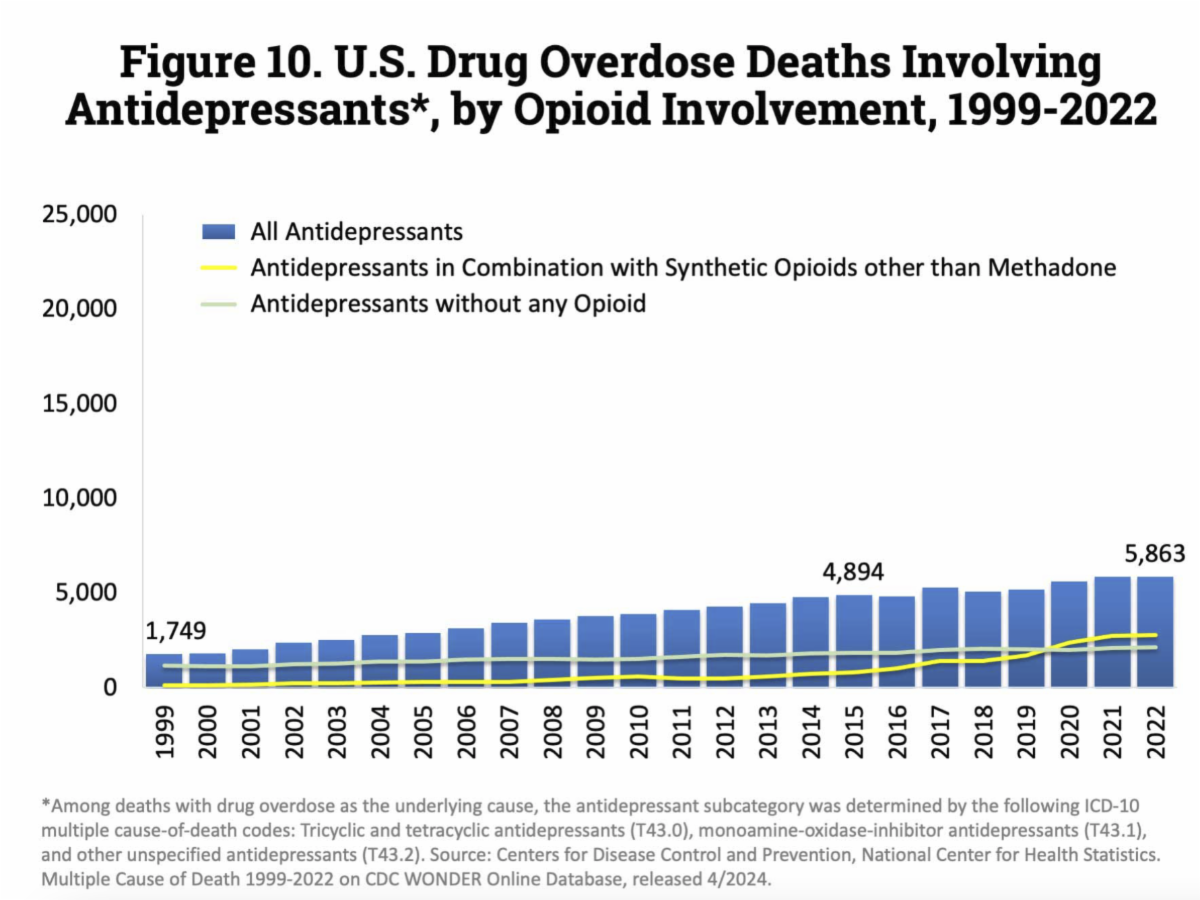
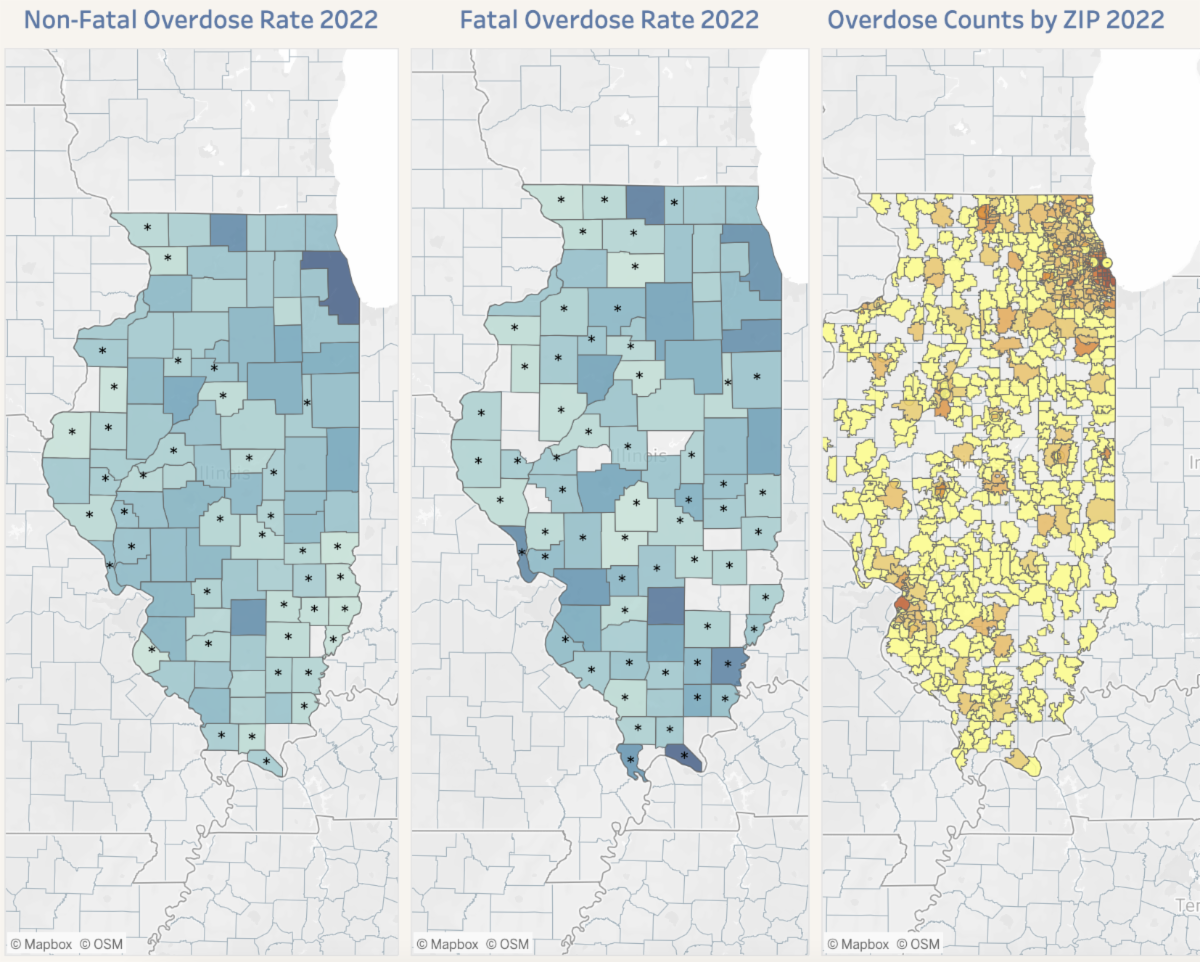
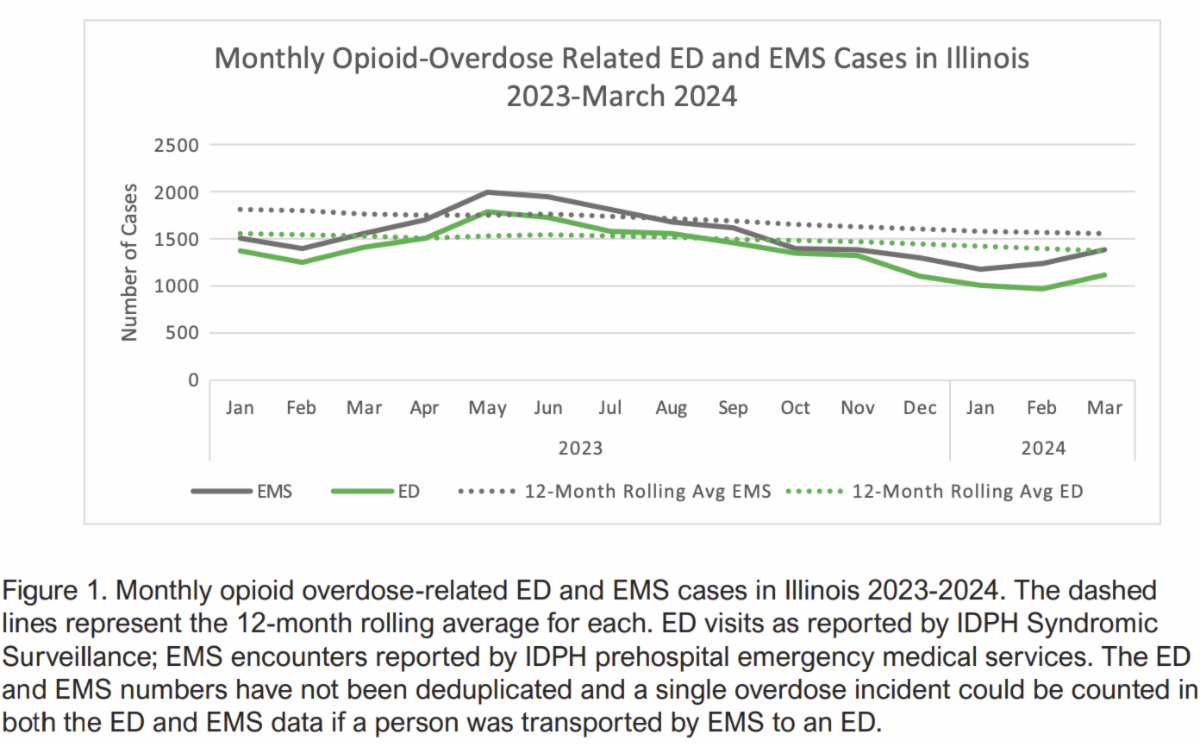
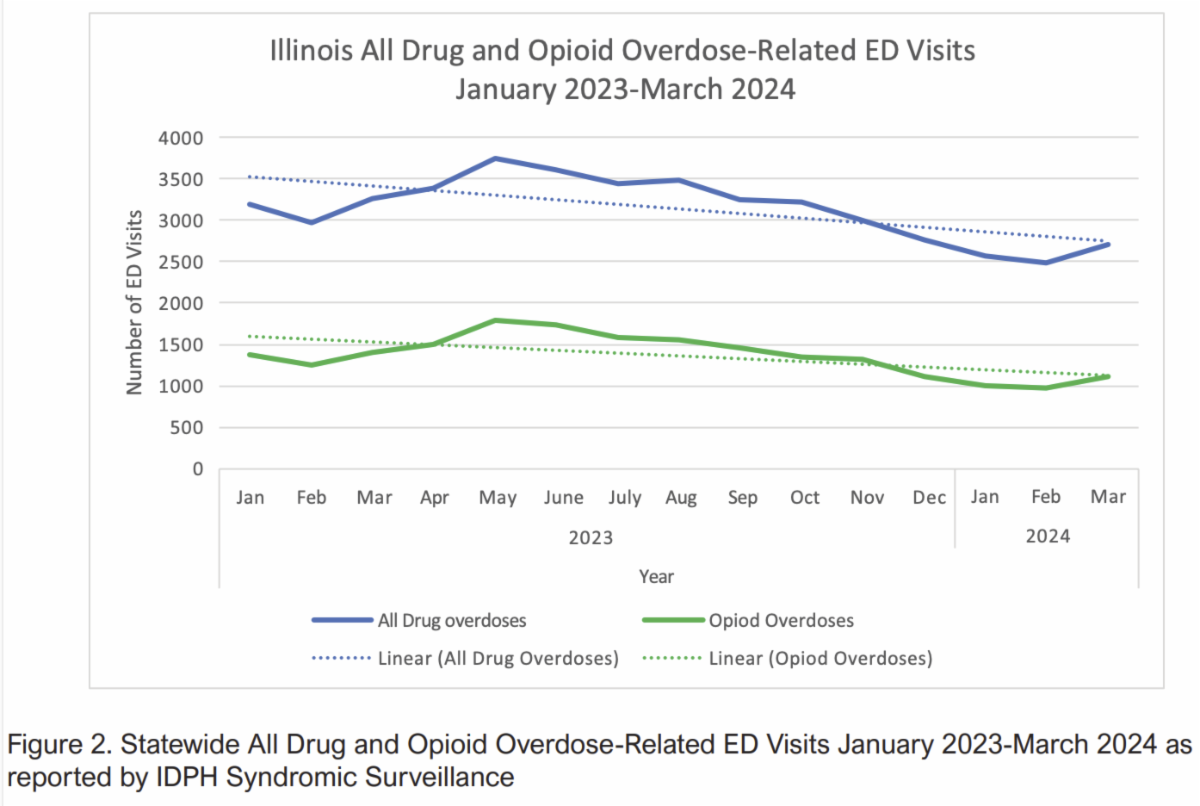
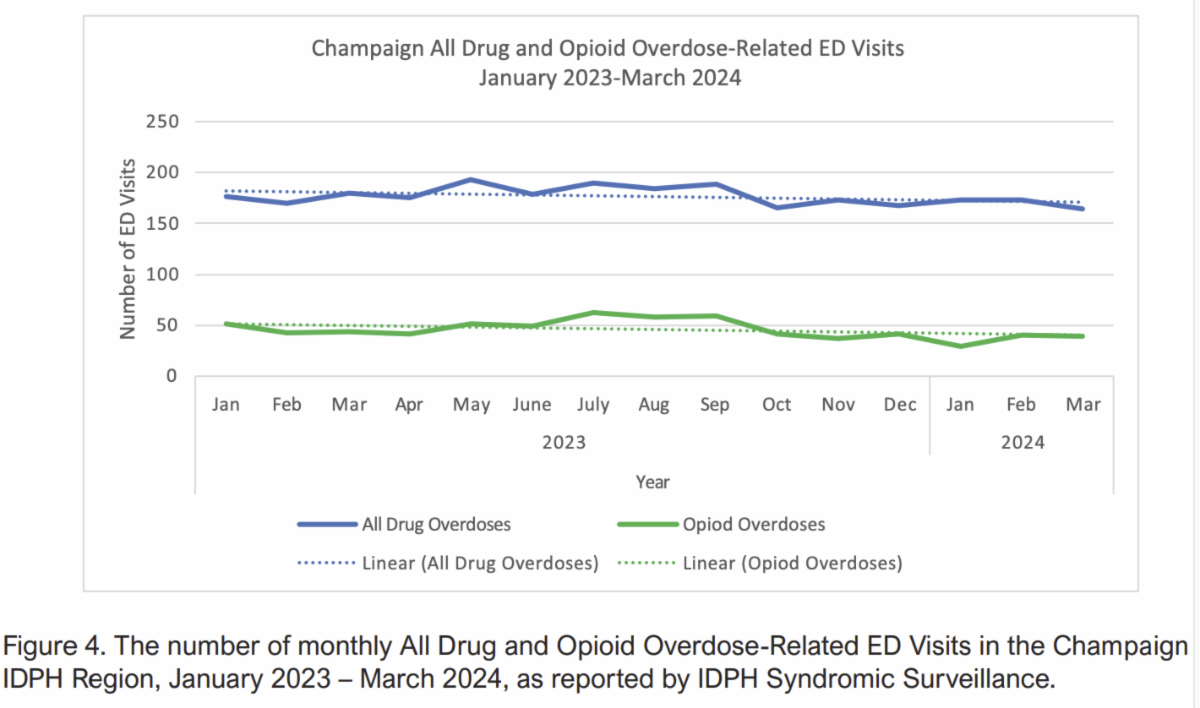
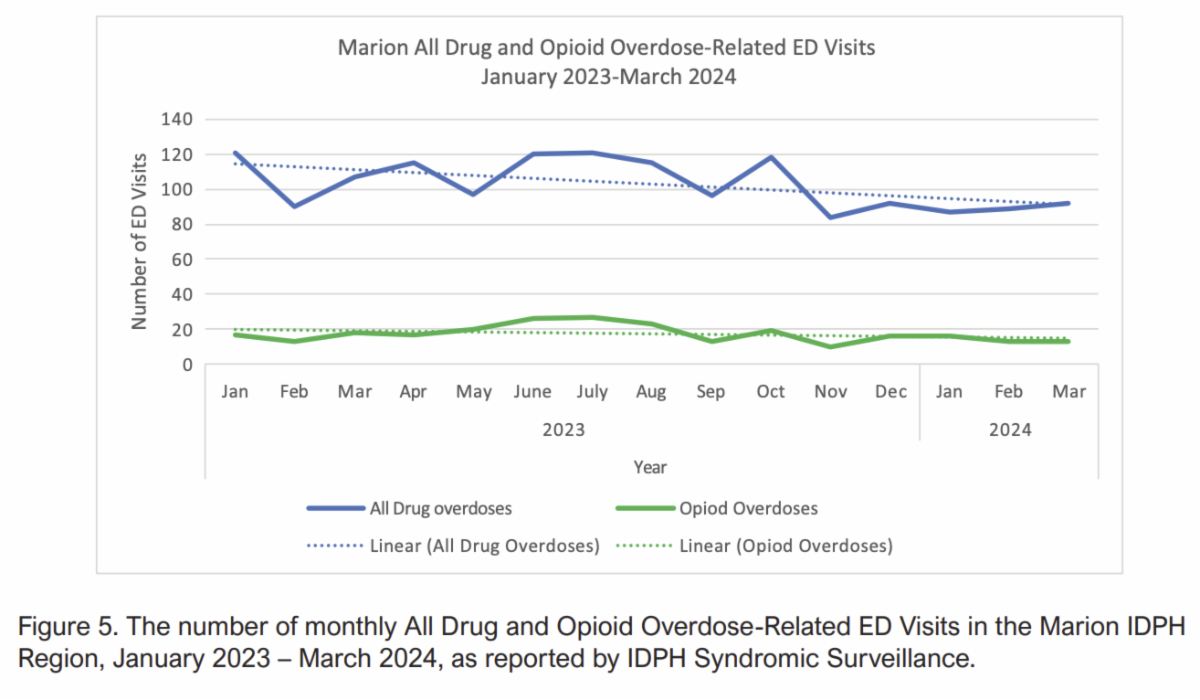
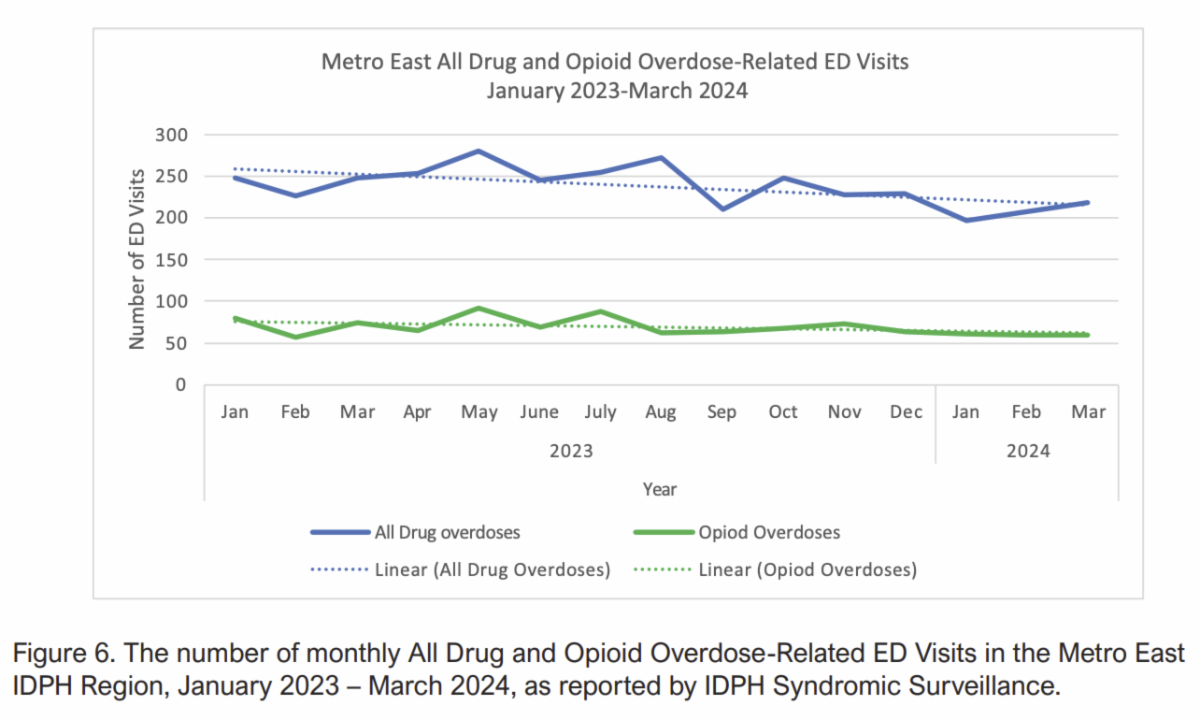
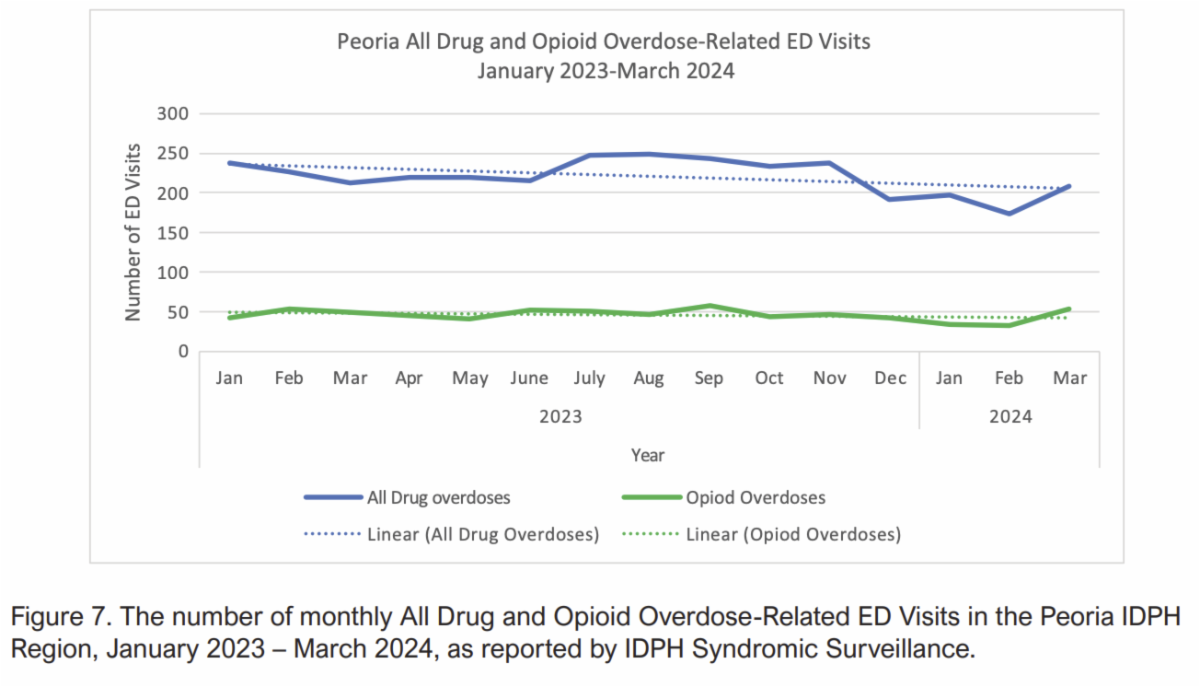
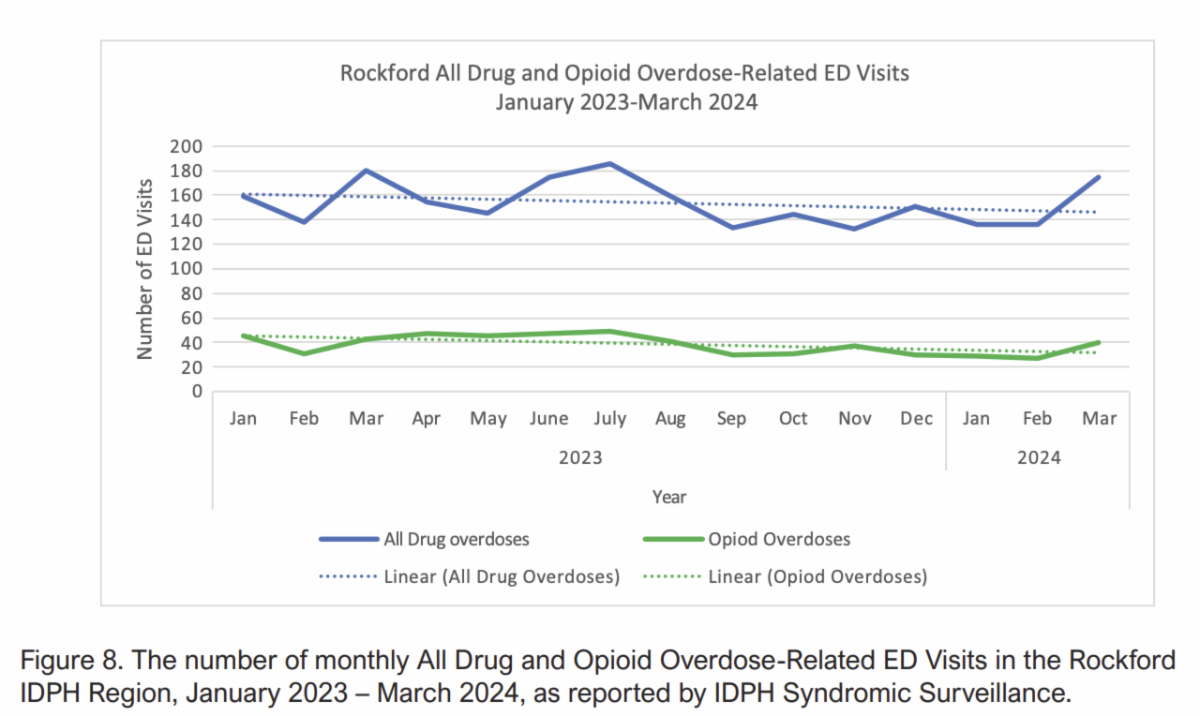
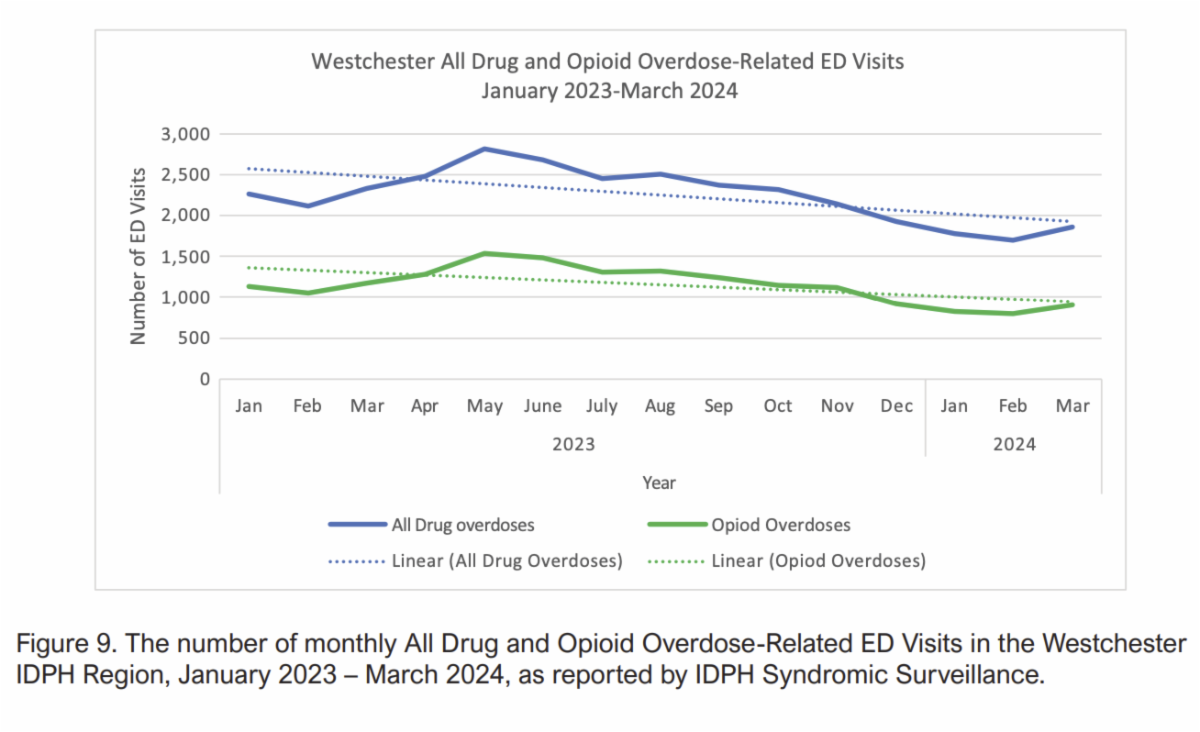
Nearly 108,000 persons in the U.S. died from drug-involved overdose in 2022, including from illicit or prescription drugs | Overall, drug overdose deaths rose from 2019 to 2022 with 107,941 drug overdose deaths reported in 2022. Deaths involving synthetic opioids other than methadone (primarily illicitly manufactured fentanyl) continued to rise with 73,838 overdose deaths reported in 2022. Those involving stimulants, including cocaine or psychostimulants with abuse potential (primarily methamphetamine), also continued to increase with 27,569 and 34,022 respective deaths in 2022 | Overall, drug overdose deaths rose from 2019 to 2022 with 107,941 drug overdose deaths reported in 2022. Deaths involving synthetic opioids other than methadone (primarily illicitly manufactured fentanyl) continued to rise with 73,838 overdose deaths reported in 2022. Those involving stimulants, including cocaine or psychostimulants with abuse potential (primarily methamphetamine), also continued to increase with 27,569 and 34,022 respective deaths in 2022 | Drug overdose deaths involving prescription opioids rose from 3,442 in 1999 to 17,029 in 2017. From 2017 to 2019, the number of deaths declined to 14,139. This was followed by a slight increase in 2020, with 16,416 reported deaths. In 2022, the number of deaths declined to 14,716. Fentanyl involvement in fatalities that also involved prescription opioid drugs has steadily increased since 2014. This data shows that commonly prescribed opioids are no longer driving the overdose epidemic | Drug overdose deaths involving heroin rose from 3,036 in 2010 to 15,469 in 2016. Since 2016, the number of deaths has trended down with 13,165 deaths reported in 2020, 9,173 reported deaths in 2021, and 5,871 reported deaths in 2022. While the overall number of heroin involved overdose deaths decreased, the proportion of these deaths co-involving heroin and fentanyl precipitously increased to nearly 80% in 2022 | Drug overdose deaths involving stimulants rose from 12,122 in 2015 to 57,497 in 2022. Nearly 70% of stimulant involved overdose deaths in 2022 also involved fentanyl | Drug overdose deaths involving psychostimulants with abuse potential (primarily methamphetamine) rose from 5,716 in 2015 to 34,022 deaths in 2022. The number of deaths involving psychostimulants has increased steadily since 2014 regardless of opioid involvement | Drug overdose deaths involving cocaine rose steadily from 6,784 in 2015 to 15,883 in 2019; and again from 2019 to 2022, with a 73.5% increase to 27,569 deaths. The number of deaths in combination with fentanyl has increased significantly since 2015 and is the main driver of cocaine-involved overdose deaths | Drug overdose deaths involving benzodiazepines steadily increased from 1,135 in 1999 to 11,537 in 2017 followed by a decline to 9,711 deaths in 2019. Between 2019 and 2021, deaths rose again to 12,499. In 2022, the number of drug overdose deaths involving benzodiazepines declined to 10,964 | Drug overdose deaths involving antidepressants have steadily risen from 1,749 in 1999 to 5,863 in 2022 | The Illinois Department of Public Health Repo | The Opioid Data Dashboard | Click Images Below to View Illinois' Interactive Opioid Data Dashboard | |
The IDPH Statewide Semiannual
Overdose Report
June 2024
| |
Click Images Below to Learn More | |
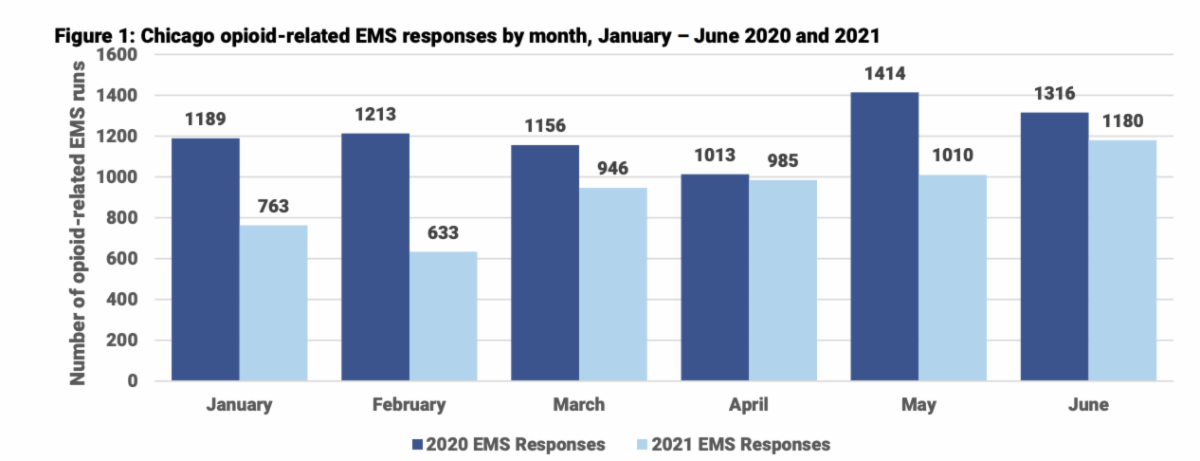
The Chicago Department of Public Health Reports | |
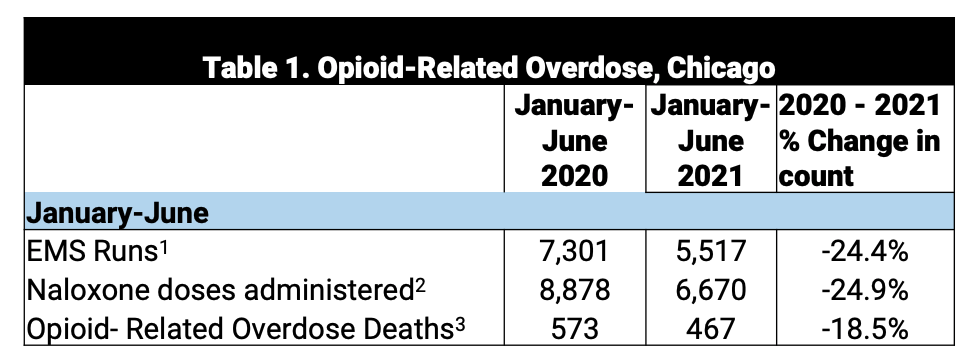
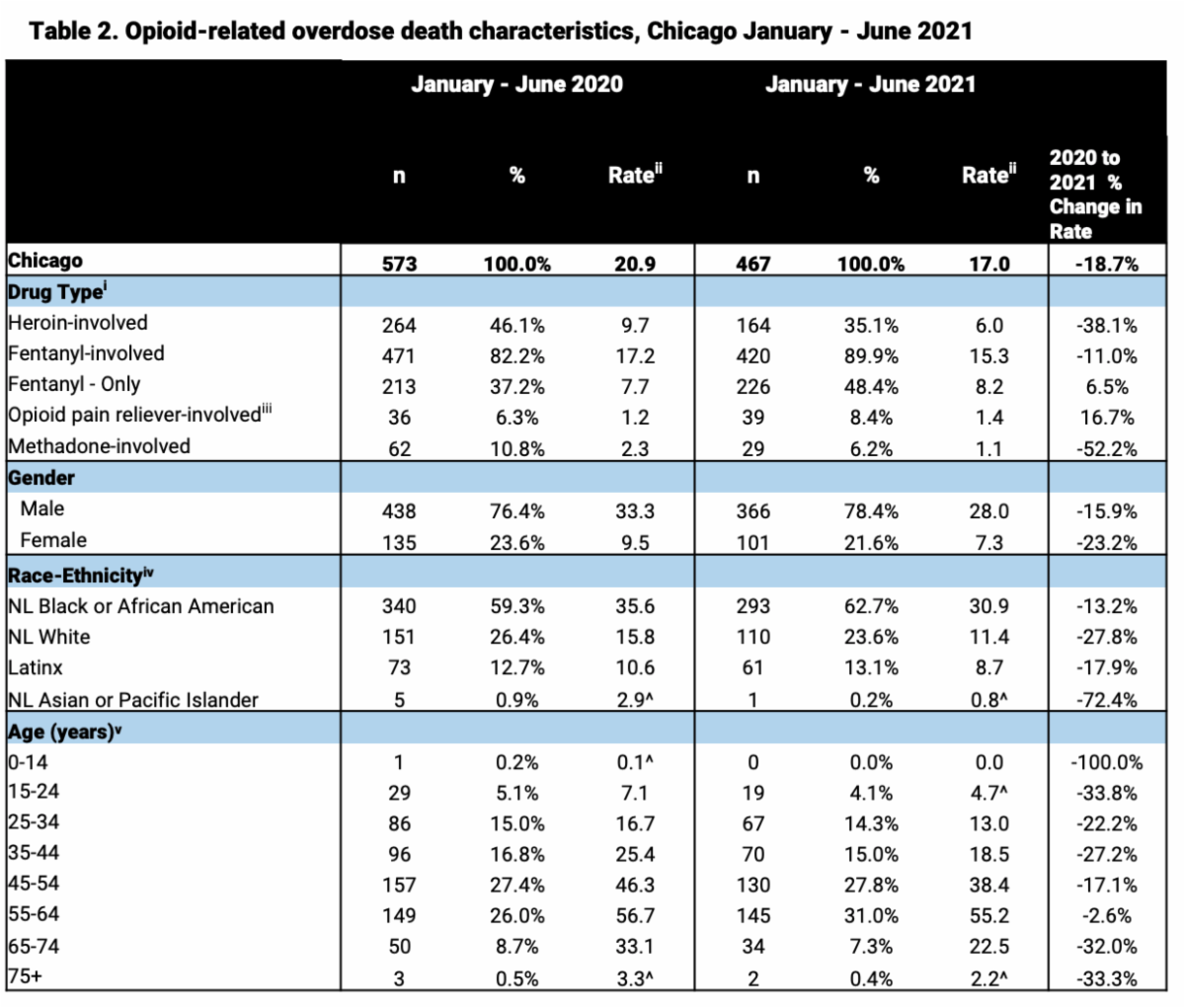
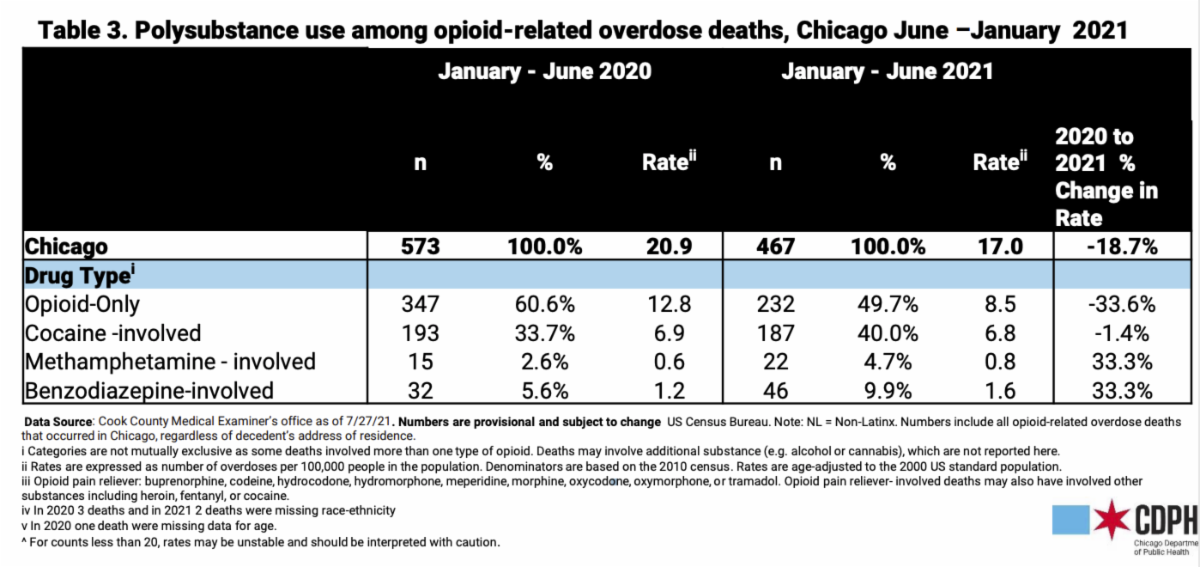
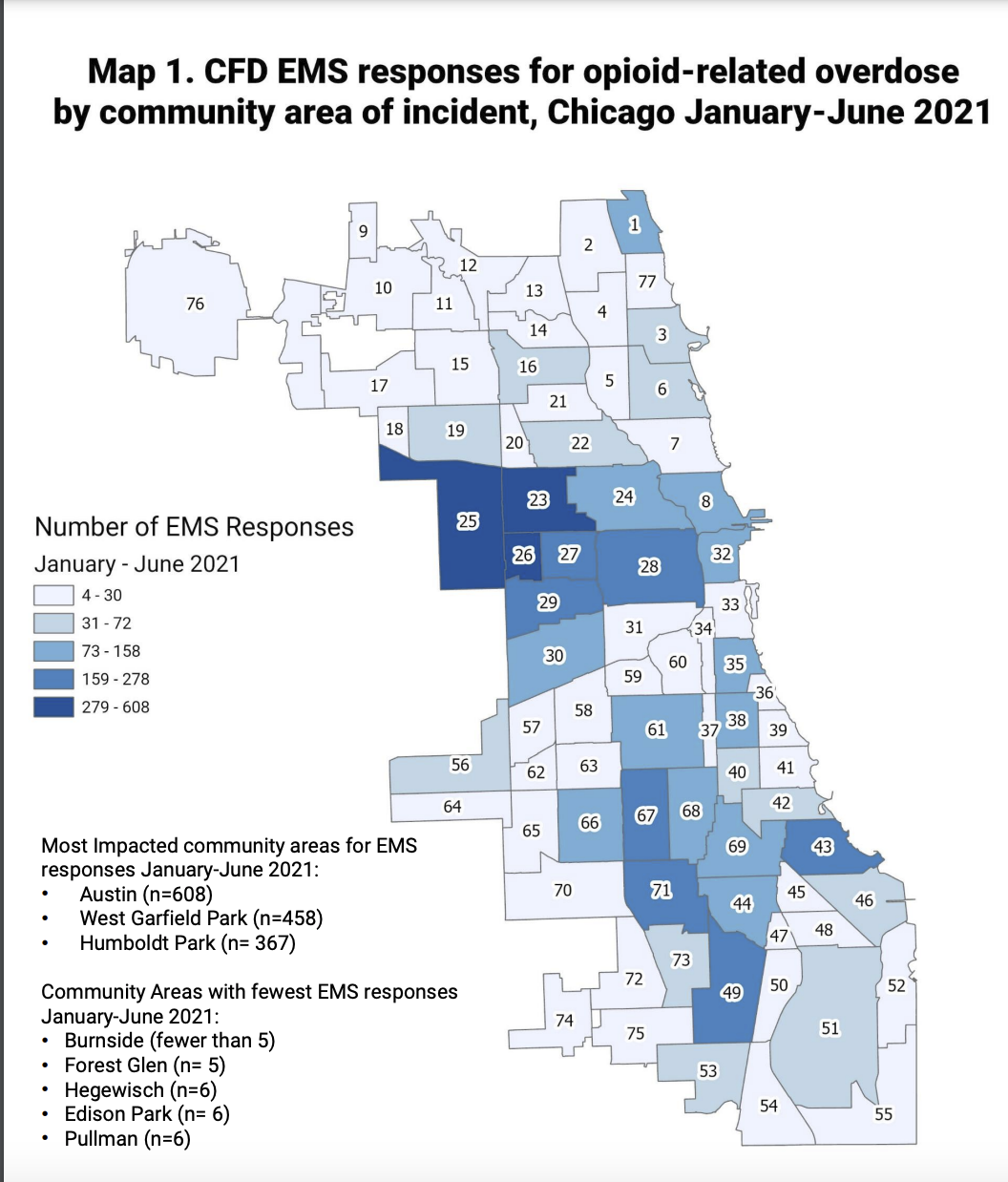
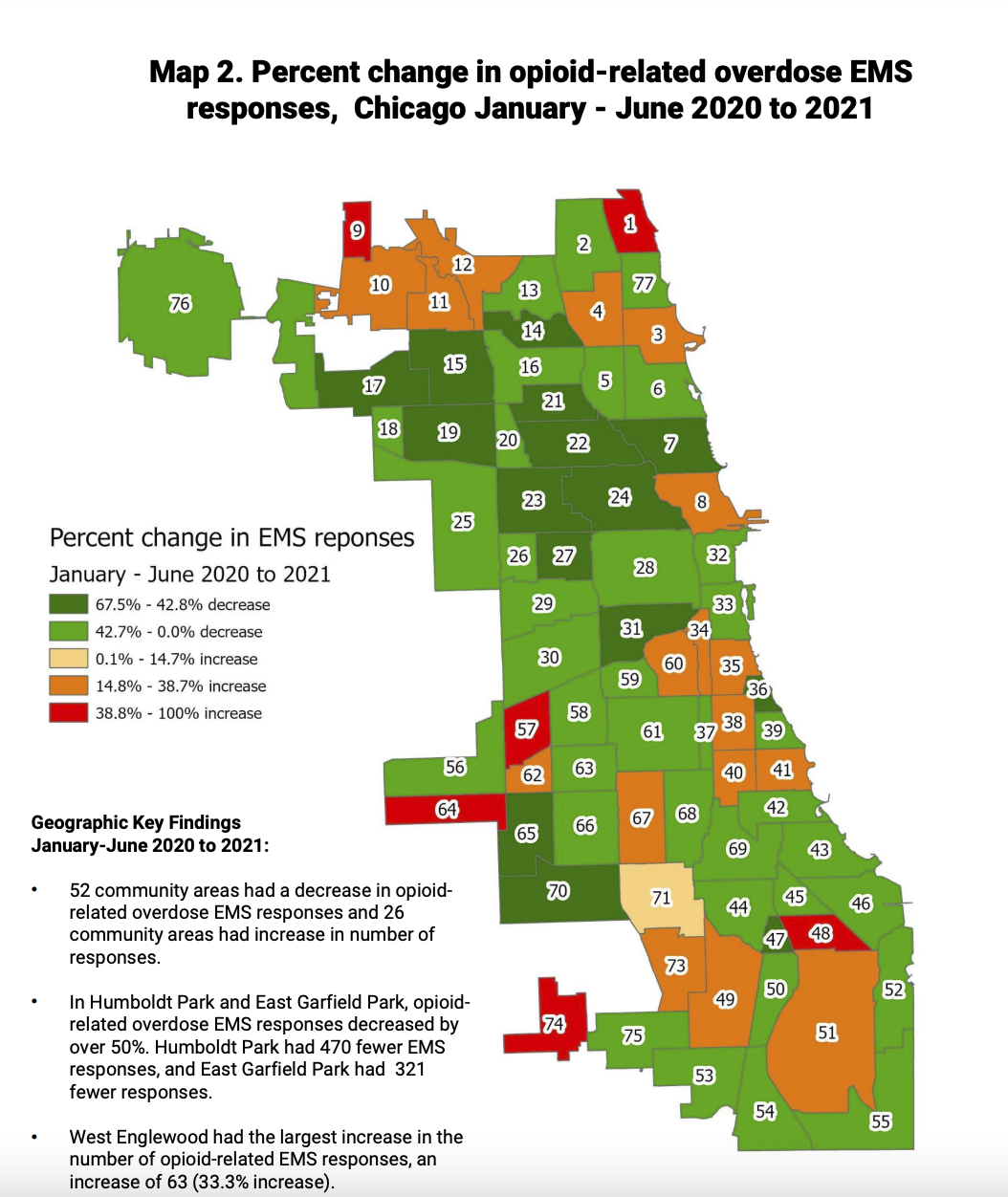
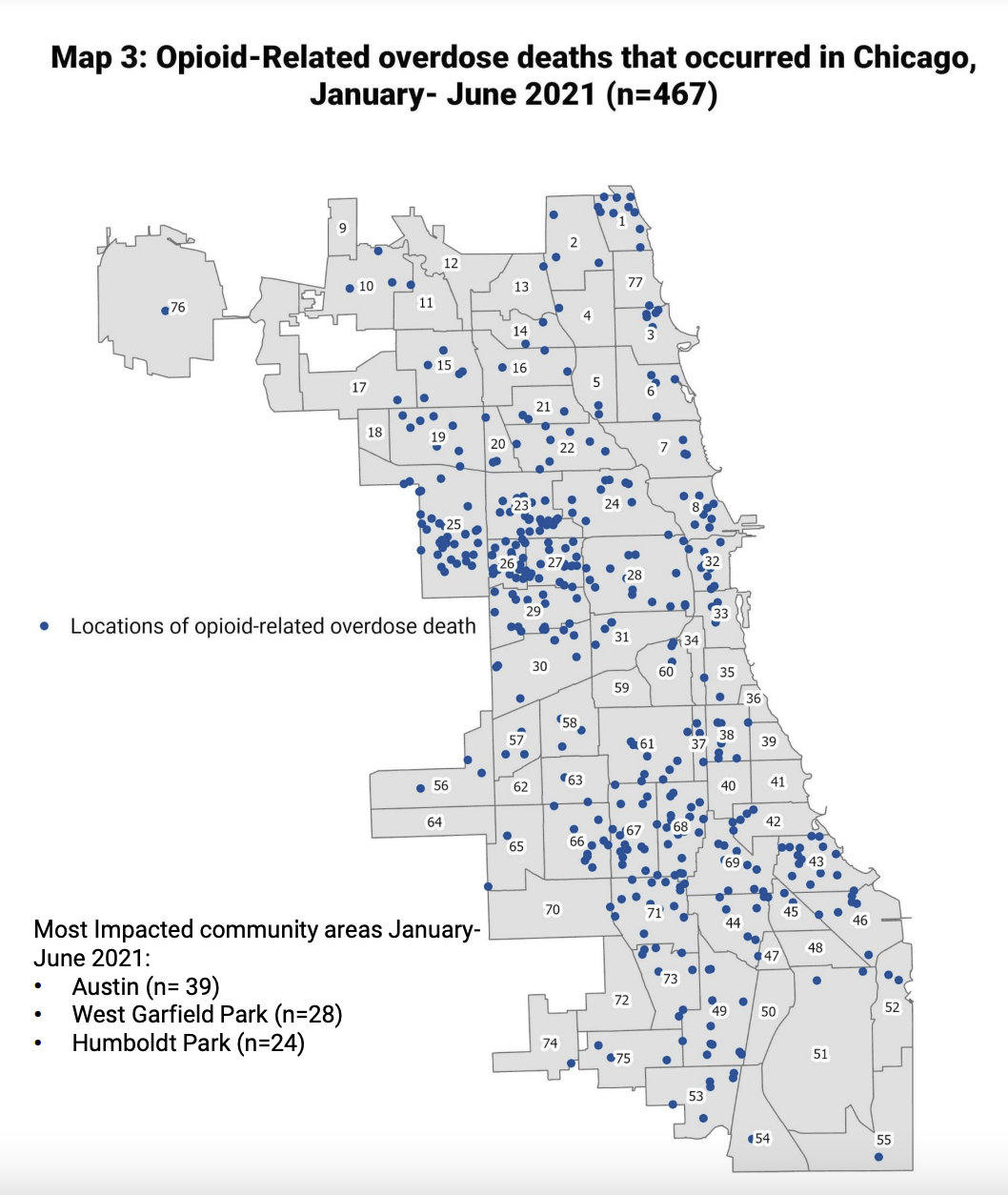
The Chicago Opioid Report
Mid-Year Chicago 2021
| |
Click Images Below to Learn More | |
|
The Cook County Government Reports
January 3, 2024
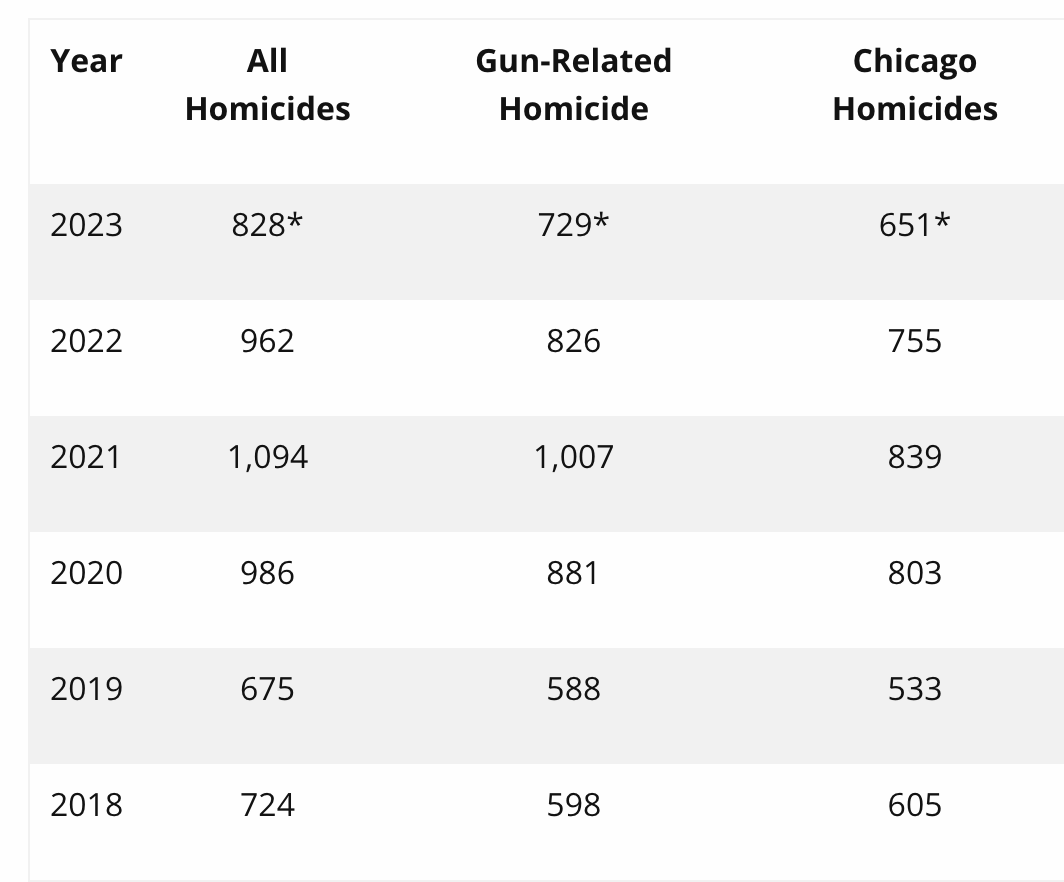
| Opioid Overdose Deaths Remain Steady in Cook County While Homicides Go Down | The Cook County Medical Examiner’s Office is releasing preliminary statistics for cases it handled in 2023. The Office’s caseload continued to surpass pre-COVID levels, with 7,738 cases falling under the Office’s jurisdiction last year. This is a drop from a peak caseload of 16,047 in 2020. Before the pandemic began, the Office saw approximately 6,200 deaths in an average year. Much of the increase in caseload is attributed to opioid overdose deaths. | Click Images Below to Learn More | |
Behind Bars
The Deepening Opioid Crisis in Prisons and Jails
| |
The Prison Policy Initiative Reports
January 30, 2024
| Addicted to punishment: Jails and prisons punish drug use far more than they treat it | |
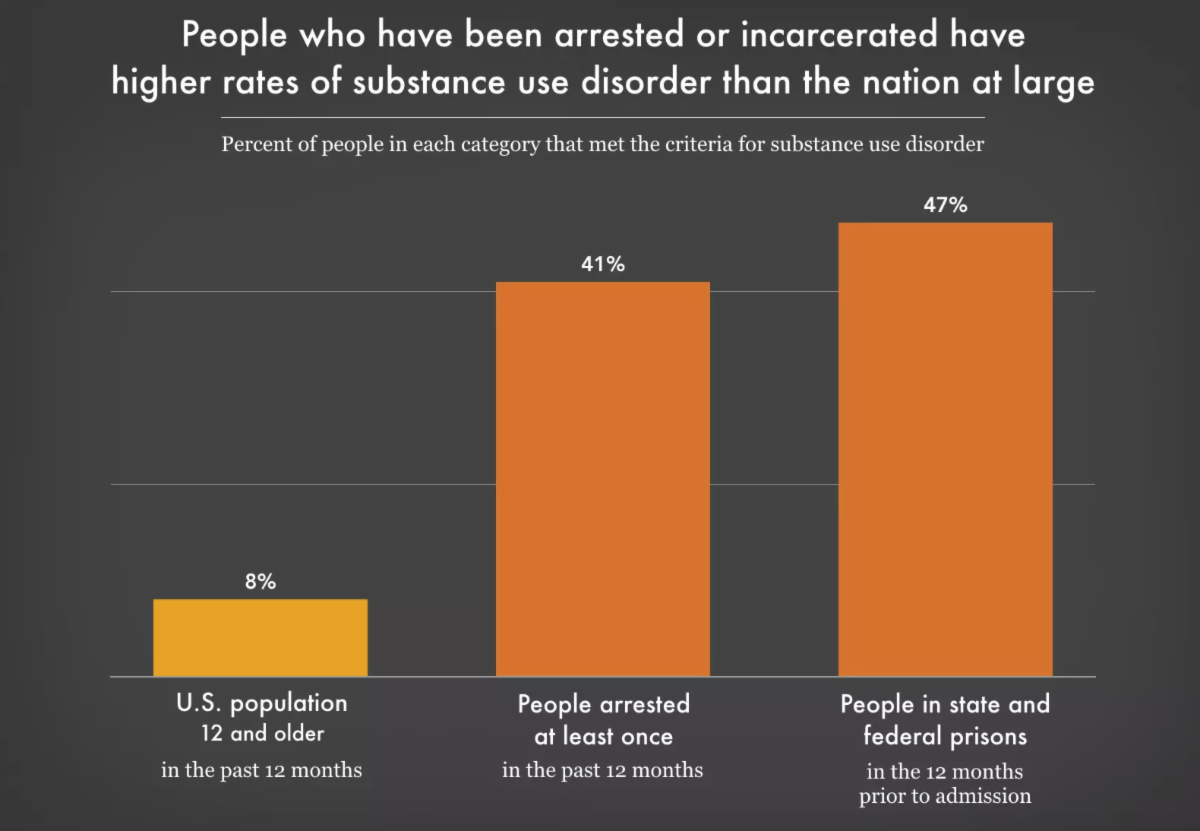
The prevalence of substance use disorders at every level of the criminal legal system points to an unavoidable fact: despite the deep unpopularity of the War on Drugs, our society still responds to substance use (and related crimes) as individual failures requiring punishment, rather than as a public health problem — and it’s not working.
Nationally, approximately 8% of people met the criteria for substance use disorders in 2019, but such disorders are far more common among people who are arrested (41%) and people incarcerated in federal (32%) or state prisons (49%). This means that approximately three million people with substance use disorders are locked up in any given year: at least two million people with substance use disorders are arrested annually and about half a million people in state and federal prisons meet the criteria for such disorders at the time of their admission
| |
Substance Abuse and the Risk of HIV
Understanding the Public Health Crisis
| |
HIV.gov Reports
January 30, 2024
| Can Using Drugs Increase Your Chances of Getting or Transmitting HIV? | |
Yes. Using drugs affects your brain, alters your judgment, and lowers your inhibitions. When you use drugs, you may be more likely to make decisions that increase your chance of getting or transmitting HIV. These include having anal or vaginal sex without HIV prevention tools, such as HIV prevention and treatment medications or condoms, having sex with multiple partners, or exchanging sex for drugs.
If you inject drugs, sharing and reusing needles, syringes, or other injection equipment ("works") like cookers can increase your chance of getting or transmitting HIV or hepatitis B and C. This is because the needles, syringes, or works may have blood in them, and blood can carry HIV. You should not share needles, syringes, or works for injecting silicone, hormones, or steroids for the same reason.
| |
Centers for Disease Control Reports
October 22, 2024
| HIV Infection and HIV-Associated Behaviors Among Persons Who Inject Drugs — 23 Metropolitan Statistical Areas, United States, 2018 | In the United States, 10% of HIV infections diagnosed in 2018 were attributed to unsafe injection drug use or male-to-male sexual contact among persons who inject drugs (PWID) (1). In 2017, among PWID or men who have sex with men and who inject drugs (MSM-ID), 76% of those who received a diagnosis of HIV infection lived in urban areas* (2). To monitor the prevalence of HIV infection and associated behaviors among persons who reported injecting drugs in the past 12 months, including MSM-ID, CDC’s National HIV Behavioral Surveillance (NHBS) conducts interviews and HIV testing among populations of persons at high risk for HIV infection (MSM, PWID, and heterosexually active adults at increased risk for HIV infection) in selected metropolitan statistical areas (MSAs) (3). | |
The Unequal Burden
A Look at Racial Health Disparities in Substance Abuse and Drug Overdose
|  | |
Dear Reader,
As a Naturopathic Doctor and Health Equity Coordinator dedicated to promoting health and wellness, I am writing to address the urgent issue of substance use disorder and advocate for equitable healthcare solutions that tackle the root causes of the overdose crisis in Black and Brown communities.
The COVID-19 pandemic has significantly worsened disparities in substance use, particularly among older Black men. The surge in fentanyl-laced cocaine during the pandemic has led to a dramatic increase in overdose deaths. For instance, Black individuals over 55 in Illinois, Wisconsin, and Minnesota are five times more likely to die from a drug overdose compared to their white counterparts. This
alarming statistic highlights a critical oversight: the opioid crisis is often framed as a predominantly rural and suburban white issue. This narrow media narrative has overshadowed the significant rise in overdose deaths within Black and Hispanic communities, underscoring the urgent need for culturally competent interventions and resources.
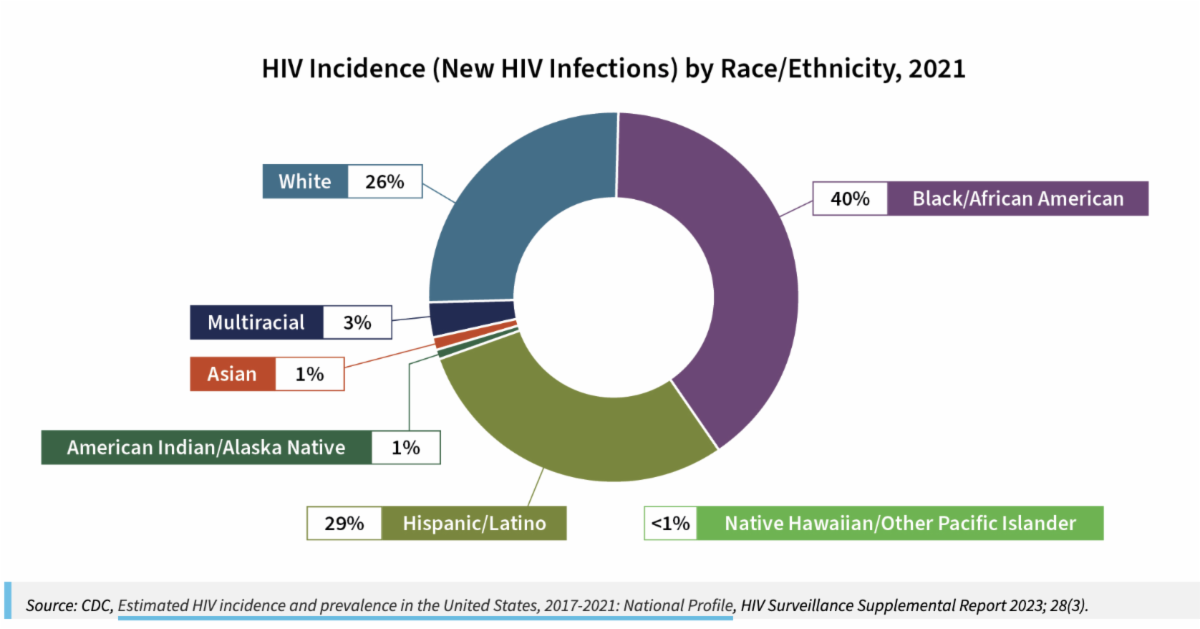
People living with HIV, especially those not yet diagnosed with AIDS, face increased overdose risk due to their reliance on opioid medications for pain management. In 2021, Black/African American individuals made up 12% of the U.S. population but represented 40% of those with HIV. Similarly, Hispanic/Latino individuals constituted 18% of the population but accounted for 25% of those living with HIV. This increased reliance on opioids, including both prescription medications and illegal drugs, exacerbates health issues and significantly heightens the risk of overdose.
The intersection of incarceration and addiction further complicates the crisis. Despite similar drug use rates across racial groups, Black individuals are arrested for drug offenses at disproportionately higher rates. This disparity is evident in the more frequent arrests for heroin among Black individuals compared to diverted prescription opioids, which are more common among white individuals. Such disparities highlight the need for reform within the criminal justice system and equitable drug treatment options.
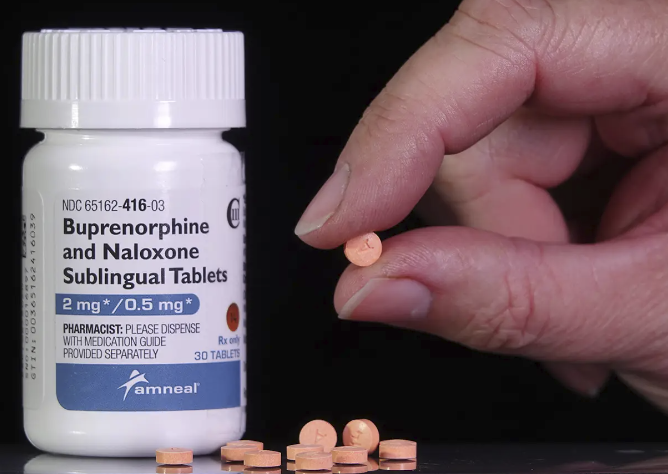
Medication-assisted treatment (MAT), which combines FDA-approved drugs with counseling and behavioral therapies, is a key approach to addressing opioid addiction. However, access to MAT remains limited, particularly for Black communities. Buprenorphine, methadone, and naltrexone are FDA-approved for opioid use disorder, but few insurance providers cover all three. Additionally, buprenorphine is more accessible in predominantly white communities, while methadone clinics are often located in poorer communities of color.
Rep. Ford has been a leader in addressing this crisis with his initiatives, including House Bill 0002 to establish pilot overdose prevention sites in Illinois and House Resolution 665 to declare April 14-20 as Harm Reduction Solidarity Week. These measures are crucial for advancing health equity and providing safe, effective treatment strategies. Overdose prevention sites offer supervised environments for drug use, significantly reducing overdose deaths and providing access to clean needles, which help prevent HIV and other infections.
To address these issues effectively, we must also focus on removing barriers to holistic treatment therapies such as mental health services, acupuncture, and naturopathic medicine. Integrating these complementary treatments with conventional methods is essential for comprehensive care. Acupuncture can alleviate pain and reduce withdrawal symptoms, while naturopathic medicine offers natural remedies and supports overall wellness.
Supporting Rep. Ford’s efforts and similar initiatives is vital. We must advocate for the removal of obstacles at treatment facilities to protect privacy and ensure discretion. Increasing health literacy and challenging stigma surrounding substance use are crucial for comprehensive and equitable care.
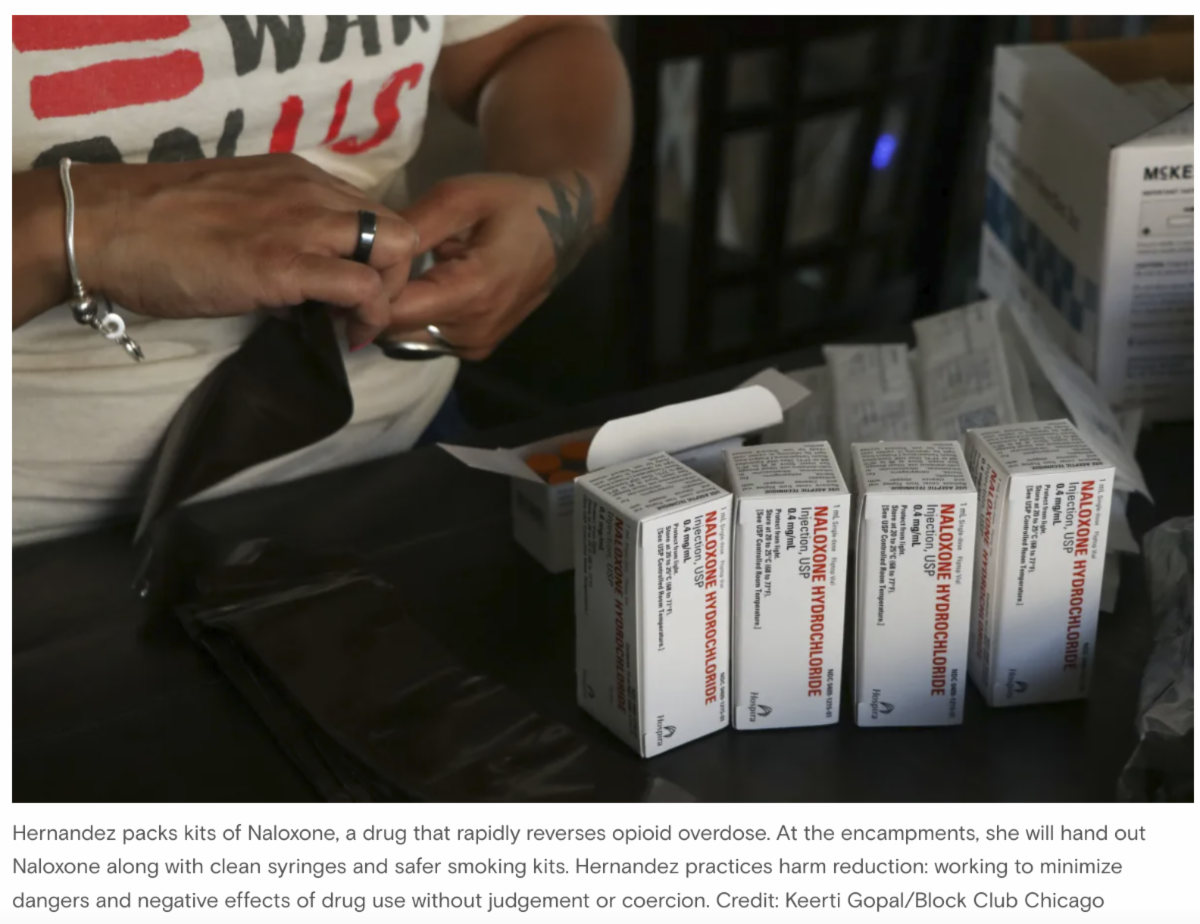
The overdose crisis demands urgent attention. While naloxone (NARCAN) has reduced opioid-related deaths, its effectiveness is limited for those unknowingly consuming opioids mixed with other drugs. Distributing naloxone and free fentanyl test strips to high-risk populations, including older Black adults, could be life-saving measures.
As we move forward, it is imperative to challenge misconceptions, advocate for systemic changes, and support efforts that promote health equity and access to treatment. By redefining substance use disorder as a health condition rather than a moral failing, we can build a more equitable healthcare system that truly serves everyone, upholds dignity and privacy, and addresses the root causes of health disparities.
In health and solidarity,
Dr. Chezalyn Grant, ND
Health Equity Coordinator for State Rep. La Shawn K. Ford
| |
COVID-19 and Fentanyl
Fueling a Deadly Crisis in the Black and Brown Community
| |
The Centers for Disease Control
and Prevention Reports
July 19, 2022
| Overdose death rates increased significantly for Black, American Indian/Alaska Native people in 2020 | |
Among the key findings for drug overdose deaths:
- In 2020, the overdose death rate among Black males 65 years and older was nearly seven times that of White males 65 years and older.
- Black people 15–24 years old experienced the largest rate increase (86 percent) compared with changes seen in other age/race groups during 2019–2020.
- Overdose death rates for AI/AN women 25–44 years of age were nearly two times that of White women 25–44 years of age.
| |
Penn State Reports
April 30, 2024
| Fentanyl and COVID-19 pandemic reshaped racial profile of overdose deaths in US | |
The overdose death rates increased for both Black and white individuals of all ages during the 10-year study, with younger Black individuals still dying less often than white individuals of overdose. However, overdose death rates increased considerably for older Black individuals from 2012 to 2021. As a result, Black individuals now die of overdose at a higher rate than white individuals in the U.S.
During the pandemic, overdose death rates spiked dramatically across the nation and especially sharply among Black individuals compared to white individuals. In Illinois, Wisconsin and Minnesota — the states with the most pronounced racial differences — a Black person over the age of 55 was around five times more likely to die of a drug overdose than a white person of the same age.
| |
The Centers for Disease Control
and Prevention Reports
July 21, 2022
| Vital Signs: Drug Overdose Deaths, by Selected Sociodemographic and Social Determinants of Health Characteristics — 25 States and the District of Columbia, 2019–2020 |  | |
From 2019 to 2020, drug overdose death rates increased by 44% and 39% among non-Hispanic Black (Black) and non-Hispanic American Indian or Alaska Native (AI/AN) persons, respectively.
Significant disparities were found across sex, age, and racial and ethnic subgroups. In particular, the rate in 2020 among Black males aged ≥65 years (52.6 per 100,000) was nearly seven times that of non-Hispanic White males aged ≥65 years (7.7). A history of substance use was frequently reported. Evidence of previous substance use treatment was lowest for Black persons (8.3%). Disparities in overdose deaths, particularly among Black persons, were larger in counties with greater income inequality.
Opioid overdose rates in 2020 were higher in areas with more opioid treatment program availability compared with areas with lower opioid treatment availability, particularly among Black (34.3 versus 16.6) and AI/AN (33.4 versus 16.2) persons.
| |
The Journal of the American Medical Association Reports
September 20, 2022
| Racial and Ethnic Disparities in Drug Overdose Deaths in the US During the COVID-19 Pandemic | 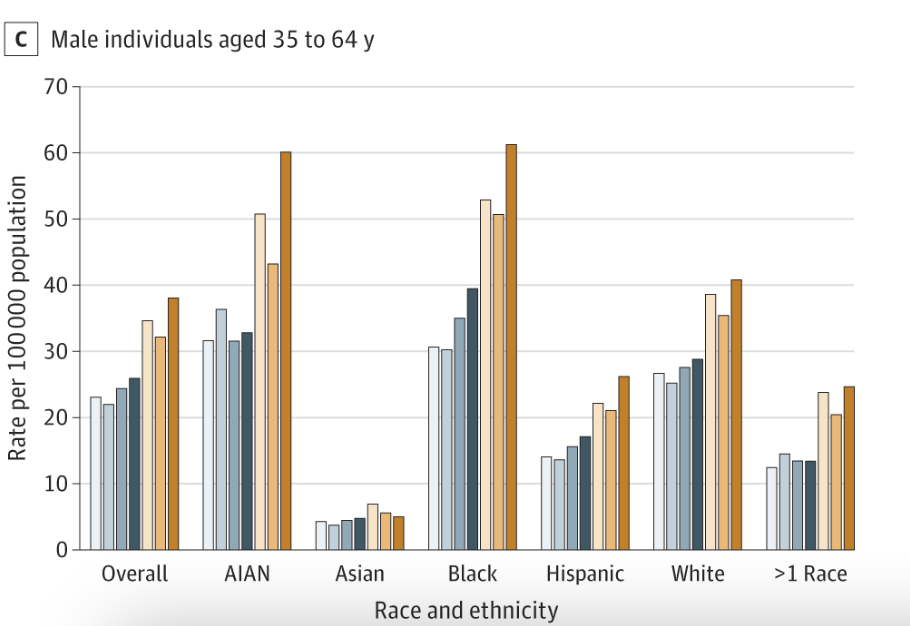 | Among individuals aged 35 to 64 years from March 2018 to August 2021 (Figure; Table), age-adjusted overdose death rates per 100 000 increased overall for deaths involving any drug, fentanyl, and methamphetamine with or without fentanyl among most subgroups. During March to August 2021, overall drug overdose rates were highest among non-Hispanic Black or African American (hereafter Black) men (61.2; 95% CI, 59.4-62.9) and American Indian or Alaska Native men (60.0; 95% CI, 52.8-67.2), and fentanyl-involved death rates were highest among Black men (43.3; 95% CI, 41.8-44.8). Rates involving methamphetamine with fentanyl were highest among American Indian or Alaska Native men (12.6; 95% CI, 9.2-16.0) and women (9.4; 95% CI, 6.5-12.3) and White men (9.5; 95% CI, 9.1-9.8). Rates involving methamphetamine without fentanyl were highest among American Indian or Alaska Native men (22.9; 95% CI, 18.4-27.4). | Greater Economic Hardship | |
Pubmed Reports
January 28, 2020
|
Opioid-related overdose deaths by race and neighborhood economic hardship
in Chicago
| |
Compared to national findings, Chicago has both a higher rate of opioid-related overdose death and a markedly different distribution by demographics. The Chicago Department of Public Health analyzed fatal overdoses by level of neighborhood economic hardship. The highest rate of opioid-related deaths occurred in neighborhoods with high economic hardship (36.9 per 100,000 population) compared to medium- (20.5) and low- (12.3) hardship neighborhoods. However, these patterns were not consistent across racial/Hispanic ethnicity subgroups. These data support the need to consider the role of racism and other structural, social, and economic factors when designing interventions to reduce opioid-related overdose deaths. | Mental Health Disparities | |
Substance Abuse and Mental Health Services Administration Reports
| |
Behavioral Health Concerns Amongst
Black Americans
| |
Twenty-one percent of Black and African Americans reported having a mental illness, compared to 23.9% of non-Hispanic Whites. However, just 39% of Black and African Americans received mental health services compared to non-Hispanic Whites (52%)
Black Americans have similar rates of substance use disorder (17%) as non-Hispanic Whites, but higher rates of illicit drug use (24.3 vs 22.5 respectively) and unmet treatment needs (16.4% vs 15.7%, respectively)
| Overlooked Victims of the Opioid Crisis | |
|
Sage Journals Reports
August 31, 2020
| Exploring the impact of the opioid epidemic in Black and Hispanic communities in the United States | |
While Opioid-related overdoses have overwhelmingly plagued rural and suburban White, Non-Hispanic communities, there has been a surge in the number of deaths in Black and Hispanic Minority communities in recent years. Although there have been significant increases in the number of opioid-related overdose deaths in Black and Hispanic communities, the media narrative for this epidemic is often portrayed as a White, Non-Hispanic rural and suburban crisis. As a result, intervention strategies and policies have failed, both, to assess the severity of the problem in minority communities and to offer culturally sensitive preventative and treatment solutions. In this paper, the impact of the opioid epidemic on Black and Hispanic minority communities will be presented. | |
|
US News Reports
August 31, 2020
| |
Separate, Unequal and Overlooked | |
For the past several years, American attention has been fixated on fighting opioid overdoses in largely white towns, where reports of climbing fatality rates have struck like a thunderbolt, revealing communities in economic and social distress. Opioid abuse there, the narrative goes, stems from economic instability and an explosion in prescriptions for pills like OxyContin – a powerful analgesic that morphed from pain reliever to addictive street drug, a gateway to hardcore heroin use.
Yet population health analysts, academics and on-the-ground specialists say heroin and its related plagues of crime and death have stalked African-American neighborhoods for decades, garnering little to no attention. And when the government has bothered to address it in cities like Chicago, critics say, it's usually through police crackdowns on users and dealers rather than increased access to intervention, drug treatment or badly needed economic aid.
| |
Vera Institute of Justice Reports | |
National trends and racial disparities |
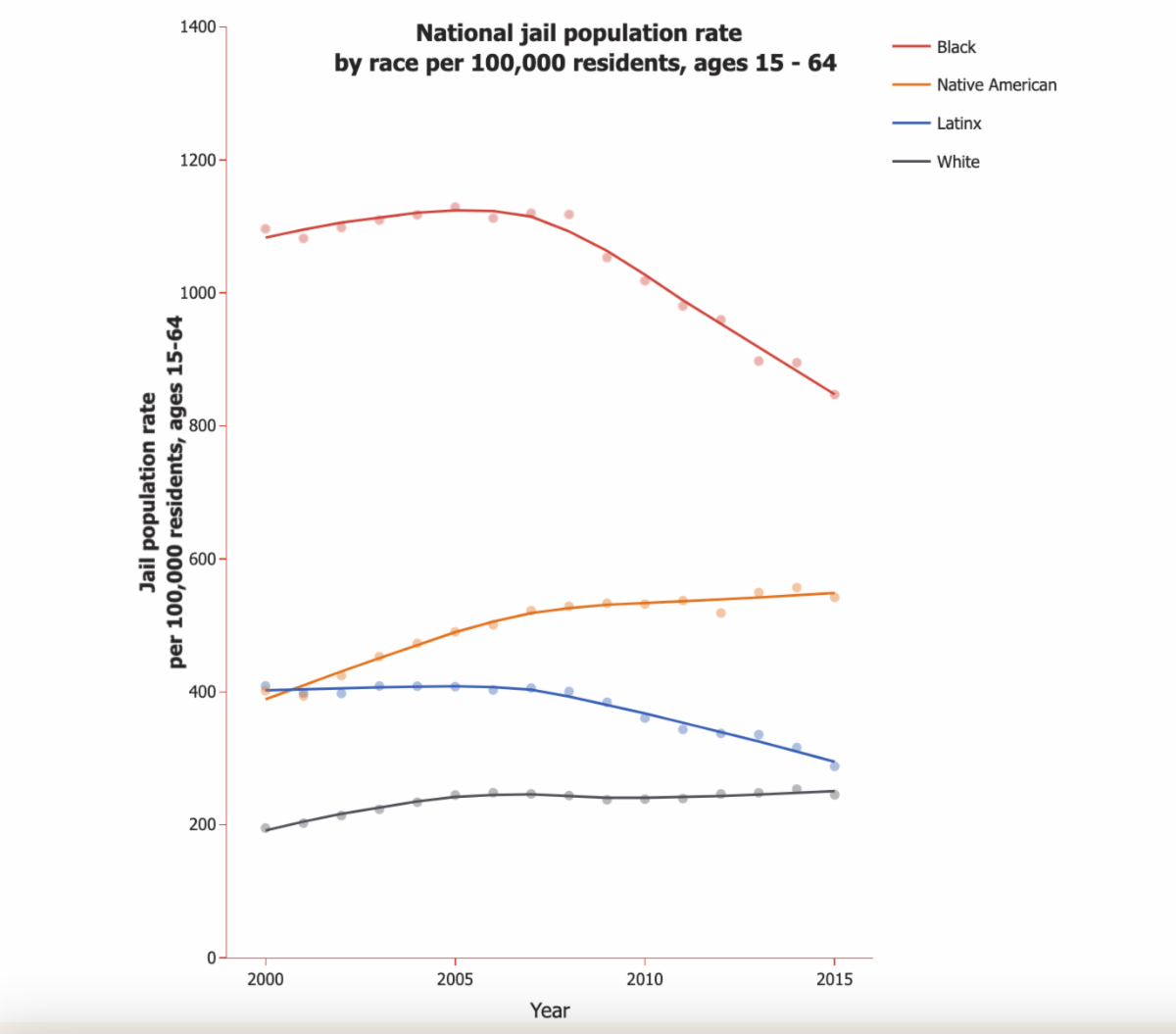
Jail incarceration and overdose deaths are deeply entwined and both have roots in America’s longstanding war on drugs and use of the criminal legal system to target Black people and other communities of color. Despite similar levels of drug use compared to white people, Black people and other people of color have been disproportionately criminalized for drug-related offenses; decades of punitive, enforcement-focused policies have had devastating impacts on these communities.[1]
Today, of the almost 2.3 million people incarcerated in America’s federal and state prisons, local jails, juvenile correctional facilities, and immigration detention facilities, one in five people are locked up for drug offenses.[2] Data from 2007 to 2009’s National Inmate Surveys estimated that 58 percent of people incarcerated in state prisons and 63 percent of people serving sentences in jails met the criteria for a substance use disorder.
| |
|
The Scientific American Reports
December 1, 2022
| |
The Opioid Epidemic Is Surging among Black People because of Unequal Access to Treatment | |
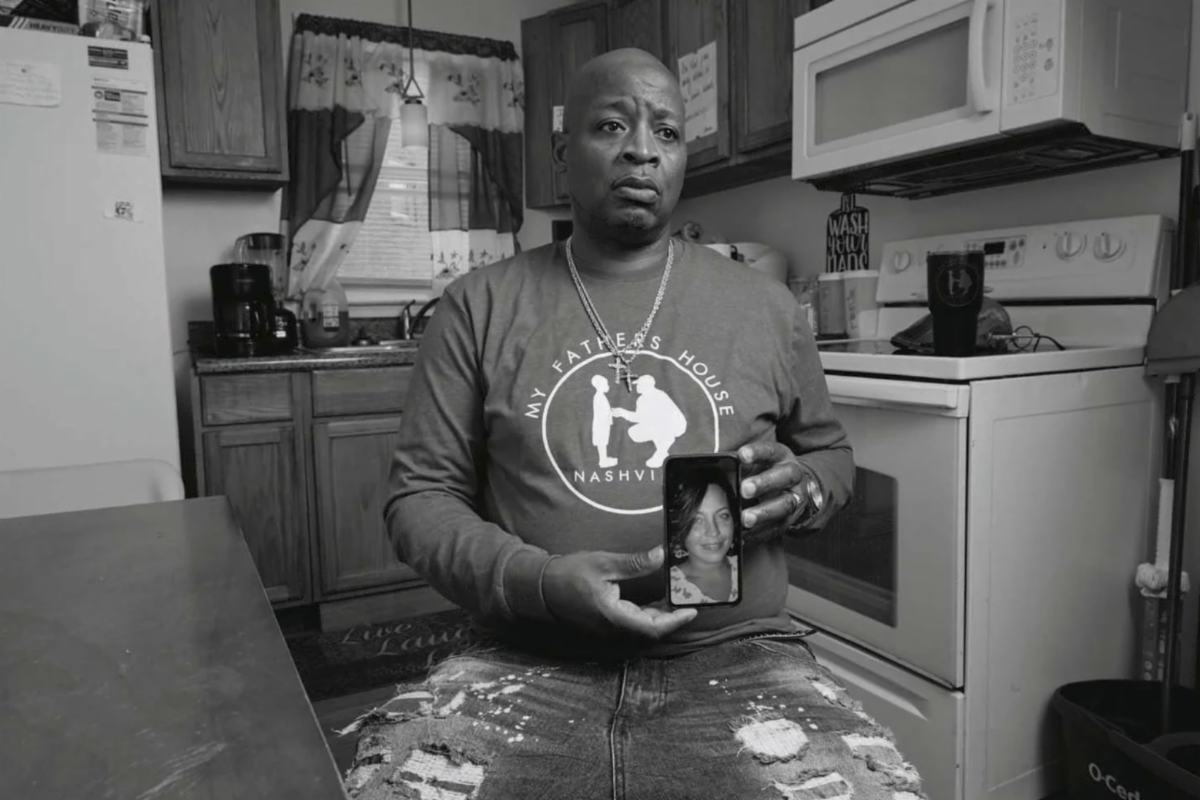
In one way or another, Thomas Gooch has spent more than 30 years struggling with illegal drugs. The 52-year-old Nashville, Tenn., native grew up in extreme poverty. He was first incarcerated in 1988 and spent the next 15 years in and out of jail for using and selling narcotics. “Until 2003,” Gooch says. “That was the first time I went to treatment and the last time I used.” Since then, for most of 19 years, Gooch has been trying to get others into recovery or just k eep them alive. He handed out clean needles and injection-drug equipment—which reduce injuries, infections and overdose deaths—in Nashville’s hardest-hit communities. In 2014 he founded My Father’s House, a transitional recovery facility for fathers struggling with substance use disorder. | |
Increased Risk of HIV/AIDS | |
|
HIV. gov Reports
December 18, 2023
| |
What Is the Impact of HIV on Racial and Ethnic Minorities in the U.S.? | |
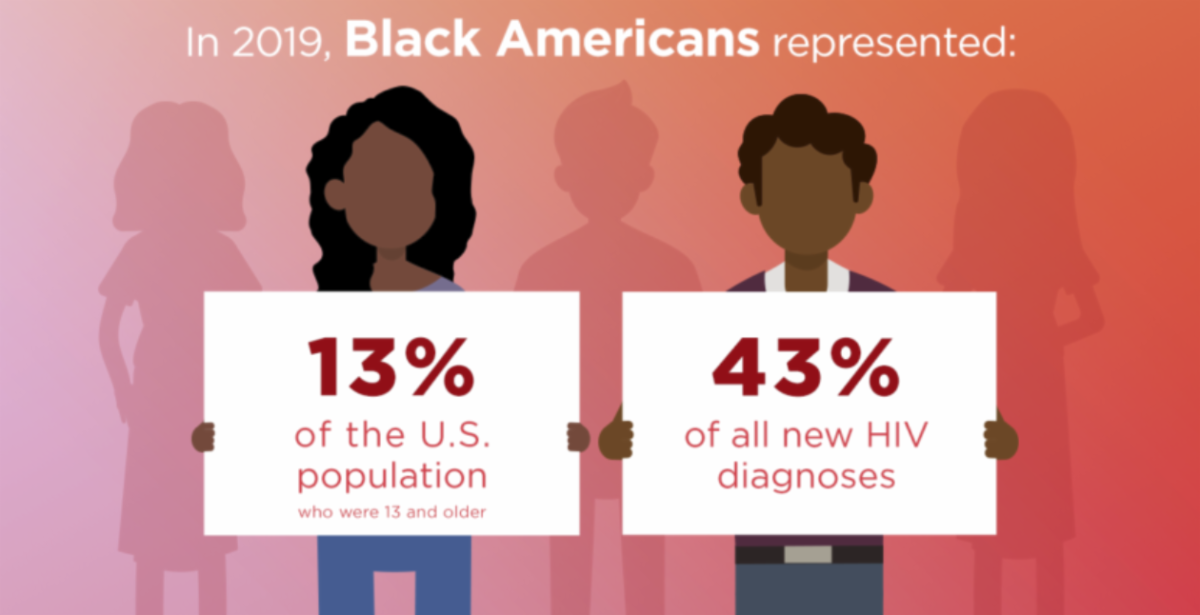
Black/African American and Hispanic/Latino communities are disproportionately affected by HIV compared to other racial/ethnic groups. For example, according to CDC, in 2021, Black/African American individuals aged 13 and older represented approximately 12% of the U.S. population, but accounted for 40% of people with HIV. Hispanic/Latino persons aged 13 and older represented 18% of the population but accounted for 25% of people with HIV. | |
National Library of Science Reports
April 19, 2012
| HIV infection and risk of overdose: a systematic review and meta-analysis | Drug overdose is a common cause of non-AIDS death among people with HIV and the leading cause of death for people who inject drugs [1–6]. People with HIV are often exposed to opioid medications during their HIV care experience; others may continue to use illicit opioids despite their disease status. Either scenario may present a heightened risk for fatal and nonfatal opioid overdose. | |
Overdose Prevention Centers
Tackling the Overdose Crisis and
Saving Lives
| |
JAMA Reports
July 15, 2023
| Overdose Prevention Centers: An Essential Strategy or Addressing the Overdose Crisis | Research has found that OPCs are associated with benefits for individuals who use the centers and neighborhoods where the centers are located.4,5 OPCs have been found to be associated with reduced overdose deaths, substance use–related harms, and all-cause mortality among people who use drugs and to be cost-effective.4,5 OPCs have also been found to be associated with increased treatment engagement, with regular center use, but not with increased drug trafficking, initiation of substance use among people who did not previously use drugs, or resumed use among people in recovery. An evaluation of an unsanctioned US OPC that operated from 2014 to 2021 found high rates of center use without any overdose deaths.6 For surrounding neighborhoods, OPCs have been shown to be associated with reduced public drug consumption, litter of drug consumption equipment, and crime.4,5 | |
|
Rep. Ford’s Bold Leadership
A Forceful Advocate for Opioid Prevention Sites
| |
|
Block Club Chicago Reports
February 15, 2023
|
State Lawmakers Poised To Legalize Drug-Injection Site This Year — But Will City Leaders Follow Through?
| |
Sen. Sara Feigenholtz and Rep. La Shawn Ford are pushing forward partner bills that would legalize a pilot site in a Chicago neighborhood hit hard by the opioid crisis.
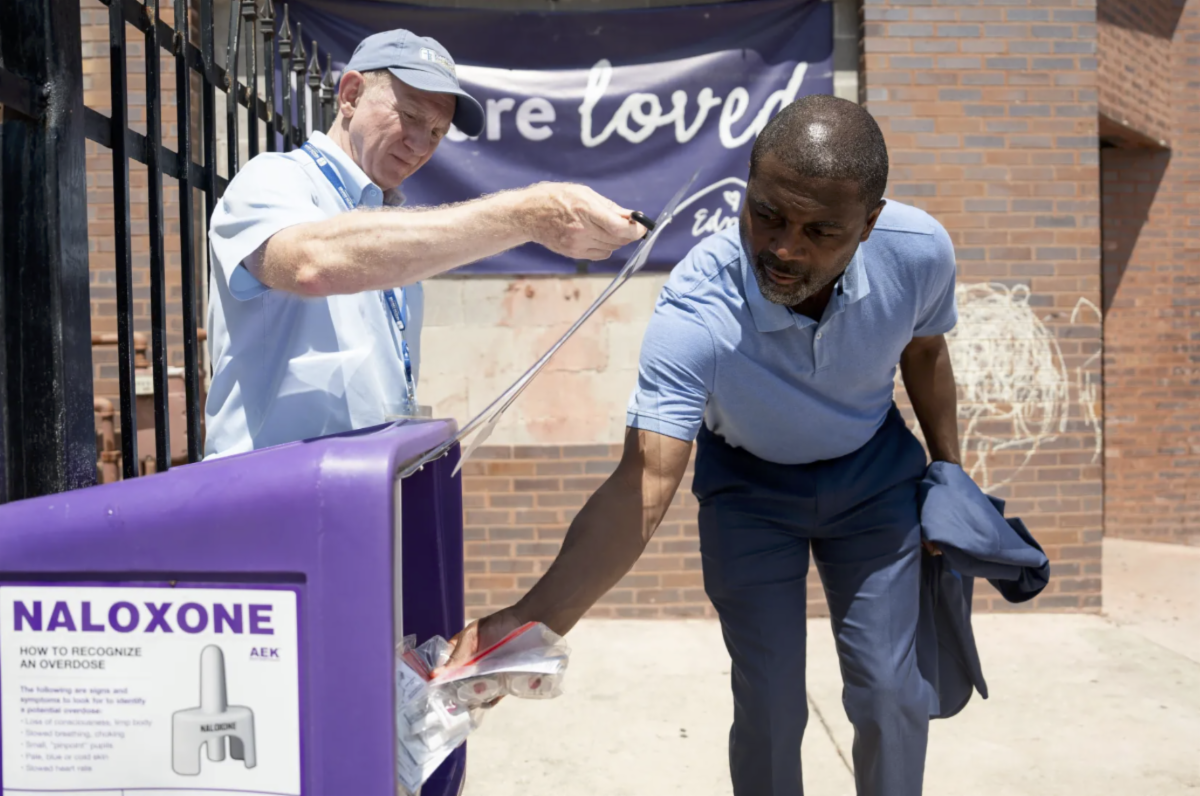
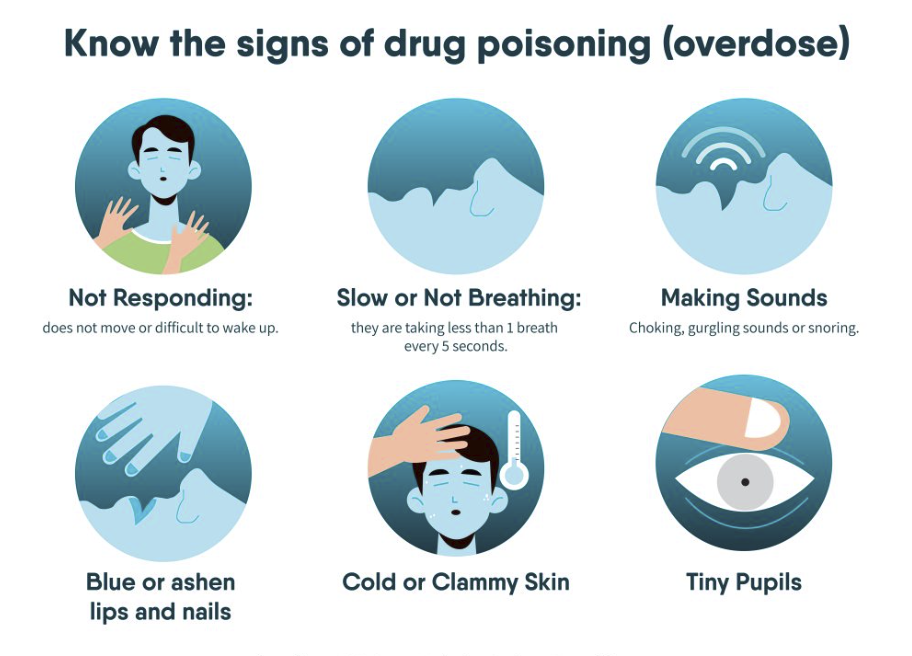
The site’s staff would be trained to recognize overdoses and use drug-reversing medication like Narcan. People would be able to bring and use illegal drugs — without punishment — and get access to testing strips and clean syringes.
A local nonprofit would operate the site and hire community members and people in recovery. The staff would be encouraged to build relationships with clients and offer HIV and Hepatitis C testing, housing, medical services, employment opportunities, drug treatment programs and other social services that can put people on a path for recovery.
Ford said the site “will simply save lives.”
| |
Click Image Below to Read
Rep. Ford's Bill on Opioid Prevention Sites, HB0002.
| |
Chicago Sun-Times Reports
July 23, 2023
| Groups call for safe-use site as opioid overdose deaths climb | |
Austin Weekly News Reports
July 31, 2023
| State rep. pushes overdose prevention sites for Chicago | |
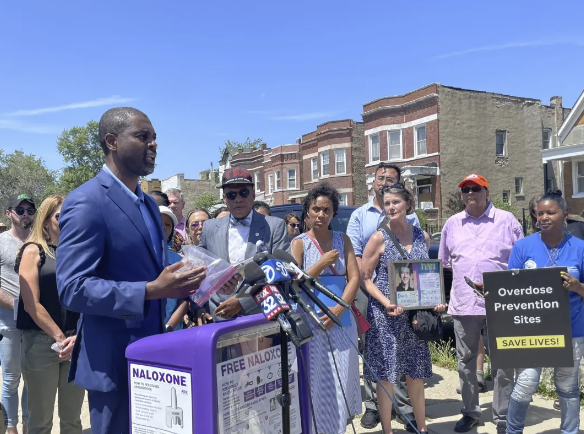
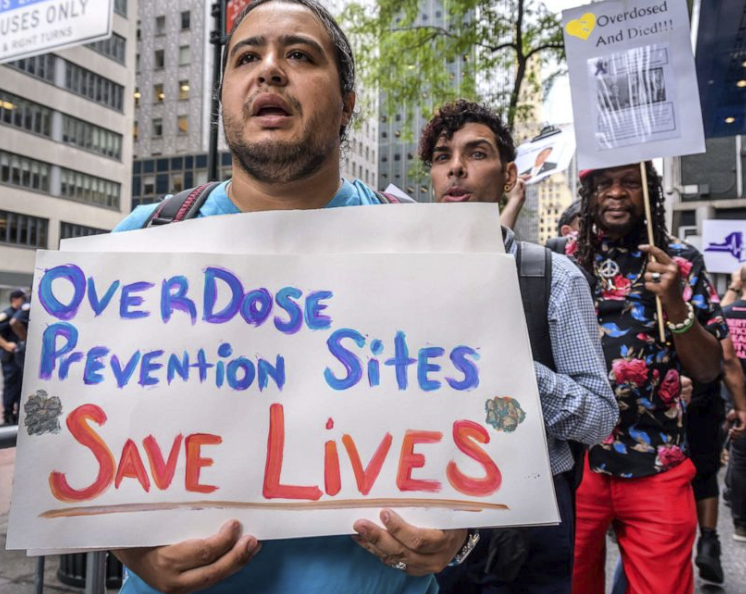
A dozen medical experts, outreach workers and advocates joined State Rep. La Shawn K. Ford (8th) in his push to open a pilot overdose prevention site in Chicago.
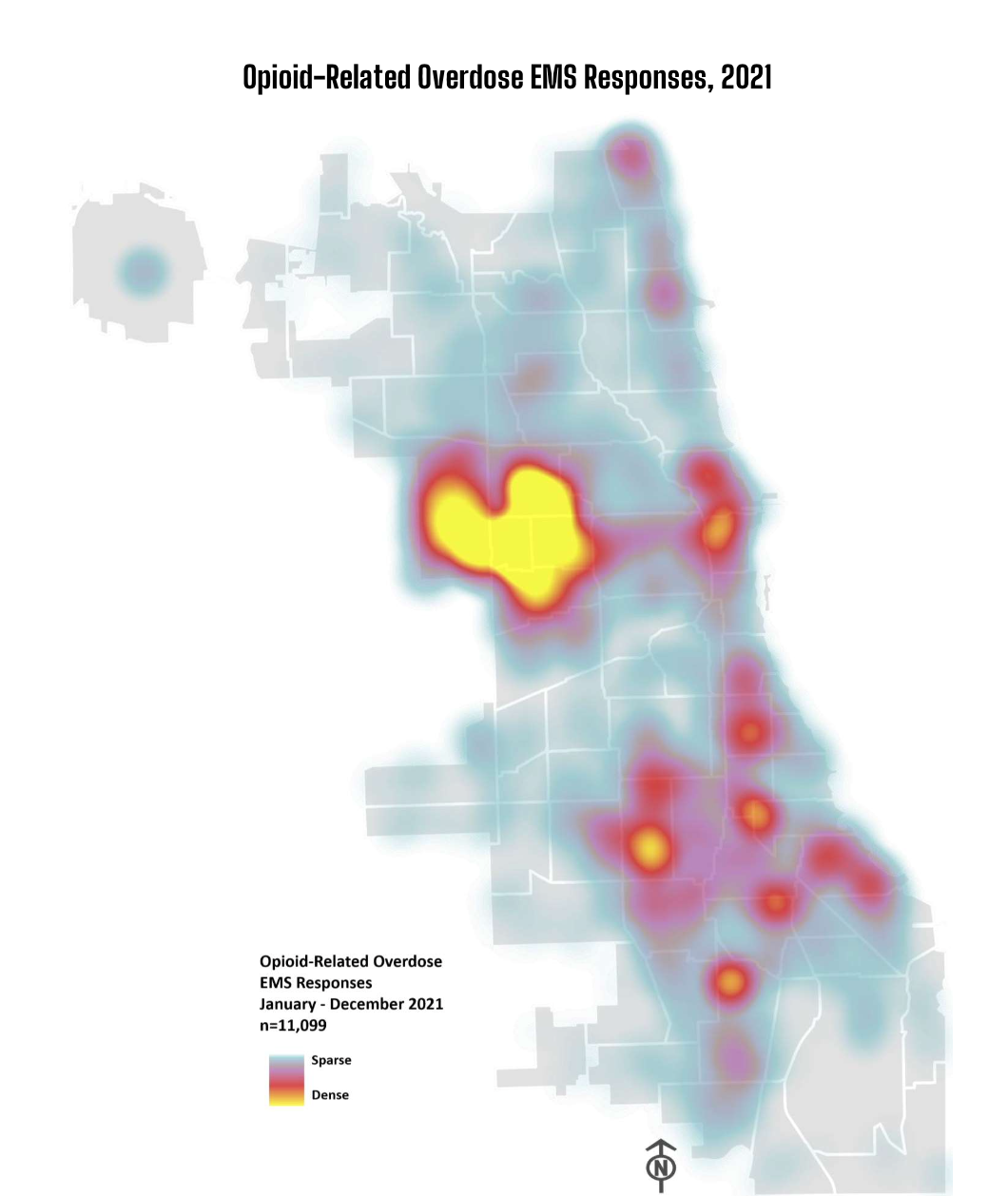
Standing at the corner of W. Van Buren Street and S. Pulaski Road, one of many West Side areas with high overdose rates, Ford called for the public and lawmakers to support a bill that would allow the creation of overdose prevention sites in Chicago.
“Overdose prevention sites are evidence-based healthcare where people can use pre-obtained drugs,” Ford said. “If an individual overdoses, someone will save their life and connect them to a number of local resources.”
| Key Takeaways for Overdose Awareness Day |  | |
Support Overdose Prevention Sites: Advocate for and implement supervised drug use sites in high-impact areas like Chicago's West Side to reduce overdose deaths, decrease public drug use, and lower healthcare costs. Encourage local and state leaders to support Rep. Ford's House Bill 0002 and similar initiatives.
Expand Access to Medication-Assisted Treatment (MAT): Ensure equitable access to FDA-approved MAT options, such as buprenorphine, methadone, and naltrexone, particularly in underserved communities.
Diminish Barriers to Essential Medications: Remove obstacles at treatment facilities to improve privacy and access to necessary medications for those struggling with substance use disorders.
Integrate Holistic Treatment Therapies: Combine conventional methods with mental health services, acupuncture, and naturopathic medicine to provide comprehensive care.
Distribute Naloxone and Fentanyl Test Strips: Provide life-saving tools like naloxone and fentanyl test strips to high-risk populations to prevent accidental overdoses.
Increase Health Literacy and Reduce Stigma: Educate communities about substance use disorders and promote privacy and discretion in accessing treatment services.
Reform the Criminal Justice System: Address racial disparities in drug arrests and improve access to drug treatment options within the justice system.
Challenge Misconceptions and Advocate for Systemic Change: Reframe substance use disorder as a health condition and advocate for a healthcare system that addresses the root causes of health disparities.
Support Health Equity Initiatives: Advocate for policies that address health disparities and promote equitable access to treatment and resources for all communities.
Enhance Community-Based Support Systems: Strengthen local networks and partnerships to provide ongoing support and resources for individuals in recovery and their families.
| |
Voices from the Frontline
Stories of Survival, Loss, and Recovery in the Overdose Crisis
| Click Image Below to Learn More About About the Signs of an Overdose | Learn How to Administer Naloxone | Resources for Overdose Prevention | |
SAMHSA’s National Helpline is a free, confidential, 24/7, 365-day-a-year treatment referral and information service (in English and Spanish) for individuals and families facing mental and/or substance use disorders.
Call 1-800-662- HELP (4357)
|
Learn how to Show Your Support for
International Overdose
Awareness Day
| Purple is the official color of addiction recovery. You can get badges or ribbons from your local organizations. You can also choose to wear purple clothes for the day to show your support for the community. | |
Gather your family and friends and others to talk about the aims behind the day. You can host a small talk session or you can select documentaries to watch. The goal is to reach as many people as possible | |
In today’s day and age, it is a piece of cake to spread information. Seek the help of a professional to research. Once you have compiled everything, you can proceed to distribute information about the topic to your network using social media. | |
Click Image Below to View Rep. Fords Daily Job Newsletter for Today (8/31/2024) | | | | |