The Institute for Health Equity Research, Evaluation & Policy | | IHE Observes Substance Use Prevention Month | | |
This October, the Institute for Health Equity Research, Evaluation, and Policy, Inc. (IHE) is observing Substance Use Prevention Month.
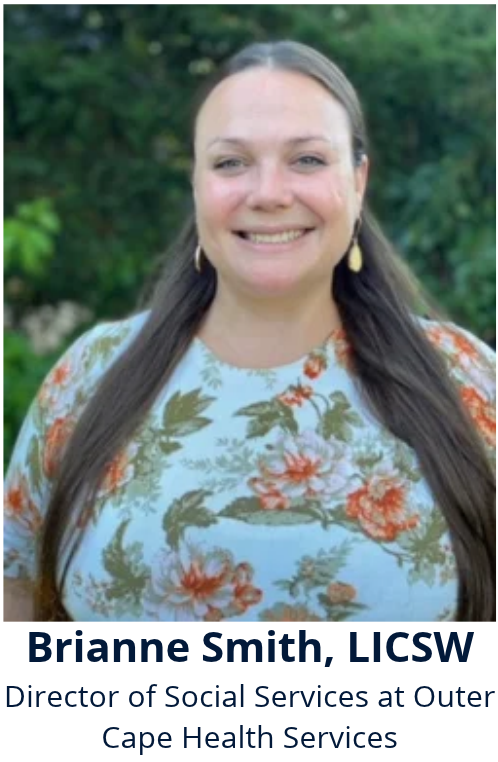
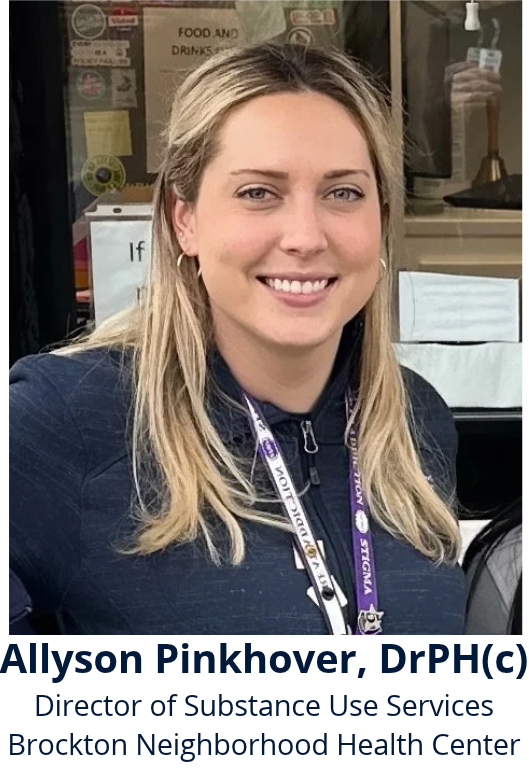
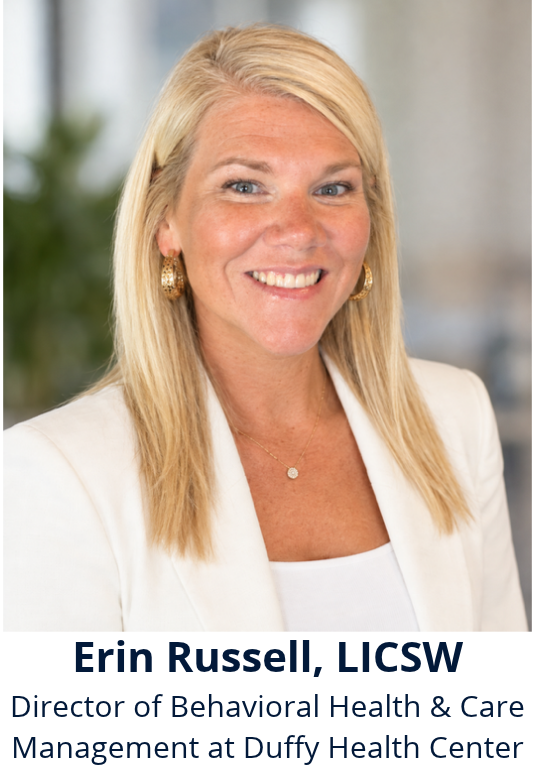
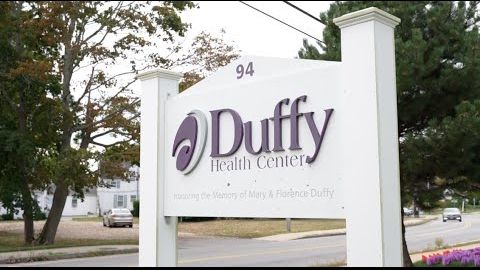
Regarding recovery services at community health centers, we interviewed Erin Russell, LICSW, of Duffy Health Center in Hyannis, Allyson Pinkhover, DrPH(c), of Brockton Neighborhood Health Center in Brockton, The Medication Assisted Treatment (MAT) for Recovery Team & The Research and Population Health (RPH) Team at Caring Health Center in Springfield, and Brianne Smith, LICSW, of Outer Cape Health Services in Harwich Port, Wellfleet, and Provincetown.
In the interview, we hear about how patients and people with lived experience are helping shape priorities for the design of addiction and recovery programs and much more.
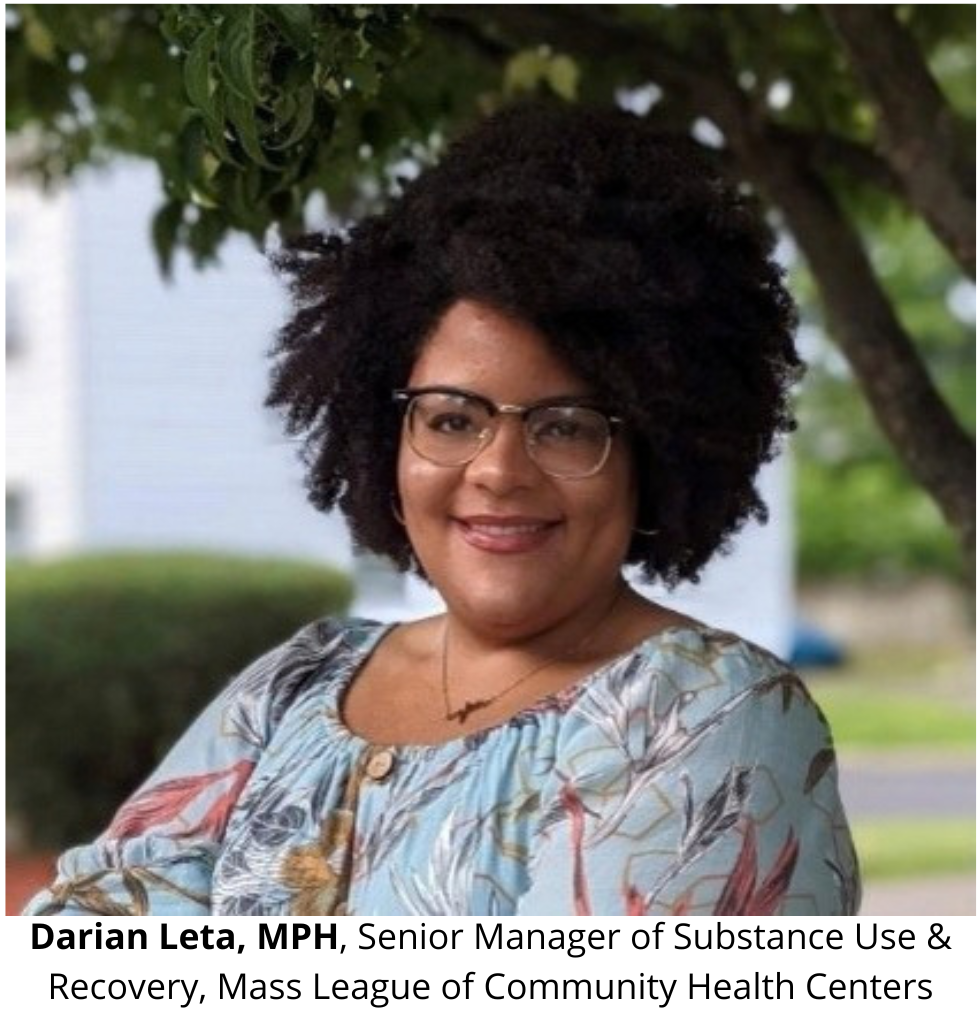
We are also featuring the work of Mass League initiatives funded by the Mass General Brigham Substance Use Disorder Equity Grant. Led by Darian Leta, MPH, Senior Manager of Substance Use & Recovery at The Mass League, these initiatives have been essential to supporting health center efforts in the area of substance use prevention and harm reduction.
| | |
Substance Use Prevention Month
October 2026
| |
Substance Use Prevention Month (SUPM) is observed every October in the United States, first designated in 2011, to raise awareness about preventing substance use and supporting youth, families, and communities.
SUPM was created by the Substance Abuse and Mental Health Services Administration, a U.S. federal agency within the Department of Health and Human Services.
| |
The Importance of CHC Recovery Programs
An Interview with Brianne Smith of Outer Cape Health Services, Allyson Pinkhover of Brockton Neighborhood Health Center, Erin Russell of Duffy Health Center, and the teams for Medication Assisted Treatment (MAT) for Recovery and Research & Population Health at Caring Health Center
| | IHE: How are patients and people with lived experience helping shape priorities for the design of addiction and recovery programs? | | |
Brianne Smith: At Outer Cape Health Services, lived experience is built into how we design, deliver, and evaluate recovery services. Our peer-based recovery coach model places coaches, who bring their own experience of substance use and recovery, as integral members of our multidisciplinary teams. In this role they participate in care planning and provide regular input and feedback on program design, workflows, and how services are experienced by the people we serve. We also gather feedback directly from participants in our day treatment program through regular surveys, which inform ongoing quality improvement.
Centering lived experience at each stage allows us to offer services that are responsive to community needs, grounded in participants' strengths, and open to innovative, community-driven solutions. Thanks to a recent grant from the U.S. Department of Health and Human Services, we can continue and expand this essential work in our community, specifically in the treatment of opioid use disorder. We look forward to reaching more community members seeking support and to meeting them with services that are compassionate, responsive, and grounded in their strengths.
Allyson Pinkhover: Centering the voices of People with Lived & Living Experience (PWLLE) is a critical part of designing substance use services that promote health equity. Without this input, health care providers and systems risk continuing decades of marginalization and harm for patients who use drugs or who are in recovery.
| |
At Brockton Neighborhood Health Center, incorporating the feedback and priorities of PWLLE is an ongoing effort. As we design and implement new substance use programs, we typically look for opportunities to engage patients and community members with lived and living experience in our planning. For example, prior to launching our Mobile Addictions Services program in 2021, our staff conducted street outreach to elicit feedback on the physical design, locations, and operations of the mobile program. This work led to a significant design change based on advice from a patient: incorporating a “takeout window” on the mobile unit. This allows participants to build rapport and obtain supplies without needing to physically step into “our space,” which can feel more comfortable and approachable for folks who have had poor or traumatic experiences in medical settings.
Another more recent example is a new opportunity to build upon our existing reentry work at Plymouth County Correctional Facility (PCCF). To ensure that we center the experiences of PWLLE and propose program activities that align with the priorities of folks with carceral involvement, our peer recovery coach/reentry coordinator will use one of his weekly group sessions in the jail to discuss preferred strategies and needs related to overdose prevention, treatment, and health care among individuals who are currently experiencing incarceration.
Erin Russell: At Duffy Health Center in Hyannis, the experiences and voices of our patients help inform how we design and improve addiction and recovery services. People with lived experience often identify barriers that may not be apparent from a clinical or administrative perspective, including challenges with transportation, housing instability, stigma, access to medications, fragmented services, and difficulty navigating multiple systems of care.
| |
We believe recovery services need to be flexible and responsive to where people are in their recovery journey. This means listening to patients about what is working, what is not working, and what would make it easier for them to engage in care. Our integration of behavioral health, substance use services, primary care, care management, outreach, and community health workers allows us to respond to the whole person rather than treating substance use in isolation.
People with lived experience also help reinforce an important principle: recovery does not look the same for everyone. Programs need to meet people where they are, reduce barriers to engagement, and create opportunities for patients to remain connected to care even when they experience setbacks.
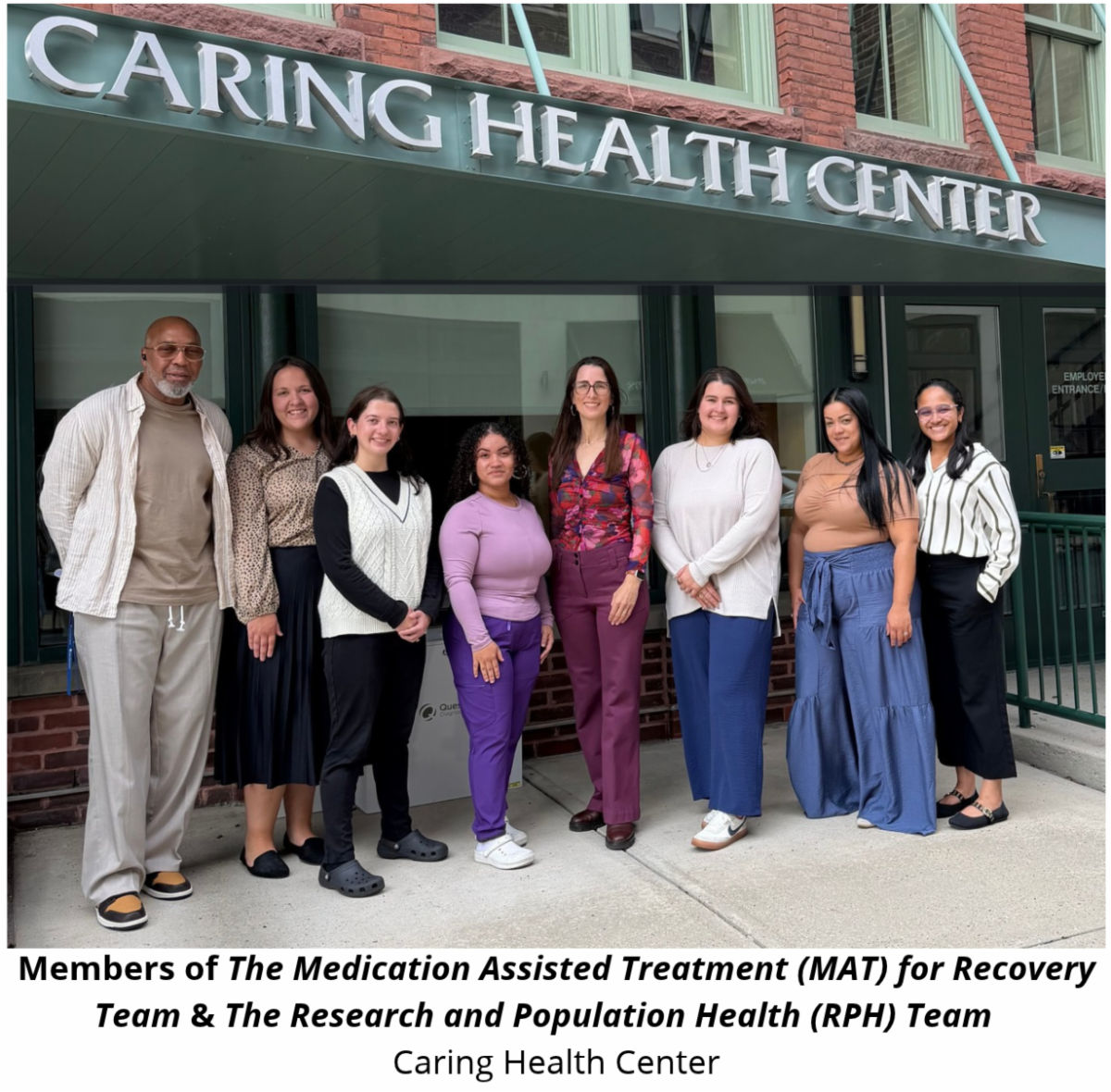
Caring Health Center's Medication Assisted Treatment (MAT) for Recovery Team & The Research and Population Health (RPH) Team: At Caring Health Center (CHC) in Springfield, we believe patient voices should be spotlighted and centered in deciding what kind of support works for them. People with lived experience bring a perspective that cannot be captured through research or clinical experience alone, and when they are included in the conversation from the beginning, or better yet leading it, programs are more likely to reflect what people actually need in their recovery. Their insight helps us understand stigma, challenges, and barriers to treatment, and it complements professional, evidence-based care by showing us what is effective in practice. Sometimes it starts with simply listening without judgement.
| |
We put this into practice by employing people with lived experience in leadership, direct care, and supportive roles, and by responding to the needs and feedback of the population we serve through our operational workflows and new funding opportunities. Our new SAMHSA-funded project, titled Next Step: Expanding Access to Integrated Opioid Use Disorder Care, was developed with this input in mind.
As part of it, we will be establishing a Recovery-Community Advisory Board (R-CAB) that will bring patients, community members, and staff with lived experience, whether their own or as a caregiver, friend, or family member of someone in recovery. Once launched, the R-CAB will help drive program implementation and patient engagement strategies. Our colleagues with lived experience serve as change makers from within, helping us improve workflows, de-stigmatize care, and meet people where they are. Dawn Rogers, CHC’s OBAT Recovery Nurse, shared, “When there is mutual understanding, it provides a little hope that there is not only life and existence in recovery, but a fulfilling one, without the boundaries many assume they may never cross.”
| |
IHE: Are there approaches to addiction treatment or recovery emerging from community health centers that you think deserve greater attention?
Brianne Smith: One approach that deserves greater attention is the practice of addressing substance use outside the walls of the health center through strong community partnerships. At Outer Cape Health Services, we work closely with local councils on aging, schools, public safety, and other health and human service agencies, recognizing that no single organization can meet the full range of needs of someone affected by addiction. Recovery does not happen only in the exam room or the counseling office; it happens in housing, in families, in workplaces, and in the relationships that help people feel connected and supported. By addressing needs holistically and helping people build community connections, we can reach individuals earlier, reduce stigma, and support them in the places where they live their lives. Our clinical services, including medical care, behavioral health, and medication treatment, are strengthened by outreach services such as our recovery coaches, who meet people in the community, help them navigate systems of care, and stay alongside them as they make progress. This blend of clinical care and community-based support creates a more connected, accessible, and person-centered model that community health centers are uniquely positioned to provide.
| | |
Allyson Pinkhover: I think the integration of primary care, SUD, and other specialty services commonly offered at community health centers is still very overlooked and undervalued. In settings people traditionally view as “treatment” or “rehab,” which are often solely focused on substance use and behavioral health, a person’s physical health often isn’t able to be addressed. This means that folks with SUD can miss important cancer screenings, management of conditions like hypertension, and care for conditions that significantly impact their quality of life, such as dental issues.
Because CHCs provide such comprehensive services in conjunction with treatment, there is still a lot of opportunity to advocate for reimbursement parity for SUD services offered at health centers, especially when those services are provided in nontraditional places such as carceral settings, mobile units, shelters, schools, and even on the street. Ultimately, our health centers are the safety net because of our dedication to ensuring access to care regardless of ability to pay, and the SUD treatment services we provide are a part of that.
| |
Erin Russell: I believe the integration of substance use treatment into comprehensive primary and behavioral health care deserves greater attention. Community health centers are uniquely positioned to provide this type of integrated care because patients can access multiple services within one organization and build relationships with a care team over time.
For populations experiencing homelessness or significant social and medical complexity, addiction treatment cannot be separated from housing, mental health, primary care, care management, and social needs. A patient may be medically stable in one moment and then experience a housing crisis, emergency department visit, psychiatric crisis, or relapse that significantly changes their ability to engage in treatment.
Community health centers can also provide a lower-barrier point of entry into care. Outreach, peer support, community health workers, harm-reduction approaches, medication treatment, behavioral health services, and care management can work together rather than functioning as separate programs.
Another approach that deserves attention is the importance of continuity after a crisis. Emergency departments and detoxification programs may stabilize a patient, but the transition back into the community is often where people become disconnected from care. Community health centers can serve as the consistent connection before, during, and after those transitions.
| |
Caring Health Center's MAT and RPH teams: Integrated, whole-person care deserves far more attention. Bringing primary care, behavioral health, oral health, recovery support, and specialty services together at a single access point removes many of the barriers that keep people from staying connected to care.
In the early stages of recovery, the readiness for care can be fleeting, so offering multiple services in one visit helps us meet that moment and dissolves some of the segmentation in patient care. As our Behavioral Health Practice Manager, Madison Dirats describes it, this means “one system, one chart, one treatment plan, one team, one office, one phone number; all the care an individual needs all in one community health center situated in the heart of their very own neighborhood.”
Sustaining this model takes both long-term organizational commitment and the people to carry it out. Dr. Cristina Huebner Torres, CHC’s Chief Executive Vice President, Strategy, and Research Officer, traces that commitment back to 2014, when integrated behavioral health services began with a HRSA Expansion grant. Since then, the work has expanded to include substance use disorder care, beginning with a Medication-Assisted Treatment (MAT) program that grew into an Office-Based Addiction Treatment (OBAT) program and, most recently, providing care for justice-involved community members. “Each of these steps is made possible by team members who bring compassion, respect, and evidence-based practice to the community and its evolving social and behavioral needs.”
In our Office-Based Addiction Treatment (OBAT) program, we are preparing to begin offering vaccinations, so patients won't need to return to a primary care provider on another day, when a missed appointment could mean a missed opportunity for care. Peer recovery support, community health workers (CHWs), and social care support are key components of making this work. People often need someone to help them understand their options, follow up with them, and make them feel comfortable coming back. For example, in an integrated model, a patient might mention to their peer recovery coach during a wellness call that they missed a diabetes management appointment, and the recovery coach can reach out to the clinical team to reschedule it before the call ends.
Our Next Step project will allow us to expand the reach of our OBAT services and build on community partnerships, including those with carceral partners, overdose prevention programs, and services supporting pregnant and postpartum individuals. We will also build on the work of our Transitions in Care for Justice-Involved program to strengthen pre-release transitional care services. Amber Beacham, the program’s Project Manager, explains that the approach centers on “using diverse avenues to connect with individuals who may need addiction or recovery services, and providing whole-person care once we connect with them,” while “bridging the gap between incarceration and community-based care through pre-release transitional care services and expedited intake to comprehensive health center services.” The period immediately after release is critical, and connecting people to care before they return to the community helps ensure they have support from day one.
| |
IHE: What emerging questions or innovations do you believe will be especially important for community health centers to know more about to support addiction and recovery?
Brianne Smith: One emerging area that will be especially important for community health centers to understand is how to effectively treat stimulant use disorders, particularly in rural settings. While we have effective medications for opioid and alcohol use disorders, treatment for stimulant use relies more heavily on behavioral and psychosocial supports, which makes coordinated, multi-partner approaches essential. At Outer Cape Health Services, we are developing innovative and collaborative treatment approaches to stimulant use disorders, and we are learning that geography shapes what is possible.
| |
In our rural area, limited transportation can make it difficult for people to consistently access care, so we cannot rely on a single site or a single provider to meet every need. Instead, we are finding creative ways to bring high-quality treatment to geographically remote individuals by partnering across agencies, sharing resources, and extending supports into the community. We believe this type of cross-agency collaboration is an emerging and promising trend for rural community health centers, and that the lessons learned will be valuable to other communities facing similar barriers to care.
Allyson Pinkhover: Right now, I think there is a significant need for health centers to understand how the ever-changing and volatile unregulated drug supply impacts our patients and the care they receive. Massachusetts has a strong existing infrastructure for drug checking and other monitoring of drug supply changes; however, there is still room for expansion and optimization in this space. For years, people who use drugs (PWUD) and providers existed in a setting where the drug supply was more predictable and the clinical research base for treatment largely aligned with trends in the “real world.” Now, we are in an environment where seminal clinical trials for medications for opioid use disorder no longer fully match a reality where fentanyl, its analogues, and other highly potent opioids exist. I think an important question is: are we still effectively treating OUD in a patient-centered way given the differences in patterns of substance use?
| | |
Alongside this, I think there is a lot of room for innovation in the quality of care we provide to patients in response to changes in the drug supply. Many health centers were able to quickly build up their clinical skills related to xylazine-associated wounds as xylazine emerged in the drug supply, and there is an opportunity to do the same for other drug supply contaminants. Just like we are continually adapting to new trends and research for other chronic health issues such as diabetes, hypertension, or cancer, we have the chance to do the same for our patients who are exposed to the unregulated drug supply. In this sense, we are really able to promote the development of medical services that meet the unique needs of PWUD and achieve more equitable care and health outcomes for this historically marginalized group.
Erin Russell: One important question is how we can better use data and technology to identify patients who may benefit from earlier intervention while still maintaining a person-centered approach. Community health centers have access to information across primary care, behavioral health, substance use, care management, emergency departments, and other systems. The opportunity is to use that information to identify patterns and intervene earlier rather than waiting for repeated crises.
We also need to better understand how to measure recovery and success. Traditional measures such as treatment retention or abstinence are important, but they do not always capture the full picture of a person's progress. Improvements in housing stability, engagement in primary care, reduced emergency department utilization, connection to behavioral health services, improved functioning, and increased stability can also represent meaningful progress.
Another area of innovation is how we maintain engagement with patients who have difficulty participating in traditional treatment models. Flexible care, outreach, telehealth when appropriate, community-based services, peer support, and care management may provide additional pathways into recovery.
Caring Health Center's MAT and RPH teams: A patient-centered, holistic, trauma-informed, and empathetic approach to care is essential, and reducing stigma remains central to it. Progress is being made, but there is more work to do.
| |
Normalizing addiction as a medical condition with effective treatments and a real path to recovery helps create a welcoming space where healing can begin. That means meeting people where they are in the community and in their recovery journey, building trust, and offering stigma-free, wraparound care.
An important question for community health centers is what helps people stay engaged in care, rather than focusing only on standardized initiation and engagement measures. Traditional scheduled appointments don't work for everyone, and part of good treatment is being there when someone is ready. Peer-based support systems are a promising way to do this. They offer a recovery experience beyond formal treatment and scheduled visits, allowing people to connect with someone who has lived a similar experience and speaks a common language, without the pressure of meeting with a provider.
Another important question is how to better support justice-involved individuals as they transition back into the community. As Sheirly Cruz, Transitions in Care Coordinator, shares, “When individuals are released, they can feel lost for a while because there are so many things they have to figure out. I think community health centers should look more into ways to make this transition easier, like having services in one place.” Patients she works with have said that having everything in one place has been very helpful.
Our work with the community reinforces the value of connection. We partnered with the IHE on the RIZE Up study, which examined the facilitators and barriers to substance use disorder (SUD) care in our community. As part of the study, we interviewed several community-based organizations (CBOs) in Springfield, and we heard strong interest in building a recovery network and referral pathways to support better, more coordinated care. This points to an opportunity for community health centers to serve as connectors, strengthening the relationships and pathways that help people move between services and stay supported in their recovery.
IHE: What unique insights can community health centers contribute to the science of addiction and recovery that might be missed in traditional research settings?
| |
 | | Brianne Smith: Community health centers offer insights that are often missed in traditional research settings because we are embedded in the communities we serve. Culture is a critical factor in how people understand substance use, seek help, and define recovery, and it shapes what prevention and treatment look like in practice. Because health centers work daily alongside patients, families, and local partners, we are positioned to be reflective and responsive to community needs in real time, recognizing shifts in substance use patterns, emerging barriers, and cultural considerations as they happen rather than years later through a formal study. Our work also highlights the value of qualitative data. Patient stories, feedback, and lived experiences reveal how community-based and community-supported treatment affects people's sense of dignity, connection, and hope, and these are often the factors that determine whether someone stays engaged in care. By bringing these real-world perspectives into the conversation, community health centers can help ensure that the science of addiction and recovery reflects the full picture of what works for people in their own communities.
Allyson Pinkhover: This is such an important question and concept! By nature of its design, traditional research is often several degrees removed from being embedded in the communities it ultimately aims to study. This can lead to a disconnect between research questions and topics and the findings that are useful in practice at community health centers. By serving as a bridge between communities, patients, and research, CHCs have incredibly unique opportunities to help shift the power differentials that exist between researchers and communities, and to ensure that research is representative of the real people, problems, and providers that serve those most often omitted or excluded from research. This dynamic is especially important when we think about addiction and recovery because of its intersection with racism, classism, sexism, and other forms of discrimination.
| | |
So often, our patients experience a multitude of social realities that prevent them from being able to access health care, harm reduction, treatment, and resources to support their health-related social needs. By ensuring they are represented in the research base, CHCs can help promote more equity-focused best practices for PWUD and those in recovery.
Erin Russell: Community health centers see addiction and recovery in the context of people's entire lives. We work with patients who may be experiencing homelessness, mental health concerns, chronic medical conditions, trauma, poverty, social isolation, and other barriers at the same time. This provides an important perspective that can be difficult to capture in traditional research environments.
We also see what happens between clinical encounters. We see when a patient loses housing, misses an appointment because of transportation, leaves the emergency department without a connection to follow-up care, or re-engages with services after a period of instability. Those experiences provide valuable information about why people disengage from care and what helps them return.
| |
Most importantly, community health centers can help bring the patient's voice into the science. Our patients can tell us whether a program is accessible, respectful, culturally responsive, and actually useful in their lives. Combining that lived experience with clinical data and outcomes can provide a more complete understanding of what recovery looks like and what services truly help people achieve greater stability and health.
Caring Health Center's MAT and RPH teams: Community health centers see things that may not always be seen in traditional research. Because we care for people in the context of their whole lives, we can look at social determinants of health and the other factors that shape recovery, including housing, family circumstances, transportation, trauma, employment, insurance, and past experiences with the healthcare system.
Community health centers are also structured to provide wraparound services, harnessing the strengths of multiple specialties to collaborate on holistic plans of care.
This close, day-to-day connection with the people we serve helps us understand what gets in the way of accessing treatment and what might open the door. As Ashley Naginewicz, Chief Behavioral Health Officer, shares, “We can better understand the challenges that may prevent someone from accessing treatment (transportation, no ID, insurance gaps, childcare, etc.) or needing different treatment modalities, i.e., telehealth to initiate and get 'foot in the door' versus a traditional office visit.”
| |
Our setting also allows us to test strategies for best serving patients in real time through workflows and quality improvement efforts. The result is practical, patient-centered knowledge about what works in the real world, not just under controlled research conditions.
There is significant opportunity to build on this. Vrinda Prakash, Vice President of Research and Population Health, notes, “FQHCs are uniquely positioned to lead research that reflects the communities they serve. By investing in FQHC-led research models using implementation science and QI-focused evaluation and frameworks, we can identify best practices in care delivery and translate what we learn into better outcomes for patients and strengthen the science of SUD care and recovery.”
| | |
Brianne Smith is a clinical social worker and Director of Social Services at Outer Cape Health Services. In her work at the health center, she has overseen community based outreach efforts, clinical behavioral health services and recovery services, including their innovative Community Resource Navigator (CHW) program that has been recognized by HRSA as a best practice. She earned her B.A. from Providence College in History and her Master’s in Social Work from Boston University. Brianne has been working in the human service field on Cape Cod since graduating from college and has been living in Harwich since 2008. Learn more about Social Services at Outer Cape Health Services. Learn more about the services offered at Outer Cape Health Services.
Allyson Pinkhover serves as Director of Substance Use Services at Brockton Neighborhood Health Center, where she leads an interdisciplinary team delivering office-based addiction treatment, mobile addiction services, perinatal SUD programming, shelter-based care, and reentry services. A Doctor of Public Health candidate in Health Equity and Social Justice at the Johns Hopkins Bloomberg School of Public Health, her dissertation focuses on the impact of drug checking on harm reduction services and clinical care for people who use drugs in Massachusetts. She also serves as Chair of the Town of Holbrook Board of Health and Opioid Settlement Advisory Committee, advancing evidence-based local public health policy and responsible use of opioid abatement funds. Learn more about Substance Use Services at Brockton Neighborhood Health Center.
Erin Russell is a Licensed Independent Clinical Social Worker with a background in behavioral health and community-based social work. Her career has included clinical practice, supervision, program development, and leadership, with a focus on creating accessible, integrated services for individuals and families. She currently serves as Senior Director of Behavioral Health at Duffy Health Center, where she provides strategic and operational leadership across a range of behavioral health programs and services and works collaboratively with staff and community partners to strengthen care and support within the community. Learn more about Behavioral Health Services at Duffy Health Center.
Caring Health Center's Medication-Assisted Treatment (MAT) for Recovery Team, led by Dr. Ashley Naginewicz, Chief Behavioral Health Officer, provides culturally responsive, integrated care that meets clients where they are. The team includes a Behavioral Health Practice Manager, MAT Nurse, MAT Medical Assistant, Licensed Behavioral Health Clinicians, a Peer Recovery Specialist, a Psychiatric APRN, and Champion MAT Primary Care Providers. Many bring lived experience alongside their clinical expertise. In a respectful, non-judgmental environment using trauma-informed and strength-based approaches, the team works with each client to build a treatment plan that fits their medical, behavioral health, and recovery needs.
| |
The Research and Population Health (RPH) Team at Caring Health Center is led by Dr. Cristina Huebner Torres, Chief Executive Vice President, Strategy and Research Officer. The RPH Team complements clinical care by delivering a range of public health programs, including social care initiatives, digital navigation, outreach and enrollment, sexual and reproductive health, transitions in care for justice-involved populations, and wellness and chronic disease management. The team also leads several community-responsive research projects and drives quality improvement efforts at Caring Health Center.
Members of the MAT and RPH teams of Caring Health Center pictured in the photo are (from left to right):
• David J. Smith, MEd, CCHW - Behavioral Health Community Health Worker
• Amber Beacham, MPH - Project Manager, Transitions in Care for Justice Involved Populations
• BriAnna Nixie, MPA - Project Manager, Obstetrics, Gynecology, & Reproductive Health
• Marielys Berrios - Certified MAT Medical Assistant
• Cristina Huebner Torres, PhD, MA - Chief Executive Vice President, Strategy and Research Officer
• Madison Dirats, MEd - Behavioral Health Practice Manager
• Sheirly Marie Cruz Torres, CCHW - Transitions in Care Coordinator
• Vrinda Prakash, MPH, BDS - Vice President, Research and Population Health
Learn more about behavioral health services at Caring Health Center.
| MGB Substance Use Disorder Equity Grant Partnership with The Mass League | |
In 2023, The Massachusetts League of Community Health Centers partnered with Mass General Brigham and Boston area community health centers to advance equitable SUD related services and supports for the Black, Latine, and Native and Tribal community members. Current overdose and treatment data highlight the continued impact of inequities experienced among BIPOC communities and this grant seeks to impact those inequities.
As a first step the Mass League conducted a large-scale community needs assessment designed to elicit perspectives about SUD related services at health centers and how those could potentially be improved. The League met with hundreds of people, dozens of whom had lived experience, in focus groups or individually inclusive of CHC staff and patients, Community Based Organizations, faith-based communities, Recovery Support Centers, community and neighborhood leaders, and others. The information from the needs assessment was used to directly inform development and implementation of the funding opportunities for the CHCs.
| |
As part of this collaboration, the Mass League received a generous, five-year grant to support these health centers to focus on three main priorities: Hiring a full-time SUD Community Engagement staff to build community trust, increase education and awareness of substance use, and the expansion of substance use services and engage in the development of welcoming workspaces promoting fairness and respect initiatives site-wide.
We are approaching the last year of this five-year grant where we were able to provide 10 Boston health centers with different funding amounts for a span of 1-4 years. The health centers have done and will continue to do exceptional work with this partnership.
As Boston has recently seen a reduction in fatal overdoses, the CHCs have played a role in this important work. Community Engagement staff have represented health centers at city-wide and state-wide events, tabled and presented in various community settings to community leaders and stakeholders about substance use, overdose prevention strategies, and recovery and ultimately how to reach the services available at their respective health centers. Some research shows that the more deeply Narcan is distributed in the community, inversely overdoses decrease.
The grant funded the CHCs during the most recent year alone offered overdose prevention trainings and distributed more than ~8000 kits of Narcan to various community members, businesses, and patients to support the community in responding to a potentially fatal overdose. Their commitment to providing community responsive care has led to several intentional community offerings including Bowdoin Street Health Centers first recovery support groups: Journey to Recovery with Motivated by Math a community leader and artist that interconnects his own experience to help others do the same and the first Cape Verdean speaking recovery group at a health center setting facilitated by a Cape Verdean speaking Recovery Coach. To learn more about the recovery groups at BSHC, you can reach out to Kendra Benttinen (kbenttin@bidmc.harvard.edu), BSHC Community Health Specialist.
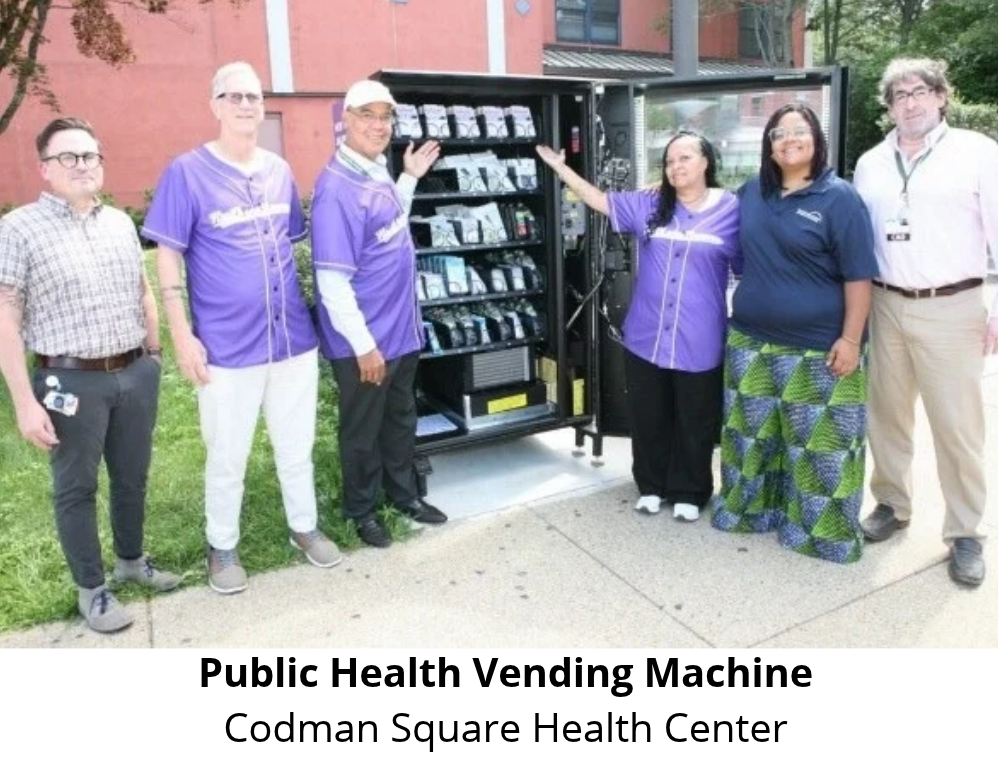
The CHCs have also collectively expanded access to treatment via improving various workflows and practices and engaging in SUD specific training with outcomes showing an increase in the number of people screened for alcohol and drug use disorders at CHCs, a doubling in the percentage of CHC patients engaged in treatment following this screening and obtained Naloxone kiosks, public health vending machine or both on their sites to increase access to public health supplies. Examples of antibias initiatives they enacted site-wide are the updating of policies to create a much more welcoming environment for health center staff and patients, creating trainings and implementing programs to increase psychological safety and reduce retention for staff and support quality improvement strategies to make patient data more representative.
| |
Darian Leta, MPH, (She/Her/Ella) is an Afro-Dominican and Puerto Rican community health advocate born and raised in Boston. A Community Health Worker by training, Darian currently serves as the Senior Manager for Substance Use Disorder and Recovery Initiatives supporting Community Health Centers in building capacity for equitable substance use service delivery. She is committed to providing the best health services in Boston, nationally and globally focusing on infectious diseases, community health education, and patient-centered program development.
Darian's community work includes coalition building around food insecurity, affordable housing/anti-gentrification, violence prevention, abolition and other social determinants of health.
Learn more about the MGB SUD Equity Grant.
| | Featured Programs & Resources for Recovery Services at Massachusetts Community Health Centers | | |
Community Health Centers offer programs and resources that are critical for supporting recovery in communities across the Commonwealth.
Nearly every health center in Massachusetts offers access to treatment utilizing medications for AUD/OUD as well as counseling services, with a growing number incorporating Recovery Coaches within care teams.
Here is a list of some programs and resources at community health centers in Massachusetts:
Community Health Center of Cape Cod
- Recovery Services: Includes medications for opioid use disorder (MOUD) that serve people who need assistance with recovery from substance use in a compassionate environment. Medication for opioid use disorder program for substance use disorder uses Suboxone, Sublocade (injectable Suboxone) or Vivitrol. Services also include weekly visits with a combination of certified physicians, registered nurses, behavioral health clinicians and support staff, and education for maintaining a healthier lifestyle. Learn more.
Duffy Health Center, Hyannis
-
Cape Teens Rising (Formerly Alternative Peer Group): A 6-month treatment program for Cape Cod teens struggling with substance use challenges. Teens in the APG program face their substance use challenges with the expert guidance of a Licensed Mental Health Counselor, a Family Therapist, a Recovery Coach and a Peer Mentor with lived experience. Learn more.
-
Dads in Recovery: A supportive group for fathers navigating recovery while raising children. This program provides a safe and welcoming space to connect with other dads who understand the unique challenges and strengths that come with parenting in recovery. Participants have the opportunity to connect with other fathers in recovery, share experiences in a supportive, judgement-free environment, explore parenting strengths and challenges, and build a strong support network. Learn more.
| |
Family HealthCare Center at SSTAR, Fall River
-
SSTAR (Stanley Street Treatment and Resources) Prevention Program: Supports young people and their families by utilizing data informed strategies to implement and evaluate programming, policy, and practice change to areas in Fall River, Taunton, and the surrounding cities and towns. All collaboration efforts are grounded in Positive Youth Development, which builds on the strengths of the individuals and families to create healthier communities. Prevention efforts emphasize the importance of physical and mental health and wellness. Learn more.
-
BOLDER (Building our Lives Determined Empowered and Resilient): Focuses on enhancing protective factors that help build better communities, support families, and promote health and wellness initiatives that specifically address substance use prevention and positive youth development from ages birth to eighteen. Learn more.
-
Lifeline Methadone Treatment Program: Main purpose of the program is to assist persons whose lives are disrupted or at serious risk of disruption through the use of opiates. The goal is to provide evaluation, treatment, and continuum of services to all who seek services regardless of their socioeconomic or health status. Lifeline provides treatment with medical staff specializing in opioid addiction and to offer clinical specialized treatment for all substance disorders, mental health, domestic violence, and other types of trauma. Learn more.
- Clinical Stabilization Service: Inpatient substance unit for individuals not requiring detox who have a substance use disorder and/or co-occurring mental health disorder. Provides services that enhance motivation and encourage recovery through successful linkage to aftercare. Treatment includes individual and group counseling, education, case management, comprehensive individualized assessment, individual treatment planning, and nursing services. Learn more.
- Acute Treatment Services: ATS-Detox unit manages acute withdrawal and prepares patients to continue their recovery by alleviating acute physical and emotional dysfunctions that have resulted from their substance use. Provides medically monitored detoxification and stabilization to individuals that are dependent on alcohol, opioids, or benzodiazepines. Learn more.
| | |
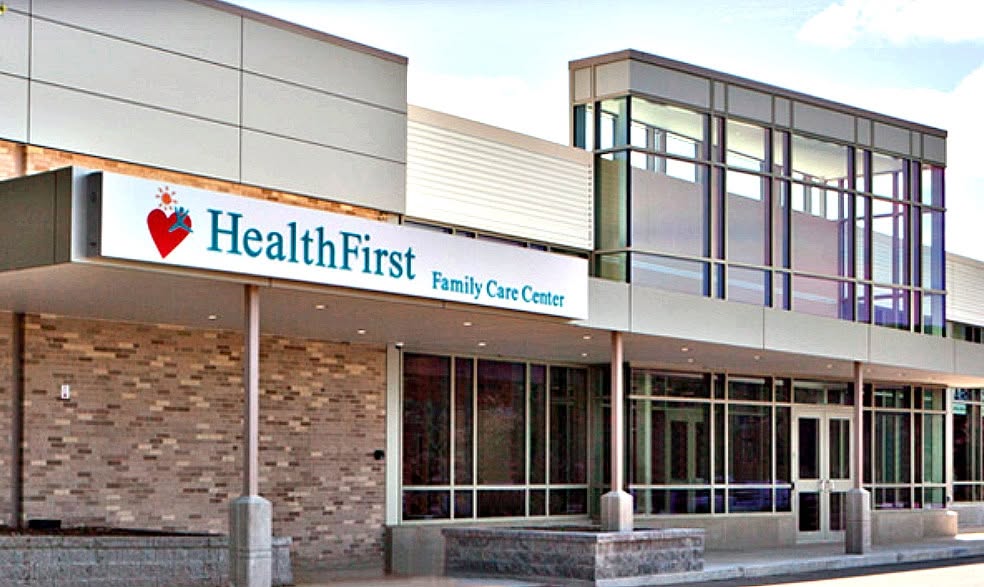
HealthFirst Family Care Center, Fall River
-
HealthFirst Opioid & Alcohol Recovery (OAR) Program: A structured office-based addiction and alcohol treatment and recovery program utilizing suboxone, sublocade, naltrexone, and vivitrol medication for opioid, heroin, and alcohol use disorders. Patients are provided with individual, couples, family, and group counseling to help patients maintain their recovery and assist their loved ones in understanding substance use disorder treatment. Learn more.
Holyoke Health Center, Holyoke, Chicopee, and Westfield
- Recovery Spot/El Punto: A community space offering group and individualized services to support people living in recovery. Services include group based opioid treatment, recovery support, tobacco cessation, and other community resources. Learn more.
Lowell Community Health Center
- Overdose Prevention (PASS) Program: Anyone in the community can access nasal naloxone (Narcan), which can help reverse the effects of an opioid overdose. Learn more.
Lynn Community Health Center
- Buprenorphine (Suboxone) Urgent Access: Same-day access to buprenorphine (suboxone) prescription. Learn more.
Outer Cape Health Services, Harwich Port, Provincetown, and Wellfleet
- Structured Outpatient Addiction Program (SOAP): An intensive outpatient program that offers focused counseling on a wide range of recovery and relapse prevention topics. SOAP patients receive group counseling 3 days a week, as well as weekly individual sessions and ongoing case management. Also incorporate presentations from partner agencies in the community on services such as employment, benefits, housing, education, and legal advocacy. Patients generally engage in the SOAP program for 1-2 months. Learn more.
- Recovery Coaching: A 1:1 peer-based service providing assistance to those seeking to support their own recovery from substance use disorders. Recovery Coaches are most often in recovery themselves and therefore offer the live experience of active addiction and successful recovery. They focus on helping individuals to set and achieve goals important to recovery. By supporting multiple pathways of recovery, Recovery Coaches assist individuals to build recovery capital to help achieve overall wellness. Learn more.
| | |
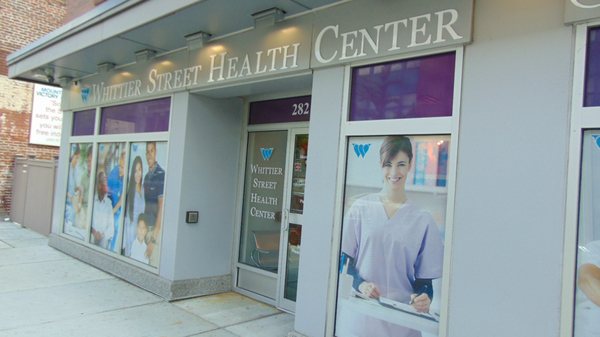
Whittier Street Health Center, Roxbury
- Moms Do Care: A free program providing services for pregnant and parenting women (PPW) with opioid use disorder (OUD). Moms Do Care provides an integrated system of medical and behavioral health care that includes recovery, postpartum and early parenting support. Participants partner with recovery coaches (individuals with lived experience), care navigators and medical/behavioral health providers trained in working with PPW with OUDs. Whittier provides prenatal and pediatric care, one-on-one and group therapy, and education and support for caring for substance exposed newborns. Peer-to-peer and recovery coach support are offered to each patient. Integrated, multi-disciplinary team addresses the multiple medical and social needs of the program participants, identifies and helps patients overcome barriers to treatment, and assists with referrals to services such as housing, mental health, insurance, transportation, resources for food and clothing, and other necessities. Learn more.
| | |
Please, let us know if you would like to share additional information or additional health center resources and programs.
Write to us at IHE@massleague.org.
| |
Perinatal Data Learning Collaborative | |
The Perinatal Data Learning Collaborative 2, launched in September of this year, is scaling the learning and partnering established in PDLC 1 with NeighborHealth and Brockton Neighborhood Health Center to improve perinatal health with data tools.
PDLC 2 includes HealthFirst, Greater New Bedford Community Health Center, South Boston Community Health Center, and Lowell Community Health Center along with guidance from the PDLC 1 health centers.
| |
In August, at the National Association of Community Health Centers (NACHC) CHI, IHE's Cheryl Clark, MD, ScD, and Jeff Nicklas, PhD, presented along with Monica Mendiola, MD, and Mimi Gardner of NeighborHealth and Joseph Panerio-Langer, MD, of Brockton Neighborhood Health Center, about how health centers are transforming perinatal care via the first iteration of the Perinatal Data Learning Collaborative.
We are thankful for the leadership of Sue Ghosh, MD, MPH, at NeighborHealth, Michelle Hoffman and Susan Wente at Brockton Neighborhood Health Center, Damaris Gomera and Kemi O'Gunkola at the Community Technology Collaborative, and Amanda Pickett at IHE for their leadership in the Perinatal Data Learning Collaborative.
Check out the video recording of the NACHC CHI session here: Responding to Community Needs Through Health Center-Led Science - PDLC.
| |
American Evaluation Association Conference
Evaluating Training and Technical Assistance Programs for Health Center Workforce Enhancement
| At the American Evaluation Association 2026 conference in November, the Mass League Workforce and IHE will present our approach to evaluating training and technical assistance programs in federally qualified community health centers. | |
We will share best practices for enhancing robust and rigorous participatory evaluation methods, and describe the importance of training and technical assistance programs to enhance health center workforce.
|
| IHE September Newsletter Feature | | |
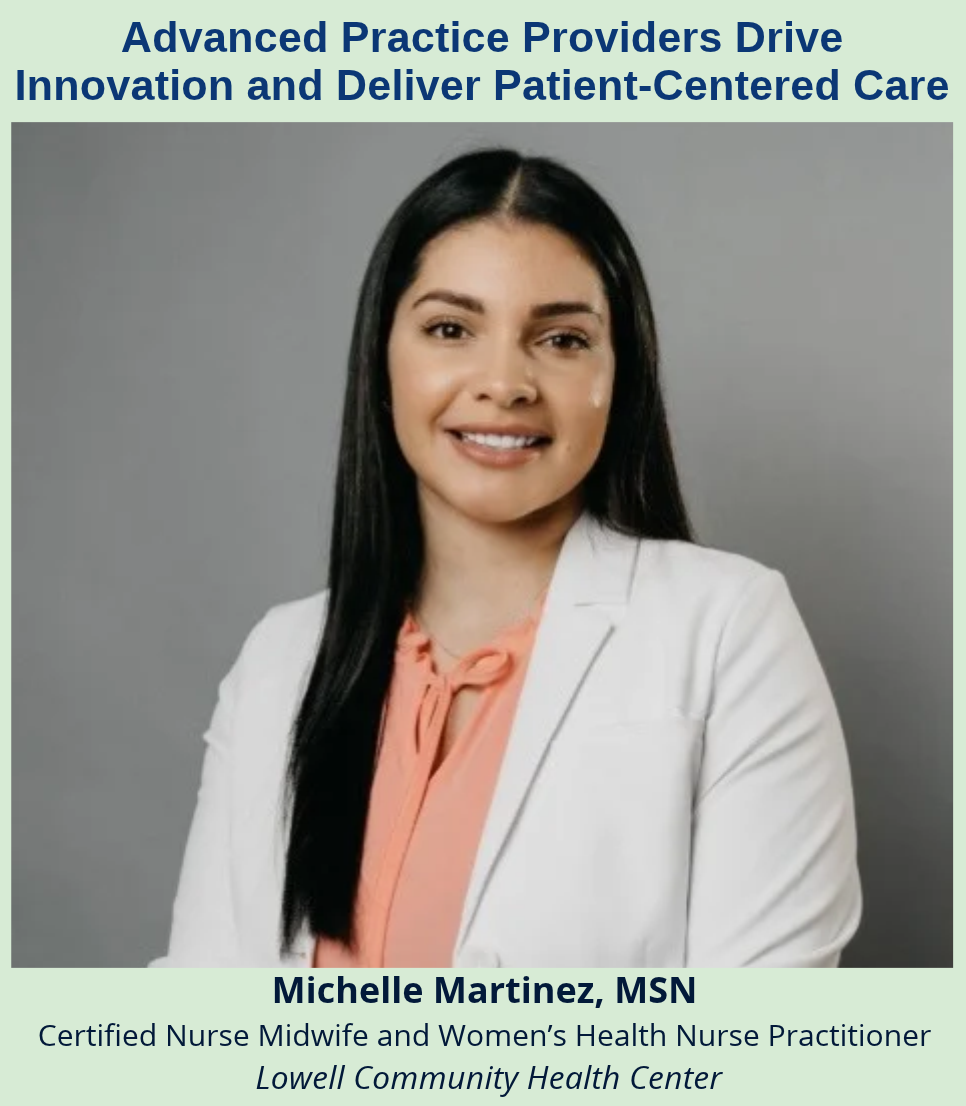
This past September, the Institute for Health Equity Research, Evaluation, and Policy, Inc. (IHE) celebrated National Advanced Practice Provider Week, September 21-25, 2026.
Advanced Practice Providers (APPs) are licensed healthcare professionals who have completed advanced education and training and are qualified to perform many of the same duties as a physician.
| |
To celebrate APP Week, we interviewed Michelle Martinez, MSN, a Certified Nurse Midwife and Women’s Health Nurse Practitioner at Lowell Community Health Center, where she provides care in obstetrics, gynecology, and family planning. In the interview, we hear about how APPs drive innovation and overcome obstacles to deliver excellent care within community health center settings.
We also featured the work of the MA Repay Program, a program that has been essential to supporting and retaining APPs in the health care workforce and is administered by the Mass League on behalf of the Executive Office of Health and Human Services (EOHHS). The Mass League's MA Repay team is led by Joe Atchinson, Vice President of Loan Repayment Operations, and Alexis Murray and Pam Madden, Directors of Program Operations for Loan Operations.
Read the full newsletter.
| | The Institute for Health Equity Research, Evaluation, and Policy | |
In 2023, The Massachusetts League of Community Health Centers (Mass League) created the Institute for Health Equity Research, Evaluation, and Policy, Inc. (IHE), a 501(c)(3) non-profit organization designed to support Health Center-led Science driven by community health centers.
IHE convenes communities and supports the scientific infrastructure, implementation, program evaluation and training needed to identify and sustain the most effective strategies for attaining equity in health and healthcare, as defined by those with lived experience of health inequities.
Learn more about IHE on our webpage of the Mass League website and on our LinkedIn page.
| | | | |