News and information to help journalists serve the public and stay safe.
|
|
Journalists prize investigative work for the impact it has: unearthing risk and damage, holding the powerful to account, changing laws and changing lives. But investigative journalism jobs have long been the province of veteran reporters, usually white and male. As newsrooms commit to diversifying their teams, investigative journalists can better reflect underserved communities that have traditionally been harmed by systemic problems yet to be exposed.
Join moderator
Manny Garcia
, senior editor for the ProPublica-Texas Tribune Investigative Initiative;
Maria Perez
, investigative reporter at the Milwaukee Journal Sentinel; and
Cheryl W. Thompson
, investigative correspondent for NPR and president of Investigative Reporters and Editors, for this program from the
News Leaders Association
and Journalism Institute.
|
|
When the coronavirus, an economic downturn, and the aftermath of George Floyd’s killing came to Ann Arbor, the only daily newspaper to capture its local impact was run by students at The University of Michigan, which has no journalism school.
We reached out to
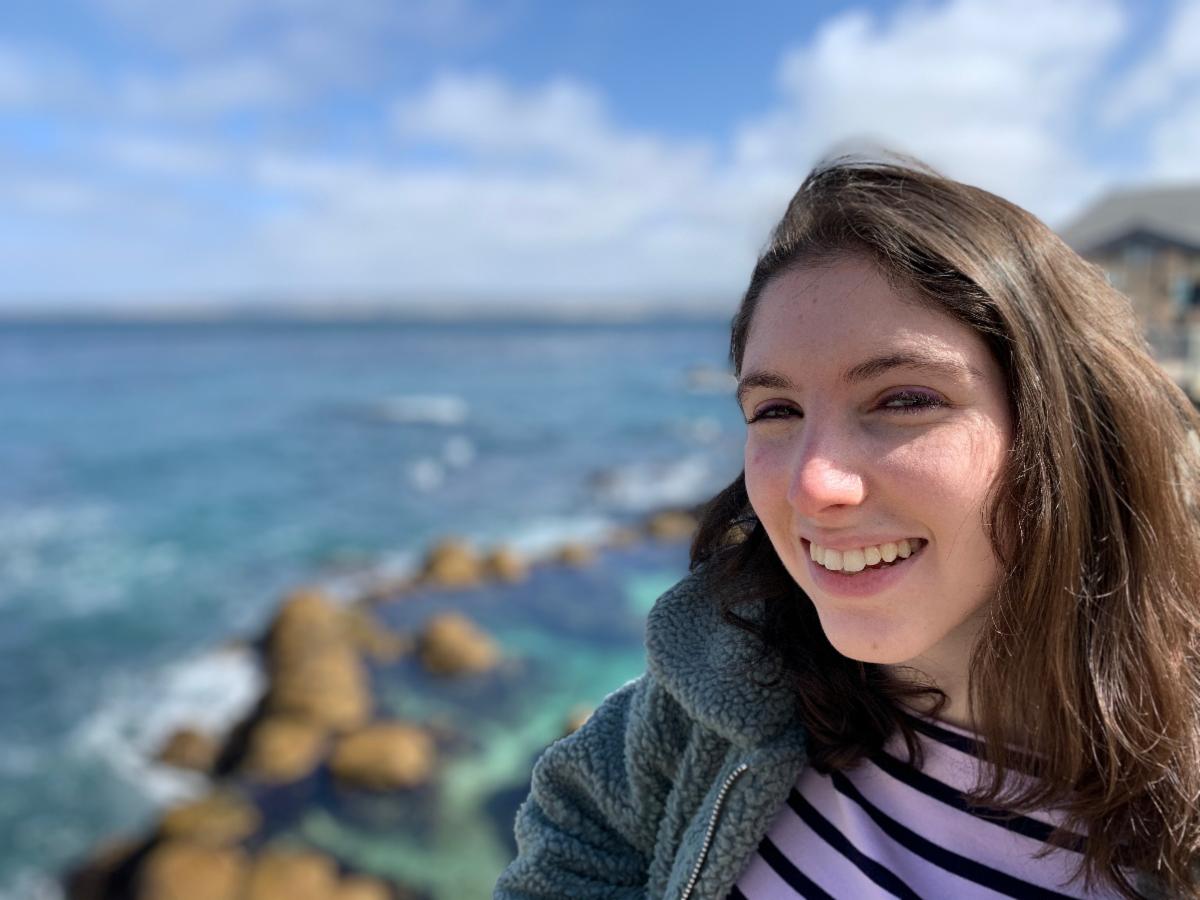
Elizabeth Lawrence (pictured)
, The Michigan Daily’s editor in chief for the past spring semester and the upcoming fall semester, to learn how the paper has fared and how it’s preparing for September.
The Daily has been the main news source in the community for some time. According to the NYT, you have an endowment to support you financially, but how has the current economic crisis associated with COVID affected your financial health? What adjustments have you had to make?
Lawrence
: We’ve definitely been hit hard financially, as everyone has. Revenue from advertising has dried up considerably as local businesses struggle. The University has also instructed its departments to cut down on expenses, so a lot of our advertising accounts from the University have also dried up. Our special projects, like a Baby Ads book for graduating seniors and our
Orientation Issue
for incoming freshmen, have been huge money makers for us. The summer staff has still published them and sent them out to families, but it was harder to carry out for sure. We’ve had to adjust our budget considerably. This has also propelled us further along a conversation we’ve already been having about our business model. We’re having to evaluate our print and digital products, and making plans to create a more sustainable model.
Lawrence
: The Daily is definitely included in that reckoning. We are, and have historically been, majority white and straight. For the past couple of years we’ve sent out demographic surveys, and we just sent out another one a few weeks ago. We’ve never released the results publicly but will be doing that this summer after being inspired by a few other student papers. There’s much more to be done, though, and I’ve been meeting with our Access & Inclusion chairs every couple of weeks to plan for workshops and strategies to employ in the fall to improve our culture. The Daily has been having these conversations — about diversity of staff and coverage, and ensuring marginalized folks within and outside the newsroom are being listened to and uplifted — for some years now. But this moment has given them renewed urgency.
When the pandemic hit and schools shut down, how did The Daily adjust? Did student journalists stay in town to carry out their news gathering?
Lawrence
: A good portion of our staffers left Ann Arbor in March to finish the semester off remotely. The freshmen, and some sophomores who lived in dorms, had no choice because the University pushed everyone out of residence halls unless they truly had no alternative. Many of the upperclassmen who had off-campus housing stayed in town, but all of our operations were remote. We held daily Zoom editor meetings to discuss each day’s content, uploaded stories 24/7 on our website and worked Sunday through Thursday to create a PDF paper. The podcast team was able to get into our newsroom to record a limited series about COVID-19, but other than that, we ceased all in-person gatherings. Most reporting happened remotely over the phone or on Zoom.
Our summer staff - which is led by the summer editor in chief, Emma Stein - has had more in-person assignments with Black Lives Matter protests and businesses reopening. A fair number of them are in Ann Arbor or the surrounding area.
|
|
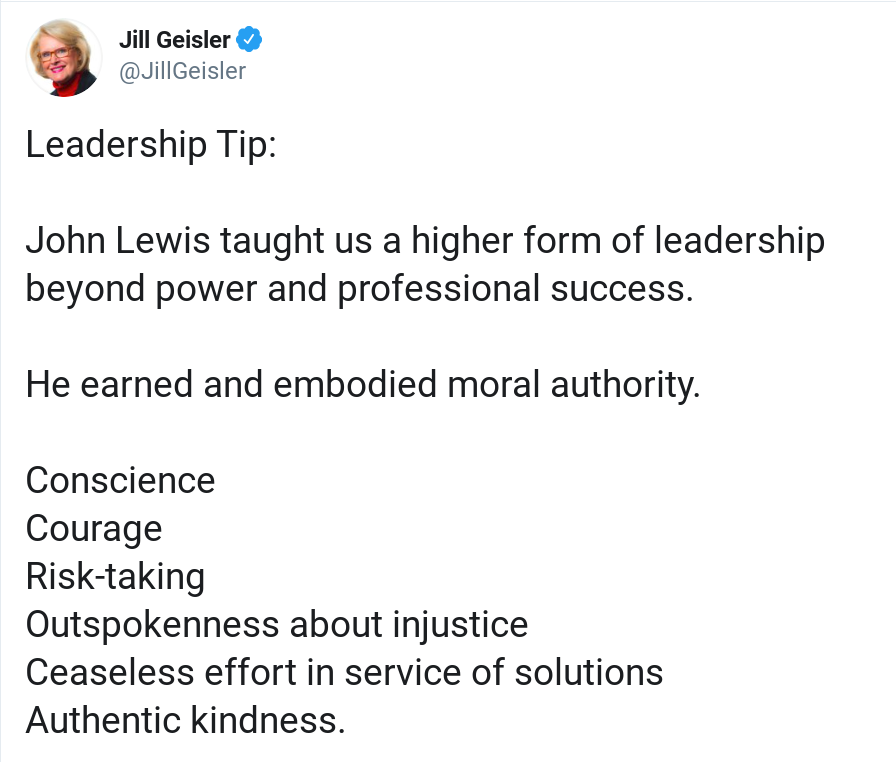
What journalism leaders can learn from John Lewis's work
|
Advice from
Jill Geisler
, Bill Plante Chair in Leadership & Media Integrity, Loyola University Chicago Freedom Forum Fellow in Women’s Leadership
|
|
|
Yes, it’s a heat wave. But you don’t have to become a WFH puddle in a poorly air-conditioned work space.
- Dress down. You’re working remotely. Wear shorts, go barefoot.
- If you have a ceiling fan, set it to turn counter-clockwise to push cool air down. Don’t bother running a fan in an empty room — fans cool you, not the space.
- Improvise your air conditioning. Place a bowl of ice in front of a desk fan by your computer.
- Cool your extremities. Your wrist, your feet, your neck have pulse points. Apply a cool damp cloth on the back of your neck or a ziplock bag of ice at your feet.
- Hydrate. Increase your water intake, reduce caffeine. Avoid the temptation to over-ice your drink. Aim for 50 to 60 degrees.
- Draw the shades down. The bright sun can heat up a room. It may be dark and a bit gloomy, but you will be cooler. If you have cross ventilation, open windows.
- If you can, change your working hours. Get up earlier and hit your workspace before 7 a.m. Take a nap or go for a short (air conditioned) drive during peak heat.
- Beware of your electronics. Unplug accessories you are not using, including chargers — they generate heat. Set your laptop on a table, not your lap. Turn off lights.
- Use a microwave or outdoor grill, not the stove. Or choose no-cook recipes.
|
|
Some voices rise and echo, and others never penetrate the noise that surrounds us. Having an important platform — like the New York Times or L.A. Times — can amplify perspectives. In this program, L.A. Times editorial page editor
Sewell Chan
, Pulitzer Prize-winning New York Times reporter
Nikole Hannah-Jones
, New York Times Magazine editor-in-chief
Jake Silverstein, and
L.A. Times columnist
Erika Smith
will describe:
- How to make yourself heard
- How to work with an editor or writer to hone a point of view
- How to pitch (& catch) a column or opinion piece
|
|
This newsletter is written & edited by the National Press Club Journalism Institute staff: Beth Francesco, Holly Butcher Grant, Jim Kuhnhenn, and Julie Moos.
Send us your questions and suggestions
for topics to cover.
|
|
|
|
|
|
|