|
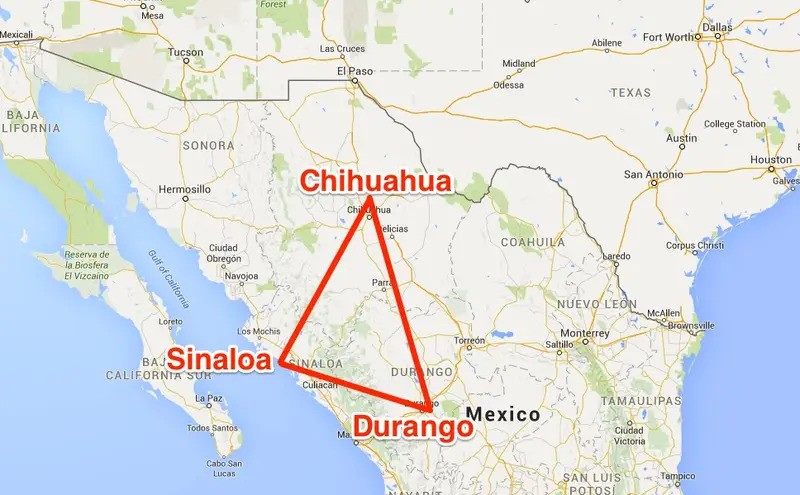
The Sinaloa Cartel (CDS) has long been recognized as a powerful and highly influential drug trafficking organization (DTO) in Mexico and across the Western Hemisphere. Its rise to dominance can be traced to the historical context of the ‘Golden Triangle’—the remote, mountainous regions of Sinaloa, Durango, and Chihuahua—where small-scale marijuana and opium farming became entrenched due to poor state presence following the Mexican Revolution. Over time, these peasant-led operations evolved into complex narcotics networks, partly in response to rising demand from the United States.
What set Sinaloa apart was its ability to corporatize the Mexican drug trade. Its leaders, including Miguel Ángel Félix Gallardo and later Joaquín "El Chapo" Guzmán, built extensive corruption networks and alliances that allowed them to dominate not only the production and trafficking of narcotics but also political and military institutions on both sides of the border.
Following the 1989 arrest of Félix Gallardo and the dissolution of the Guadalajara Cartel, the Sinaloa Cartel emerged as a leading organization with the likes of "El Chapo" Guzmán, Ismael "El Mayo" Zambada, and the mysterious Juan José Esparragoza Moreno ("El Azul"). These leaders established the Sinaloa Cartel’s firm grip on major trafficking routes, ports, and border points, making it a dominant force in the global drug trade.
However, the Sinaloa Cartel has not been immune to internal divisions. The arrest and extradition of "El Chapo" in 2016 set off a gradual split within the organization, as his sons—known collectively as "Los Chapitos"—attempted to wrest control from longtime cartel leader Ismael "El Mayo" Zambada. This divide led to the formation of two factions: "La Chapiza," loyal to "Los Chapitos," and "La Mayiza," loyal to "El Mayo." Each group controls significant portions of the Sinaloa Cartel’s territory, with "Los Chapitos" overseeing the western half and "El Mayo" controlling the eastern side.
Despite this internal fracture, the Sinaloa Cartel remains a dominant force in Mexico’s drug trade. Both factions continue to coordinate trafficking operations, with La Chapiza and La Mayiza competing for control of key plazas and strategic territories, including important trafficking hubs along the U.S.-Mexico border and ports in the Pacific.
Impact of the Split and Current Cartel Dynamics
The split between "La Chapiza" and "La Mayiza" highlights a broader challenge facing organized crime in Mexico. The decentralized nature of the Sinaloa Cartel allows it to absorb internal strife, but the recent power struggles between factions have sparked waves of violence, particularly in Culiacán, the cartel’s stronghold. Rival groups like the Jalisco New Generation Cartel (CJNG) have been quick to capitalize on this instability, attempting to encroach on Sinaloa territory, resulting in brutal turf wars.
TRAC analysts suggest that this deepening split has profound implications for the future of the Sinaloa Cartel. Federal arrests of key leaders, such as the 2024 extradition of Ovidio Guzmán López, have only exacerbated tensions between factions. Additionally, recent clashes between "La Chapiza" and "La Mayiza" forces in Culiacán signal the beginning of a larger, more violent power struggle that could spill over into other regions, creating opportunities for rival organizations to gain ground.
Historical and Strategic Importance of the Sinaloa Cartel
From its beginnings in the aftermath of the Guadalajara Cartel's disbandment to its current state, the Sinaloa Cartel has always relied on strategic alliances, corruption networks, and a flexible, decentralized structure. This adaptability has allowed it to survive multiple leadership arrests, increasing government pressure, and rising competition from CJNG and other groups.
By controlling major ports of entry (POEs) and forging alliances with regional organizations like Familia Michoacana, Sinaloa has consistently maintained its dominance over crucial trafficking routes. Its influence has expanded globally, enabling it to manage a wide-reaching supply chain that spans from the Andes to U.S. cities, where Sinaloa’s presence dominates the distribution of illicit drugs like methamphetamine, heroin, and fentanyl.
The Future of the Cartel
The recent rise of "Los Chapitos" versus the "El Mayo" faction demonstrates the internal pressures that the Sinaloa Cartel must manage while defending its territory from rivals. The recent surge in violence and high-profile arrests have caused ripples throughout Mexico, with implications for international drug trafficking routes, the U.S. border, and beyond. As both factions jostle for supremacy, the cartel’s future will hinge on how it adapts to these new power dynamics.
TRAC concludes that the rivalry between "La Chapiza" and "La Mayiza" will intensify in the coming months, with violence expected to escalate in key regions like Culiacán. At the same time, federal efforts to arrest top leaders will likely fuel further unrest, providing an opening for CJNG and other groups to expand their influence. The conflict also poses risks for civilians, as cartel warfare increasingly spills into urban areas, threatening public safety and further destabilizing the region.
| | |
TRAC Incident Report: Patriot Front (PF) Marches in Celebration of Columbus Day and in Opposition of Sending Money Overseas, Denver, Colorado, United States | |
|
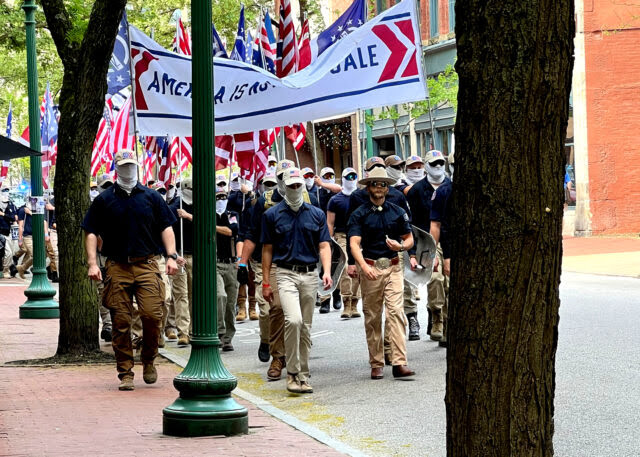
On 12 October 2024, the Patriot Front (PF) organized a large march in Denver, Colorado, to celebrate Columbus Day. The march, led by the group’s founder Thomas Rousseau, saw over 300 members participate, all wearing masks to conceal their identities. While the event was framed as a recognition of Columbus Day and White heritage, the underlying agenda focused on far-right ideologies and conspiracy theories, highlighting the group’s opposition to the U.S. government.
The march served three key purposes:
-
Celebrating White Heritage and American Values: Patriot Front positioned the event as a tribute to Columbus Day and White heritage, promoting a far-right vision of “American values.” The group pushes an isolationist, pro-White, and anti-government agenda, framing their protest as a defense of a narrowly defined American identity that excludes immigrants and minorities. This aligns with their broader efforts to portray White nationalism as integral to the nation’s history and identity.
-
Advancing Government Manipulation Conspiracy Theories: In addition to their nationalist rhetoric, Patriot Front members invoked conspiracy theories surrounding natural disasters. The group’s followers believe the government is responsible for increasing the frequency and intensity of storms to target Republican-leaning areas as a form of political manipulation. This baseless theory dismisses climate change and taps into broader far-right anti-government sentiment. While unsupported by evidence, these claims resonate with the group’s ideology that distrusts federal authorities.
-
Opposition to U.S. Foreign Aid: Patriot Front also used the march to criticize U.S. government spending on foreign aid, particularly assistance to Ukraine and Israel. They argue that these funds should be directed toward domestic causes, such as disaster relief for Americans. This stance aligns with the group’s isolationist views and reflects the growing anti-globalist sentiment among far-right groups, which oppose international engagement in favor of prioritizing domestic concerns.
The Denver march stands out as one of Patriot Front’s largest organized demonstrations, reflecting a growing sense of political polarization in the U.S., particularly with the presidential election less than a month away. Rising resentment towards minority groups, along with economic and political uncertainties, has amplified the visibility and participation of groups like Patriot Front.
The march triggered a conspiracy theory circulating among other far-right extremist circles claiming that Patriot Front may be a government-run operation. According to this theory, the group’s activities are a ploy by government agents posing as right-wing extremists to generate negative media coverage. While there is no evidence to support this claim, it illustrates the mistrust and conspiracy-driven worldview that permeates the broader far-right movement.
This demonstration highlights the complex intersections of White nationalism, conspiracy theories, and anti-government sentiment, which are driving far-right groups like Patriot Front to expand their reach and influence amidst a deeply polarized political landscape.
| |
TRAC Incident Report: Jama’at Nusrat al-Islam wa al-Muslimin (JNIM) Deactivate Wagner-Linked Booby-Trapped Suicide Drones, Tinzaouaten Area, Kidal Region, Mali | |
|
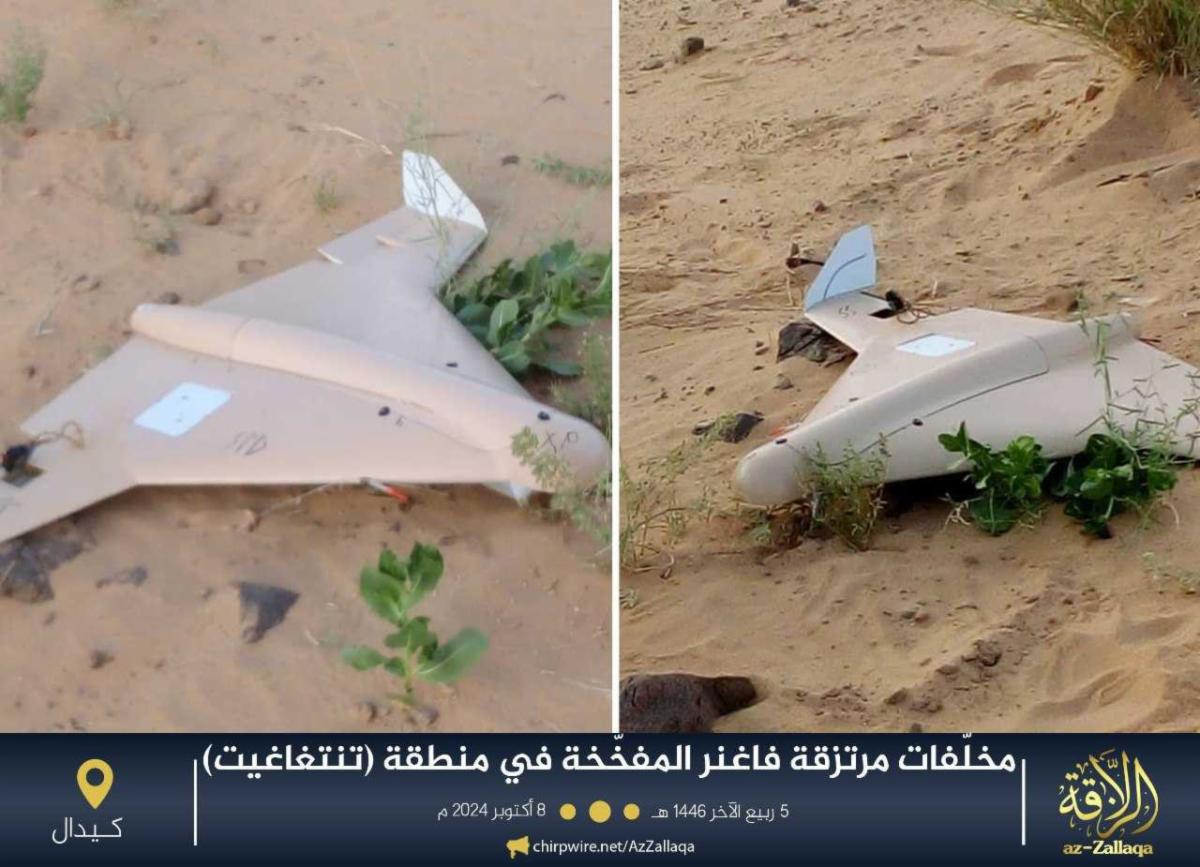
On 7 October 2024, Jama’at Nusrat al-Islam wal-Muslimin (JNIM) successfully thwarted a complex booby-trapping operation conducted by Malian forces, believed to be a joint effort of Wagner Group mercenaries and the Malian Armed Forces (FAMA), in the Tinzaouaten area of the Kidal region. JNIM fighters claimed to have deactivated and captured two Russian-made ZALA Kub drones, which were rigged with explosives, alongside other improvised explosive devices (IEDs) and a mortar bomb.
The ZALA Kub drones, which are precision suicide drones costing around $33,000 each, were reportedly damaged and deliberately left as booby traps, intended to lure in JNIM militants. This reflects a shift in Wagner's tactics towards more sophisticated and deceptive methods in their conflict with jihadist groups and Tuareg insurgents in Mali.
This incident took place near the site of a significant ambush in July 2024, where a combination of Azawadi and JNIM forces attacked a Wagner convoy in Tinzaouaten, capitalizing on a sandstorm that had impaired the convoy’s mobility. Following that massacre, Wagner forces regrouped and launched a new campaign alongside the Malian government, aimed at displacing both JNIM and the Azawad groups operating in the Kidal region. The presence of Azawad and JNIM forces in this region has complicated Wagner’s attempts to consolidate control and project power northward towards the Algeria-Mali border.
TRAC has extensively covered JNIM's practice of seizing government assets, including drones, from both Malian and Burkinabe military bases, which they use for reconnaissance and planning attacks. The capture of advanced military drones, like the ZALA Kub, highlights JNIM’s growing capability to appropriate and repurpose high-tech assets left behind by government forces.
This foiled drone booby-trap attempt highlights a clear escalation in the conflict’s complexity, signaling that both Wagner and JNIM are adapting their tactics in response to the evolving battlefield dynamics. Wagner’s use of damaged drones as traps indicates that they are seeking to exploit their technological advantage, while JNIM’s ability to capture and neutralize these traps demonstrates their increasing technical sophistication. Both sides are escalating their fight for control of strategic locations in Mali’s northern desert regions, where control over vast, hard-to-navigate territories can decisively shape the conflict’s trajectory.
| |
TRAC Incident Report: Hassan A.N. (38) Conduct Several Arson Assaults Before Targeting Cinemaxx with Firearm and Molotov Cocktails in Cracau District, Krefeld, North Rhine-Westphalia, Germany | |
|
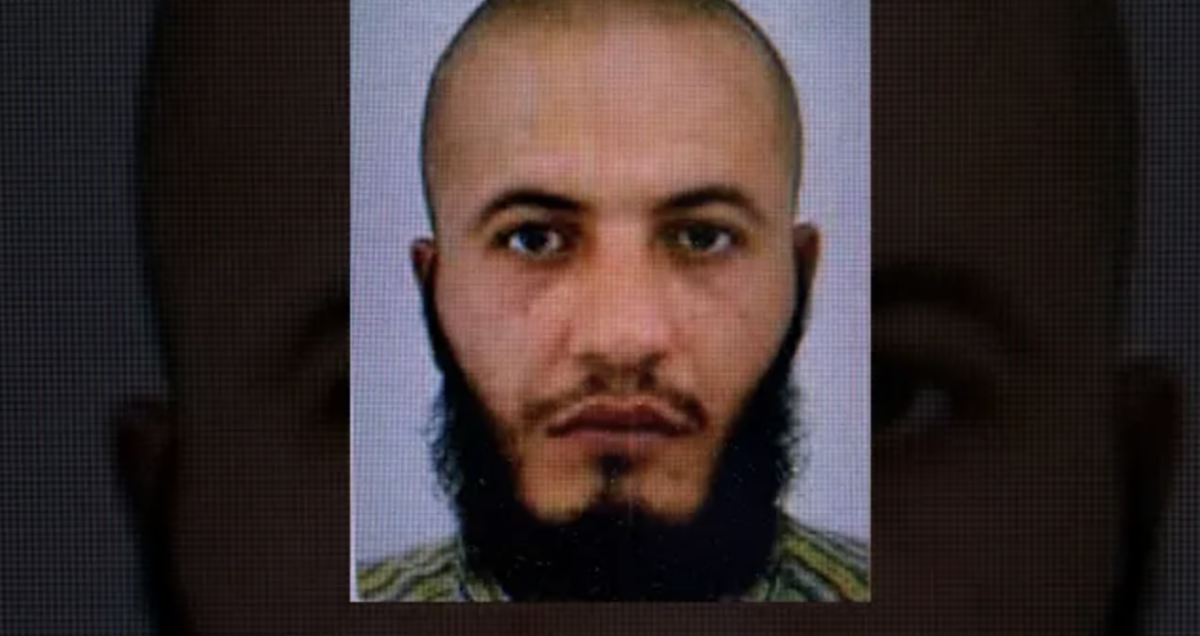
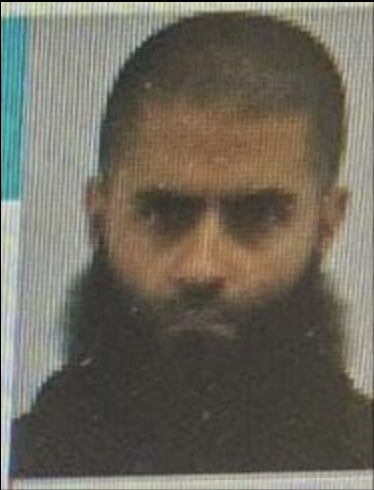
On 10 October 2024, at approximately 7:50 PM local time, German authorities responded to a series of fires at three separate locations: a vehicle, a private residence, and the local employment agency. No injuries were reported from these fires. The perpetrator, identified as Hassan A.N., a 38-year-old man, was found responsible for setting the fires using incendiary devices. Following these acts of arson, Hassan escalated the situation by attacking the Cinemaxx theater, armed with both a firearm and Molotov cocktails. Police arrived at the scene and confronted Hassan in the theater lobby, resulting in an altercation that led to the suspect being shot. Hassan was provided immediate medical attention and remains in custody, receiving treatment for his injuries.
While Hassan’s exact motivations remain unclear, there are strong indications that the ongoing Israel-Palestine conflict may have influenced his actions. This geopolitical conflict has increasingly sparked emotional responses and polarizing behavior, not only in the Middle East but also in the global diaspora and politically active communities across Europe. The conflict has incited protests, political demonstrations, and sometimes violent reactions. Given the volatile climate surrounding the conflict, Hassan’s aggression may be a manifestation of the broader tensions it has fueled.
Germany, along with other European nations, has experienced a rise in ideologically motivated violence over recent years. Issues such as the refugee crisis, immigration debates, and the influence of radical ideologies—both from far-right extremism and radical Islamist groups—have amplified the risk of such violent incidents. These growing challenges, exacerbated by ongoing international conflicts like the Israel-Palestine struggle, provide a breeding ground for politically or ideologically motivated attacks.
What makes this event particularly concerning is the broader context of similar incidents occurring across Europe. Countries such as France, Belgium, and the UK have witnessed an increase in attacks driven by political, religious, or ideological motivations. The increasing frequency of such attacks signals a worrying trend of rising extremism across the continent, requiring coordinated efforts to address the root causes of this polarization and to strengthen community resilience against radicalization.
| |
TRAC Incident Report: Unidentified Militants Launch Complex Assault with Firearms, Grenades, and Rocket Propelled-Grenades (RPGs) on Coal Mine and Miners in Duki, Loralai District, Balochistan, Pakistan | |
|
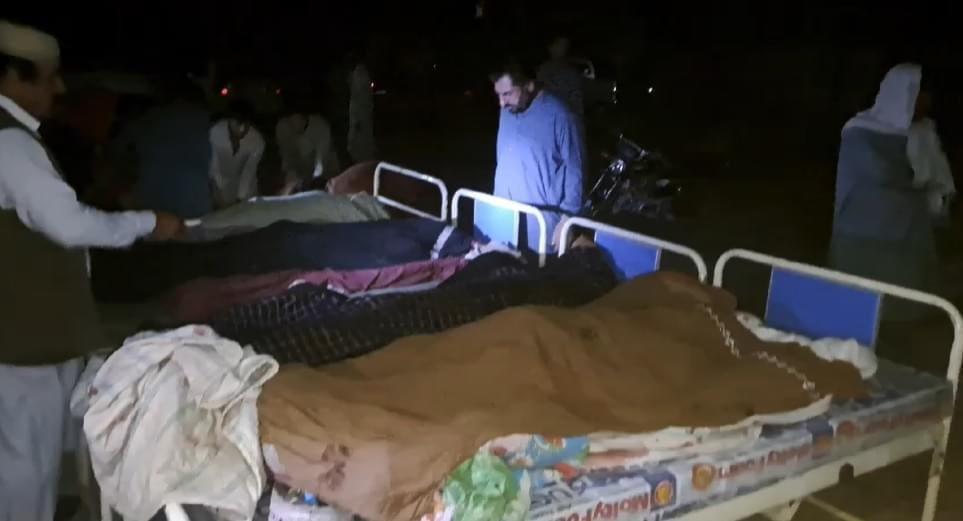
On 11 October 2024, an armed assault occurred at a coal mine in Duki district, Balochistan, where militants lined up miners and opened fire, killing 20 and injuring seven others. The attackers also lobbed grenades and fired rockets, severely damaging the mine and surrounding machinery before fleeing the scene. The majority of the victims were Pashtun labourers working in the coal mine. These miners, like many others in Balochistan, represent some of the most impoverished workers in an already economically distressed region. Coal miners in Balochistan often endure hazardous working conditions and meagre wages, making them particularly vulnerable in such targeted attacks.
While no group has officially claimed responsibility, the Balochistan Liberation Army (BLA) was the prime suspect, as it has carried out similar attacks on non-Baloch workers in the past. However, the BLA quickly distanced itself from the attack, releasing a statement condemning the killings. The group accused the Pakistani military of orchestrating the assault to sow discord between Balochis and Pashtuns, claiming that the killings were part of a “deceitful strategy” to incite ethnic enmity.
This incident highlights the complexity of the conflict in Balochistan, where tensions between ethnic groups, notably between Balochis and Pashtuns, can be exploited by different actors. TRAC believes that it’s plausible that the BLA may have initially carried out the attack, assuming the miners were Punjabis, a common target in Balochistan. Once it became clear the victims were Pashtuns, the BLA likely distanced itself from the attack to avoid alienating Pashtun communities and exacerbating internal ethnic divisions. This strategic move underscores the delicate balance militant groups in the region must maintain to sustain support from local populations.
Balochistan, Pakistan’s largest but most impoverished province, has long been a battleground between the Pakistani military and separatist groups like the BLA, which accuses the central government of exploiting the region’s resources while neglecting its development. Balochistan's strategic significance has increased in recent years due to its role in the $64 billion CPEC project, a vital part of China’s Belt and Road Initiative. The insurgency in Balochistan, therefore, poses not only a threat to Pakistan's internal stability but also to its economic relations with China. As tensions rise, militant attacks—whether they target infrastructure or ethnic groups—could have broader repercussions for the region’s security and development.
| |
TRAC Incident Report: Knife-Armed Lone Wolf Injures Six Civilians, Four in Critical Condition, Before Being Apprehended, in Hadera, Israel | |
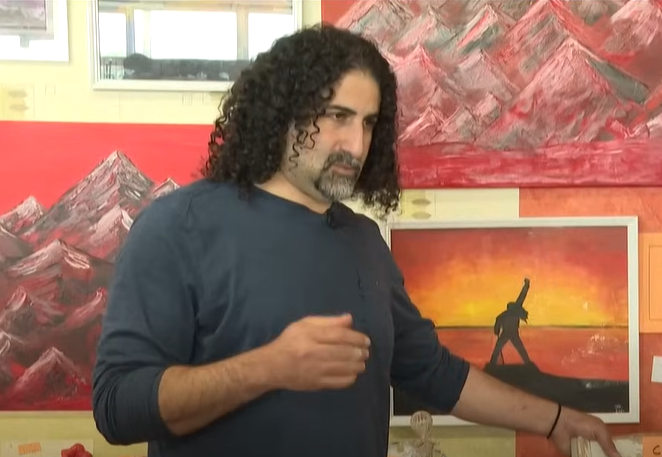
TRAC Incident Report: Omar bin Laden, Son of Osama bin Laden, Barred from Re-Entering the French Territory for Posting Online Comments in Glorification of Terror-Related Acts, Orne Region, France | |
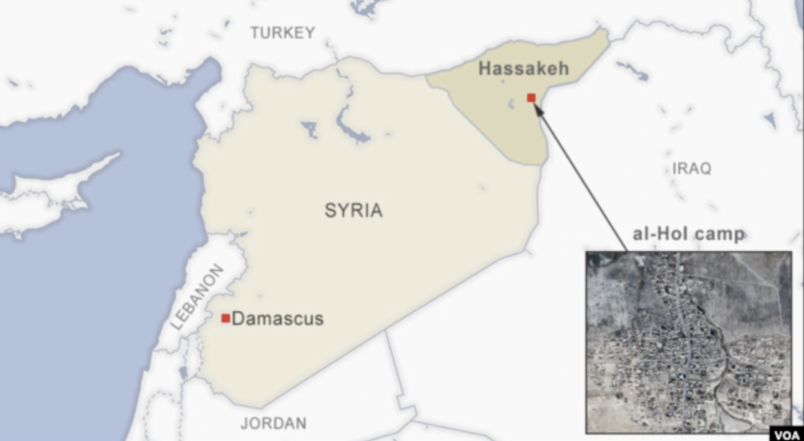
TRAC Incident Report: 704 Iraqi Nationals Repatriated to Iraq, Al-Hol Camp, Al-Hasakah Governorate, Syria | | | | |