On December 29, 2022, the Consolidated Appropriations Act of 2023 enacted a new one-time, eight-hour training requirement for all Drug Enforcement Administration (DEA)-registered practitioners on the treatment and management of patients with opioid or other substance use disorders (Medication Access and Training Expansion (MATE) Act).
Beginning on June 27, 2023, practitioners will be required to check a box on their online DEA registration form—regardless of whether a registrant is completing their initial registration application or renewing their registration—affirming that they have completed the new training requirement.
The deadline for satisfying this new training requirement is the date of a practitioner’s next scheduled DEA registration submission—regardless of whether it is an initial registration or a renewal registration—on or after June 27, 2023.
This one-time training requirement affirmation will not be a part of future registration renewals.
In response to this need, ASIPP has developed the virtual review course Controlled Substance Management Virtual Review Course: Medication Access and Training Expansion (MATE) Act. This virtual review course will be held on May 20 & 21, 2023.
In addition to covering the required Curriculum to Meet MATE Act Requirements for DEA Licensing, it will also provide 20 AMA PRA Category 1 Credits™.
|
|
*Please note: Discounted room rate ends May 17, 2023* |
|
Recently, Dhruva, et al published an article on Long-Term Outcomes in Use of Opioids, Nonpharmacologic Pain Interventions, and Total Costs of Spinal Cord Stimulators Compared with Conventional Medical Therapy for Chronic Pain, showing no difference (click here to read the full article).
In response Drs. Manchikanti, Sanapati, and Hirsch sent a Letter to the Editor pointing out various issues related to this study and potential reasons (click here to read the letter).
|
|
The Office of Inspector General for the United States Department of Health and Human Services has conducted yet another audit on facet joint interventions, this is the third audit. There have been extensive audits from UPICs, SMRC, Nordian, and RAC, and MAC contractors.
In this study (click here to read), OIG looked at 120 sample sessions, with only 54 complying with Medicare requirements.
The overall estimated overpayments appear to be $29.6 million for facet joint interventions for an audit period of August 1 through October 31, 2021, with new LCDs in effect.
Obviously, there will be even more audits and there will be recoupment from multiple providers on these claims.
It is crucial that we follow appropriate algorithmic approach and utilize checklists to avoid such issues.
|
|
Nearly 7% have pain severe enough to restrict daily activities
Chronic pain continued to affect more than one in five U.S. adults, new CDC survey data showed.
During 2021, an estimated 51.6 million adults (20.9%) had chronic pain lasting 3 months or longer, and 17.1 million (6.9%) had high-impact chronic pain -- pain severe enough to restrict daily activities -- reported S. Michaela Rikard, PhD, of the CDC's National Center for Injury Prevention and Control, and co-authors.
Pain prevalence was higher in adults who were American Indian or Alaska Native, who identified as bisexual, or who were divorced or separated, the researchers said in Morbidity and Mortality Weekly Report.
|
|
A bill has been introduced in Congress to tie the Medicare physician payment schedule to the Medicare Economic Index, a move that is essential to protecting access to high-quality care for the 65 million older adult Americans covered by Medicare.
By instituting an annual inflation-based update, the legislation would put physicians on equal footing with virtually all other health professionals and organizations paid by Medicare. Physician payment rates have been subject to a six-year payment freeze that will last until 2026 and are seeing 2% across-the-board Medicare pay cuts that started in January.
This Medicare payment policy failure came as physicians had to deal with inflation, COVID-19, burnout and the rising cost of running a practice. When the freeze ends, the statutory update for most physicians will be limited to 0.25% indefinitely, far below even normal rates of inflation.
|
|
Virtual
ABIPP Part I; ABIPP Path - Combined DCCPM/CSM virtual exam; ABIPP Competency Exam in IPM; ABIPP Competency Exam in Regenerative Medicine
Memphis, TN
ABIPP Part II - Practical Portion; ABIPP Competency Exam - Practical Portion; ABIPP Regenerative Medicine Competency Exam - Practical Portion
|
|
The system’s growing financial instability is due to a confluence of fiscal uncertainties physician practices face related to the pandemic, statutory payment cuts, lack of inflationary updates and significant administrative burdens.
Medicare physician payment has effectively been cut 26%, adjusted for inflation, from 2001–2023. The Medicare physician payment system lacks an adequate annual physician payment update, unlike those that apply to other Medicare provider payments (PDF).
A continuing statutory freeze in annual Medicare physician payments is scheduled to last until 2026, when updates resume at a rate of 0.25% per year indefinitely, well below inflation rates.
|
|
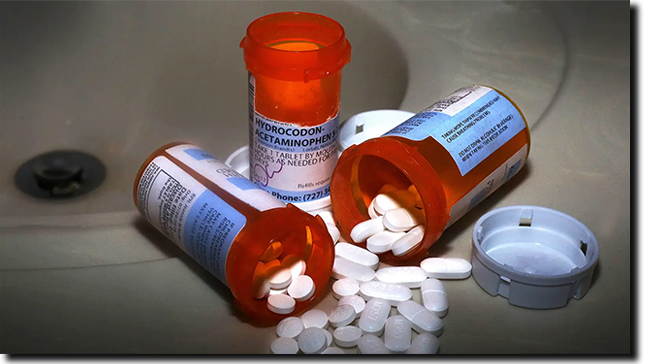
Updated labeling to include warning about opioid-induced hyperalgesia
The FDA is making several updates to prescribing information for opioid pain medications to provide guidance on safe use, according to a Drug Safety Communication, including a new warning that they can increase sensitivity to pain.
Changes to the prescribing information and labeling for immediate-release (IR) and extended-release or long-acting (EX/LA) opioids will be made to more clearly state that overdose risk increases with higher doses for all opioids.
In addition, labeling for IR opioids will state that they should not be used for extended periods, unless alternative treatment options are considered inadequate. The agency will also update its approved use for EX/LA opioids "to recommend they be reserved for severe and persistent pain that requires an extended treatment period with a daily opioid pain medicine and for which alternative treatment options are inadequate."
|
|
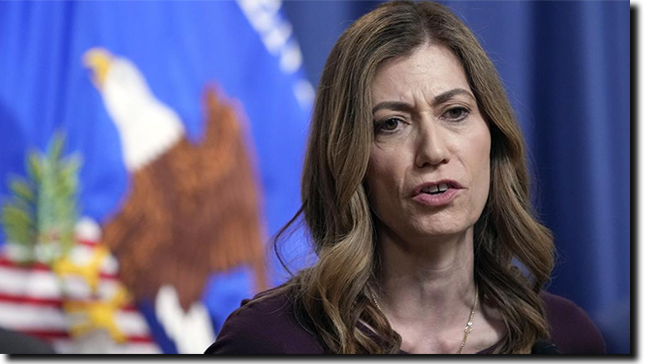
A federal watchdog is investigating whether the U.S. Drug Enforcement Administration under chief Anne Milgram improperly awarded millions of dollars in no-bid contracts to hire her past associates, people familiar with the probe told The Associated Press.
Among the contract spending under scrutiny by the Justice Department’s Office of Inspector General is $4.7 million for “strategic planning and communication” to hire people Milgram knew from her days as New Jersey’s attorney general and as a New York University law professor – at costs far exceeding pay for government officials.
At least a dozen people have been hired under such contracts, including some in Milgram’s inner circle handling intelligence, data analytics, community outreach and public relations — work often requiring security clearances and traditionally done by DEA’s own 9,000-person workforce.
Also under scrutiny is $1.4 million to a Washington law firm for a recent review of the DEA’s scandal-plagued foreign operations that was widely criticized for giving short shrift to agent misconduct and how to prevent it. That review was co-authored by Boyd Johnson, former right-hand man to one of Milgram’s closest friends, Preet Bharara, when he was U.S. Attorney in Manhattan. Bharara himself landed at the firm, WilmerHale, even as the review was being conducted.
|
|
ASIPP has been actively addressing recent coverage issues through letter correspondence to various agencies. The issues and letters include the following:
AIM published new guidelines effective 04/09/2023. Owned by Anthem, Inc (ANTM), the AIM guidelines are utilized by multiple insurers. ASIPP has addressed the guidelines with a comment letter on the guidelines for Appropriate Use Criteria: Interventional Pain Management. Our comments were related to paravertebral facet joint injection/medial branch nerve block/neurolysis/therapeutic facet joint interventions.
We are requesting LCD reconsideration requests to all of the Medicare Contractors for the LCD covering Facet Joint Interventions for Pain Management.
ASIPP immediate past president, Amol Soin, sent a letter to Cigna on February 7 addressing their Medical Policy Update on Peripheral Nerve Block Procedures (for trigeminal and occipital neuralgia) which considering them experimental, investigational, or unproven, with an efficacy date of April 18th, 2023. In the letter, we ask that the policy update restricting the use of peripheral nerve blocks be re-evaluated and modified. We recommended that these procedures continue to be covered and we find the characterization of these procedures to be experimental or investigational to be inaccurate.
|
|
Population-based study shows older patients with poorly controlled diabetes at particular risk
Short-term use of nonsteroidal anti-inflammatory drugs (NSAIDs) was associated with an increased risk for heart failure hospitalization among patients with type 2 diabetes (T2D), according to a Danish registry study.
Among over 300,000 patients with T2D, short-term use of NSAIDs was associated with a relative 43% increased risk of a first-time heart failure hospitalization in the subsequent 28 days (OR 1.43, 95% CI 1.27-1.63), reported Anders Holt, MD, of Copenhagen University Hospital-Herlev and Gentofte in Hellerup, Denmark, and colleagues.
The most at-risk subgroups were patients ages 80 and older (OR 1.78, 95% CI 1.39-2.28), those poorly managed as evidenced by elevated HbA1c levels and no or only one antidiabetic drug (OR 1.68, 95% CI 1.00-2.88), and new NSAID users without previous prescriptions (OR 2.71, 95% CI 1.78-4.23).
|
|
- ASIPP Members Only Site Information - |
|
-
To log in for the first time you will need to click “forgot password” at the bottom of the login window.
- Check your email and then log in as directed.
-
If you have problems logging into your account, click here.
|
|
Let's reexamine the current approach to treatment
In December 2019, I attended a National Academies of Sciences workshop on the role of non-pharmacological approaches to pain management. At the end of the meeting, as expected, panelists concluded that more research was needed. However, to my surprise, several scientists also called for immediate action on the approach to treating low back pain. They called for clinicians to implement the evidence we already have into clinical practice; for policymakers to enact payment reform that would support such implementation; for all of us to commit to making the cultural changes needed to ensure that patients have access to the right care from the right provider at the right time.
Where did this response come from? It stemmed from the fact that low back pain has been over-medicalized, making a very bad problem worse, and the need for realigned incentives that encourage clinicians to follow current evidence and treatment recommendations.
No health condition leads to greater disability or higher costs than low back pain, and commonly used medical treatment approaches often lead to more harm than benefit. Imaging is rarely necessary to develop an evidence-based treatment plan and can exacerbate pain catastrophizing, as well as lead to incidental findings "rabbit holes." Prescription medications may be helpful to some patients in certain circumstances, but overall the risks often outweigh the benefits. According to the CDC, more than 260,000 deaths in America from 1999 to 2020 involved prescription opioids. Non-steroidal anti-inflammatory drugs (NSAIDs) can cause intestinal bleeding, especially in older adults, and are associated with a higher incidence of myocardial infarction. Surgery and corticosteroids can lead to short-term pain relief for some patients but results are often not sustained nor superior to less invasive options.
|
|
Agency advisors will consider pros, cons of an enriched enrollment randomized withdrawal design
To evaluate the long-term efficacy and tolerability of a representative extended-release (ER)/long-acting (LA) opioid in a 12-month placebo-controlled trial, FDA staff are considering an enriched enrollment randomized withdrawal (EERW) study design, they noted in a briefing document ahead of an advisory committee meeting.
Last week, the Anesthetic and Analgesic Drug Products Advisory Committee will consider the advantages and limitations of using an EERW design to evaluate morphine sulfate ER in a phase IV trial -- part of a postmarketing requirement -- among patients with chronic non-cancer pain who had initial tolerability to the ER opioid.
The committee will also discuss looking at the incidence of opioid-induced hyperalgesia (OIH), a condition in which a patient's increase in pain can be attributed to the treatment with an opioid, among other objectives, such as changes in physical function and in levels of anxiety and depression.
|
|
Pain Medicine Case Reports (PMCR) and Editor-in-Chief Alaa Abd-Elsayed, MD, PhD would like to invite you to submit case reports and case series to the PMCR journal. Your article will be published free of charge.
Open access journals are freely available online for immediate worldwide open access to the full text of published articles. There is no subscription fee for open access journals. Open access journals are no different from traditional subscription-based journals: they undergo the same peer-review and quality control as any other scholarly journal.
Interested in becoming a member of the PMCR Editorial Board?
Editorial board members are asked to review 2-6 manuscripts per year. Please submit your most up-to-date CV to sgold@asipp.org for consideration.
For more information or to submit your articles, click here.
|
|
| CASE REPORT |
Christian Vangeison, DO, Colton Reeh, MD, Daniel Briggi, MD, Royce Copeland, DO, Loc Lam, DO, Ryan D'Souza, MD, Abdulhammeed Qashqary, MD, and Emanuel N. Husu, MD
Abstract
BACKGROUND: The management of traumatic brachial plexus injury is challenging. Treatment options consisting of physical therapy, pharmacologic therapy, and injection therapy often provide inadequate analgesia. Peripheral nerve stimulation (PNS) has emerged as a potential therapy for treatment of pain related to brachial plexus injury.
CASE REPORT: We present a case of a 37-year-old man with painful ballistic trauma to multiple cords of the left brachial plexus refractory to medications and therapies. The patient was treated with a temporary 60-day PNS targeting the brachial plexus providing 90% improvement in pain intensity persisting 7 months postintervention.
CONCLUSIONS: The case supports the efficacy of a temporary PNS system as a minimally invasive treatment option for brachial plexus injuries resulting in refractory neuropathic pain. Extended lead implantation of the temporary PNS device beyond the US Food and Drug Administration-approved 60 days may be of benefit to patients, although the potential risk of infection should be assessed and monitored.
KEY WORDS: Traumatic brachial plexus injury, peripheral nerve stimulator, peripheral nerve stimulation, neuromodulation, neuropathic pain, case report
|
|
| PROSPECTIVE STUDY |
Atef Mohamed Mahmoud, MD, Safaa Gaber Ragab, MD, Mohamad Ahmed Shawky, MD, Doha Hamad Masry, MSc, and Joseph Makram Botros, MD
Abstract
BACKGROUND: Severe postoperative pain is experienced by most patients who undergo spine surgery. Erector spinae plane block (ESPB) is a successful method for postoperative analgesia and has only minor complications. Intrathecal morphine (ITM) demonstrates high efficacy for analgesia up to 24 hours postsurgery. ESPBs and ITM for postoperative analgesia in lumbar spine surgeries have never been compared in prior studies.
OBJECTIVES: This study aimed to compare the efficacy of ESPB and ITM in postoperative analgesia after lumbar spine surgeries.
STUDY DESIGN: A double-blind prospective comparative study.
SETTING: This study was performed at Al Fayoum University Hospital after being confirmed by the local institutional ethical committee (#80) with approval number M520 and retrospectively registered at clinicaltrials.gov number (NCT05123092).
METHODS: A prospective randomized double-blinded interventional trial was conducted with 82 patients, 41 in each group. In the ESPB group, a 0.25% bupivacaine injection was used to conduct a bilateral ultrasound-guided ESPB. In the ITM group, an injection of 0.3 mg morphine intrathecally was done. The Visual Analog Scale (VAS) was recorded as the primary outcome. The time to the first analgesic request, intra- and postoperative opioid consumption, hemodynamics, sedation score, and complications were also recorded as secondary outcomes.
RESULTS: Postoperative VAS scores were significantly lower in the intrathecal group throughout the postoperative period at all recorded study time points until 48 hours (P < 0.001). Time to the first rescue analgesia and doses of postoperative analgesic required were significant, with a P value of 0.000. Significant differences were found in postoperative oxygen saturation up to 24 hours (P < 0.001) and the sedation score up to 6 hours (P < 0.01). A higher incidence of complications was recorded in the ITM group (P = 0.000).
LIMITATIONS: We did not measure patient preoperative VAS scores to ensure that the 2 groups were matched in pain severity. Also, we did not compare patient satisfaction. Another limitation was the inability to determine the degree of pain relief of ESPB since there was no control group in our study.
CONCLUSION: We concluded that ITM 0.3 mg provides more potent analgesia up to 48 hours postoperatively than an ESPB, based upon VAS score, analgesic durations, and postoperative analgesic requirements.
KEY WORDS: Intrathecal morphine, erector spinae, spine, Visual Analog Scale
|
|
| RANDOMIZED CONTROLLED TRIAL |
Sarina Francescato Torres, MD, Ana Carolina Brandt de Macedo, PhD, Regina Yassue Sakai, Esp, Gabriele Cristina Seguro Bressan, BS, Matheus Bieberback Rodrigues dos Santos, BS, and Amelia Pasqual Marques, PhD
Abstract
BACKGROUND: Acupuncture is one of the most widely used therapies to treat chronic low back pain, whose analgesic effect seems to be potentiated by the addition of electric current (electroacupuncture). However, we are not aware of any clinical trial that has evaluated the effectiveness of this technique in adults > 65 years.
OBJECTIVE: To evaluate the effect of electroacupuncture in the treatment of chronic low back pain in the elderly.
STUDY DESIGN: Triple-blind, controlled, and randomized clinical trial.
SETTING: Faculty of Medicine, University of São Paulo (USP); Sector of Biological Sciences - Physiotherapy Course, Federal University of Paraná (UFPR).
METHODS: The study included 125 elderly people with chronic nonspecific low back pain who were randomized to one of 5 study groups: 3 of electroacupuncture; one control; and one placebo, all of them treated for 5 weeks. The primary endpoint was pain intensity, and secondary endpoints included the qualitative aspect of pain, functional disability (Roland-Morris and sit and stand test), emotional functioning (depression and anxiety), and psychosocial factors. Data analysis followed the intention-to-treat principle. The confidence interval was set at 95% and the significance level at 5%.
RESULTS: All groups achieved a reduction in pain intensity; however, a significant difference was only detected between electroacupuncture and placebo, where the latter showed greater pain reduction. Regarding secondary outcomes, all groups showed good posttreatment results for all assessments but without statistical significance. Among the groups, the placebo was the one that obtained the best results between the pre- and post-treatment for depression, qualitative aspect of pain, and functional disability, but only for the qualitative aspect of pain and for the sit-and-stand test was a significant reduction found in the intergroup comparison. The analysis of the overall effect perceived by the participants in relation to low back pain revealed that individuals from all groups felt close to full recovery.
LIMITATIONS: Absence of follow-up and a relatively small number of patients.
CONCLUSIONS: This study provides evidence that there is no one frequency of electroacupuncture that is most effective in treating chronic low back pain in the elderly and that electroacupuncture is not superior to manual acupuncture or placebo treatment.
KEY WORDS: Electroacupuncture, acupuncture, low back pain, aged, health of the elderly, rehabilitation, clinical trial, interdisciplinary research
Clinical trials registration: NCT03802045 (January 2019).
|
|
ASIPP is now in collaboration with Curi Medical Liability Program
Since this malpractice insurance program officially launched in November 2018, ASIPP has signed up hundreds of providers with an average savings of 30%. This is professional liability insurance tailored to our specialty and will stand up for us and defend our practices.
Curi is a full-service advisory firm that serves physicians and their practices. Their valued advice is grounded in your priorities and elevated in your outcomes. They are driven by a deep understanding of your specific circumstances in medicine, business, and life. To read a few important points to keep in mind about the program, including discounts, administrative defense, cyber coverage, aggressive claims handling, and complimentary risk management CME activities, visit our website.
|
|
ASIPP® has formed a partnership with Henry Schein and PedsPal, a national GPO that has a successful history of negotiating better prices on medical supplies and creating value-added services for independent physicians. Working with MedAssets, PedsPal provides excellent pricing on products like contrast media that alleviate some of the financial pressures you experience today.
|
|
ASIPP® is now offering our members the benefit of a unique revenue cycle management/ billing service.
We have received a tremendous amount of interest in the ASIPP® billing and coding program.
Click here to learn more about the negotiated rate for practices and more!
|
|
|
up-to-date news related to you, your practice, and your patients!
|
|
|
|
|
|
|