|
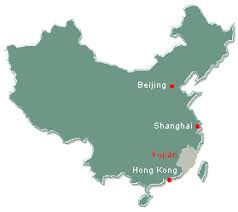
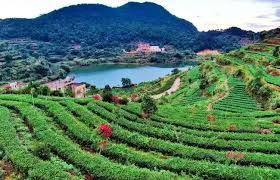
There are many regions in Fujian that produce extraordinary teas. Among the most prominent are Anxi, Fuding, Fuzhou, and Wuyi. Each of these tea-producing areas have their own distinctive teas with their own unique character. Let's explore them at a very high level.
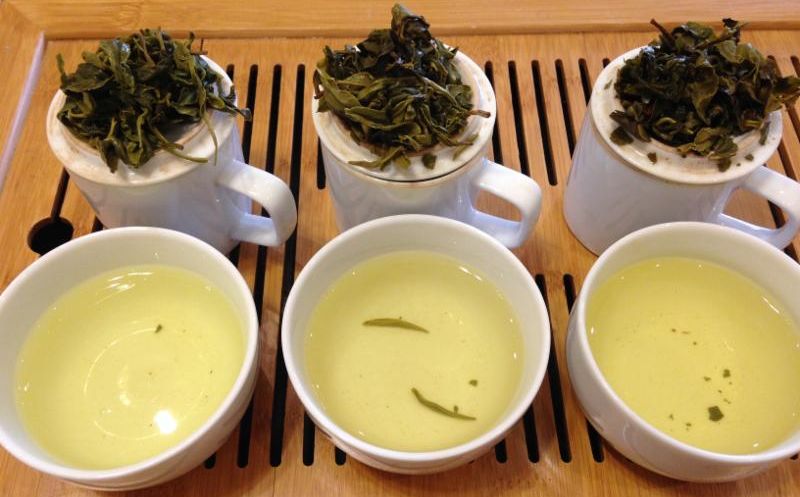
Anxi is a county that is located in the southern part of the province. The mountainous terrain, rich soils and subtropical climate are perfect for growing the rolled wulong teas that this region is famous for. There are several styles of wulong produced, some of which include: Huang Jin Gui (Golden Osmanthus); Mao Xie (Hairy Crab); and Tie Guan Yin, which is among China's Ten Most Famous Teas. While many of the teas are low- to mid-oxidized with sweet, fresh, and floral notes with unroasted leaves, roasting the leaves will bring in options with richer, nutty, caramelized, and slightly roasted notes.
Fuding is a city that is located in the northeastern part of the province. The city is surrounded by mountains and enjoys a mid-subtropical maritime monsoon climate. The mountains are blanketed with natural forests and tea gardens, which have been producing their famous white teas in their current form for over 300 years. The two primary varieties of the tea plant used to craft these white teas are the native Da Bai and Da Hao. The first white teas produced here were the Yin Zhen (Silver Needle), which consists of only pure tea buds and is completely hand-plucked and processed. It is delicate, smooth, and sweet with grassy and fresh notes. The other predominant style of white tea from Fuding is Bai Mu Dan (White Peony), which is a one-leaf-and-a-bud or two-leaves-and-a-bud pluck. This style is only about 100 years old and it has similar character to Yin Zhen, only a little more pronounced. Fuding also produces Golden Monkey Black Tea, which is a modern twist on the historic Panyang Congou black teas that were first brought to Europe in the 17th century. It is smooth, sweet, and rich with cocoa, mild earthy, and fruity notes.
Fuzhou is the capital of the province and is located on the eastern coast. Tea gardens are plentiful in the mountains that surround the city and they flourish in the humid, subtropical climate. Fuzhou is considered to be the birthplace of jasmine tea and has been producing it there in its entirety for about 1,000 years. While jasmine teas are produced elsewhere in China, Fuzhou is the only place where the climate is perfect for growing both tea and the jasmine blossoms that are used to naturally scent the tea leaves. Scenting tea is a labor-intensive and time-consuming process that usually requires a fair amount of material during the process; these are not flavored teas, although some jasmine teas in the marketplace are flavored. Some scented teas can be quite expensive because of the time, labor and materials needed to produce them. These teas undergo many rounds of scenting, which is achieved by laying fresh jasmine blossoms among the tea leaves every night so that they naturally scent the leaves when they open. The blossoms are collected and discarded in the morning and this process can take several days to several weeks, depending on the quality that the producer wants to craft. Cheaper jasmine teas, as an example, may not have been crafted using traditional methods, but instead may actually be a flavored tea. The highest quality floral-scented teas usually contain very few flower petals in the final product. A good quality jasmine is smooth and sweet with complex floral notes.
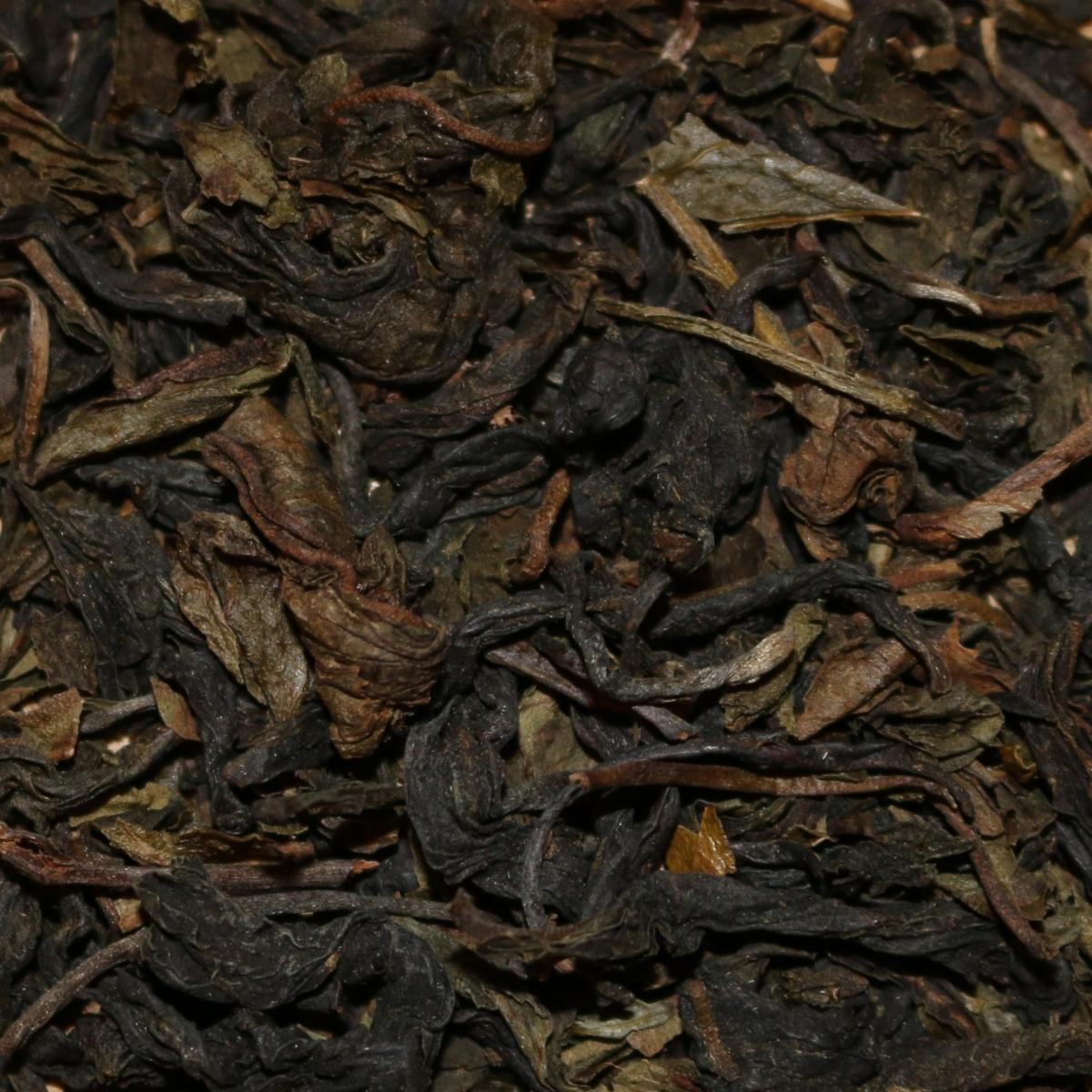
Wuyi is located in the northern part of the province in the rugged Wuyishan Mountains. The tea gardens enjoy a subtropical monsoon climate that is perfect for growing tea. Wuyi produces several notable black and wulong teas, some of which may be indicated in the marketplace as "Bohea" - the old spelling of Wuyi. Known as Yan Cha, or rock tea, teas from Wuyi have a pleasant and rich "mineral-like" taste due to the rocky soils in which they grow. Several familiar styles include Da Hong Pao (Big Red Robe), Tie Luo Han (Iron Arhat), Rou Gui (Cinnamon) - all of which tend to be mid- to high-oxidized wulongs that are dark in color with rich earthy, mineral, and fruity aromas and flavor. Another style of tea from Wuyi is Lapsang Souchong, which is a pine-smoked black tea. Too smoky to drink? Then use it in cooking!
I offer a selection of each of these types of teas from the Fujian Province of China, including a brand new white tea from Fujian - Gong Mei Aged White Tea Mini Bricks! My selection demonstrates the range of complexity of these amazing teas and they can be found in the online shop https://www.pleasuresoftea.com. To easily find them, type Fujian in the search box. Each tea will have a description about where and how the tea is grown, cultivar information and/or aromatic and taste profiles. Enjoy your "travels" to Fujian and feel free to share your experience! :)
|