|
|
Breaking Barriers in Allergy
and Asthma Care
A Focus on Black Communities
|
| |
|
We’ve made progress in asthma and allergy treatments with new medications, but there’s still a long way to go in addressing the bigger picture—especially how environmental and systemic factors affect outcomes. Where you live matters, and for Black communities, it can mean the difference between managing asthma or struggling with it.
Black Children are particularly vulnerable. About 4 million kids in the U.S. have asthma. More than 12% of Black kids nationwide suffer from the disease, compared with 5.5% of white children. Black children are particularly vulnerable. Across America, nearly 4 in 10 Black children live in areas with poor environmental and health conditions compared to 1 in 10 white children. According to the CDC, Black children are eight times more likely to die from asthma than white children.
An estimated 1 in 17 children, or 5.8%, were diagnosed with a food allergy in the U.S. in 2021, according to a recent analysis, yet the largest percentage was found among Black children, of whom 7.6% had a food allergy. A 2021 study published in the Journal of Allergy and Clinical Immunology: In Practice found that Black children had a significantly higher likelihood of having an allergy to shellfish and finfish compared to white children, which may be linked to increased exposure to cockroaches among children living in poorer urban communities. The same study found Black children with food allergies also had higher rates of having asthma, a condition that was estimated to be a factor in up to 75% of anaphylaxis fatalities in recent research.
Many of the factors leading to increased disease and death among our children are discussed later in the articles below. However, what is seldom addressed in the systemic racism that perpetuates and encourages the condition that underlies the impact on our children with asthma.
Stay Healthy,
Dr. Mike
If you find our Ethnic Health Reports informative and useful, please forward and share this email with your friends and family. #TogetherInThis
| |
|
|
ALLERGIES AND ASTHMA IN BLACK COMMUNITIES: BREAKING BARRIERS AND RAISING AWARENESS
Asthma and allergies disproportionately affect Black communities, posing significant challenges that extend far beyond individual health. These disparities are deeply rooted in systemic inequities, from environmental injustices to socioeconomic barriers. For too long, factors like redlining, limited access to quality healthcare, and early exposure to pollutants have exacerbated health outcomes for Black individuals, especially children.
| | | |
FOOD ALLERGIES IN BLACK CHILDREN
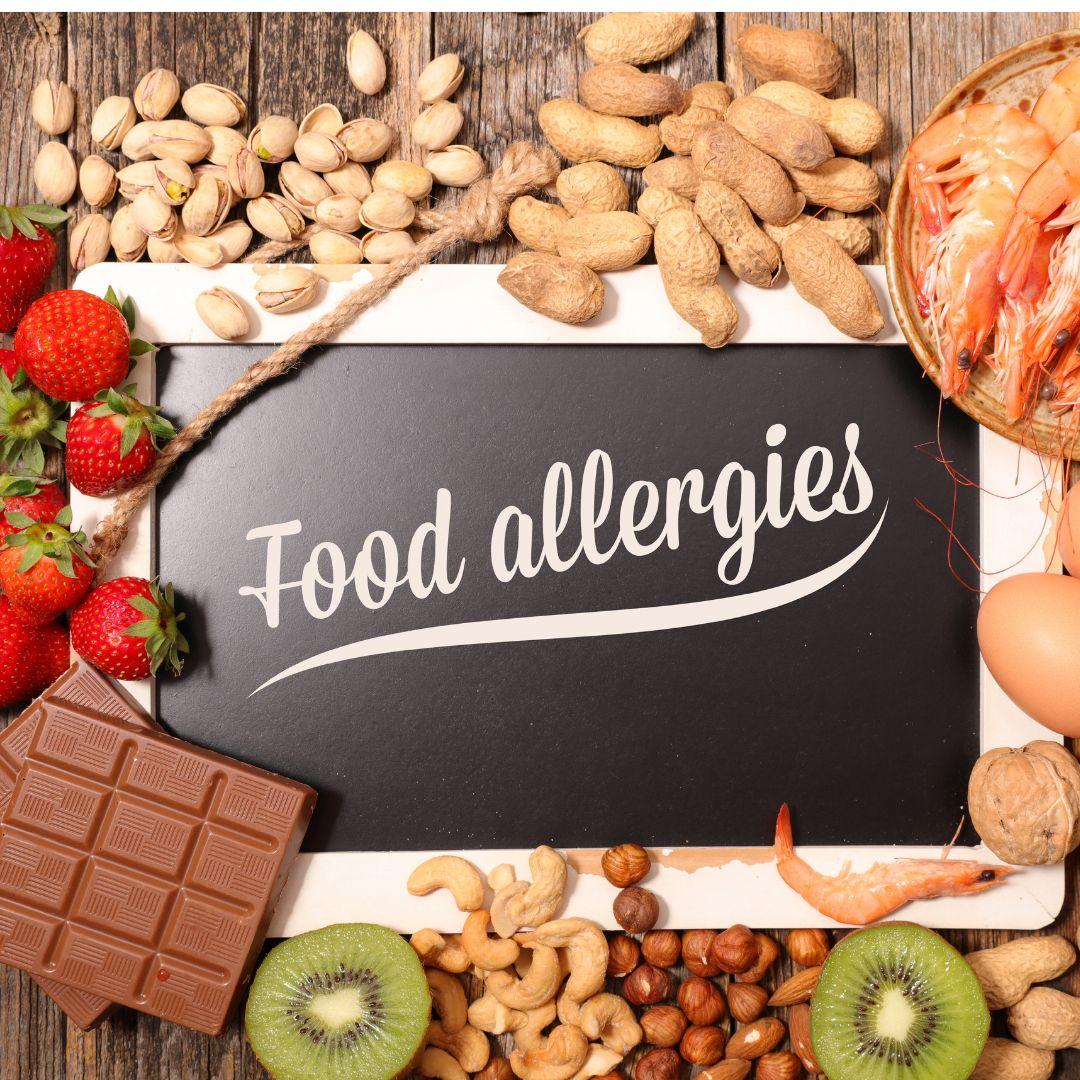
An estimated 1 in 17 children, or 5.8%, were diagnosed with a food allergy in the U.S. in 2021, according to a recent analysis, yet the largest percentage was found among Black children, of whom 7.6% had a food allergy. A 2021 study published in the Journal of Allergy and Clinical Immunology: In Practice found that Black children with food allergies also higher rates of having asthma, a condition that was estimated to be a factor in up to 75% of anaphylaxis fatalities in recent research.
| |
| | |
|
|
NEW MEDICATION FOR USE IN MANAGING ASTHMA
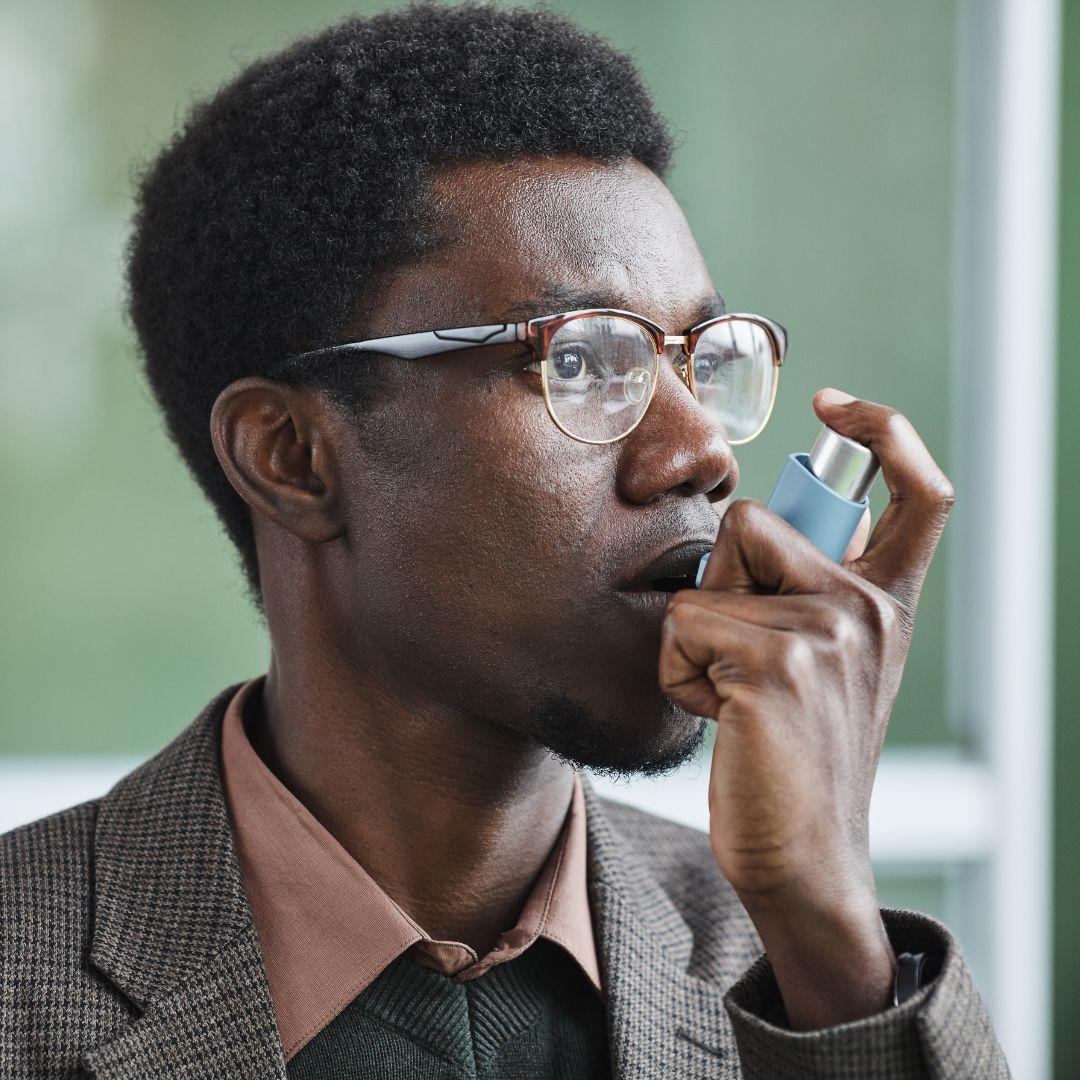
Managing asthma and severe allergies has always required a careful balance of medication, vigilance, and lifestyle adjustments. Recent breakthroughs in medication offer new hope for individuals living with these chronic conditions. From innovative inhalers that combine rescue and maintenance therapies to groundbreaking treatments that reduce the risk of life-threatening allergic reactions, these advances are poised to transform care and improve outcomes. In this article, we explore the latest options, including Airsupra, Symbicort, FDA-approved nasal epinephrine, and Xolair, and their potential to make asthma and allergy management more effective and less burdensome.
| | | |
BIRD FLU HAS ARRIVED IN OUR COUNTRY
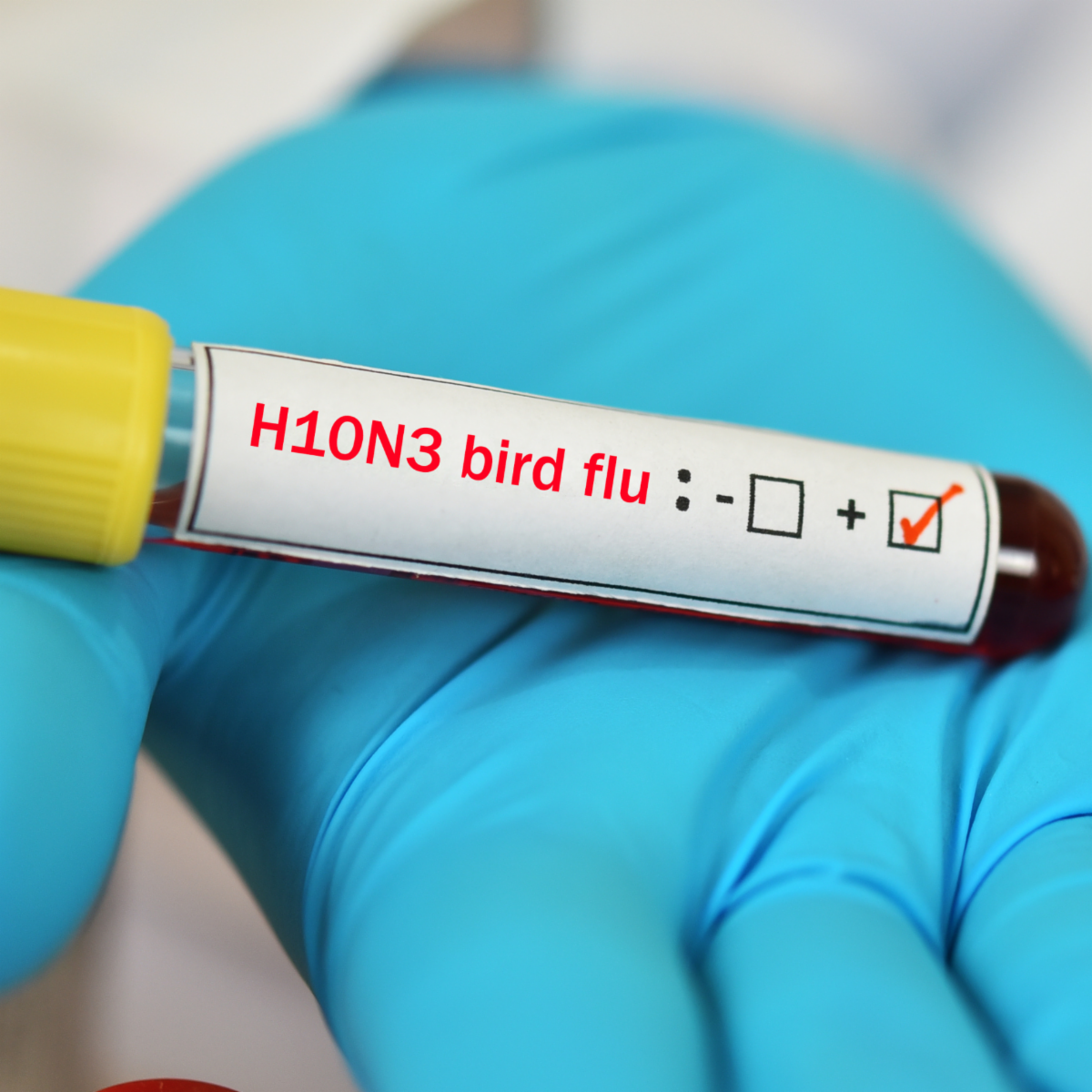
The bird flu has made its way into the U.S., raising concerns about its potential impact on public health. While the risk of transmission to humans remains low, the virus poses significant threats to poultry supplies and the broader food system. For the African American community, which already faces disparities in food security, any disruptions to affordable protein sources could deepen existing challenges. Staying informed about outbreaks and food safety measures is key to protecting your family’s health and well-being.
| |  |
WALKING DECREASES DEMENTIA RISK
Did you know that incorporating regular walking into your routine could lower your risk of dementia? Studies show that walking 30 minutes a day boosts circulation, improves brain health, and reduces cognitive decline. This is especially important for African Americans, who experience higher rates of hypertension and diabetes—conditions linked to an increased risk of dementia. Lace-up your sneakers and take charge of your brain health one step at a time. Small changes today can lead to a healthier tomorrow!
| | |
ALCOHOL AND THE INCREASED CANCER RISK
Alcohol consumption is often glamorized in social settings and media, but its darker side poses significant health risks, particularly for the African American community. While moderate drinking is frequently promoted as harmless—or even beneficial for heart health—scientific evidence increasingly shows that any level of alcohol consumption can elevate cancer risks. For African Americans, who already face disparities in healthcare access and outcomes, the risks are particularly concerning.
| | |
WHAT INFECTIONS NOW CAUSE
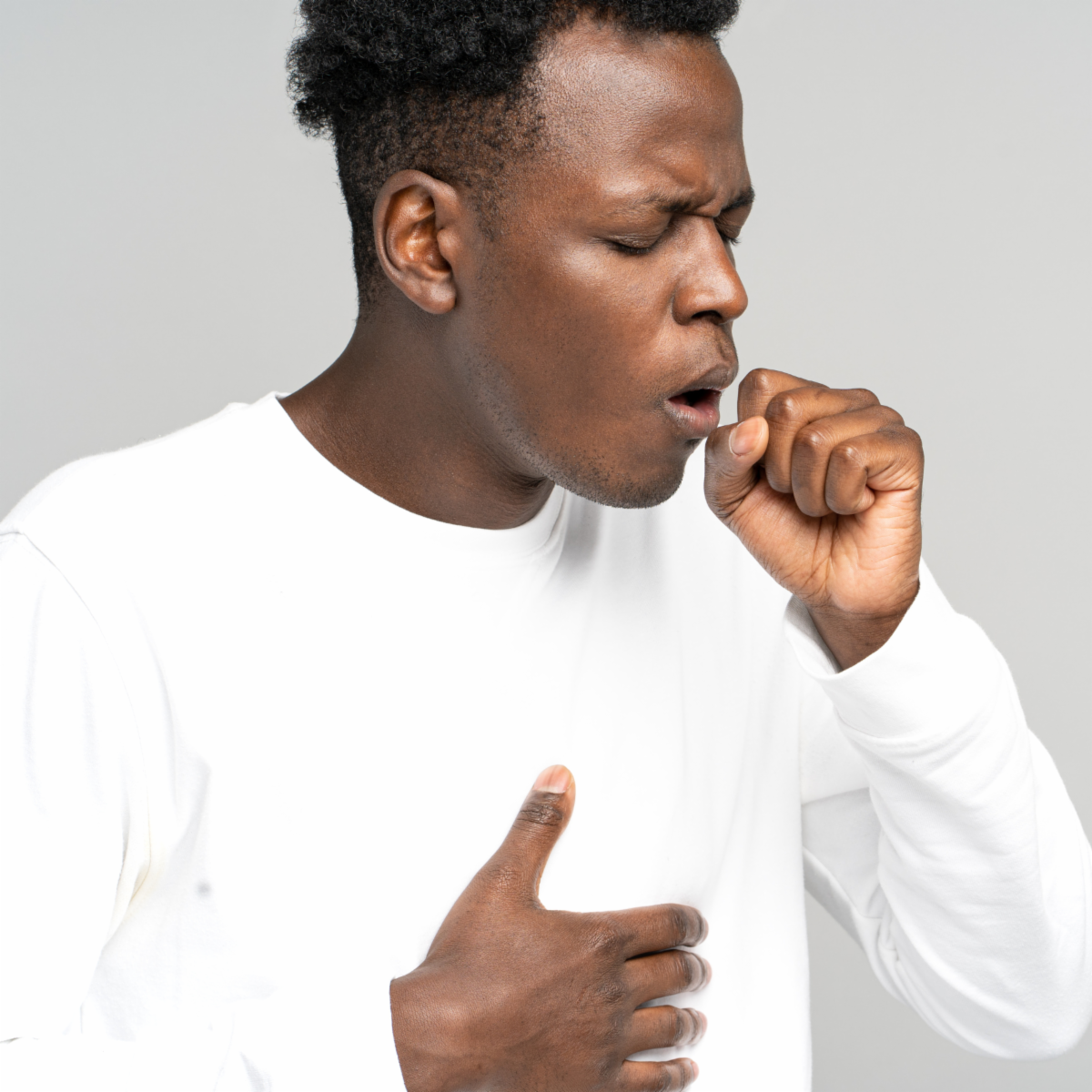
We’re facing a challenging wave of illnesses right now. The flu is widespread, and the Norovirus is causing cases of abdominal pain and diarrhea. RSV continues to affect children, while COVID-19 remains a concern, particularly for older adults and young children, though cases are fewer. Additionally, there’s an unusual infection going around, characterized by a severe cough lasting 2–3 days, with little or no fever, but the cough can persist for 1–2 weeks. As of now, the cause of this mysterious illness remains unclear.
| | |
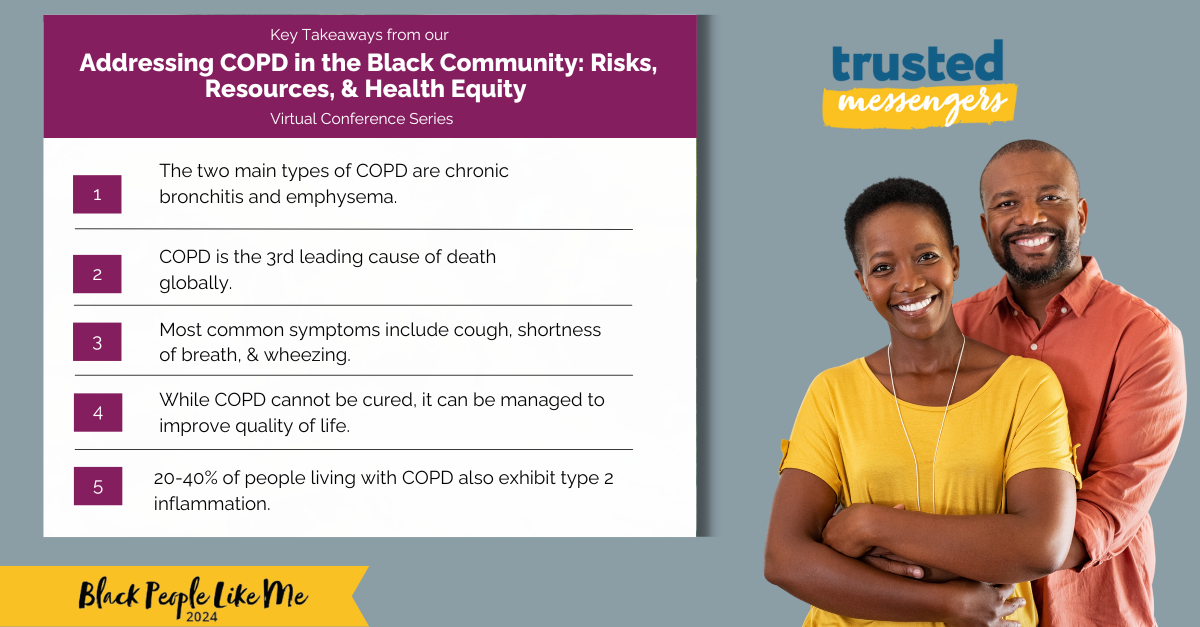
BLACK PEOPLE LIKE ME
Addressing COPD in the Black Community: Risks, Resources, and Health Equity Recap: Key Takeaways You Don't Want to Miss!
Thank you to everyone who joined our recent Black People Like Me session! We had an incredible turnout and some powerful insights shared by our speaker and patient advocates. For those who missed it, here’s a quick summary of the top takeaways!
View the full recording and download the slides below.
| | | |
ALLERGY AND ASTHMA NETWORK UPCOMING WEBINARS
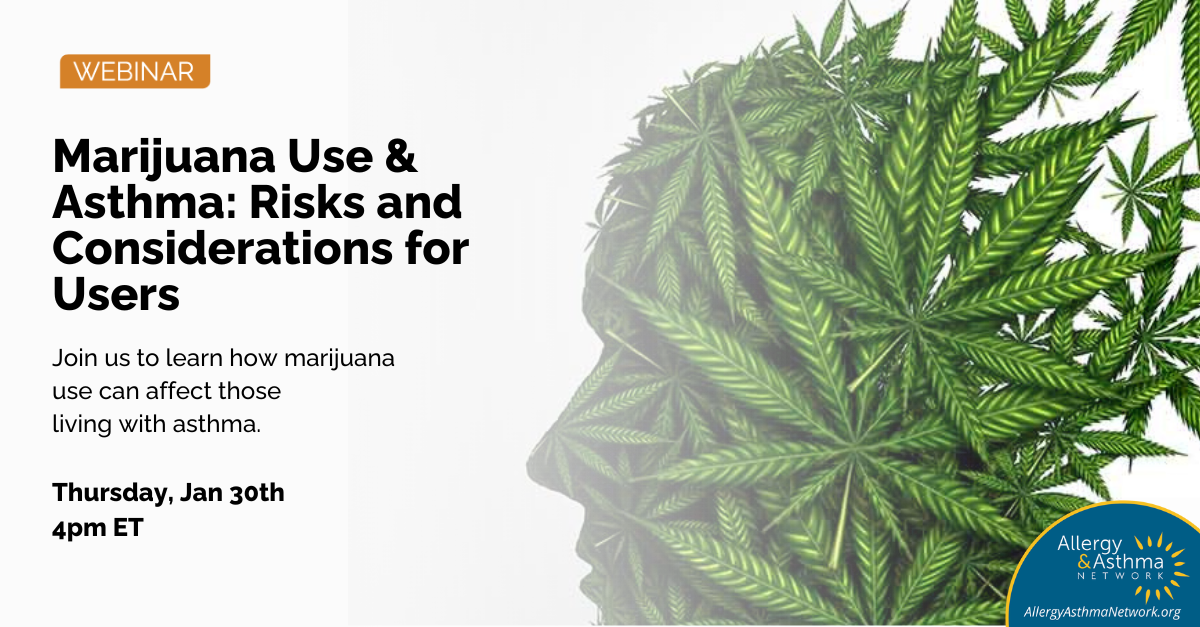
Join Allergy & Asthma Network for their next free webinar all about ‘Marijuana Use & Asthma: Risks and Considerations for Users’!
🗓️ January 30, 2025 | 4 PM ET
As cannabis becomes more widely used for medical and recreational purposes, it’s crucial to understand its potential effects on lung health—especially for people with asthma. 🌿💨
Join Dr. Anil Nanda, a leading expert in allergy and asthma care, for an in-depth discussion on:
✅ The latest research on marijuana use and its impact on asthma
✅ Health risks of smoking or vaping cannabis
✅ Educating patients and healthcare providers on cannabis and respiratory health
📲 Can’t make it? Register anyway to get access to the on-demand recording. Register now for free below.
| | | |
|
|
STAY INFORMED WITH THE ALLERGY AND ASTHMA NETWORK CALENDAR
Mark your calendars! The Allergy and Asthma Network offers a comprehensive schedule of events, webinars, and initiatives designed to educate, empower, and support those affected by asthma, allergies, and related conditions. From expert-led discussions on the latest treatments to advocacy opportunities for health equity, their calendar has something for everyone.
African Americans are disproportionately impacted by asthma and allergies, making these resources invaluable for our community. Explore upcoming events and get involved by visiting the Allergy and Asthma Network website. Together, we can stay informed, take action, and breathe easier.
| | | | |
|
Please consider donating to help fund programs like the Ethnic Health Report, the Black Doctors Speak Podcast, and the FB Lives & panels.
$31.25 = 1 EHR Email | $500 = 1 BDS Podcast | $5,000 = 1 FB Live/Panel
|
| |
Dr. MIKE'S ETHNIC HEALTH REPORT | | | | |