Newsletter

Remembering the best of the best

this Veteran's Day!

November 11

A SKI Landscape Publication

November, 2026

Seagoing Cowboys to the Rescue

by Ann Wolski

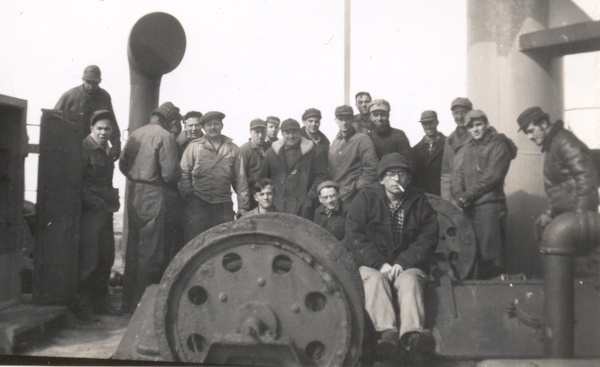
Dan West, an Indiana gentleman farmer and church worker, lived by the conviction that he should do as much for peace as a soldier does for war. After WWII with the cooperative efforts of three historic peace churches that included the Quakers, the Mennonites and the Church of the Brethren, Dan became a key figure in the formation of an amazing group of students, farmers, bankers, preachers, laborers, and teachers known as the “seagoing cowboys”.


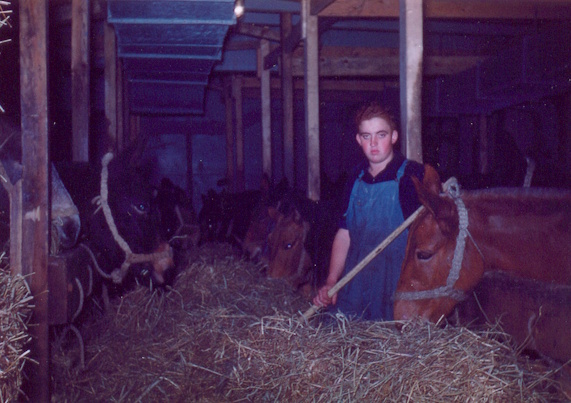
Between 1945-1947 nearly 7,000 men from the United States and Canada served as livestock attendants on 73 converted WWII cargo ships. These seagoing cowboys had one goal--to provide a continuous supply of milk to the children and their families in war-torn Europe by replenishing their lost livestock. A total of 239,377 animals, including horses, heifers, mules, goats and sheep plus chicks and rabbits were transported to Albania, China, Czechoslovakia (unloading in Bremen, Germany), Ethiopia, Greece, Italy, Poland and Yugoslavia (unloading in Trieste, Italy). This effort was known as “Heifer Relief” and eventually, became Heifer International.

Each seagoing cowboy took intensive care of 20-25 animals during a 2–3 week transatlantic voyage ensuring that the animals arrived healthy and ready to aid the communities in need. Their efforts helped provide food security and agricultural support to devastated European countries recovering from the war. The quick replenishing of lost livestock due to the war was crucial for rebuilding local farming capabilities and enabled communities to regain self-sufficiency and stability.


The seagoing cowboys are remembered for the commitment of ordinary individuals to one of the first global relief efforts. Seagoing cowboys laid the groundwork after WWII for long-term agricultural recovery by fostering economic development and growth to the war-torn countries of Europe. Today, their dedication to this achievement is immoralized in the Fundenberg Library at Manchester College in North Manchester, Indiana and through the works of Heifer International.

SKI Around Town

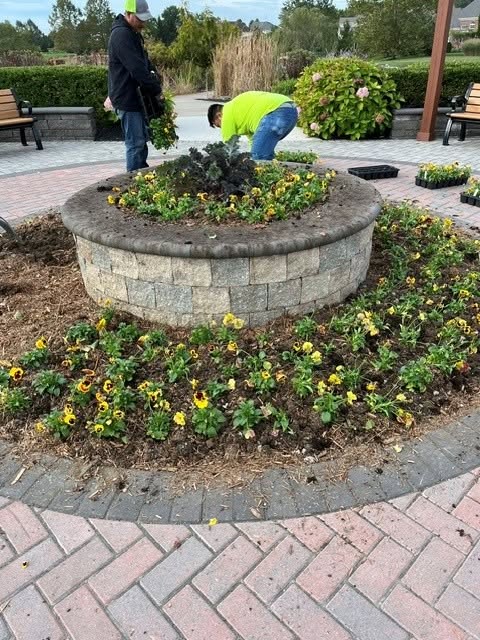
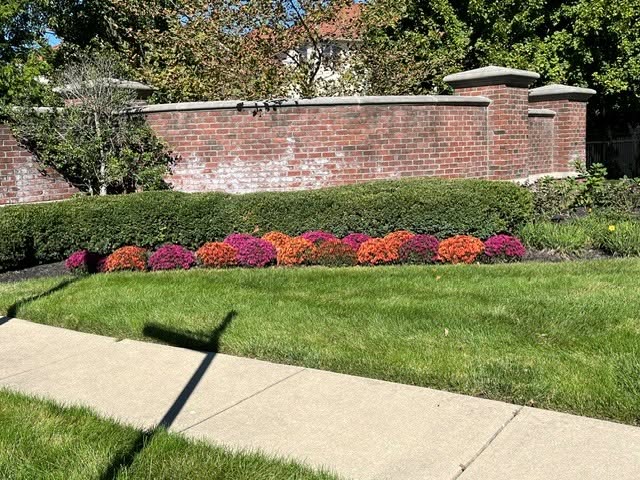
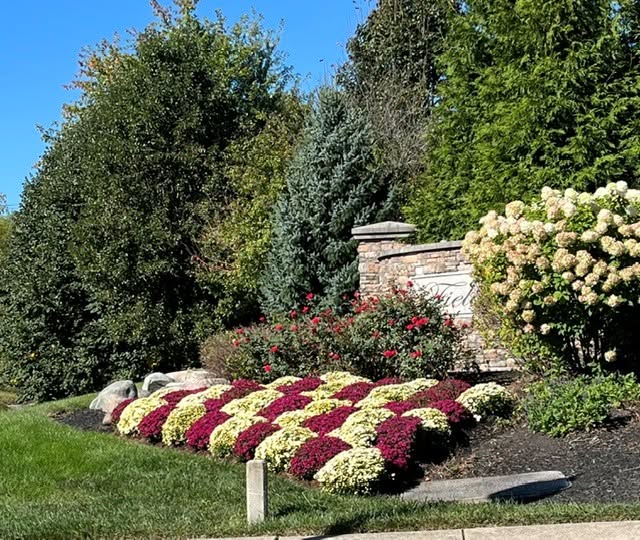
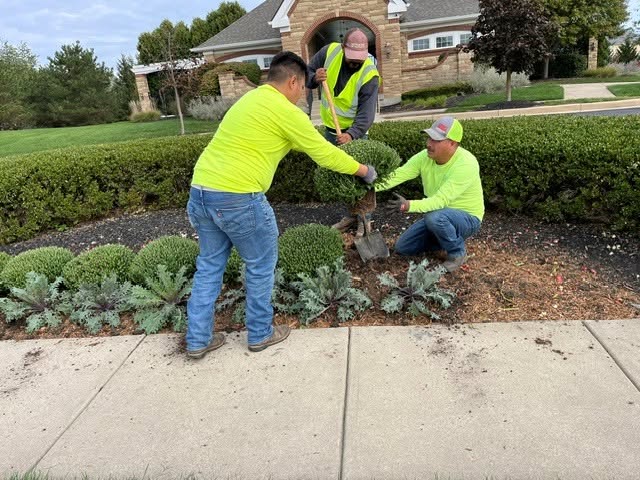
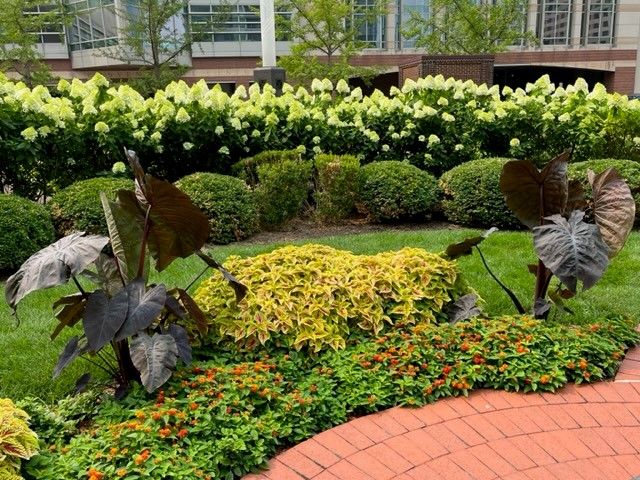
It's mum time--a sure sign of fall in Indiana. SKI LANDSCAPE celebrates the season by planting mums, pansies and violas throughout the city for vibrant seasonal color.

Real or Fake?


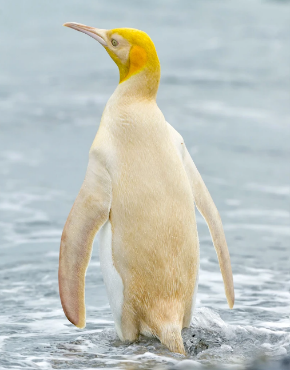
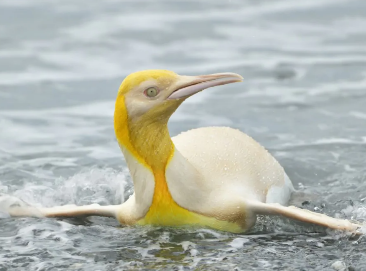
Yellow penguins are exceptionally rare, but they are indeed real. Having only been found on the South Georgia Island in the Southern Atlantic Ocean, yellow penguins offer a fascinating glimpse into the genetic diversity within the penguin populations.


The penguin’s yellow color is caused by a genetic mutation called leucism. This condition reduces the production of melanin, the pigment responsible for dark colors. As melanin decreases, the carotenoid pigments (yellow and orange) become more visible, resulting in the yellow appearance.


Leucism differs from albinism. Albino birds usually have an all-white appearance with pink eyes, beak, skin and feet. Albino means all melanin production is gone, whereas leucism means that there is still some melanin production.


The impact of yellow plumage on a penguin’s survival presents unique challenges including:

Increased predator risk: The bright yellow color might make the yellow penguins more visible to predators such as leopard seals and skuas, a large predatory bird, reducing their camouflage effectiveness.

Social acceptance: Penguins rely on visual cues for species recognition and mate selection. Altered coloration could potentially affect a yellow penguin’s ability to integrate into a colony and find a mate.

UV Protection: Melanin provides protection from harmful UV radiation. A yellow penguin with reduced melanin might be more vulnerable to sun damage, although the carotenoid pigments may offer some level of protection.


So... there really are yellow penguins and if you see one, take a picture and consider yourself lucky! 

Blog

November SKI Tips, 2026

Three types of floods

Rare Earth Elements in today’s world


Witches, ghosts and zombies--oh my!!!!


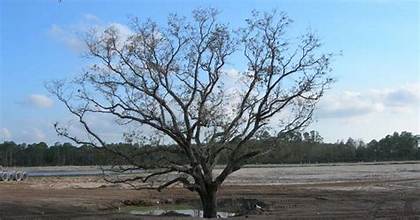
Watch out for scary witches, ghoulish ghosts and zombie trees this Halloween. Though the first two may be obvious—kids dressed in costumes—zombie trees can hide in plain sight until they fall and cause frightening damage in urban and suburban neighborhoods.


What is a zombie tree? A zombie tree is a tree that appears healthy on the outside but is dead or dying on the inside. Though they can display green leaves or buds, zombie trees lack essential nutrients and energy needed for survival. They pose significant safety risks to property and loved ones as zombie trees can fall at any time. It only takes one false move for these zombies to arise and attack.


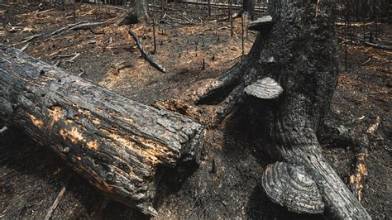
Zombie syndrome hits every kind of tree, in every region. The causes vary—lightning strikes, hard freezes, disease, root rot and root disturbance due to construction, and severe drought.


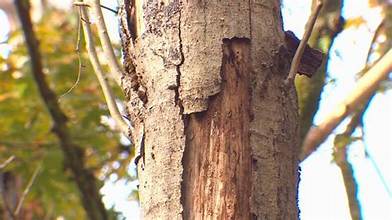
Visual signs of zombie trees may include discolored or dropping leaves, dying branches, and increased wildlife presence like woodpeckers and mushrooms. The best way to prevent zombie trees is through simple prevention and maintenance by inspecting it regularly, properly pruning, providing required nutrients and checking for invasive pests.


If a homeowner suspects a tree has become zombified an arborist should be called in to assess the situation. Some trees can be saved if the problem is caught early enough and the right treatment is applied. If it is determined to be a zombie tree it should be removed by a professional before scary, haunting things begin to happen.

Thanksgiving fun facts to share around the table


The first Thanksgiving was recorded in a letter by a colonist named Edward Winslow.

Americans eat more than 46 million turkeys on Thanksgiving Day each year and 50 million pumpkin pies.


The first presidential turkey pardon was in 1863. Abraham Lincoln granted clemency to a live turkey intended for his family’s Christmas dinner.


Thanksgiving inspired the first TV dinners in 1953 when Swanson didn’t sell as many turkeys as planned. With 260 tons of unsold turkeys, they took the idea of meals served in trays from the airlines and sold each meal for 98 cents.


Enough people clog their sinks and garbage disposals on Thanksgiving to make it the busiest day of the year for plumbers.

Did you know?


The space between your eyebrows is called a glabella.


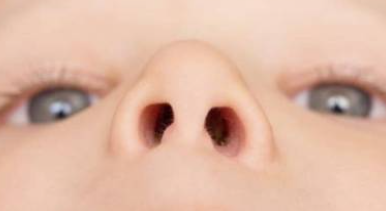
The space between your nostrils is called columella nasi.

Office Hours

Monday - Friday

8:00 a.m. - 4:00 p.m.


(317) 897-5885


Products Office Hours

Monday - Friday

8:00 a.m. - 4:00 p.m.

Saturday

8:00 a.m.-12:00 p.m.


(317) 757-5000

Facebook  Youtube  Instagram  
 
SKI Landscape Corporation | 317.897-5885 | www.skilandscape.com