|
Amboseli Trust for Elephants
October - December 2025
| |
31st December 2025 | Newsletter | |
Note from our Director
Sir/ Madam
Another year has passed with the Amboseli elephants. We are now into our 54th year of research on this one population. We never get bored; we never get tired of watching them, learning more about them, and above all caring about their future.
On the whole it has been a good year for the Amboseli Elephant Research Project. New studies are underway: the elephant disease project and exciting aspects of our human-elephant coexistence program. We have hired new people and although our core research team remains small it is very effective.
It has also been a good year for the elephants. After the terrible drought of 2022-23 ended in April 2023, the females quickly recovered and were soon pregnant. Twenty-two months later a baby boom began. To date 219 calves have been born this year. The adult males have been thriving too. The big, older males came into musth, and many were able to father calves. We have had no reports of elephant trophy hunting on the Tanzania side of the border, although no statement was ever made that it had stopped. We remain wary and attentive.
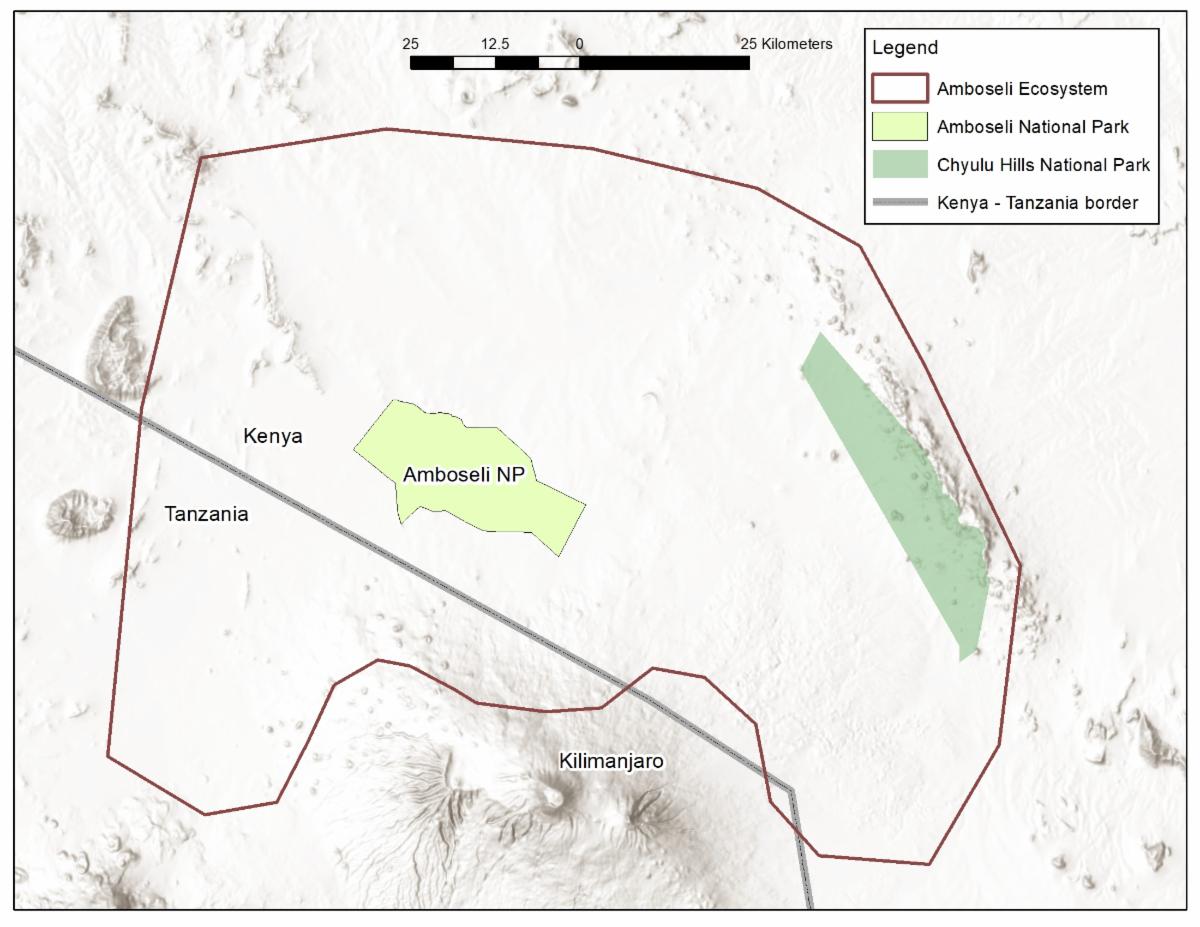
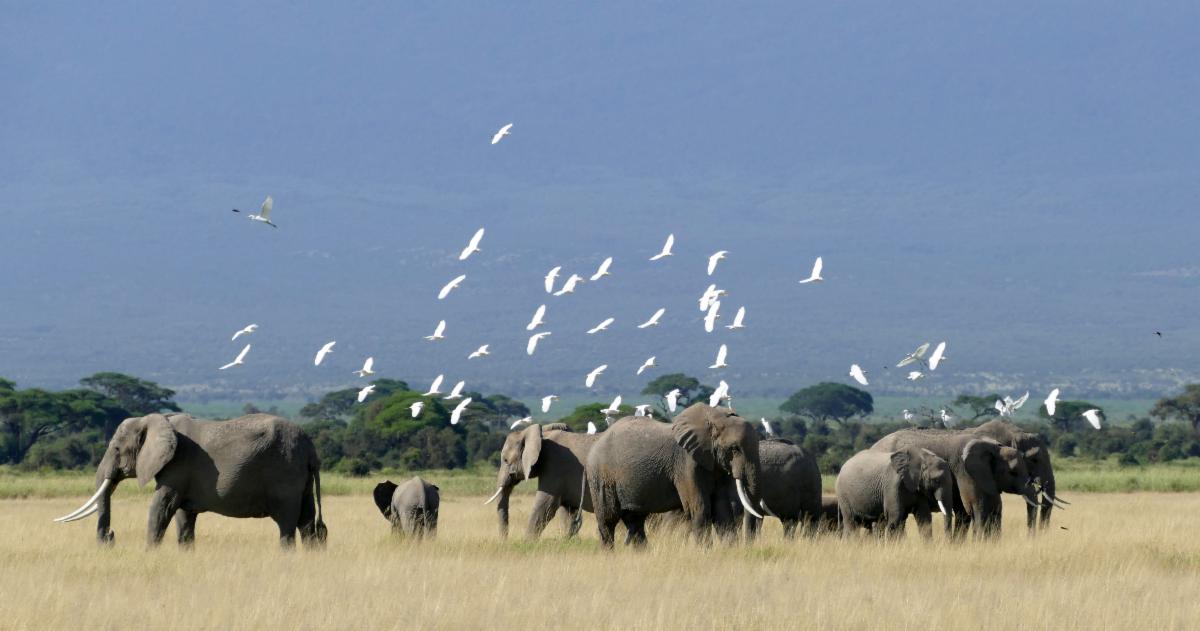
When I started the study in 1972 there were estimated to be about 700 elephants in the ecosystem. There was both poaching and sport hunting as well as one serious drought during the next six years and by the end of 1978 there were less than 500 elephants remaining. Today there are about 2200 elephants living in the larger Amboseli ecosystem of 8000 square kilometers (about 3000 square miles). There is still plenty of room for them, but there are land use changes happening.
Our main concern is keeping the corridors and dispersal areas open so that the elephants can still range far and wide. We are working closely with our partners for this part of our work. It gives us hope that the members of the Amboseli community and the many people who work in the ecosystem truly want to conserve the best things about it.
Cynthia Moss
Director
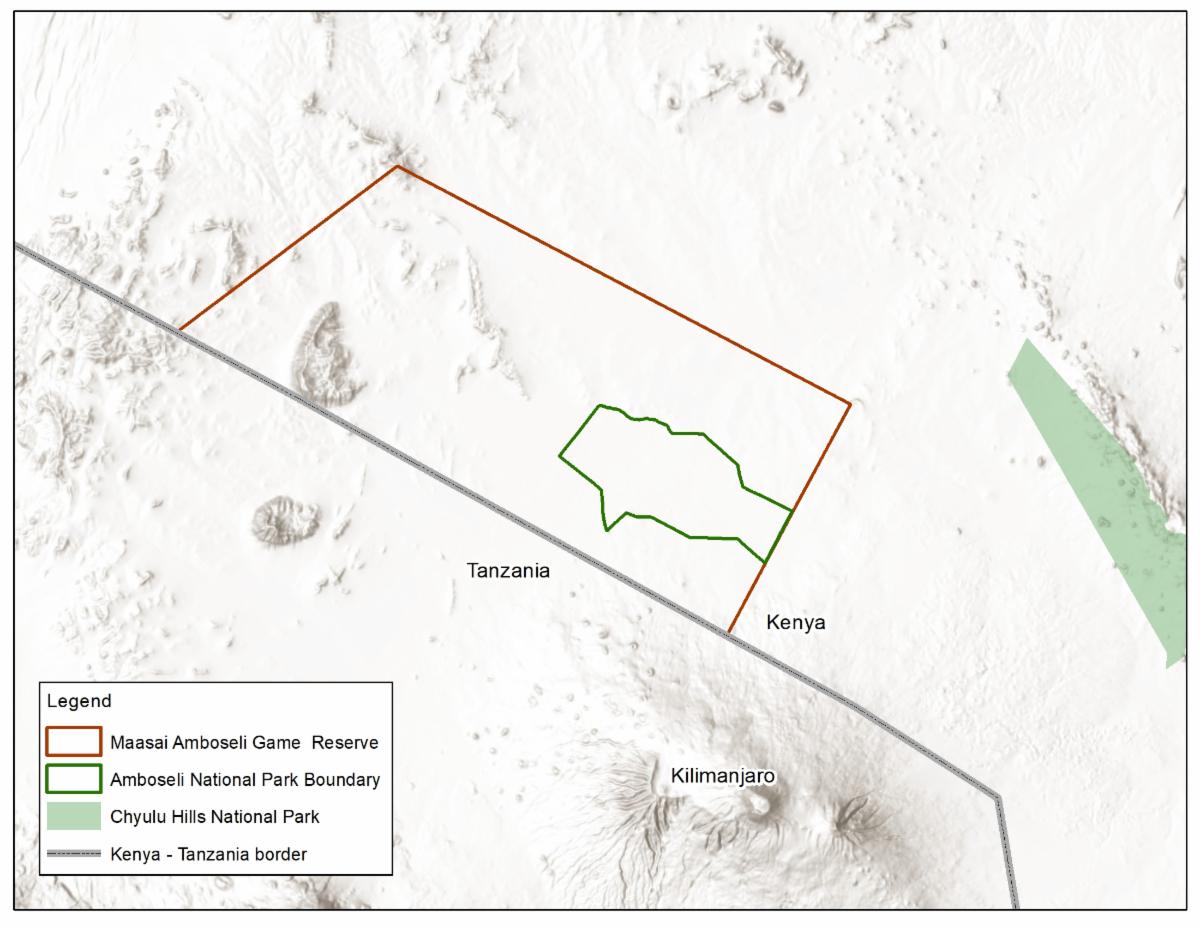
| | | | The original Amboseli Reserve and the present Amboseli National Park | | |
The Transfer of Amboseli National Park to Kajiado County
by Cynthia Moss
Amboseli National Park was officially handed over to the Kajiado County Government on November 8th at a huge, lively and very colorful event with Maa speaking people attending from all over the country wearing their full regalia. The final structure was not what was generally expected. Amboseli will remain a park rather than becoming a reserve. In Kenya there are three kinds of protected areas: national parks, national reserves and conservancies. Each has its own rules and restrictions. National parks are owned and run by the Kenya government through the Kenya Wildlife Service. Reserves are administered by county governments, and conservancies are managed by local bodies.
The Maasai Mara is the most famous of the national reserves in Kenya. Amboseli was a large reserve of 1,269 sq miles for many years, up until 1974 when a part of it, only 150 sq miles, was gazette as a national park. All revenue from the park then went to the central government. The local people who share their range with the wildlife were dissatisfied with the arrangement and have been fighting for the past 50 years to rectify the situation. They say there was an “historical injustice” and we at ATE believe it is a valid point.
There will be a phased transition. For the first year Kenya Wildlife Service and the county will run the park together and share the revenue 50:50, with the full revenue going to the county by 2028. KWS will always be in charge of security.
We are hoping for the best for the people and the wildlife.
| | Amboseli National Park within the Amboseli Ecosystem | | |
Report on CITES CoP20
by Keith Lindsay
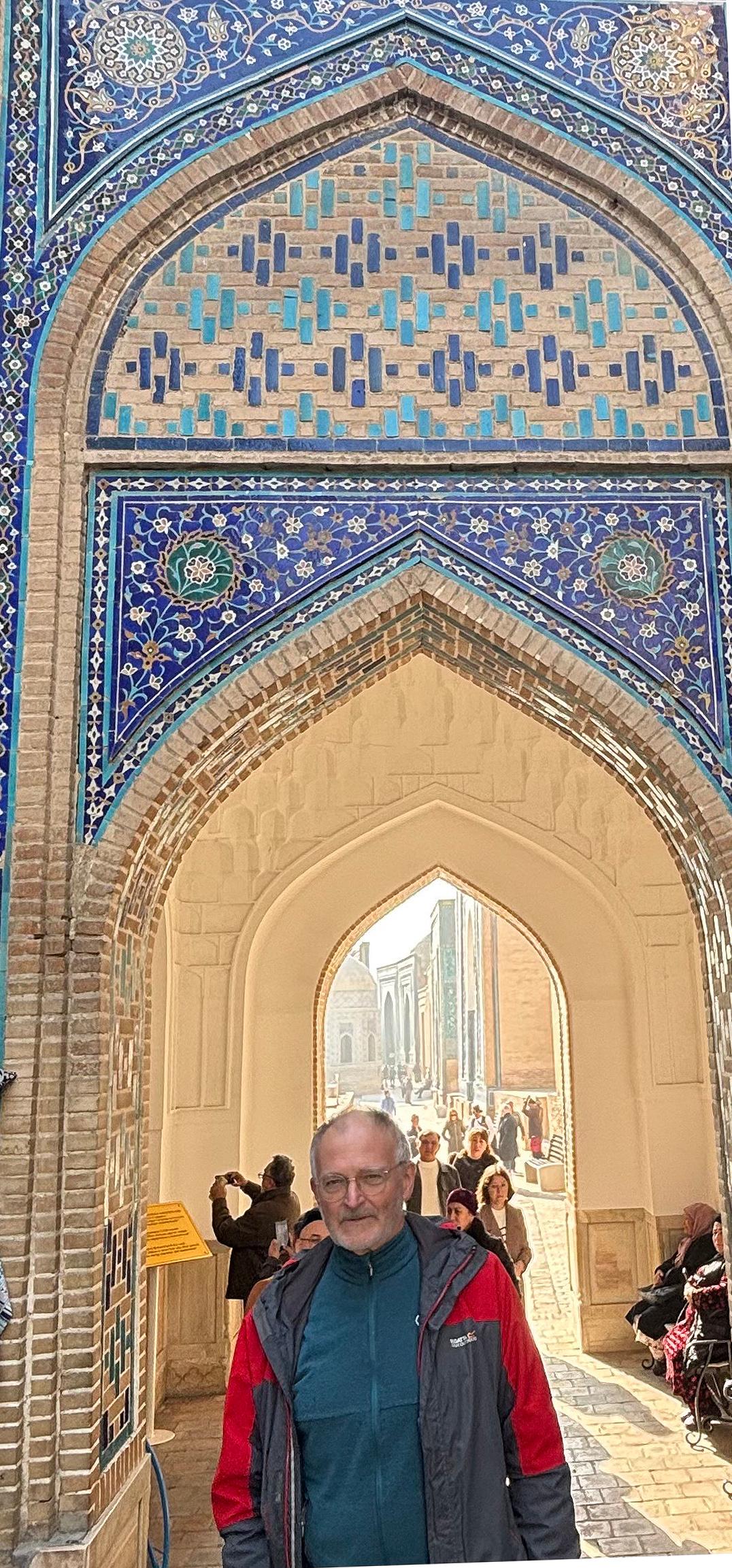
The 20th Conference of the Parties (CoP20) to the Convention on International Trade in Wild Fauna and Flora (CITES) was held in Samarkand, Uzbekistan from 24 November to 5 December 2025 — the first the first time a CITES CoP was hosted in Central Asia.
CITES, also known as the Washington Convention, is in its 50th year. Its aim has been to ensure that international trade (import/export) in specimens of animals and plants does not threaten the survival of the species in the wild. International wildlife trade is now worth billions of dollars, and illegal, unregulated trade
| | |
– alongside habitat loss and overexploitation – continues to drive vulnerable species towards extinction. CoPs are now held every three years and are attended by Parties – delegates of national governments and the European Union – and observer groups, including both conservation NGOs and industry bodies.
Endangered species are listed on the Convention's "appendices". Under Appendix II, trade takes place under strict monitoring and regulation, while under Appendix I, all commercial trade is prohibited; more than 40,000 species are now listed. Decisions on proposals are made after discussion and then either approved or rejected by consensus or a two-thirds majority vote by Parties. Although originally conceived to protect species from over-exploitation, CITES has faced moves among certain governments (especially in southern Africa), certain NGOs and user groups to press for "sustainable use" of wild species, with claims that the globalized commercial marketplace provides an economic incentive for conservation and benefits to communities sharing land with nature.
CoP20 brought together 185 Parties to assess and update protections for species by reviewing and amending the treaty’s Appendices. I attended the CoP with the Swiss-based conservation and welfare NGO, Fondation Franz Weber, and also flew the ATE flag as an expert in support of the African Elephant Coalition, a group of 20+ countries who are opposed to trade in live elephants and elephant parts. During CoP20, delegates considered proposals affecting dozens of species — including plants and wildlife — ranging from forests to marine life and, not least, African elephants.
The key results for elephants were the overwhelming rejection of a proposal by Namibia to resume sales of ivory from its stockpile, and the partial opening of the possibility of live trade from countries in southern Africa, but under limited conditions. Also largely rejected were attempts to link the international wildlife trade to rural livelihoods, food security and even human rights. In balance, the outcome was good for elephants, in that most protections were preserved, and the "sustainable use" narrative was rejected. Despite these positive results, there is need for constant vigilance to ensure that the precautionary protection of endangered species is maintained and not eroded.
| | | The History of the GB Family - Updated | | Part of the GB family in 2024 | | |
The GB family managed to confuse me completely the first time I ever saw them in 1975. I had recently set up a permanent camp in the Ol Tukai Orok woodlands in the center of the Park and had begun to observe the elephants on a full-time basis. During the previous three years I had worked part-time in Amboseli, mostly trying to build up a photographic recognition file for the population. By the time I moved to the camp I felt that I knew the families that used the central areas of the Park fairly well.
One of the families I was getting to know well was the BB family. My colleague Harvey Croze and I first met and photographed the BBs in 1973. At that time the family numbered 12 and included two tusklesses (named Big Tuskless and Bette) and one left one-tusker (Belinda). These characteristics made them very easy to recognize. We referred to them as the “Double Tusklesses”.
Then on November 10, 1975, I was in my camp late in the afternoon when the Double Tusklesses entered the glade at the north end of the camp. They came in, took one look at the tents, and fled in terror. I managed to count that there were 12 animals in the group including two tusklesses and a one-tusker. I thought their behaviour was very odd, because the BBs had been near the camp before and had not been afraid.
It was in January 1976 that I solved the mystery. I came upon the “Double Tusklesses” again when they ran from my vehicle. This time I was able to go around them and approach cautiously from a different direction. I looked at them carefully with binoculars and, yes there were two tuskless females and a one-tusked female, but something wasn’t right. I looked at the ID photos of the BBs and noted that their one-tusker, Belinda, was a left-one tusker. This was a right one-tusker. And the big tuskless had a hole in her left ear but in a slightly different place and, she didn’t have the ridiculously huge ears of the BBs’ Big Tuskless. I had to conclude that these were different individuals.
| | |
Graduations
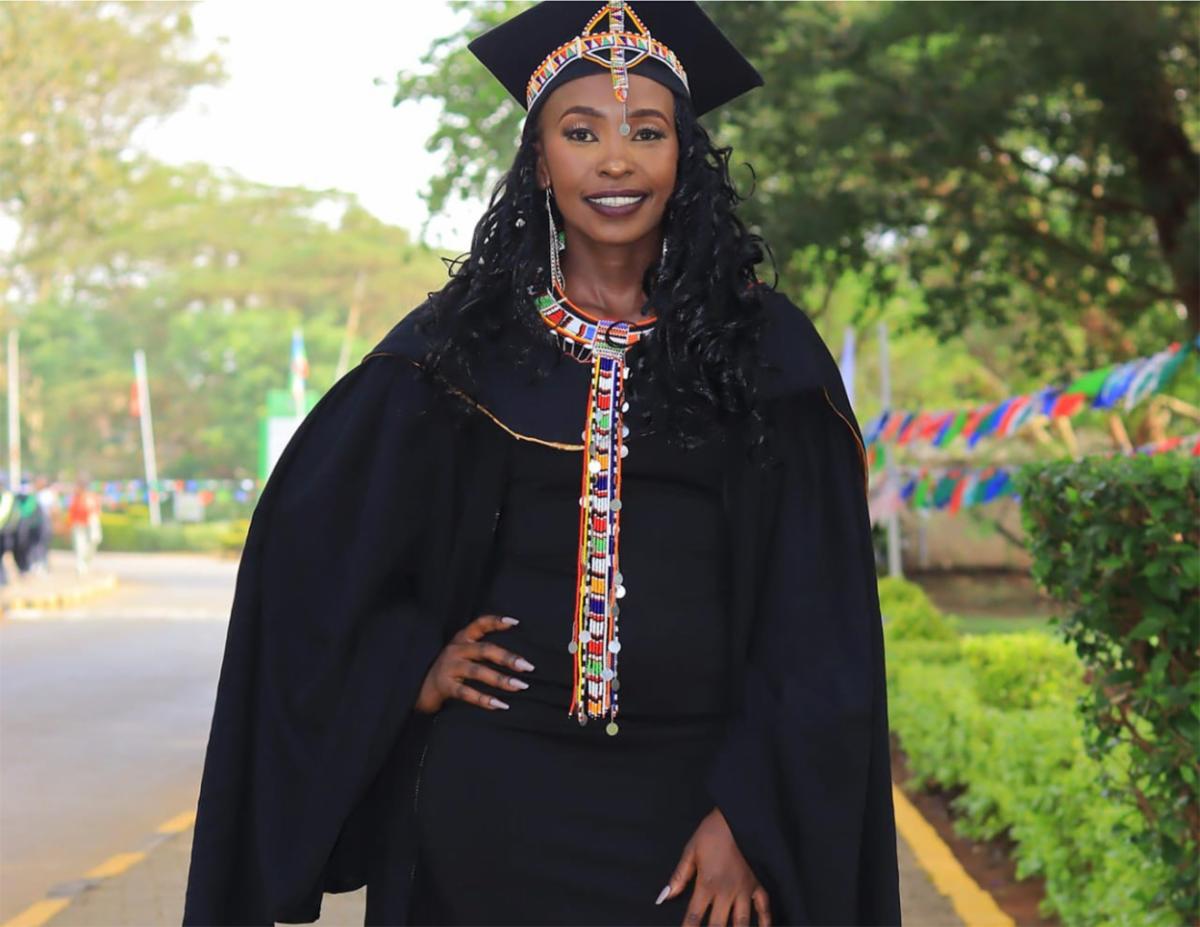
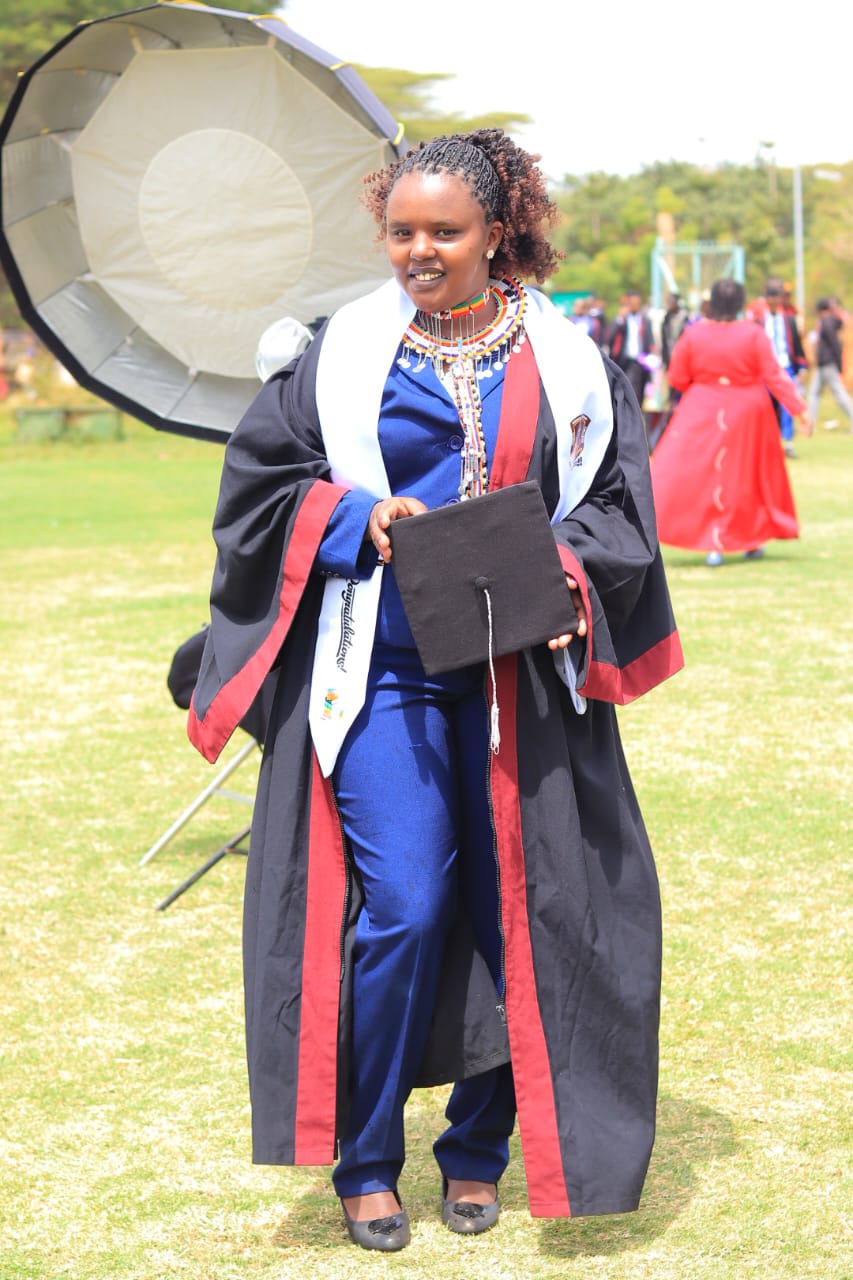
The Amboseli Trust for Elephants continues to successfully support students through our long-running scholarship programme. This year, we are proud to celebrate the graduation of two young women whose journeys we have followed for many years.
Faith Naserian, whom ATE has supported since 2014 when she was in secondary school, graduated at the end of 2025 with a degree in Electrical and Electronics Engineering. Susan Emmanuel, sponsored by ATE since 2012 from her time in primary school, has also completed her studies and graduated with a Diploma in Public Health.
We congratulate both Faith and Susan on their achievements and wish them every success as they take their next steps into the job market. Their dedication and perseverance reflect the long-term impact of investing in education within our local community.
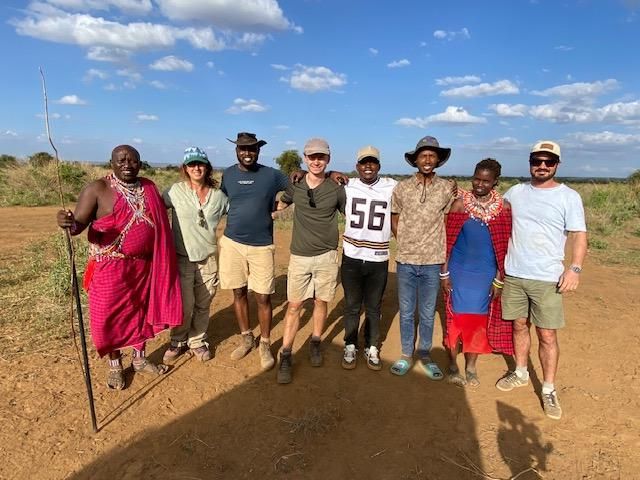
| Faith Naserian at her graduation | Susan Emmanuel at her graduation | |  | The crew and supporters during the shoot | |
Filming Project
Earlier in December, our Human–Elephant Coexistence (HECx) team filmed an educational short for the Maasai community as part of our Elephant Awareness Campaign, due to launch next year.
This film is designed to support local understanding of elephant behaviour and promote safer, more informed ways for people and elephants to share space. Importantly, it draws not only on long-term scientific research, but also on indigenous knowledge shared during Maasai elder meetings held earlier this year. These discussions provided valuable insights into traditional observations, decision-making, and lived experience of coexistence with elephants across generations.
We are deeply grateful to everyone who contributed their time, knowledge, and support to make this important resource possible. Our sincere thanks go to our ATE team, plus Kenyatta Oloitiptip, Ieun Rose, Iain Olivier (from Imara Studios), and Elephant Garden Camp for generously allowing us to film on their land for this project and for supporting us during film days.
We look forward to sharing more in the coming months as we roll out a wider set of educational tools aimed at strengthening coexistence between people and elephants across the Amboseli ecosystem.
| | | | | |
A New Baby - Madeline
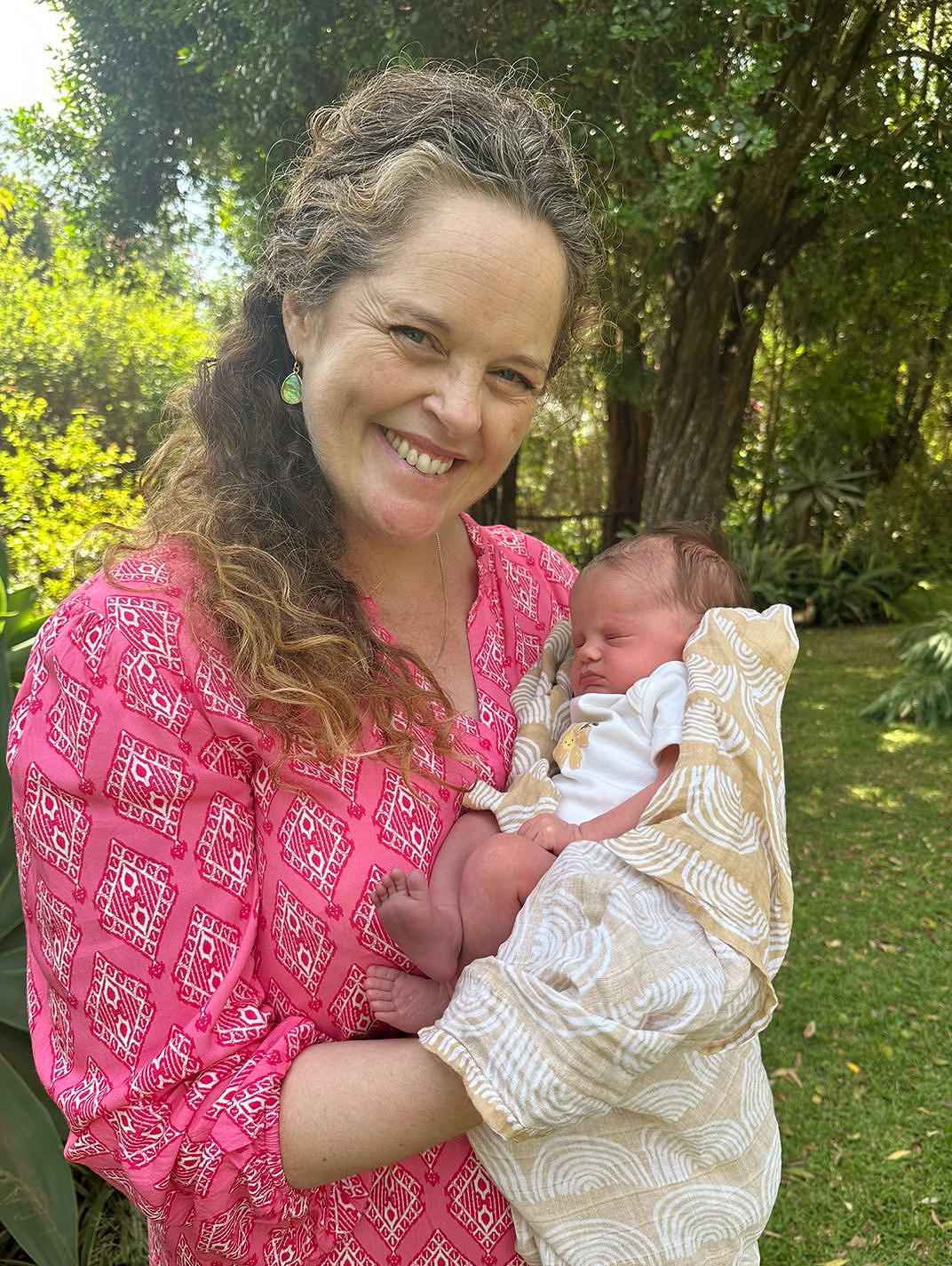
We would like to congratulate Dr Vicki Fishlock and Ben Lawrence on the arrival of their baby girl, Madeline, born on the 9th of December.
Vicki has been a valued member of the Amboseli Trust for Elephants research team for many years, and we are happy to share this wonderful news with our supporters. We send our very best wishes to Vicki and her family as they begin this new chapter together.
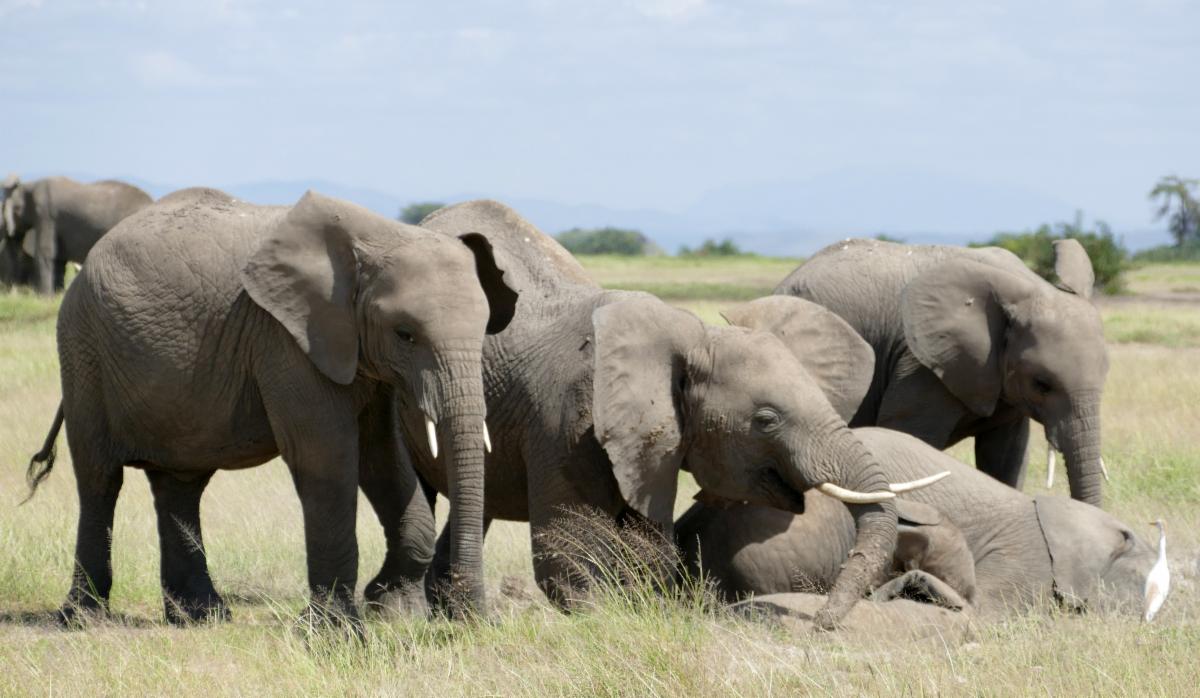
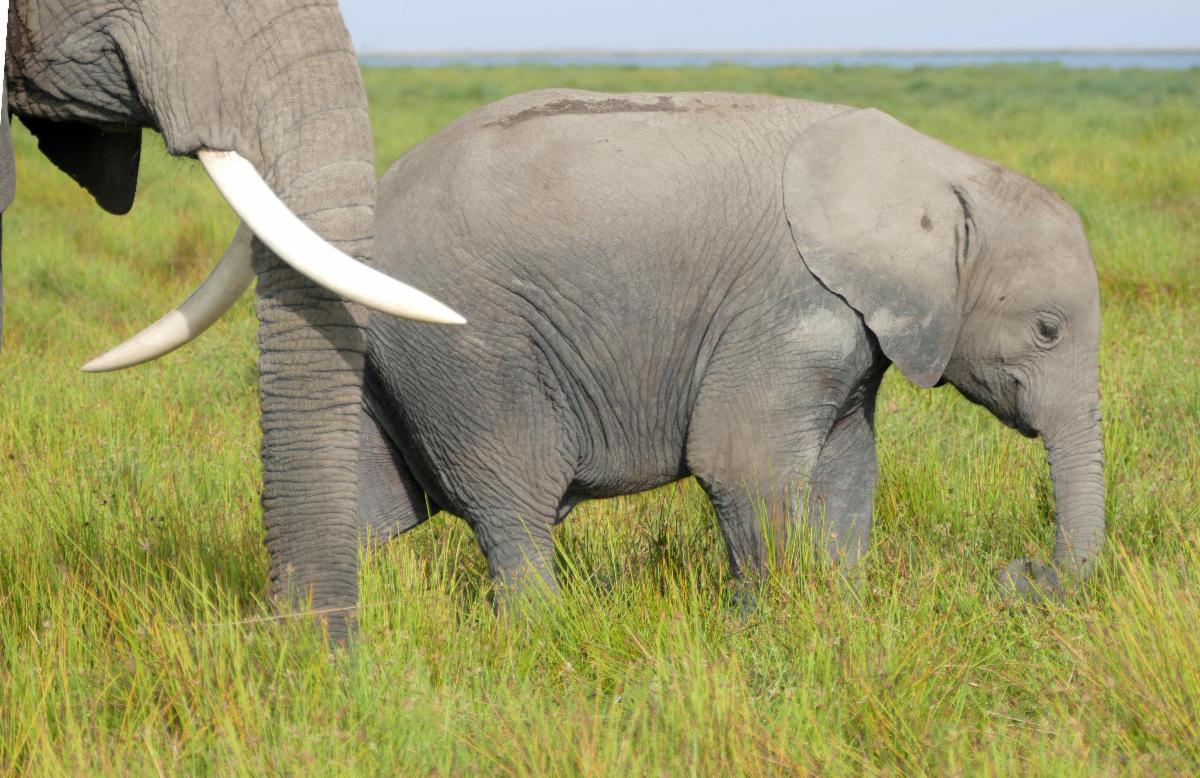
| | | These young elephants are part of the KB family, which is one of the six families you can follow in our Elatia program. You can choose one or more of the families to join the program. You will receive regular updates, which include photos and videos and news of what is going on in the family. To learn more about Elatia go to: this link or contact us on: info@elephanttrust.org | | | Angelina (famous for her bent back tusk) has a male calf who just turned two years old. He needs a name. By naming a calf you will be able to follow his life as he grows up and one day strikes out into the world of independent males. The name you give "your calf" forms a part of the Amboseli dataset for all time. For more information write to us at: info@elephanttrust.org | | | Give a Gift that Lasts Forever | |
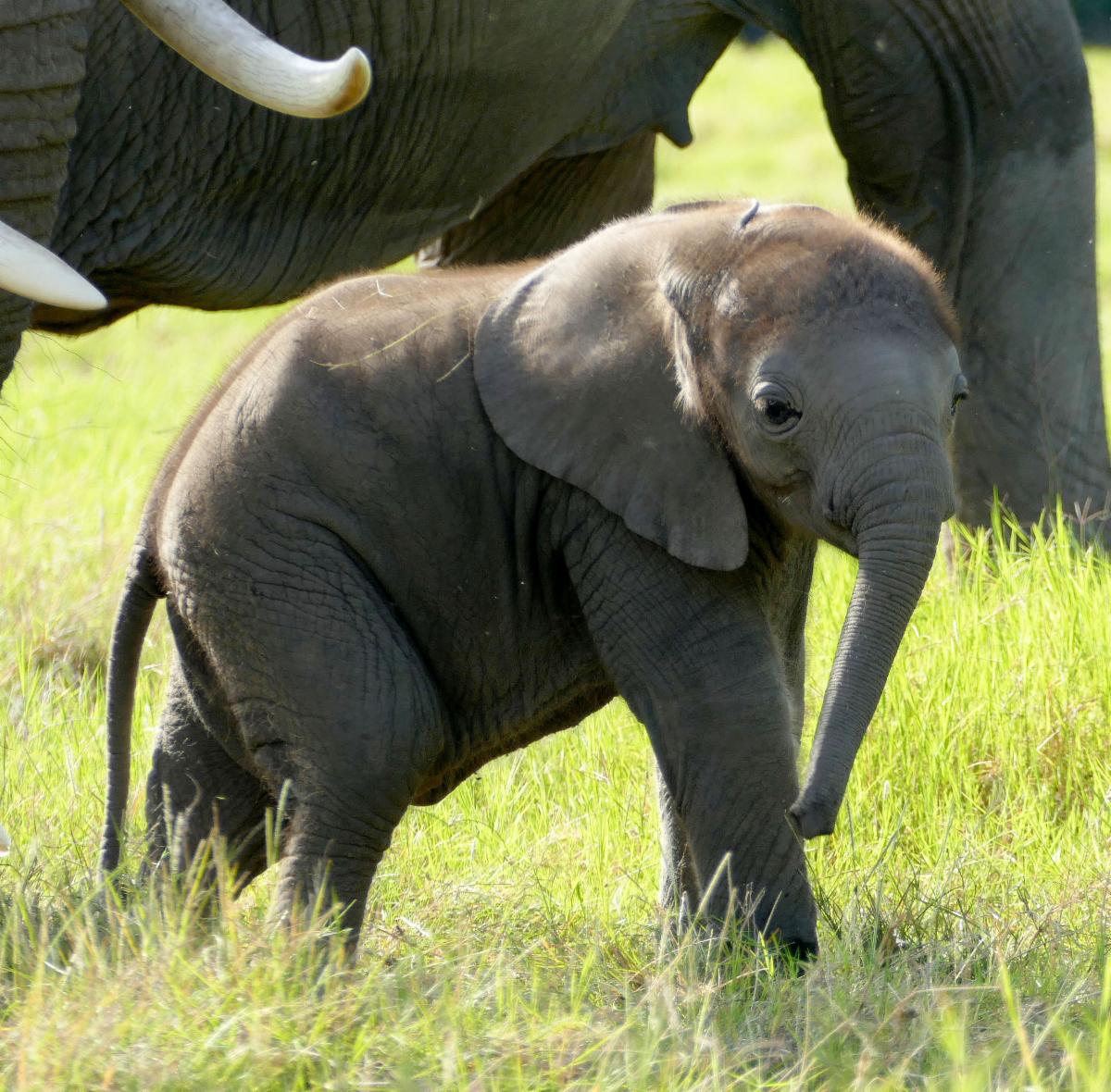
This is one of the new calves born this year, which has been a baby boom year with so far 219 births. This male calf was born to Eunice of the EB family in November. We want him to have a long, full and peaceful life. You can assure that his world remains secure by designating ATE as a beneficiary of your will, individual retirement account, or life insurance policy. To learn more about planned giving, contact Betsy Swart: eswart@elephanttrust.org
Tel: +1-508-783-8308
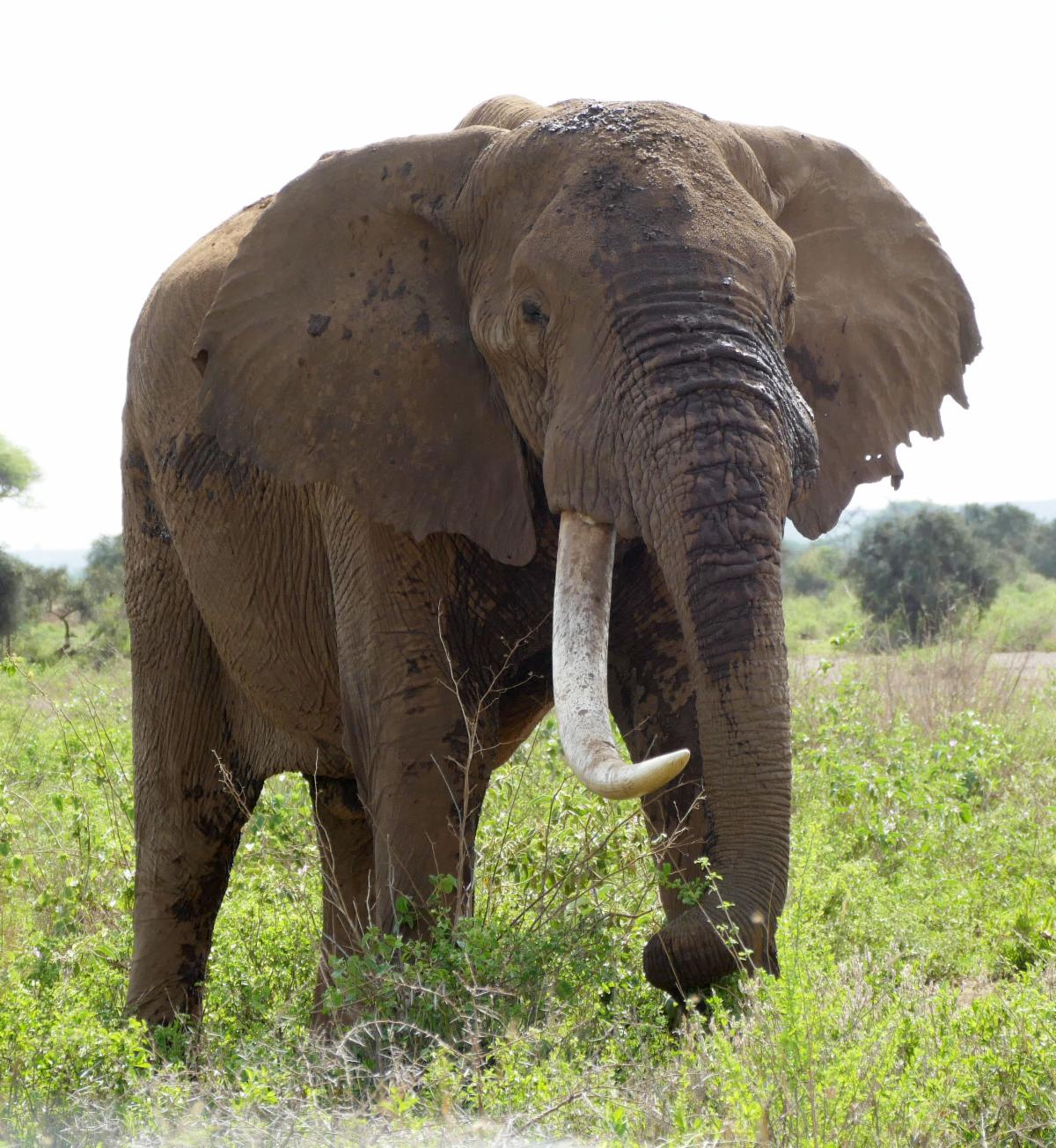
| | | Vronsky is one of the oldest males in the population at 49 years old. He recently lost his left tusk when it was broken off in a fight. He is probably not happy about it but at least he is safe from trophy hunters. Other big males are not. Help us keep them safe by making your online purchases through iGive. If you sign up the Amboseli Trust for Elephants as your recipient organization, we will get a small percentage of the sale. www.igive.com | | |
Make a Donation
We use a secure online system on which you can make your donation with a credit or debit card. All donations exclusively support our not-for-profit organization.
| | | | |