|
In This Issue:
- Market Update: U.S. New Crop Price Discovery in Wait Mode?
- Washington Update
- International News: Bringing the Benefits of U.S. Rice to Guatemala’s School Children
- Capture Rice Country
- Photo from Rice Country
| |
| U.S. New Crop Price Discovery in Wait Mode? | |
| |
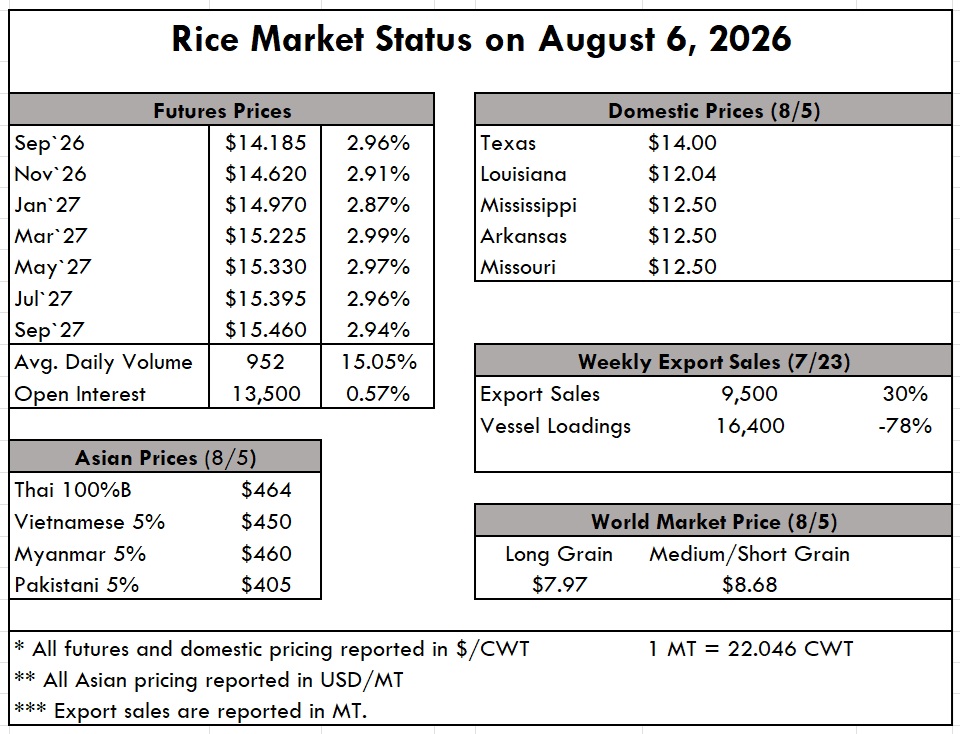
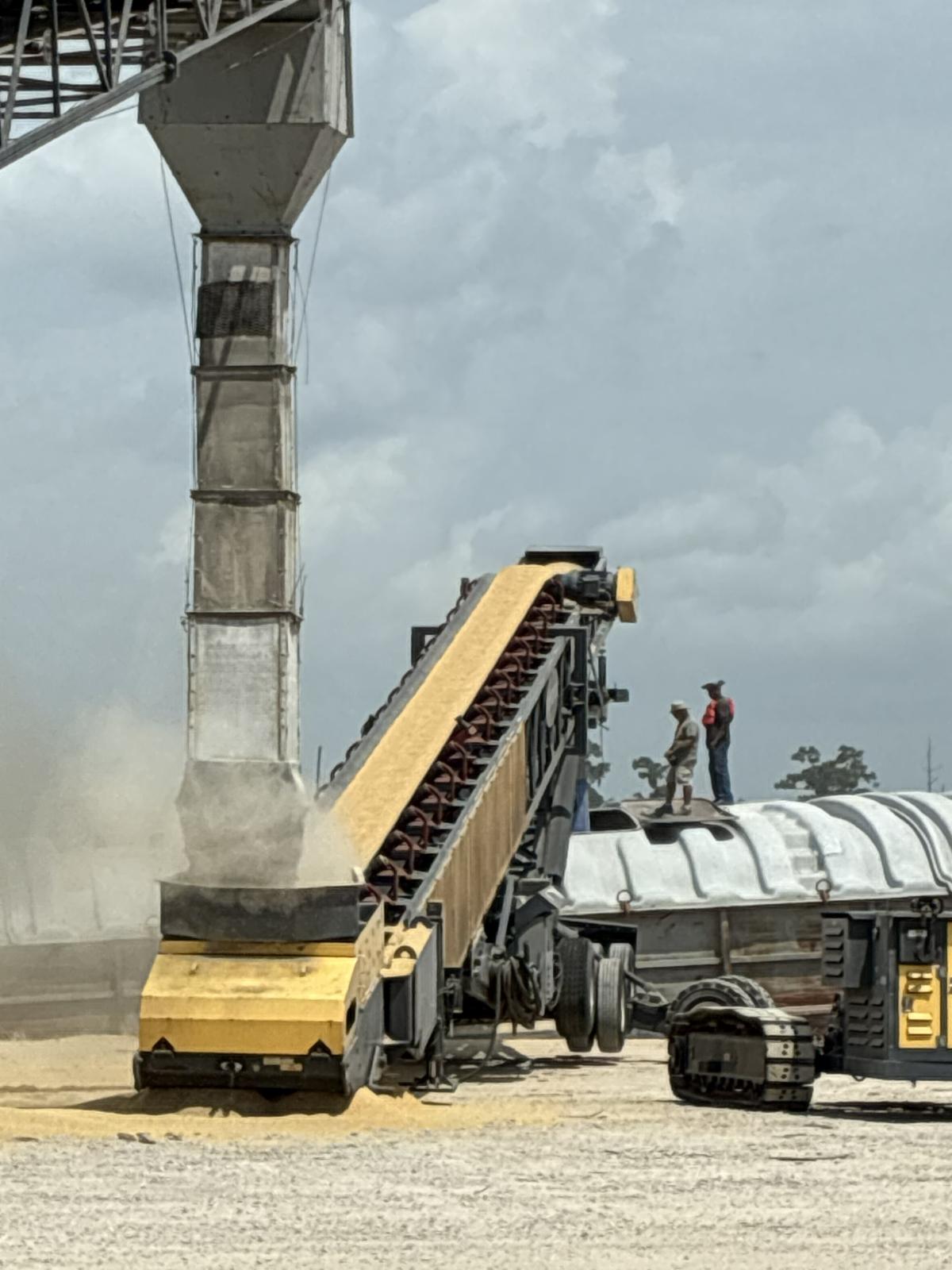
Louisiana is racing ahead in its harvest, cresting 50% complete this week, well ahead of its five-year average of only 22%. Despite the speed, getting milling reports has been difficult; the minor indications we have heard are positive. It’s normal for Louisiana to be well ahead of the rest of the industry, with the only other state even on the register being Texas at 13% harvested. Arkansas is just around the corner, and right now for the state, the Crop Progress report shows 19% Excellent, 47% Good, 27% Fair, 6% Poor, and 1% Very Poor. Arkansas has been trending above 70% for Good/Excellent all year, so it remains positive that the trend has continued into harvest.
The real news for our market this week is what’s going on in Brazil. The size of their crop has been a major factor in recent years, and there have been shocks to it. Initial estimates from Post were that the crop would be reduced by about 8% this year compared with last year. However, due to recent weather events and extremely high fertilizer costs, reports are showing up to an additional 10% loss, getting close to a 20% unforeseen supply-side shock. This has caused the Brazilian government to procure 305,000 metric tons in reserves, and resulted in a subsequent price increase of appx $25 pmt. Brazil is not alone in the reduction, as the entire Mercosur region is now expected to be off by as much as 15%. This development, coupled with our extremely short crop, could be the single bright spot in the pricing equation at the moment as the world (and Western Hemisphere) is working off a glut of long grain rice.
It would be natural for the invisible hand of the market to dictate more rice from the Middle and Far East to find its way into the Western Hemisphere, specifically South America, but this hasn’t happened yet. There has been strong support and demand in Central and South America for rice grown in the Western Hemisphere. Prices have firmed in support of this thesis, with Brazilian milled 5% quoted at $500pmt, Argentina at $440pmt, and Uruguay at $500pmt. This has helped with convergence of the U.S. crop in the right direction, i.e., lower-priced product moving up in our direction as opposed to our price dropping.
The FAO All Rice Price Index averaged 108.4 points in July 2026, virtually unchanged from June but 4.7 percent above a year earlier. In Asia, Indica export prices were generally firmer, the exception being Thailand, where weak demand and a depreciating baht eroded June's gains. Indian quotations found support from robust African parboiled demand despite a softer rupee, while Vietnamese prices climbed to 19-month highs on cost pressures and thinning supplies. In the Americas, attention stayed on the supply side: U.S. focus is on quality now that the 30% reduction is locked in, while in MERCOSUR, reduced returns and El Niño disruptions weighed on 2027/28 planting decisions.
Thai and Viet prices have certainly bumped up from a year ago, now sitting at $460pmt and $440pmt respectively. Recall that quotations were much closer to $380pmt this time last year, so an increase of nearly 20% has been the story, while India hasn’t moved off its $365pmt price.
The weekly USDA Export Sales report shows net sales reductions of 54,300 MT this week—a marketing-year low. Exports of 67,500 MT were up noticeably from the previous week and up 72% from the prior 4-week average. The destinations were primarily to Mexico (31,000 MT), Japan (13,000 MT), Saudi Arabia (9,700 MT), Honduras (6,400 MT), and Jordan (2,100 MT).
| |
|
|
Senate Ag Fails to Advance Farm Bill out of Committee:
On Thursday, August 6, the Senate Committee on Agriculture, Nutrition, and Forestry held a full Committee markup of the Agricultural Act of 2026 (unintroduced committee draft) ahead of leaving town for the August recess. Last Friday, Chairman John Boozman (R-AR) initially noticed the markup and released revised text updating the majority’s initial early June draft, adding a one-year delay of the Supplemental Nutrition Assistance Program (SNAP) state cost-sharing requirement and language authorizing year-round, voluntary E15 sales. On Tuesday evening, over 200 amendments were submitted by members of the Committee, and of that, 34 were passed in a manager’s amendment that was adopted by a voice vote during the markup.
While members of both parties acknowledged the domestic agriculture industry is facing serious economic challenges and broadly agreed on the need to provide producers with greater certainty through a new five-year farm bill, disagreements over SNAP state cost-sharing requirements ultimately prevented the Committee from reaching a bipartisan consensus. After approximately three hours of debate, the Committee voted along party lines and failed to report the bill as amended out of Committee. Notably, Sens. Mitch McConnell (R-KY), Tommy Tuberville (R-AL), and Elissa Slotkin (D-MI) were not present during the final vote. Instead of adjourning, the Committee recessed indefinitely, and members are expected to reconvene subject to the call of the Chair. After the markup, Chairman Boozman released a statement voicing disappointment with the process and reaffirming his commitment to advancing a farm bill for America’s agricultural industry amid ongoing hardship and economic uncertainty. Now, the Senate looks to head out of town for a 5-week recess and will resume session on September 14. You can watch a recording of the markup here.
| | Bringing the Benefits of U.S. Rice to Guatemala’s School Children | |
|
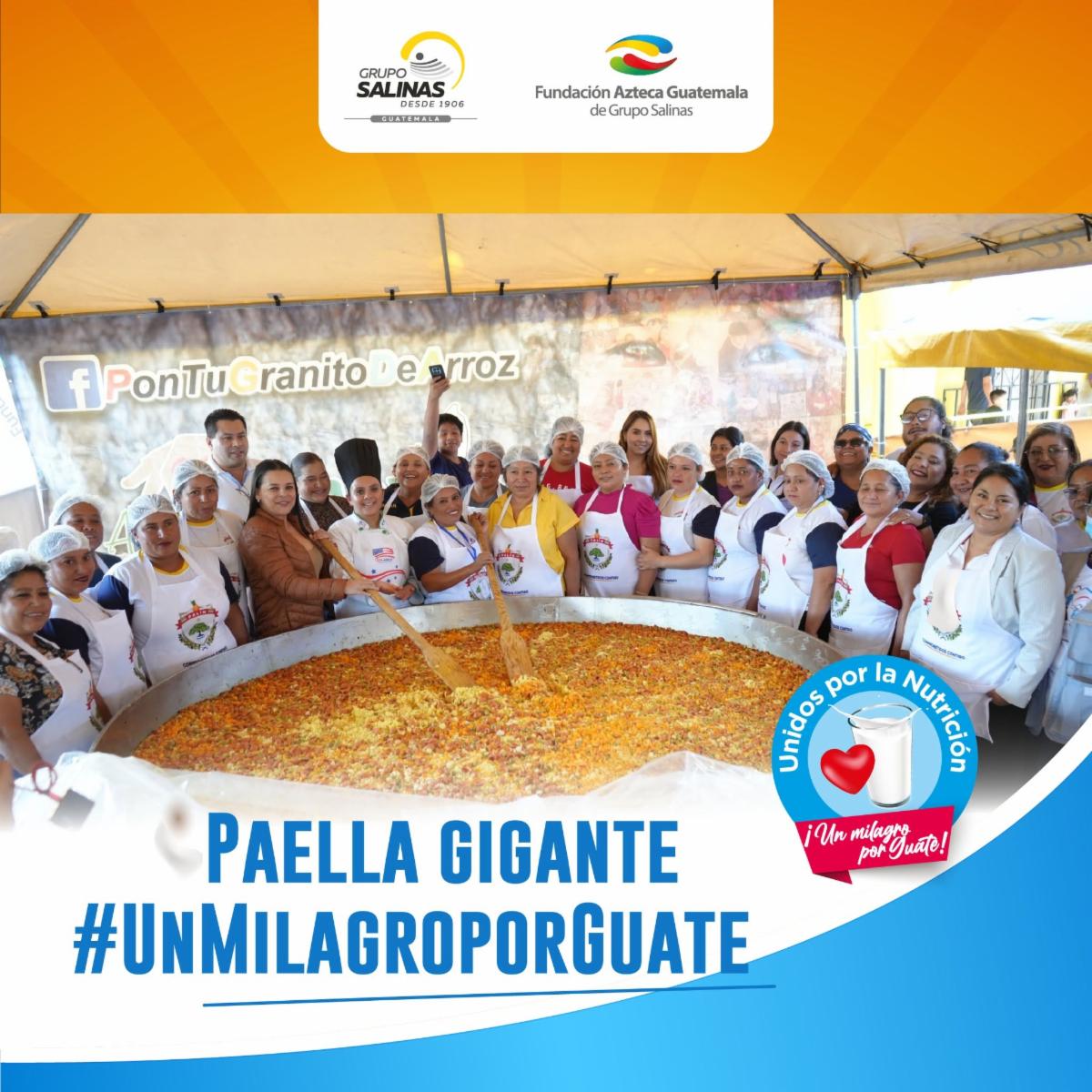
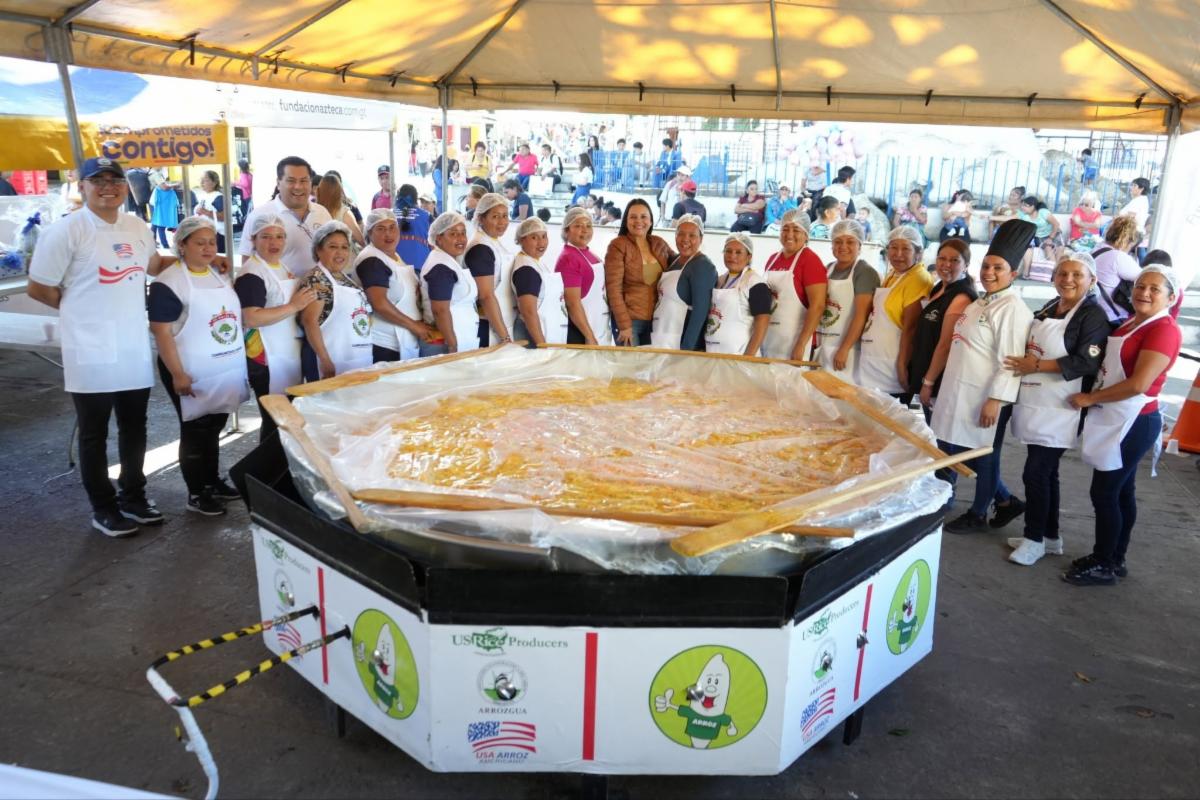
USRPA, in partnership with ARROZGUA, supported a community-wide Paella Gigante event held in the Central Park of Palín, Guatemala, in collaboration with Fundación Azteca Guatemala and the Municipality of Palín.
The event combined the promotion of rice with a meaningful charitable cause. For every plate of paella served, one pound of Incaparina, a fortified nutritional food, was donated to help combat acute childhood malnutrition in the region.
The community response was overwhelming, resulting in the collection of more than 950 pounds of Incaparina, which will benefit 65 children suffering from acute malnutrition through the COMUSAN Palín nutrition program.
The giant paella showcased the versatility and appeal of rice while demonstrating how partnerships between the rice industry, local government, and community organizations can make a lasting impact beyond the marketplace. By supporting initiatives such as this, USRPA and ARROZGUA continue to strengthen the image of U.S. rice as a nutritious, family-friendly food while contributing to programs that improve food security and community well-being throughout Guatemala.
| | From the fields to the harvest and everything in between, we want to see what rice country looks like to you! Share your favorite rice country photos or videos and help us celebrate the people, places, and stories that make our industry special. | | |
FAO Rice Price
Update
| |  |
Food & Agriculture
Regulatory & Policy Roundup
| | | |
World Markets & Trade: Grain
| | | World Agricultural Production | | | | | | Inter-Rice World Rice Market Report | | |
|
August 18, 2026
Missouri Rice Research & Merchandising Council Field Day
Glennonville, MO
More Information
| |
September 10 - 11, 2026
Katy Rice Festival
Katy, TX
More Information
| |
September 30, 2026
Texas Rice Festival
Winnie, TX
More Information
| |
February 18 & 19, 2027
30th Annual Cotton & Rice Conference
Jonesboro, AR
More Information
| | |
June 8 - 10, 2027
Rice Market & Technology Convention
Sheraton Puerto Rico Resort & Casino
San Juan, Puerto Rico
More details to come
| | |
USRPA does not discriminate in its programs on the basis of race, color, national origin, gender identity, sexual orientation, religion, age, disability, political beliefs, or marital/family status. Persons who require alternative means for communication of information (such as Braille, large print, sign language interpreter or translation) should contact USRPA at 713-974-7423. |
| | | |