|
On Field Thoughts: We’re Back after 5 years! Take the Prairie & Ontario Cover Crop Survey
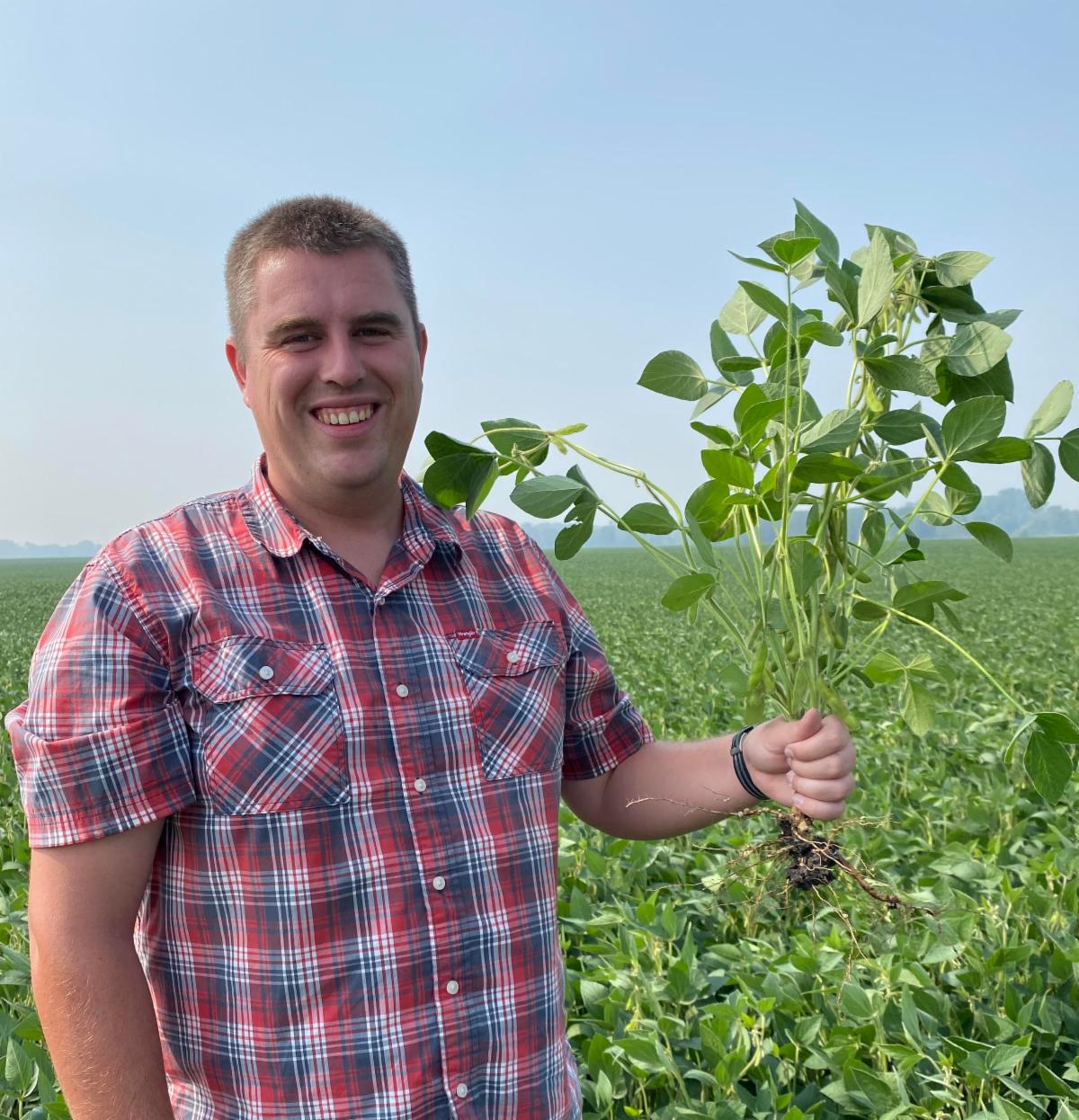
By Callum Morrison, Crop Production Extension Specialist, Manitoba Agriculture
To better understand where cover cropping stands today, a new survey is being launched to capture real-world insights from both farmers and crop advisors.
Many of us have seen firsthand as cover crops have moved from the margins of Canadian agriculture to the centre of countless conversations about soil health, climate resilience, and profitable regenerative systems. Across Manitoba, the Prairies, and Ontario, farmers and those that advice them are experimenting, adapting, and sometimes stepping back as they try to fit cover crops into diverse rotations, soil types, and business realities.
For organizations like the Manitoba Forage and Grassland Association (MFGA), this project closely aligns with long-standing priorities around regenerative agriculture, soil health, and the integration of livestock into cropping systems. Cover crops play a critical role in these systems by keeping living roots in the soil for more of the year, improving nutrient cycling, reducing erosion, and increasing biological activity. When paired with managed grazing, cover crops can also provide high-quality forage, extend the grazing season, and create additional revenue streams while accelerating soil regeneration.
Led by researchers including Dr Yvonne Lawley (University of Manitoba), myself (Callum Morrison, Manitoba Agriculture), and the Ontario Cover Crop Steering Committee, our new survey launch builds on earlier work our same group conducted in 2020. That earlier survey heard from hundreds of Prairie farmers and helped establish a baseline understanding of cover crop adoption, common species and mixtures, perceived benefits, and challenges.
Since then, much has changed. Input costs have risen, cost share programs have appeared, weather patterns have continued to be erratic, and there continues to be interest in regenerative agriculture including livestock integration, and whole-farm resilience. This new survey aims to reflect those evolving dynamics and provide up-to-date information that can provide farmers and crop advisors in making informed decisions, as well as future research, policy, extension, and on-farm programming, grounded in local Canadian research.
The survey is open to farms of all sizes and production types across Manitoba, Saskatchewan, Alberta, and Ontario. Importantly, it is not limited to farmers who are currently growing cover crops.
Crop advisors also play a critical role in this process, which is why a dedicated advisor survey is also included. Anyone who works with farmers and provides advice or extension is invited to participate. This could be through agribusiness, government, non-profit organizations, or independent consulting. Advisors do not need to be actively recommending cover crops to take part. Their perspectives on farmer motivations, concerns, knowledge gaps, and support needs are essential for shaping effective extension tools and research priorities.
Participation is encouraged from:
- Farms that used cover crops during the 2025 growing season
- Farms that tried cover crops in the past but have since stopped
- Farms that have never used cover crops
- Crop advisors and ag professionals, whether or not they actively advise on cover crops
This inclusive approach recognizes that includes seeking to understand why cover crops are not used, or why they were abandoned, are highly valuable when designing practical solutions for Prairie conditions, and ensuring producers are well informed before adopting a new practice for the first time
By participating in the survey, farmers and advisors have an opportunity to ensure that future initiatives reflect real Prairie conditions and practical realities.
The survey is available online at:
https://gfo.ca/cover-crop-survey/
It will remain open until March 31, 2026.
By promoting this survey participation opportunity, MFGA encourages Manitoba producers and advisors to take part. Sharing your experience is a simple but meaningful way to contribute to stronger, more resilient farming systems across the Prairies and beyond.
|