Volume 10, Issue 8 │March 6, 2026 | | | |
Thanks to those who attended the 2026 Winter CE Series! We appreciate your support of IOA events. All tests have been emailed out. The tests and CE certificates may be accessed at the link below (login required).
TQ certificates are available immediately after passing the test with a grade of 70% or higher.
One retake is allowed.
| |
4th Year Licensing & Credentialing Webinar
March 18, 2026
7:00 - 8:00 p.m. CDT
The IOA is hosting a webinar for fourth-year optometry students interested in practicing in Illinois on March 18, 2026 at 7:00pm CT. Panelists, Dr. Eric Botts & Dr. Amanda Gerson, will review the entire license application process as well as the steps future optometrists will need to take to start the insurance credentialing process.
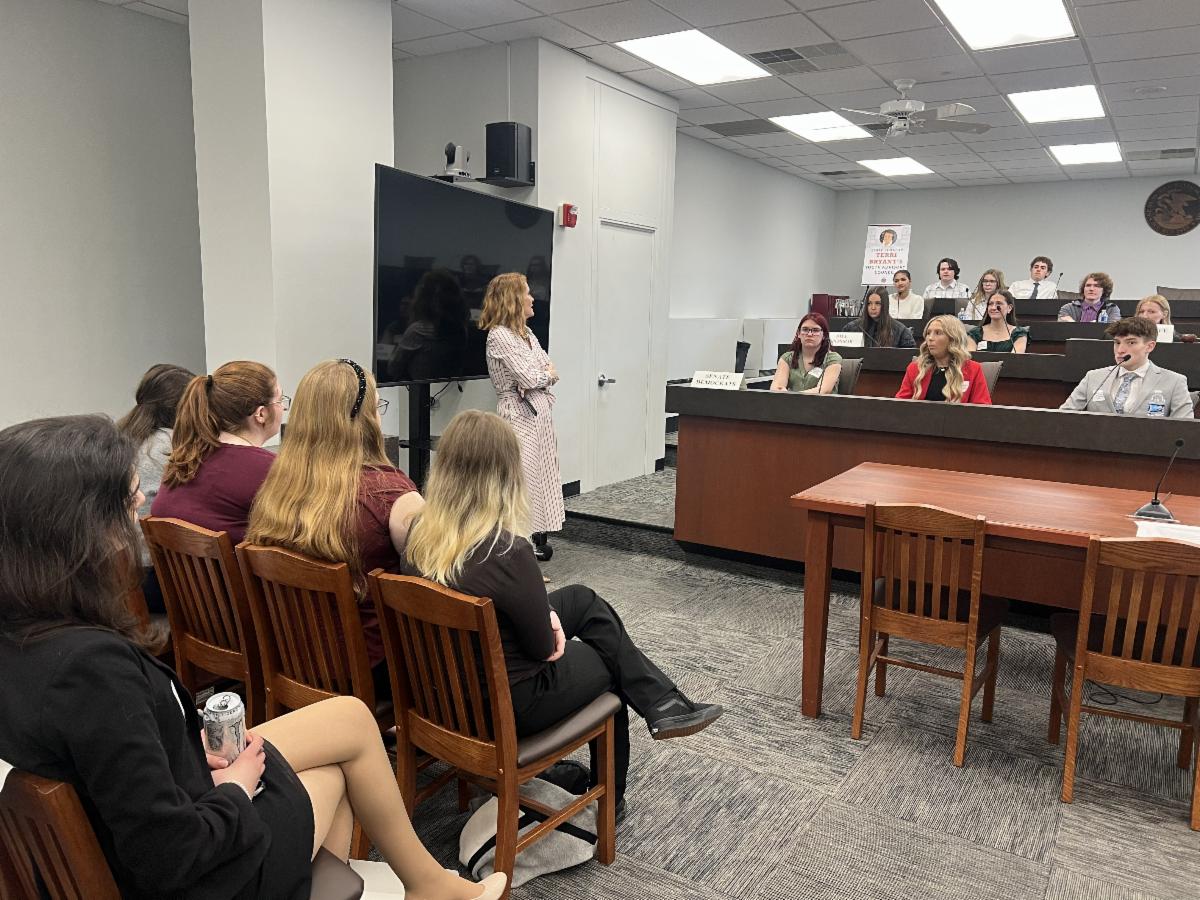
| Leigh Ann Vanausdoll, CEO, speaks to Sen. Terry Bryant’s Youth Advisory Council at the Capitol, inspiring young leaders with insights on leadership and civic engagement. | |
Support SB 3707
Supporting SB 3707 is critical to ensure Vision Benefit Managers are held to clear, enforceable standards that protect patient choice and fair reimbursement. Building on prior reforms, this bill closes loopholes that have allowed VBMs to undermine independent optometry practices. SB 3707 strengthens oversight, transparency, and accountability, helping to ensure Illinois doctors can put patients first without unfair interference.
Support SB 3707
🔗 Read SB 3707
🔗 Read the full press release
Take Action:
🔗 Consider becoming a Key Person
🔗 Donate to the Eyes on Tomorrow Fund
🔗 Donate to IOA-PAC
🔗 Report VBM Abuse
More updates and calls to action will follow as the bill moves through the legislative process.
| | |
License renewals are now OPEN!
The Illinois Department of Financial and Professional Regulation (IDFPR) has officially opened the renewal cycle.
If you’re ready to renew your license, please click the link below to log in and access resources on renewing through IDFPR. Licenses expire on March 31, 2026.
| |
Attention: Illinois Controlled Substance license holders!
Please be aware that when renewing an Illinois controlled substance license, IDFPR has the previous requirement of 3 hours of continuing education listed as a condition of renewal. This was changed on 1/1/2025 to 1 hour of continuing education. Only one hour of CE on safe opioid prescribing is required per state law.
| |
Win a $100 Gift Card!
The IOA is gathering insights to strengthen optometry across Illinois. Please fill out the anonymous survey & upon completion you will receive a link for your chance to win a $100 gift card!
| | March is Save Your Vision Month! | |
Ways to Spread Awareness During Save Your Vision Month
Outreach Ideas & Key Topics to Highlight:
- Promote Comprehensive Eye Exams
- Emphasize the importance of annual comprehensive eye exams to detect issues early and protect long-term vision.
- Educate on UV Protection
- Share the importance of wearing sunglasses that block 100% UVA and UVB rays to help reduce the risk of cataracts and other sun-related eye damage.
- Address Digital Eye Strain
- Encourage patients to follow the 20-20-20 rule to reduce screen-related eye fatigue and discomfort.
- Highlight Nutrition for Eye Health
- Promote foods rich in leafy greens, omega-3 fatty acids, and vitamins C and E that support healthy vision.
| | |
Do you provide home visits? Eye exams in Spanish? Aviation vision? Update your doctor profile today!
Every week patients use the doctor lookup feature on the IOA/AOA website or call the IOA looking for an OD in their area. Oftentimes they are looking for services such as home visits or optometrists who speak a certain language. Update your IOA/AOA profile so patients can easily find you by logging into your profile at the link below.
| | | | |
Congratulations to a dedicated advocate for students and vision care Valerie Sims-Rucker! 👏
A team member from the Chicago Public Schools Office for Students with Disabilities has been honored with a prestigious award from the Illinois State Board of Education.
She was also recognized by the optometric community as the 2023 Dr. Floyd Mizener Friend of Optometry Award recipient and for her service as the public member of the Illinois Optometric Licensing & Disciplinary Board.
| | |
Please join the Southern Illinois Optometric Society and the IOA in supporting State Rep Paul Jacobs, O.D., in his race for the Illinois Senate!
An IOA member Rep. Jacobs is currently running for the Illinois Senate in the 59th district to replace retiring Senator Dale Fowler. Join your fellow optometrists in supporting the ONLY optometrist in the Illinois General Assembly. Your contribution will help support the campaign for State Rep. Paul Jacobs, O.D. as he runs for the Illinois Senate.
Contributions may be made to the campaign via check.
About Rep. Paul Jacobs, O.D.
Representative Paul Jacobs has been an optometrist for over 45 years, practicing in several communities throughout Southern Illinois. He currently serves in the 118th district as the elected representative for all of Alexander, Pulaski, and Union Counties and portions of Jackson and Williamson Counties. Some of his committee assignments include Appropriations-Higher Education, Cybersecurity, Data Analytics, & IT, Health Care Licenses, Higher Education, Veterans' Affairs, and Higher Ed-Degree Conferral.
Dr. Jacobs has been a strong advocate for the Illinois Optometric Association, supporting their efforts to enable optometrists to practice to the full scope of their license in VA hospitals, ensuring that our nation's veterans receive essential eye care.
Representative Jacobs also sponsored SB764, known as the Vision Care Plan Regulation Act, which introduced reforms to ensure fairness and transparency in contracts with vision plans. A key provision of this legislation prohibits vision care plans from limiting an eye care provider's freedom to choose their suppliers, materials, or labs, or from requiring them to purchase materials from a source owned by the entity that issued the vision care plan. SB764 also mandates that eye care providers post a notice to patients if they do not accept the fee schedule set by the insurer for vision plans.
| | |
MEMBER BENEFIT: On-Demand CE Series FREE for Members!
Don't forget! The IOA offers FREE On-Demand CE, as part of your membership you gain access to a variety of free continuing education courses. Courses for the 2024-2026 licensing cycle are now available on the On-Demand CE platform. ODs can take all 18 regular hours of CE online through the On-Demand CE Series.
As an Illinois licensed CE provider, all courses taken through IOA will count for an Illinois license renewal.
| | The Eyes on Tomorrow Fund, previously known as the Legislative Equity Fund, is a dedicated resource created by and for optometrists to support the Illinois Optometric Association’s (IOA) state-level advocacy efforts. This fund directly empowers optometry’s fight for scope expansion, the regulation of Vision Benefits Managers (VBMs), and other legislative battles crucial to protecting the profession and ensuring patient care. Unlike political action committees (PACs), this fund is not used to support candidates but instead provides critical resources for advancing optometry in Illinois. | | |
The PAC (Political Action Committee) is a group organized to promote its members' views on selected issues, usually through raising money that is contributed to the campaign funds of candidates who support the group's position to keep our friends in office. Now more than ever, we need strong, principled leaders who will fight for equal rights, and access to essential services —Will you pitch in today to help us protect our profession and the patients we serve?
Contributions to the IOA PAC can be made as a One-Time Donation or as Recurring Monthly Donation and deducted automatically from donor's bank account or charged to their credit card. Selecting to contribute a set amount on a monthly basis is a painless and effortless way to contribute to and support the IOA PAC. Contributions to the IOA PAC fund are not deductible for federal income tax purposes.
| | |
|
We want to hear from YOU!
Do you have a business question or a dilemma we can answer for you? Others may have the same inquiry. Ask away! We will answer your question in an upcoming issue.
(Don't worry, we won't include your name.)
| | |
Eye care practitioners should report all violations of the FCLCA, including instances in which contact lens sellers fail to comply with the prescription verification provisions of the law.
| | |
Filing a complaint? Use the resources below to get started.
If you believe a health insurance company is violating the Vision Care Plan Regulation Act, please file a complaint with the Illinois Department of Insurance by following the link below. If appropriate, please also encourage your patients to file a complaint. Doing so is what drives the Department of Insurance to take action against insurance companies who aren’t following the law. File a complaint with the Department of Insurance at the link below.
Vision Plans & Insurance Companies:
Dept of Insurance Complaint Submission - How to File a Complaint
Office of the Illinois Attorney General - File a Complaint
Report illegal and unsafe contact lens sales to the FDA & FTC:
Fairness to Contact Lens Consumers Act compliance and safety | AOA
IDFPR:
IDFPR | File a Complaint
Medicaid Managed Care Complaint Portal:
Managed Care Provider Resolution Portal | HFS
| |
Study Links Low Vitamin D Levels to Dry Eye
Review of Optometry | By Staff
March 3, 2026
Dry eye disease (DED) is a widely common condition that manifests in various ways. Those suffering with symptoms have reduced quality of life, and current therapies are not consistently effective and carry side effects. In the search for new treatments, the potential of vitamin D—due to its anti-inflammatory and immune-modulating properties—has been explored, albeit with mixed results. To further clarify the strength or weakness of vitamin D in the pathogenesis of DED, researchers conducted a new large-scale, longitudinal, retrospective cohort study, the results of which were published last month in American Journal of Ophthalmology.
Data were collected from the TriNetX US Collaborative Network, and included adults aged 18 or older. After propensity score matching and excluding patients with a prior DED diagnosis, researchers separated them into two cohorts: patients with a vitamin D deficiency diagnosis (5.8 million) and controls with no prior vitamin D deficiency diagnosis (5.9 million). Their results were as follows:
- Vitamin D deficiency was associated with a 28.6% higher hazard ratio (HR) of developing dry eye compared with matched controls (HR, 1.286).
- DED developed in 3.3% of those with vitamin D deficiency compared to 2.7% of the controls.
- The cumulative incidence of DED was consistently higher in the vitamin D–deficient cohort across all follow-up times (e.g., five years: 3.58% vs. 2.89%; 10 years: 7.22% vs. 5.52%; and 20 years: 17.87% vs. 14.16%).
These findings support a link between vitamin D deficiency and increased dry eye risk in the US population, the authors wrote in their study. “There is biological plausibility for a link between vitamin D deficiency and DED, because vitamin D is locally metabolized in ocular tissues and the vitamin D receptor (VDR), the nuclear receptor that mediates calcitriol’s gene-regulating, anti-inflammatory effects, is expressed in the eye,” they continued. “Experimental studies indicate that active vitamin D (calcitriol) can dampen hyperosmotic-stress–induced corneal epithelial inflammation and oxidative stress and reduce epithelial apoptosis via VDR-dependent pathways, supporting a role for vitamin D signaling in maintaining ocular surface inflammatory homeostasis.” Furthermore, they wrote, additional research suggests that micronutrient balance, including vitamin D status, “may influence ocular surface ecology and the ocular microbiome.”
Potential limitations noted by the authors include reliance on ICD-10 codes for defining deficiency and dry eye, lack of serum vitamin D level data and potential residual confounding. “Furthermore, ICD-10 based coding does not allow us to further examine which aspect of DED (symptoms, stability or tear production) is most impacted by vitamin D deficiency.” The researchers also point out that social determinants of health are not captured in the TriNetX database.
Given the scale of this study showing the association between vitamin D deficiency and risk of DED incidence, coupled with the widespread prevalence of vitamin D deficiency globally, the authors say early screening and intervention strategies may improve ocular surface health and prevent vision-related discomfort associated with dry eye, particularly in those at risk. “In combination with calcium, vitamin D supplementation has been shown to improve other aspects of health, such as increasing bone mineral density in older adults,” wrote the authors. “By analogy, in patients with DED who are at risk for deficiency, identifying and correcting low vitamin D levels may be a reasonable adjunct to standard DED therapies, while recognizing that supplementation should be guided by general medical indications rather than used as a stand-alone treatment for DED.”
They concluded by noting that prospective, randomized controlled studies would be needed to confirm causality, define dose-response relationships and determine whether vitamin D supplementation “can meaningfully reduce DED incidence or severity, ultimately informing targeted strategies to preserve ocular comfort, visual function and quality of life.”
| |
AskAOA: New MIPS Courses Available Now
CMS MIPS 2026: MVP and MIPS Reporting for Promoting Interoperability
This course provides information and resources on MIPS Value Pathways, various reporting options and specific guidance for doctors of optometry regarding participation in the MIPS program.
MIPS 2026
This webinar provides key updates on the Medicare MIPS program for 2026.
| | |
The MIPS submission window for Performance Year 2025 closes March 31, 2026.
For more information/participation status lookup, click the link below.
| | |
NEW! AOA member-only coding resources available for 2026
Ensure your practice is up to date with the latest 2026 coding and reimbursement updates with these digital resources available exclusively for AOA members.
-
AskAOA: Coding Changes for 2026. Led by AOA coding experts Rebecca Wartman, O.D., and Harvey Richman, O.D., this webinar provides key updates on 2026 coding changes, Medicare policy updates and other important developments.
To prepare for this on-demand course, download your 2026 Codes for Optometry and Common Optometric ICD-10 Codes quick reference card. These resources have been updated to reflect the latest updates from CPT, ICD-10 and HCPCS, and are essential coding resources for optometric practices.
As an AOA member, you have access to comprehensive resources that help practices navigate medical coding and reimbursement, including:
-
AOA Coding Today. Use this online database to quickly and accurately address your coding questions in real-time, from CPT to ICD-10 and HCPCS, or enjoy region-specific coding information.
-
Ask the Coding Experts. Have a complicated question or seeking clarification on a best practice? Submit your questions to AOA’s Coding Experts for coding and reimbursement insights or read their FAQ column in the AOA Focus content hub.
-
AOA EyeLearn. AOA EyeLearn offers self-paced, recorded webinars to bring your team up to speed.
Learn more about how your staff can earn a certification in coding.
| | |
Barti’s New AI Integration Brings AOA Clinical Guidelines Into the Exam Room
Barti, AOAExcel’s endorsed EHR and practice management software, has introduced a new feature that gives doctors of optometry direct, in-chart access to the American Optometric Association’s Clinical Practice Guidelines.
The AOA’s Clinical Practice Guidelines are developed using a formal, evidence-based methodology that blends the best available scientific research with clinical expertise. These Guidelines serve as a trusted reference for diagnosing and managing a wide range of eye and vision conditions and are revised regularly to ensure ODs are supported by the most current clinical recommendations.
Barti’s AI Guidelines feature allows ODs to reference the AOA Clinical Practice Guidelines instantly during an exam. The OD submits a clinical question, and the AI Guidelines tool immediately provides a summary drawn from the guidelines and allows direct access to citations without navigating away from the chart. This feature streamlines clinical decisions in real time and ensures they remain aligned with national standards.
By integrating the AOA’s Clinical Practice Guidelines directly into its EHR, Barti reinforces its commitment to supporting ODs with tools to help them practice with confidence and provide the highest quality patient care. “The integration of the AOA’s Clinical Practice Guidelines into the Barti system represents a significant acknowledgment of their value, and we are greatly encouraged by this collaboration. It reflects a meaningful convergence of evidence-based science and advanced technology, strengthening our shared commitment to enhancing optometric practice and outcomes,” said Teri Geist, O.D., AOA President-Elect. “We applaud Barti for being the first EHR to take the pioneering step of integrating AOA’s guidelines into its platform. This leadership demonstrates a forward-thinking commitment to advancing practice through the thoughtful practice of evidence-based standards.”
See Barti’s AI Guidelines in action.
| | |
Lawmakers Discuss Regulations on Use of Downcoding in Billing
Health News Illinois |By Ryan Voyles
March 5, 2026
Lawmakers are eyeing legislation that would prohibit health insurers from using artificial intelligence for a billing practice where a procedure or service is billed at a lower level than what was actually provided.
The proposal from Sen. Dave Koehler, D-Peoria, states that a licensed physician must make all decisions related to downcoding, and insurers must notify providers if a service has been downcoded.
Another provision states that insurers may not use downcoding in a “targeted or discriminatory” manner against those who routinely treat patients with complex health conditions.
“The goal of this bill is to create a sense of fairness,” Koehler told members of the Senate’s Insurance Committee.
The proposal is an initiative of the Illinois State Medical Society. Erin O’Brien, the group’s senior vice president of state legislative affairs, said their aim is to bring transparency and clinical justification to the practice.
“We look at this bill as a matter of fairness, and we are simply asking that payers pay us the rates they negotiated for our services,” she said.
Ellen Lipe-Fliss, the director of payer strategy and contracting at Springfield Clinic, told lawmakers they have seen an “explosion” of downcoding cases.
Where before the health system averaged just over 3,000 downcoded claims annually, Lipe-Fliss said they saw that number quadruple last year. She said that resulted in Springfield Clinic losing about $500,000 last year.
“The downcoded claim is not treated as a denial, the insurer simply pays us less than what we billed, and unless we catch it, the revenue is quietly lost,” Lipe-Fliss said.
Laura Minzer, executive director of the Illinois Life and Health Insurance Council, said they are opposed to the plan as written. She said the practice is beneficial when it corrects unsupported and inaccurate coding, which can save patients money.
The goal of the practice is not to underpay services, nor trigger provider appeals or resubmissions that could potentially cause network disruptions, she said.
“Payers, providers and patients alike are better served when the system is transparent, fair and clinically supported,” Minzer said. “(The bill), from our perspective, makes it difficult to achieve what downcoding should achieve, ensuring that hundreds of thousands of claims that are adjudicated each day are accurate and justified, just as any one of us would do when we receive an itemized bill.”
Stakeholders said they will continue negotiations, with the goal of finding agreed language to pass later in the legislative session.
| |
Illinois Prisons Were Ordered to Improve Health Care for Inmates. They've Spent Seven Years Failing.
Chicago Sun Times |By Kaitlin Washburn
March 4, 2026
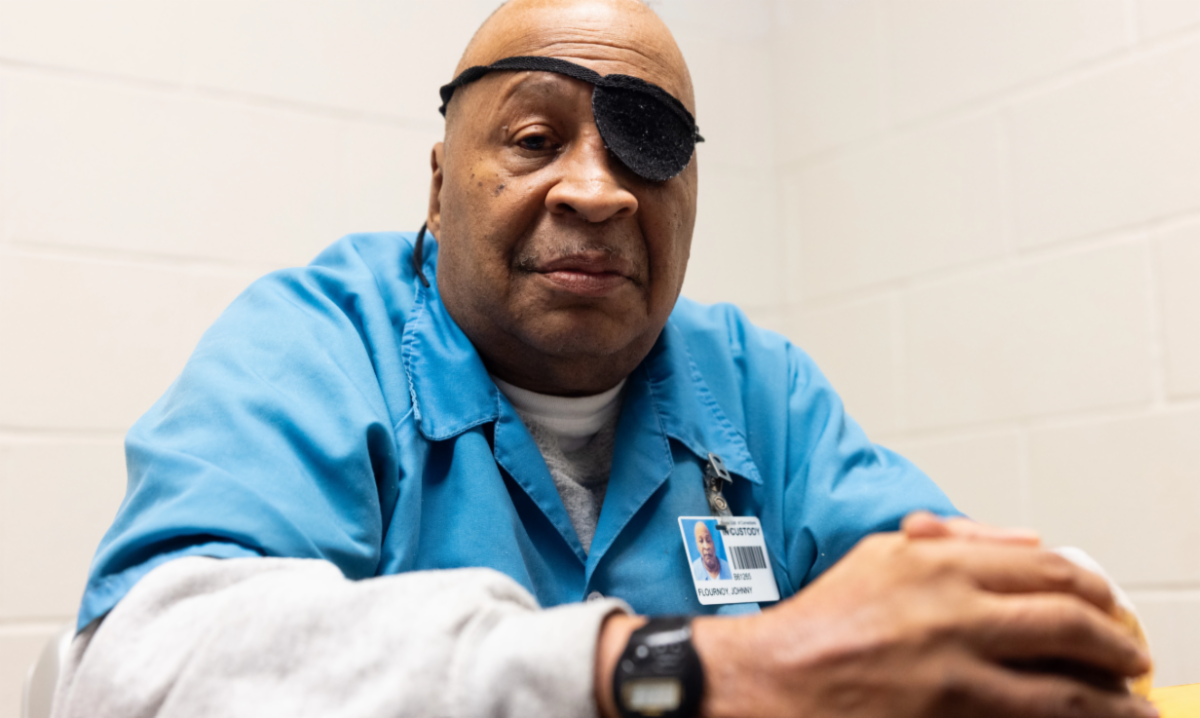
Johnnie Flournoy is going blind. It all started with him “seeing smoke.”
Flournoy, 74, is incarcerated at Pinckneyville Correctional Center, a medium security prison almost five hours south of Chicago. He’s been in Illinois prisons since the early 1990s.
His vision started to deteriorate early in his imprisonment, and he was diagnosed with glaucoma in 2002. But when his eyesight started looking hazy, he didn’t know what was happening.
“I’m telling myself, I know I’m in a no-smoking institution,” he told the Sun-Times.
A doctor eventually told him in 2007 that his untreated glaucoma was destroying his optic nerves.
While incurable, glaucoma is easily manageable with daily prescription eye drops, the sort that a patient with insurance can get for as little as $10. But for years, as he moved from one state prison to the next, he’d never get the drops with any kind of consistency. He might get them regularly for a time. At others, he’d go months without them.
He spent years filing grievances within the prison and sent complaints to the governor’s office. He even won two settlements after suing over his vision issues.
And after five surgeries, he’s lost all vision in his left eye. He’s now waiting for the day he wakes up and can’t see out of his right. Yet he still isn’t getting his drops regularly.
“They let me go blind,” he said, “and they still ain’t doing nothing.”
IDOC did not comment on Flournoy’s medical history or his allegations of neglect.
Flournoy’s story of decades of medical neglect is a common one in Illinois prisons. It’s a full-blown crisis where the state’s critically understaffed facilities struggle to deliver proper correctional medicine to the tens of thousands of inmates in their care.
That’s despite being under a consent decree, or court-enforceable settlement agreement, to improve health care since 2019. The Illinois Department of Corrections continues to fail to provide adequate medical and dental care to incarcerated people, according to reports from an independent court-appointed monitor.
The monitor’s ninth report, filed last month, listed several deficiencies and echoed the findings from previous reports. They included, among other issues:
- The department only employs the equivalent of 16 full-time physicians across its 29 correctional facilities, which house more than 30,000 people.
- The department receives a budget for roughly 33 full-time physicians. Even though the monitor says staffing is “dangerously low” and advises IDOC to “increase budgeted physician staffing,” the department claims it’s in compliance with the consent decree’s staffing requirements without giving evidence as to how.
- High turnover also plagues IDOC. Over the last six years, 49 physicians have resigned, the monitor reported.
- About 60% of nursing staff positions are vacant, and about a quarter of the facilities don’t have a medical director to oversee care.
- The department has not implemented a policy for analyzing staff workload and tracking filled and vacant positions. IDOC has also not supplied the monitor with clinical performance reviews for physicians, nurse practitioners, physician assistants, dentists, dental hygienists and dental assistants. Nor have prison officials shared disciplinary records for those professionals.
- The vast majority of patient records are on paper and have not been digitized, which the monitor described as “inefficient, unreliable, and inadequate.” A lack of electronic medical records makes it difficult to ensure continuity of care or to track patient’s medical conditions, the monitor says.
And in a review of 15 deaths in custody since the last report in 2024, the monitor learned three people died from asthma, deaths the monitor said were preventable.
Photo source: Chicago Sun Times
|
Bill Expanding Access to Discounted Drugs Awaits House Action
NPR |By Peter Hancock
March 4, 2026
SPRINGFIELD – Advocates for health care providers that treat low-income and uninsured patients are pressuring state lawmakers to pass legislation they say would prevent drug manufacturers from restricting access to medications that are discounted through a federal pharmacy program.
The program is known as the 340B Drug Pricing Program. It requires drug manufacturers to provide outpatient drugs to safety net clinics, Federally Qualified Health Centers, AIDS clinics and a variety of other health care providers that treat Medicaid patients at substantially reduced prices.
The program has been in place since 1992. But in recent years, according to the Illinois Primary Health Care Association, drug manufacturers have found ways to limit the distribution of those drugs by restricting where patients can go to fill their prescriptions.
“What pharmaceutical manufacturers began doing was limiting the distribution of these drugs to a single location,” Cyrus Winnett, executive director of the IPHCA, said in an interview. “And when I say single location, I don’t mean Walgreens chain or CVS or a local independent. I mean one physical location, which for our organizations and their patients that have wide service areas, that’s extremely limiting,”
Winnett’s organization represents about 430 Federally Qualified Health Centers, or FQHCs, in Illinois that serve a combined 1.5 million patients.
FQHCs are primary care clinics, often run by local health departments or nonprofit charities. They receive federal funding to provide comprehensive primary health services to underserved populations, including Medicare and Medicaid patients and the uninsured.
Winnett said the vast majority of the clinics his organization represents do not have their own on-site pharmacies. Instead, they contract with outside pharmacies to fill prescriptions that are covered by the 340B program.
He said the practice of restricting where patients can fill 340B prescriptions began in 2020 with one manufacturer and one drug. But it has since ballooned to more than 50 manufacturers and thousands of different medications.
“You have providers in the clinic assessing the patient, reaching a diagnosis, and then trying to connect them with a drug that’s available to them and one that they can afford,” Winnett said. “And there was this problem that crept up where providers were having to scramble to find alternative medications, either for patients that they were newly diagnosing or ones who have even been on a particular medication but are being forced to change because they can no longer access it.”
Pending legislation
The legislation pending in the General Assembly is a Senate amendment to House Bill 2371. Sponsored by Sen. Dave Koehler, D-Peoria, it would prohibit anyone, including drug manufacturers, from imposing any restrictions on the ability of 340B-eligible clinics and hospitals to contract with outside pharmacies to fill 340B-funded prescriptions.
It also prohibits anyone, including manufacturers, from requiring 340B clinics and hospitals, or their contract pharmacies, to submit ingredient cost or pricing data about 340B drugs beyond what is required by state or federal law. And it prohibits anyone from imposing requirements regarding how clinics, hospitals or contract pharmacies manage their inventory of 340B drugs.
In testimony before the House Executive Committee near the end of the 2025 legislative session, Jessica Lynch, of the Pharmaceutical Research and Manufacturers of America, or PhRMA, denied that drug makers are restricting access to discounted medications and said the proposed legislation would not benefit health care consumers.
“This is not an access bill,” she said. “This bill does not directly impact patients at all in any clear or comprehensive way. A pharmacy’s status as a contract pharmacy has no impact on whether or not a patient can go pick up their medicines at the pharmacy.”
In an email statement Monday, PhRMA spokesperson Tom Wilbur did not comment on the specific language of the legislation. But he said the organization believes generally that the 340B program needs broader reforms that would be best addressed at the federal level.
“The 340B program was created by Congress to help low-income and uninsured patients access medicines, but there is little evidence that patients are benefiting,” Wilbur said. “Instead, large tax-exempt hospitals and their for-profit partners are exploiting the program, buying medicines at steep discounts, and then marking them up by thousands of dollars.”
The bill awaits final action in the House before it can be sent to Gov. JB Pritzker. A spokesperson for House Speaker Emanuel “Chris” Welch said in an email the bill is still under review and the next steps will be determined in consultation with the Democratic caucus.
The next session of the House is scheduled for Wednesday, March 18.
| | |
Raoul, Colleagues Urge Trump Administration to Reconsider Rule That Limits Student Loan Access for Healthcare Workers
Health News Illinois |By Ryan Voyles
March 4, 2026
Illinois Attorney General Kwame Raoul joined colleagues Tuesday to oppose a Trump administration proposal to cap federal student loans for graduate students in nursing, physician assistance and other health fields.
The 26 attorneys general said in a comment letter on the proposed rule by the Department of Education that such a cap could result in a reduced supply of expert healthcare workers at a time when Illinois and other states are facing shortages.
Additionally, it accuses the Trump administration of illegally misconstruing the Congressional directive related to capping access to student loans.
While the federal budget reconciliation signed into law last year limits the amount of federal student loans that graduate students can borrow to $20,500 each year and $100,000 total, those pursuing “professional” degrees are permitted to borrow up to $50,000 each year and $200,000 total.
The coalition argues that Congress provided a list of 10 examples, such as medical degrees and law degrees, that would meet the latter provision, but specified that professional degrees “are not limited to” those examples. However, the proposed rule only includes those 10 examples and clinical psychology as meeting the criteria for “professional” degrees.
They asked the department to abandon its current definition of “professional degree” and devise a broader one that encompasses the full spectrum of degrees, including those in the healthcare field.
“This proposed rule will cut off access for many qualified students and will worsen nationwide labor shortages in vital fields, including nursing and education,” Raoul said in a statement.
| |
73% of VA Healthcare Roles Cut Were Recently Filled: New York Times
Becker's Hospital Review | By Kristin Kuchno
March 4, 2026
The Department of Veterans Affairs has eliminated unfilled healthcare roles it said were unnecessary, a department spokesperson said in a March 4 statement shared with Becker’s.
Every position removed was vacant, meaning no employees lost their jobs and overall personnel levels will not change, the spokesperson said. The department said the move will not affect veteran care or benefits.
While VA Secretary Doug Collins previously said most of the eliminated positions had been vacant for a year or more, an analysis by The New York Times of internal records found 73% of the removed medical roles — roughly 10,500 — had been filled at some point during 2025 or 2026. About 5% had been vacant since 2023 or earlier, according to the March 4 report.
The Times found the reductions included unfilled roles for more than 4,900 nurses and 1,500 physicians. In total, the department chose not to fill about 14,400 unfilled medical roles, equivalent to roughly 5% of the VA’s medical staff as of December, the newspaper reported.
A VA spokesperson previously told Becker’s in December that the agency planned to cut about 25,000 open and unfilled positions, describing them as “mostly COVID-era roles that are no longer necessary.”
The VA said the positions were unnecessary and in some cases lacked funding authority from Congress.
“For decades, VA hospitals and clinics had been creating jobs based on their needs at the time,” the spokesperson said. “However, as the needs of these facilities changed, the positions always remained, even if they were no longer filled, needed or funded.”
The department also pointed to operational improvements, including a 4.1% increase in direct care appointments in fiscal 2025 as well as the opening of 33 new healthcare clinics during President Donald Trump’s second term.
According to the VA, departmentwide vacancy rates for physicians and registered nurses were 13.3% and 8.4%, respectively, as of February 2026. The spokesperson said those rates are consistent with historical VA averages.
All VA healthcare facilities will continue hiring for positions they determine are needed, the department said.
For the first time, the VA has established a departmentwide process for maintaining organizational charts and staffing documents to better reflect current workforce needs, the spokesperson said.
“That means VA will have [an] accurate picture of its staffing needs across the country, and that puts us in a much better position to continue improving care for veterans, families, caregivers and survivors,” the spokesperson said.
| | |
Check out the newest IOA classifieds here!
Optometrist Needed in Chicago (Read more)
Northern IL:
Optometrist Needed at State-Of-The Art Practice (Read more)
Subcontracting Opportunity with Illinois Department of Corrections (Read more)
Small Private Practice in Morris, IL Seeking PT Optometrist (Read more)
Optometrist Needed Full or Part Time (Read more)
OD Needed at Private Office in North Suburbs (Read more)
Full Time or Part Time OD Needed in Highland Park (Read more)
Optometrist Needed in Algonquin & Mundelein (Read more)
Associate Optometrist – Part-Time with Path to Ownership (Read more)
Great FT or PT Opportunity at Primary Eyecare Center in Rockford, IL (Read more)
Part Time OD Needed at Private Practice in Schaumburg, IL (Read more)
Optometrist – Full Time - Private Practice - Yorkville, IL (Read more)
Excellent Private Practice Opportunity for Part-Time Associate in Northbrook, IL (Read more)
Optometrist Opportunity — Lake Zurich & Grayslake, IL (Read more)
Optometrist Needed in Western Suburbs (Read more)
Full-Time Optometrist Needed at Geneva Eye Clinic in Geneva, IL (Read more)
Central IL:
Join the Community Eye Care Family! Full-Time Optometrist – Pana & Taylorville, IL (Read more)
Join the Community Eye Care Family! Full-Time Optometrist – Mt. Zion, IL (Read more)
Southern IL:
On-Site Opportunity with IL Dept of Corrections (Read more)
Out of State:
Yooper Optometrist Wanted - Escanaba, MI (Read more)
Equipment for Sale:
Equipment available for sale (Read more)
| | THANK YOU TO OUR INDUSTRY PARTNERS! | |
Illinois Optometric Association
217-525-8012
| | | | | |