Faulkner County Agriculture Update
January 16, 2026
| | |
Burn Ban
Faulkner County is currently under a burn ban. Very dry conditions are making it dangerous to burn anything right now.
| | |
Weather
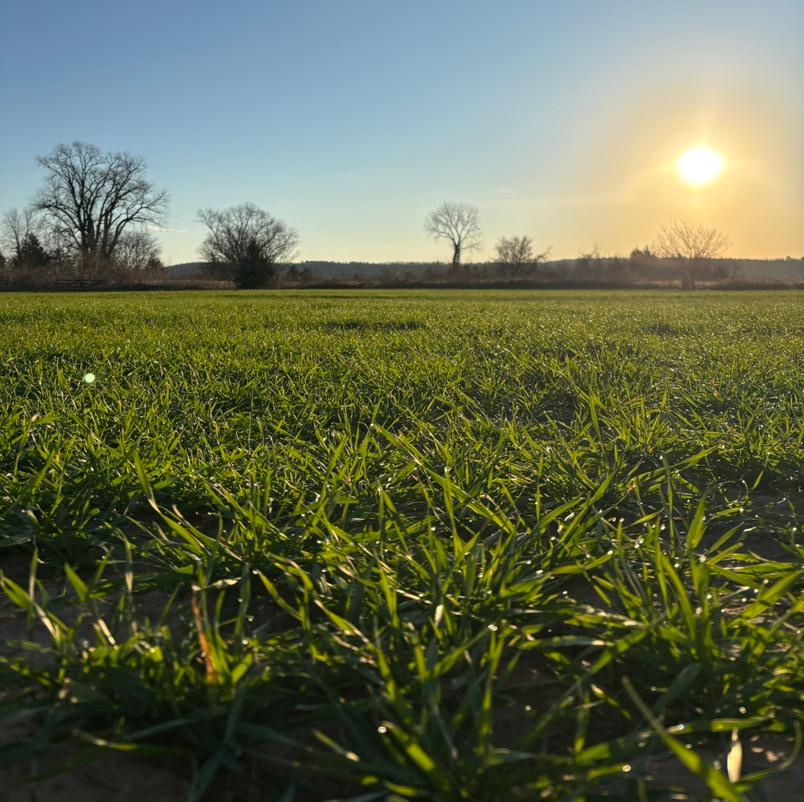
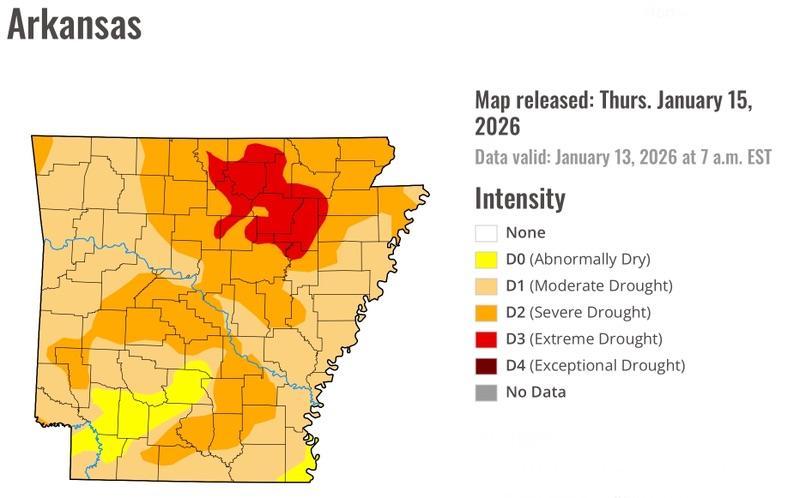
The dry weather continues for Faulkner County and we have hit D2 drought status in the majority of the county. If you look at the drought monitor map that is further down in the newsletter you will see that we aren't far from areas that are in D3, and if there isn't any significant rainfall soon we will be in D3 here in the county. Please keep up with any issues the drought may be causing your farm in case assistance will be available in the future.
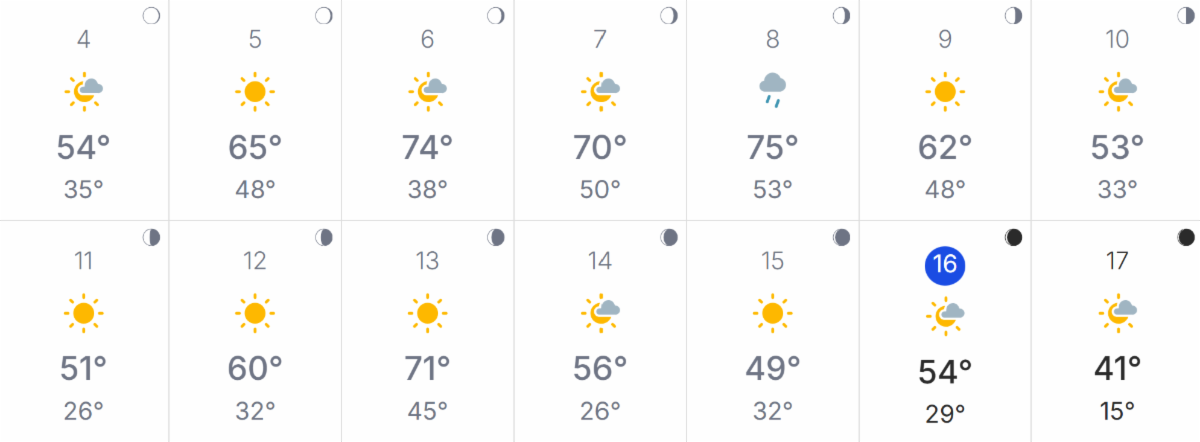
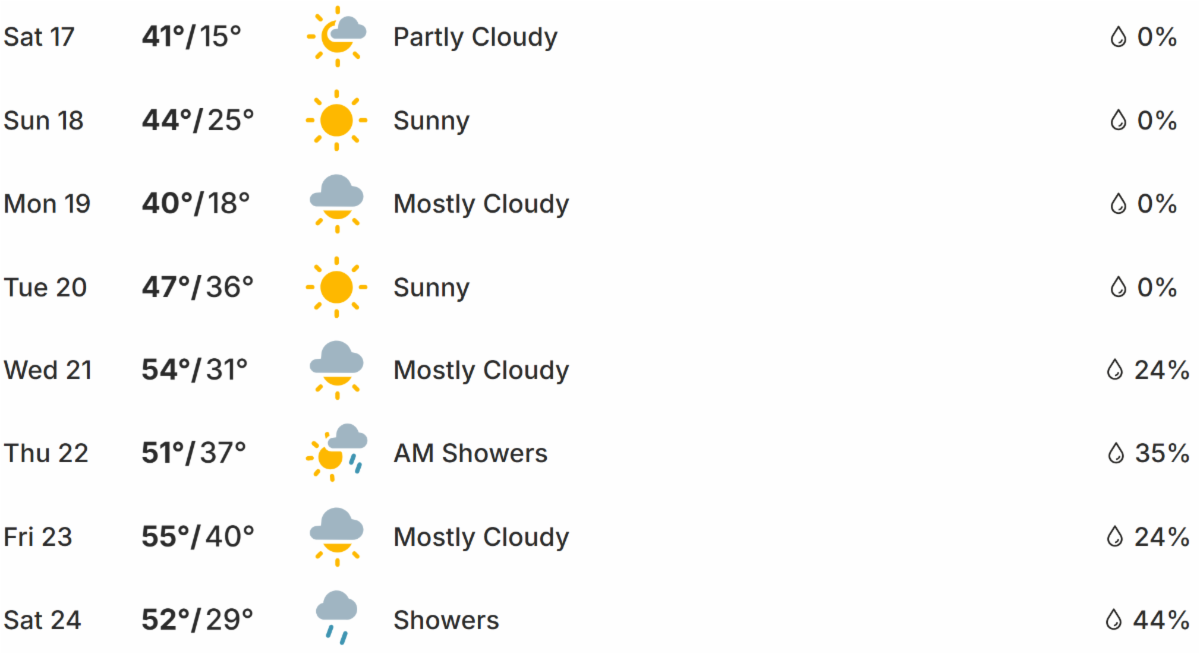
Our next best chance for rain is the end of next week. Hopefully we will get something out of that system, although it may be in the form of winter precipitation. We have some really cold days coming up the next few days, so keep an eye on livestock and water troughs.
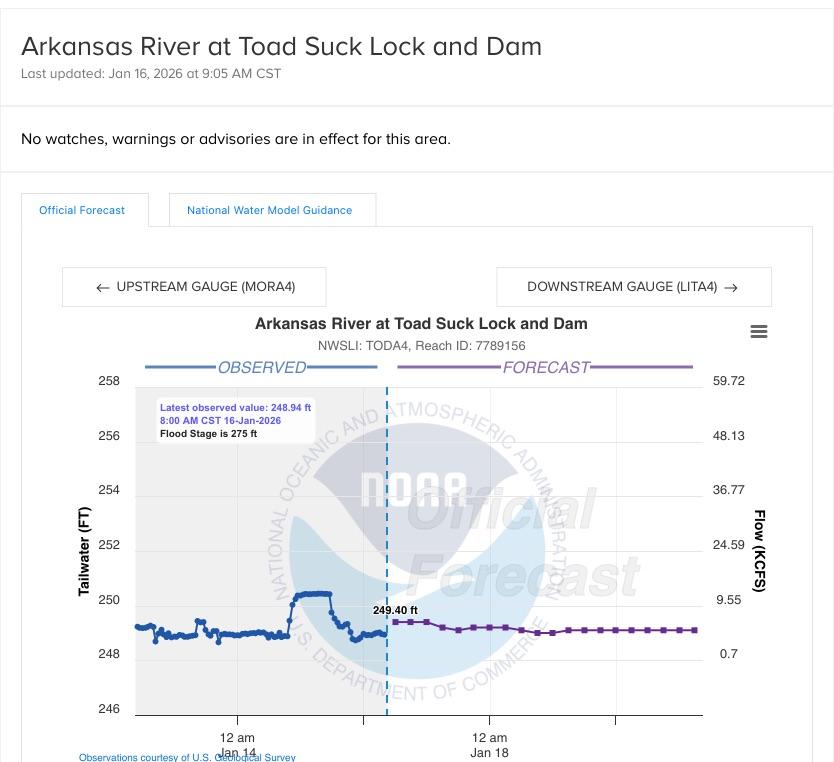
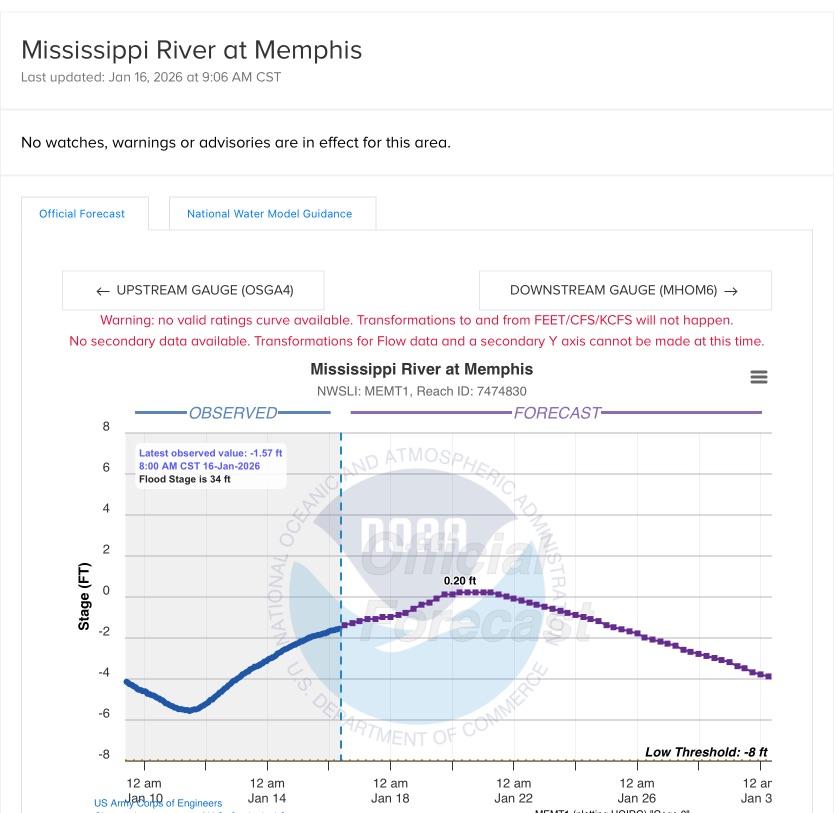
| | Arkansas and Mississippi River | | |
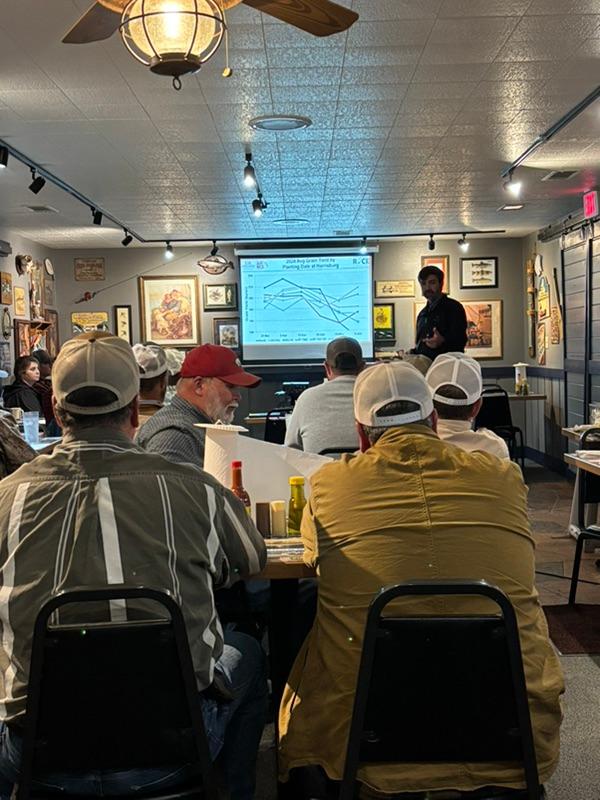
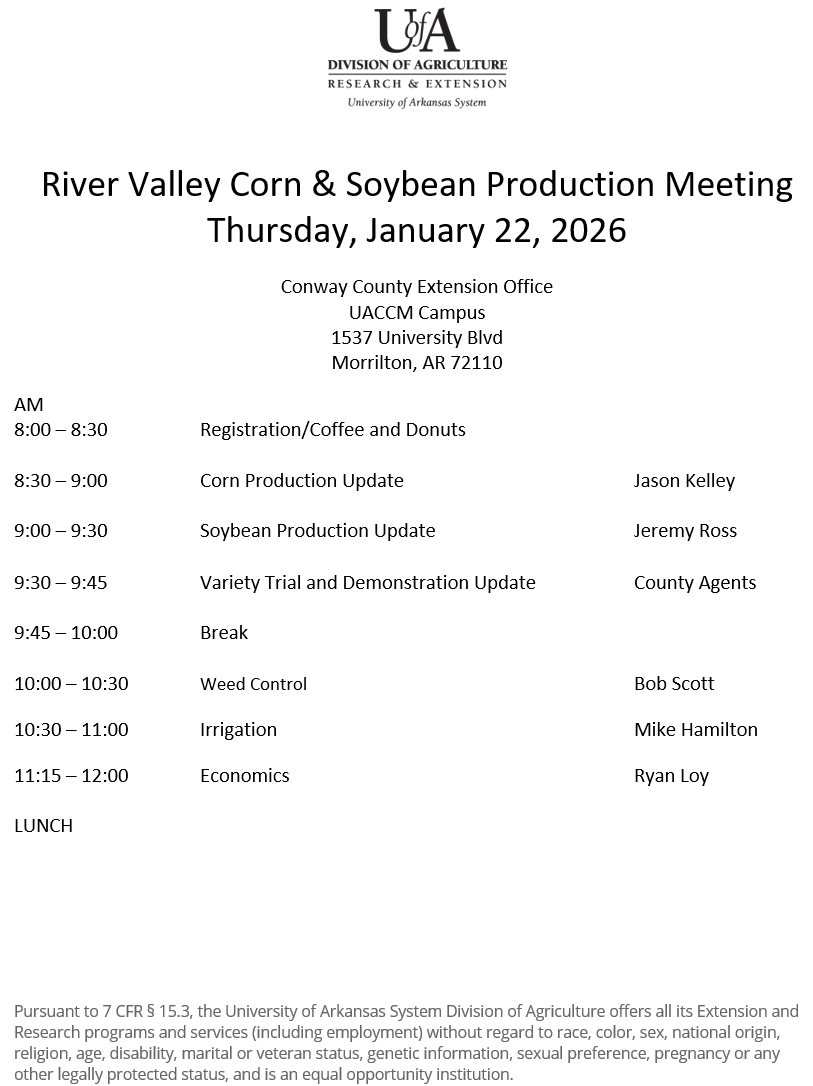
River Valley Row Crop Meeting
The River Valley Corn and Soybean Production Meeting is scheduled for NEXT THURSDAY January 22 at the Conway County Extension Office on UACCM Campus. If you come up the road by Roberson Tire, the first building you come up to is the Kirk Building and the Extension Office is there. If you have any questions of need directions feel free to give me a call.
|
2026 Arkansas Rice Meeting
The Arkansas Rice Council and Arkansas Rice Farmers will hold their annual joint meeting on Wednesday, Feb. 4 at the Northeast Arkansas Rice Research and Extension Center in Harrisburg. To see more information and register click the link below.
| | |
Row Crop Radio Podcast
Season six of the Weeds AR Wild podcast has officially started. Tom Barber, Bob Scott and Jason Kelley provide herbicide updates for 2026 and key recommendations for control of Italian ryegrass and other winter annual weeds. Listen below.
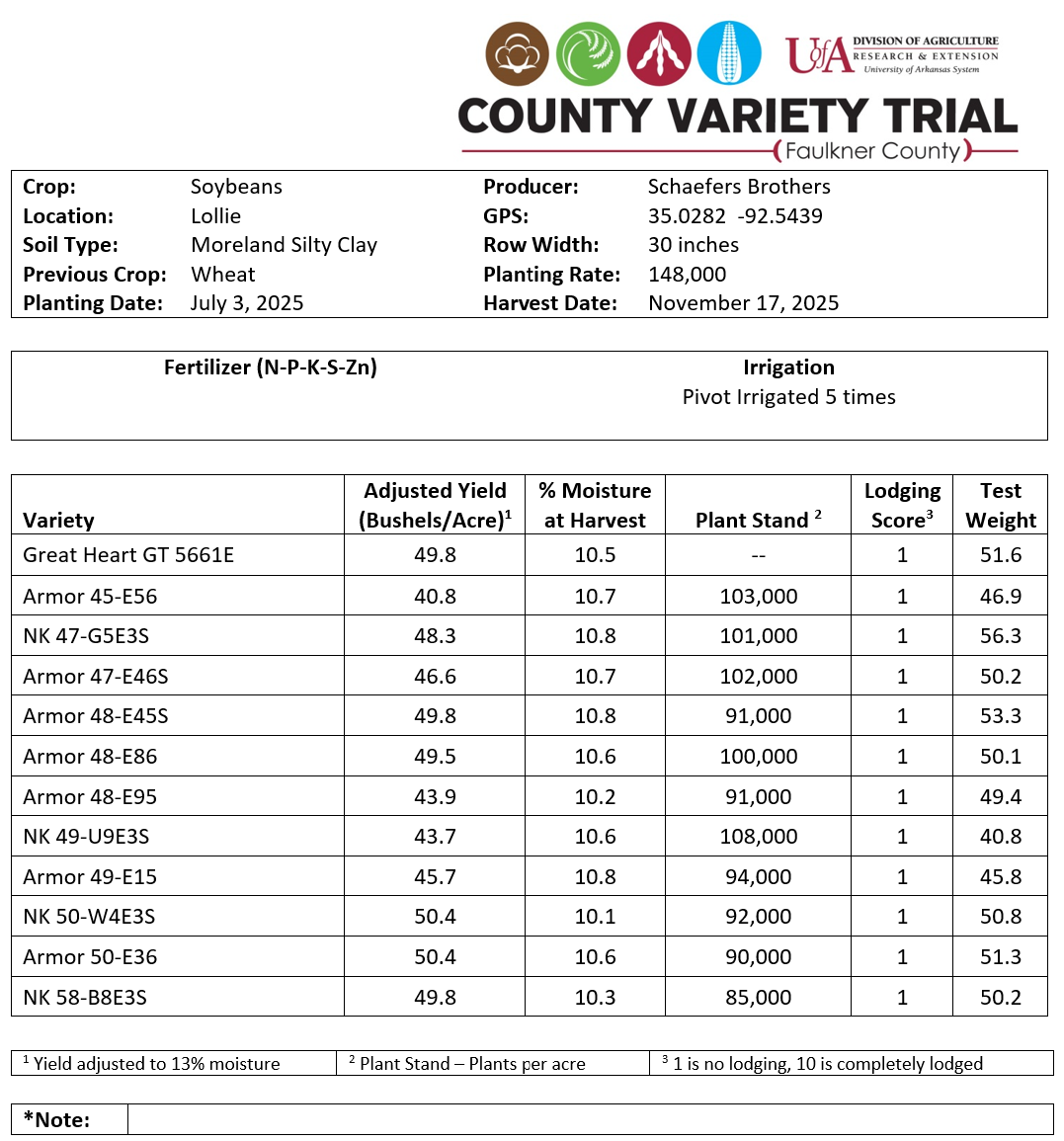
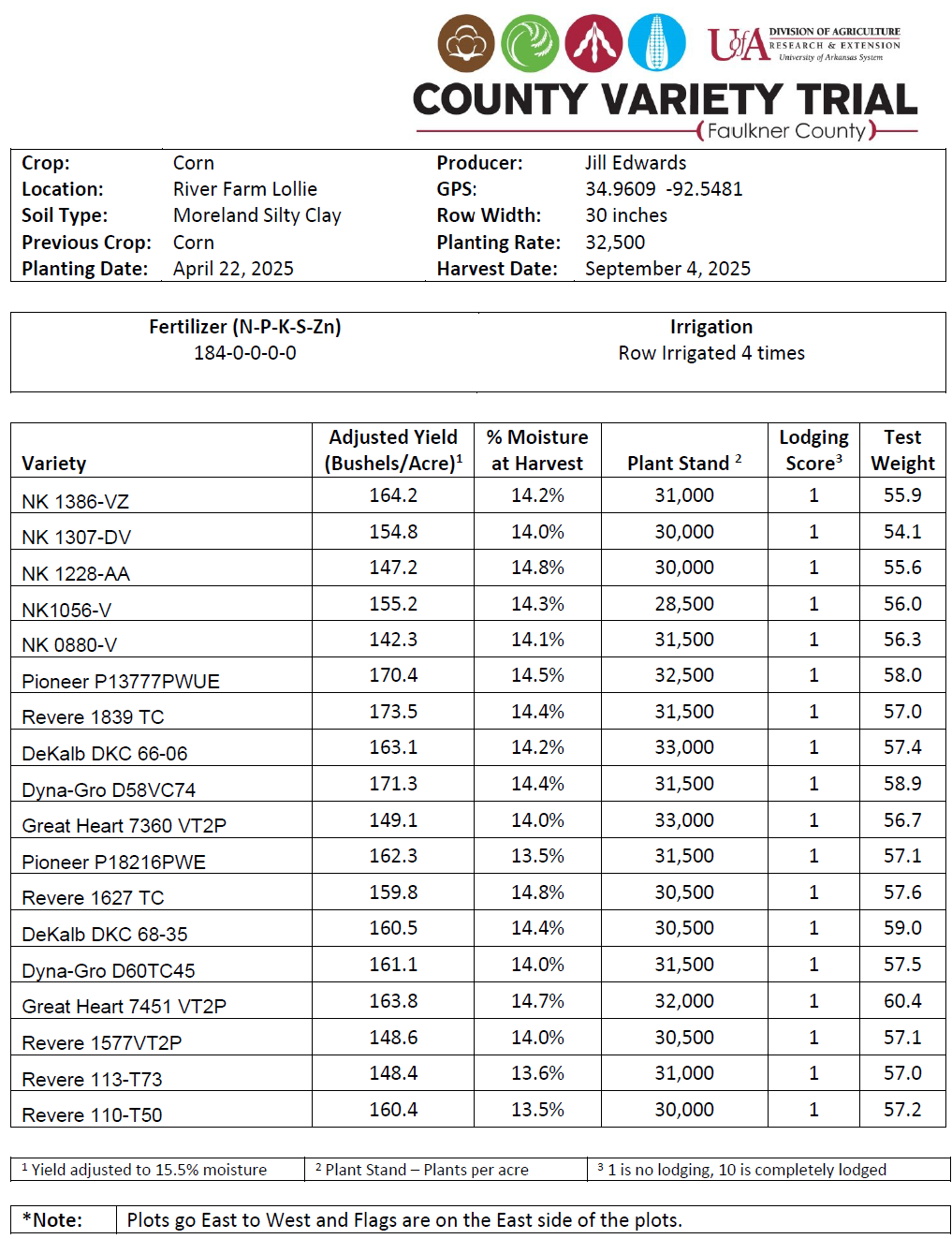
| | 2025 Faulkner County Variety Trials | |
2025 Arkansas Rice Performance Trials
Jarrod Hardke, Rice Extension Agronomist
The link to Rice Information Sheet No. 185 Arkansas Rice Performance Trials 2025 is provided below. This contains the final results of the Arkansas Rice Performance Trials (ARPT) and DD50 Planting Date studies, as well as updated cultivar descriptions and disease ratings.
| | |
Crop Enterprise Budgets
Below is a link to the 2026 Crop Enterprise Budgets. If anyone needs assistance with these budgets please let me know.
| | |
Farmer Bridge Assistance (FBA) Payments and Implications for Arkansas Farmers
Dr. Hunter D. Biram, Assistant Professor and Extension Agricultural Economist, University of Arkansas
Dr. Ryan Loy, Assistant Professor and Extension Agricultural Economist, University of Arkansas
Introduction
On December 31, 2025, the USDA Farm Service Agency (FSA) announced the official payment rates for the Farmer Bridge Assistance (FBA) Program. The payment rates are determined by a national-average yield, a Marketing Year Average (MYA) price from the World Agricultural Supply and Demand Estimates (WASDE) report, and cost of production estimates from the Economic Research Service (ERS). Importantly, the funding authority comes from the Commodity Credit Corporation (CCC), which means tariff revenues are not being used to fund FBA. In a previous newsletter, we discussed the latest WASDE report released in December 2025 and the potential payment rates for the FBA program. In this newsletter, we discuss the official payment rates, the impact on Arkansas net farm income, the impact on breakeven prices, and the potential for capped payments arising from payment limits.
Official FBA Payment Rates and 2025 State-Level Net Returns
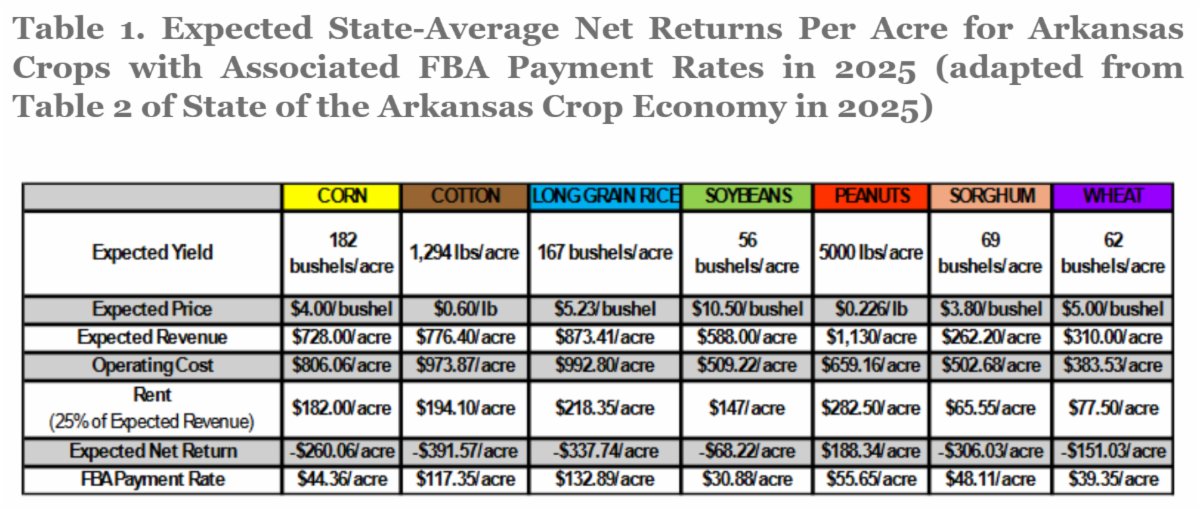
We provide a list of FBA payment rates for crops that had 2025 FSA planted acreage in Arkansas below:
- Corn: $44.36/acre
- Cotton: $117.35/acre
- Oats: $81.75/acre
- Peanuts: $55.65/acre
- Rice: $132.89/acre
- Sorghum: $48.11/acre
- Soybeans: $30.88/acre
- Wheat: $39.35/acre
We place these payment rates in the context of revenues net of production expenses in 2025 for the state of Arkansas. We consider 2025 net returns for corn, cotton, peanuts, rice, sorghum, soybeans, and wheat since crop enterprise budgets from the University of Arkansas Division of Agriculture are only available for these crops. The 2025 Arkansas cost of production values used include fertilizer, seed, labor, fuel, interest, crop insurance, pesticides, and land rental expense. The land rental expense is assumed to be 25% crop share with no cost share since that is the most common rental agreement in Arkansas. State-average yield expectations from the State of the Arkansas Crop Economy in 2025, as well as the latest MYA price projections from the December 2025 WASDE report, are used to determine state-level revenue projections. For crops not included in the report, we use 2025 yield projections from the latest USDA NASS Crop Production Report. The 2025/26 MYA price projection for peanuts comes from the USDA NASS Peanut Prices January report. Net returns by crop and associated payment rates are given in Table 1 below:
| | |
Impact on 2025 Arkansas Net Farm Income
Using the 2025 Arkansas state-level farm income projection of $3.987 billion from the Rural and Farm Finance Policy Analysis Center (RAFF) and projected production expenses of $5.190 billion based on 2025 University of Arkansas Division of Agriculture (UADA) crop enterprise budgets and acreage from the 2025 USDA NASS June Acreage Report, net farm income for Arkansas principal crops is projected to be −$1.203 billion. Based on 2025 FSA-certified acreage, FBA payments in Arkansas are estimated at $347 million, offsetting approximately 29% of the projected crop-sector loss. This estimate assumes no binding payment limits, an issue discussed in greater detail below. Farm safety net (i.e., Agriculture Risk Coverage (ARC) and Price Loss Coverage (PLC)) payments triggered in 2025 to be disbursed on October 1, 2026 will also make up a portion of losses which will be discussed in a future newsletter.
Impact on Breakeven Prices
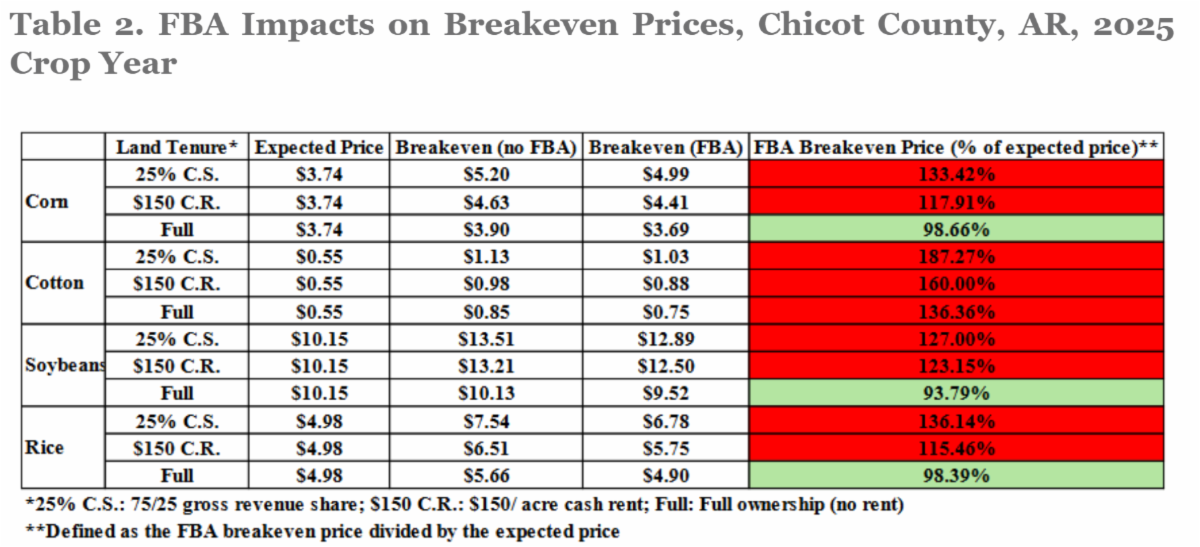
Building on the overall income support provided by the FBA, Table 2 describes how these payments narrow the gap between the breakeven and expected prices for principal crops in Chicot County, Arkansas. Prices, expenses, and yields are derived from our updated 2025 Arkansas Crop Profit & Loss Tool. Without accounting for FBA payment rates, breakeven prices exceeded expected prices across nearly all crops and land tenure arrangements. In this scenario, soybeans, assuming full ownership, is the only instance where the breakeven exceeds the expected price. Incorporating FBA reduces breakeven prices across the board, with the largest improvement observed under full ownership scenarios for corn, soybeans, and rice. For these crops, FBA payments lower breakeven relative to the expected price and restore small (but positive) margins above operating expenses. However, breakeven prices for the 75/25 crop-share and cash-rent scenarios still exceed expected prices by ~36% on average. Cotton still faces the most significant challenges due to its relatively high operating expenses (~$974/acre) and an expected price that is, on average, ~61% below breakeven prices across all land tenures. Overall, these results highlight FBA as an ‘income-stabilizing bridge’ that improves margins for lower-cost enterprises and offers partial (but insufficient) relief for tenant farmers.
| | |
Will payment limits stifle farm-level assistance?
FBA payments are subject to a $155,000 payment limit per producer. At the time of writing, USDA has not issued formal guidance regarding how this limit will apply to different qualifying legal entities (e.g., sole proprietorships, limited liability companies, C corporations, and S corporations). In the absence of explicit rules, we assume that FBA payments and payment limits will be administered in a manner consistent with the existing farm safety-net programs—namely, ARC and PLC.
To assess the extent to which FBA payments are constrained at the whole-farm level, we evaluate six representative Arkansas farms. For each case, we calculate the average crop acreage shares for corn, cotton, rice, soybeans, and wheat over the 2005–2025 period and apply those shares to a 2,000-acre farm. This farm size is selected because it represents the most common category among large alternative farm sizes in the 2022 USDA Census of Agriculture. These five crops are considered because they account for nearly all the historical planted acreage in Arkansas.
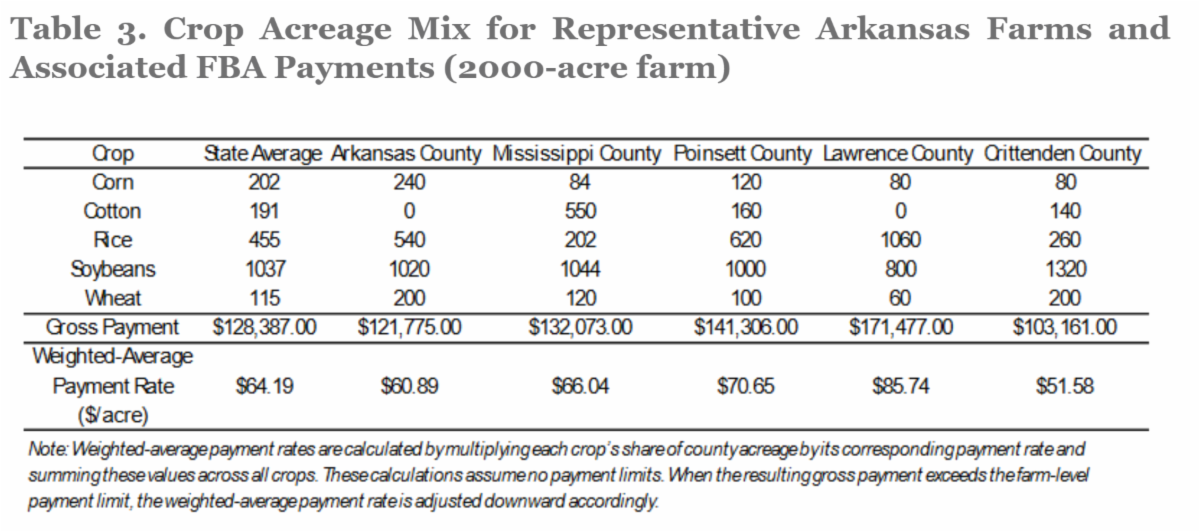
Results from this exercise are found in Table 3. The first scenario (“State Average”) reflects the statewide crop acreage distribution across all counties, representing the average Arkansas producer. Over 2005–2025, the average state-level acreage shares for corn, cotton, rice, soybeans, and wheat are 10%, 10%, 23%, 52%, and 6%, respectively. The remaining five scenarios—Arkansas County, Mississippi County, Poinsett County, Lawrence County, and Crittenden County—represent farms with relatively higher county-level concentrations of corn, cotton, rice, rice, and soybeans, respectively.
Poinsett County is selected as a rice-dominant example because it has, on average, planted the largest total rice acreage in Arkansas since 2005, while Lawrence County is selected because it has, on average, historically planted the highest share of rice acreage. The 2005–2025 average county-level acreage shares for corn in Arkansas County, cotton in Mississippi County, rice in Poinsett County, rice in Lawrence County, and soybeans in Crittenden County are 12%, 27%, 31%, 53%, and 66%, respectively.
Across all scenarios except one, representative farms are not expected to reach the $155,000 payment limit. Gross FBA payments for the State Average, Arkansas County, Mississippi County, Poinsett County, and Crittenden County scenarios range from $103,161 to $141,306. The soybean-dominant scenario produces the lowest payment, while the Poinsett County rice-dominant farm yields the highest payment among uncapped cases. In contrast, the Lawrence County rice-dominant scenario generates a gross payment of $171,477, exceeding the $155,000 payment limit. This result indicates that farms with relatively greater rice acreage are more likely to face binding payment limits, whereas farms with relatively greater soybean acreage are more likely to receive lower overall payments.
Weighted-Average Payment Rates (WAPRs), calculated on eligible acreage, are reported below gross payments in Table 3. WAPRs are generally higher for farms with a greater share of rice acreage and lower for farms dominated by soybean acreage. To support farm-level evaluation, we have developed a free, web-based Farmer Bridge Assistance (FBA) Payment Estimator that allows producers to estimate payments using FSA-certified acres reported by the December 19, 2025 deadline. The tool also reports WAPRs and indicates whether a farm is expected to receive the full FBA payment or face a binding payment limit. When payments are capped, total FBA payments are divided by total eligible acreage, resulting in a lower WAPR than would occur in the absence of the payment limit. We note that USDA FSA has released a Farmer Bridge Assistance (FBA) Program Calculator, but it does not calculate WAPRs or provide insight on payment limits.
| | Beef, Small Ruminants, & Forages | | |
Faulkner County Cattlemen's Meeting
The next meeting of the Faulkner County Cattlemen's will be January 22, 2026 at the Faulkner County Extension Office starting at 6:30.
Sponsors:
- Aday Lime and Fertilize, Inc.
- 4M Equipment/McLehaney Equipment
Program:
- Jeff Monk, 4M Equipment/McLehaney Equipment
| | |
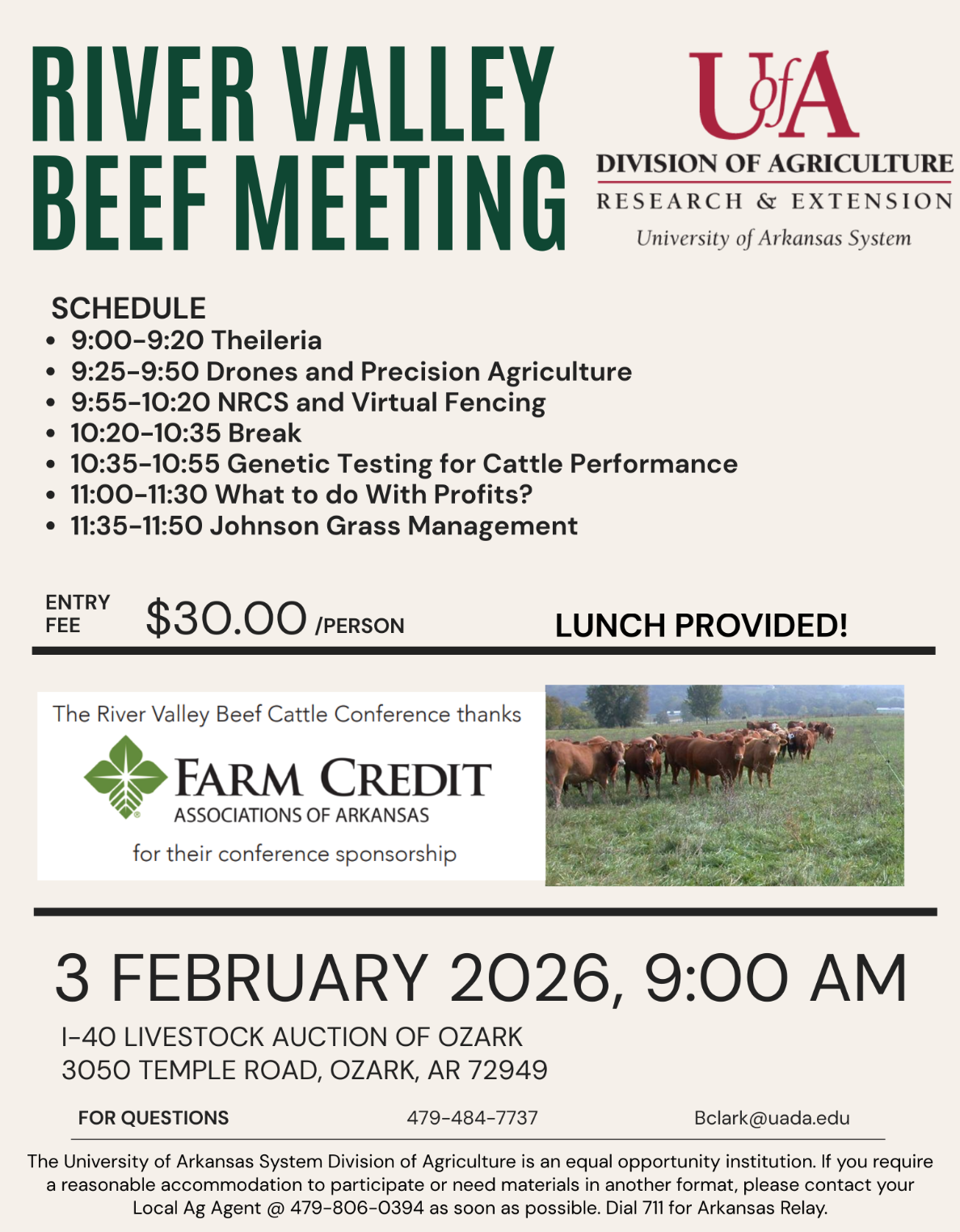
River Valley Beef Meeting
The Arkansas River Valley Beef Meeting will be February 3, 2026 at the I-40 Livestock Auction at 3050 Temple Rd, Ozark, Arkansas 72949. The meeting will start at 9:00 and go to 12:00 and end with a steak lunch. Registration this year is $30. Thanks to Farm Credit Services of Western Arkansas for sponsoring.
| | |
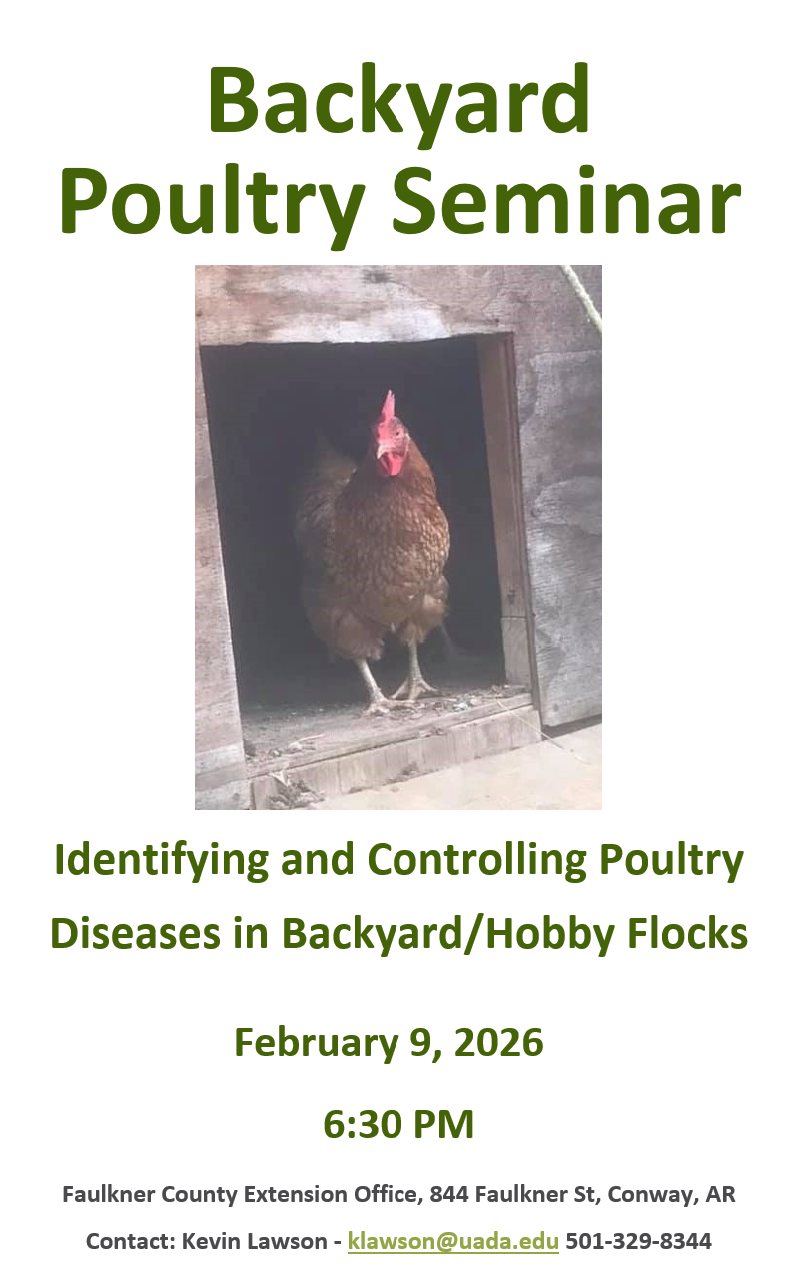
Backyard Poultry Seminar
There has been a confirmed case of Avian Influenza in Faulkner County. With this recent outbreak of Avian Influenza, we have decided to have a seminar here at the Extension office. Dr. Dustin Clark will be here to speak on "Identifying and Controlling Poultry Diseases in Backyard/Hobby Flocks".
The meeting will be at the Extension Office at 844 Faulkner Street, Conway on February 9th starting at 6:30 pm.
| | |
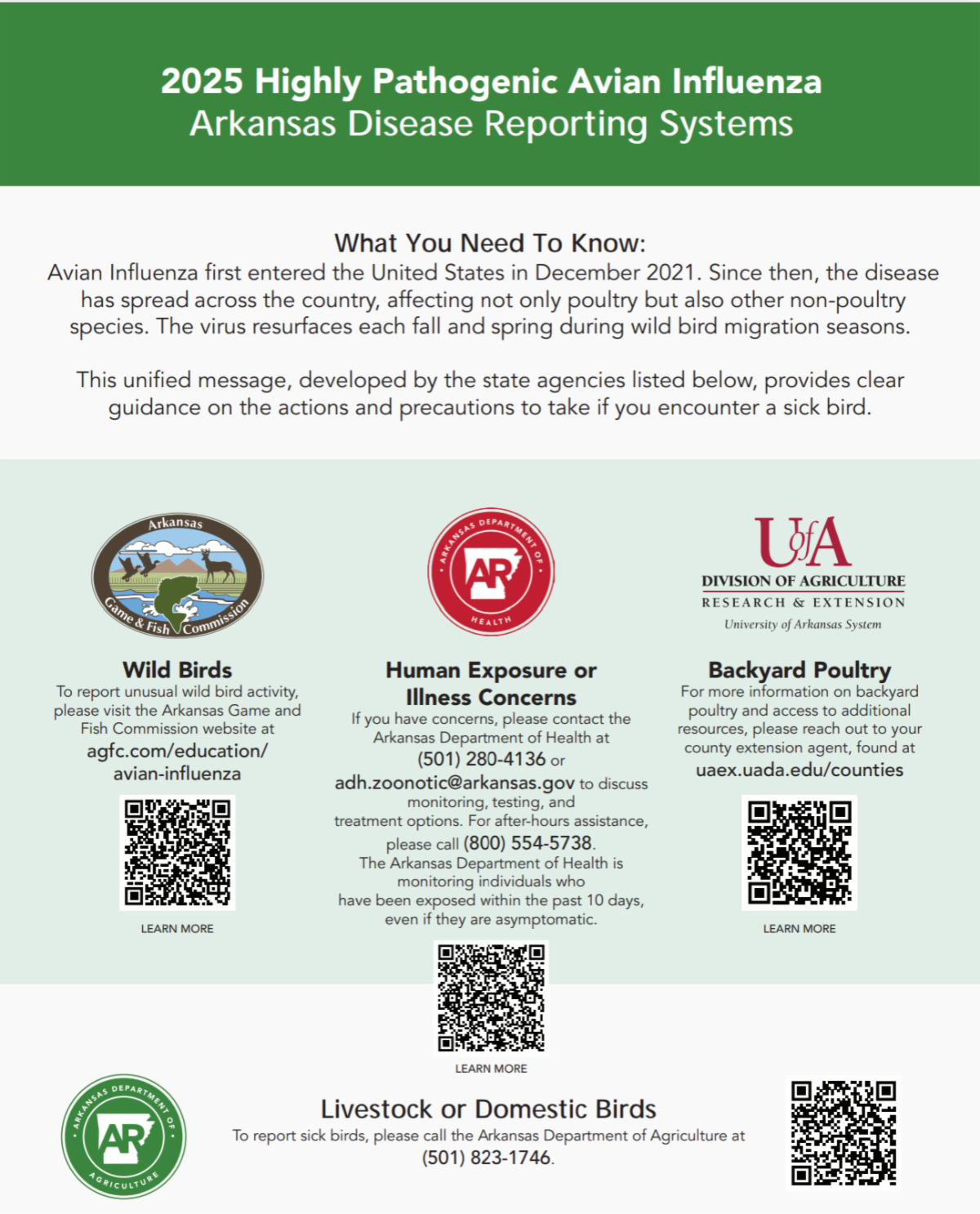
Where to Report Sick Birds
If you happen to see sick birds (wild or domesticated) in the county, depending on where you see them will depend on who to contact. The following flyer gives you a guide on who to contact if you see sick birds.
| | |
Leasing Bulls
Mark Z. Johnson, Oklahoma State University Extension Beef Cattle Breeding Specialist
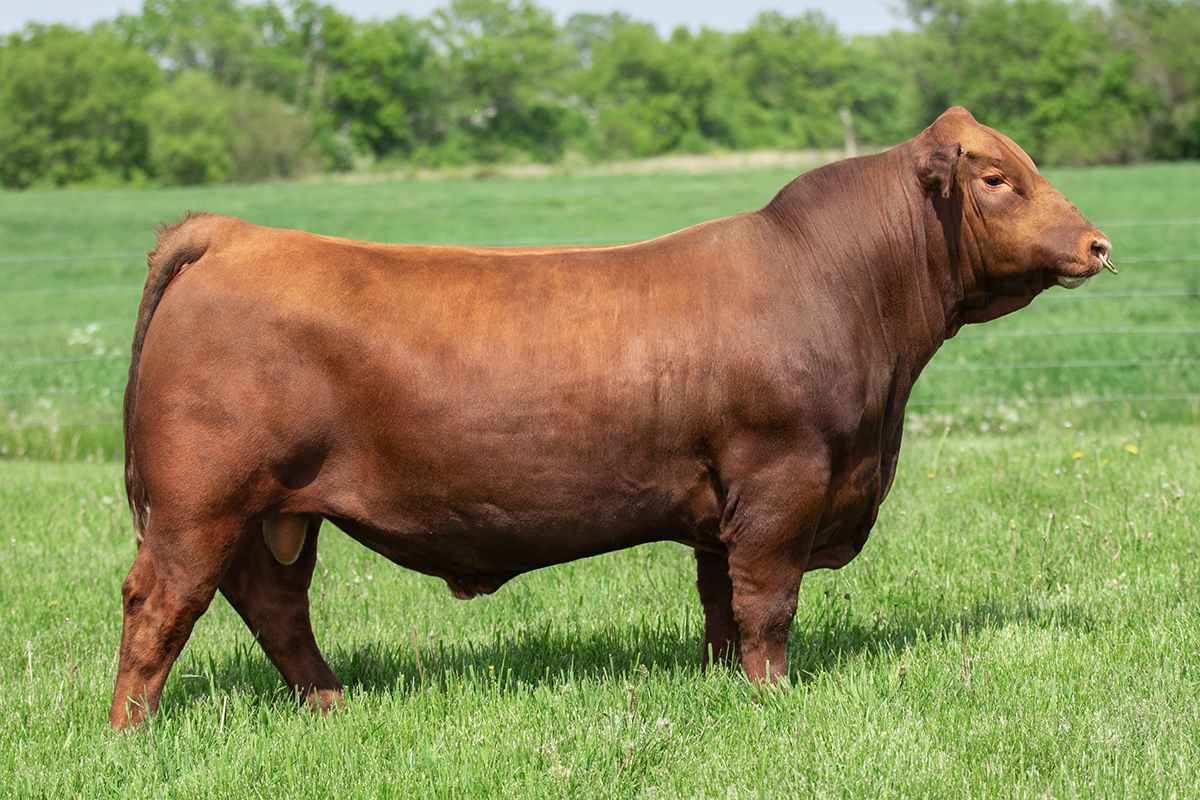
As follow up to “What’s a Good Bull Worth in 2026?” from last week, I address a recent question from a producer regarding the cost of leasing bulls. One potential way for a commercial cow-calf operation to reduce expenses is to lease, rather than own, a bull. Producers should compare the costs and benefits of leasing versus owning. Leasing eliminates the capital expenditure of purchasing a bull. The cost of purchasing a bull (or bulls) was addressed last week. Whether leasing or purchasing bulls, the expense will be highly dependent on the cattle market and quality of the bull. A leased bull is usually kept only during the breeding season so maintenance costs associated with bull ownership are reduced. For example, the cost of feeding a bull is realistically at least $1 per day. In addition, veterinary and medicine, labor, potential death loss, the facilities needed to keep bulls safe and secure during the off-season as well as depreciation and interest. All these things considered, bull ownership has a price tag of several hundred dollars annually when bulls aren’t breeding cows.
On the other hand, leasing bulls may not be an option. Commercial cow-calf operations need to plan in advance of breeding season checking with seedstock vendors to make sure they are in the bull leasing business and will have bulls available for lease when needed. If seedstock producers are receptive to bull leasing, both the lessor and lessee need to consider how leasing a bull could affect the health of the herd. Leasing virgin bulls is ideal to ensure that a venereal disease such as vibriosis or trichomoniasis is not introduced into the lessee’s herd. A negative test for trichomoniasis (at very least) is a standard part of the lease agreement before the leased bull can be returned to the lessor’s herd. In addition, leasing bulls does not come with the benefit of the salvage value when older bulls are sold. Other considerations of a typical bull lease agreement for the benefit of both parties should include:
1 – A daily, monthly or breeding season fee. These fees typically start at $25/day depending on the quality and genetic value of the bull(s). Lessor would guarantee a bull has passed a breeding soundness exam.
2 – A value per pound of bull weight loss during the lease. This typically is based on the cost of regaining the weight after bull is returned. In the current market, $1/pound is reasonable. Both parties should agree on a reasonable weight loss and cost of regaining the weight and include this in the lease agreement.
3 – Cattle mortality insurance to protect the lessor (bull owner) from death loss. Both parties should agree on the value of the bull. Typically the lessee would purchase a policy covering the value of the bull, pay the premium and the policy would be paid to the lessor in the event of the bull’s death. Currently, a 60-day policy could be purchased for 3.5%, a 90-day policy could be purchased for 4% of the established value of the bull.
4 – Health. Typically, a negative test for trichomoniasis at completion of the lease and prior to the bull’s return, is a standard part of the lease agreement. This cost (usually $50 - $100), is covered by the lessor.
Given the current circumstances, what is the realistic cost of leasing a 15 month old bull, valued at $10,000, assumed to lose 100 pounds during the lease, at $25/day for a 60 day breeding season?
Breeding Fee: $25 x 60 days = $1,500
Weight Loss: 100 pounds x $1 per pound cost of gain = $100
Insurance: $10,000 x 3.5% = $350
Trichomoniasis Test = $75
Total = $2,025*
*In the current market, based on the quality and genetic value of the bull, prices will vary.
So assuming the 15 month old bull will cover 15 cows/heifers during the breeding season, the cost per female bred is $135. How does this compare to owning bulls? The following chart assumes a bull provides service until the age of 6. It serves as another way to evaluate the cost per female bred, based on various purchase prices of ownership.
| | |
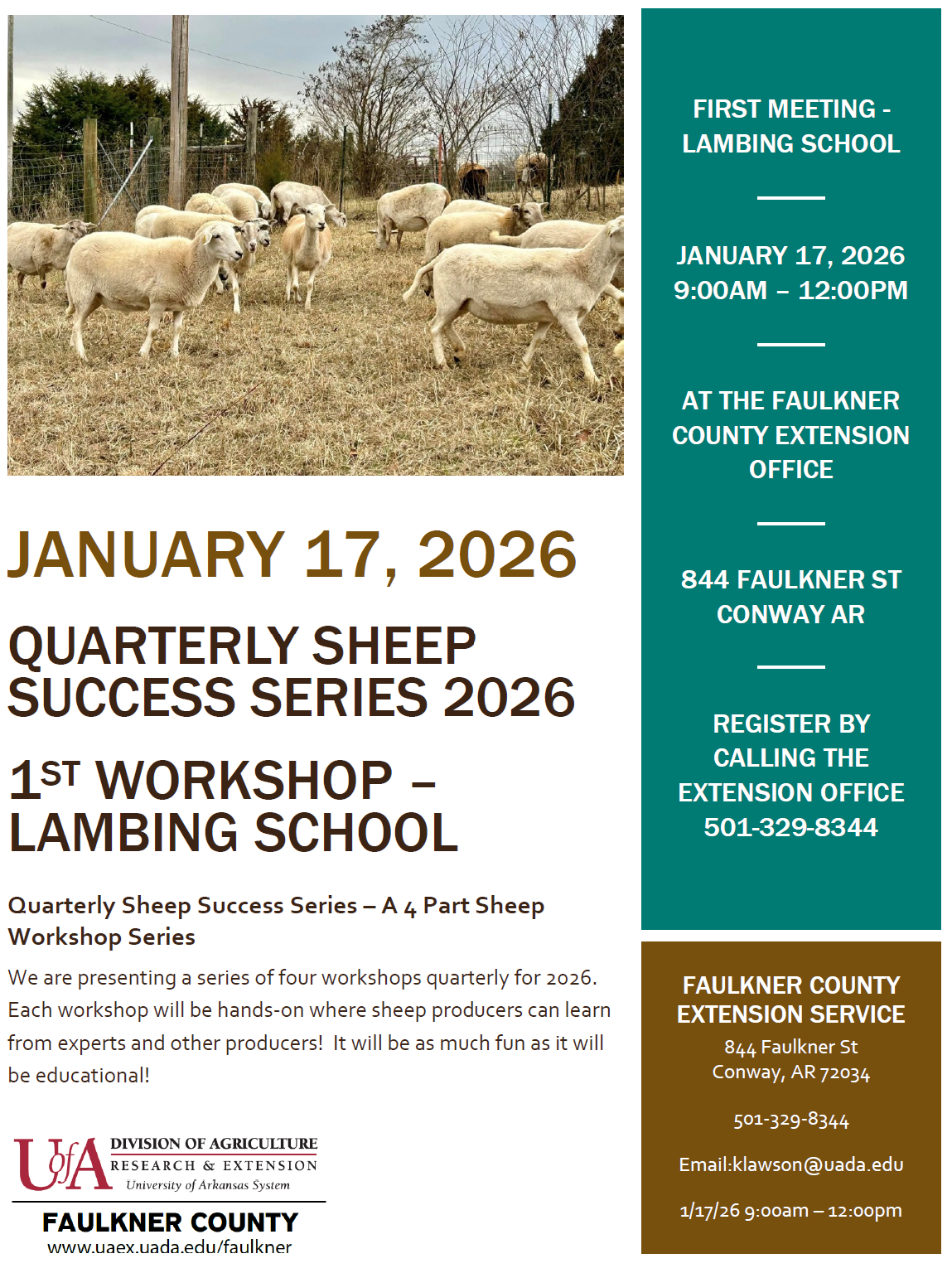
Quarterly Sheep Success Series 2026
Tomorrow will be the first Quarterly Workshop for our Sheep Success Series. The next meeting will be May 9 at the Extension Office. You may want to go ahead and save that date with more information to come out sooner. We will be discussing composting of manure, soil sampling, and hay sampling.
| | |
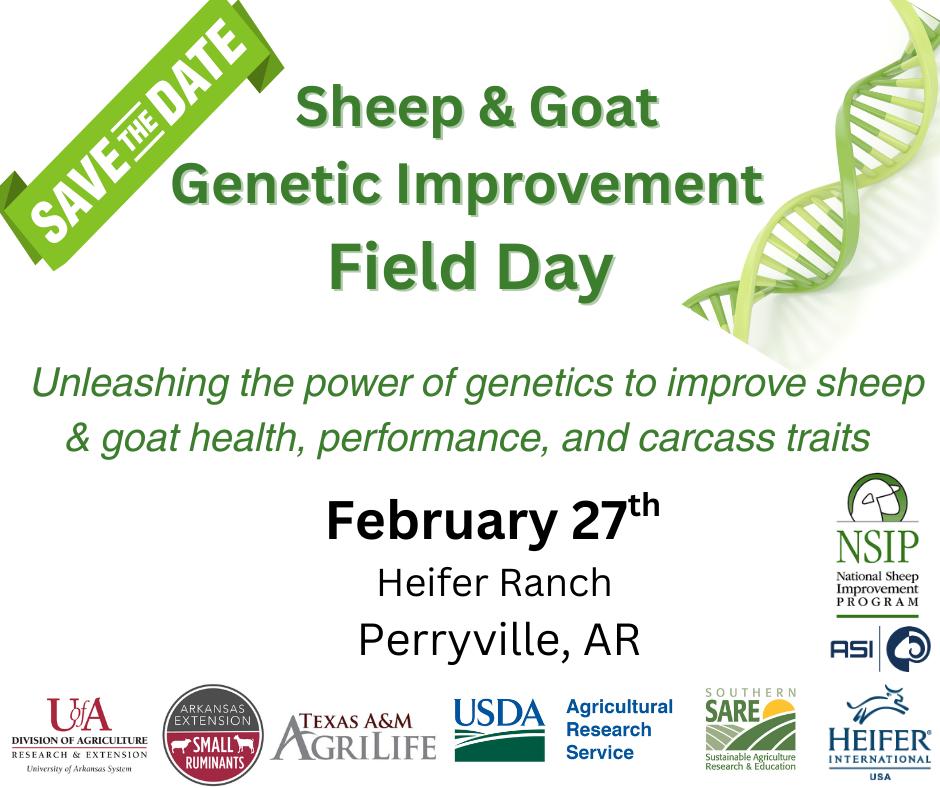
Sheep & Goat Genetic Improvement Field Day
by Dr. Dan Quadros
We have rescheduled it! Save the date: The "Sheep & Goat Genetic Improvement Field Day" will take place on February 27th (Friday), now in a new location, at Heifer Ranch (55 Heifer Rd, Perryville, Central Arkansas), from 9:30 am to 3:30 pm. The program and registration website will be released in January.
I know that some of you will be busy with the lambing/kidding season, but please plan in advance to attend.
| | |
Pesticide Applicator Trainings
In order to purchase restricted use pesticides (herbicides, insecticides, fungicides, etc) you must have a private applicators license. The license is good for 5 years.
To obtain a license you must first attend a certification training. Certification trainings are done in person by a County Extension Agent or you can go online and be certified. Below is a link to the online training.
In person trainings this year will all be at the Faulkner County Extension Office and will be on:
January 29 - 6:00 PM
March 12 - 6:00 PM
April 30 - 2:00 PM
A certification training costs $20 and is due the day of the training.
Once a producer is certified, they will go through the Arkansas Department of Agriculture to obtain the license which is $45.
Please call the Extension office at 501-329-8344 to sign up for one of these dates.
There will be other opportunities for trainings in Perry and Conway County and I will post those as soon as those dates are available.
If you have a question about your license, please follow the License Search and Verification link below to find your license.
| | |
Livestock Market Report
The weekly livestock market report is available on the Arkansas Department of Agriculture website.
| | |
Grow Your Own Groceries Conference
The award winning Grow Your Own Groceries program is moving to the next level with an in-person conference! Join us February 10, 2026 at the Conway Expo & Event Center for a fun-filled and educational day of learning how to grow healthy, nutritious food in your own backyard and get some tips for cooking and preserving your harvest.
You will be able to choose 6 different classes (3 in the morning and 3 in the afternoon) from the topics below. We’ll also serve lunch and have a fun presentation to enjoy while you eat.
Break-out Session Topics
- Using Cover Crops in the Garden
- Planning for an Abundant Harvest
- Food Preservation Methods
- Growing in High Tunnels
- Hydroponic Vegetable Production
- Composting
- Nurturing Your Soil
- Getting Started with Beekeeping
- Setting Up a Drip Irrigation System
If anyone has any questions feel free to give me or Krista Quinn a call at the office. I have included the registration link below.
| | |
Sign up for Text Alerts
You can now sign up for text alerts from me throughout the year. I have two areas you can sign up for which includes Faulkner Livestock or Faulkner Ag (Row Crop Updates). To sign up you can follow one of these links or use the QR Codes below.
| | Pursuant to 7 CFR § 15.3, the University of Arkansas System Division of Agriculture offers all its Extension and Research programs and services (including employment) without regard to race, color, sex, national origin, religion, age, disability, marital or veteran status, genetic information, sexual preference, pregnancy or any other legally protected status, and is an equal opportunity institution. | | | | |