Silver – Left Behind Today, But Not Tomorrow
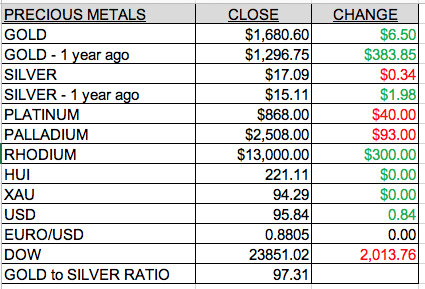
Breaking News: The DOW rose 455 for the week ending March 6. It fell 3,583 the previous week. Gold rose $105 and silver rose $0.87 for the week.
The coronavirus is blamed for weak global demand and damaged supply chains. The Fed is worried; they lowered interest rates by half a point. But central banking is part of the problem. Central banks created bubbles, and those bubbles crashed in 2000, 2008, and 2020.
The problem isn’t over-valued Internet stocks, or NINJA loans for real estate, or coronavirus. The problem is abundant and inexpensive credit, created by the banking cartel, that inflated dangerous bubbles.
After the year 2000 crash, the NASDAQ 100 Index fell over 80%. Many stocks suffered larger losses or died.
After the 2008 crash, millions of homeowners lost their homes
. Few bankers lost their homes, and none went to prison. The S&P fell over 50% from top to bottom.
The 2020-2021 market crash will create large losses. The “Everything Bubble” includes bonds (low or negative interest rates), overvalued stocks with high price to earnings and price to sales ratios, currencies, and real estate.
Losses will be how large? That’s impossible to say, but:
a)
The larger the bubble, the larger the losses.
This bubble is huge.
b)
More leverage (debt) means larger losses. Over $250 trillion in global debt will not reach a happy ending.
c)
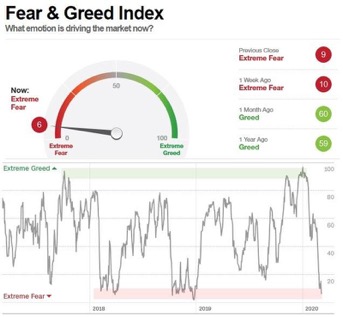
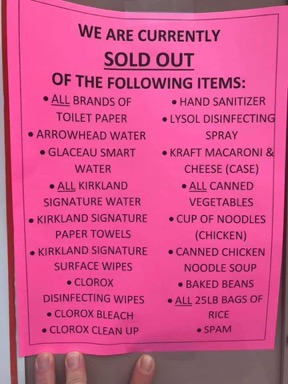
Panic (financial and viral) in markets, central banks, governments, and on Main Street USA will accentuate the losses. Panic exists in markets, cities, hospitals, and shopping centers.
d)
Craziness in responses by bankers and governments will increase losses.
e)
The virus will be blamed, but not excessive debt, out-of-control spending, fiscal and monetary nonsense, politics or greed. Not recognizing the real problems will aggravate the losses.
So how large will losses be? Wrong question!
Instead, how do you protect yourself from market losses, bubbles, declining purchasing power and viral infections?
- Look at the big picture.
- Avoid expensive choices.
- Focus on relatively inexpensive and safe choices.
- Avoid counterparty risk and avoid digital and fake assets dependent upon debt and central bankers.
THE BIG PICTURE:
a)
Debt increases every year because the world uses a debt-based currency system.
b)
Debt increases because it benefits the banking cartel.
c)
Debt increases because politicians spend in excess of revenues to buy votes and reward contributors.
d)
Prices rise because debt increases faster than economic growth.
BIG PICTURE CONCLUSIONS:
- Debt will increase. Government debt will rapidly increase during a recession or market crash.
- Prices will rise. Call it consumer price inflation or cost-push inflation.
EXPENSIVE CHOICES:
- The everything bubble is a bubble in stocks, bonds, real estate and currencies.
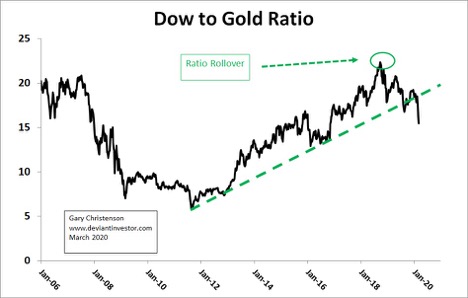
- Stocks are falling. They must descend a long way before they reach bottom. Earlier examples are the 2000 and 2008 crashes, down 50% to over 80%. Can the collapse be delayed beyond the November election?
- Bond yields are falling, so bonds are rising. This nearly four-decade bull market in bonds will not last forever. A possible target is the November 2020 election for a low in yields and a high in bonds. The crash should be spectacular. Do you really want to buy a ten-year bond that pays under 1% per year? This is a market for speculators, hedge funds and “greater fools.”
- Real estate: Low interest rates drive up prices, and high prices discourage sales. Will it crash from here or soon? The real estate correction has begun in several cities.
- Currencies will decline in purchasing power as the banking cartel and central banks flood economies with newly created currency units in their misguided attempts to delay the disastrous consequences of the bubbles they created.
WHAT ARE SAFE CHOICES?
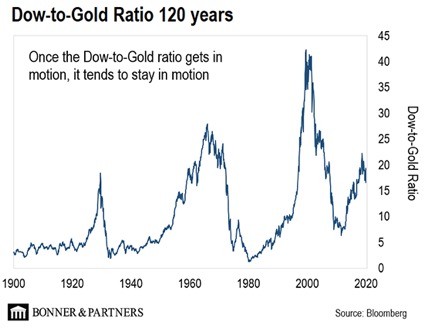
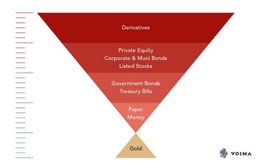
- Gold and silver have no counter-party risk. If Deutsche Bank fails, your gold remains valuable, unlike many assets, liquidated stocks, and derivatives.
- There are other safe choices if you understand them. If not, stay safe with silver and gold.
SILVER OR GOLD?
History shows:
a)
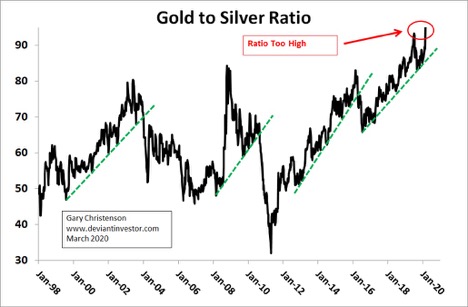
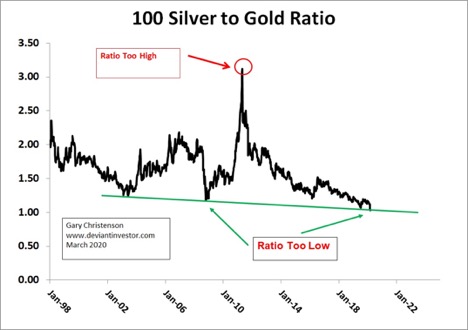
When the gold to silver ratio is high, both gold and silver are due to rally. The ratio is at a three-decade high.
b)
When the ratio is high, silver often starts slowly but later makes larger percentage gains than gold.
c)
Economic weakness hurts silver demand.
d)
Panic encourages demand for gold – the ultimate safe asset.
WHERE ARE WE NOW – March 2020?
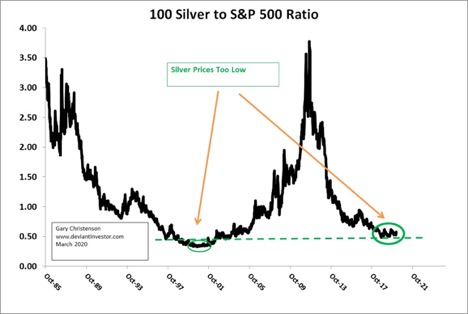
The gold to silver ratio is too high, second highest in three decades. When the ratio falls below the trend line, silver prices should rally for years.