|
The high cost of U.S. health care is not just a number that shows how much the country spends. It affects real people, who feel those costs directly through premiums, deductibles, and other out-of-pocket expenses they must pay each year. As health care becomes more expensive, its costs can compete with basic needs such as food, clothing, and housing.
According to KFF’s 2025 Employer Health Benefits Survey, family premiums averaged nearly $27,000, with workers contributing about $6,850. Workers with employer-sponsored health insurance paid an average deductible of $1,886 for single coverage in 2025.
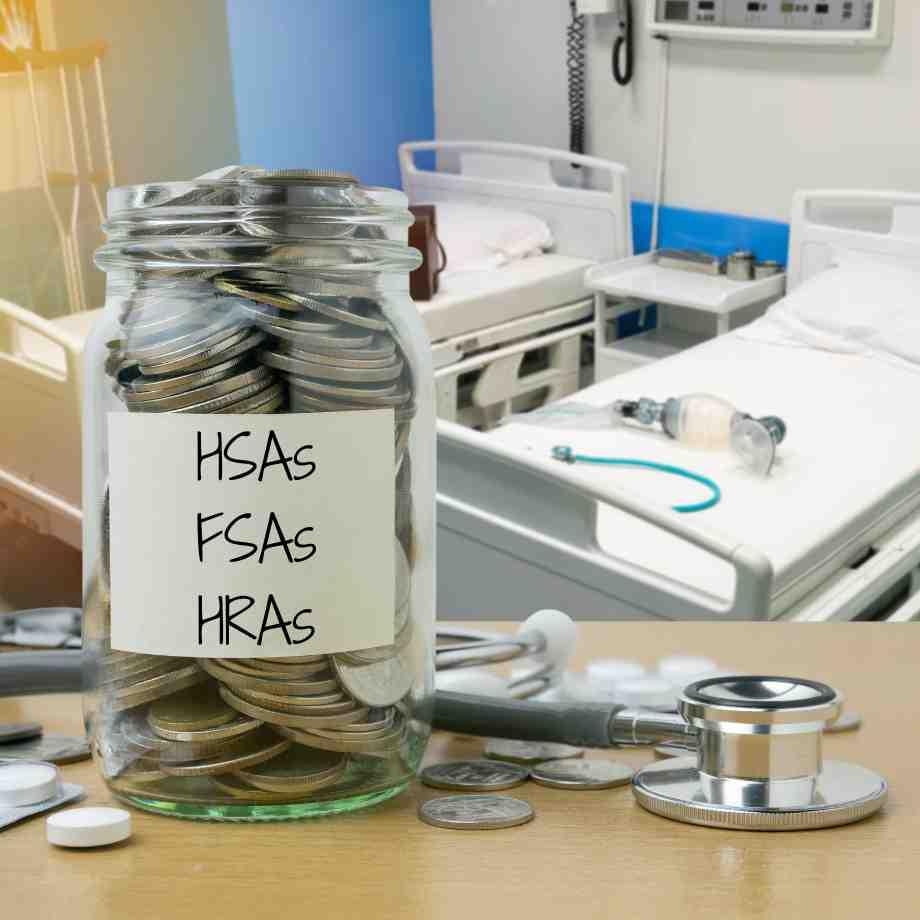
For people who have access to them, Health Savings Accounts (HSAs), Flexible Spending Accounts (FSAs), and Health Reimbursement Arrangements (HRAs) can help make many health care expenses more manageable. Typically, the money contributed within these programs may be used for deductibles, copays, prescriptions, dental and vision care, and other qualified expenses, including over-the-counter medications, birth control, and feminine hygiene products.
These special savings accounts cannot solve the larger problem of all the high health care costs, and they are not available to everyone. However, they may help eligible individuals and families prepare for expenses throughout the year, while making their health care dollars go further.
|