|
Two Main Types
Small-cell lung cancer is more aggressive, meaning it can spread quickly to other parts of the body early in the disease. It is strongly tied to cigarette use and is rare in nonsmokers. Non-small-cell lung cancer grows more slowly and is more common. It's responsible for almost 85% of all lung cancers.
What's the Stage?
Staging describes how far someone’s cancer has spread. Small-cell lung cancer is divided into two stages: "Limited" means the cancer is confined to one lung and maybe nearby lymph nodes. "Extensive" means the cancer has spread to the other lung or beyond. Non-small-cell lung cancer is assigned a stage of I through IV, depending on how far it has spread.
Early-Stage Treatment
When doctors find non-small-cell lung cancer before it spreads beyond one lung, an operation can sometimes help. The surgeon may remove the part of the lung that has the tumor, or if necessary, the entire lung. Some people get radiation or chemotherapy afterward to kill any remaining cancer cells. Surgery usually doesn’t help with small-cell lung cancer because it probably has already spread before diagnosis.
If It's Advanced Lung Cancer
When lung cancer spreads too far to be cured, treatments may still help people live longer and have a better quality of life. Radiation and chemotherapy can shrink tumors and help control symptoms, such as bone pain or blocked airways. Chemotherapy is usually the main treatment for small-cell lung cancer.
New Treatments
Targeted therapy plus chemotherapy may help, if other approaches don’t work. One type prevents the growth of new blood vessels that feed cancer cells. Others interrupt the signals that prompt lung cancer cells to multiply, as shown in the image here.
Immunotherapy works with your immune system to fight advanced cases of non-small-cell lung cancer. It doesn’t work for everyone, but when it does, the results look strong. You’d also get chemotherapy.
Joining a Study
Clinical trials help doctors explore promising new treatments for lung cancer. Ask your doctor if there’s one that you could join, what to consider, and how to sign up.
Quitting Helps
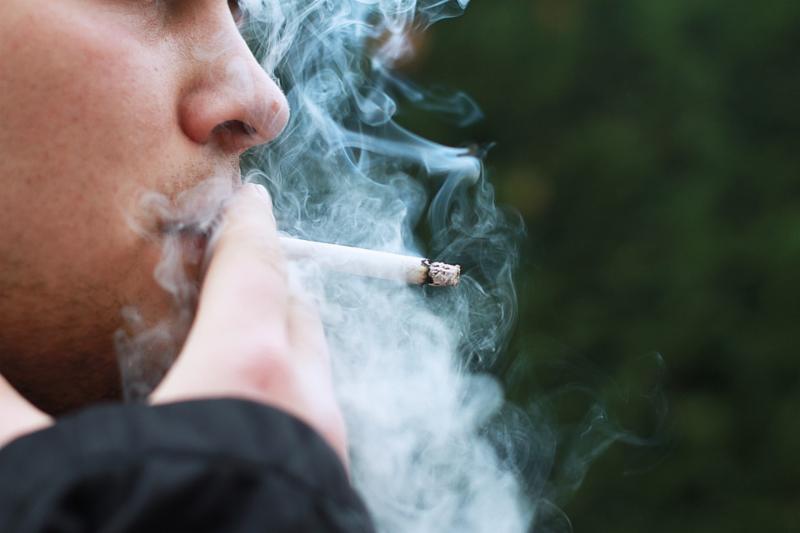
Being diagnosed with lung cancer can be a shock. If you smoke, or used to, it’s not too late to make healthy changes. Research shows that people who quit smoking after learning they have lung cancer do better than those who keep smoking.
|