THE ISLAND GARDENER
September ~ 2026
| | |
|
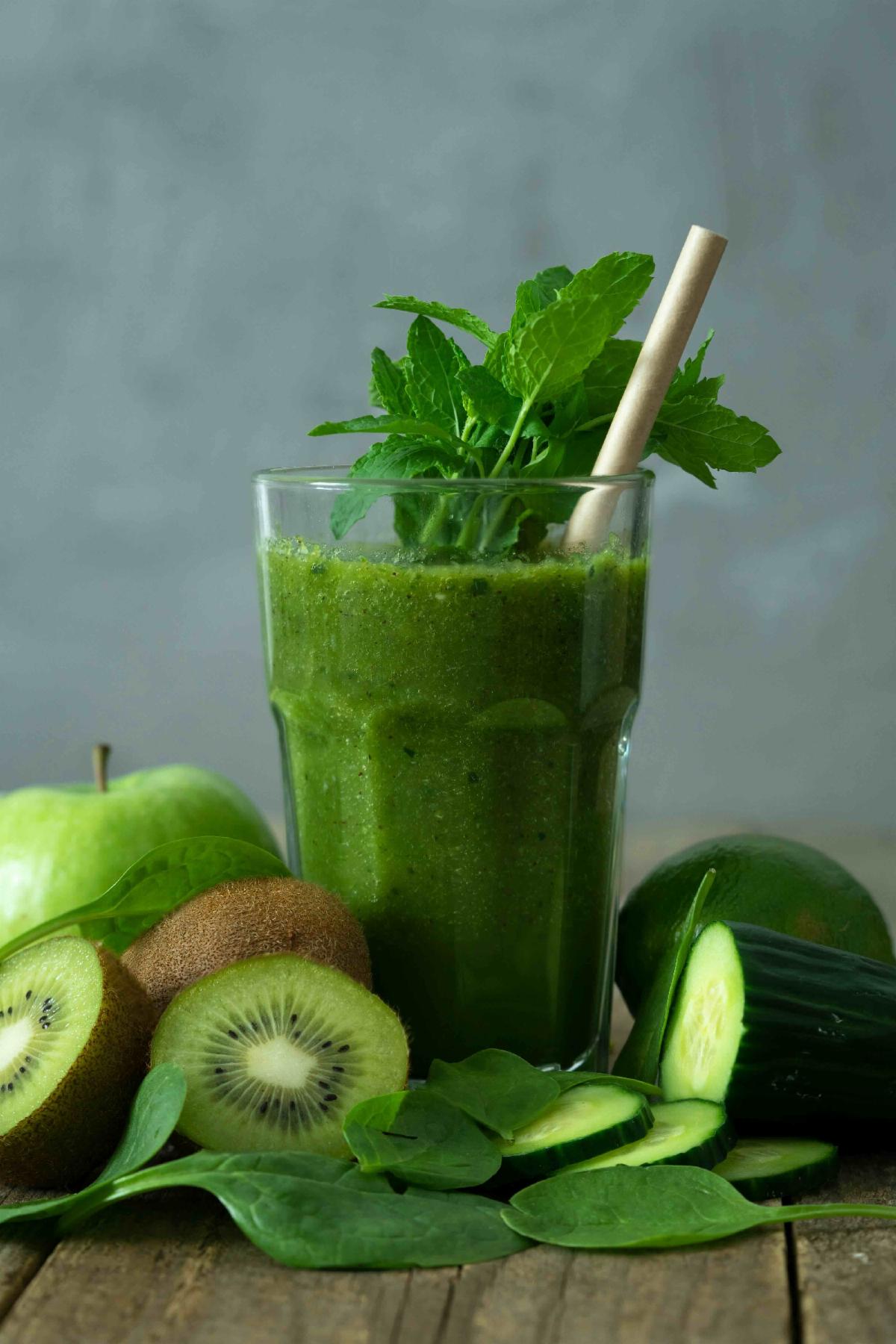
- Leadership Smoothie - New
- Garden Club Program
- What's Coming into Bloom
- Membership Update - Here we Grow!
- Look What The Board Grew
- Cultivating Friendships
- Embrace the Seasonal Rhythm
-
Gardenspeak - New
- Rainy Day Reads
- Summer Memories & Fun Times
- Discovering Local and Global Gardens
- Ms. Gardenia, Out of the Shed, Into the World
- Member Raffle
- Made You Smile
| | |
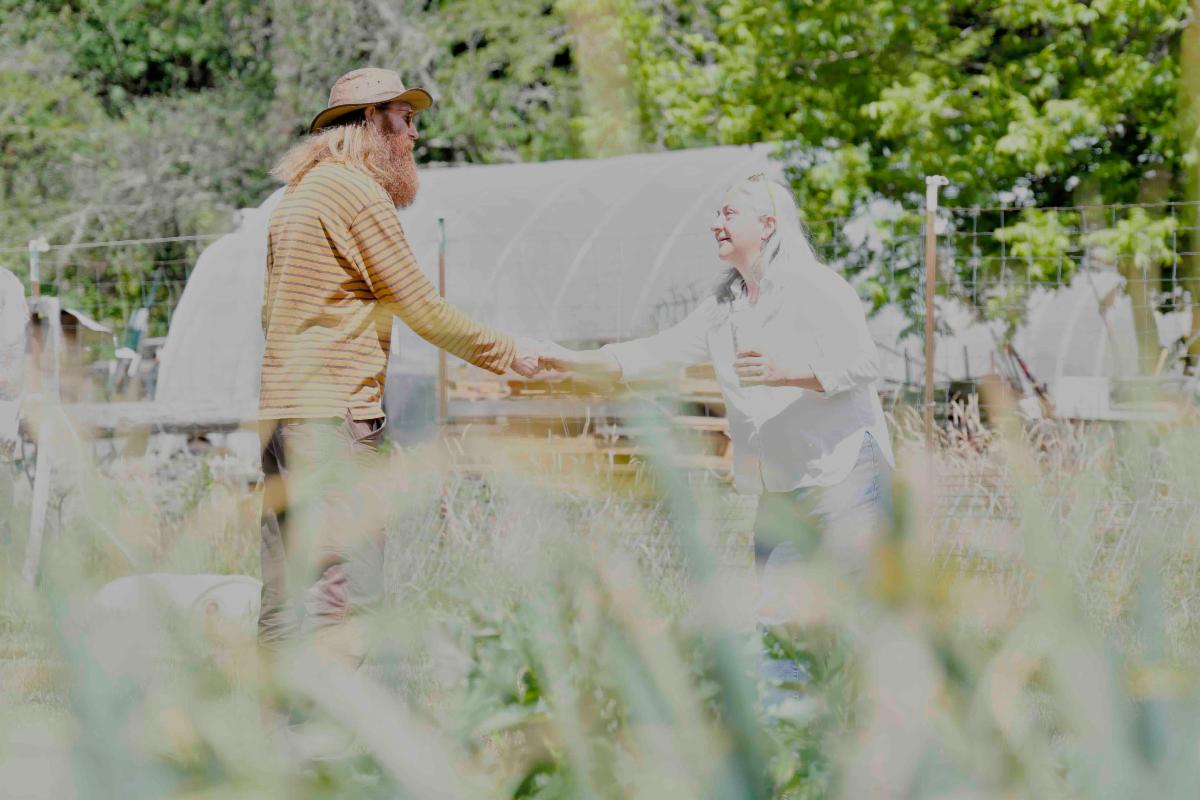
Welcome to a brand new season with the garden club! Once again, we are mixing things up! The newsletter will have some familiar favorite series coming back and many new exciting columns we can't wait to share with you. In our 'Leadership Smoothie' column you'll hear not only from the presidents but also other leaders within the club. They'll share their personal stories, values, perspectives or updates. We don't know what to expect but like a smoothie, these messages will be a delicious concoction of random ingredients that surprisingly work together. We hope you find these Smoothies to be satisfying, healthy and rejuvenating. We hope to be that positive element that boosts your mood! Are you ready? Grab your favorite morning beverage and settle in for some delightful reading!
| | |
A Message from Co-President Robin Sullivan
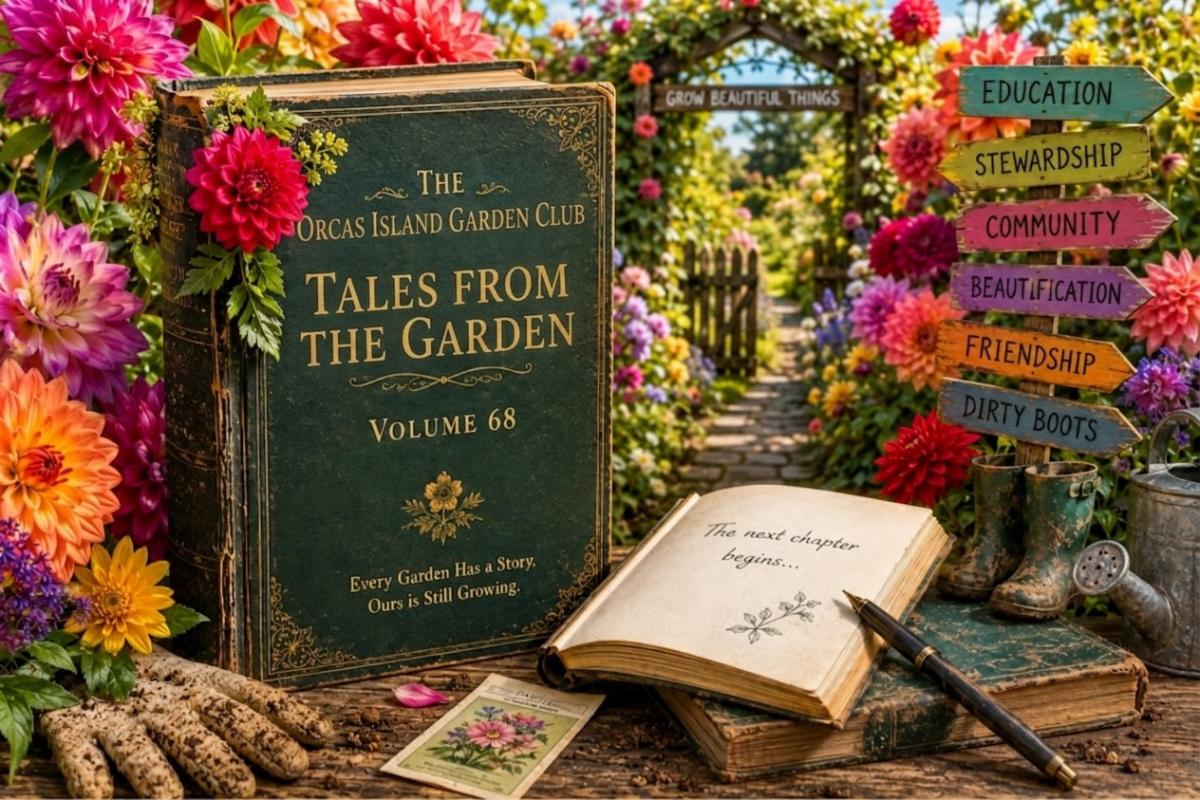
Chapter 68
Once upon a time, on a magical little island far, far north, and west, a group of gardeners decided to start a story. . .And somehow, sixty-eight years later (give or take a little), we’re still writing it.
There have been memorable characters, unexpected adventures, a few plot twists, some cliffhangers, and, thankfully, lots of happy endings. Along the way there have been gardens and flowers, new ideas, old friendships, plenty of laughter, and more than likely a few secrets that got tucked away between the pages.
And now, it’s time for us to write another chapter.
One of the things I love about a long-running story is that some of the characters keep coming back. We know each other, we’ve shared a few chapters, and we’ve watched friendships grow. Then, every year, new faces join the story, bringing new ideas, new energy, and new friendships.
I’ve gotten a little sneak peek at what’s coming, and I have to say, some of our characters have been busy behind the scenes. They’ve been making plans, dreaming up ideas, finding interesting people to bring into our story, and doing plenty to make this year special. I’m so grateful to everyone who has helped make it happen. We’ll meet gardeners, artists, naturalists, experts, and other fascinating people who will introduce us to new ideas and perhaps make us see our own little corner of Orcas a bit differently.
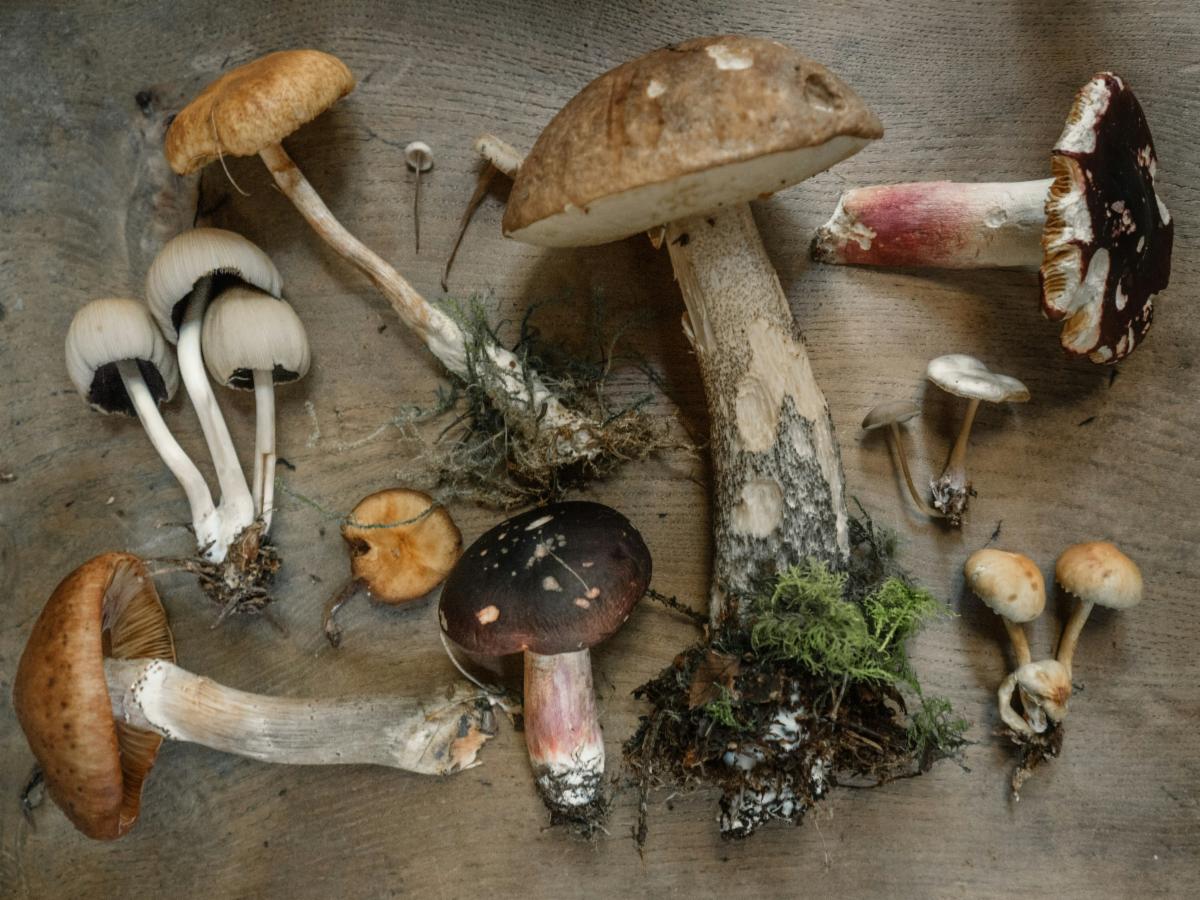
And then there are the things we can’t plan—the short conversation that turns into an hour or two, the unexpected laughs, the new friendships, or the little discovery that becomes a favorite memory. Our first chapter opens this fall with a journey into the fascinating world of fungi.
So come join us. Bring your curiosity, your stories, and your love of gardens. After all these chapters, there’s still plenty of story left to tell.
Welcome to Chapter 68. Let’s see where this story takes us!
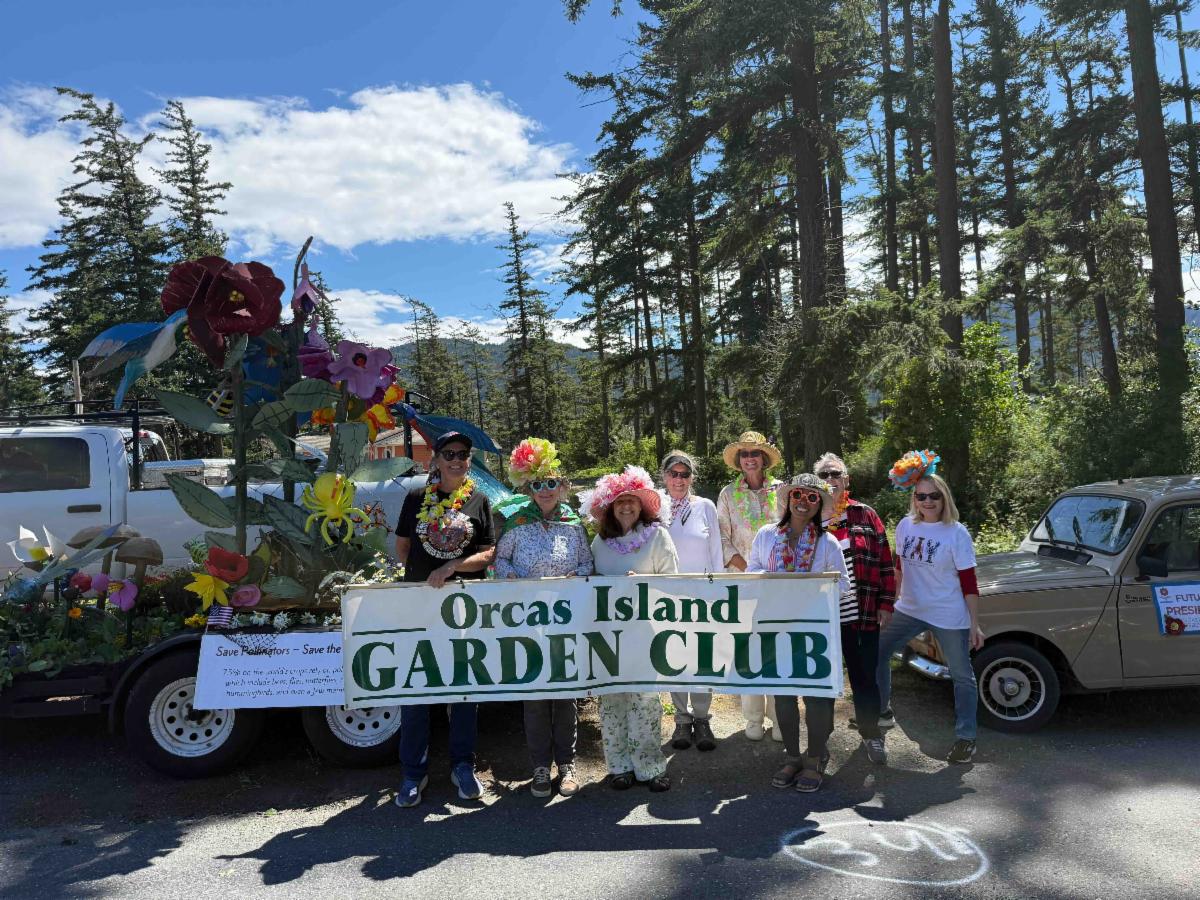
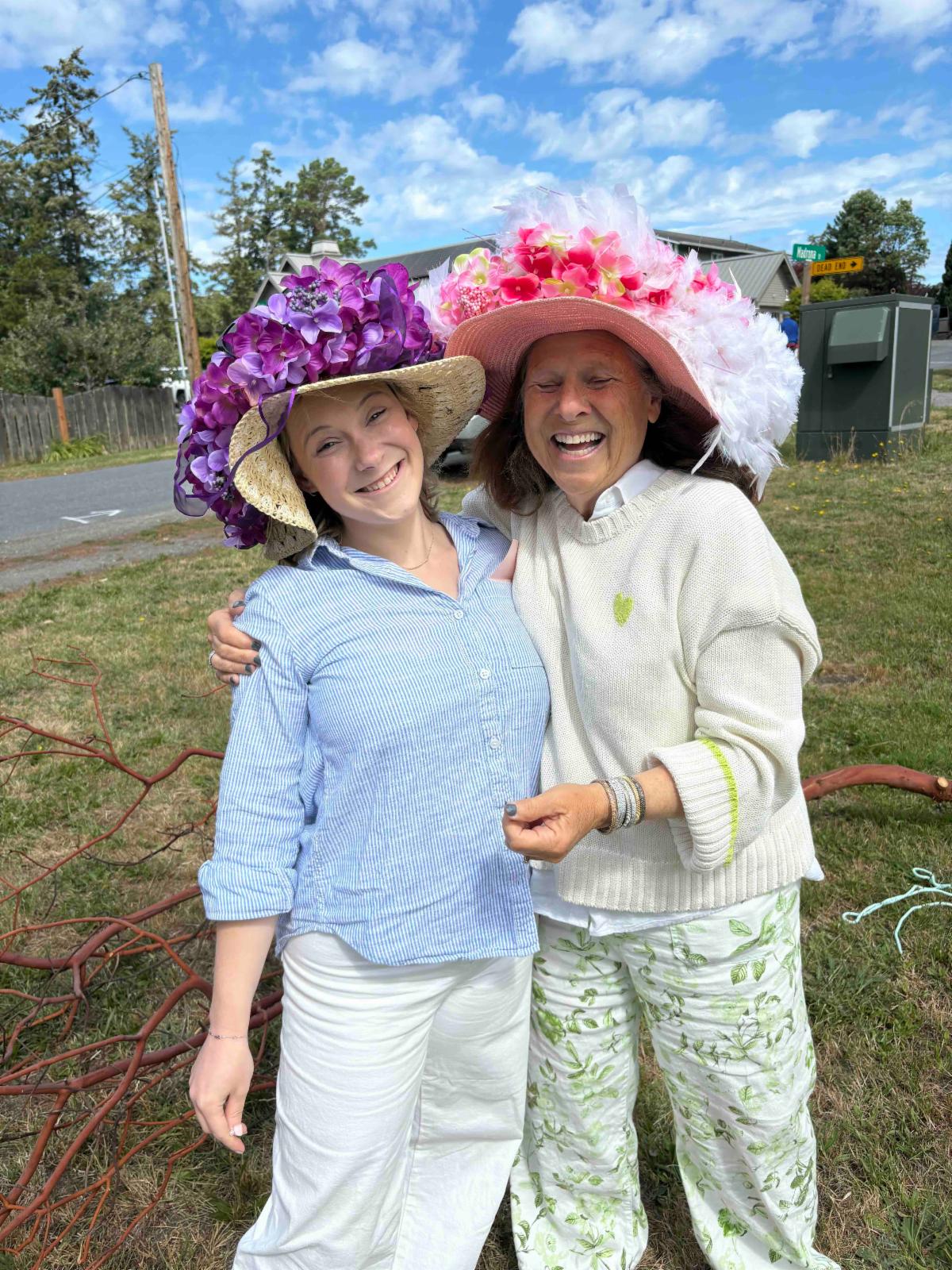
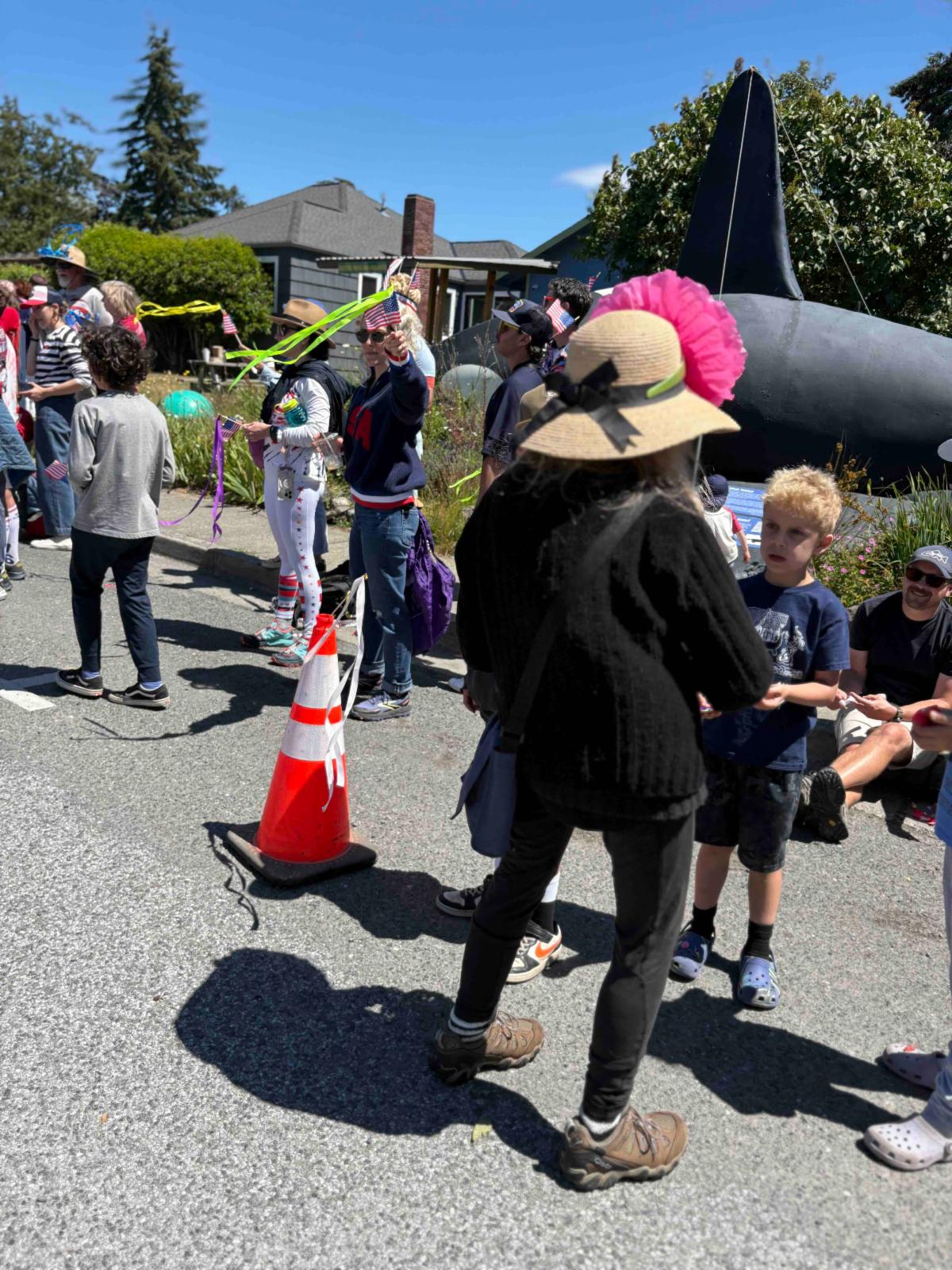
| | Robin beaming front & center in her fancy pink hat getting set for the parade walk. | | Garden Club Program ~ September 9th | | |
Orcas Island Garden Club
presents
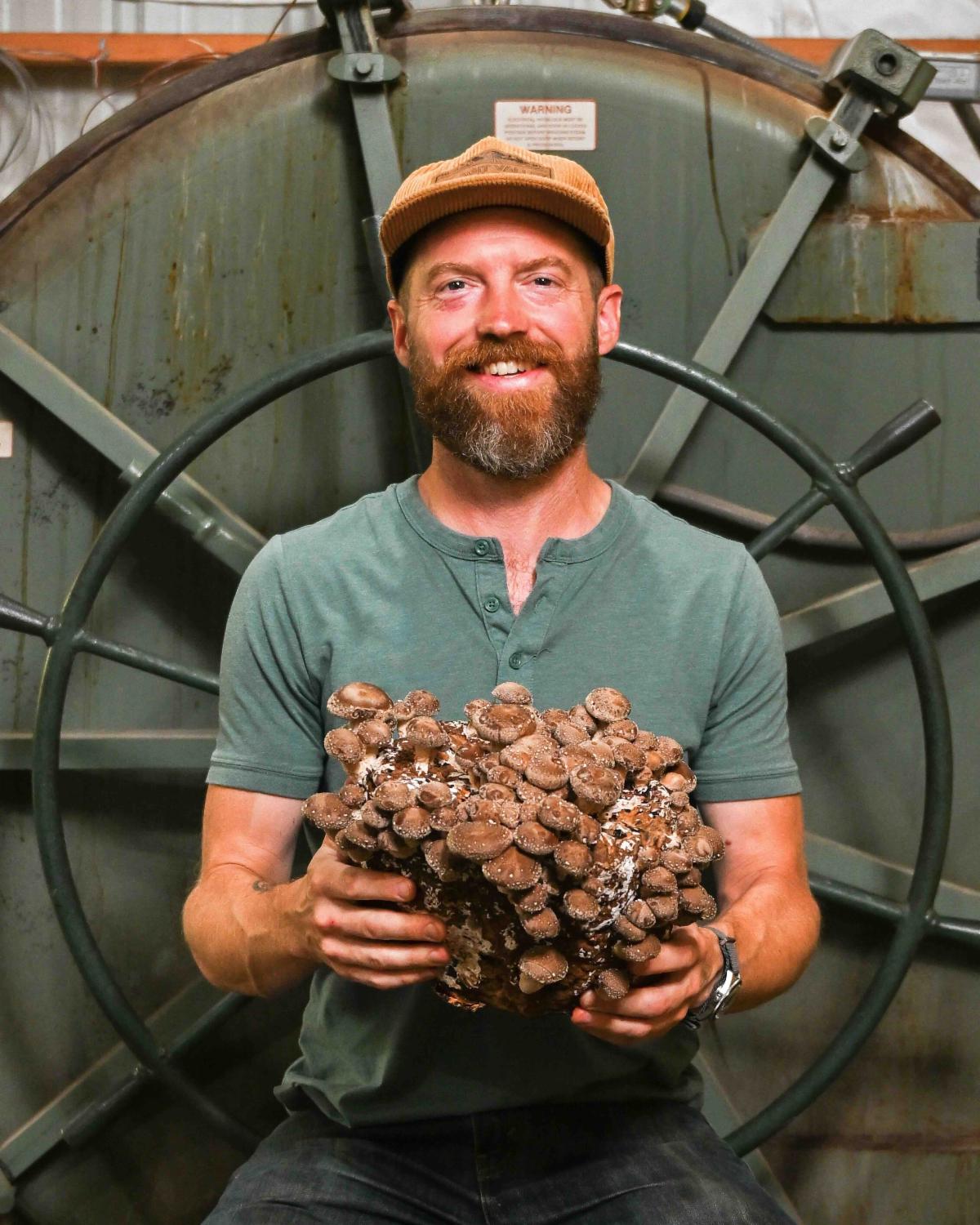
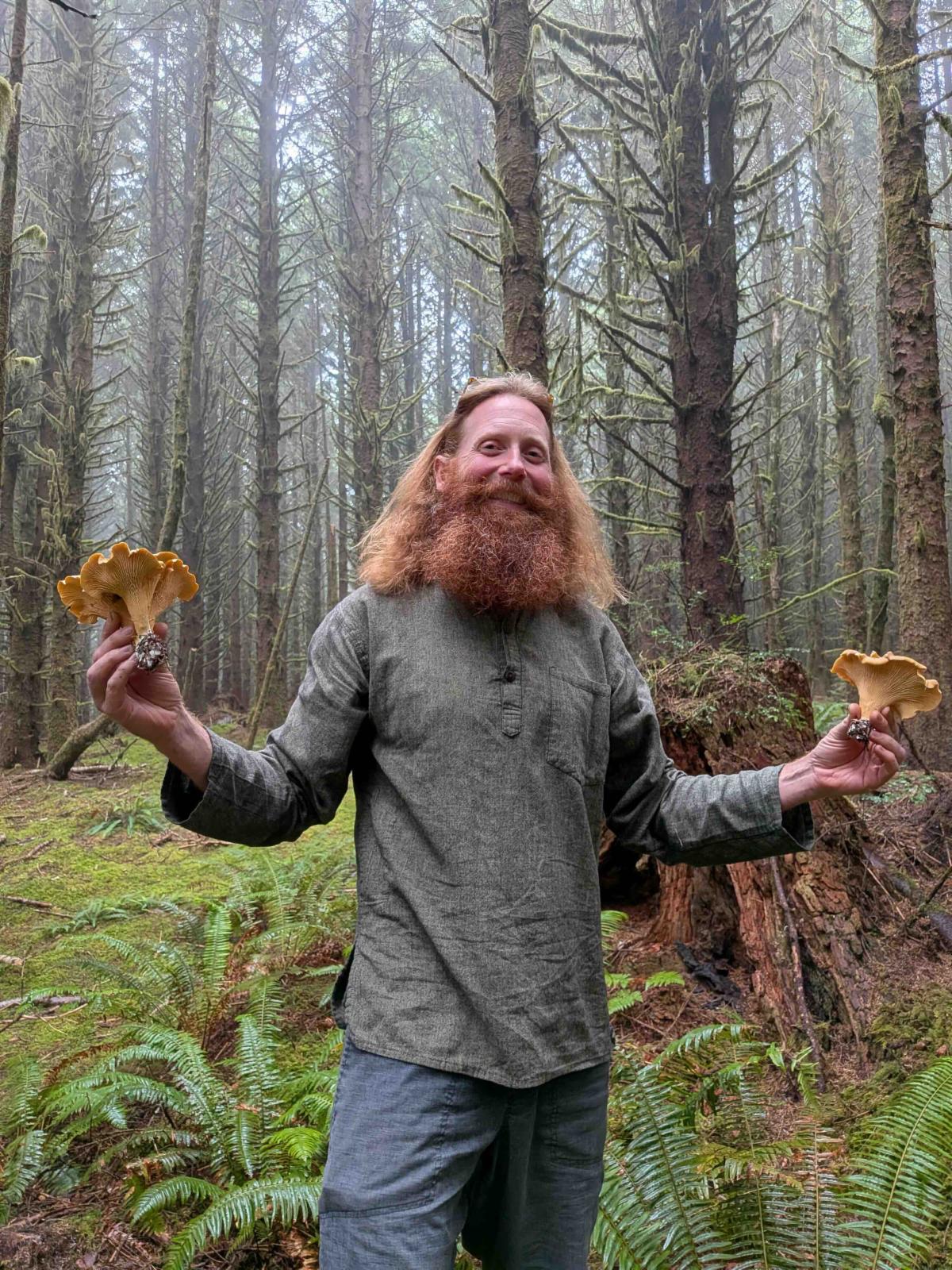
Alex Winstead
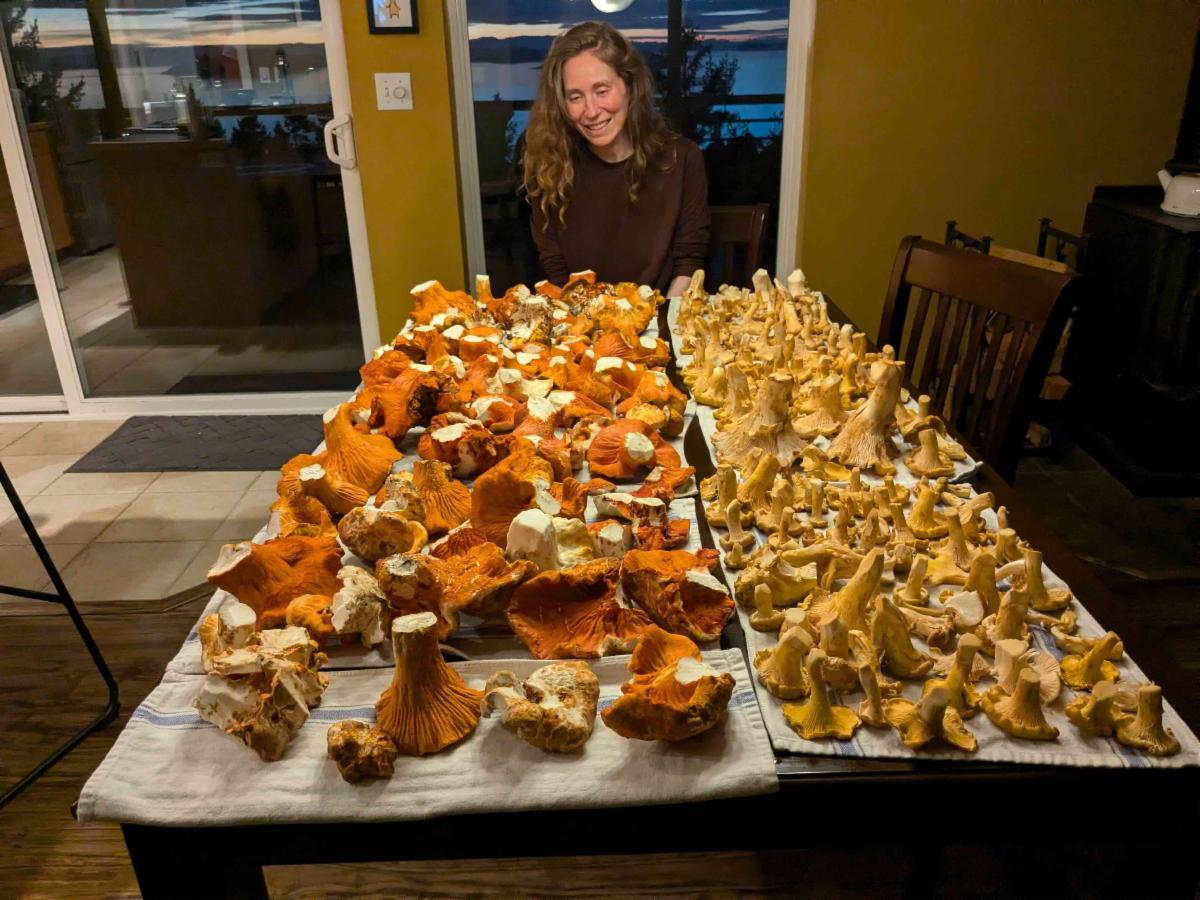
Gardening with mushrooms in the Pacific Northwest
at the Orcas Center and via zoom
Presentation starts at 10:00 am
REMEMBER TO BRING SOMETHING FOR THE SHARING TABLE
| |
| Kick off the Fall with our first program! We are excited to welcome Alex Winstead, owner of Bellingham's Cascadia Mushrooms. Alex will share expert tips on growing your own mushrooms and explain how fungi act as powerful allies in your garden. You will also learn practical ways to integrate mushrooms into your current gardening plans. Come early at 9:30 for coffee and socializing. | |
- September 11 & 13: Mushroom Felting Workshops with Mandy Troxel
- September 12: 'Ask a Master Gardener' Table at The Market Nursery
- September 14: Coffee Time at Leith's Friendship Garden
- September 19 - 26: Fall Great Island Clean Up Volunteer Opportunity
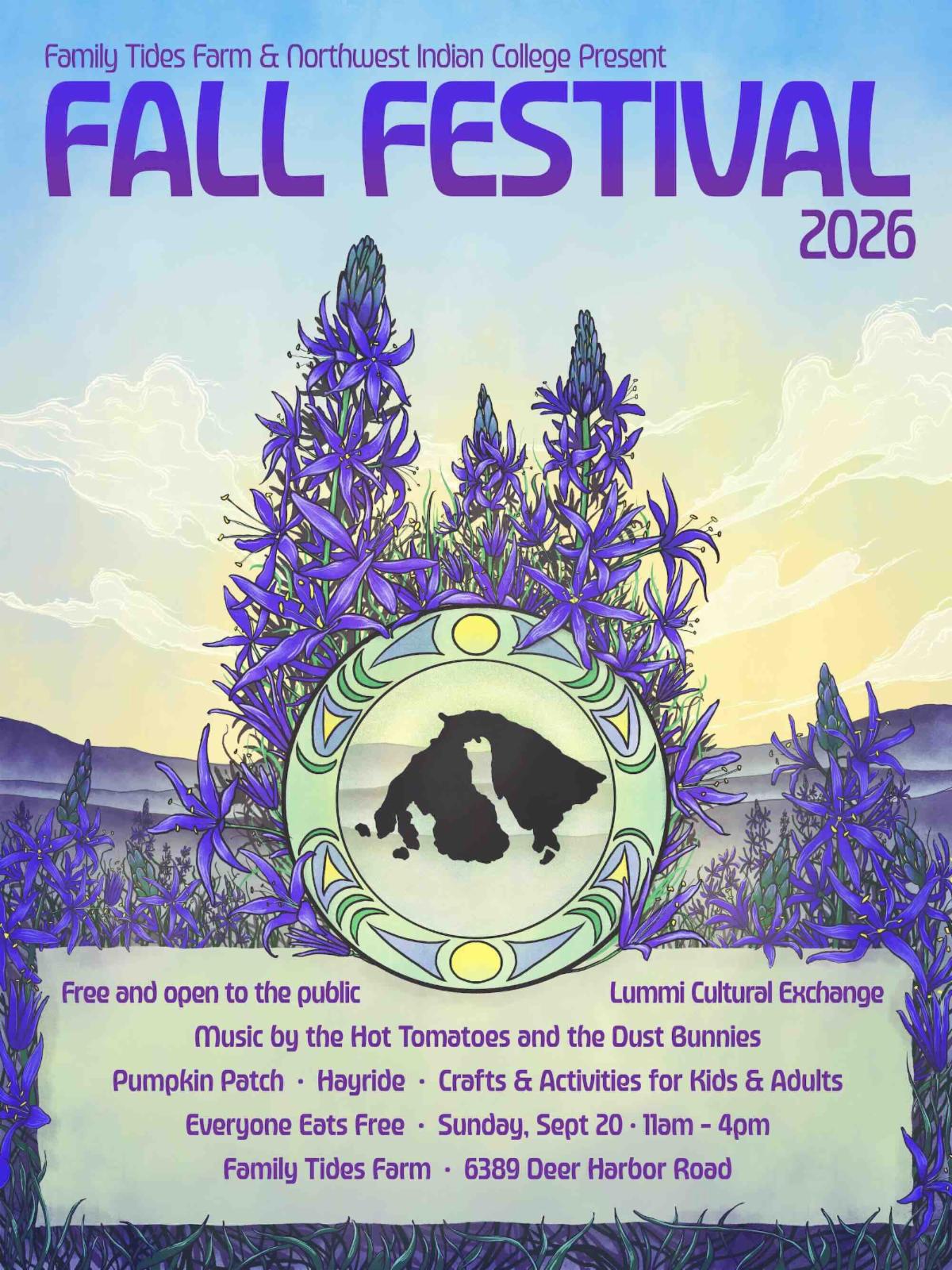
- September 20: OIGC Table at Family Tides Farm Fall Festival
- September 26: Habitat Gardening for Pollinators Garden Savvy
- October 3: Choosing the Right Bulbs for Your Garden Garden Savvy
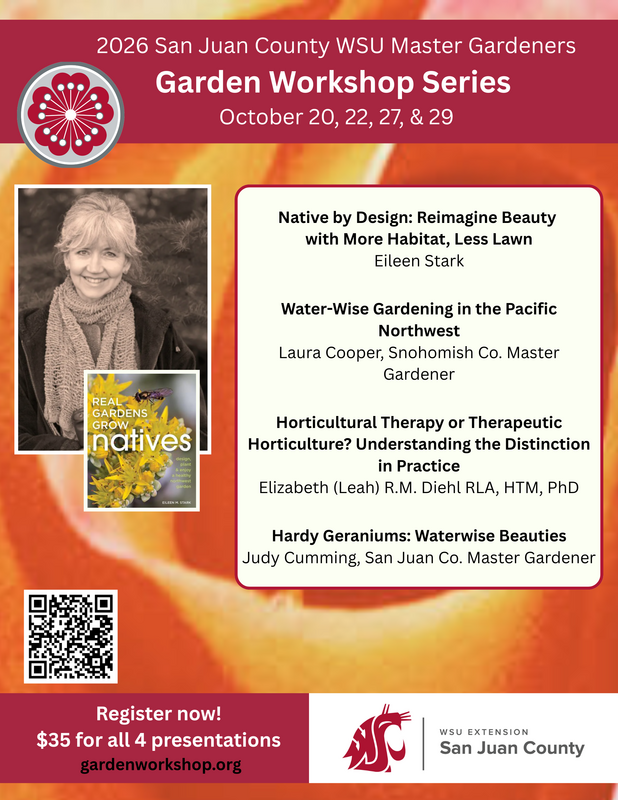
- October 20, 22, 27, & 29: SJC, WSU Master Gardener Workshop Series
- October 21: Meerkirk Gardens presents to the Garden Club
- October 30: Bee Cocoon Harvesting Workshop
Join us for these and many other exciting events!
More details can be found on our new Club Calendar!
| | Membership Update - Here We Grow! | | 2026-2027 Membership to date: 300 - WOW! | | |
Friends of the garden club, we are excited to announce a new membership process. GiveButter has proven an effective tool to manage our annual garden tour fundraiser for the last two years. We’ve decided to use this new platform to manage our membership process allowing us to send our members a renewal invitation on their membership anniversary!
And even better news, due to the success of the garden tour and the generous donations we’ve received, membership dues will remain the same and will not increase this year. We are so grateful that we can continue to keep our membership costs low.
Thank you for supporting our island garden club. Money from membership dues enables us to bring excellent speakers, help subsidize a welcoming meeting space at the Orcas Center, provide grants to the community, and cover the cost for environmental projects.
| Whether you live here or live afar, whether you are a seasoned gardener or brand new to gardening, all are welcome to be part of our community. We are inclusive and we are connected. We are also so excited to get to know you personally and grow our community together. | | |
Membership Fees:
Individual: $25 / year
Couple: $35 / year
| |  | | This year, we have a few free memberships available to those in financial need. Please reach out to our membership and we would love to help you. | | Coming Soon New Workshop ~ The Basics | | |
Sustainable Home Vegetable Gardening in the San Juan Islands
by Michael Readey
New to gardening or a seasoned gardener new to the San Juan Islands? The Orcas Island Garden Club has you covered! This fall, OIGC kicks off “The Basics”, a series of workshops led by knowledgeable local gardeners along with regional experts who understand what it takes to be successful in the SJI.
For the 2026-2027 growing season, The Basics focuses on “Sustainable Home Vegetable Gardening in the SJI”, where you will learn how to grow healthy, nutritious food using organic and regenerative practices tailored to our islands’ climate.
Each workshop is a combination of classroom learning and practical hands-on activities and ends with a potluck to share your favorite garden vegetable dishes.
During the first workshop planned for November, we start by defining “sustainable” vegetable gardening, then cover garden and irrigation design, soil health and why it matters, planting schedules and what grows here in the SJI.
The second workshop in February, gets you ready for planting season by discussing seeds and seed starting, transplanting, companion planting, natural fertilizers, pest and weed management, and harvesting early season crops.
After participating in these workshops, you will feel more confident in your gardening skills, understand how to grow delicious and nutritious food here in the SJI, and do so without the use of chemicals. All while meeting a like-minded community who will be a part of your gardening journey!
Workshops are free with a limit of 20 participants per workshop. OIGC members are given priority signup with any remaining spots available to the community. Be on the lookout for more details in the October newsletter!
A note of special thanks to our curriculum builders & class coordinators:
Michael Readey, Hillary Willis & Kristi Fountain!
| Pollinator Tracking with Kristin Tolle | | |
OI Bee One: Track Our Pollinators Project
by Kristin Tolle
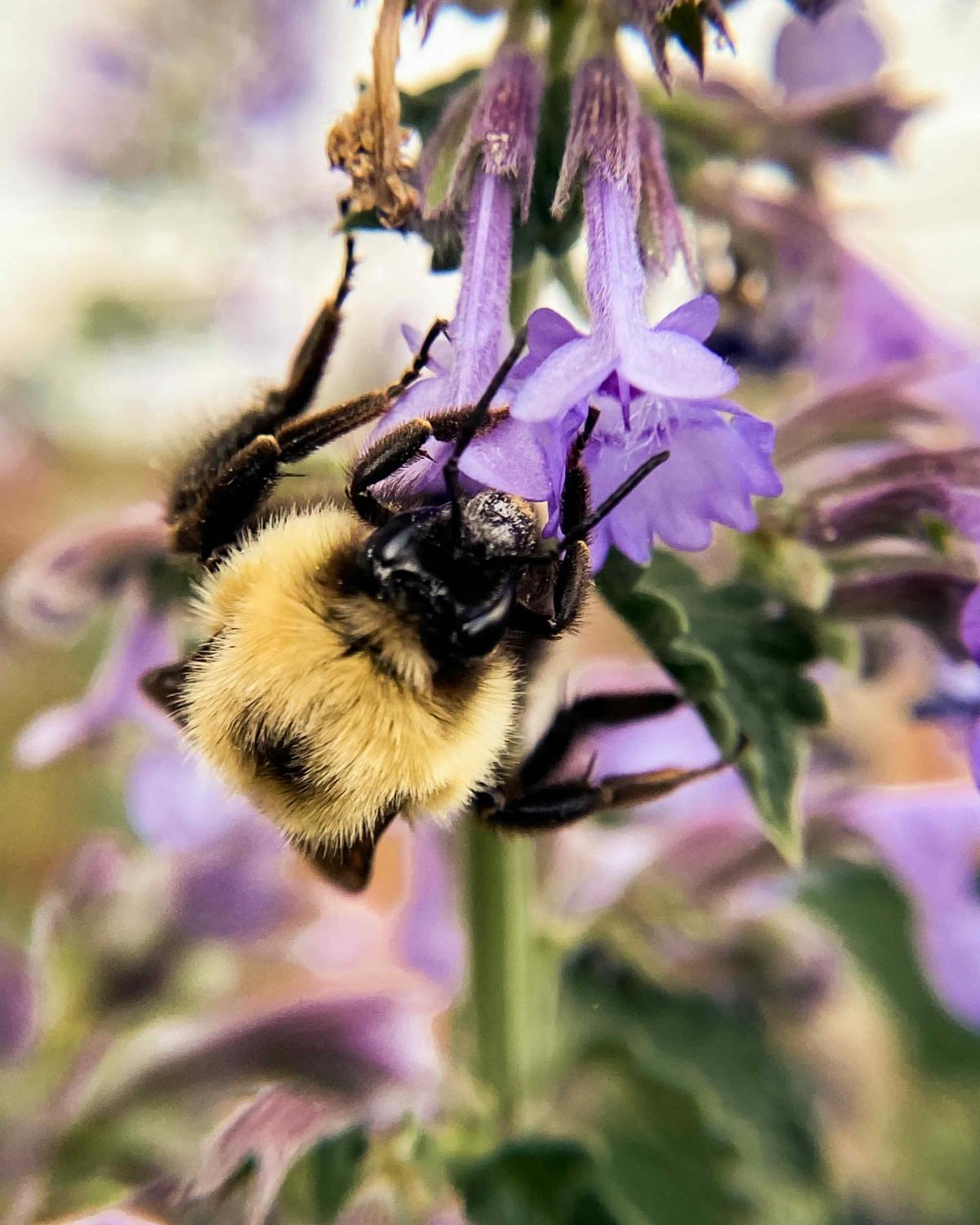
We all know how critical pollinators are to our survival—especially those of us who grow a lot of our own food. This project is to monitor over the course of at least two years the pollinator types active on Orcas Island.
How to contribute: Download the iNaturalist App (from your phone’s app store) and start making observations. That’s all there is to it!
Things to know:
- It only applies to Orcas Island and the close surrounding islands (we could consider expanding it in the future to others though).
- You don’t have to join our project to contribute—some of our biggest contributors so far have been visitors.
- But if you want to see the project results (which are public) you can join it within the app by navigating to the projects tab (Orcas Island Garden Club Pollinator Project · iNaturalist). From there you can see a map of all the observations.
- Each year we will download a spreadsheet and publish the results on our website.
- This project will run for two years (at least!).
The goal of the project is to have a better understanding of the visitors to our gardens who do so much for island food security. It might surprise you which ones pop up the most!
If you’d like a primer on how to use iNaturalist, reach out to CommunicationsOIGC@gmail.com.
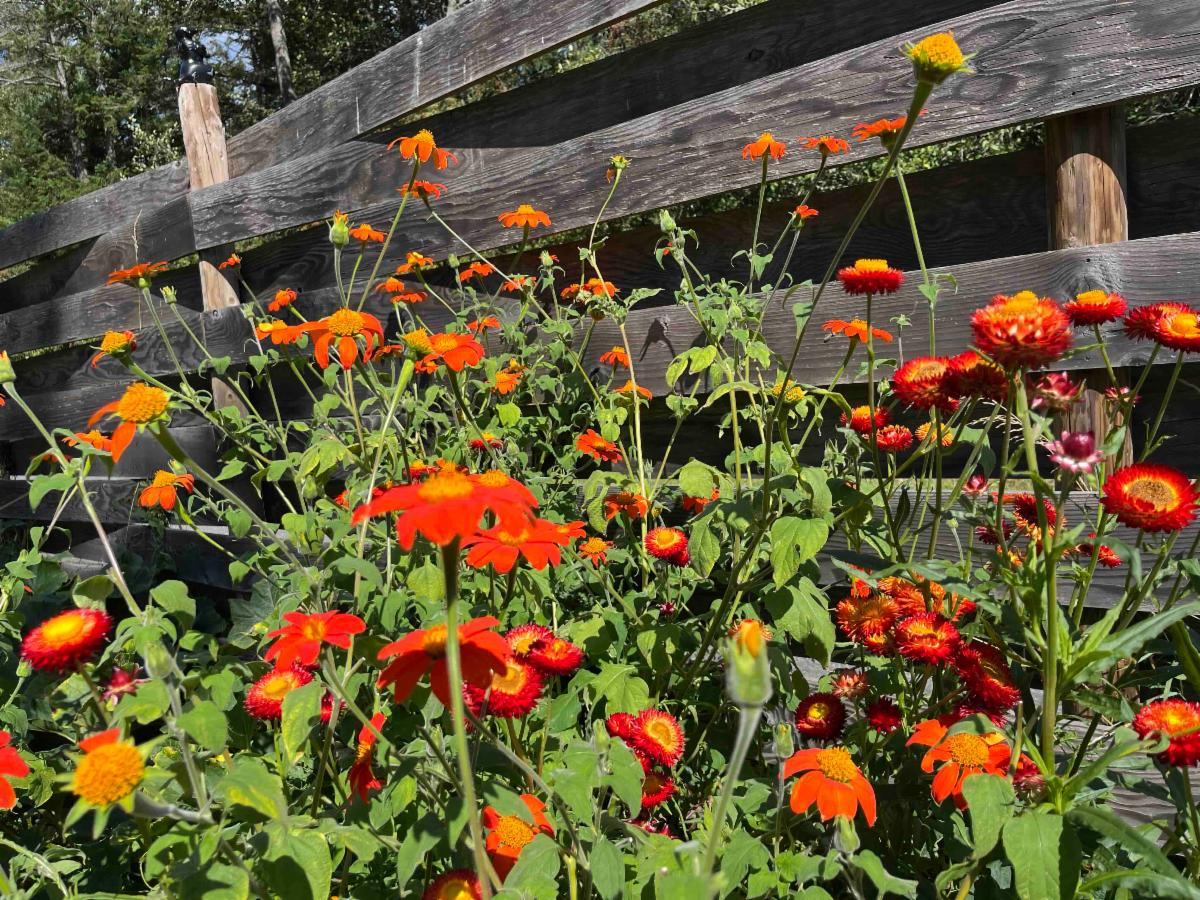
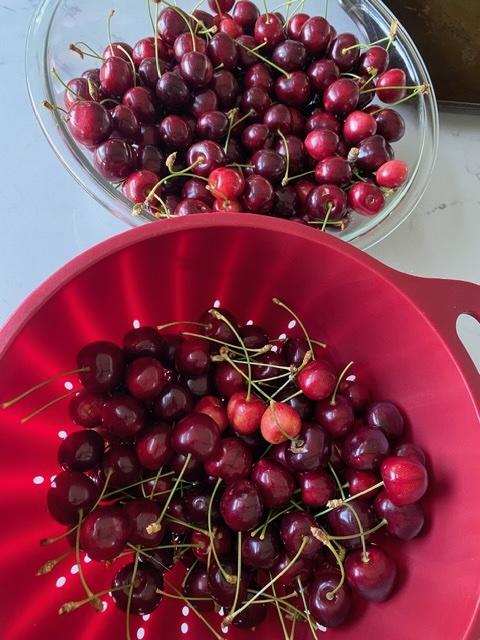
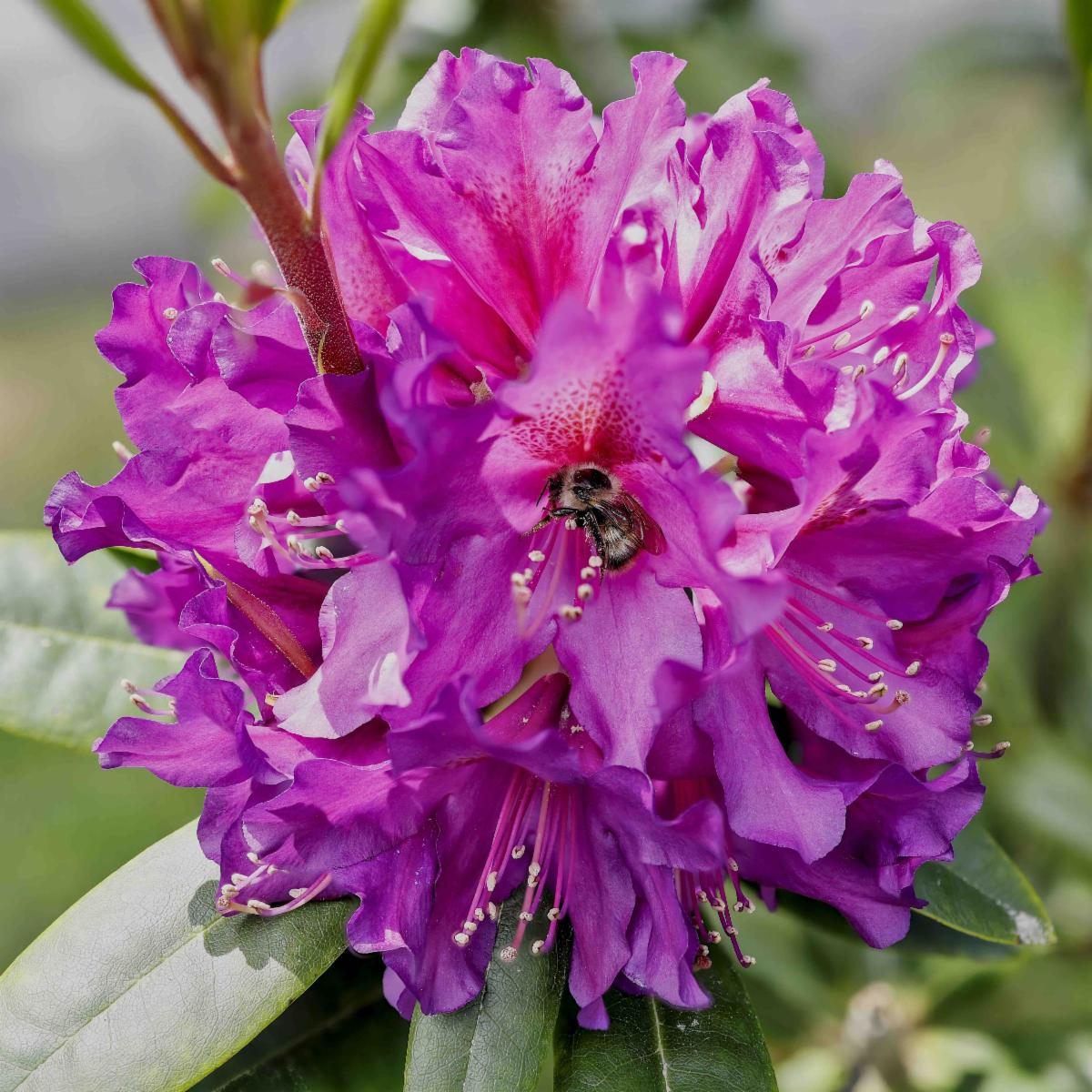
| | Look What our Board Grew This Year | | As a means of introduction, we asked our 2026-2027 board members to share what they proudly grew over the summer. The results are in! | | Jenny Pederson, Program Leader: "New to me- Scarlet Strawflower (Xerochrysum Bracteatum) and Mexican Sunflower (Tithonia rotundifolia). Both from Adaptive Seed Company. A beautiful part of the squash patch." | | Adrienne Walker, Club Secretary: "First Ever Cherry Harvest!" | | Kristin Tolle, Club Communications Leader: "I love to bee in my garden. This picture is of a Purple Spendour Rhododendron." | | |
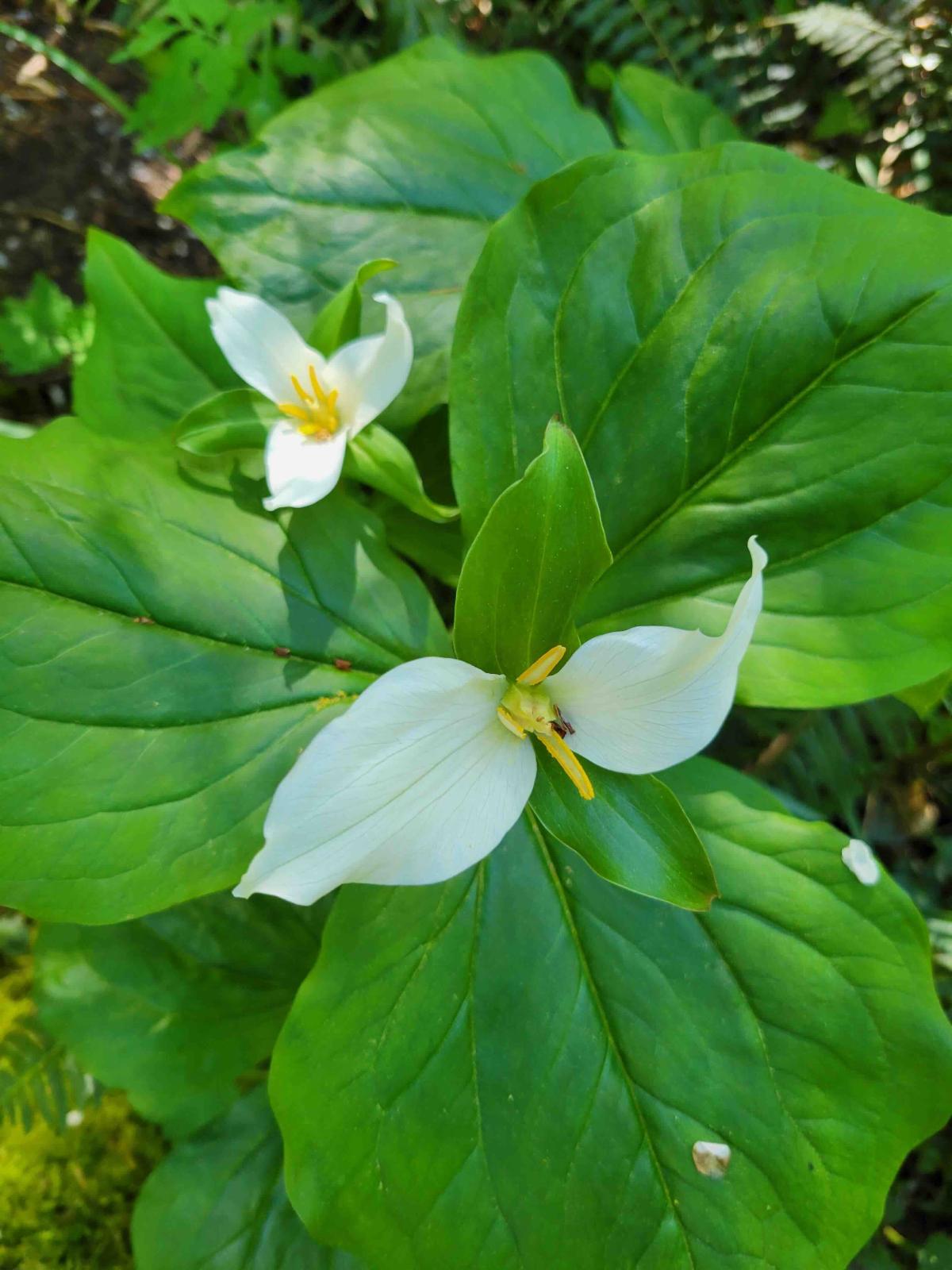
Sally Hodson, Garden Tour Advisor: "My favorite native wildflower - Western trillium (trillium ovatum). Found it years ago at the native plants section of Christianson’s. Each spring, it rewards me with beautiful flowers in my garden."
| | |
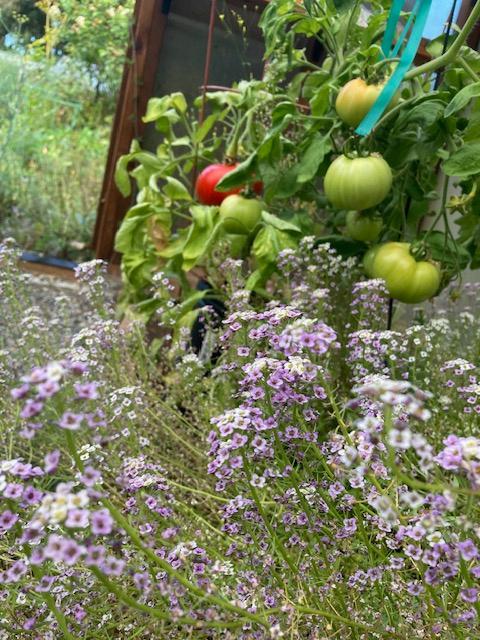
Tony Suruda, Treasurer:
"I grow sweet alyssum in my greenhouse. It attracts beneficial insects such as hover flies and lacewings. This keeps pests such as white fly under control without using pesticides."
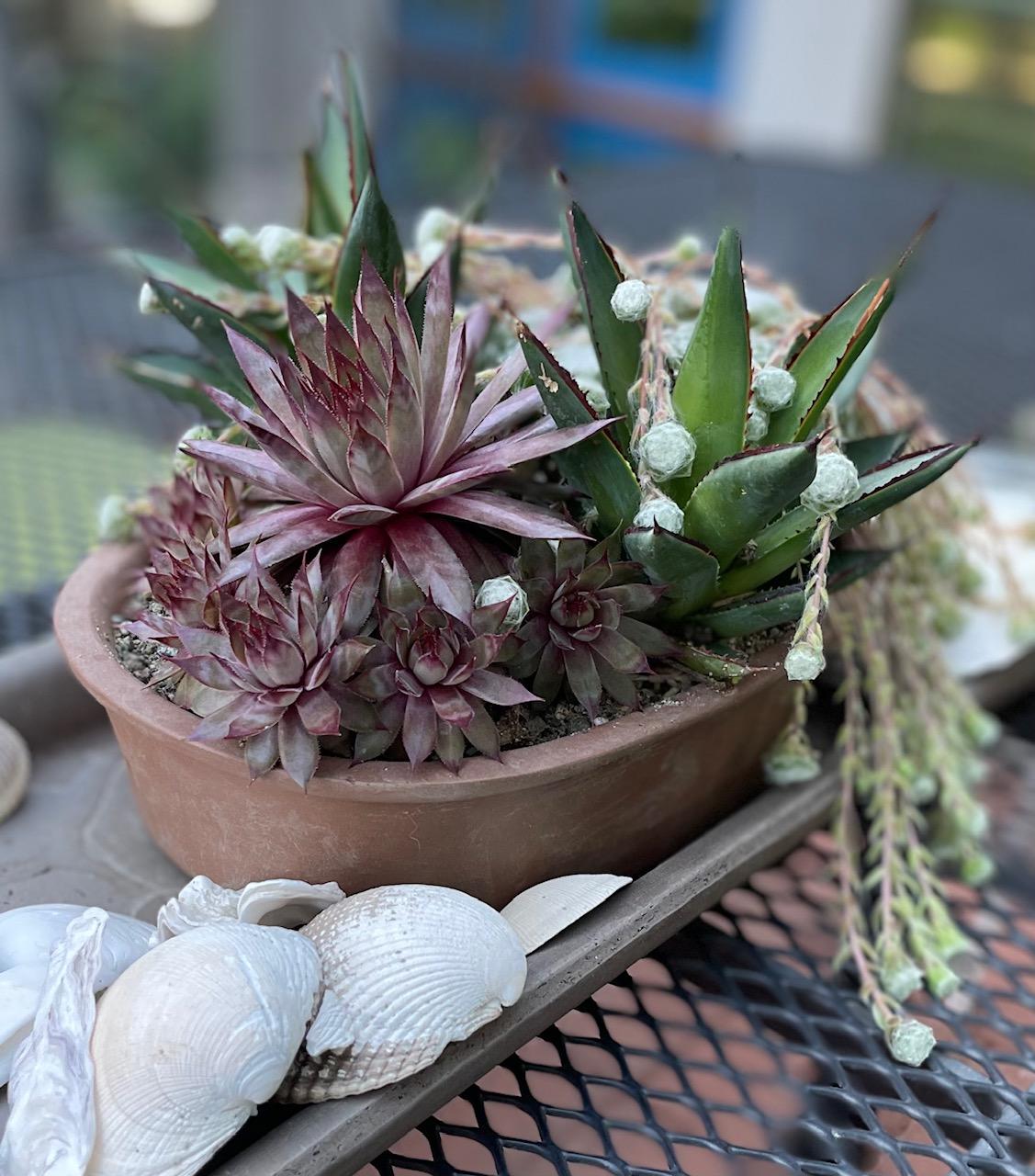
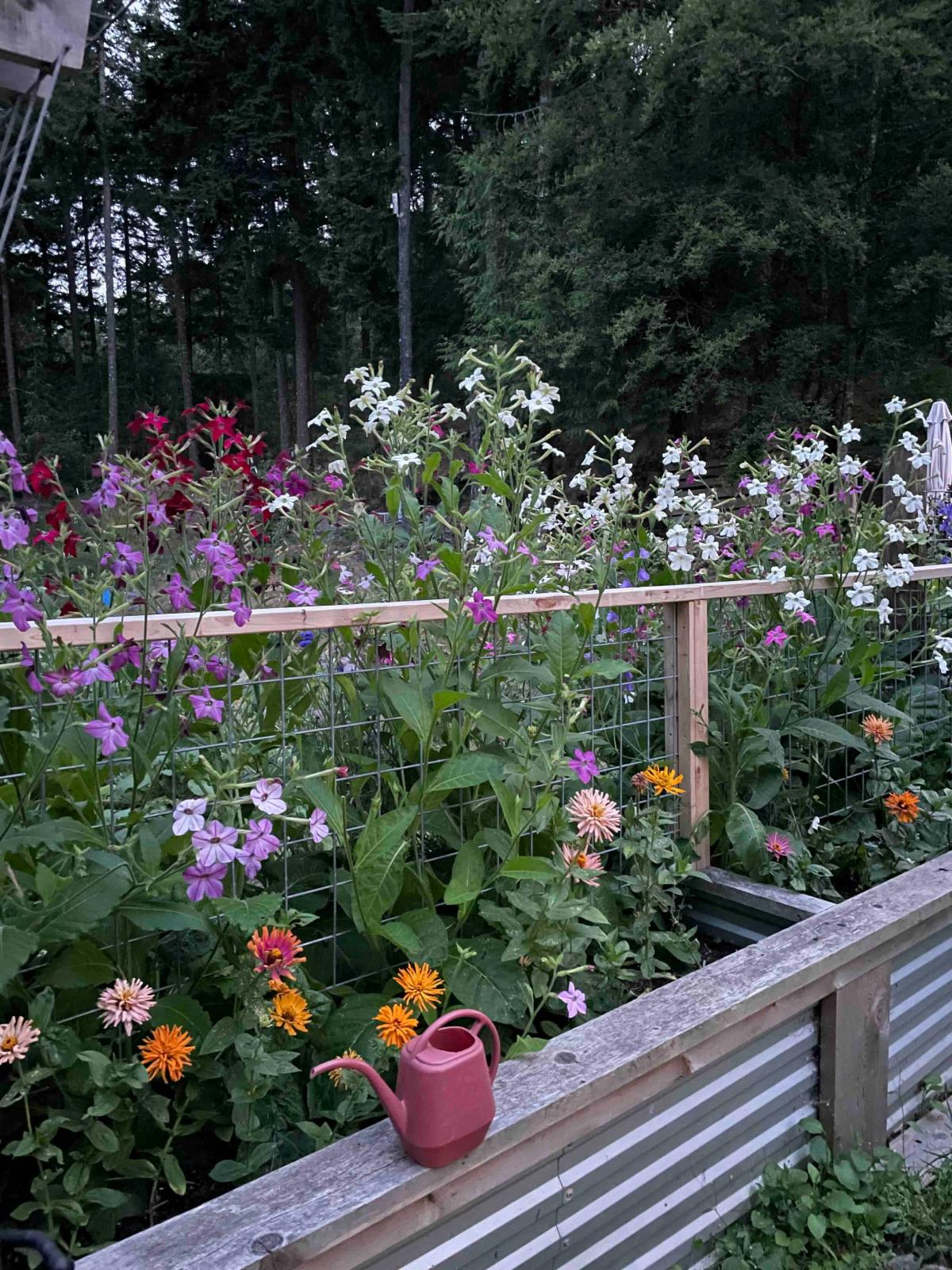
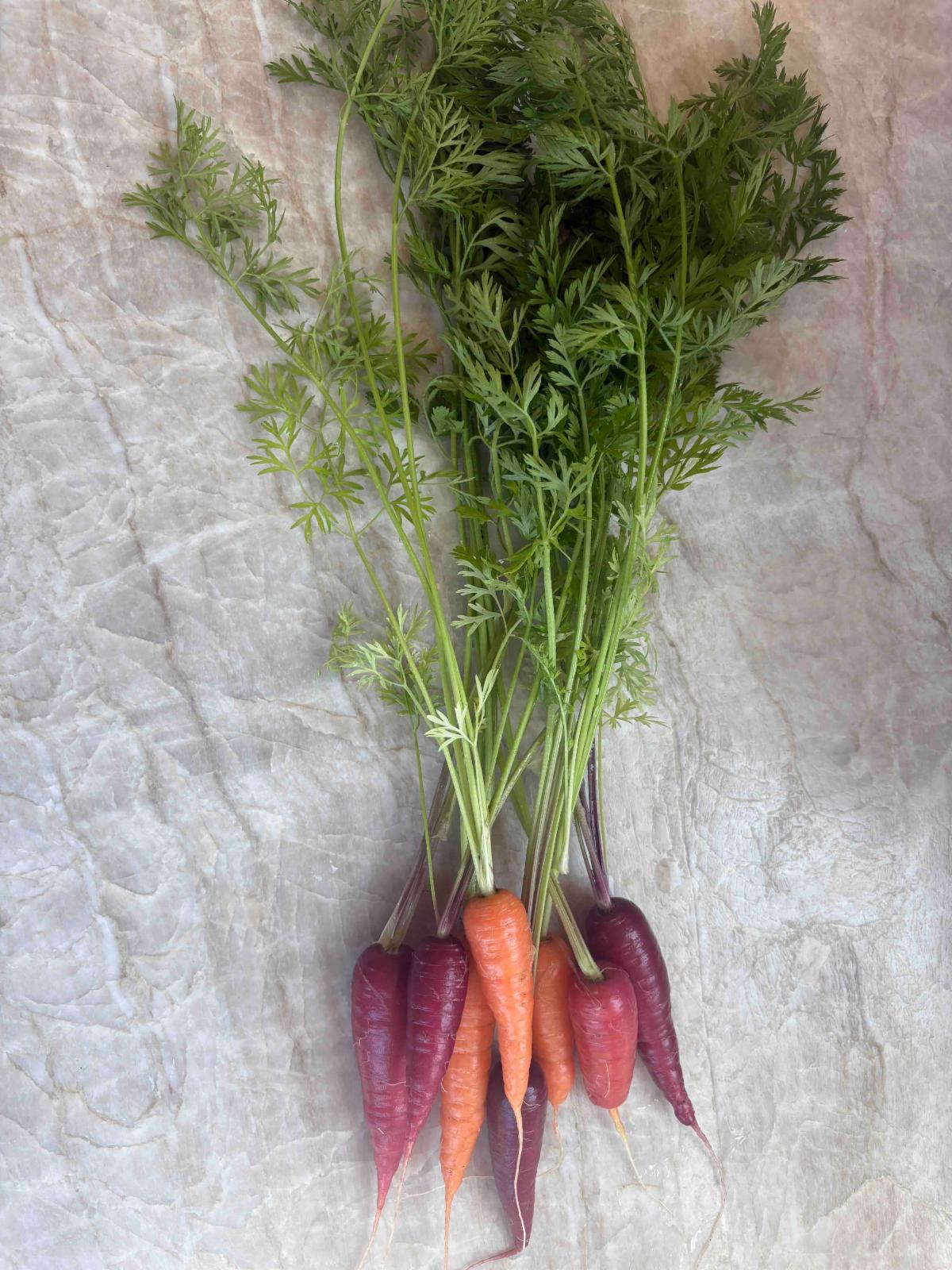
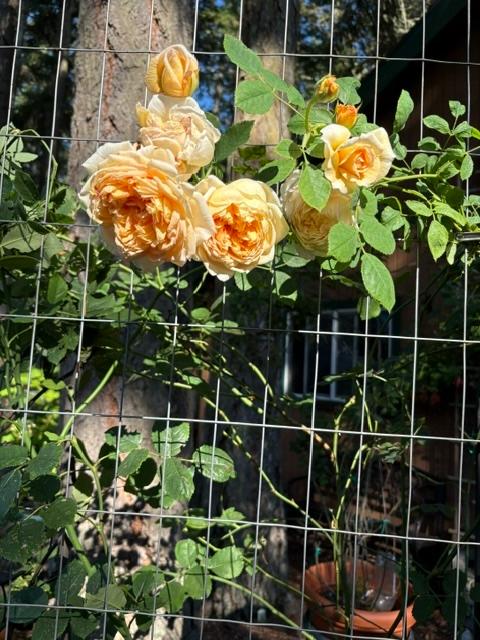
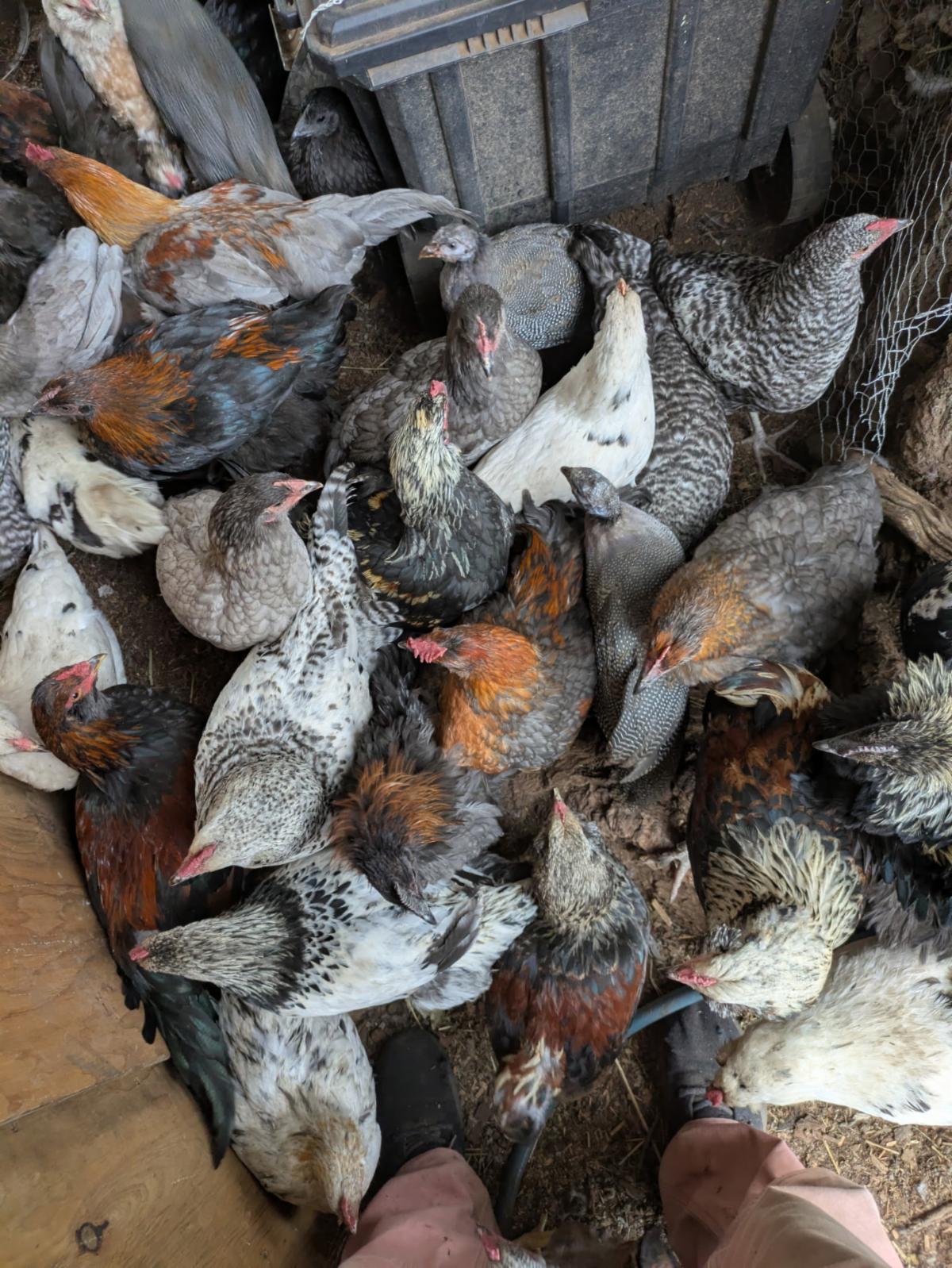
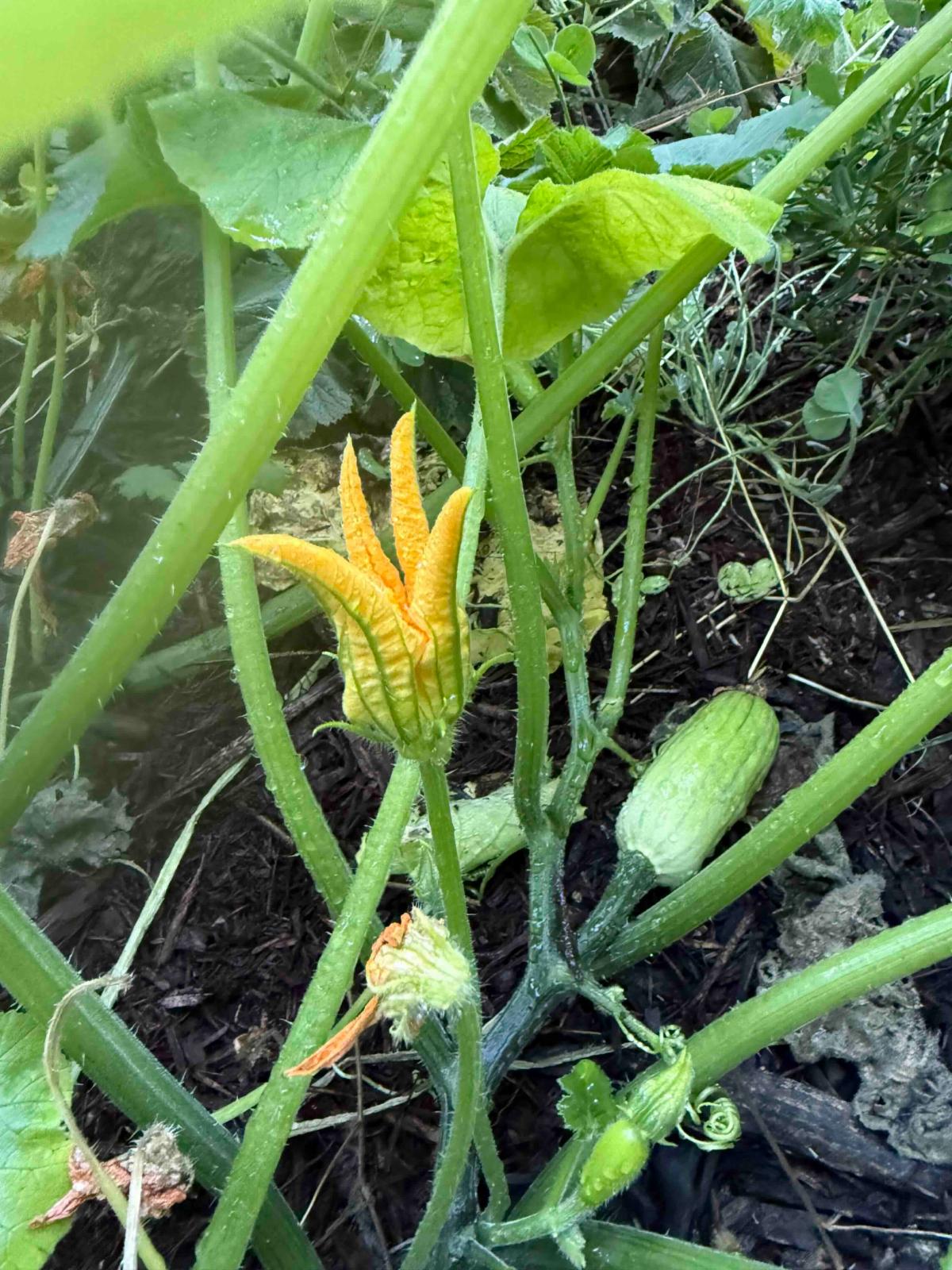
| | Kristi Fountain, Garden Tour Co-Lead: "With this being the first summer in our new home, I spent most of my time discovering the plants that were already here. However, I did assemble this succulent and agave centerpiece for our greenhouse dining table." | | Perri Gibbons - egad what doesn't she do? "Nicotania! I was NOT prepared by how big they get and have yet to see any interested pollinators, day or night. (that photo was at dusk) But I'll grow them again if only for that fragrance-a waft wave would hit me when I came near!!" | | Laura Walker, Co-President: "There is nothing more satisfying that growing your own veggies! I grew rainbow colored carrots for my old little pup, Baguette that requires a special diet of homemade food!" | | Karen Hiller, Membership: "They grow on the side of an Arbor (with a second Bathsheba on the opposite side of the arbor) that is on the edge of our driveway! Been there about 8-10! Years. I LOVE passing it as I drive out!!" | | Michelle Zjhra, President Elect: "Look at my little ladies having a hen party!" | | Robin Sullivan, Co-President: "First. Vegetable. Ever. So cute. I don't know what it is but I am very proud of it." | | |
| |
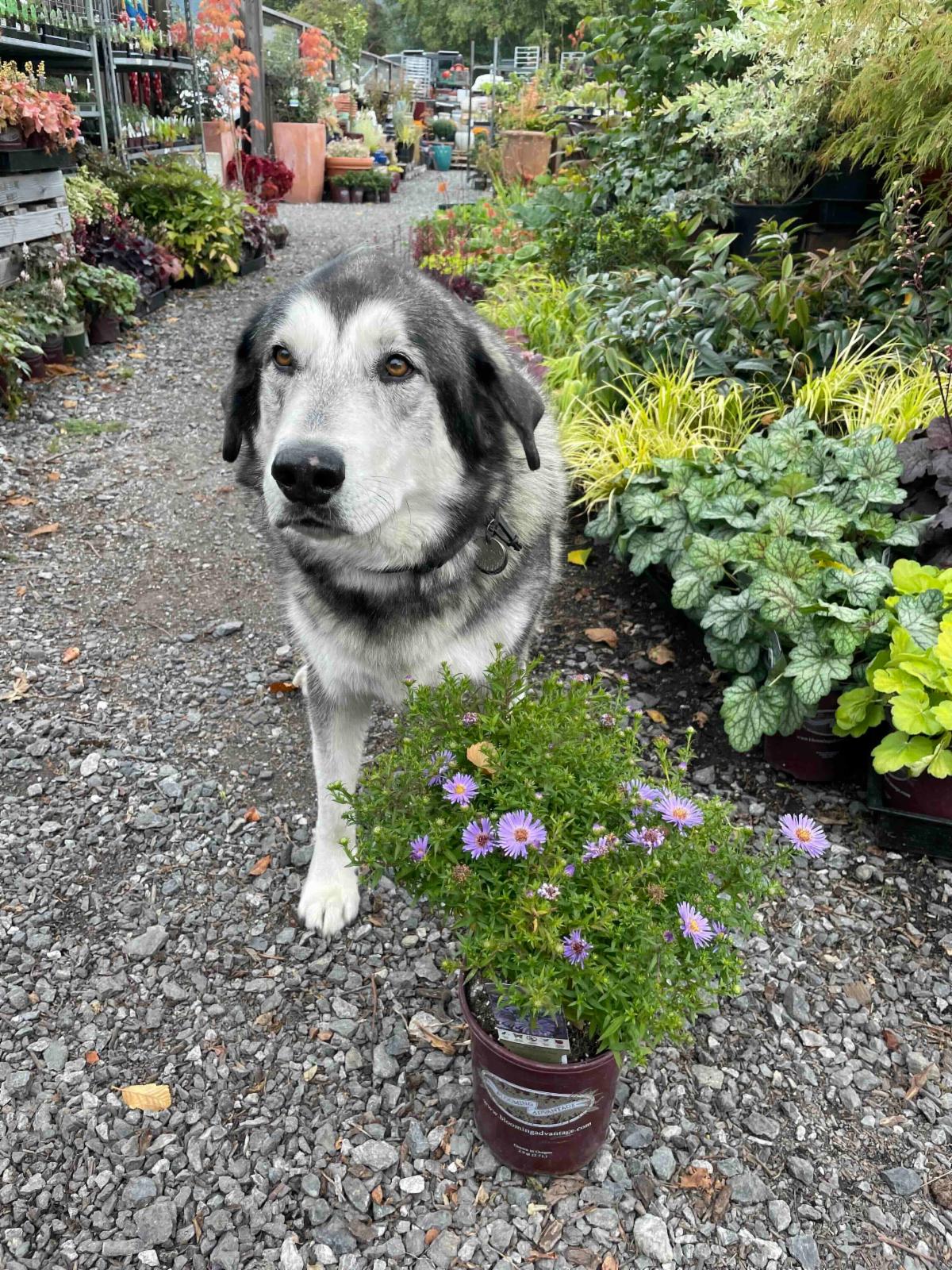
Meet Sampson: Eastsound Mayor and Garden Doggo Most Excellent
by Perri Gibbons
You’ve likely met Sam, (as he is affectionally known by his friends and admirers), at the garden gate of Market Garden. There, he graciously meets his guests and constituents after being elected Mayor of Eastsound this July. He listens with a warm heart and nose and offers encouraging tail wags.
As a garden doggo, Sam’s skills go beyond mere watchfulness. He is a valued member of Vole Patrol and is highly sought after for his excavation skills. And each spring grateful bird mothers sing songs of gratitude for his floofy nest donations. But, Sam’s most impressive quality is his ability to remind us to take time to be kind and to appreciate roses and of life’s simple pleasures.
| | Embrace the Seasonal Rhythm | | |
New Series ~ No Plant is an Island: The Interconnectedness of Life, Native Plants, and YOU!
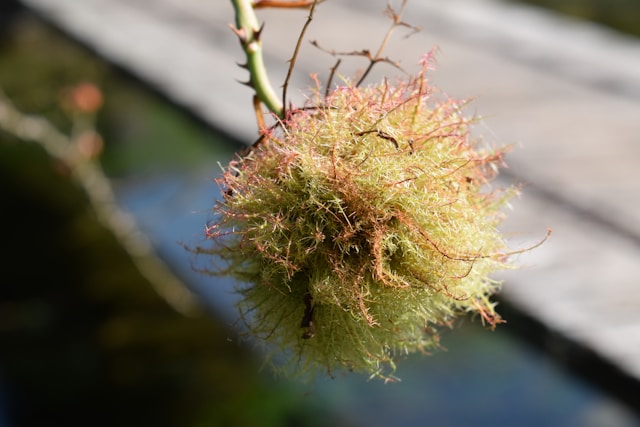
A Mossy Rose Gall by Any Other Name
by Cat Dewlen
On my morning walks, I' ve been noticing the mossy rose galls are making their appearance on the native roses- a reminder that summer is winding down and that we exist as part of a messy, interconnected, and complex system of life! Okay, so maybe rose galls don 't make you introspective about life, but if you ' re the least bit curious about these strange mossy- like oddities that show up on our native roses- keep reading!
If you have roses in your garden, you may be all too familiar with a rose gall- they are a fuzzy, circular growth that is typically found on the stem of the plant. These spikey, mossy plant tissues are an integral part of the a gall wasp ' s (Diplolepis rosae) life cycle. A gall wasp knows that the rose plant where she lays her eggs will be the place where her 60 or so offspring will spend most of their lives. When these eggs hatch, it triggers the plant to develop nutritive tissue around the larvae, providing food and shelter as they metamorphose. This tissue is now the gall you see on your rose plant!
| | |
Though these galls are a cozy home for the wasp pupae, they still have to make it through the winter without being eaten by birds looking for a juicy snack, parasitic wasps hijacking their home and food source for their own offspring, and gardeners who want to cut off the gall altogether. If they are successful in surviving the winter, the mostly female population will emerge throughout the spring and summer and lay eggs that don 't require fertilization. This form of reproduction is called parthenogenesis, thus starting the process over once again.
Many galls don 't harm our beloved plants, and in the case of mossy rose galls, leaving the gall on your plant can benefit the surrounding wildlife by providing a food source. This gall season, I challenge you to appreciate this amazing, though somewhat strange relationship happening around us.
| |
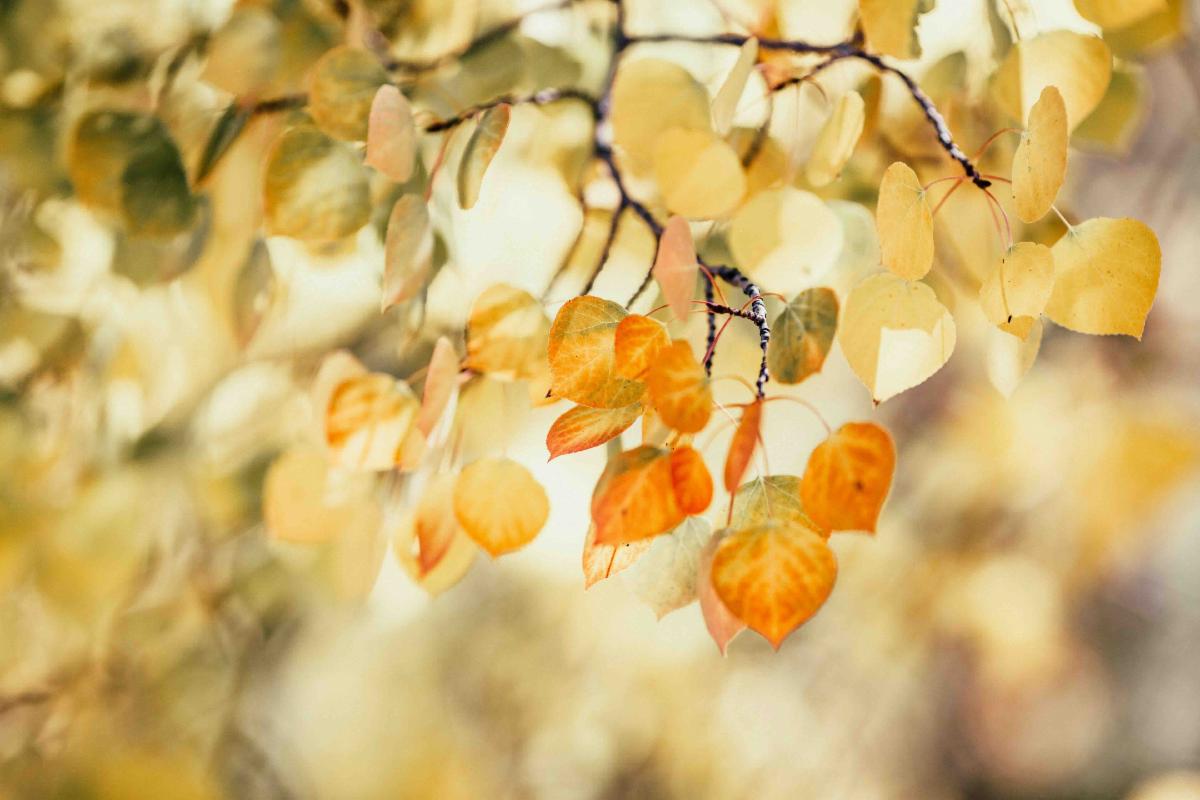
The breezes taste
of apple peel
The air is full
Of smells to feel-
Ripe fruit, old footballs,
burning brush,
new books, erasers,
chalk and such.
The bee, his hive,
well-honeyed hum,
and Mother cuts
chrysanthemums.
Like plates washed clean
with suds, the days
are polished with
a morning haze.
SEPTEMBER By John Updike
| | |
New Series ~ Wild & Timely Recipes
Squash Pasta
by Rachel Factor
Welcome to this brand new series authored by Rachel Factor who is an avid forager on Orcas. Rachel spent 9 years traveling full-time as a digital nomad in 72 countries before settling on Orcas Island in 2023. Drawn to that natural world, she spends much of her time outdoors, hiking and foraging. When indoors, cooking and experimenting with new ingredients is a top priority! Each month she'll be sharing ideas for what might be growing in abundance.
What I've learned from too much summer squash in my life is that squash is actually just water and can be substituted for water in any recipe. Therefore, I came up with this squash pasta recipe--literally pasta dough made from blended squash as the hydrating agent.
Ingredients:
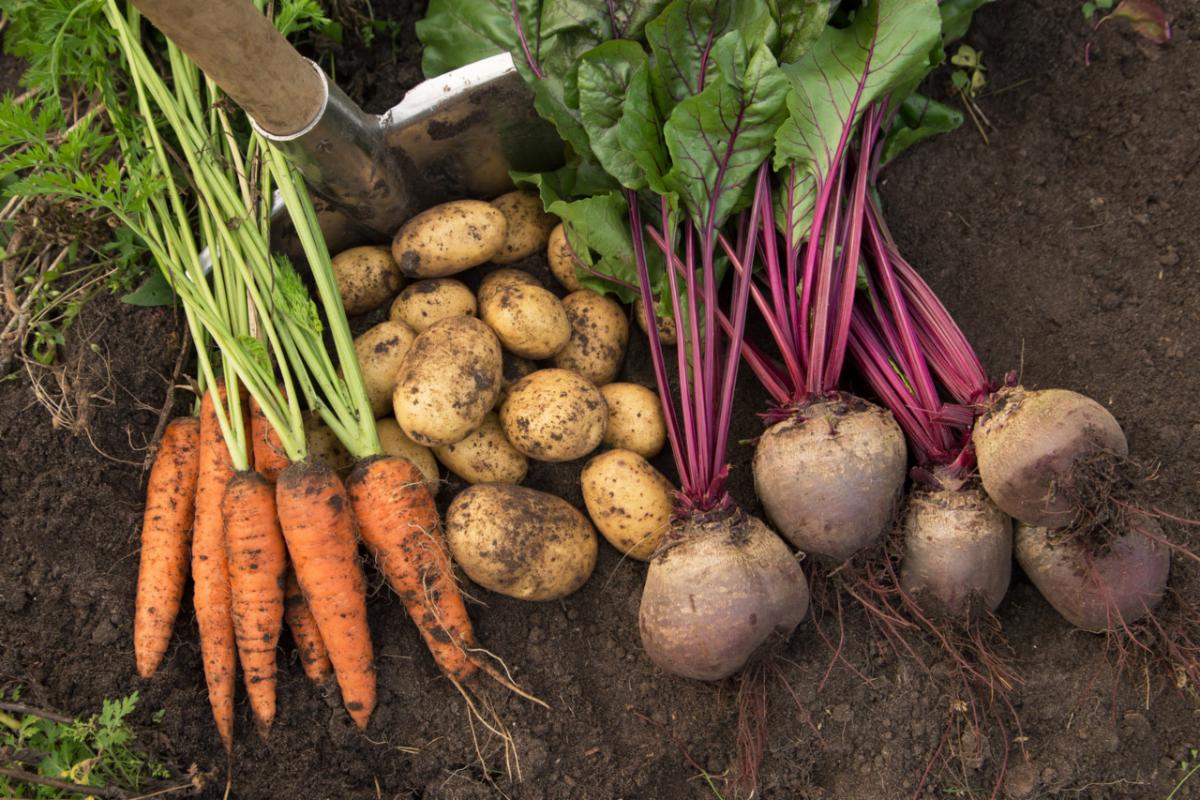
- 2 medium or 1 "oops I forgot to pick this one" summer squash
- 1 bag of semolina flour (I like Bob's Red Mill)
- 1 tablespoon salt
Roast the squash in a 400°F oven for 20 minutes, until just starting to brown. Allow to cool until it can be handled, then add to a highspeed blender, skin and all, with the salt until it is a smooth puree.
Use a stand mixer to add semolina flour gradually to the puree. Enough flour should be added that a dough forms. Use the dough hook of a mixer to continue kneading or knead by hand until when depressing the dough, it springs back. Cover with plastic wrap and allow to rest 15 minutes before shaping.
This can be used for any pasta shape! I love making little gnochetti with my gnocchi board.
| | Can you guess what Rachel will be featuring next month? | | Rachel dreaming of the possibilities! | | Jeremy is happy with their find! | |
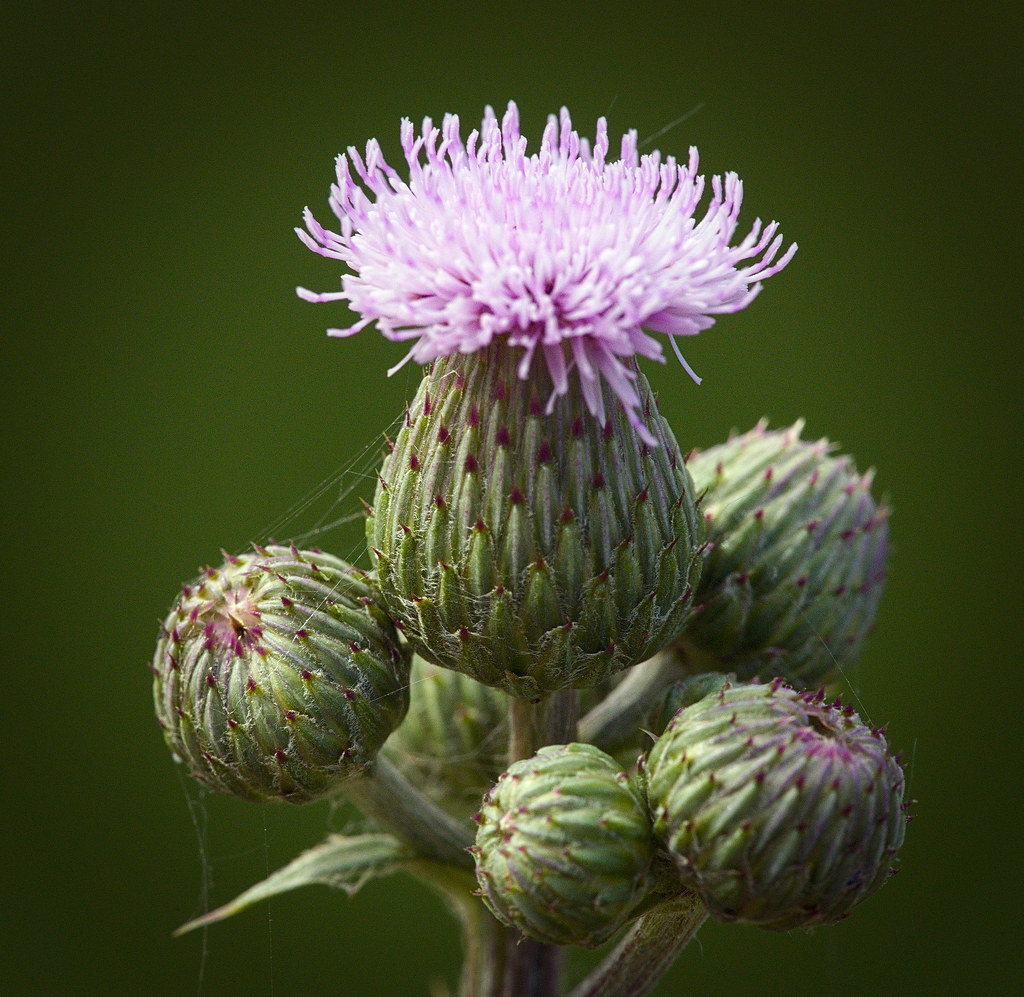
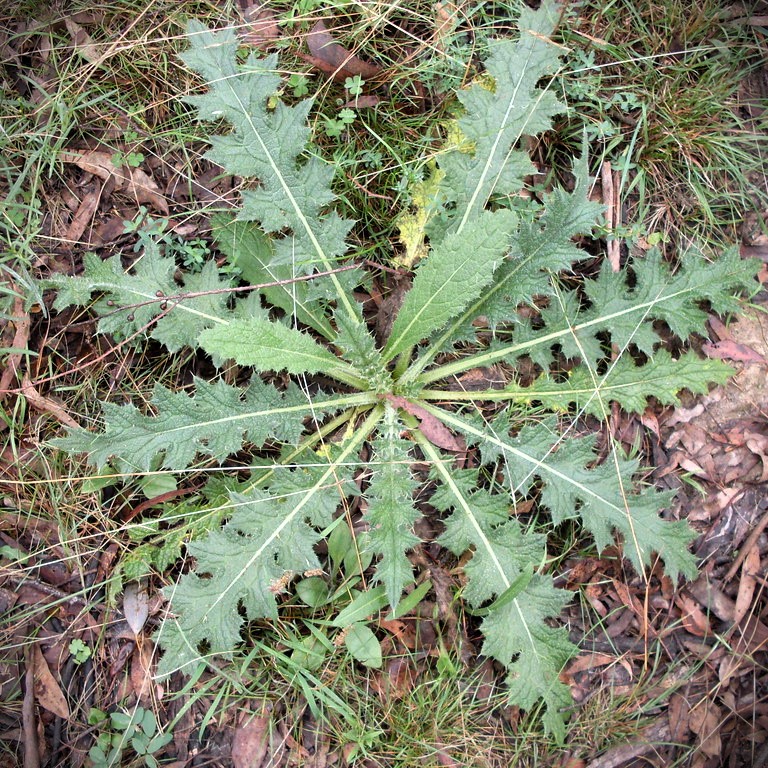
Backyard Villians - Canadian Thistle
by Kristin Tolle
What’s in a name? Would a Eurasian thistle called Canadian still creep? YES!
Pub Quiz Question: What was the weed that caused the establishment of the Washington State Noxious Weed Board?
Answer: Canadian Thistle or Creeping Thistle (Cirsium arvense)
| |
Creeping Thistle is native to Eurasia and though not toxic to humans or animals, the Washington Weed Control Board classifies it as a class C noxious weed. Sadly, this invasive weed is found virtually everywhere in the San Juan Islands.
The reason for it being our first on the board’s list is that once established it is hard to eradicate and can compete out almost all other vegetation until it is nearly the only plant present.
On Turtleback, I’ve seen people cutting off blooms in an effort to help control the spread. However, this puts more energy into the roots—which is the plant’s primary means of propagation. Thus, “creeping” thistle.
To eradicate, avoid your sequiturs and use a trusty weed wrench instead. In Spring, try and pull it before it blooms and capture as much of the trailing roots as you can. In Fall, bag up those heads and burn them. Avoid putting them in your compost where they can potentially sprout. I dislike recommending sprays, but if there’s an established colony in your garden, this may be your only option.
More information can be found at: www.nwcb.wa.gov/weeds/canada-thistle
|
|
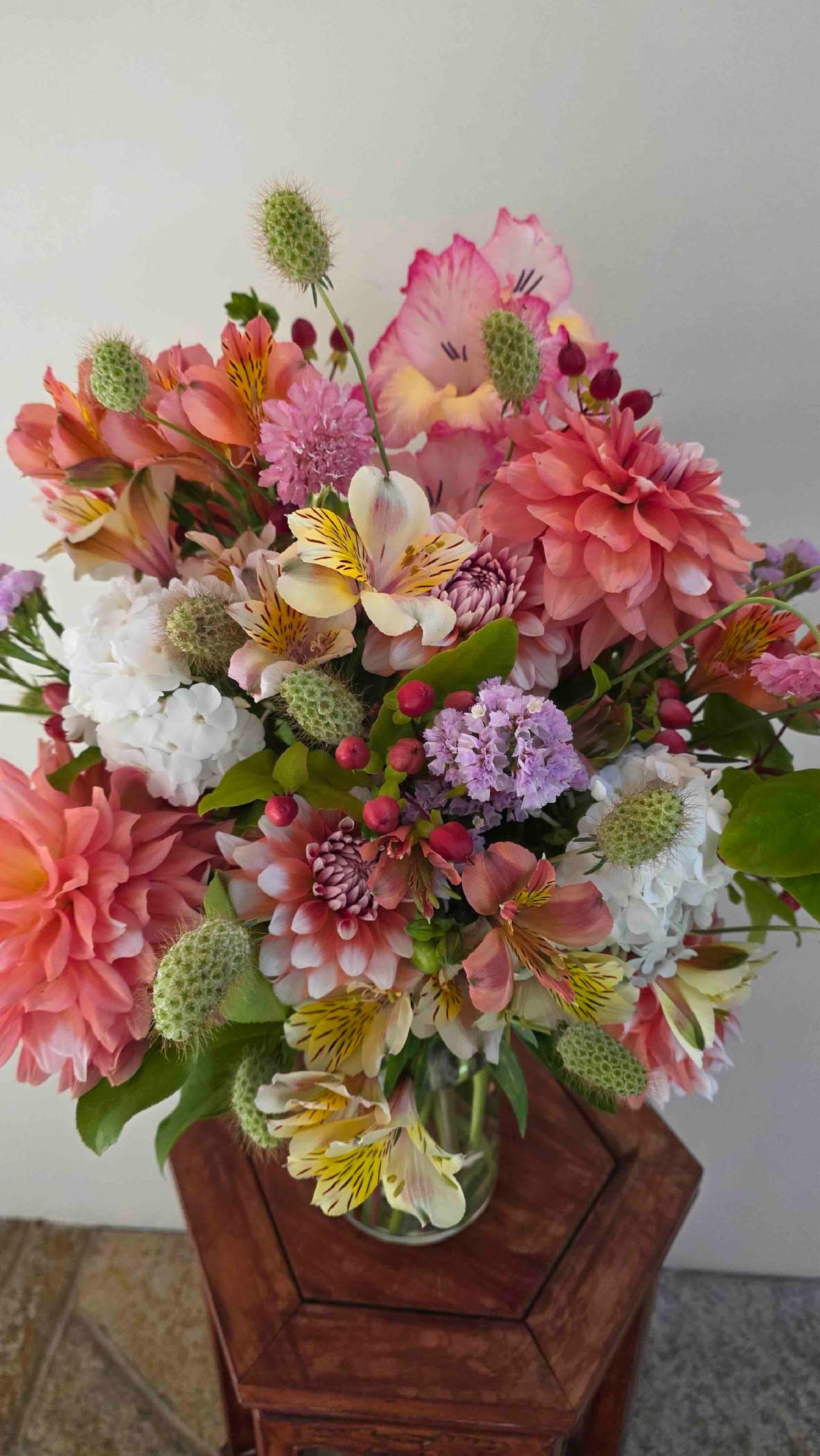
Foraged Seasonal Botanical Arrangements
Each month starting in September we will feature a homemade seasonal botanical arrangement along with a list of materials made with only items available in a backyard or by foraging. Jo was up to the challenge! We hope this series inspires you to make arrangements year round in creative ways! Contact oigcnewsletter@gmail.com if you'd like to submit your playful design!
Jo's flower arrangement includes:
- A La Mode Dahlia
- White Phlox
- Scabiosa seed pods
- Alstroemeria
- St. John's Wort (Hypericum)
- Gladiolus
- Statice
- Salal
Designed and created by Jo Wikstrom
| |
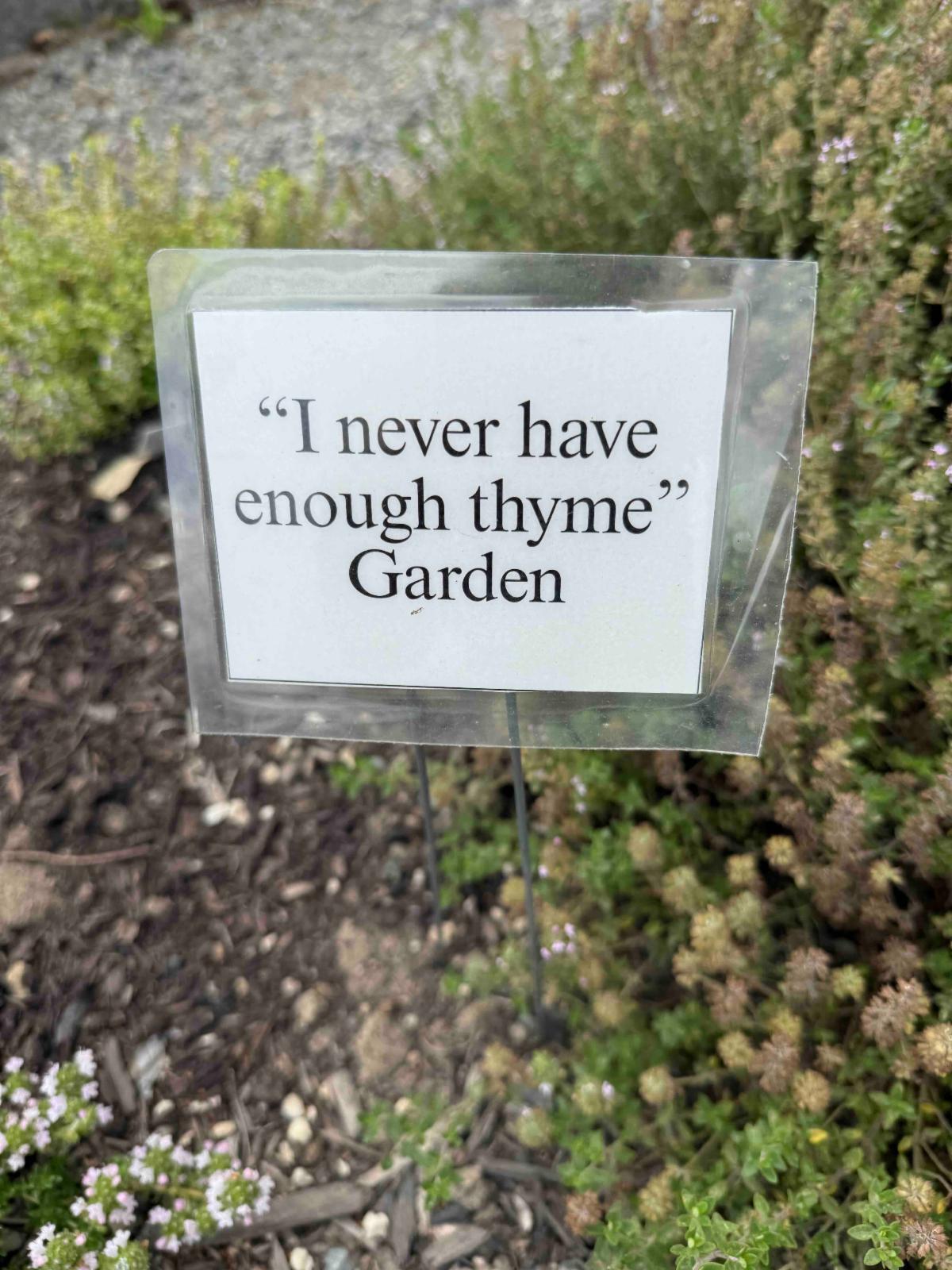
Introducing Gardener-speak, a new series on common but often mysterious terms gardeners use to describe growing techniques.“Gardenerspeak” (or garden speak) refers to the specialized jargon, technical terms, and colloquial idioms used by gardening enthusiasts and horticulturists. While these terms help seasoned growers communicate efficiently, they can easily confuse beginners.
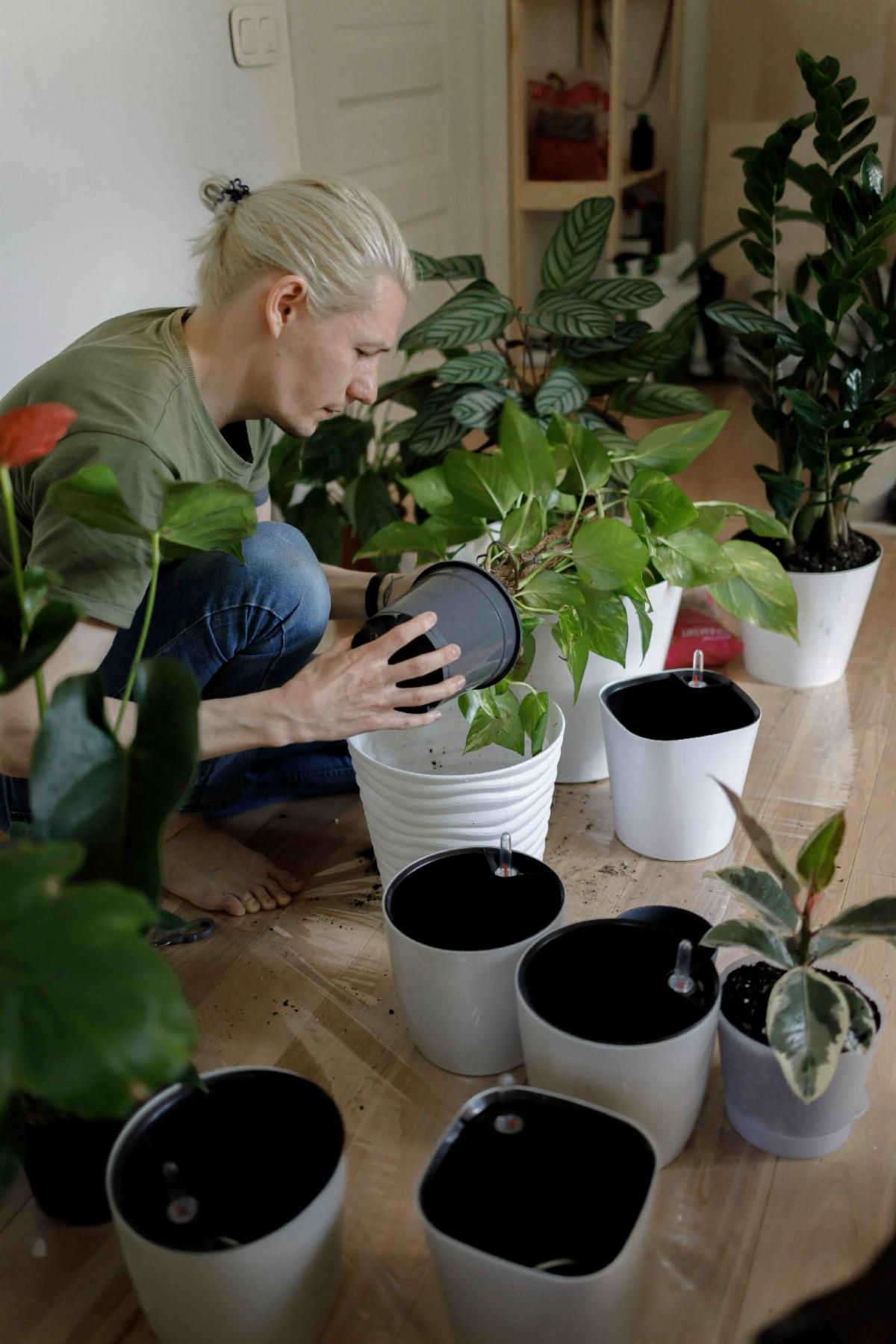
What is 'Potting On?'
| |
This term originated in 19th-century Britain, evolving from the linguistic customs of estate gardeners of that era. The term is still in common usage among gardeners in Britain and other nations, including the U.S., where the term “potting up” is often used to refer to the same process.
“Potting on” means to move a growing plant from its current container to one slightly larger. A small increase in size is important; a large leap in size could lead to root damage (and eventual plant death) due to water logging by too much soil. "Potting on "is crucial to give the roots more room to expand, provide fresh nutrients, and prevent the plant from becoming root-bound.
Plants should be “potted on” when roots begin to emerge from drainage hole, or when growth stalls.
Submitted by Mary Nash
| | |
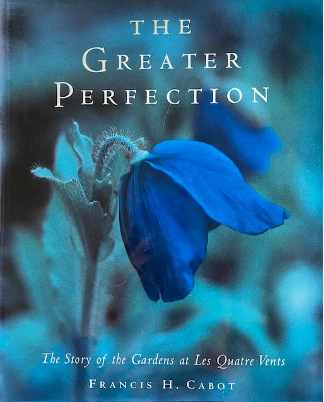
'The Greater Perfection' ~ A Book Review with a Bonus Garden Visit!
by Adrienne Walker
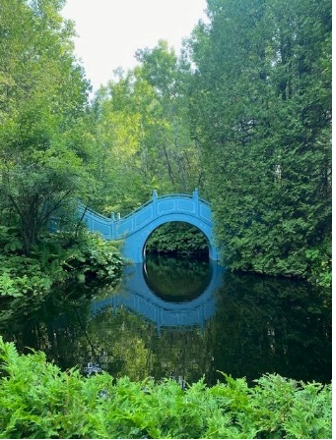
The Himalayan blue poppy on the cover of Francis Cabot’s book “The Greater Perfection” immediately motivated me to visit his gorgeous gardens, Les Jardins de Quatre-Vents, in Charlevoix, Quebec. I didn’t even need to open the cover! Sadly for MY garden, these poppies like dry winters and lots of water in the summer - not exactly great for the Pacific Northwest. But this summer my mother and I spent a week in Quebec City with a day trip to Les Quatre Vents - and it was glorious, despite being the wrong season for the poppies!
I knew I was going to learn some unexpected things when Mary Roach’s “Fuzz: When Nature Breaks the Law” started with this: “For most of the past century, your odds of being killed by a cougar were about the same as your odds of being killed by a filing cabinet. Snowplows kill twice as many Canadians as grizzly bears do.” (pg 7) As a Canadian, I was not at all surprised by the second statistic - while I’ve seen a few grizzly bears, I had to do a lot of planning and traveling to make that happen. On the other hand, I’ve had many interactions with snowplows, generally in the middle of blizzards, and all of them anxiety-inducing.
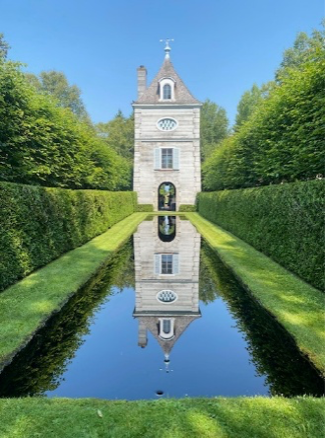
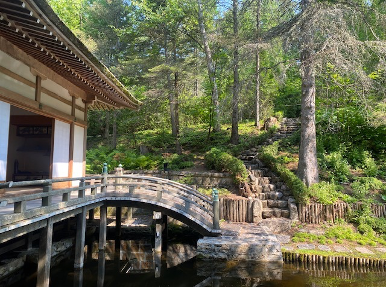
| “I am not sure what got me started. Perhaps it was falling into a large, raised horse trough, one of my earliest memories.” Francis H. Cabot | First, about the book: if you love origin stories filled with remarkable photos and descriptions of the work and plants that go into creating a magnificent garden, then you’ll love “The Greater Perfection”. Francis Cabot was not like most of us - he inherited his 200-acre property and had seemingly no budget limitations so was able to indulge his every whim when building out the 20-acre gardens. He spent his winters perusing garden books and touring around the world for inspiration - which then showed up at Les Quatre Vents as everything from a pigeonnier (dovecote) with a reflecting pool, to an authentic Japanese tea house, to rope bridges over a ravine and a Chinese-inspired moon bridge. He was an absolute perfectionist, but what I appreciated in reading the book was that even with his resources, creating a garden takes time and patience. In fact, he mentions that the gardens around the pigeonnier took 15 years because the soil was so poor to start. | | |
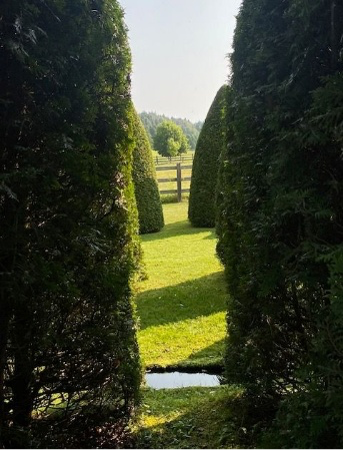
Now for the garden visit: Les Quatre Vents is only open to the public 4 days a year as the family still lives on the property. We had chosen an early morning at the end of July and when we arrived, we were put in our group for the 2.5 hour tour. Groups leave every 20 minutes all day and remarkably this allows groups to feel as though they’re in the garden ‘alone’.
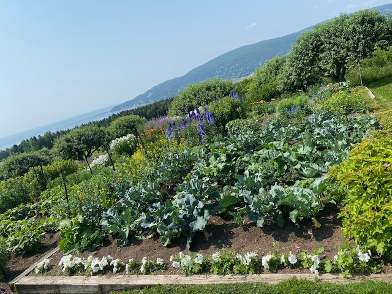
While certainly I’ll never be able to create a space like Les Quatre Vents, there are many themes in his gardens which anyone could adapt to their own situation. Most are shared in detail in the book, including the methods and plants he used, but one of my favorites was what he called “borrowing the landscape”. The gardens are split into many different themes, but he used plants and structures to direct the eye from one garden to the next, to focal points he created, or to the surrounding rolling hills, grazing cows, and the Saint Lawrence River in the distance.
| | |
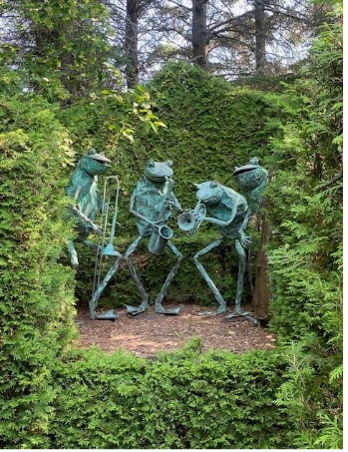
Best of all, despite how seriously he obviously took his gardens, he enjoyed surprising guests with moments of what I can only call whimsy. Brass and bronze statues of animals and insects are scattered throughout the gardens, and if you turn down the right alley you trigger music to play from the life-sized frog band!
There is a beautiful documentary about the gardens, released before Francis Cabot’s death, called “The Gardener”, available on Prime Video. If you want to visit (which I highly recommend), tickets go on sale in February/March and sell out immediately. All the proceeds go to a local charity - watch here for sale dates: Jardins de Quatre-Vents, Charlevoix, Québec
Happy reading! Adrienne
| | For those interested in learning more about the book or in joining the book club, Adrienne welcomes inquiries and is happy to provide additional information directly. | | |
The Peace of Wild Things
Novelist and poet Wendell Berry spent his life farming his land for food and for prose. It was land his family farmed and lived on for seven generations before him, in Henry County Kentucky.
"When despair for the world grows in me and I wake in the night at the least sound in fear of what my life and my children’s lives might be, I go and lie down where the wood drake rests in his beauty on the water, and the great heron feeds. I come into the peace of wild things who do not tax their lives with forethought of grief.
I come into the presence of still water. And I feel above me the day-blind stars waiting with their light. For a time I rest in the grace of the world, and am free."
“...the care of the earth is our most ancient and most worthy and, after all, our most pleasing responsibility. To cherish what remains of it, and to foster its renewal, is our only legitimate hope.”
“One of the most important resources that a garden makes available for use, is the gardener's own body. A garden gives the body the dignity of working in its own support. It is a way of rejoining the human race.”
Written by Wendell Berry 1934 - 2026
| | Summer Memories and Fun Times! | | |
OIGC Participates in the Fourth of July Parade
by Cindy Woods
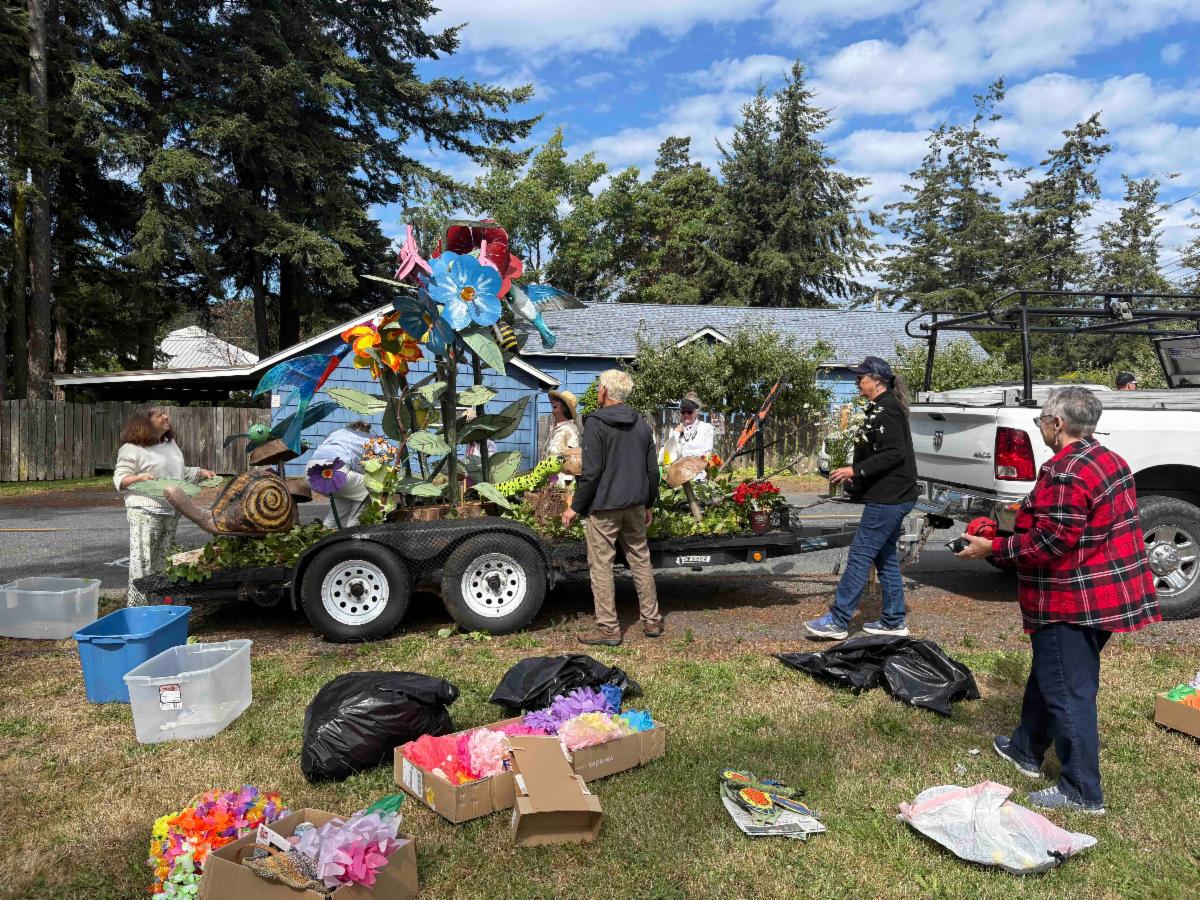
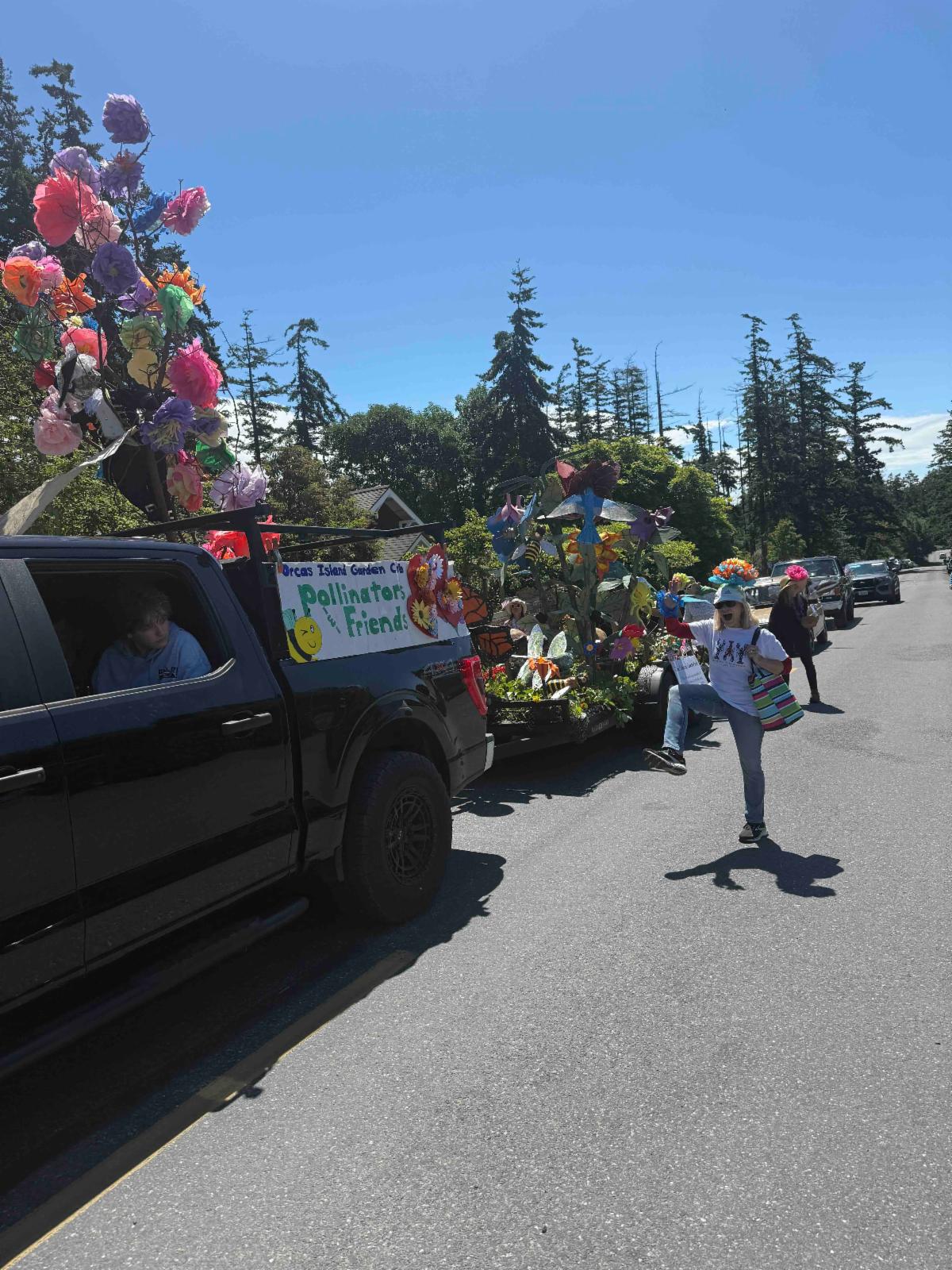
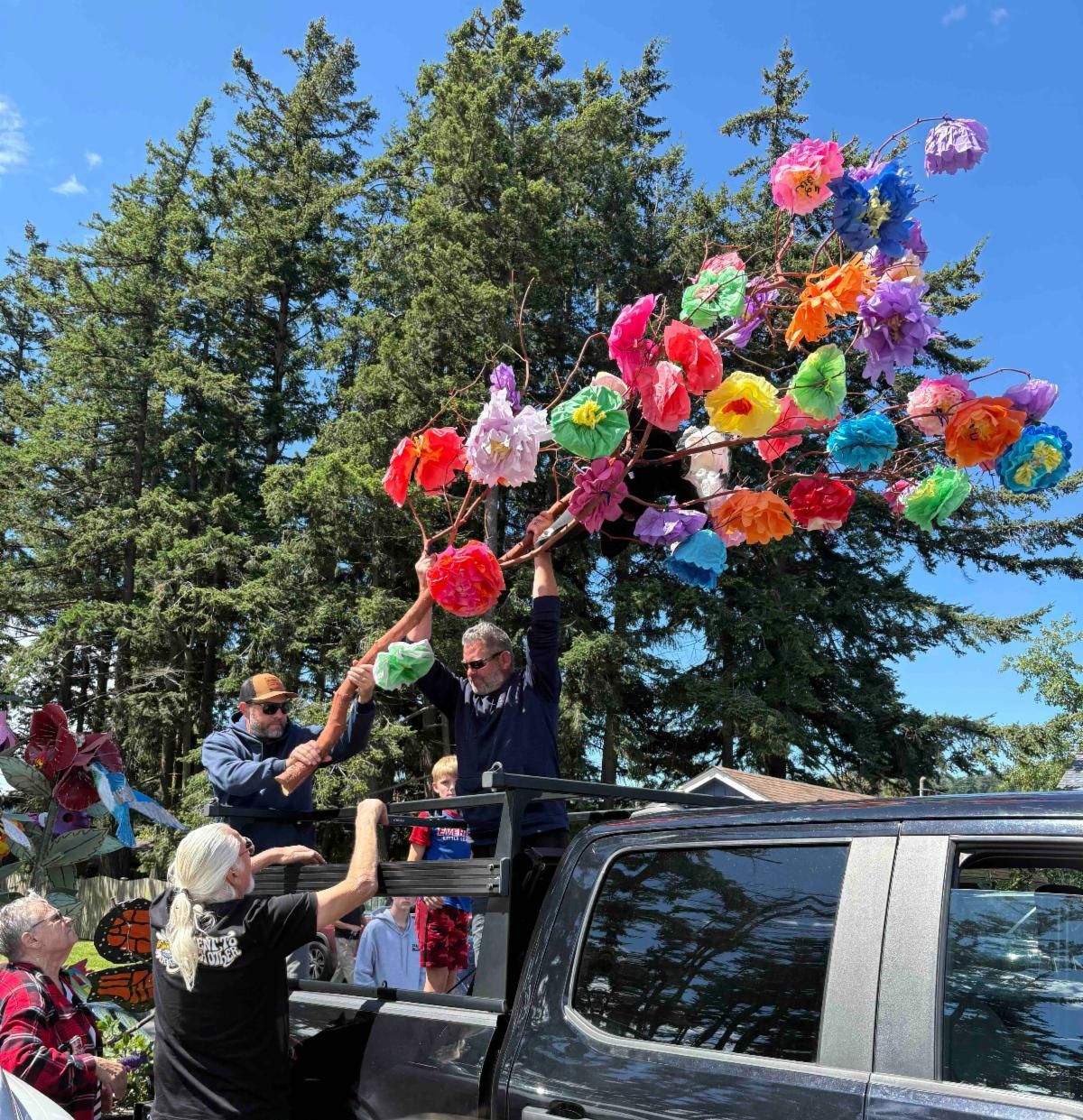
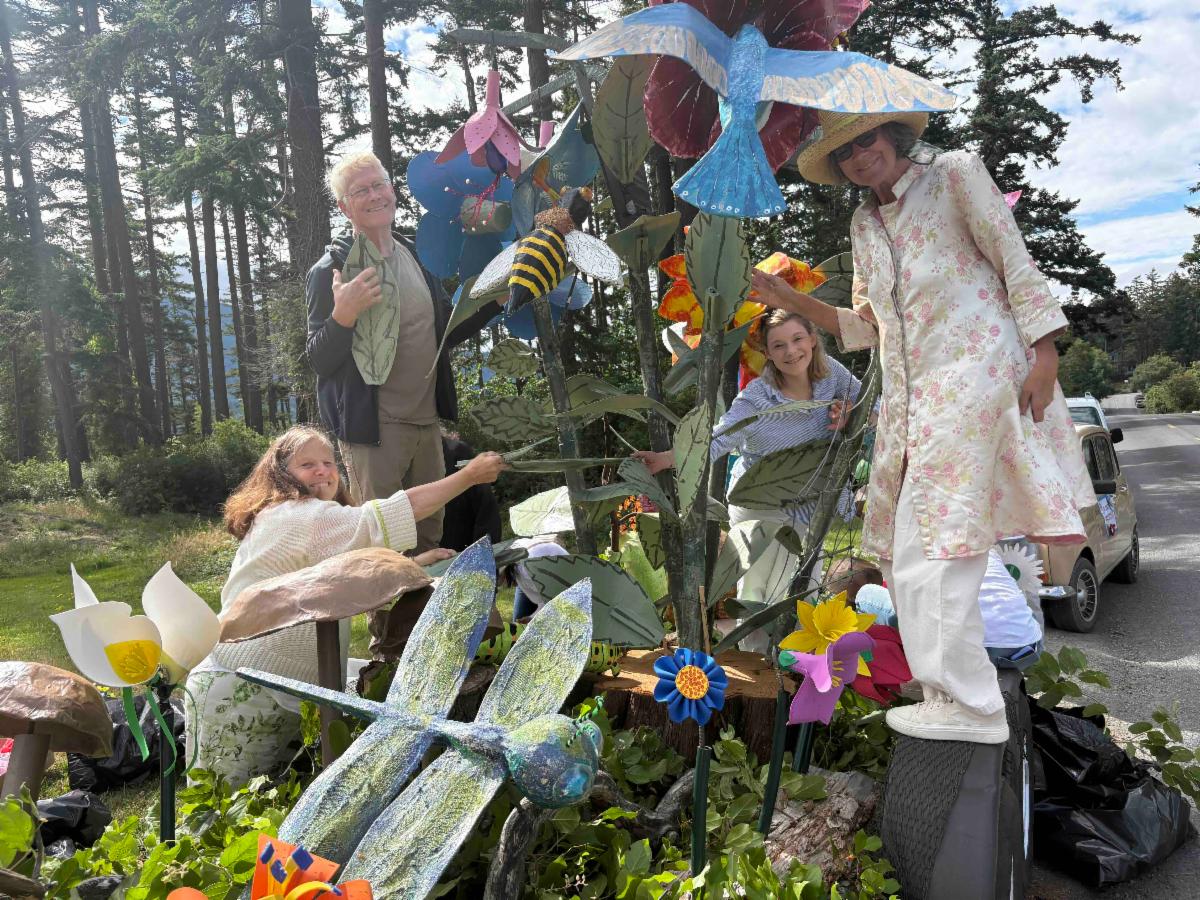
Another fun and successful 4th of July parade float, this year’s theme, Among the Wildflowers. Here are a few highlights and new things added this year:
- Michelle Zjhra’s ‘car from Madagascar’ deemed our garden club mascot, followed behind the float. We added giant eyes, ears, and nose to it.
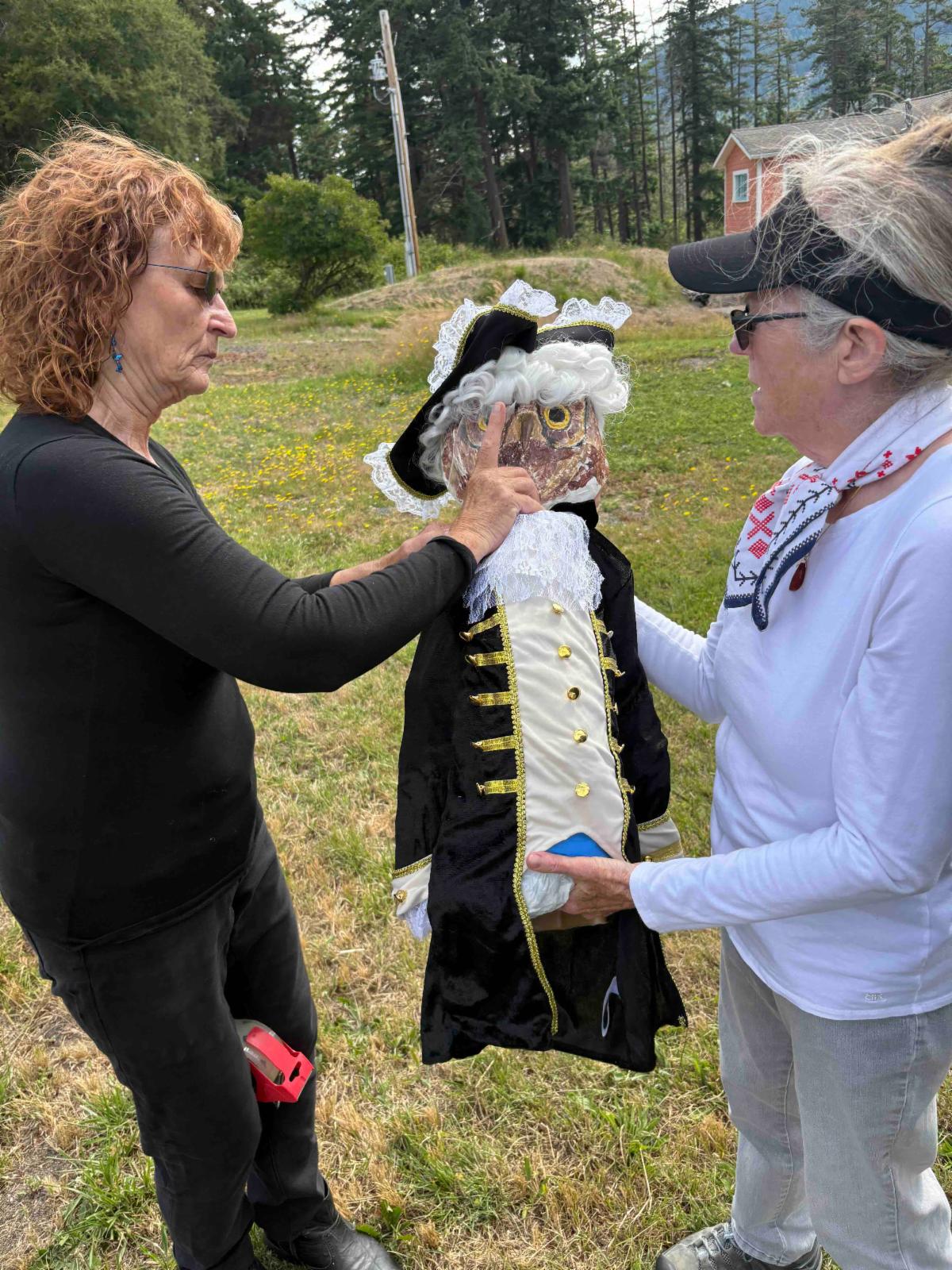
-A founding father sat on branches of a large Madrona branch. The branches were filled with paper flowers that fluttered in the wind. Speaking of wind, it was very windy, there was concern the hummingbirds and dragonflies would actually take flight and our founding would end up hanging upside down.
- The founding father was a bit of a paper mache rush job. He was meant to look like a Ben Franklin-owl, end result was a bit questionable (via its creator). During the parade a piece of black tape fell over one eye, a little girl exclaimed, “Oh look, it’s a pirate.”
| |
- Robin and her daughter led the float carrying the banner, wearing floral Kentucky Derby hats created in 2016 by former gc member Pat Burman.
- Curtis and Laura followed behind the float towing a wagon with their dog seated comfortably inside
- Nuna and her husband provided fresh flowers for the float
- Brynn Rose and her husband handed candy again this year
- Nuna and Sally handed out seed packets
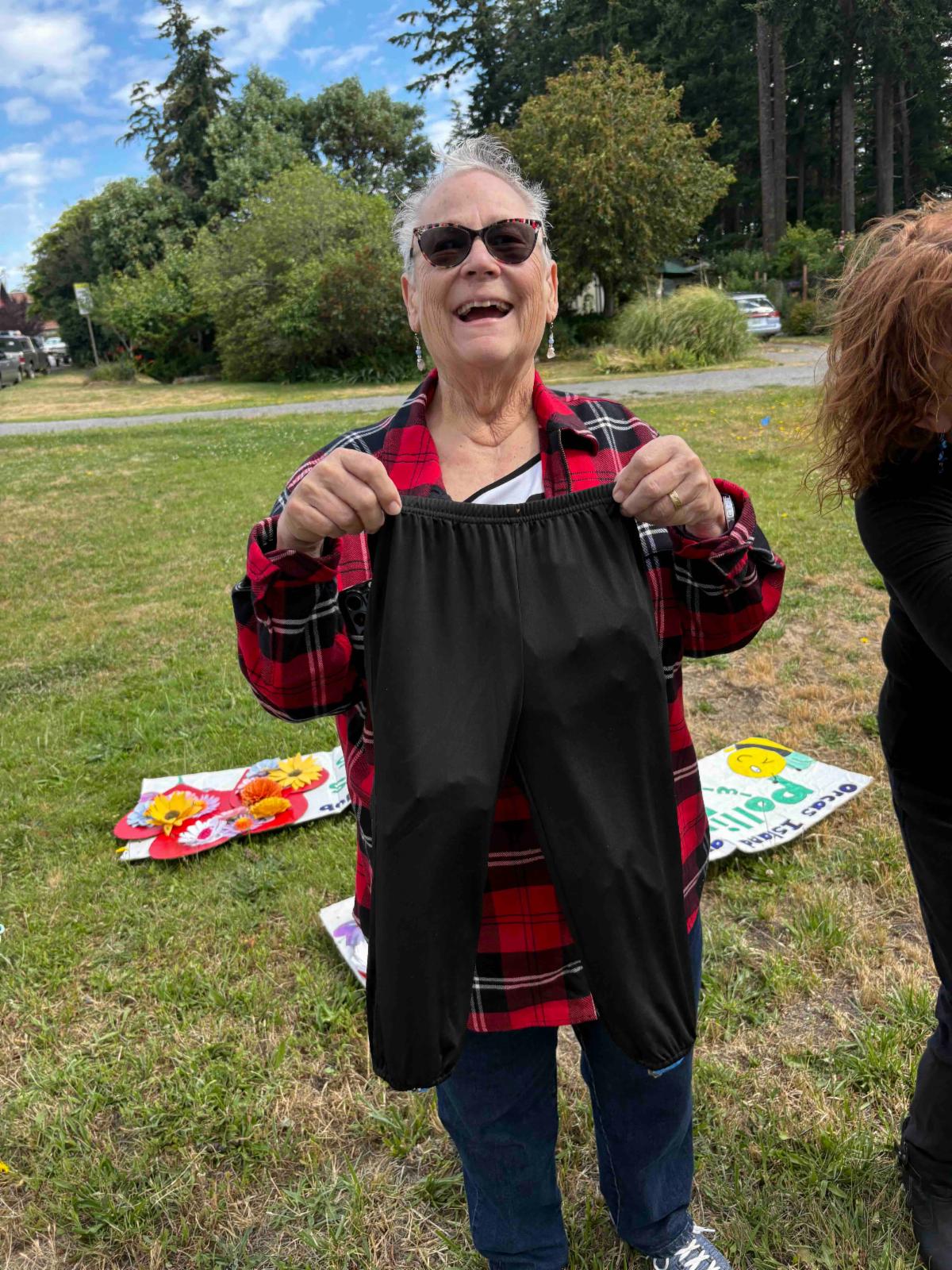
Many garden club members helped assemble the float prior to parade participation. There was a large crowd, lots of children and smiling faces. The crowds reaction to our float is always amazing!
| | |
Author, Thor Hanson Leads a Pollinator Walk and Book Talk
by Laura Walker
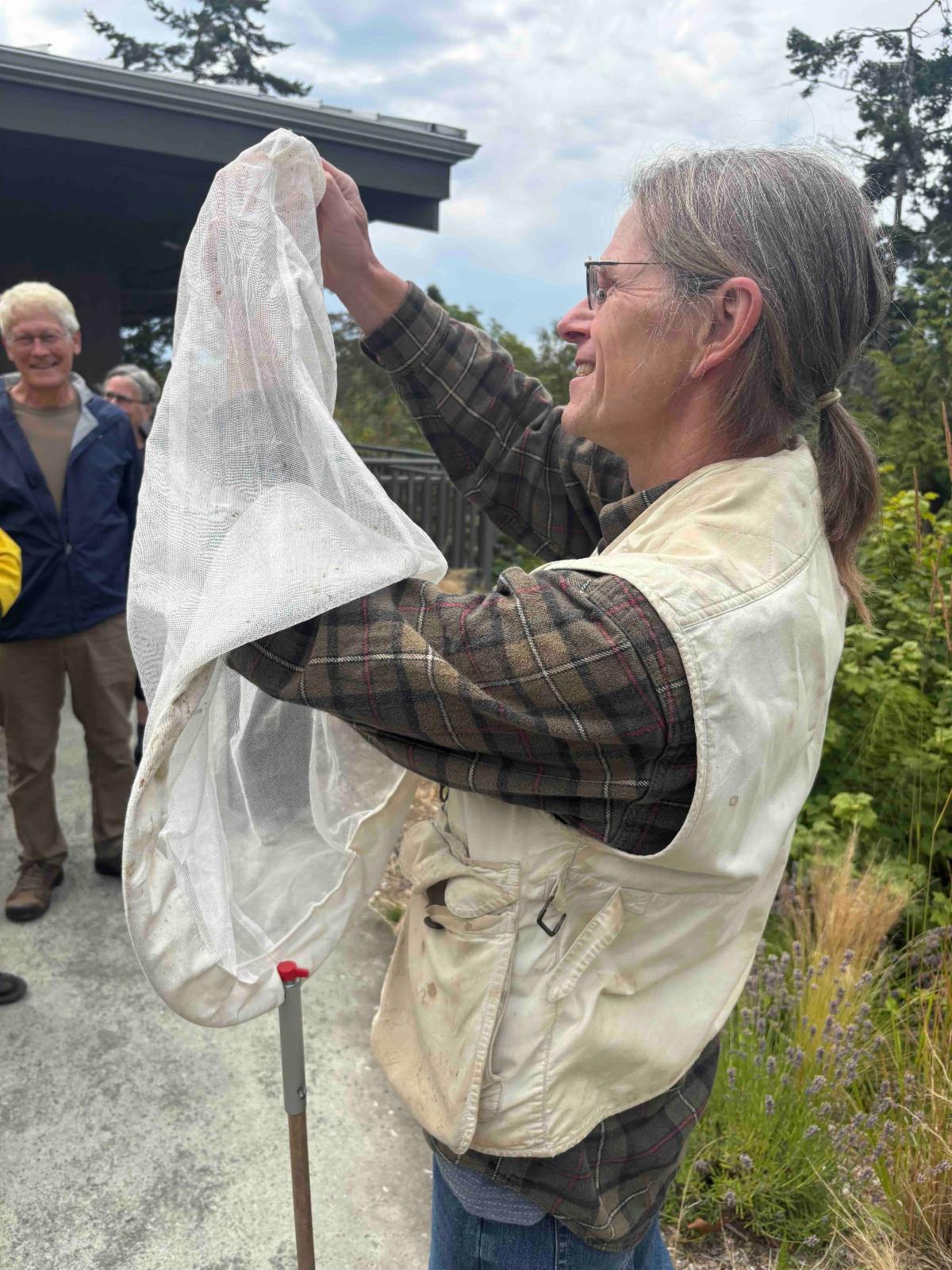
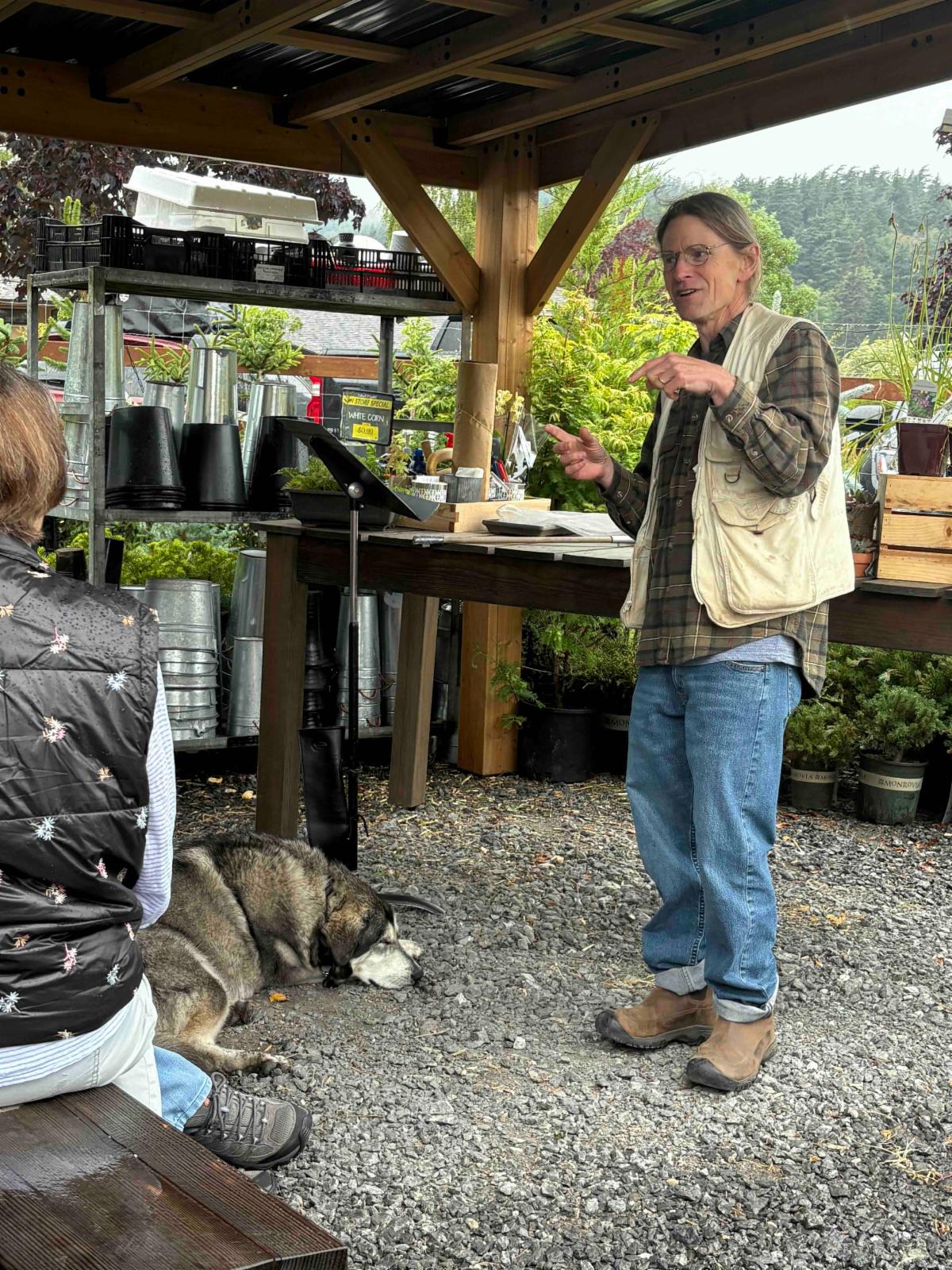
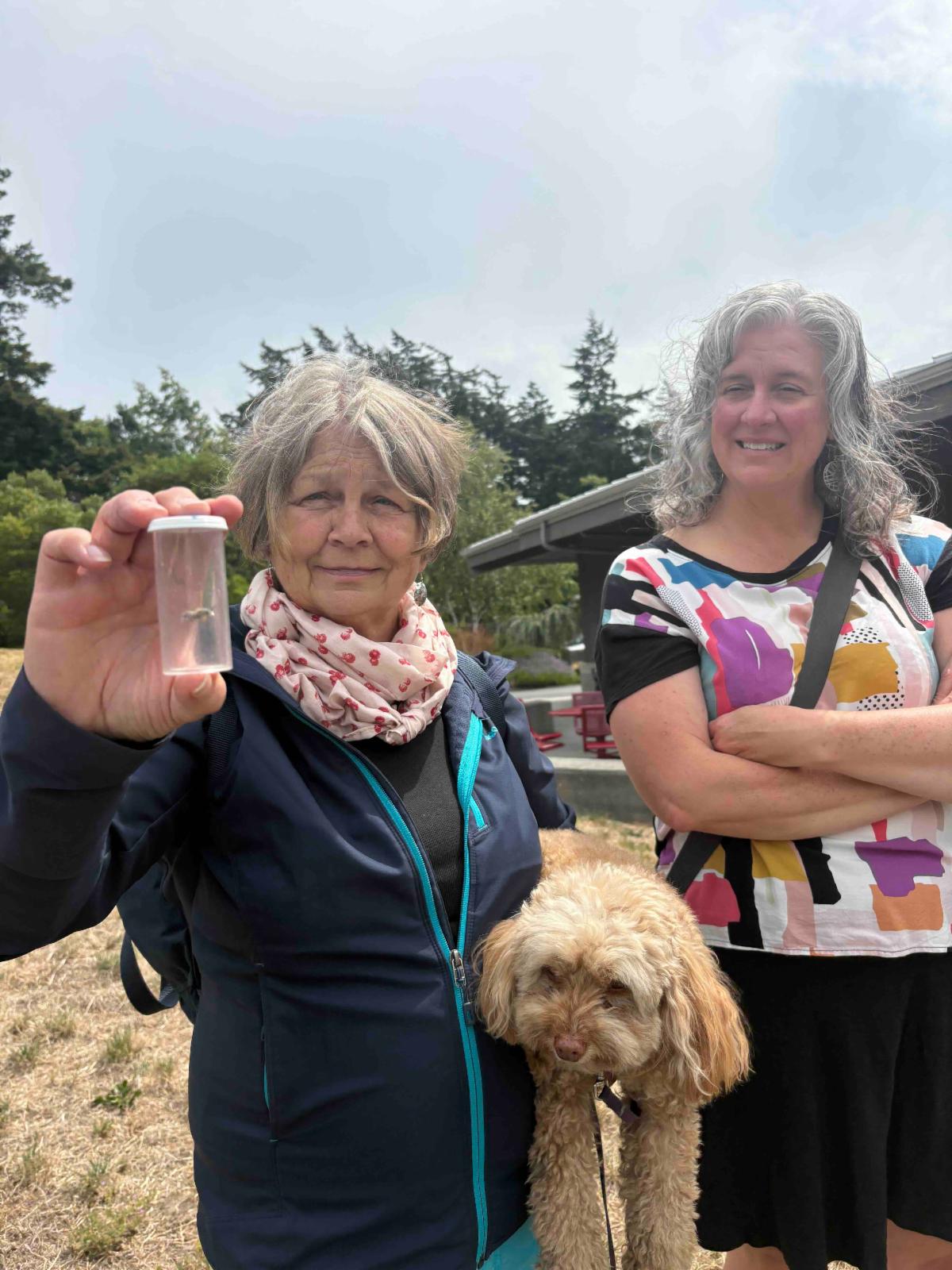
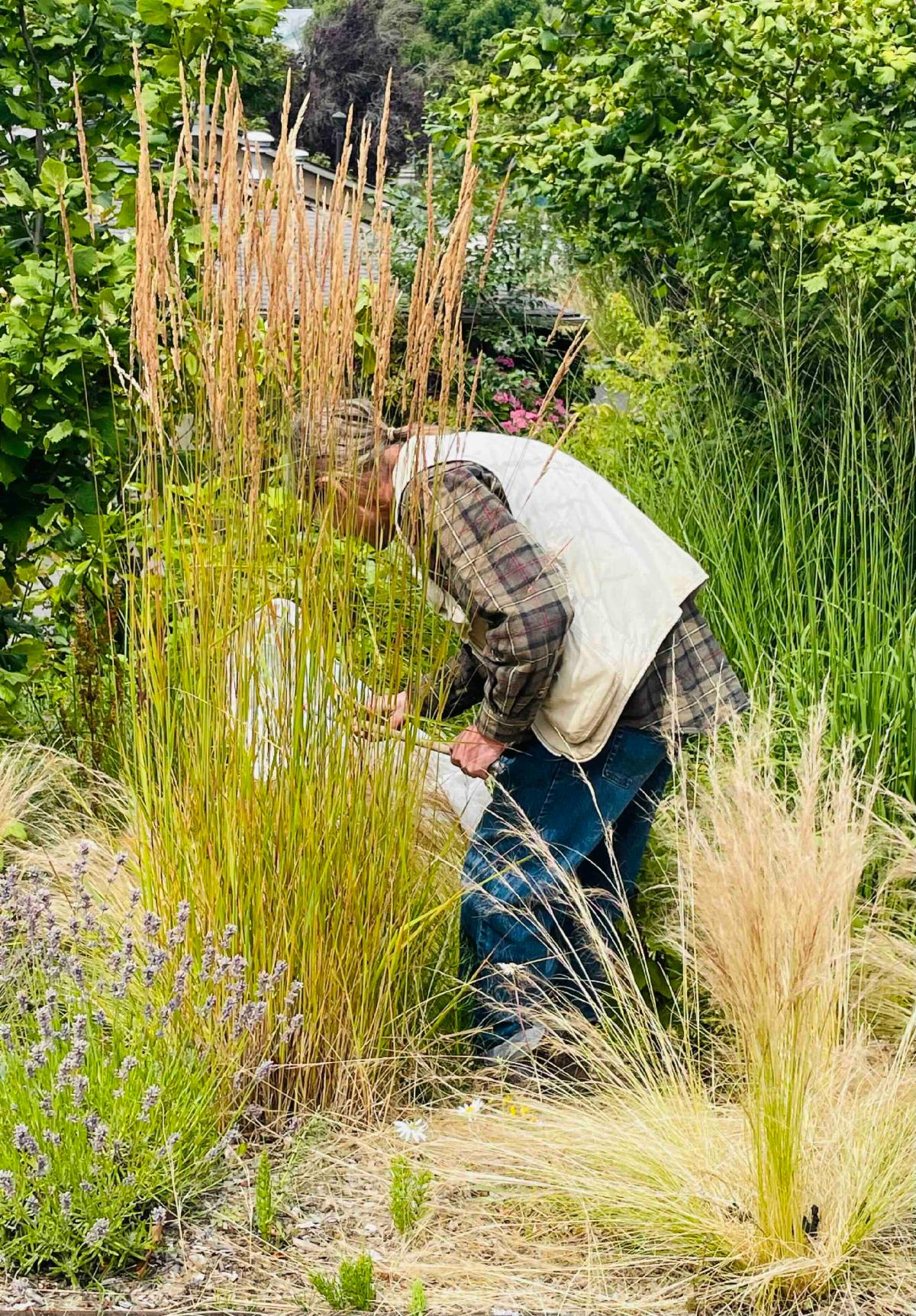
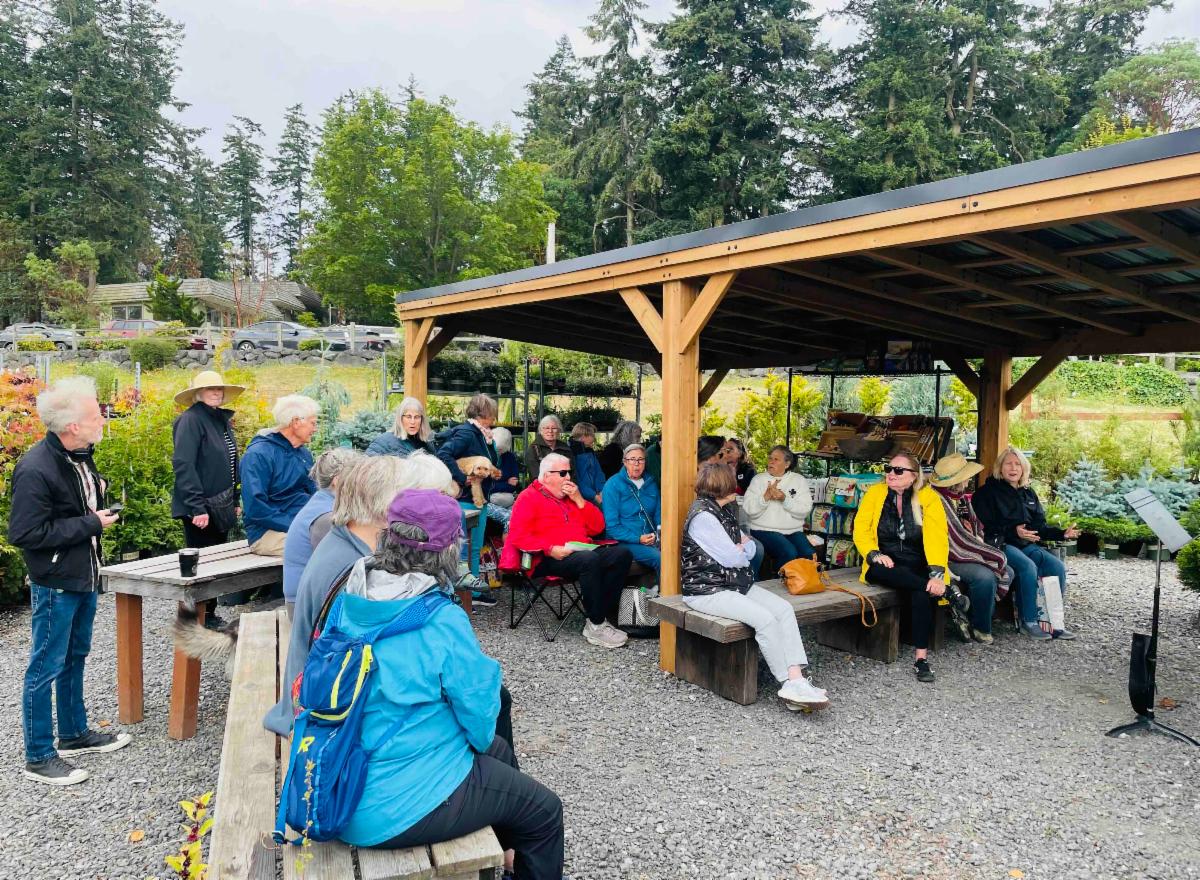
Through an amazing partnership with the Market Garden, Orcas Library and Darvill's Bookstore, we were able to bring author, Thor Hanson to Orcas. The OIGC bookclub started at the library for a pollinator scavenger hunt. Thor caught nearly a dozen insects in and around the library gardens. We were mesmerized by Thor's skill of catching these creatures and releasing them once we had adequate time to observe. Then we headed over to the Market Nursery for his talk on fascinating facts and stories told by Hanson, many from his book. We laughed upon a down pouring but it didn't deter the crowd from enjoying the time spent with this special guest appearance of Thor.
| | |
OIGC Participates at Annual Library Fair and Book Sale
by Debra Nichols
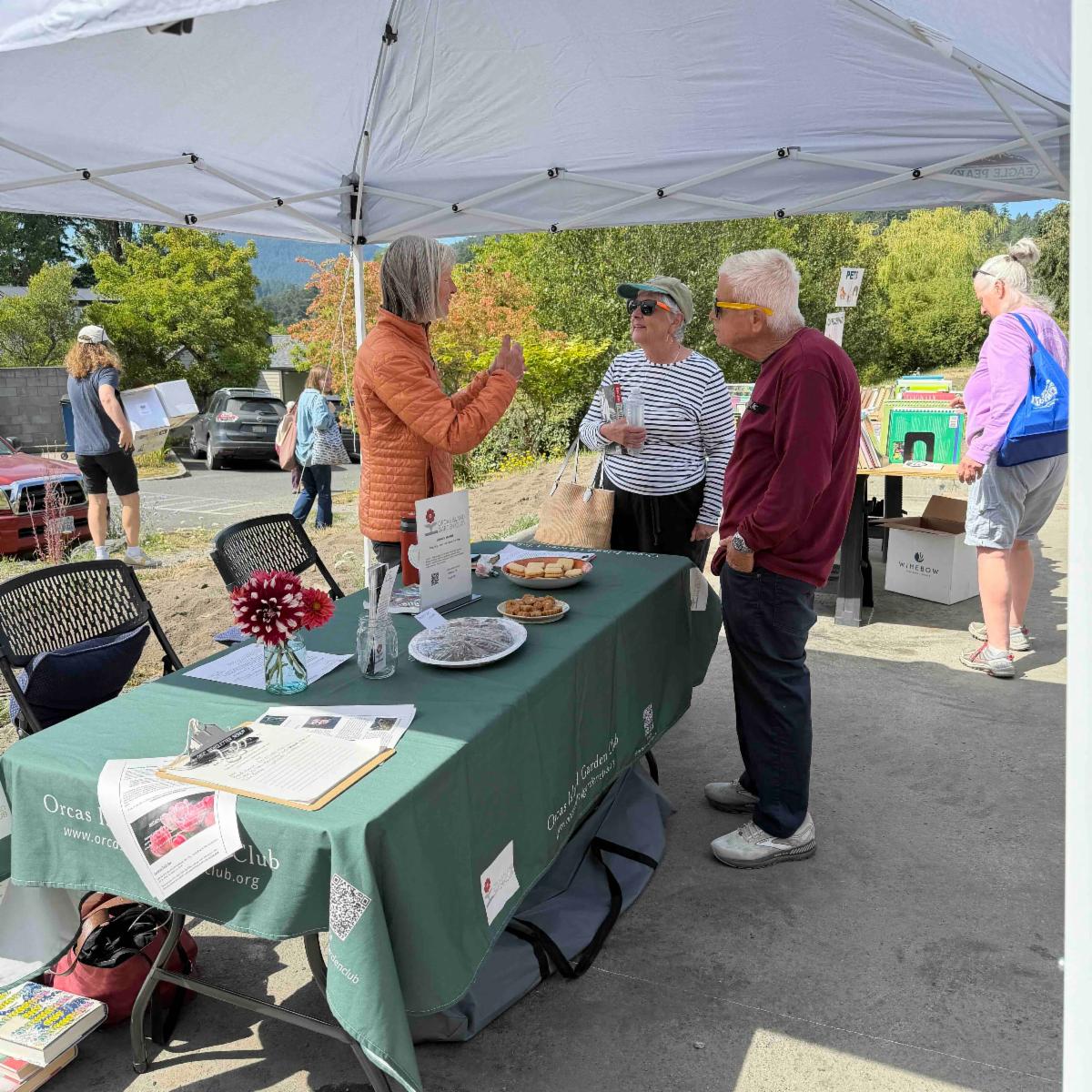
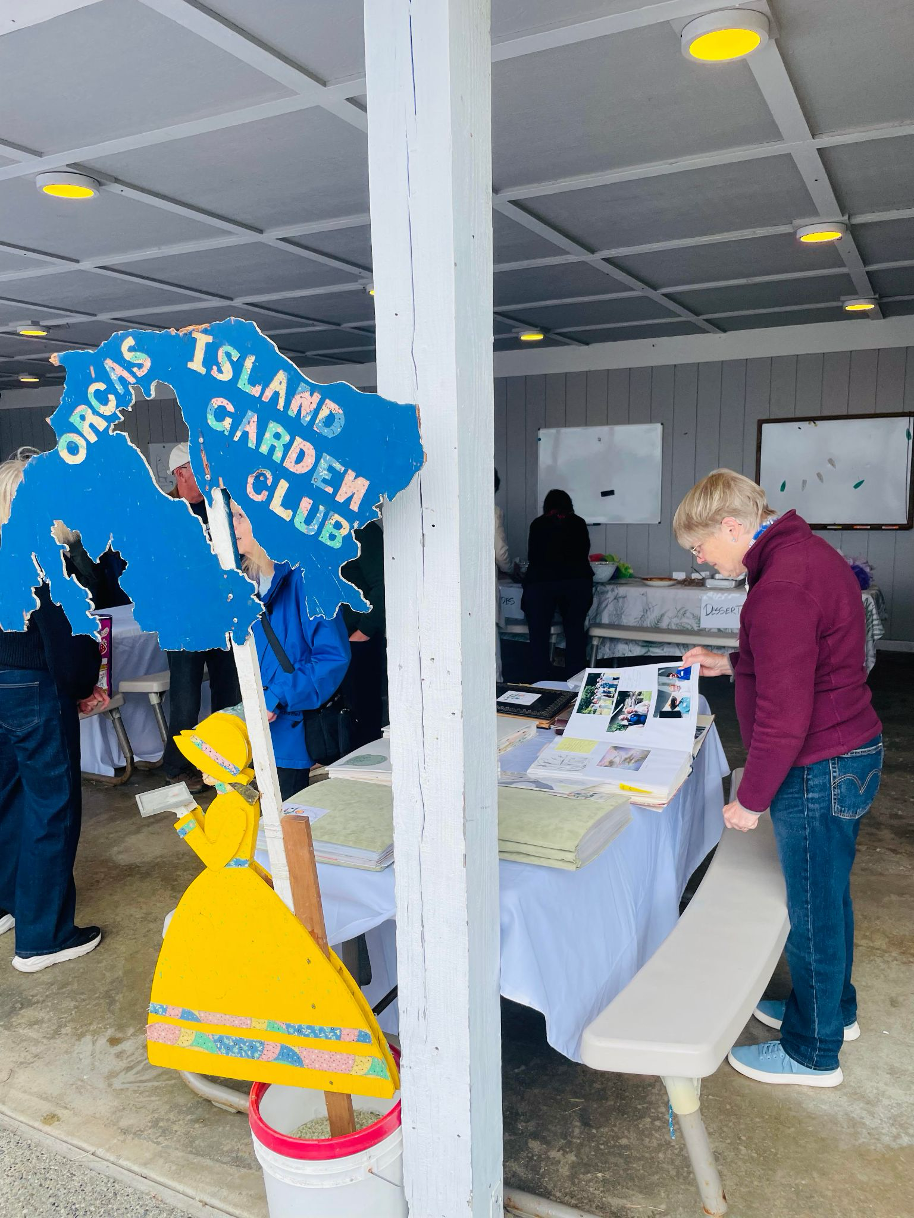
For the first time, the Garden Club had a table at the Library Fair! The location was perfect, next to the table of the Gardening books for sale.
A few Garden Club members arrived about 7am to help FOIL volunteers set out the books for sale. Adrienne Walker, our club secretary, organized the sale this year. The morning started out cooler, so picking up boxes and placing the books on the tables was pleasant work.
Crowds began forming at 9:30 am, but we had a new Garden Club tent up that was great for when the sun came out later in the morning. Haven, Jenny and Laura manned the Garden Club table which of course had shortbread cookies made by Curtis, brownies baked which I baked and maple sugar candies fresh from Adrienne’s family farm in Ontario, to lure people over to talk about the garden club. (Jenny even answered some gardening questions!) We were very successful, with 6 new members and 16 people signing up for our newsletter.
| | |
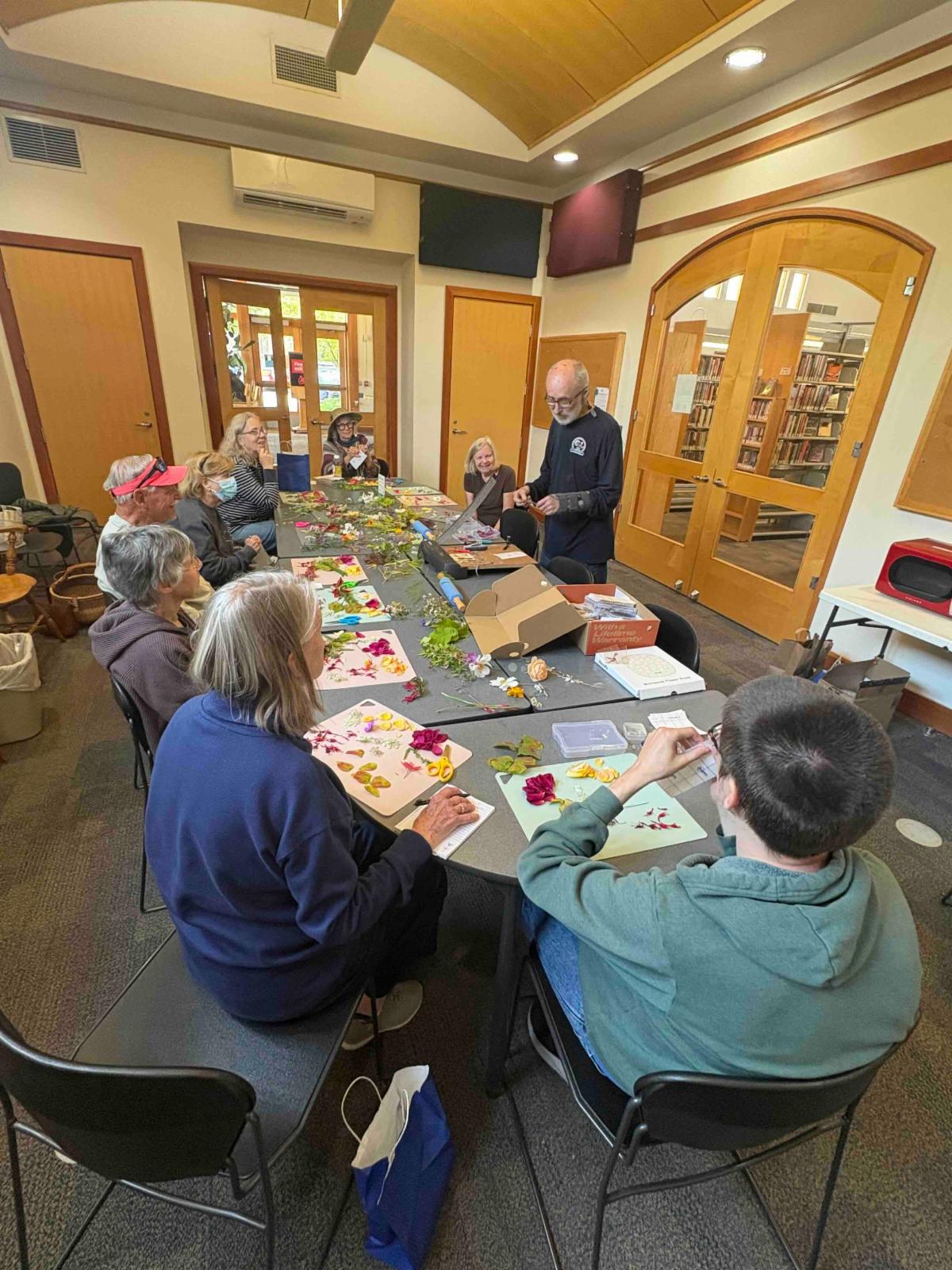
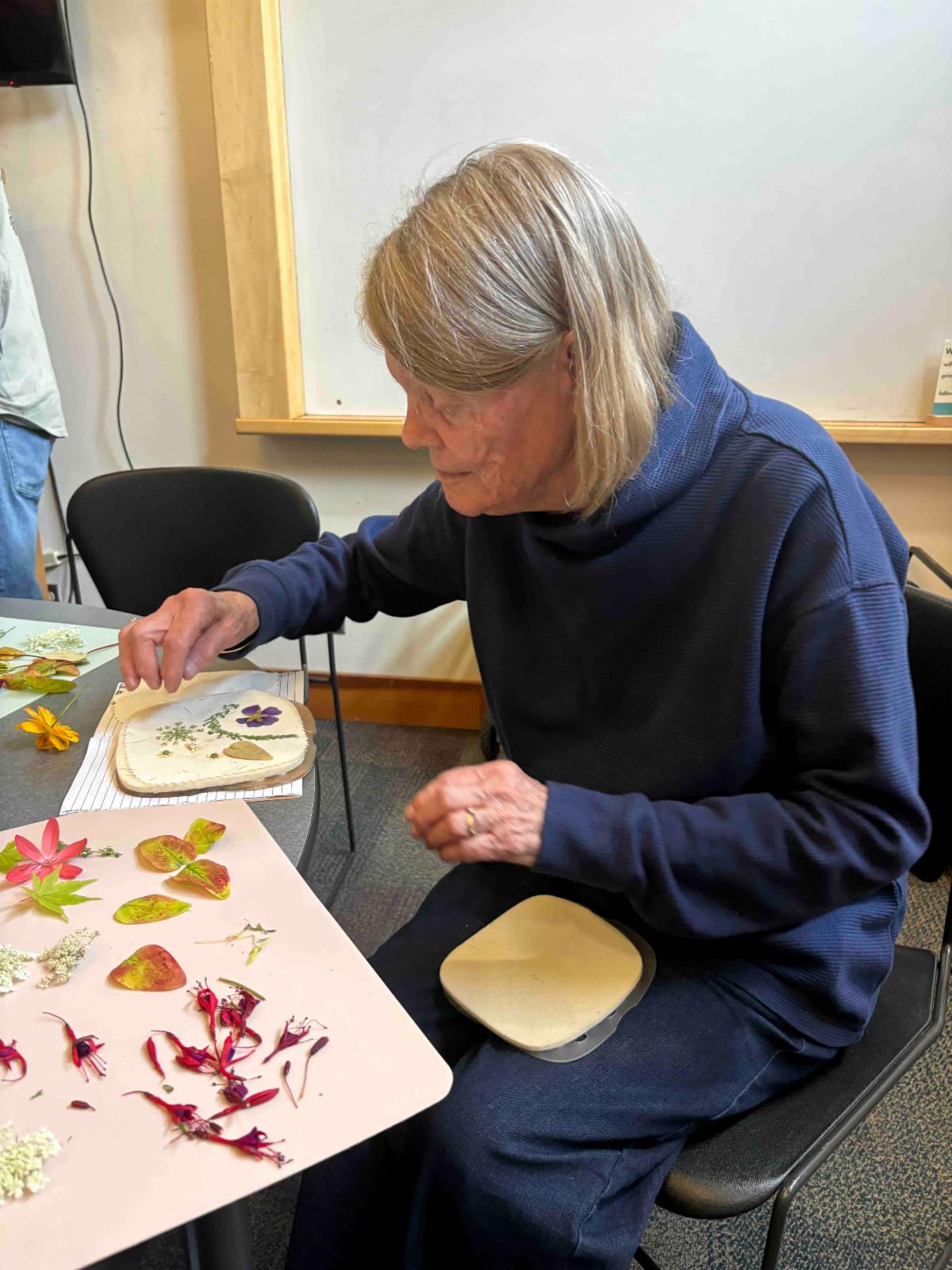
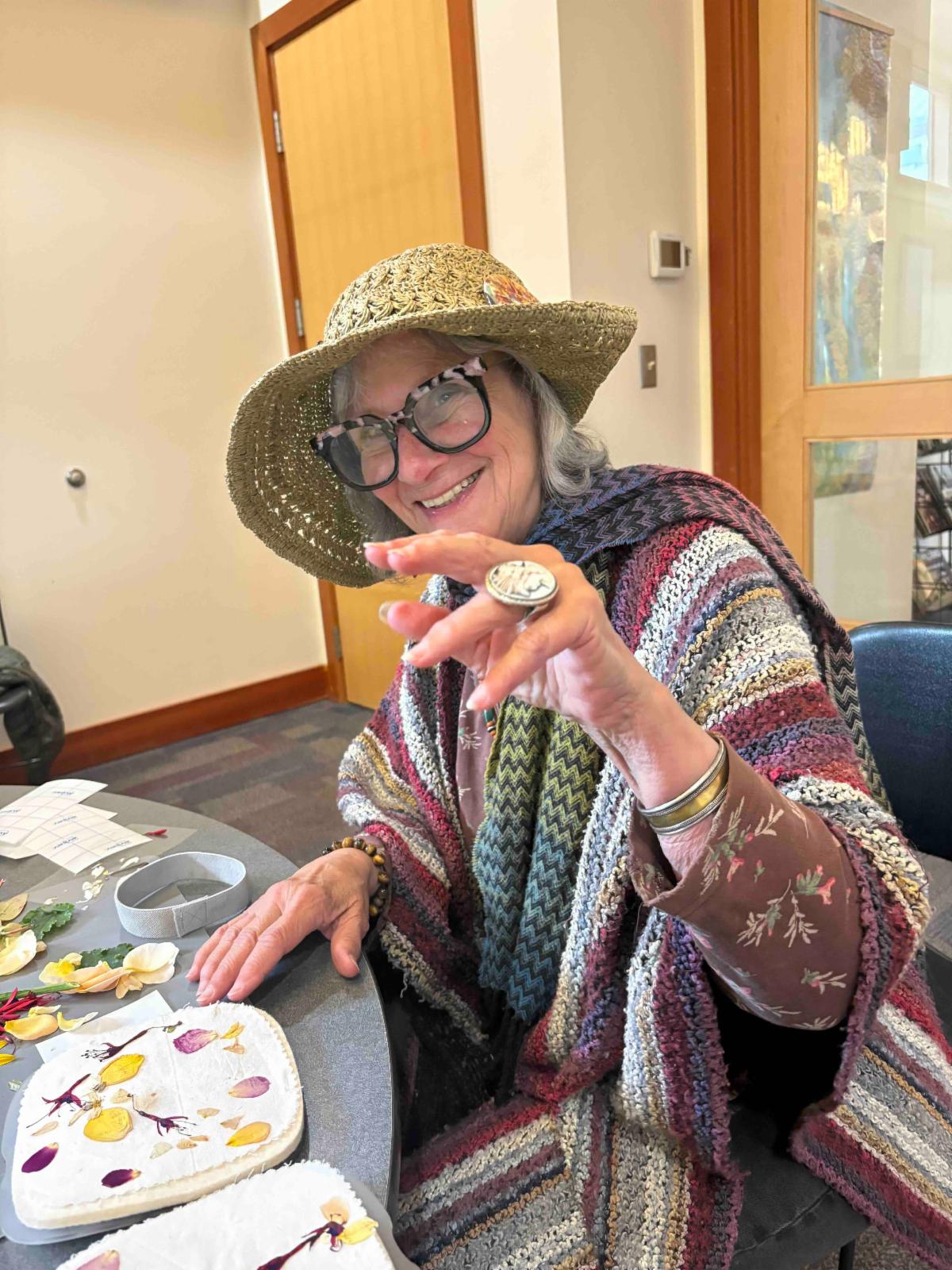
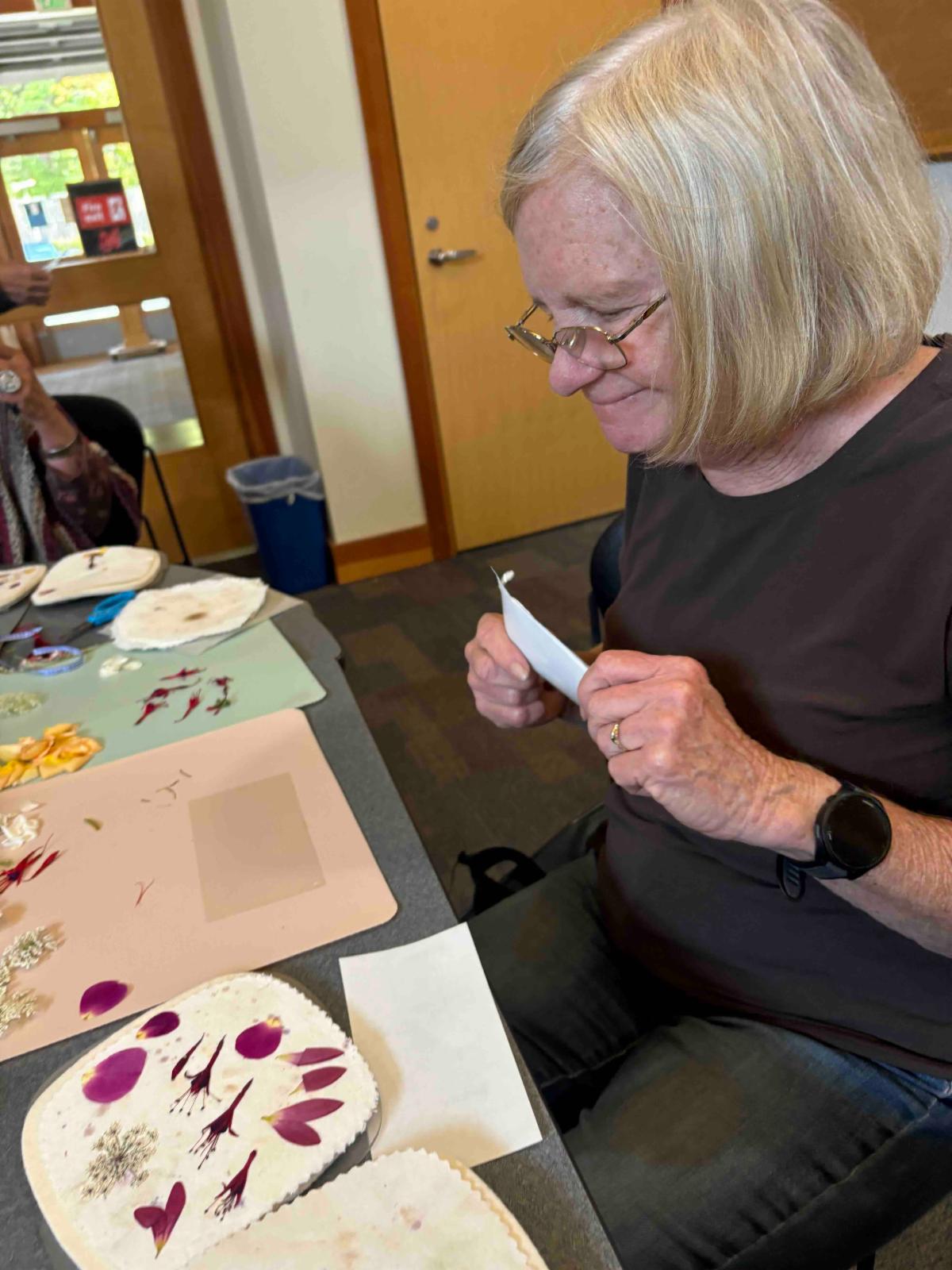
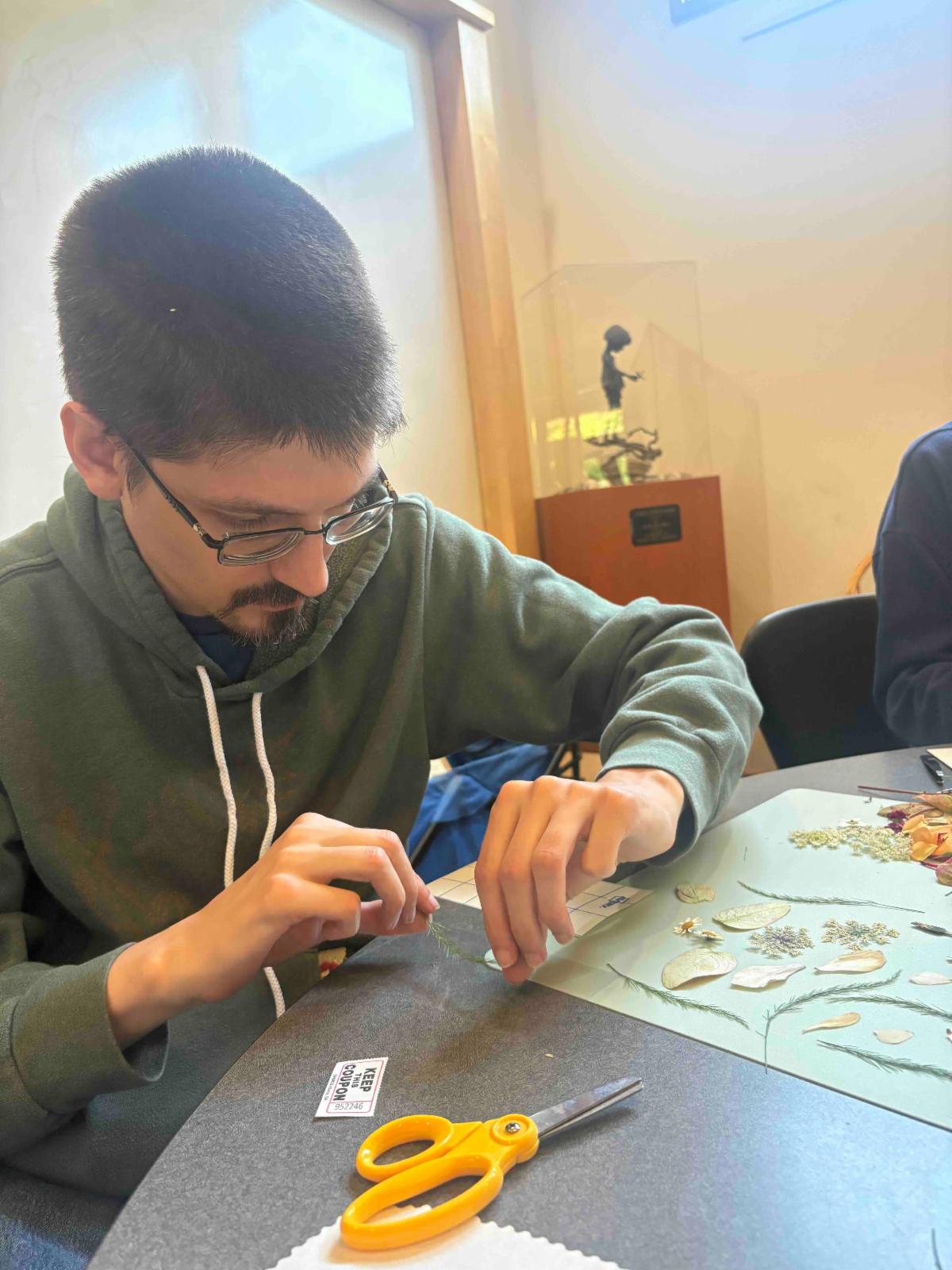
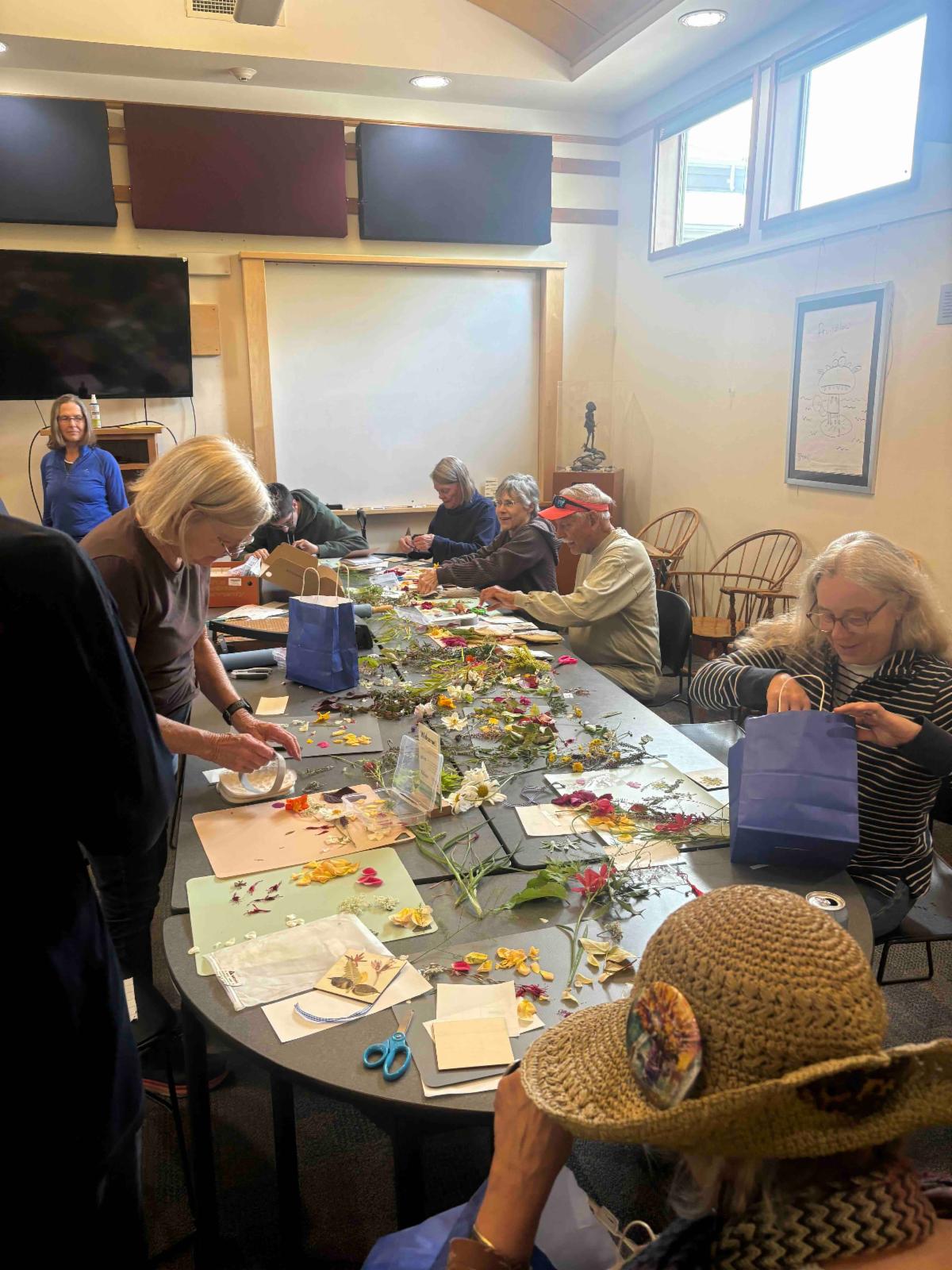
Flower Pressing Fun in late August
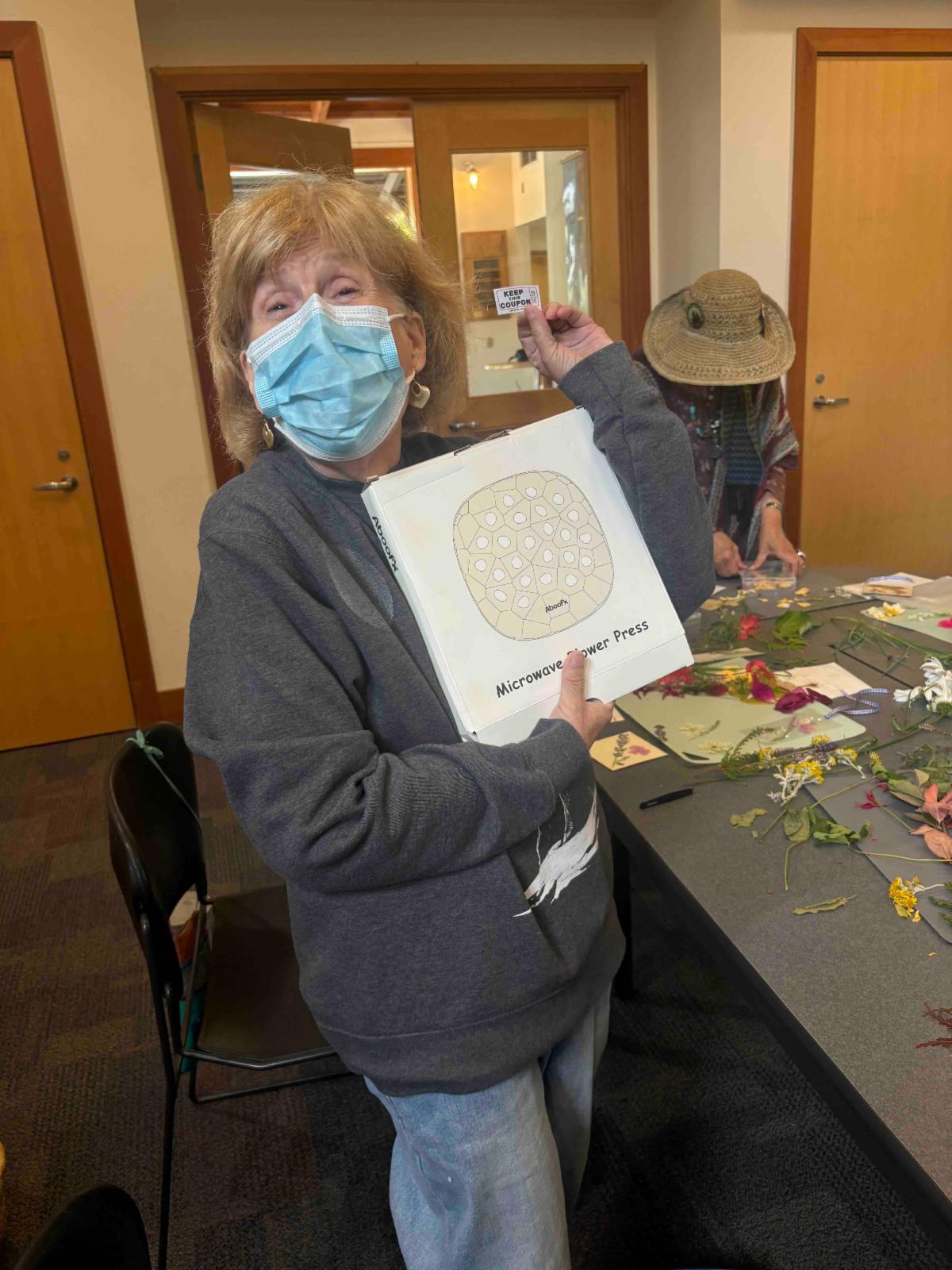
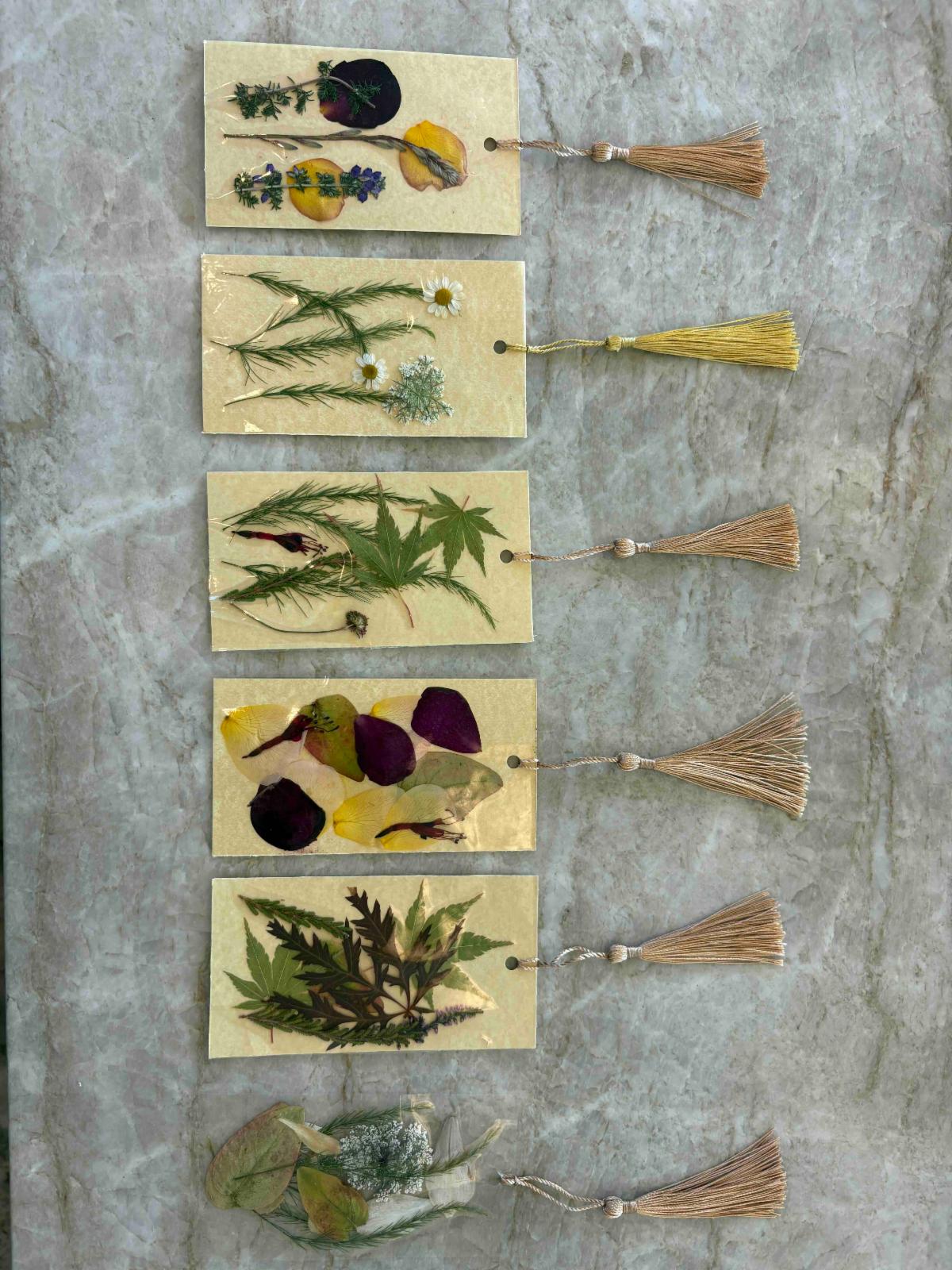
Eleven folks got together to create bookmarks. Our Treasurer, Tony led a class on the art of flower pressing. We learned how to dry our flowers using a special press meant for low wattage microwaves and create beautiful bookmarks with the plant material we had dried. Each design was unique and we enjoyed the creative and calming activity for several hours.
| | Discovering Local and Global Gardens | |
Haven's Travels
by Haven DePietro
Hello Fellow Garden and Travel Lovers! This year we are reviving an OIGC Newsletter feature and we need your help! Each month we will feature photo essays of gardens on Orcas Island, in the San Juan Islands, and around the world. Each essay will feature photos and short reflections capturing garden highlights enjoyed by the authors. We would love your contributions to this special feature – either your own photo essay or one prepared by a friend or relative. Please send short articles to havendp@gmail.com and read the OIGC Newsletter each month for ideas and inspiration! I hope you enjoy a few of my favorite highlights of beauty, peace and joy through the years.
| Hydrangeas, Lake Como, Italy – July 2007 | | |
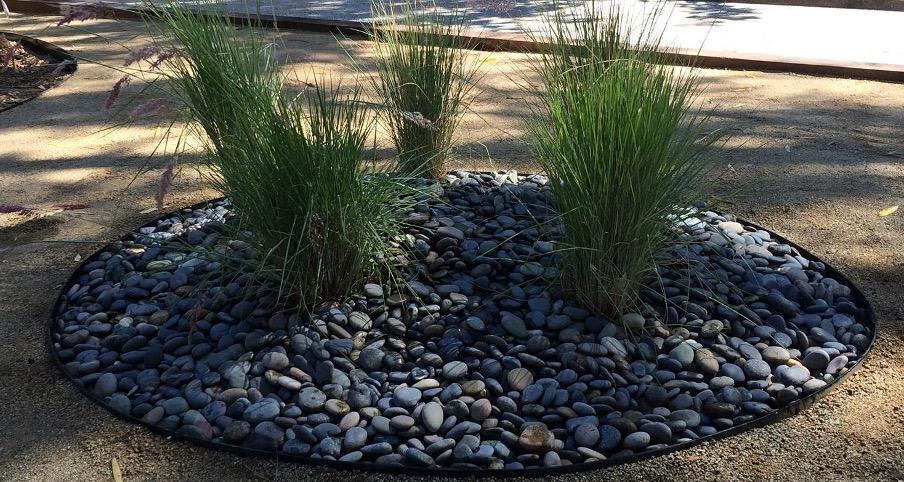
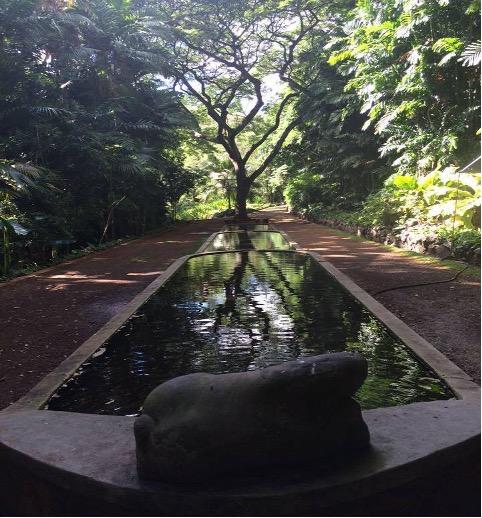
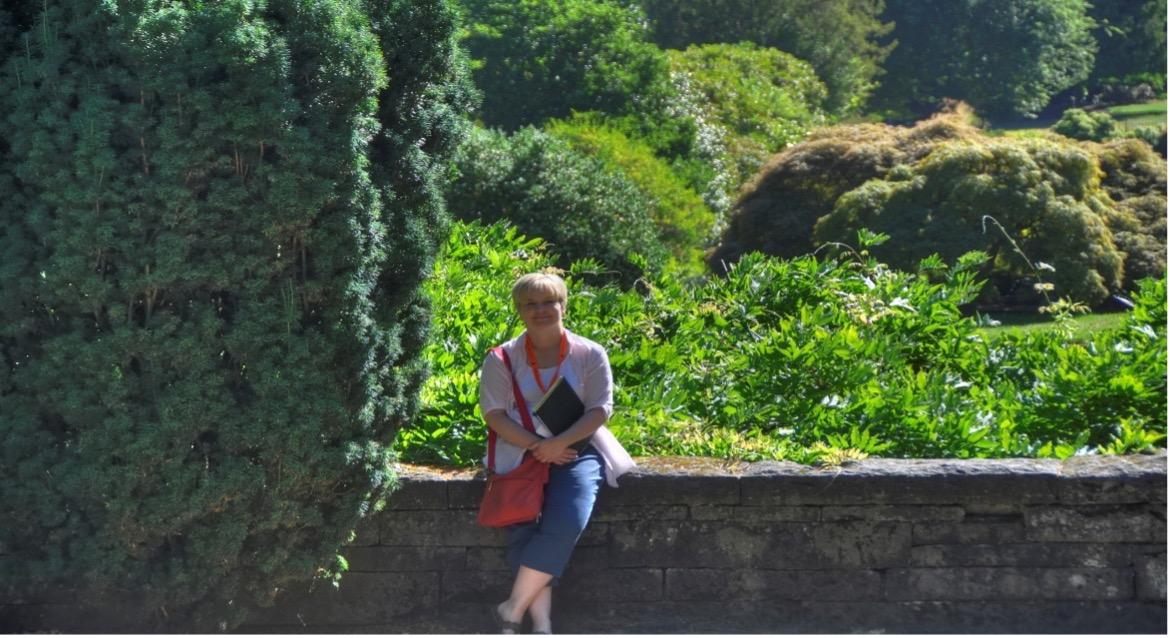
Zen garden with grasses and pebbles, Davis, California – 2019 | | Allerton Garden, Kauai, Hawaii – November 2015 | | Here I am dropping off my daughter for sophomore year, Lewis and Clark College, Portland, Oregon – September 2011 | | Ms. Gardenia - Out of the Shed, Into the World | | |
A Visit to the Annual Picnic
by Perri Gibbons
Encouraged by her growing popularity and many fans, Ms Gardenia is starting a monthly series travelling out and about on Orcas. (To read more about her story see last year's article, The Mystery of the Modest Garden Club Maiden)
In July, I helped celebrate with the club at our annual end-of-season picnic held at the Westsound Yacht Club patio. Back when I was just a tree, the Charter meeting for the OIGC took place back in 1958. An early roster shows thirty-two members, all from Orcas Island. I was astonished to learn the membership news for our 2025/26 season:
A record 300 members with 110 new members
247 members with an Orcas mailing address, others hailing from Hope ID, Portland OR, Santa Rosa CA, Tulsa OK, Talkeetna Alaska, San Marco TX, and Princeton Hawaii
I join the rest of the board in excited anticipation for what the 2026/27 season will bring!
Ms Gardenia is available for special engagements and appearances
To schedule, contact her representative: Perri GIbbons at Orcaspear@gmail.com
| | September Member Raffle Winners! | | |
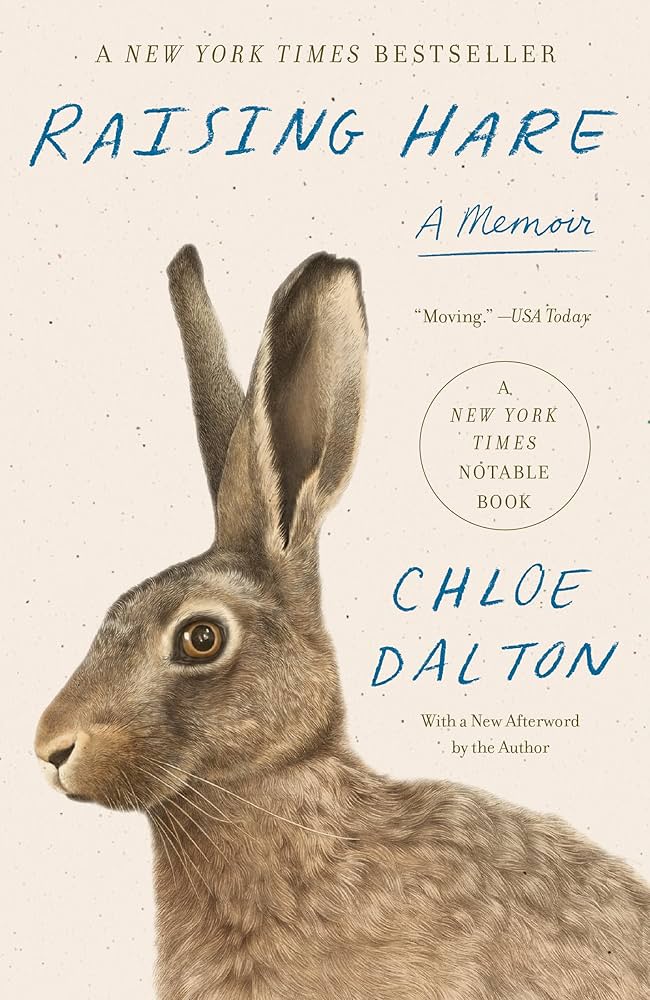
Congratulations to our brand new members Kyle and Helena Rogers! They were overjoyed to win the book titled "Raising Hare".
Monthly Member-Only raffle winners are chosen at random from a list of current garden club members. Remember to renew or join the club to join in this fun contest! To see if you are an active member, contact Karen Hiller.
| | |
"Raising Hare" by Chloe Dalton
About the book:
Raising Hare is a true story about an unexpected bond between a woman and a wild animal. During the pandemic lockdown, author Chloe Dalton rescues an orphaned, newborn hare (a leveret). Instead of keeping it caged like a pet, she gives it total freedom—allowing it to roam the wild fields by night and return to her home by day. Over two years, the hare maintains its wild nature but chooses to return to her, creating a deep, trusting relationship that alters Dalton’s perspective on the natural world.
Book generously donated
by Friends of the Orcas Island Library (FOIL)
| | Look What our Board Grew This Year Continued.. | | |
| |
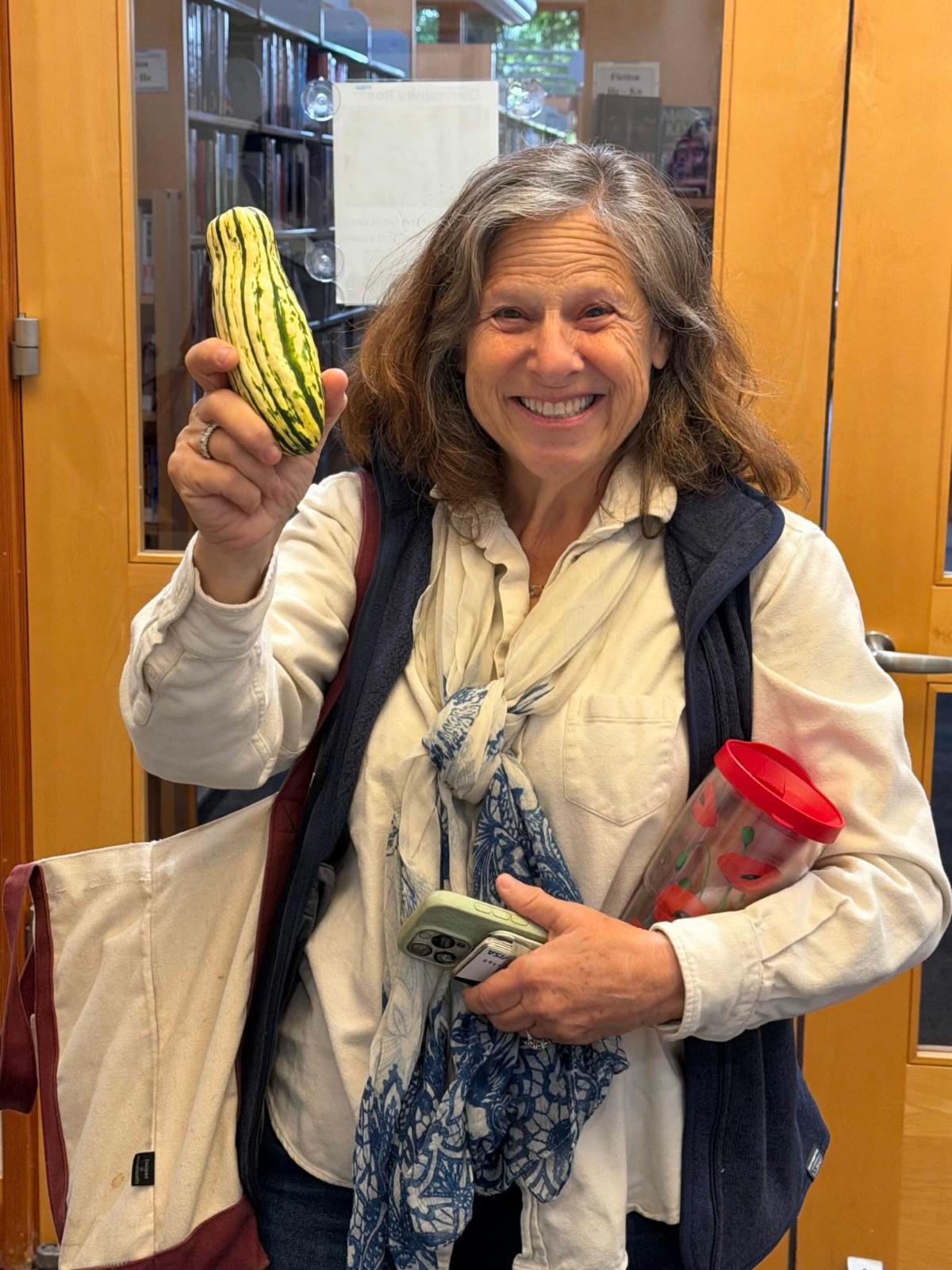
An update of late breaking news...and a grand mystery solved! I'm sure you can relate with strange plants popping up in your garden that intrigue you.
Robin was delighted at what she had grown and proudly brought her beautiful vegetable to share at the board meeting yesterday!
As you can see, she is the proud grower of a beautiful multicolored Delicata squash and she couldn't be happier.
Celebrating our successes - isn't that what it's all about! Yay and good job Robin!
| | Made You Smile! It's Dinner Time... | | | | |
Do you enjoy reading the monthly OIGC newsletter?
How can we make it better?
We'd love to hear your feedback, comments and suggestions.
Thank you in advance!
| | |
PRESIDENTS: Robin Sullivan & Laura Walker
PRESIDENT ELECT: Michelle Zjhra
MEMBERSHIP: Karen Hiller & Perri Gibbons
GARDEN TOUR: Kristi Fountain, Laura Walker, Sally Hodson
| | | |
TREASURER: Tony Suruda
PROGRAMS: Jenny Pedersen
COMMUNICATIONS: Kristin Tolle
SECRETARY: Adrienne Walker
| | Please contact oigcnewsletter@gmail.com if you encounter any technical issues regarding accessing the newsletter. Thank you! | | | | |