October 26, 2026 | Issue #41
Facebook  Instagram  LinkedIn  X

Support of the Monday Morning Update

For 2026 please consider a donation to help support delivery of the Monday Morning Update to your email every week by 5:30 am. Our distribution of this update is over 12,000 and growing. Your consideration is greatly appreciated. Thank you!

Being Bold Means Being Willing to Imagine Something Different


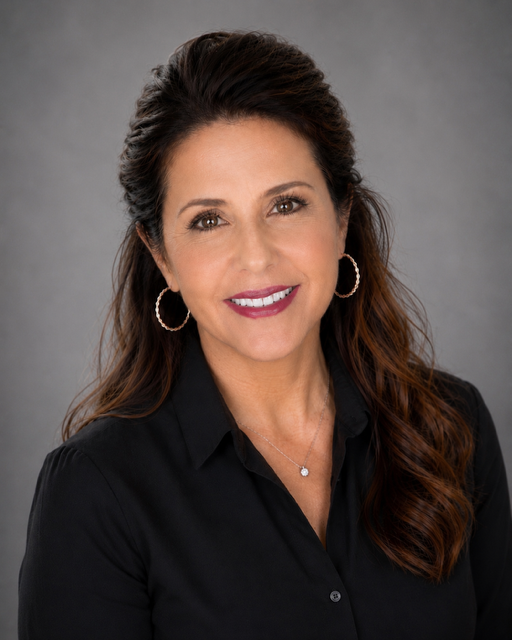
by Denyne Micheletti, CEO


Over the past several weeks, I have written about the importance of being willing to kill our own ideas, having difficult conversations, and recognizing that listening must lead to something meaningful. At our recent joint conference, I was encouraged by the energy, fresh perspectives, and willingness of so many to challenge how we have always done things.


But I want to push that conversation a little further.


What if being bold means questioning not just how we improve California's child care system, but how we fundamentally think about it?


I recently came across an article from Project 2029 titled Child Care Choice Guarantee, which explores a fundamentally different approach to supporting families.


The proposal raises an interesting question: What if every family had access to publicly funded child care or financial support to make the caregiving arrangement that works best for them possible?


The concept recognizes something our field has understood for decades: Families are not all the same, and neither are their child care needs.


Some families need full-time care. Others need evenings, weekends, or overnight care. Some prefer a child care center, others a family child care home, and still others rely on relatives or trusted caregivers. Some parents would prefer to care for their own children during their earliest years but simply cannot afford to do so.


The proposal includes access to publicly funded child care across a variety of settings, financial support for families choosing other caregiving arrangements, investments in child care supply, and recognition of the importance of compensating the workforce.


There are certainly questions to explore about cost, implementation, equity, accountability, and how such an approach would interact with existing programs. But that is precisely why these ideas deserve conversation.


We do not have to agree with every element of a proposal to recognize that it challenges us to think differently.

California has spent decades building an extensive network of community-based programs, Alternative Payment Programs, Resource and Referral agencies, family child care providers, centers, and other early learning partners.


We have tremendous expertise and infrastructure already in place.


Yet we continue to operate within a system of separate funding streams, different eligibility requirements, administrative complexities, and program structures that too often require families and providers to adapt to the system rather than the system adapting to them.


We spend considerable time discussing how to make these structures work better. Those conversations matter. But perhaps we also need to ask whether we are spending too much time preserving structures that no longer reflect what families need.


What would it look like if we started with a few fundamental principles?

  • Families should have meaningful choices about who cares for their children.
  • Public investments should support families across the diverse settings and schedules in which care is provided.
  • Providers should have the resources and stability necessary to deliver quality care.
  • Accessing child care assistance should be simple, coordinated, and responsive.
  • Existing community-based infrastructure should be strengthened, resourced and leveraged rather than unnecessarily duplicated.


Imagine what California could accomplish if we organized our systems around those principles.


Imagine if our No Wrong Door approach became a reality for every family. Imagine if we invested in the infrastructure needed to support true parental choice, including nontraditional-hour care, family child care, and underserved communities. Imagine if we simplified eligibility, aligned administrative requirements, and redirected resources currently consumed by unnecessary complexity toward serving more families.


And imagine if we were willing to consider ideas that do not fit neatly within our existing program definitions.


This is not a suggestion that we abandon what we have built. Quite the opposite. California's community-based infrastructure provides a strong foundation upon which to build something more responsive, more efficient, and more accessible.


Nor does being bold mean ignoring fiscal realities or the importance of protecting families and providers who depend on existing programs. Any meaningful transformation must be thoughtful, financially sustainable, and grounded in the experience of those delivering and receiving services.


But fiscal challenges should not become an excuse to stop imagining what is possible.


As we begin shaping our priorities for 2027 and beyond, I hope we will give ourselves permission to think beyond the next budget cycle, the next regulatory change, or the next legislative fix.


What should California's child care system look like ten years from now? What would we build if we were starting with the needs of families rather than the limitations of existing programs? And which of our long-held assumptions might we need to reconsider to get there?


I do not pretend to have all the answers. In fact, I believe our best ideas will come from bringing together people with different perspectives, experiences, and approaches.


But I do know this: Being bold is not simply asking for more funding to do what we have always done. Sometimes it means being willing to rethink what we do, how we do it, and why.


We have spent years working to improve the system we inherited.


Perhaps it is time to give ourselves permission to imagine the system we actually want.


And then have the courage to begin building it.

California's Election Day is November 3rd!

Key Dates

  • October 20-November 3: Same-day (aka Conditional Voter) registration available.
  • November 3: Election Day. Vote-by-mail ballots must be postmarked by this date to be counted.
  • November 10: All vote-by-mail ballots must be received
  • December 11: The Secretary of State finalizes all election outcomes by releasing the Statement of the Vote.


Know your Propositions!

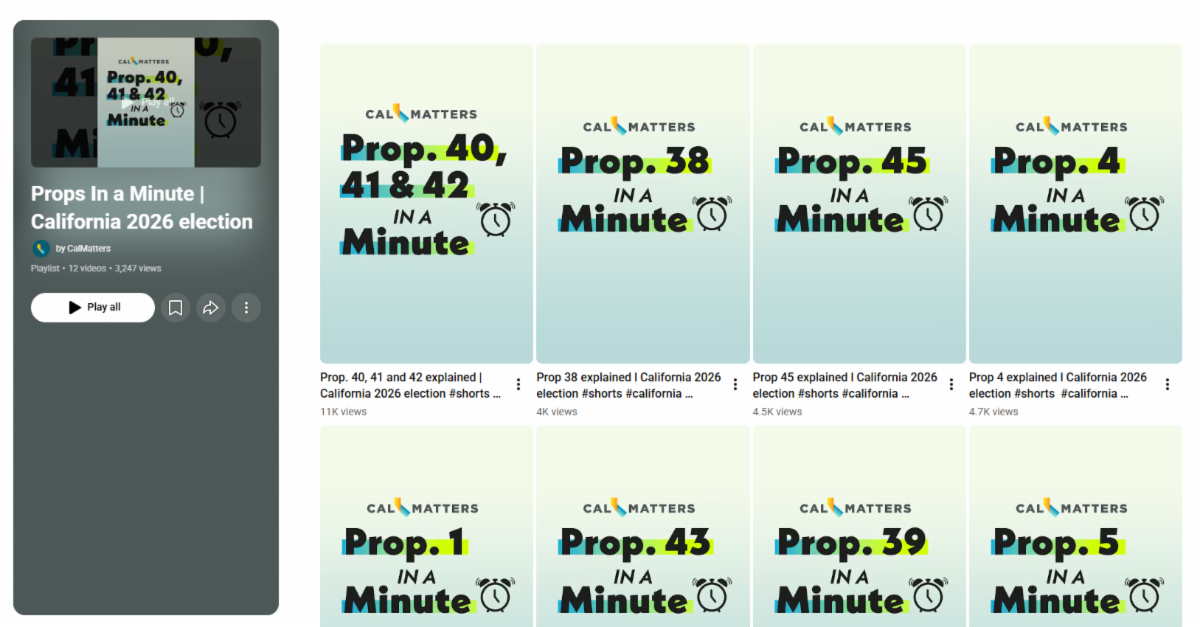
CalMatters has a video series on this year's statewide ballot propositions . Watch now to be informed.

TFC sent a survey to each candidate registered with the Secretary of State to participate in the upcoming November election. The survey seeks to understand candidates’ priorities, their understanding of the challenges facing working families, and the policies they would advance to strengthen California’s child care and family-support systems.


Each week, we will feature some responses we received. Featuring a candidate’s response to the survey does not constitute an endorsement of, or support for, that candidate by Thriving Families CA (TFC) Foundation.

Question: If elected, what is one significant policy or systemic change you would champion to help California’s working families achieve greater economic stability? Please identify how the authority of the statewide office you are seeking could be used to advance that change.

Mark DeSaulnier


Candidate for: US House CA District 10

(Alameda and Contra Costa Counties)


Running Against: Jeff Frese (R)


"I would fight to protect child care, Head Start, nutrition, health care, and housing funding first, since these are the programs working families depend on most. I would oppose block grants that give states discretion to cut services, and work to maintain federal funding floors that protect eligibility and access regardless of economic conditions. Vulnerable families should not feel the effects of these cuts first."

Do you want to read the responses of each candidate who participated?

The Child Care and Development Fund:

Advancing Parental Choice, Employment, and Economic Self-Sufficiency


From the Urban Institute: 


This brief highlights 25 years of Urban research that has demonstrated the critical role CCDF policies and practices can play, not only in helping parents work and attend school while keeping their children safe but also in supporting parental choice by helping parents access a range of caregivers, setting provider payment levels and policies that encourage provider participation, and establishing family-friendly policies that stabilize the lives of children and families.


The Child Care and Development Fund (CCDF), also known as the Child Care and Development Block Grant, is the federal–state flagship program that provides child care assistance to families with low incomes who need to work. In 2023, it supported 994,000 US families so parents could afford to work or attend school and helped 1.6 million children receive the care they need to stay safe and support their healthy development.


Understanding the Evolution of Subsidized Child Care in California

From the Public Policy Institute of California

Increased public funding has more than doubled the number of young children in subsidized care over the past decade. While not all of California’s low- and moderate-income families can access this care, our findings point to a shift toward serving younger children, children being served more stably, and a continued focus on the lowest-income families.

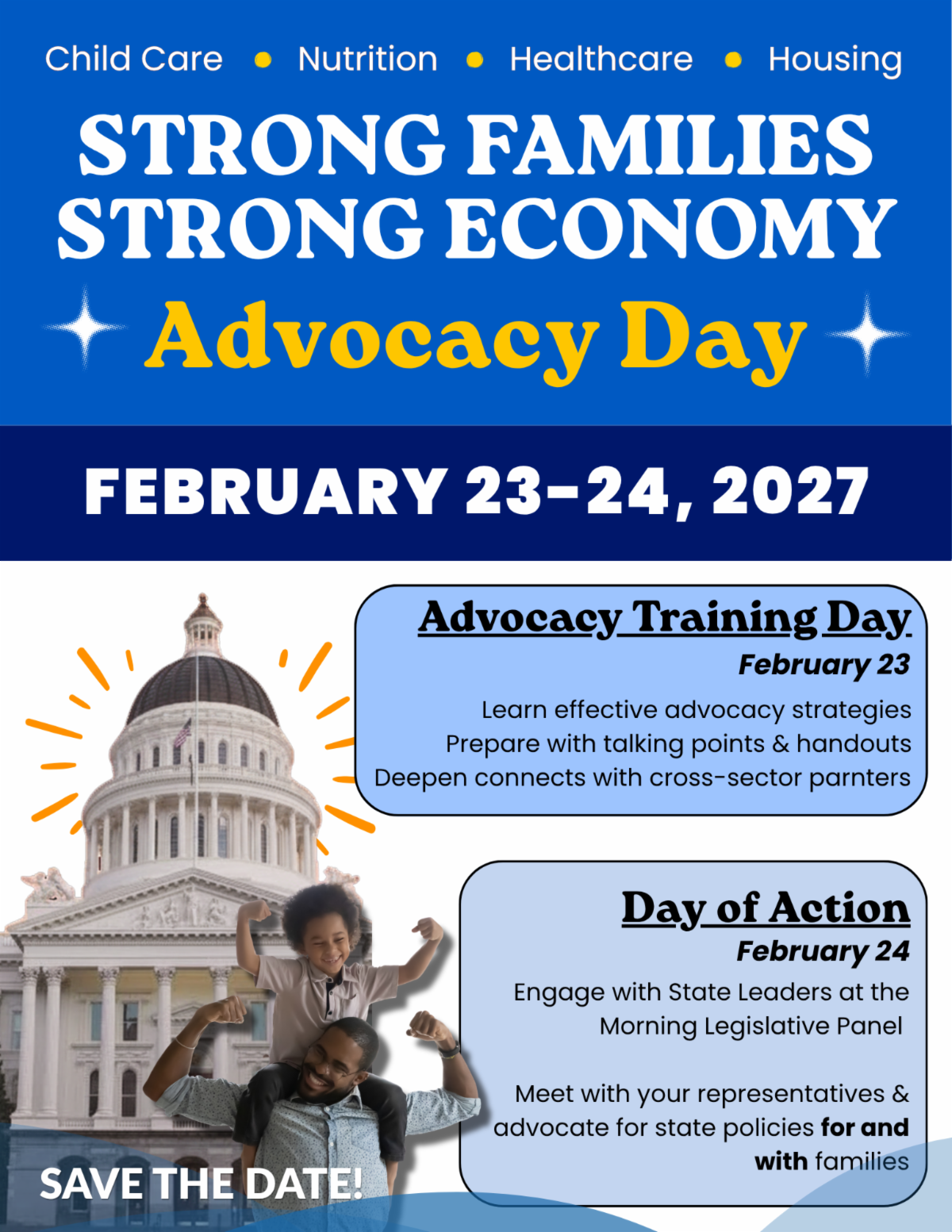
"Strong Families, Strong Economy" Advocacy Day

Save the Dates!


Did you miss a child care licensing webinar?

Rewatch previous webinars with translations into multiple languages here.

California Department Office of Education


FY 2027–28 Continued Funding Application Instructional Webinar

The EED will host an instructional webinar for CSPP and CPKS contractors regarding MB 26-10 and the FY 2027–28 CFA on November 3, 2026. The purpose of this webinar is to provide an overview of the CFA process, highlight changes and reminders for this year's application, and answer frequently asked question. Advance registration is required.


Date: November 3, 2026

Time: 10 -11 a.m. Pacific Daylight Time (PDT)

Register for the November 3 Webinar

Upcoming Events

California's 2027 Alternative Methodology Cost of Care —Virtual Overview & Timeline


Date: Monday, November 2nd, 2026

Time: 11:00 AM - 12:30 PM PST

Location: Zoom Webinar

Register Now


Participants will:

  • Learn about the history of California's cost of care study development and how it fits into the broader rate-setting process
  • Understand the purpose and scope of the current cost study, including preliminary data collection approaches across subsidized early learning providers of multiple types
  • Review the timeline and key activities for this upcoming round of cost of care model development
  • Have the opportunity to provide feedback on key cost model components


CCDD Community Call
October 26, 2026 @ 10:30 a.m.

Register for the meeting.


During the webinar, we will be joined by:  

  • Nancy Thang, the director of Little Foot Academy Daycare, based in San Jose, who will showcase her family child care program. 
  • Katharine Simon, Assistant Professor at UC Irvine and Assistant Director of Research in Pediatric Sleep at Rady Children’s Health Orange County, who will share her research about the importance of sleep in early childhood. 
  • Deborah Greenwald, from WestEd, who will provide an overview of the recently published California Guidelines for Child Care in Home Settings.


CDSS will also feature an overview of the safe sleep regulations for child care licensing and 2026-27 budget and legislative updates.


CACFP—Stay Connected Quarterly Webinar

October 28, 2026 @ 2:00 p.m.

Register Here


This webinar will focus on the theme of Preparing for a Successful Program Year! We will hear from CACFP Branch staff from across our program teams in the Nutrition Education and Training Section (NETS), Operator Support Sections (OSS), and Program Integrity Unit (PIU).


2028-30 CCDF State Plan Input Sessions

Save the date for the upcoming 2028-2030 Child Care and Development Fund (CCDF) State Plan input sessions.  The goal of these sessions is to gather regional community input from our partners on various topical sections of the 2028-2030 CCDF State Plan.

  • Thursday, November 19, 10:00 am - 12:30 pm (virtual) Early Childhood Policy Council (ECPC) Meeting. Register here.


2026 Program for Infant/Toddler Care Academy for Program Directors – Applications Open!


The Program for Infant/Toddler Care (PITC) Academy for Program Directors is a virtual event for infant/toddler program leaders that builds awareness and supports the utilization of new materials developed as part of the California Early Learning and Development System. The Academy for Program Directors is presented by the PITC, a collaboration between the California Department of Social Services and WestEd.


Event Dates:

Tuesday, November 10, 2026

Thursday, November 12, 2026

Tuesday, November 17, 2026

Thursday, November 19, 2026

All sessions are held from 1:00 to 3:00 p.m.


Applications close on October 15 so apply today!


Please visit PITC for more information and for questions, contact PITCEvents@wested.org.

NEW! CDE Management Bulletin 26-09: California State Preschool Program Funding Opportunities: Voluntary Temporary Transfers

Released October 19, 2026


CDSS PIN 26-13-CCLD: (Supersedes in Part PIN 21-06-CCLD) Update to the Frequently Asked Questions (FAQ) for Communication With Complainants

Released October 14, 2026


CDSS Child Care Bulletin (CCB) 26-24: Fiscal Year 2026-27 California Alternative Payment Program (CAPP) Slots Allocations

Released October 14, 2026


CDSS Child Care Bulletin (CCB) 26-23: Alternative Payment Program Administrative Support Allocation.

Released October 2, 2026


CDE CAPSDAC Update #11 - Announces the temporary pause in monthly certification requirements, late notifications, and withholds during the transition to CAPSDAC 2.0, while emphasizing the continued requirement for agencies to submit accurate monthly enrollment data.

Released October 9, 2026


CDE Management Bulletin 26–10 - Fiscal Year 2027-28 Continued Funding Application information, forms, and instructions for California State Preschool Program contractors.

Released October 8, 2026

Q: How are California’s new subsidized child care slots being allocated?


A: California’s 2026–27 budget includes funding for 20,700 new voucher-based child care slots through the California Alternative Payment Program (CAPP), beginning October 1, 2026, and 2,070 new center-based slots beginning April 1, 2027. The state notified contractors of their new allocations on October 1.


However, the budget also backfills a reduction in federal funding, meaning the net increase in funded child care slots is smaller than the 20,700 new voucher slots announced. Contractors must wait for the California Department of Social Services to release additional guidance on implementation and funding.

Provider Training Requirements: What Applies Now and What Changes in 2027


California's 2026 budget legislation changed training requirements for licensed child care providers. AB 190, the Early Care and Education budget trailer bill, amended Health & Safety Code §1596.866 and temporarily rolled back some of the broader requirements enacted in June through AB 150.


Now through September 30, 2027: At least one director or teacher at each child care center, and each family child care home licensee who provides care, must complete 15 hours of Health & Safety Training (pediatric First Aid, CPR, preventive health practices, and nutrition training when applicable).


Beginning October 1, 2027:

  • The 15-hour requirement expands to all staff who provide care at centers and family child care homes, each family child care home licensee, and substitute adults in family child care homes.
  • These same individuals must also complete 12 hours of continuing education every year. This is in addition to the 15-hour Health & Safety Training.


CDSS has released PIN 26-11-CCP with implementation information and will issue more guidance in the coming weeks.


Read the full Q&A, including the annual training topics and why requirements changed during the budget process, on our Provider Information website page.

US Congress Update


The US Senate and House are on recess. Both chambers are scheduled to return to the Capitol on Monday, November 9, to begin a five-week lame-duck session.


Republicans face an absolutely jam-packed lame-duck period, made all the more high-stakes by whether they lose one or both chambers in just under two weeks. On the to-do list are the small matter of funding the entire government, tackling the debt ceiling, the must-pass defense authorization bill—plus the growing wish list of permitting reform, a surveillance renewal, and the third reconciliation push. “I think our appetite’s definitely going to be bigger than what our stomach can hold on this one,” one Senate aide said. More: Republicans Have Big Post-Election Plans — And Big Fears About What's Doable - The Washington Sun 


We continue to urge Congress to invest more than the $10 million increase in CCDBG and Head Start that the House proposed for FY27. More: House Republican 2027 Funding Bills Fall Far Short of What Is Needed to Help Families, Support Core Services | Center on Budget and Policy Priorities.


Reps. Correa and Smith Introduce Bipartisan Bright Beginnings Act to Expand Childcare for Children With Developmental Disabilities

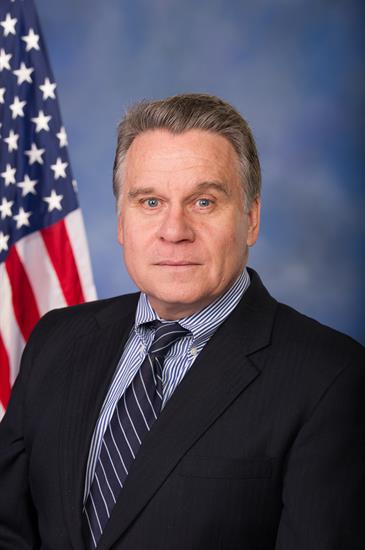
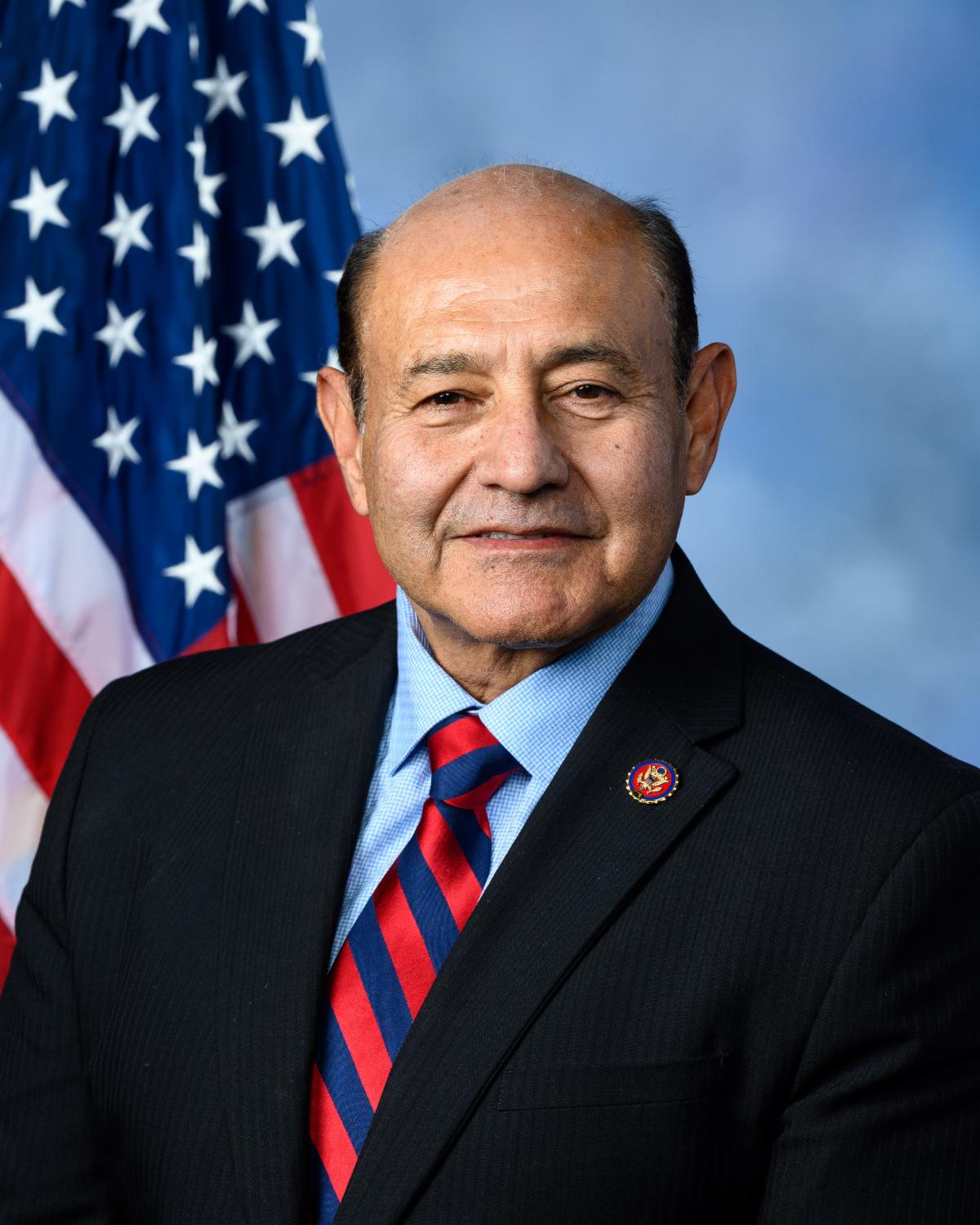
Representatives Lou Correa (D-CA) and Chris Smith (R-NJ) introduced the Bright Beginnings Act, bipartisan legislation that would establish a federal tax credit of up to $10,000 per year for childcare centers and providers to purchase the equipment needed to serve children with developmental disabilities.

The Bright Beginnings Act encourages childcare centers to invest in specialized equipment and create environments where children can grow and engage in the ways that best suit them. Specifically, the bill:

  • Establishes a federal tax credit of up to $10,000 per year for eligible providers
  • Covers qualifying expenditures for equipment that accommodates children with developmental disabilities
  • Expands access to specialized care for families who are struggling to find it.

Read more on the new bill.

“Parents of children with disabilities go above and beyond to provide for their children, while often shouldering additional economic burdens associated with costs of care. Too often these families are forced between taking care of a loved one and earning a paycheck. The Bright Beginnings tax credit would assist eligible childcare centers and enable them to meet the costs of providing safe and appropriate services for children with disabilities, and peace of mind for their parents who need to work to support them," said Rep. Smith.

“Every child deserves a safe, supportive place to learn and grow, and every parent deserves peace of mind while they work. The Bright Beginnings Act helps childcare providers get the tools they need to welcome children with developmental disabilities, and helps families stay in the workforce without sacrificing their child's care,” said Rep. Correa.

In Case You Missed It!

Proposed Federal Changes to Census 2030

Courtesy of the California Budget and Policy Center


"The U.S. Department of Commerce and the Census Bureau published on September 10 a proposed rule that would make significant changes to how the 2030 Decennial Census counts people and collects demographic data.


While the plan faces likely legal challenges, such changes would: affect the population numbers used to determine each state's share of representatives in Congress and votes in the Electoral College, redraw maps of voting districts for all levels of government, and affect federal funding for public services."


What You Can Do

From the National Council of Nonprofits

Local, state, and national organizations are invited to sign a national letter urging Congress to permanently block sweeping proposed changes to federal grantmaking that would harm nonprofits and the communities they serve. 


If implemented, the proposal would create significant financial risk and instability for federal grantees, making it more difficult to provide vital services to communities.


Sign onto a national letter opposing the proposed changes by filling out the form by November 11!


Sign on by filling out this form.

Read the National Sign On Letter to Congress here.


Most Viewed Bills of the Week

  1. H.R.6509 [119th] SAFE Drugs Act of 2025
  2. S.2296 [119th] National Defense Authorization Act for Fiscal Year 2026
  3. H.R.1 [119th] An act to provide for reconciliation pursuant to title II of H. Con. Res. 14
  4. H.R.4818 [118th] Treat and Reduce Obesity Act of 2023
  5. S.3516 [118th] A bill to impose a fee on certain remittance transfers to fund border security.
  6. H.R.139 [119th] Sunshine Protection Act of 2025
  7. H.R.5269 [119th] RESULTS Act
  8. S.596 [117th] Treat and Reduce Obesity Act of 2021
  9. S.4668 [119th] Protect College Sports Act of 2026
  10. S.5653 [119th] Bipartisan American Affordability and Jobs Act of 2026

On Our Reading List

In Rural Communities, Head Start Is Often the Only Licensed Child Care Option

In rural areas, Head Start provides an indispensable lifeline for families who lack access to any other licensed early learning or child care options.

Reports:

NEW! Understanding the Evolution of Subsidized Child Care in California


NEW! The Child Care and Development Fund: Advancing Parental Choice, Employment, and Economic Self-Sufficiency


Breakdown of Child Care & State Preschool in the 2026-27 State Budget

The Legislative Analyst’s Office (LAO) has released its latest analysis of California’s 2026–27 child care and State Preschool spending plan.


The 2026-27 California Spending Plan: Proposition 98 and K-12 Education

The Legislative Analyst’s Office (LAO) has released its latest analysis of California’s 2026–27 Prop 98 spending plan.


Articles:


It’s not just gas and groceries. Childcare costs weigh on some voters before the midterm elections


Childcare costs too much. How are California's leaders going to fix it?

Social Media Spotlight

Happening This Week, October 26th-30th


Monday, October 26th:


Tuesday, October 27th:


Wednesday, October 28th:


Friday, October 30th:


Have an event to add? Email thriving@thrivingfamilies-ca.org.


Visit the TFC Master Calendar to find upcoming TFC meetings, partner events, trainings, conferences, and other opportunities in one place.

The Weekly Good

An uplifting way to start the week, for those of us who need a break from the chaos that is our lives.


Each week we will celebrate everyday heroes, inspiring movements and great things happening in our field. 

Quick Links


October 2026 Monday Morning Update Sponsor
Kindersystems

Members in Action

How CAPK's Food Bank Distributes Up to 2 Million Pounds of Food a Month


Community Action Partnership of Kern (CAPK) works across Kern County to address poverty and strengthen communities through direct services and partnerships. CAPK's Food Bank works through a network of more than 150 partner sites to address food insecurity throughout the region. Each month, the program distributes approximately 1.5 to 2 million pounds of food and assists an average of 158,000 people.


Click here to watch the interview on our website!

The Thriving Families CA (TFC) Foundation is dedicated to strengthening families via connections to child care and other essential services that are critical to breaking the cycle of poverty and achieving economic self-sufficiency. Our community-based programs and services are located in each of California’s 58 counties and are uniquely positioned to address the complex and evolving needs of underserved and marginalized populations. Every day, our membership verifies and provides subsidies for tens of thousands of impoverished working families to access child care needed to support employment and a robust workforce, as well as comprehensive wraparound supports—including food security, stable housing, transportation, mental health services, domestic violence intervention, home visiting, health care access, legal assistance, and immigration support. Learn more about our network of 70+ public and private community-based organizations here.

TFC Member Only Benefits


Not a member?

Find out how to join today!

TFC Weekly Member Connections via Zoom:

Our commitment to you is to have scheduled at least once per week a call wherein we can all connect. As questions arise, forward them to TFC so that we can address them on these calls. Look for a weekly email to register. Recording and Q&A will also be posted on the Member's Only page. 

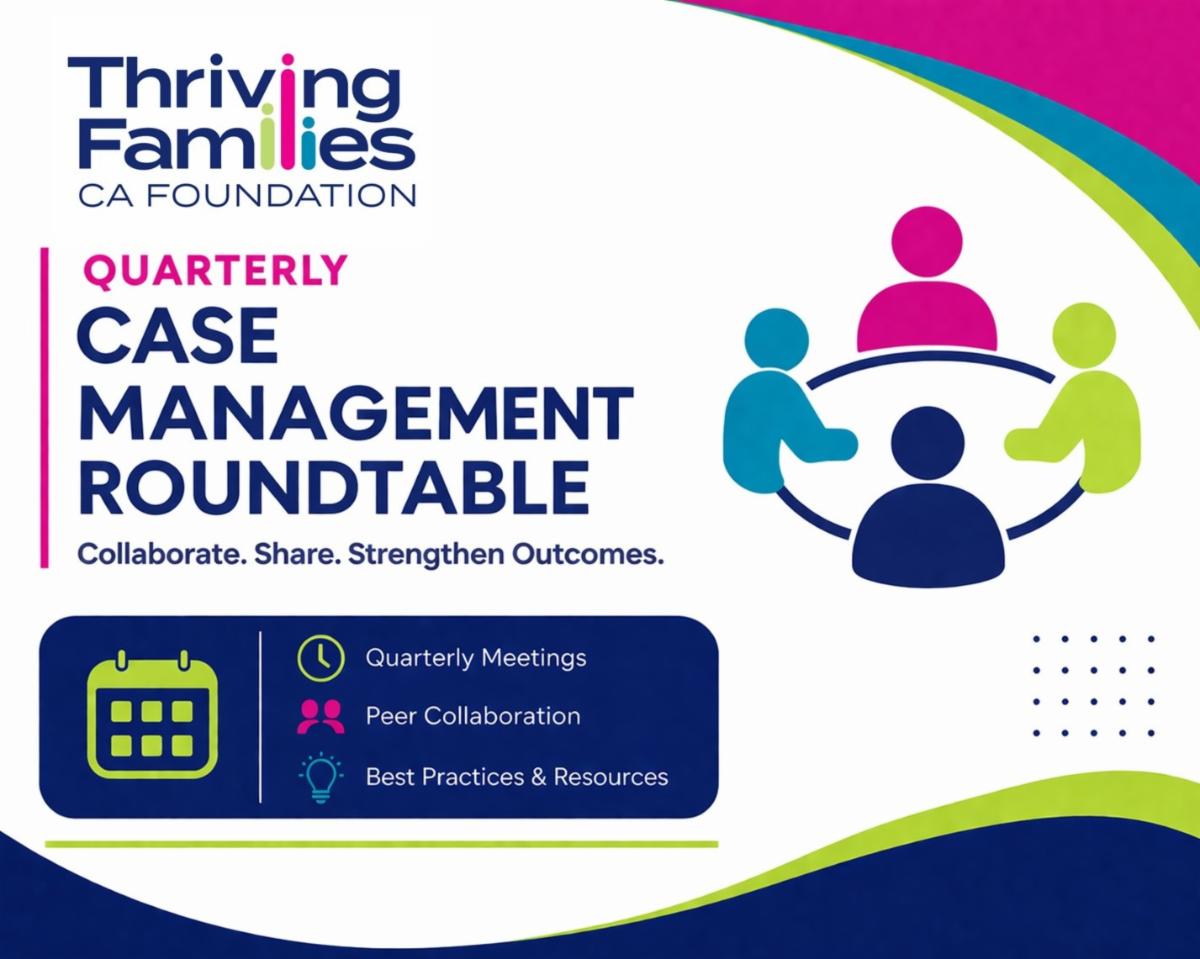
We’re excited to introduce a new member benefit designed to support connection, learning, and shared success across our network—our Quarterly Case Management Roundtable.


This interactive series brings together professionals from across the field (via Zoom) to engage in meaningful conversations, exchange ideas, and strengthen practices that support families and communities.


Email for more information and registration.

Job Descriptions and Salary Information


TFC has collected more than 85 job descriptions from member agencies that you can view and use when you create your agency's next job posting!


Visit the Member's Only website to view today!


TFC's 2026-27 Board of Directors

PRESIDENT

Rev. Gina Fromer, Ph.D.

GLIDE


VICE PRESIDENT

Michelle Graham

Children's Resource & Referral of Santa Barbara County 


SECRETARY

LaVera Smith

Supportive Services, Inc. Fresno


TREASURER

Beth Chiaro

Child Care Resource Center


PAST PRESIDENT

Rick Richardson

Child Development Associates


PUBLIC POLICY CO-CHAIR

Phillip Warner

Children's Council of San Francisco


PUBLIC POLICY CO-CHAIR & MEMBERSHIP CHAIR

Adonai Mack

Child Action, Inc.


MEMBERS AT LARGE

Mona Shirk
Hively 


Jeanne Fridolfs

Napa County Office of Education


Joie Owen

Valley Oak Children's Services


Karen Marlatt

Valley Oak Children's Services 


Jessica Kranz

Go Kids, Inc.


Mike Michelon
Siskiyou Child Care Council


Daniel Johnson 

Davis Street Community Center


Denyne Micheletti

TFC CEO


The representation of the TFC Foundation board spreads across all agency types and sizes, and represents voices from nearly every region in California.

Click Here to see.

DSS & CDE Updates


September 29, 2026:

CCB 26-24: Fiscal Year 2026-27 California Alternative Payment Program (CAPP) Slots Allocations


September 22, 2026:
CCB 26-22:
Cost Of Care Plus Rate Payments To Child Care Providers Pursuant To Assembly Bill 150


September 14, 2026:

CCB 26-21: California Work Opportunity And Responsibility To Kids (CalWORKs) Stage One Child Care Program Monitoring Initiative


September 1, 2026

Management Bulletin 26-08: Implementation of the Attorney General Model Policies for Immigration Enforcement Requirements


September 21, 2026:

County Fiscal Letter 26/27-10E: Errata to the Fiscal Year (FY) 2026-27 Allocation for the Emergency Child Care Bridge Program for Foster Children


September 1, 2026: Management Bulletin 26-08: Implementation of the Attorney General Model Policies for Immigration Enforcement Requirements


August 27, 2026: County Fiscal Letter 26/27-10: Fiscal Year (FY) 2026-27 Allocation for the Emergency Child Care Bridge Program for Foster Children

Job Openings

Is Your Organization Hiring?

Post your job announcement here for thousands to see!

There is no charge for TFC members.


Non-members will be charged a fee of $75.

Please email us your posting!


Associate Manager - Early Childhood Education

Placer COE


Child Care Services Specialist

Community Action Partnership of San Luis Obispo


Bilingual Program Assistant – Case Management

Changing Tides Family Services


Multiple Positions Open
Hively


Community Resource Navigator

Connections for Children


Family and Provider Programs Administrator

CDA San Diego


--Child Care Case Manager & Support Specialist

--Child Care Case Manager

--Teacher Aide

--Primary Care Teacher

--Maintenance/

Facility Technician

Glenn County Office of Education


Multiple Positions Open
4Cs of Sonoma County


Advocacy Manager Catalyst Family Inc.


--Resource and Referral Specialist I

--Clerical Assistant – Front Desk

--Family Services Specialist I

--Provider Services Specialist I

Solano Family & Children's Services


-Finance Director

-Center Director at Roosevelt

Davis Street


Family Advocate

YMCA of San Diego County


Pathways LA- Multiple Job Openings

Nutritional Aid, Child Care Provider Training Coordinator, Child Care Case Worker,

Preschool Associate Teacher, Child Care Professional Dev. Coach and Payment Processor

Of Interest

Childcare Providers Begin Receiving Measure C Funds


California’s Persistent Poverty Crisis: 2024 Rates Remain Alarmingly High


Experts Talk Costs and Supply in California’s Child Care


Apprenticeships Aimed at Boosting Child Care Careers Have Been Flourishing


Childcare Costs and the Shifting Economic Landscape: Investment Opportunities in a Post-Pandemic World


Field Happenings and Resources


Recognizing how our agencies continue to engage and communicate with families and providers.


Del Norte Child Care Council September Newsletter


4Cs of Alameda Current Newsletter

Upcoming Valley Oak Children's Service Events


4Cs Sonoma Upcoming Events


Connections for Children Upcoming Events


Hively Upcoming Events

Become a Monday 

Morning Update Partner! 

Our Monday Morning Update supports our Early Learning & Child Care field with timely information about what is going on in California and nationally; as well as dates to be aware and upcoming events. 


Our weekly Monday morning distribution is to nearly 10,000 federal and state local agencies, resource and referrals, contractors, legislators and their staffs', centers, parents, providers, state departments and advocates. 


To help support the continuation of this resource and or advertise in the Monday Morning Update, click HERE.


To advertise in the update, click here.


The Thriving Families CA Foundation is a non-profit organization (501(c)3), Taxpayer Identification Number is 03-0521444. Your generous donation is tax deductible.

Thank You to Our Generous 2024-25 Thriving Families CA Foundation Champions!


Thank you to the following Champions who stepped up in 2024-25, with funding to enhance our ability to serve the field. These agencies have made it possible for TFC to support our field with more tailored support of individual organizations, ability to pay for legal, advocacy and social media supports, enhanced regional trainings, improving data collection, and more.

 
Facebook  Instagram  LinkedIn  X