| |
|
Arizona Attorney General Race Shifts as Roeberg Steps Aside and Candidates Make Their Case
The race for Arizona Attorney General took an unexpected turn this week as Greg Roeberg announced he is stepping out of the contest. Rather than continuing his campaign, Roeberg stated he plans to work directly with party activists as an attorney, focusing on election integrity efforts and legal challenges involving the current Secretary of State. His decision reshapes the field and puts greater attention on the remaining candidates vying for one of the most important legal positions in the state.
On Saturday, February 21st, I attended a Republican Club meeting, where several high-profile leaders addressed attendees, including Abe Hamadeh, Andy Biggs, Debbie Lesko, Kevin Sartor, and Warren Petersen. The room was engaged, the energy was high, and the focus was clear—Arizona’s future leadership matters.
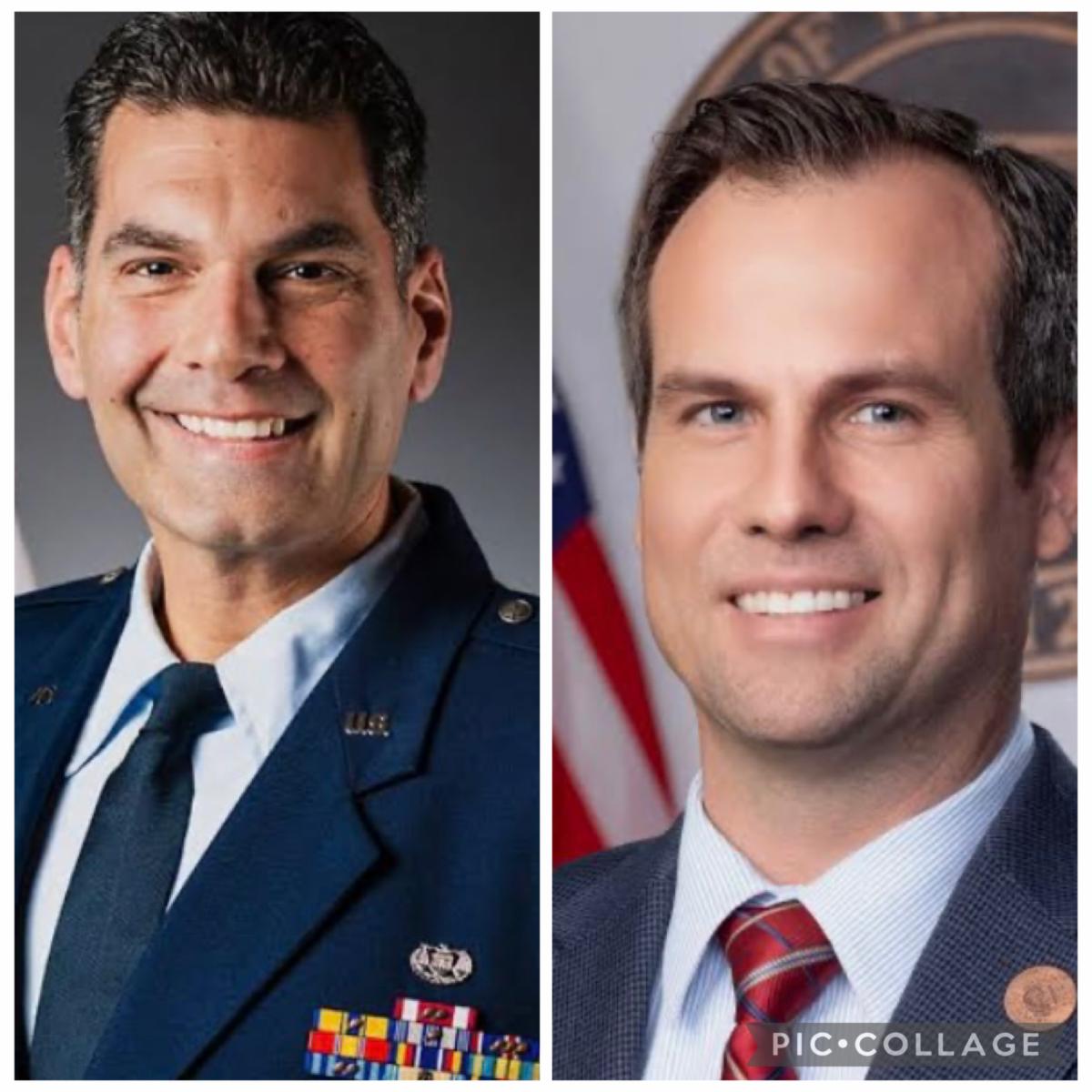
It is no secret that I strongly support Rodney Glassman for Attorney General. My support is rooted in one key factor: experience. Glassman has served our country as a JAG officer and built a career in private legal practice. He understands the responsibility of the role and what it means to represent the people of Arizona. The Attorney General does not work for the governor or the legislature—the AG works for the voters and must be prepared to stand up to government overreach when necessary. Petersen is a part of government, so I am not sure he would be quick to stand up for the people in every situation.
During the event, I found some of the messaging from Warren Petersen concerning. While campaigns naturally highlight a candidate’s strengths, it is important that voters clearly understand the difference between being a plaintiff in a case and serving as legal counsel. In several examples shared, Petersen described involvement in legal actions that could leave voters with the impression he was acting as the attorney, when in reality he was often a plaintiff. That distinction matters.
It is also important for voters to understand Warren Petersen’s actual legal experience. Petersen passed the bar just two years ago and does not carry errors and omissions (E&O) insurance, which strongly suggests he is not actively practicing law. I do not believe he has ever been paid by a client to represent them, nor has he ever tried a case in court. That means his references to depositions and visits to the Supreme Court were not in the capacity of a practicing attorney. While involvement in legal matters as a plaintiff is certainly valid, it is not the same as serving as legal counsel. The distinction is critical when evaluating who is qualified to serve as Arizona’s Attorney General.
The Attorney General is the one asking the questions in depositions, building cases, and representing the state in court. Arizona needs a proven litigator—someone with hands-on courtroom experience—not someone relying on messaging that blurs those lines.
As this race continues to evolve, voters should look beyond campaign narratives and focus on qualifications. The stakes are too high to settle for anything less than clarity, experience, and a commitment to truly serving the people of Arizona.
| | | | |
|
What Really Happened at the February 18 Maricopa County Board of Supervisors Meeting
You cannot fully understand what happened at the February 18 Maricopa County Board of Supervisors meeting without first understanding what occurred two nights earlier at the Republican LD28 meeting on Monday, February 16.
That meeting made one thing clear: a small but vocal group of Republicans—often referred to as “purity test” Republicans—were mobilizing. Their target was not just the Board of Supervisors as a whole, but specifically District 4 Supervisor, Debbie Lesko.
This same faction has a history. Many of them openly supported Don Hiatt over Justin Heap in the 2024 primary and were sharply critical of Heap at the time. Today, however, they portray themselves as Heap’s fiercest defenders—while simultaneously attacking the Board of Supervisors, including three new supervisors who were elected at the same time as Heap.
A Coordinated Atmosphere Before the Board of Supervisor Meeting Even Began
The purpose of the special meeting was to hear clarifying testimony from Recorder Heap and to advance negotiations toward a finalized Shared Services Agreement between his office and the Board. Negotiations have been going on since early 2025 and there have been five emergency hearings before a judge called by Heap during this time.
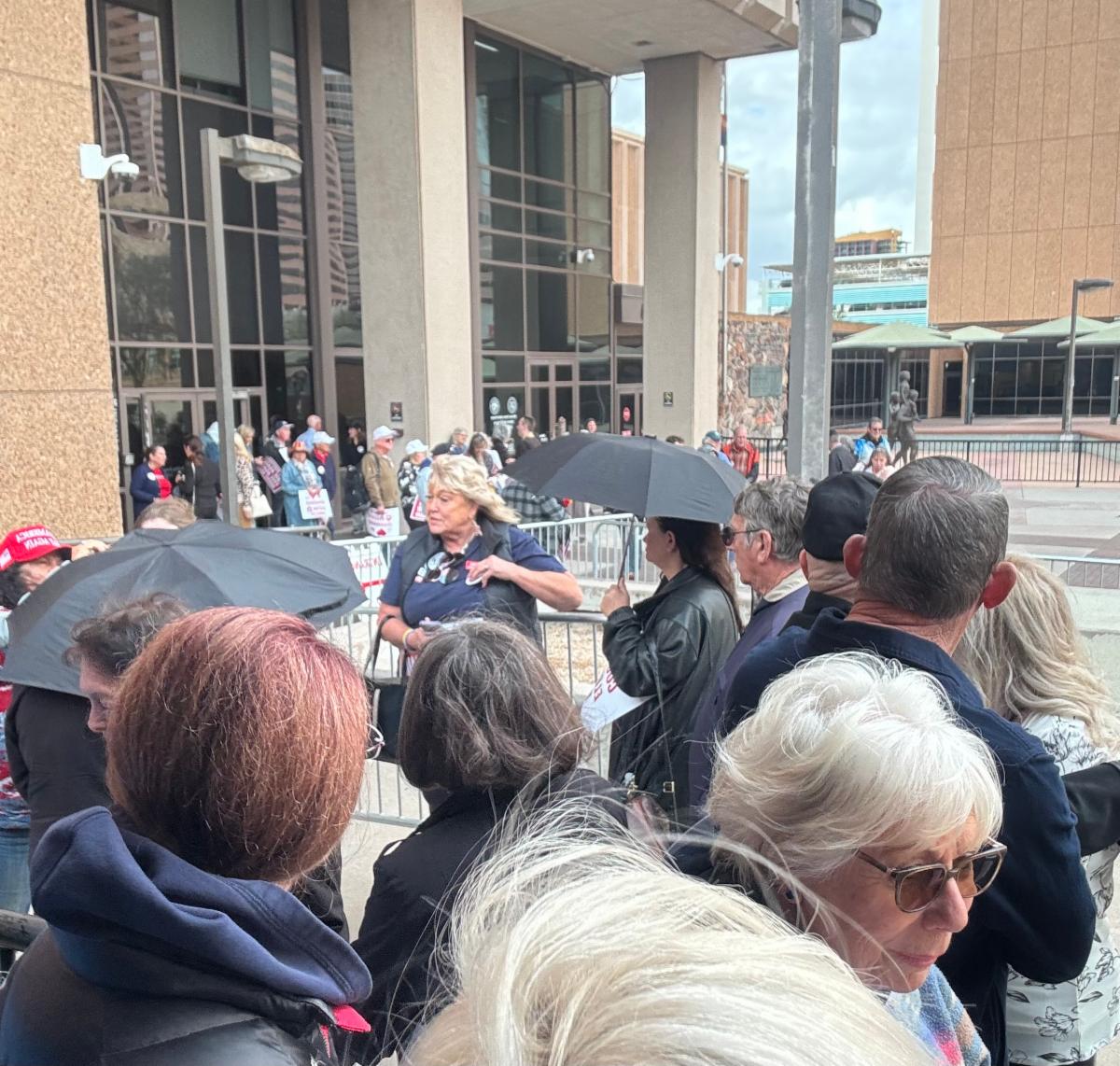
Despite rumors of a formal rally in support of Heap, no organized rally materialized. Instead, while citizens waited in line for the doors to open, Merissa Hamilton Caldwell, whose husband works for the Recorder, began issuing instructions through a bullhorn.
| |
From the sidewalk, false claims were repeated loudly and confidently:
- That Supervisor Lesko was “leading the charge” to remove Heap.
- That the Board intended to vote that day to fire the Recorder.
- That the Board was blocking Heap from using his own signature verification system.
- That supervisors were preventing the Special Election Board from registering new voters.
- That “Debbie and them work for the radical left.”
- That every supervisor should be primaried.
None of these claims were accurate.
In fact, Lesko—along with Mark Stewart and others—had recently toured MCTEC to learn firsthand about the new signature verification process Heap implemented. That context did not penetrate the crowd. The narrative had already been set.
Inside the Chambers: Emotion, Misinformation, and Decorum Issues
Attendees were informed that signs would not be allowed in the chambers—despite signs having already been distributed outside to anyone willing to take one. Tensions were high from the outset.
During the meeting, at least three individuals were removed for violating decorum, underscoring how emotionally charged the room had become.
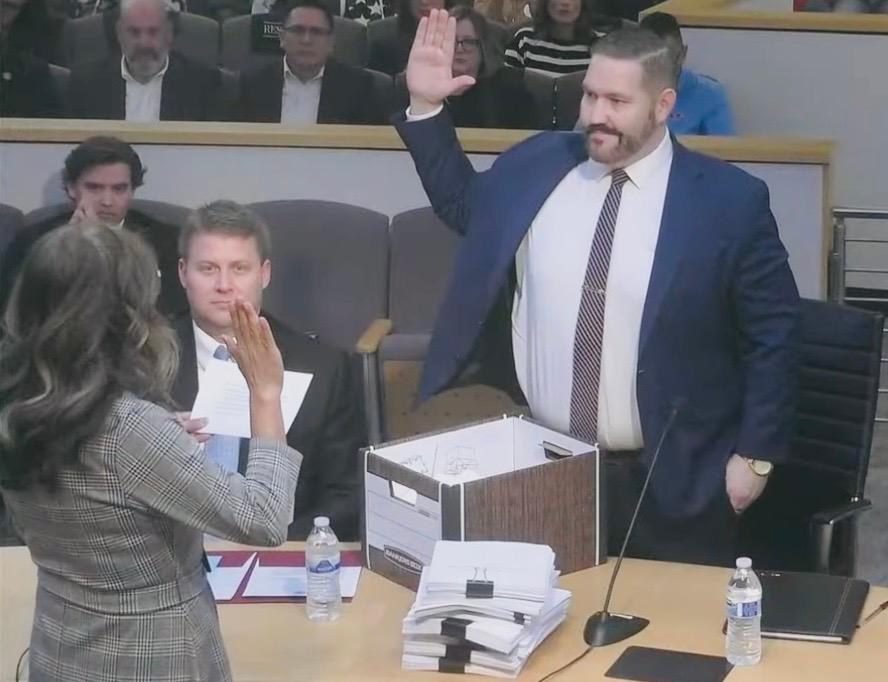
Meanwhile, Recorder Heap answered questions under oath.
What Was Actually Revealed—And What Many Missed
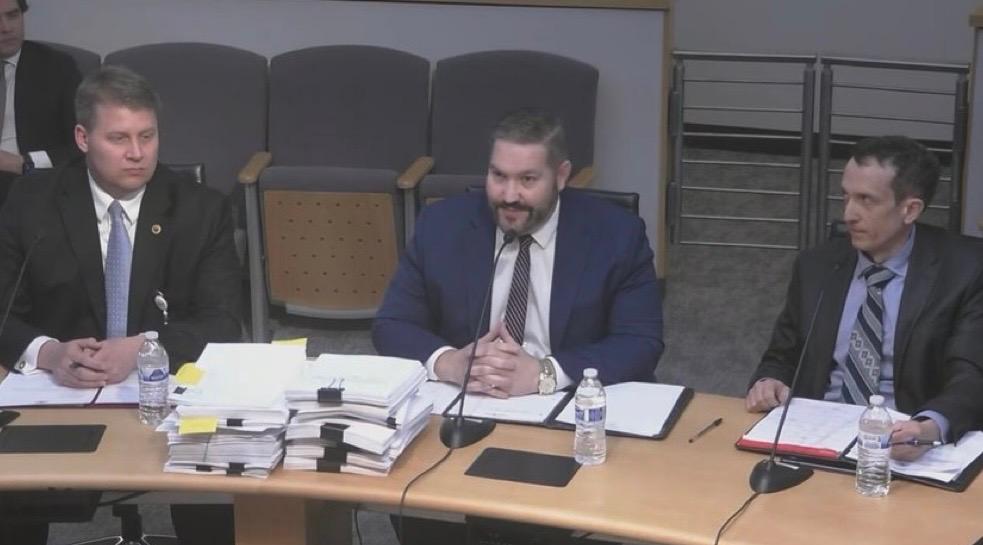
Recorder Justin Heap ultimately appeared before the Board and answered questions under oath, though not without first voicing frustration about being required to provide documents for future Board review. His objections centered on oversight and process, even as the Board emphasized that document review is a standard component of its statutory responsibility to ensure county operations function properly. The exchange underscored the ongoing tension between the Recorder’s office and the Board over transparency and governance.
One of the most consequential moments of the meeting went largely unnoticed by the “2020 was stolen” crowd.
While justifying the need for a $500,000 Agilis machine, Heap inadvertently debunked a long-standing myth about Runbeck Election Services. Heap stated plainly that his office cannot use its system at Runbeck because Runbeck does not have access to Maricopa County’s voter registration database.
This disclosure directly contradicts years of speculation and conspiracy theories—but it was largely ignored by those more interested in confrontation than facts.
Heap also notably did not defend his Chief of Staff, Sam Stone, who either misspoke or lied under oath previously, when he stated that voters were being disenfranchised now. Instead, Heap stated that Stone has retained his own attorney, a detail that raised eyebrows but again received little attention amid the noise.
| | |
What the Board Actually Did
Contrary to the rhetoric outside, the Board did not move to remove the Recorder.
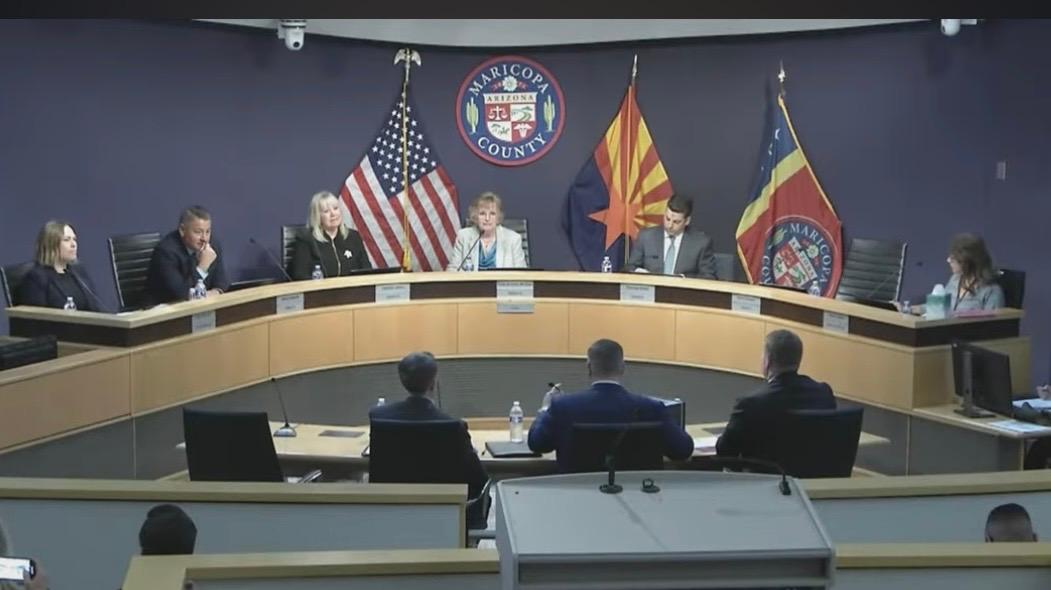
Instead, the Maricopa County Board of Supervisors voted unanimously to approve a resolution outlining the operational language the county will follow in the absence of an agreed-upon Shared Services Agreement.
It is worth noting that this resolution gives the Recorder’s Office more of what Heap is requesting than the agreement that was in place in 2023 prior to the controversial agreement created in the lame duck session in 2024.
This was not a power grab. It was a continuity measure—ensuring elections can function while negotiations continue.
| |
The Bigger Picture
There is a growing distrust among a small segment of Republicans toward any governing body that does not fully align with their worldview—even when facts, process, and new leadership are plainly visible. That distrust now extends to a Board where half its members are relatively new and acting within statutory oversight responsibilities.
What unfolded from a small group of Republicans on February 18 was not about transparency or election integrity. It was about anger seeking a target.
For thosee who value facts over fear and governance over grieance, the meeting told a very different story than the one shouted through a bullhorn outside.
| | | | |
LD28 Meeting Sets the Stage for Hostility Ahead of BOS Special Meeting
On February 16, Republican LD28 held its monthly meeting. What unfolded that evening made it clear that the purpose of the meeting was not routine party business—it was designed to set the tone for the upcoming Special Meeting called by the Maricopa County Board of Supervisors.
Originally, Supervisor Debbie Lesko was scheduled to speak first, followed by Senator Jake Hoffman. Prior to the meeting, both Supervisor Lesko and I had informed the Chair that the upcoming Board of Supervisors Special Meeting would not involve a vote to remove Recorder Justin Heap from office. That fact was clear.
However, the meeting agenda changed.
Congressman Abe Hamadeh, who was not originally listed, was brought in to speak first. He energized the crowd with rhetoric centered around “stolen elections,” setting an emotional tone before Supervisor Lesko even approached the podium.
While the Chair introduced Lesko, a slide was projected on the screen encouraging precinct committeemen to attend a rally for Heap and giving instructions for attending Wednesday’s Board meeting. The Chair stated, “On Wednesday Lesko will be voting to remove Justin Heap from office.”
That statement was false.
To say the crowd was hostile toward Lesko would be an understatement.
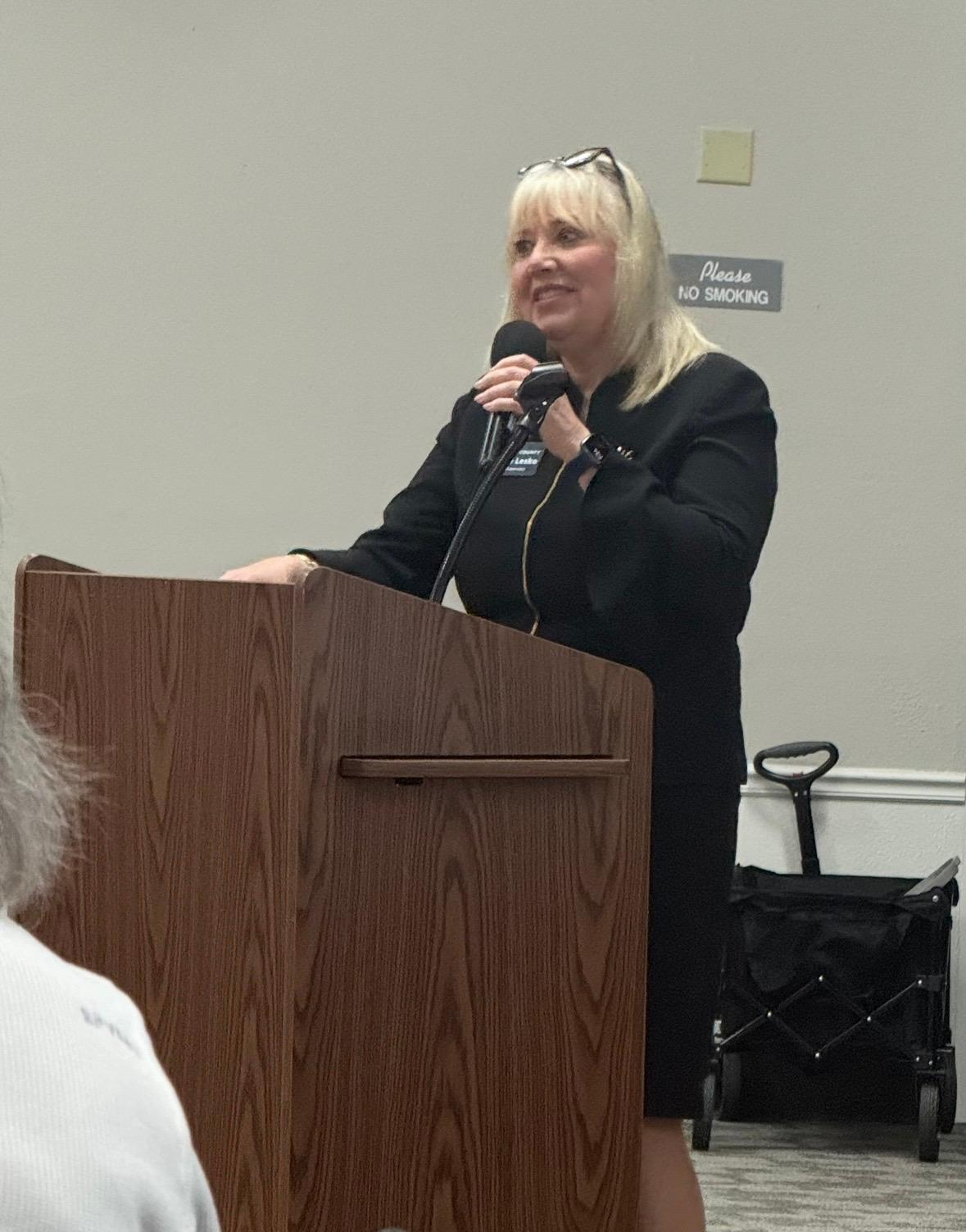
Lesko opened by immediately correcting the misinformation, stating clearly that she would not be voting to remove Heap. She urged the room to lower the temperature and reminded attendees that everything seen on social media is not always accurate.
The questions that followed were not genuine inquiries—they were attacks.
Lesko left the meeting following her presentation.
Senator Jake Hoffman then took the microphone. Rather than correcting the misinformation on socila media, he told the crowd Lesko was “gaslighting” them. He labeled her a “leftist” and reinforced the very claims that had been spreading online earlier that day. PCs were urged to attend the Wednesday BOS meeting and “hold the Supervisors, including Debbie Lesko, accountable.” He called her a disappointment.
The meeting’s tone made one thing clear: the objective was not clarification or collaboration. The objective was anger.
It did not matter that the central claim—that Lesko would be voting to remove Heap—was untrue. What mattered was mobilizing the crowd.
Debbie Lesko has spent much of her life in public service—from school board to the Arizona Legislature, to Congress, and now as a Maricopa County Supervisor. She has represented the West Valley for decades. You do not have to agree with every decision someone makes to treat them with basic respect. It is sad that LD28 does not believe that.
What happened at the LD28 meeting was not about accountability. It was about whipping up emotion. And the intended result was not productive engagement—it was hostility.
Republicans can disagree. They can debate. They can challenge one another. But when misinformation is knowingly used to inflame a room, it damages more than one person—it damages the integrity of the party itself.
| | | | |
|
BNSF is Still Going to Appear Before the BOS in the Future
Last month, I attended the Republican Women of Wickenburg club meeting. One of the featured speakers was Representative Michael Carbone, who represents LD25. Let me say this clearly — I really like Michael Carbone. I have even endorsed him on my website. He is thoughtful, approachable, and engaged.
At the meeting, Representative Carbone spoke about the state budget and the reality that there simply is not enough money to go around — especially with wasteful spending priorities under Governor Hobbs. On that point, I agree with him completely. Budget constraints are real, and transportation infrastructure across the state is feeling the squeeze.
However, when the subject of transportation funding came up, Representative Carbone suggested that BNSF Railway could help fund needed improvements that should have been addressed years ago at the Highway 60 / Loop 303 / 163rd Avenue corridor. The room did not receive that suggestion well.
As many of you know, I led the charge protecting rural Arizona from the proposed BNSF intermodal hub. I also happen to live near the 60/303/163rd corridor and experience those traffic challenges firsthand. So this is not theoretical for me — it is personal.
After the meeting, I scheduled time to sit down with Representative Carbone. And before I go further, let me encourage everyone reading this: communicate with your representatives. Even if they do not represent your district, they may have influence over issues that directly affect your life. Dialogue matters.
During our conversation, I explained my position. Protecting rural Arizona is not optional. We must weigh the real impacts of projects like BNSF — increased traffic congestion, air pollution, strain on infrastructure, and potential impacts to our water table. BNSF holds Type II water rights. That matters. Water in Arizona is not an abstract issue; it is our future.
Representative Carbone believes that the railroad is inevitable — that we cannot beat BNSF, and therefore we should negotiate the best possible deal and extract infrastructure funding where we can. I respectfully disagree.
Rural Arizona is worth fighting for.
History has shown that community pressure can influence outcomes. I expect BNSF to request placement on a county agenda in November or December of this year. They may wait until early 2027, but I doubt they will delay much longer.
We must remain vigilant. We must stand firm. We must fight not just for rural land, but for the roads we travel every day, for clean air, and for access to water.
Growth must be planned. Development must be responsible. And no corporation — no matter how large — should dictate the future of rural Arizona without a fight.
This conversation is not over. Not even close.
| | | | |
|
IN CASE YOU MISSED IT - ICYMI
I am excited to announce a new segment that will appear in each edition of this newsletter. In every issue, I will include links to interesting and important stories you may have missed during the week. With information coming at us from every direction — social media, cable news, local outlets, podcasts, and emails — it is easy for meaningful stories to get buried.
My goal is to help cut through the noise. Whether it’s a local zoning decision, a transportation updatet, national news, or a state policy change that impacts Maricopa County, I want to make sure you have access to the facts. Staying informed is the first step toward effective engagement, and I’m committed to helping you stay ahead of the curve.
| | | | |
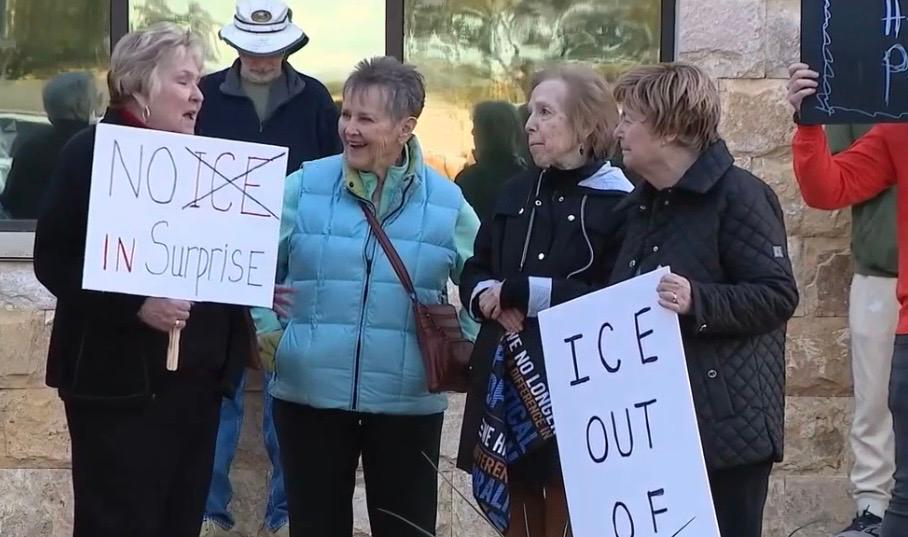
Hundreds Turn Out as Surprise Residents Oppose ICE Detention Center at Feb. 17 City Council Meeting
On February 17, the City of Surprise held a highly charged City Council meeting that drew residents from across the West Valley to voice their concerns about the federal government’s plan to convert a local warehouse into a 1,500-bed Immigration and Customs Enforcement (ICE) detention facility.
The meeting followed weeks of controversy and protest over the Department of Homeland Security’s (DHS) acquisition of a more than 400,000-square-foot warehouse near Sweetwater Avenue and Dysart Road, purchased in late January for roughly $70 million in taxpayer funds. Local officials and residents were not informed in advance of the purchase, fueling frustration and alarm in the community.
Protests Before and During the Meeting
Prior to the council meeting, hundreds of citizens gathered outside Surprise City Hall with signs and chants opposing the planned ICE facility. Once doors opened, the public packed the chambers for what would be a lengthy and emotional public comment period.
During public comment, around 50 residents spoke against the facility, expressing fears about impacts on traffic, local schools, property values, public safety, and the character of Surprise. Only a very small number — three speakers — voiced support for the federal plan, generally focusing on law enforcement needs and national policy.
Many speakers called on the City Council to take stronger action to prevent the detention center from moving forward, arguing that the federal government’s plans would harm the local community and that Surprise should fight for transparency and control.
City Leadership Seeks Answers from Federal Officials
Mayor Kevin Sartor and the City Council acknowledged the strength of the community response and used the meeting to reaffirm their demand for clarity from the federal government. In a letter approved by the Council, Mayor Sartor requested clear information from Department of Homeland Security Secretary Kristi Noem and ICE leadership about the true purpose of the facility, a timeline for any construction, potential impacts on infrastructure and city services, and assurances that Surprise’s voice would be heard.
The City’s letter emphasized that local officials were kept in the dark about the property purchase and that meaningful coordination is essential when federal actions have direct consequences for Surprise’s residents, services, and planning.
Regional and State Leaders Amplify Calls for Transparency
The backlash in Surprise has attracted attention beyond City Hall. Arizona Attorney General Kris Mayes joined bipartisan leaders in sending a letter to Secretary Noem earlier in February, asking detailed questions about the proposed facility’s impacts on schools, traffic, public safety resources, utilities, and more.
Meanwhile, Arizona’s congressional delegation — both Democrats and Republicans — have demanded transparency and coordination from DHS, underscoring that local leaders and residents deserve meaningful engagement when decisions of this magnitude are made.
What Comes Next
As the controversy continues, the Surprise City Council is planning further action, including a trip to Washington, D.C., to press federal officials directly for answers and to advocate on behalf of their community. This trip was planned months ago for other matters but it will now include discussion about this facility.
For many residents in Surprise, Tuesday’s meeting marked another chapter in a growing effort to assert local concerns over federal detention policies — with no signs of the debate slowing down soon.ity of Surprise
| | | | |
|
Kelly Yu Update
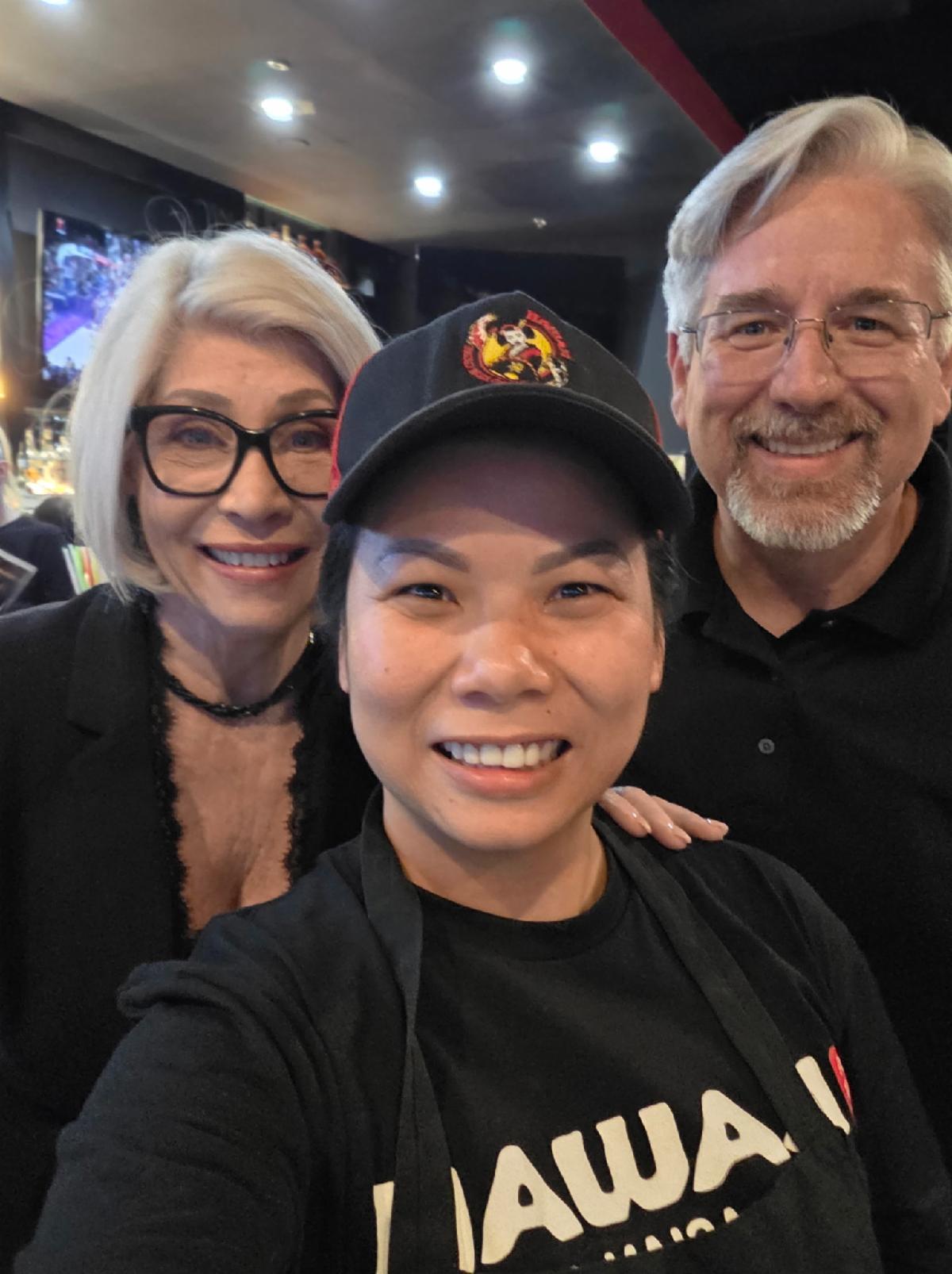
For those of you who have been following Kelly Yu’s journey, there is finally good news to share—Kelly is home. After months of uncertainty, she has been reunited with her family and is back doing what she loves, running her restaurants and serving her community.
If you would like to learn more about her story and what led to this moment, please click the link below.
| | | | |
|
2026: A Critical Election Year—Even Without Trump on the Ballot
It’s easy for voters to lose focus in an election cycle when Donald Trump is not on the ballot. But make no mistake—2026 is one of the most important elections Arizona and the nation will face in a generation.
Republicans must hold the House and Senate at both the federal and state levels. Just as importantly here at home, we must replace Katie Hobbs, Kris Mayes, and Adrian Fontes. These offices directly affect election integrity, public safety, the rule of law, and Arizona’s future. Every vote truly counts.
Know the New Primary Timeline
Arizona’s election calendar has changed, and voters must be ready:
- Primary Election Day: July 21, 2026 (moved up from August)
- Early Voting Begins: June 2, 2026
That’s earlier than many voters expect, which means petitions, endorsements, and donations all matter sooner than ever before.
Choosing Candidates Who Can Win
In the primary, I hope Republicans keep in mind the timeless advice from William F. Buckley Jr.:
“Vote for the most conservative candidate that can win.”
This wisdom matters—especially in Arizona. As we’ve seen time and again, general elections here are decided by Independent voters. That means our primary nominees must not only stand firm on conservative principles, but also be credible, disciplined, and palatable to Independents who ultimately decide close races.
Winning feels good. Governing matters more.
Stay Informed. Stay Engaged.
Being informed is no longer optional—it’s essential. If you’re looking for:
- My endorsements
- Links to sign candidate petitions
- Clean Elections donation information
- An affidavit to remove your name from a petition
👉 Please click the link below to access everything in one place.
Arizona’s future will be shaped in 2026—not by headlines or personalities, but by preparation, participation, and informed voters. Let’s do the work now so we can win when it counts.
| | | | |
|
PATRIOT HAPPY HOUR WITH FELLOW REPUBLICANS!
SEE YOU THIS WEDNESDAY!
Join Us for Another Great Evening!
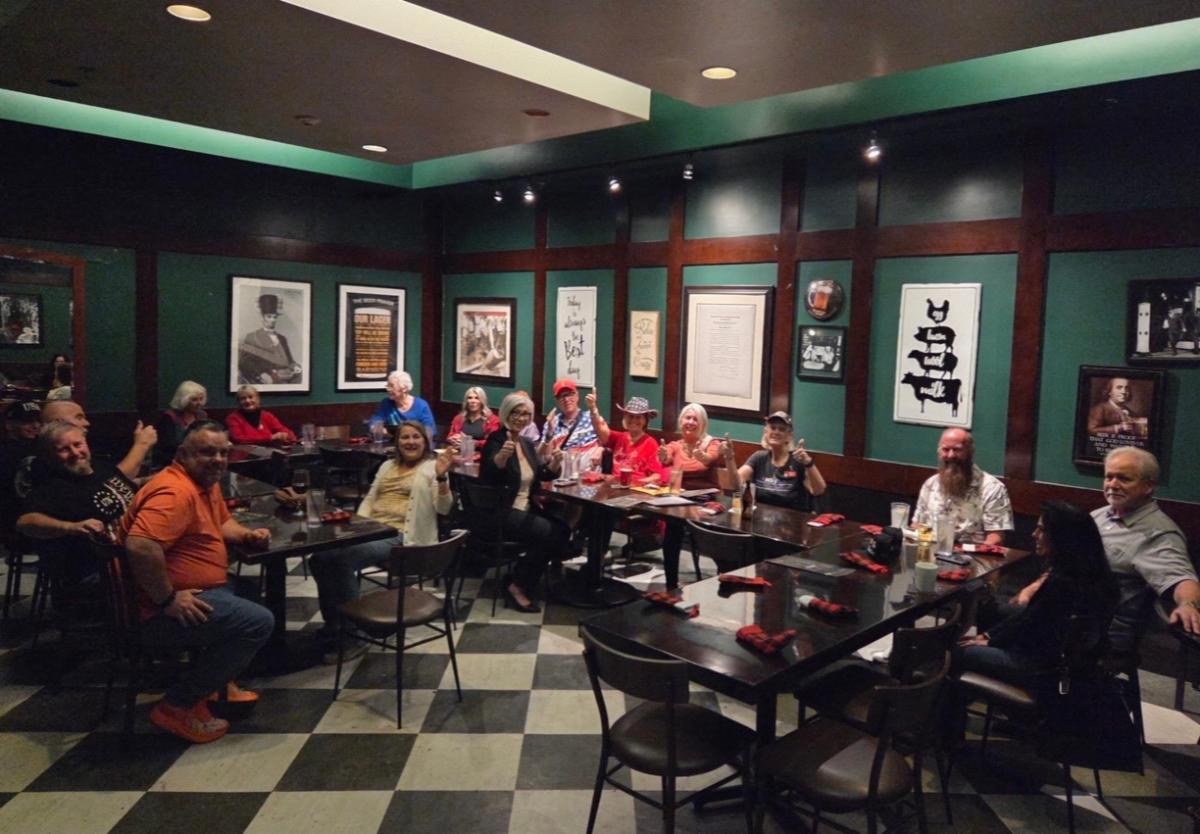
Due to overwhelming demand, we’re bringing back our Patriot Happy Hour at State 48 in Surprise! Last month’s gathering was a fantastic success, with great food, drinks, and, most importantly, meaningful conversations with fellow conservatives. Let’s do it again!
Where: State 48 Brewery - 13823 West Bell Road, Surprise, AZ 85374
When: Wednesday, February 25th
Time: 4:00 PM – 7:00 PM
This is the perfect opportunity to connect with like-minded individuals, get to know fellow PATRIOTS, and strengthen our local Republican community. Whether you're new to politics, or simply want to make new friends everyone is welcome!
Bring a friend and join us for an evening of camaraderie, networking, and fun. Let’s keep the momentum going!
Patriot Happy Hour is always the last Wednesday of the month.
| | | | |
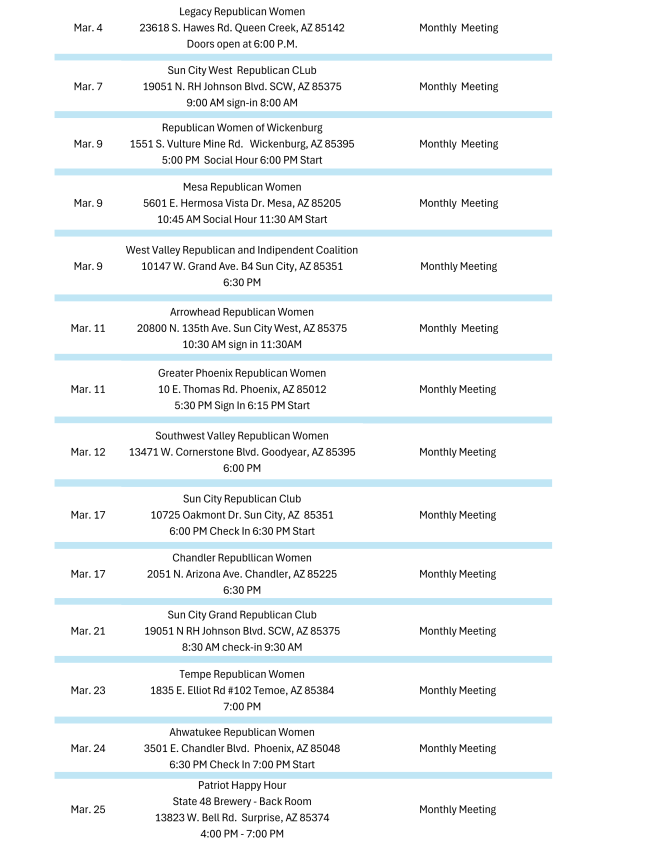
IF YOU WOULD LIKE YOUR CLUB LISTED PLEASE CONTACT ME | | | | |
| |
Thank you,
Lisa Everett
www.patriotnheels.com
Follow me on:
X - @patriotnheels
Facebook - @patriotnheels
Instagram - @patriotnheels
| | | | | | |