|
A History of Labor Day: Celebrating the American Worker
Labor Day, a federal holiday celebrated on the first Monday of September, is a time to honor the contributions of American workers. While often seen as a marker of the end of summer, its origins lie in the struggles and triumphs of the labor movement.
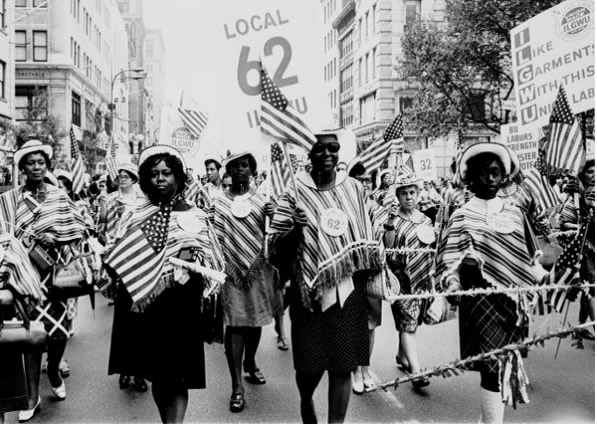
The concept of a day dedicated to workers emerged in the late 19th century amidst growing labor unrest. Inspired by similar celebrations in Canada, the first Labor Day parade was held in New York City on September 5, 1882, organized by the Central Labor Union. This event was a demonstration of unity and solidarity among workers, a time to showcase their strength and demand fair treatment.
The American labor movement is a complex and multifaceted history, shaped by economic, political, and social factors. It has played a critical role in shaping the nation's workforce and society as a whole.
One of the primary goals of the labor movement in the late 19th century was to establish an eight-hour workday. This demand was fueled by concerns about worker exploitation and the need for more time for family and leisure.
The Haymarket Riot, a tragic event that unfolded on May 4, 1886, in Chicago, Illinois, marked a significant turning point in the American labor movement. The riot, which resulted in the deaths of several police officers and civilians, had a profound impact on the public perception of organized labor and the struggle for workers' rights.
The late 19th century was a time of great industrial growth and social unrest in the United States. Workers, often laboring in dangerous conditions and for low wages, were organizing to demand better working conditions, shorter hours, and higher pay. The Haymarket Riot occurred amidst a nationwide strike for an eight-hour workday.
In 1894, President Grover Cleveland signed a bill making the first Monday of September a federal holiday. This decision was influenced by the Pullman Strike, a major labor dispute that had disrupted railroad operations across the country. The establishment of Labor Day as a national holiday was a significant victory for the labor movement, recognizing the contributions of workers to the nation's economy.
Today, Labor Day is celebrated with parades, picnics, and other festivities. While the holiday has evolved over time, it remains a testament to the hard work and dedication of American workers. It is a time to reflect on the progress made in labor relations and to continue the fight for fair wages, safe working conditions, and worker's rights.
Sources:
|