Honoring Community.
Expanding Clean Transportation Access. | | |
Recognizing Native American
Heritage Month
This month, we're celebrating the rich history, cultures, and contributions of Native American communities while reflecting on the importance of meaningful engagement and ensuring everyone has access to opportunities that support a cleaner future.
In this November edition, discover how we’re partnering with Native-led organizations, bringing DCAP resources directly to communities, and supporting Californians through access to clean transportation.
Read on for the latest community stories, an inspiring DCAP participant spotlight, and upcoming opportunities to connect with our team. We're glad you're here!
| | |
NAEPC: Leading With Community
Learn how the Native American Environmental Protection Coalition's community-led approach is shaping its work to expand access to clean transportation for Native communities.
Read our partner spotlight.
| | |
Thanksgiving Holiday Closure
DCAP offices will be closed Thursday, November 26, and Friday, November 27 in observance of Thanksgiving.
We hope you enjoy a wonderful holiday with family, friends, and loved ones!
| | |
Connect With DCAP
Interested in getting involved? Learn how to bring DCAP resources to your community, find upcoming events, and connect with the DCAP team.
See what's in store for 2027.
| | Tribal Outreach in Action | | |
Honoring Native American Heritage Through Community and Clean Transportation
Connecting Tribal Communities with Clean Transportation Opportunities
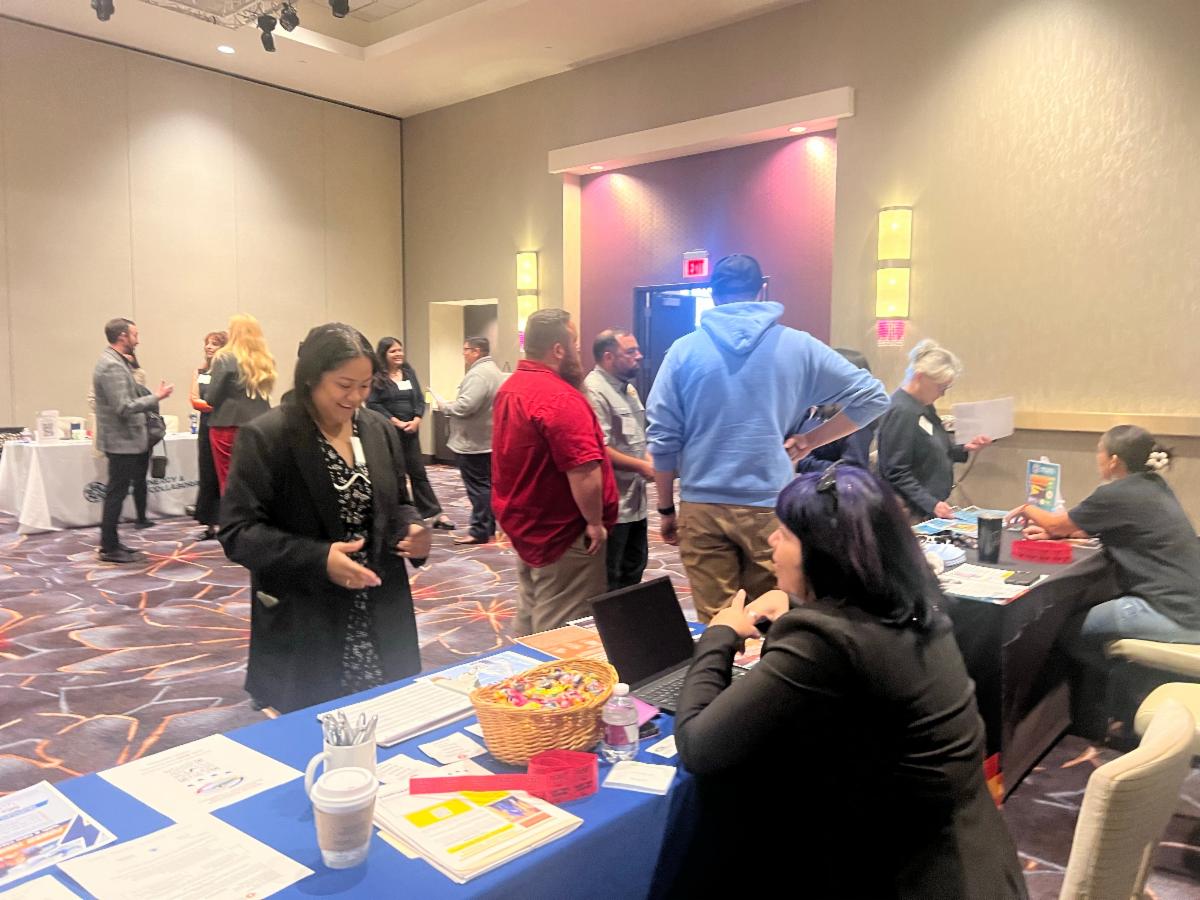
Throughout 2026, DCAP continued to strengthen its presence within Tribal communities across California through meaningful outreach, community events, partnerships, and engagement.
A key focus this year has been creating opportunities for DCAP to show up in Tribal communities, listen to community needs, and connect Tribal members and organizations with clean transportation resources and opportunities.
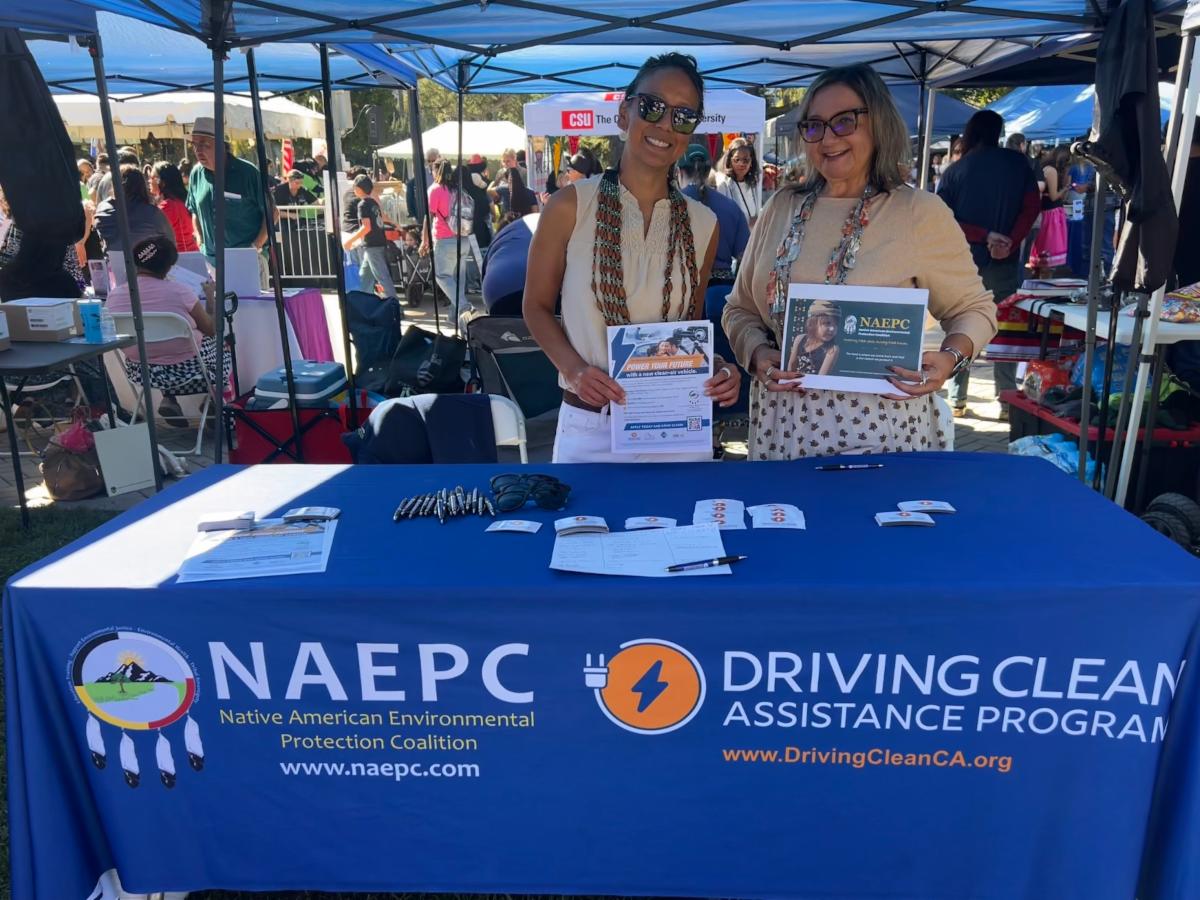
Our partnership with the Native American Environmental Protection Coalition (NAEPC) has provided valuable opportunities to connect DCAP with Tribal communities.
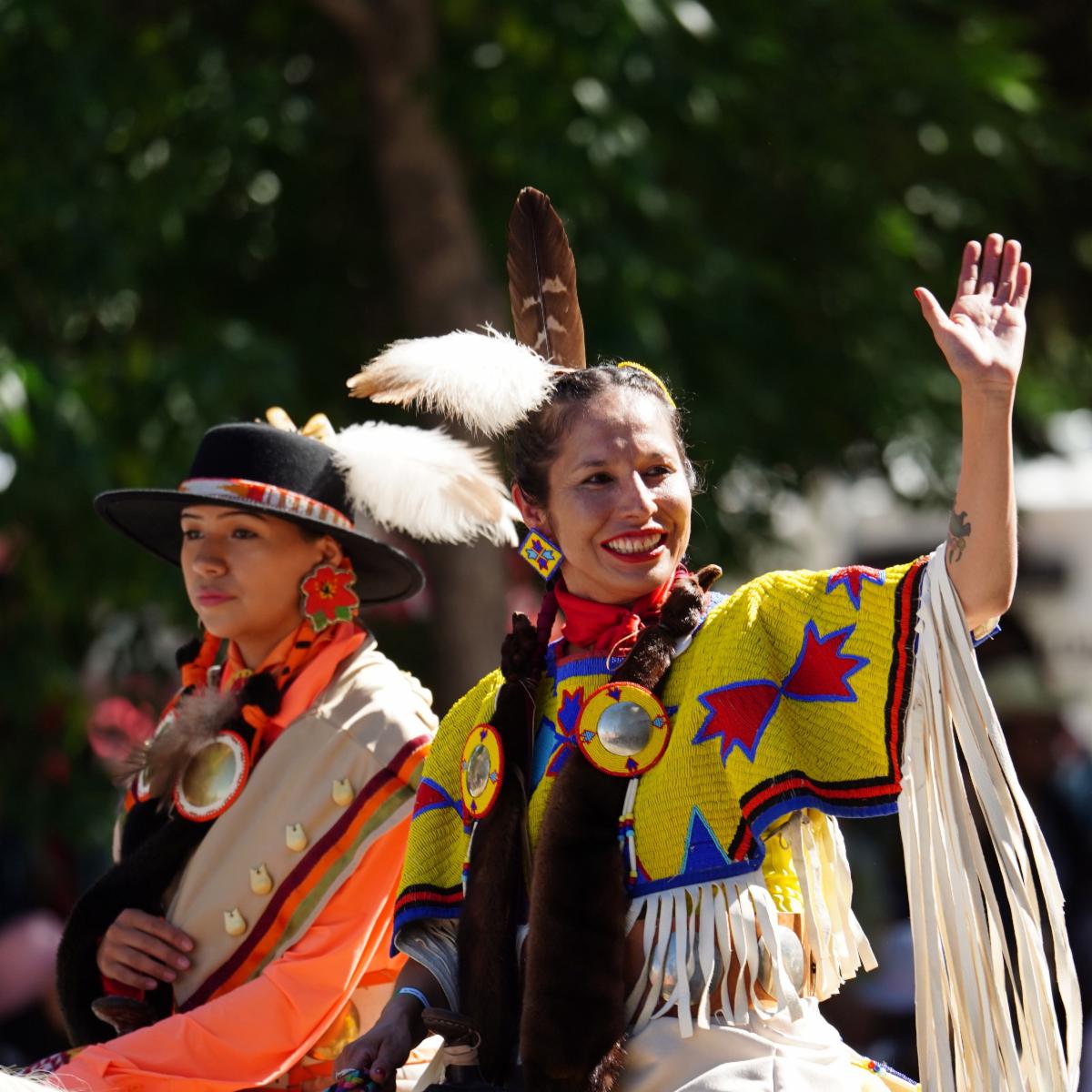
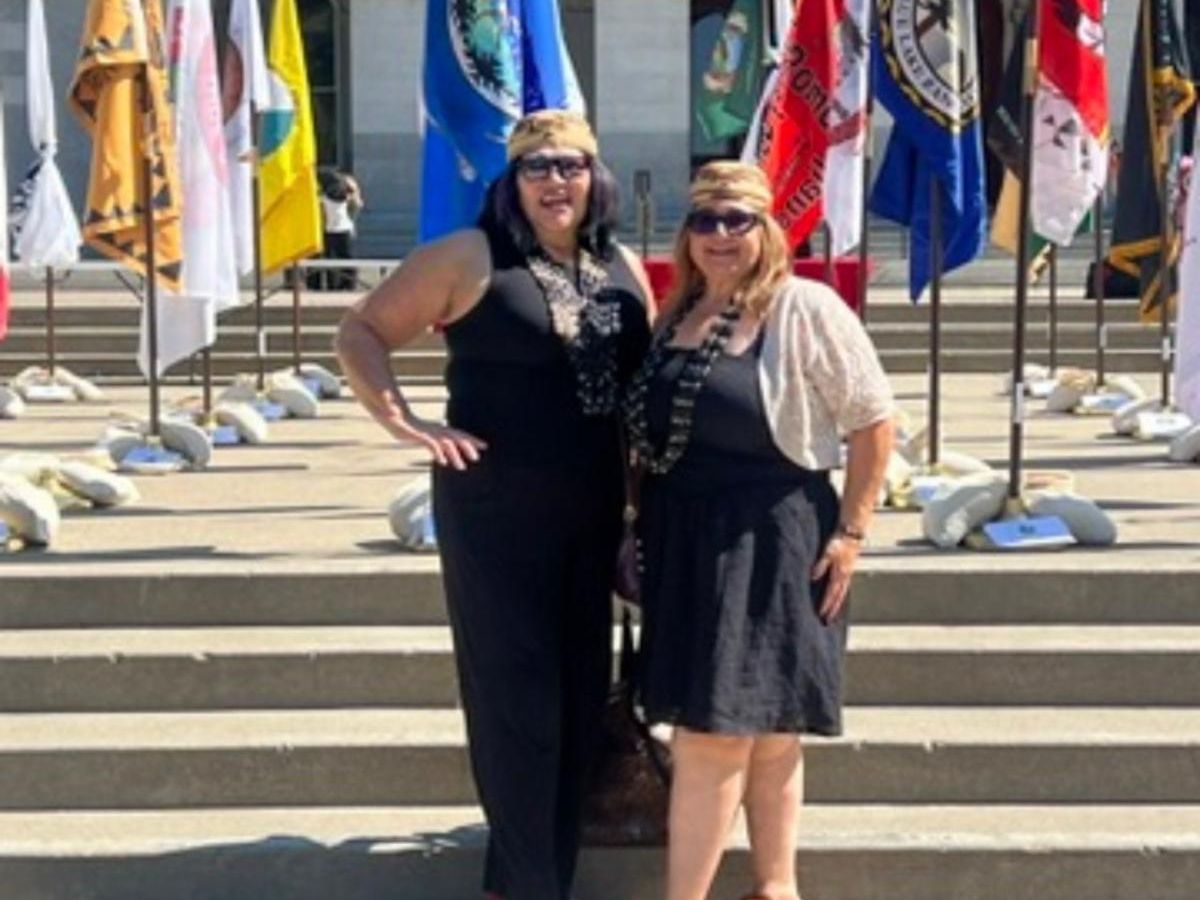
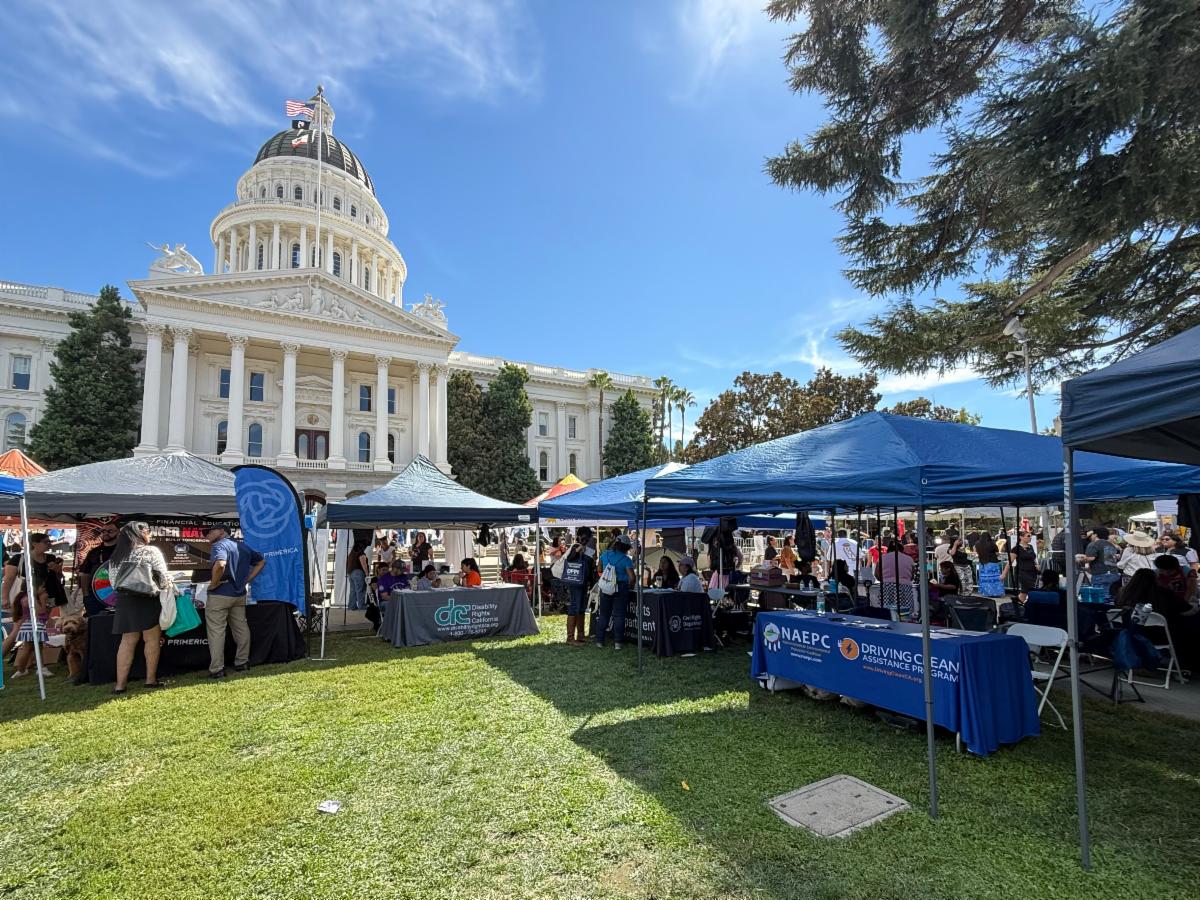
DCAP & NAEPC’s participation in Tribal Earth Days, Powwows, Ride & Drive at the Santa Rosa Days Powwow, and DCAP presence at the 59th Annual Native American Day at the steps of the State Capitol created an important space to introduce clean transportation resources and engage directly with Tribal community members around environmental health, sustainability, and cleaner transportation.
These events provided opportunities for conversations that went beyond program eligibility. Community members were able to ask questions, share their experiences, and learn how clean transportation programs may support healthier communities and future generations.
| |
AT-A-GLANCE 2026
COMMUNITY IMPACT:
Community members reached: 1,000+
Tribal community events & engagements (to date): 20
Communities and regions reached statewide: California
Meeting Communities Where They Are
Through 20 Tribal outreach events and engagements, DCAP connected with 1,000+ community members, including Tribal Earth Days, Powwows, Ride and Drive, and Tribal gatherings such as conferences and meetings.
Bringing EV Experiences to the Santa Rosa Days Powwow
Rather than relying solely on traditional outreach methods, DCAP has worked to meet communities where they are at. This includes Tribal events, environmental gatherings, community meetings, conferences, and other spaces where conversations about priorities are already taking place.
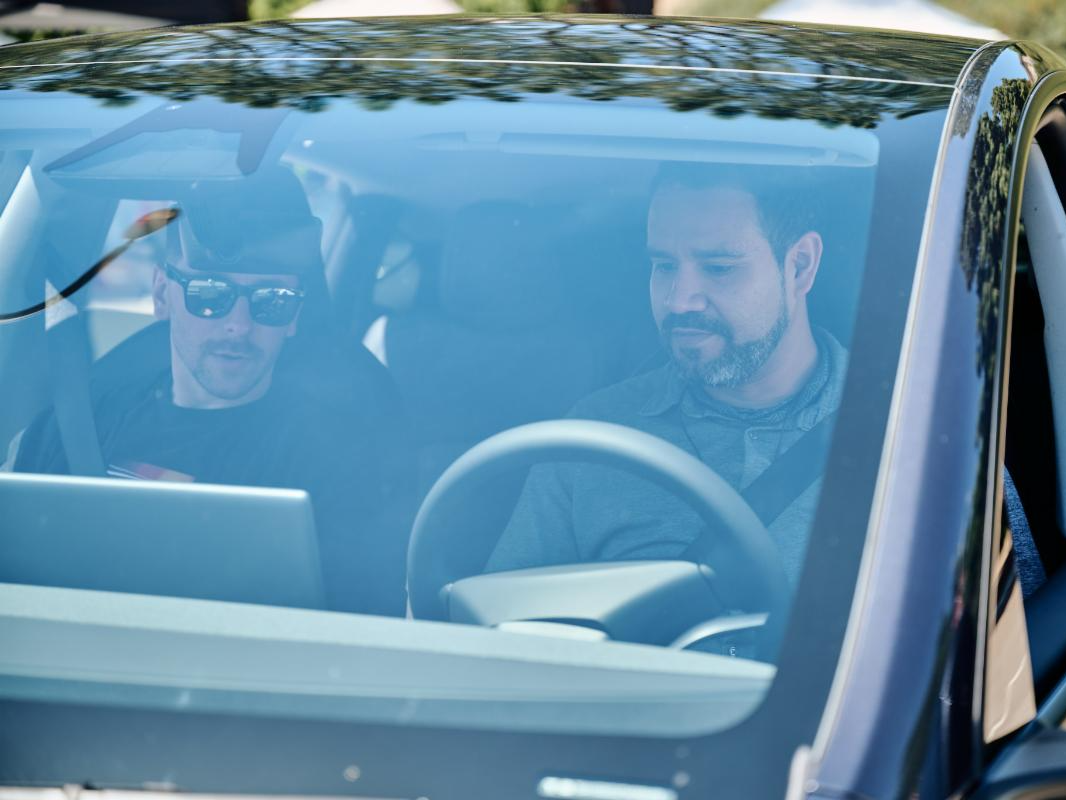
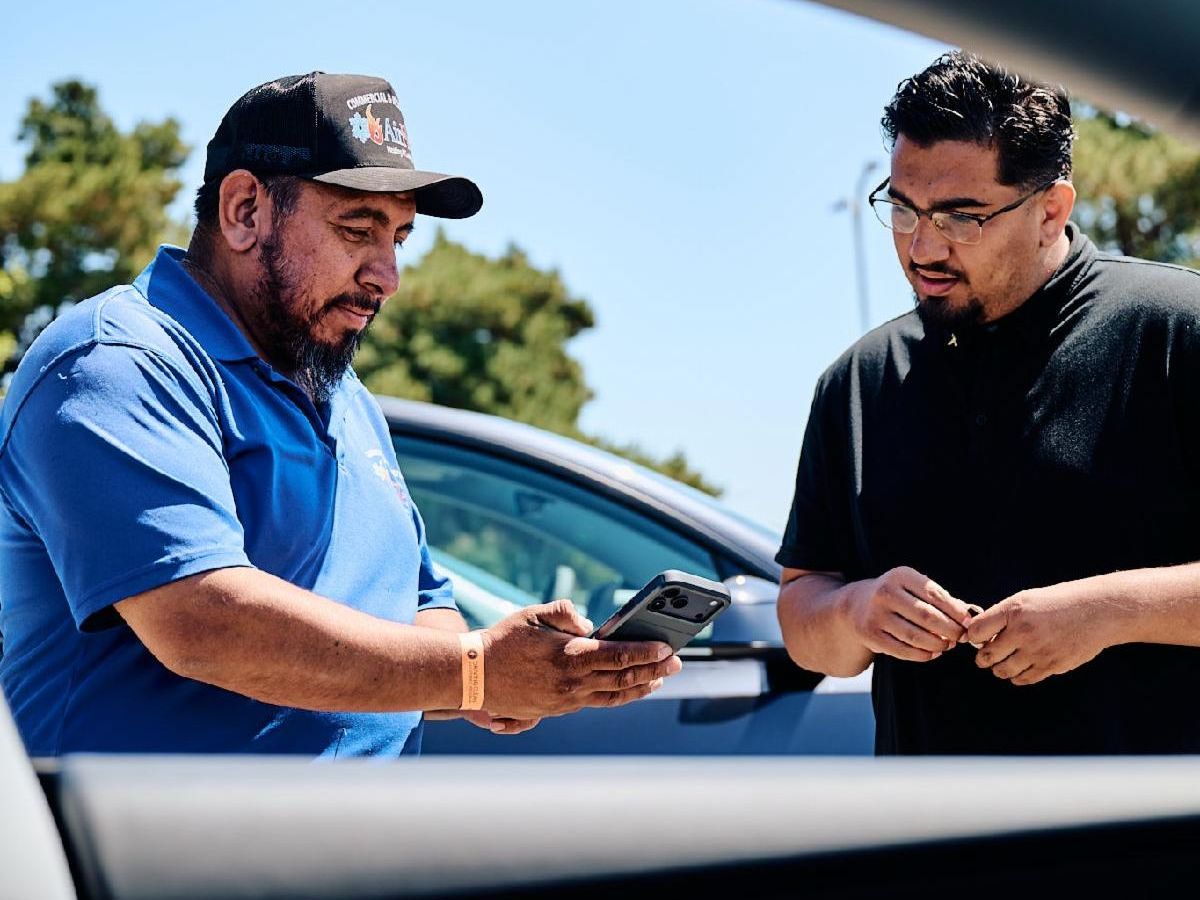
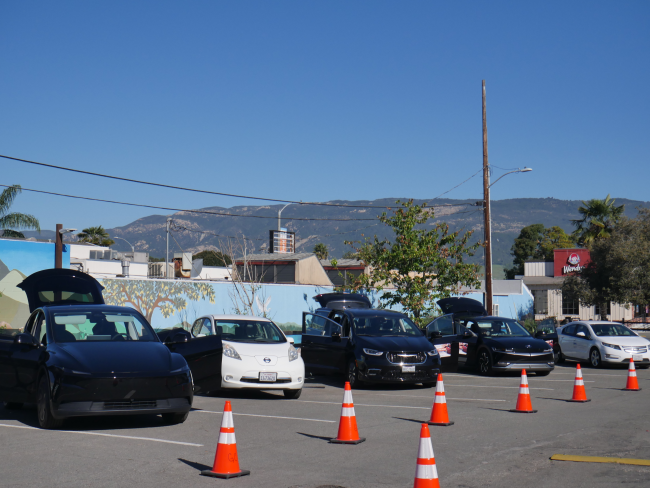
One of the year’s most meaningful community engagement opportunities was the Ride & Drive at the Santa Rosa Days Powwow which took place in Lemoore at the Tachi Palace Resort & Casino. The event represented an important step in bringing clean transportation education and hands-on EV experiences directly into a Tribal community setting. Rather than simply providing information about electric vehicles and incentives, the Ride & Drive gave community members an opportunity to see, experience and ask questions about EVs firsthand.
| Community Partner Spotlight:
Native American Environmental Protection Coalition | | |
Proud to Partner with NAEPC
Did you know? NAEPC is a Native-led organization working with Native communities to support a healthier environment and expand access to clean transportation.
DCAP is proud to partner with NAEPC to help bring these resources to the communities it serves.
In this conversation, learn more about NAEPC’s community-led approach and the work happening across the communities it serves.
| | |
NAEPC has a unique role in serving Native communities. What does community-led environmental work mean to NAEPC, and how does it shape the way you approach clean transportation?
Thirty years ago, Tribal communities formed the Native American Environmental Protection Coalition (NAEPC) in response to illegal dumping on Tribal lands. Today, NAEPC supports federally recognized Tribes facing similar threats to their sovereignty, health, lands and people. Unlike other nonprofits, NAEPC is guided and directed by the Tribes it serves. NAEPC works alongside of Tribes meeting them where “they are at,” meaning we show up to Tribal lands and develop long-lasting relationships that allow NAEPC to be viewed as a trusted partner not only for short-term efforts but for long-term assistance. Clean Transportation is just one example of how NAEPC partners with Tribes.
From NAEPC’s perspective, what are some of the transportation challenges or barriers that Native communities experience that may not always be visible to the broader public?
Many Tribal lands are in rural areas vulnerable to wildfires and other extreme weather, which can trigger public safety power shutoffs (PSPS). These outages may last for days, leaving residents without reliable access to vehicle charging and forcing them to rely on gasoline or diesel generators. Infrastructure upgrades in these communities are often not prioritized. For example, Pacific Gas and Electric officials stated in 2022 that upgrading the system in Southern Humboldt County—where Highway 101 serves as a key route between Northern California and San Francisco—would take decades and cost more than $900 million. Grid limitations therefore remain a largely unseen barrier to dependable charging access. Existing charging stations may also be poorly maintained, malfunctioning, or out of service. Together, these overlooked challenges hinder the adoption of clean transportation in Tribal and rural communities.
Following your recent partnership with DCAP at the Santa Rosa Days Lonewisxo Powwow, what did you hear from community members about clean vehicles or transportation needs?
Like many rural communities, Tribal communities often have limited access to information about how electric vehicles work and what repairs involve. Potential buyers may hesitate because they are uncertain about charging availability, charging costs, and vehicle maintenance expenses. More education is needed to explain the basics and make EV ownership easier to understand.
As we recognize Native American Heritage Month, what is one message you would like to share about the connection between protecting the environment, honoring Tribal communities, and creating a healthier future for the next generation?
Tribal people raised on reservations are often taught deep reverence for the land and a responsibility to protect it. Traditional stories tell how animals prepare the land for humanity and how people became their next guardians—not for their own benefit, but for future generations. Today we must continue to remember that caring for the land is a responsibility we hold for those who come after us.
Read the full interview with NAEPC on our website.
| | Real Stories. Happy Drivers. | | Eligibility and Requirements | | |
Am I Eligible?
We'll help you find out! To qualify for DCAP, applicants must be California residents with a household income at or below 300% of the Federal Poverty Level (FPL).
See If You Qualify
| | |
Transportation Resources
Save the DCAP Dealership List to your bookmarks so you can easily find the latest participating dealership locations across California!
Browse the Network
| | |
DCAP Dealerships
Know a dealership that should join our network? Refer them today and help us grow our program!
Visit DCAP Dealership page or email dealership@drivingcleanca.org.
| | Follow us on social media to stay updated! | | |
The Community Housing Development Corporation's (CHDC) Driving Clean Assistance Program (DCAP) is a California Air Resources Board-funded clean-air vehicle incentive program to help low-income Californians, especially those in underserved, Tribal and disadvantaged communities, access clean-air vehicles.
This is an unmonitored inbox. Replies will not be received.
For questions or assistance, please visit our website and use the Contact Us form.
| | | | |