Heat and Diabetes
Heat Exhaustion is prevalent during the summer months as temperatures and humidity rise. It’s important to take proper precautions to avoid heat exhaustion, especially individuals with diabetes. Excessive heat can lead to blood glucose spikes and dehydration.
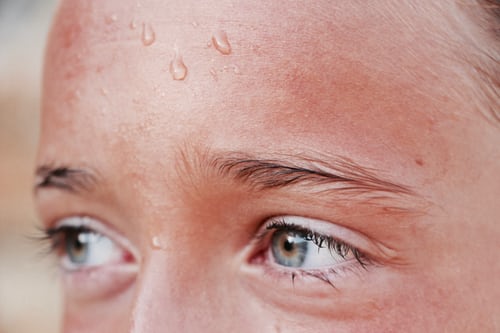
Symptoms of heat exhaustion include: excessive thirst, weakness, headache and loss of consciousness. Dehydration comes as a result of heat exhaustion, which can lead to symptoms associated with salt depletion: nausea, vomiting, muscle cramps and dizziness. Heat Exhaustion can also lead to heat stroke.
To prevent heat exhaustion, be sure to properly hydrate and keep water with you at all times. Drink before you start to become thirsty, as thirst is not always a proper indicator of hydration levels.
If an individual starts to display signs of heat exhaustion, remove them from the sun, give them water to drink, and apply cold wet cloths or ice on the back, armpit and groin areas.
Keep hydration on the forefront as you enjoy summer activities. If you or someone around you starts to show signs of heat exhaustion, quickly take the proper measures. Children under five and adults over 65 are most at risk.